Semmering Railway: Austria’s First Mountain Railway
Through the Alps

Before the Semmering Railway existed, crossing the Alps by land was slow, expensive and heavily dependent on the landscape. The opening of the railway in 1854 changed that by creating a reliable route over the Semmering Pass, a section of the Austrian Alps that had presented engineers with an extraordinary challenge. Built under the direction of Carl von Ghega, the railway introduced pioneering construction techniques and went on to influence the development of railways through mountainous regions around the world.
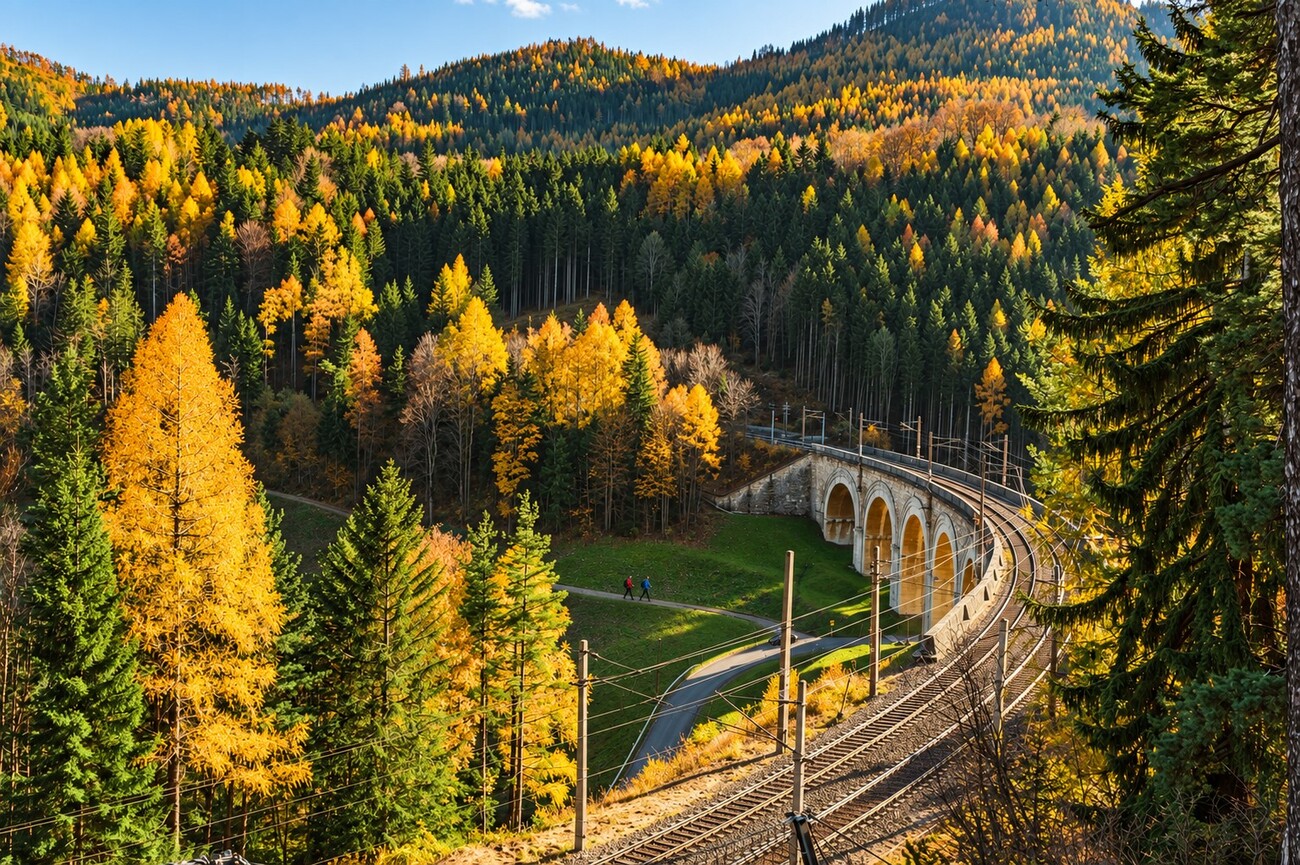
The line runs for 41 kilometres between Gloggnitz and Mürzzuschlag, climbing through forests, valleys and mountain settlements along the way. Its tunnels, viaducts, bridges and carefully designed curves were practical engineering solutions that allowed trains to cross the steep Alpine terrain. Today, those same structures are among the defining features of the journey and helped earn the Semmering Railway UNESCO World Heritage status in 1998.
Taking the train today is one of the easiest ways to experience this historic route. Regular services still operate along the railway, so you can travel over the same line that transformed transport across the Alps without needing to book a special heritage train. The journey between Gloggnitz and Mürzzuschlag takes around an hour, with constantly changing views of mountain forests, villages and valleys along the way.
What makes the Semmering Railway particularly unusual is that it is not a preserved railway operating only for tourists. More than 170 years after it opened, it remains part of Austria’s working rail network, allowing you to experience one of the great achievements of 19th-century railway engineering as part of an ordinary train journey through the Alps.
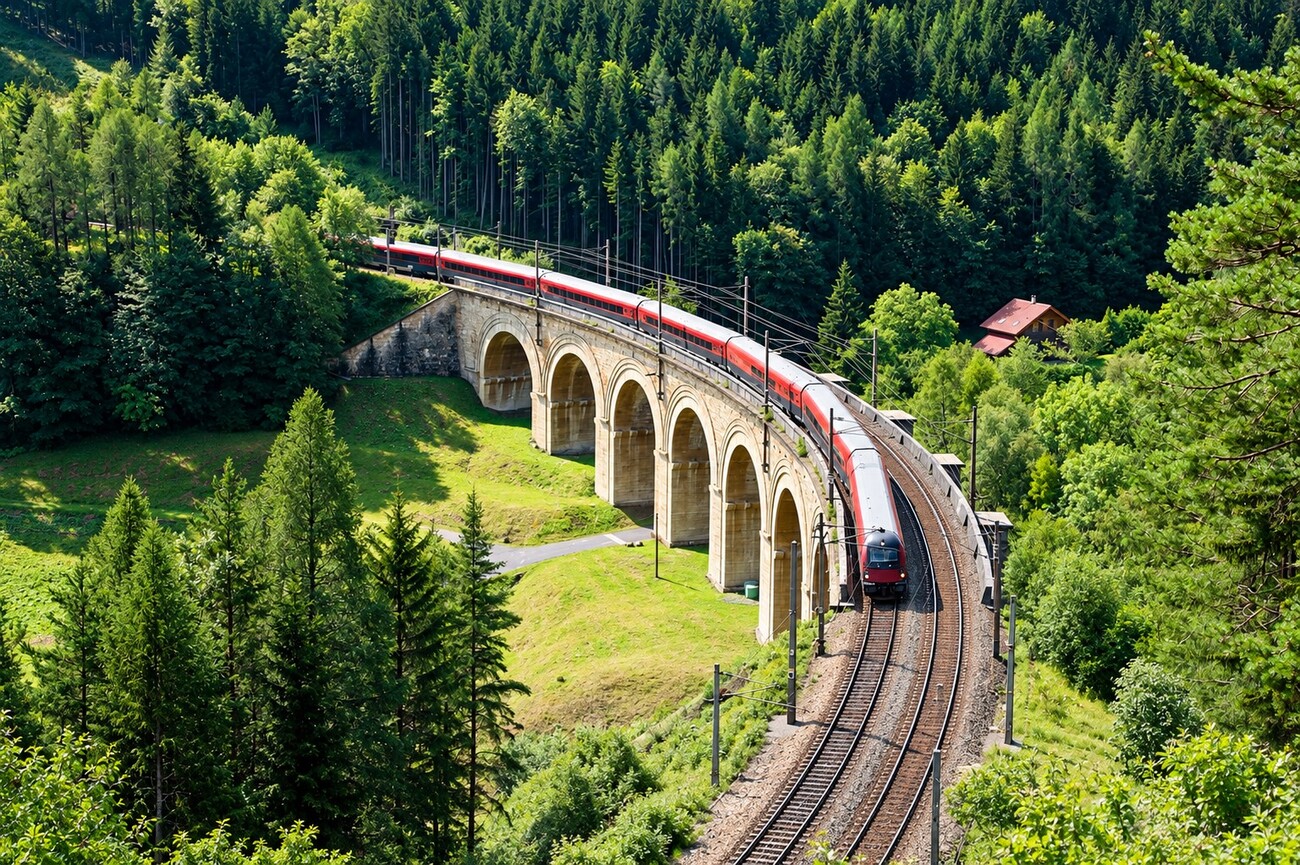
The Semmering Railway Itinerary
The Semmering Railway is a short but highly scenic route that can be experienced in several ways. The full journey between Gloggnitz and Mürzzuschlag takes around an hour, but the railway is best enjoyed at a slower pace, with time to explore some of the historic sites, viewpoints and walking trails along the way.
You can simply remain on the train for the entire journey or turn the route into a half-day or full-day experience by stopping at places such as Payerbach-Reichenau, Breitenstein and Semmering. Regular trains serve the line, making it easy to include the railway as part of a wider Austria itinerary without joining a dedicated railway tour.
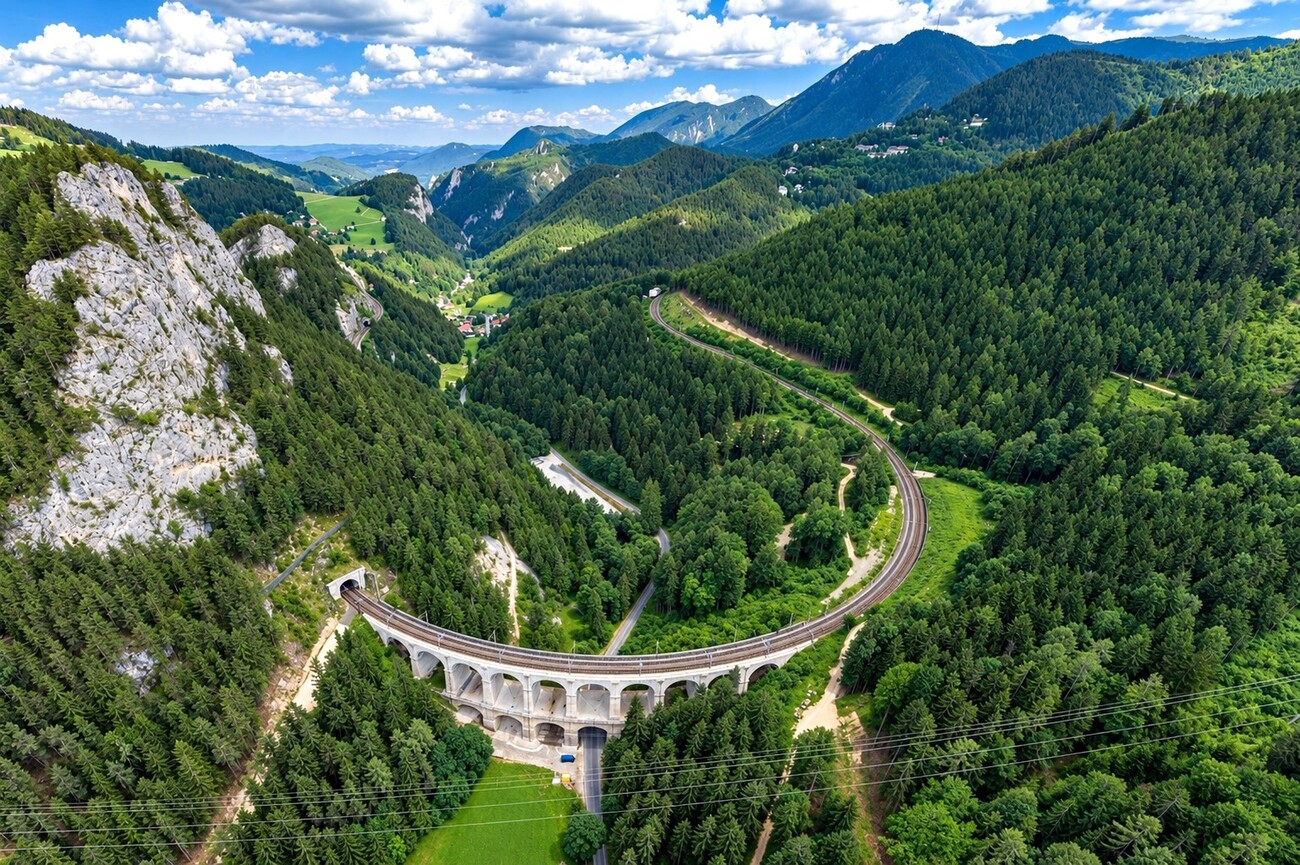
Gloggnitz
The journey begins at Gloggnitz, the northern starting point of the Semmering Railway. Located in Lower Austria at the foot of the Alps, the town marks the point where the railway leaves the flatter landscapes of the Vienna Basin and begins its climb towards the Semmering Pass.
Gloggnitz played an important role in the development of the railway as the starting point for one of the most technically challenging sections of the route. The arrival of the railway also strengthened the town's connections with Vienna and helped establish it as a gateway to the Alpine region.
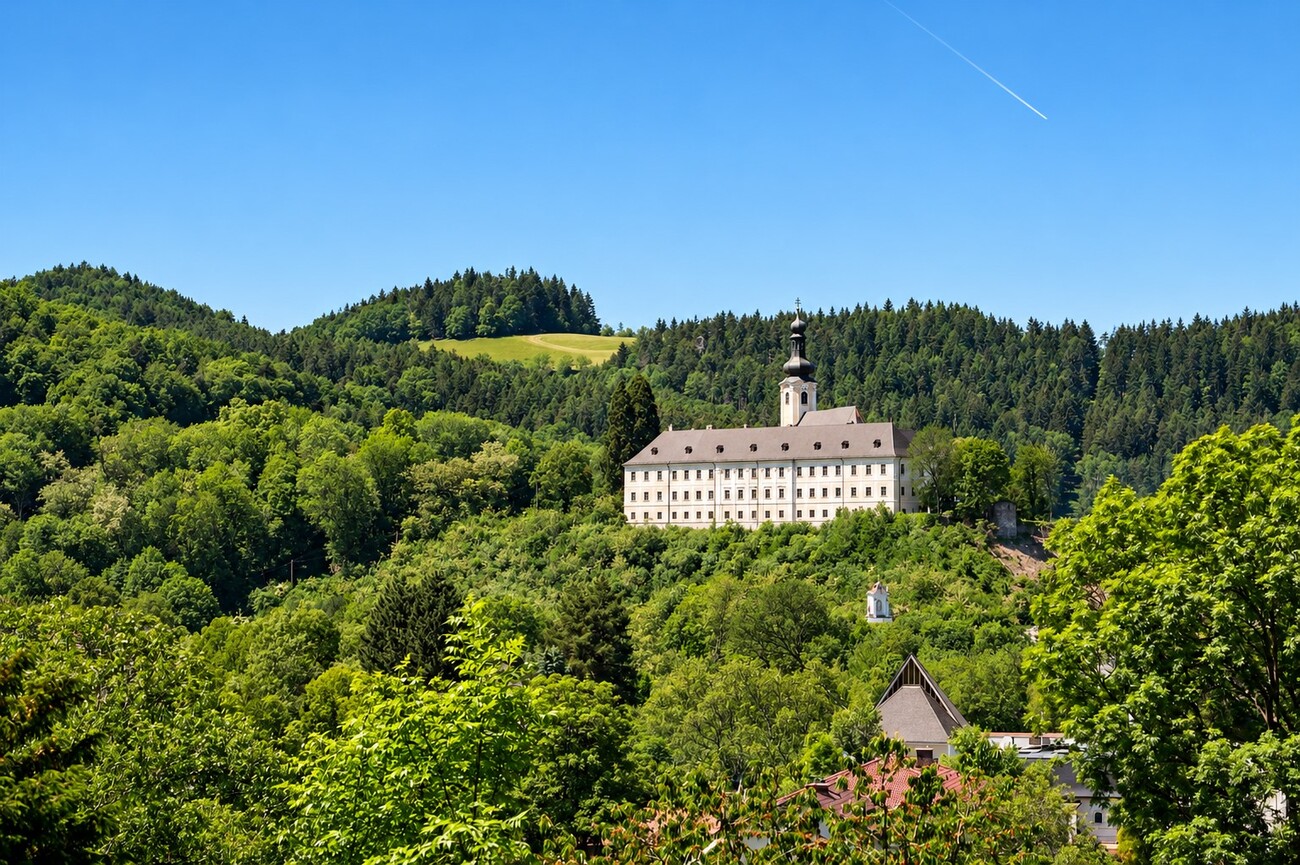
If you have time before beginning the journey, visit Gloggnitz Castle, a former Benedictine monastery with centuries of history. From the town, the railway soon begins following the contours of the valley as the climb into the mountains starts.
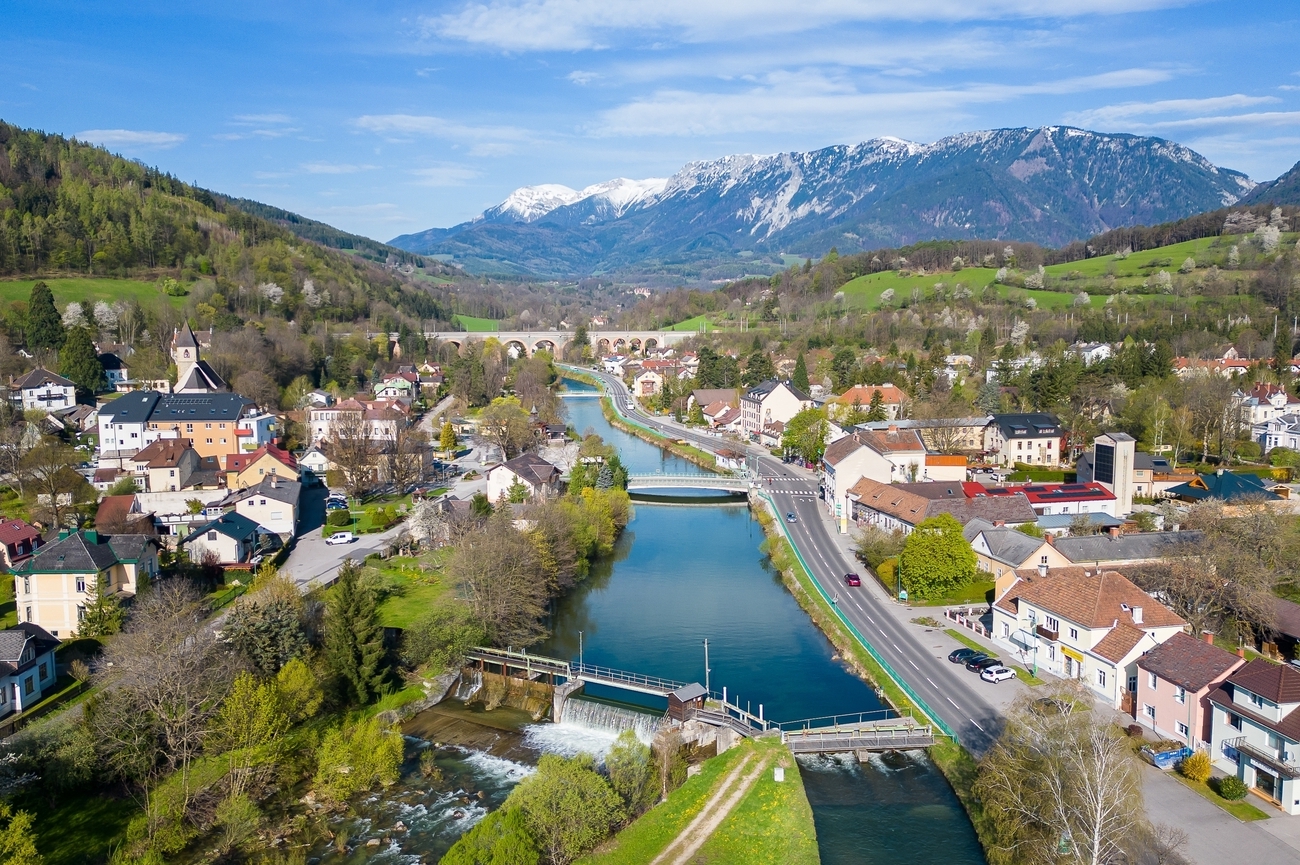
Payerbach-Reichenau
Payerbach-Reichenau became closely associated with Alpine tourism after the railway opened, when improved access from Vienna encouraged visitors to spend their summers in the cooler mountain climate. Historic villas, grand houses and walking routes remain reminders of this period.
The area is also a useful base for exploring the Höllental valley and the nearby Rax and Schneeberg mountains. For travellers combining the railway with hiking or other outdoor activities, this is one of the most worthwhile stops on the northern side of the route.
After leaving Payerbach-Reichenau, the railway enters increasingly dramatic terrain, with tighter curves, elevated sections and broader views across the surrounding valleys.
Klamm-Schottwien
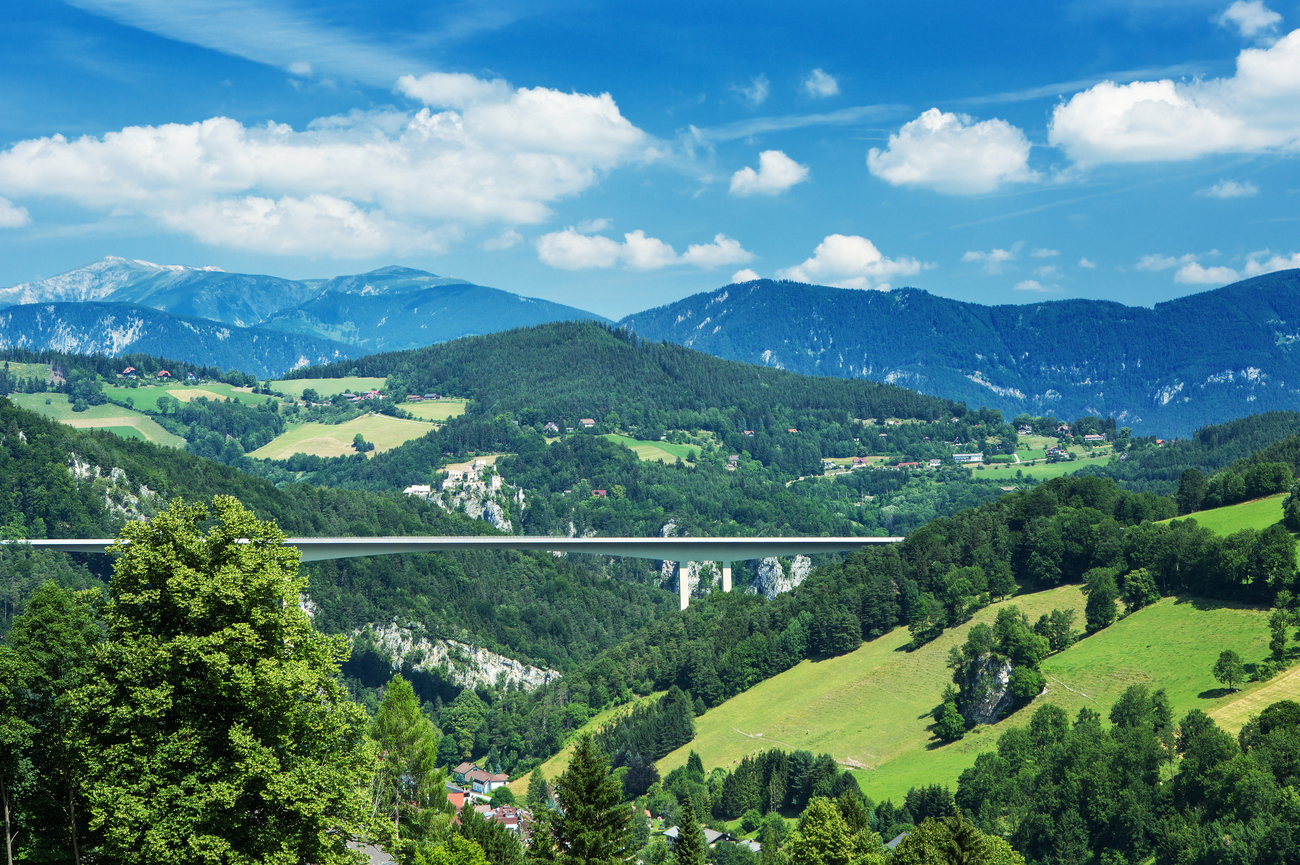
The section around Klamm-Schottwien demonstrates particularly well why construction of the Semmering Railway was considered such an ambitious undertaking. Long before the railway was built, this mountain corridor was an important route between Lower Austria and Styria, but its steep slopes and narrow valleys presented major challenges to 19th-century railway engineers.
The line follows the contours of the mountains through a carefully planned combination of curves, bridges and tunnels. Historic railway structures and views towards the Semmering Pass make this an interesting section for travellers particularly interested in the engineering behind the route.
Breitenstein
Breitenstein is one of the best stops for understanding both the history and engineering of the Semmering Railway. The village is closely associated with Carl Ritter von Ghega, the engineer responsible for designing the line.
The Carl Ritter von Ghega Museum explores the planning and construction of the railway and the technical challenges involved in creating a mountain route before the development of modern construction machinery.
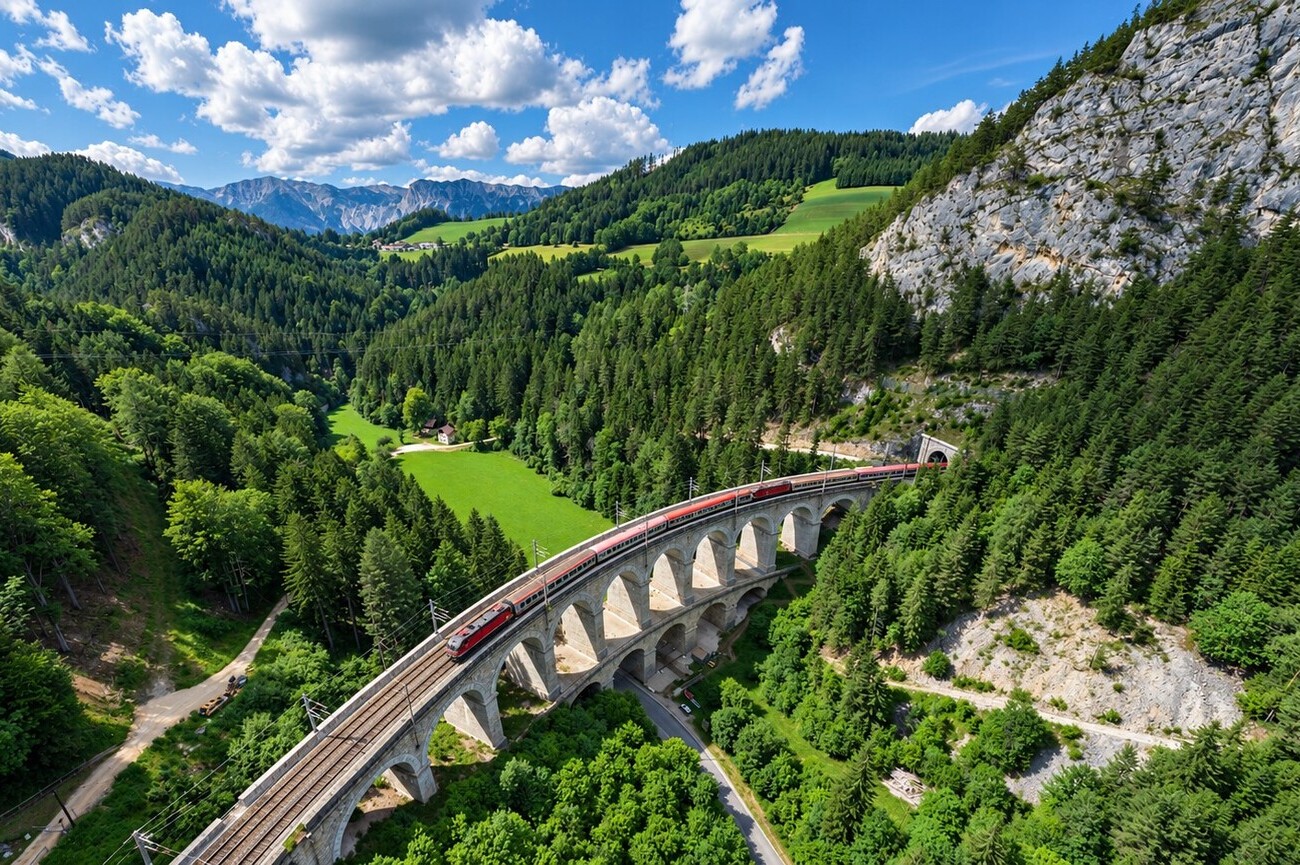
Breitenstein is also one of the best areas for seeing the railway within the wider Alpine landscape. Nearby viewpoints include the famous 20 Schilling View, overlooking the viaducts, forested slopes and winding tracks that have become some of the most recognisable images of the Semmering Railway.
Wolfsbergkogel
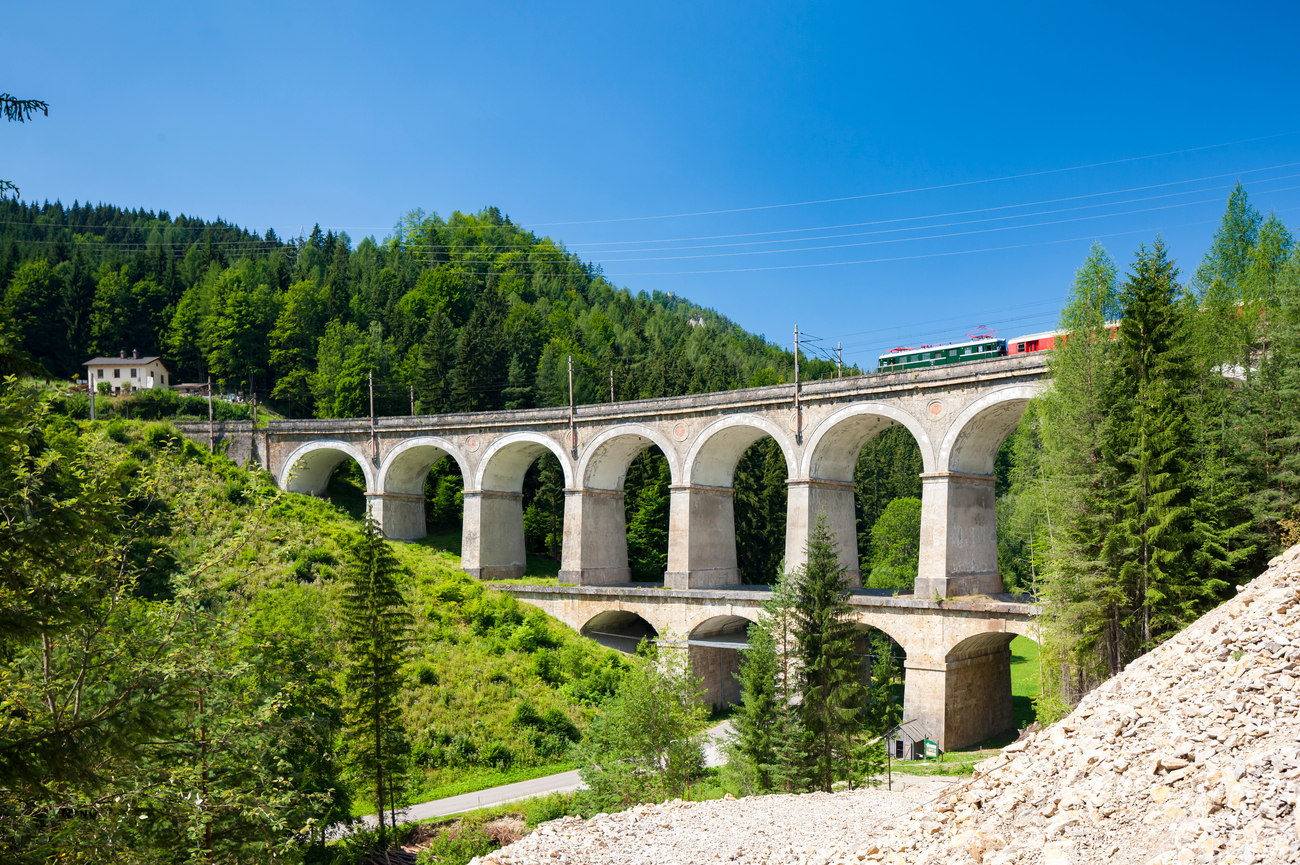
Wolfsbergkogel offers another opportunity to step away from the train and see the railway from the surrounding landscape. Several viewpoints overlook trains crossing viaducts against a backdrop of forests and mountains, making this one of the most photographed sections of the route. The best known is the 20 Schilling View (20-Schilling-Blick), named after the panorama that appeared on Austria’s former 20-schilling banknote. Another nearby viewpoint is the Doppelreiterwarte, an observation point on Wolfsbergkogel with views across the Semmering landscape.
The area is also connected to the Semmering Railway Hiking Trail, which follows sections of the historic railway and allows you to see its bridges, viaducts and mountain setting from viewpoints that cannot be appreciated from inside the train.
Semmering
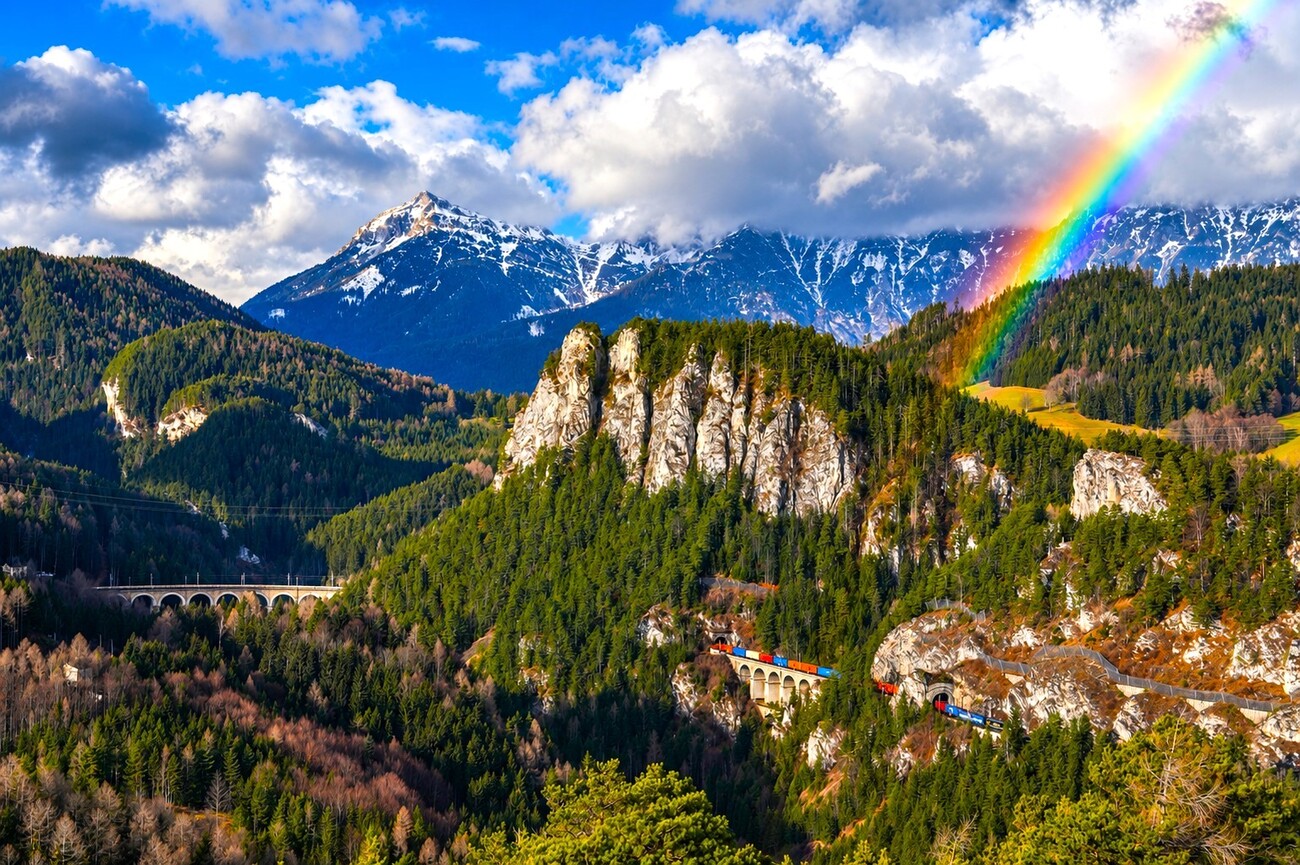
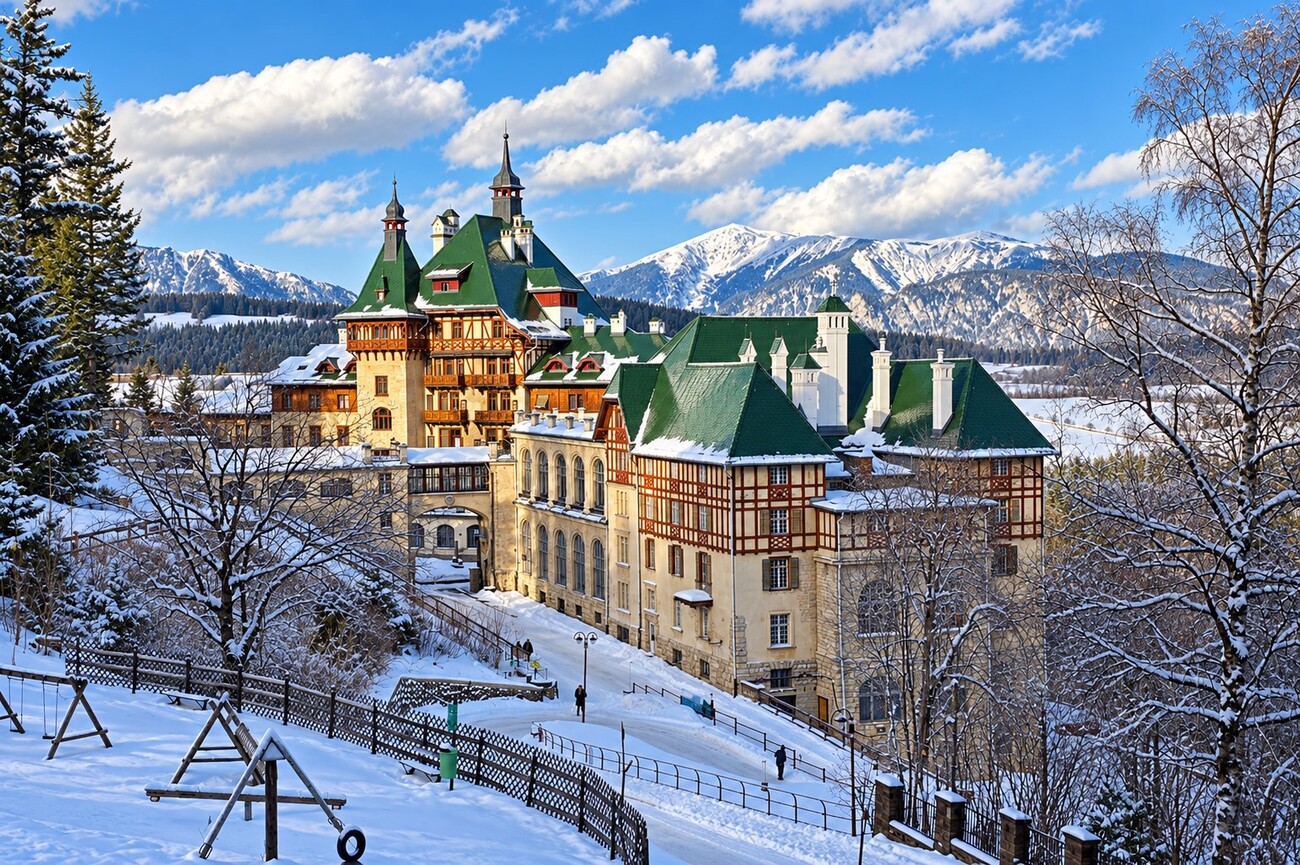
Semmering is the highest point of the route and the place that gave the railway its name. Located at around 895 metres above sea level on the Semmering Pass, the town was transformed by the arrival of the railway from a remote mountain settlement into one of Austria's earliest accessible Alpine resorts.
During the late 19th and early 20th centuries, Semmering became a fashionable retreat for visitors from Vienna who came for its mountain climate, scenery and outdoor activities. The Grand Hotel Panhans, Südbahnhotel Semmering, Kurhaus Semmering and surrounding villas reflect the period when the town became one of Austria's best-known mountain resorts.
Today, Semmering is one of the best places to break the railway journey. You can walk sections of the Semmering Railway Hiking Trail, visit viewpoints overlooking the historic line or simply spend time exploring the resort and its surrounding mountain landscape.
The Descent into Styria
After leaving Semmering, the railway begins its descent towards Styria, passing through smaller mountain settlements and continuing across bridges and through tunnels built into the slopes.
This part of the journey offers a different perspective from the climb to the Semmering Pass. The landscape gradually opens out as the train descends, while tunnels cut through the mountainside and historic structures along the route provide further examples of the engineering that made the railway possible.
Mürzzuschlag
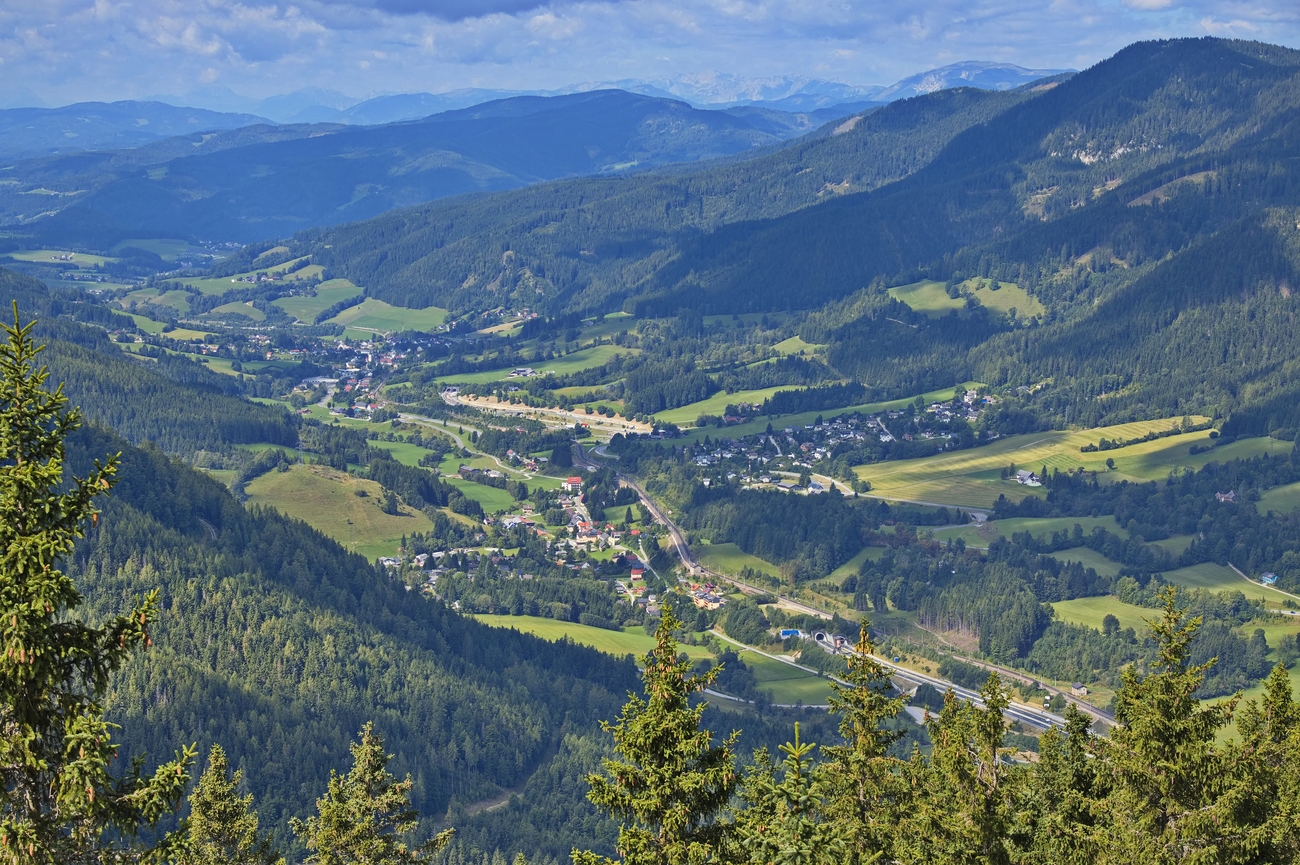
Mürzzuschlag marks the southern end of the historic Semmering Railway and the transition into the wider Styrian region. The town has a long association with railway history through its position on the Southern Railway, which eventually connected Vienna with the Adriatic.
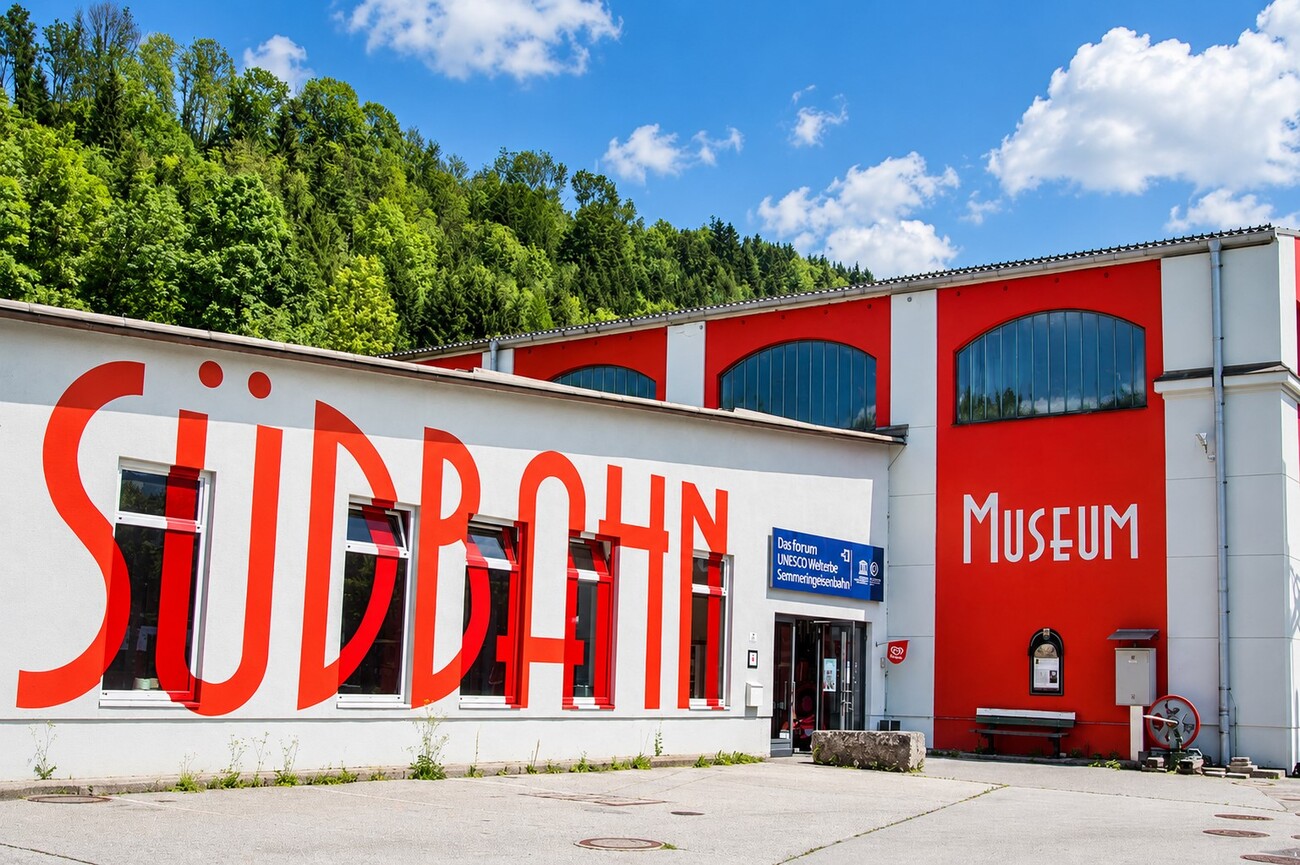
The SÜDBAHN Museum is one of the best places to visit after completing the journey. Its collection includes historic locomotives, railway equipment and exhibitions exploring the development of the Southern Railway and the challenge of building railways through the Alps.
Arriving in Mürzzuschlag completes the crossing from Lower Austria into Styria and brings the most famous section of the Semmering Railway to a natural conclusion.
How Long Does It Take to Travel the Semmering Railway?
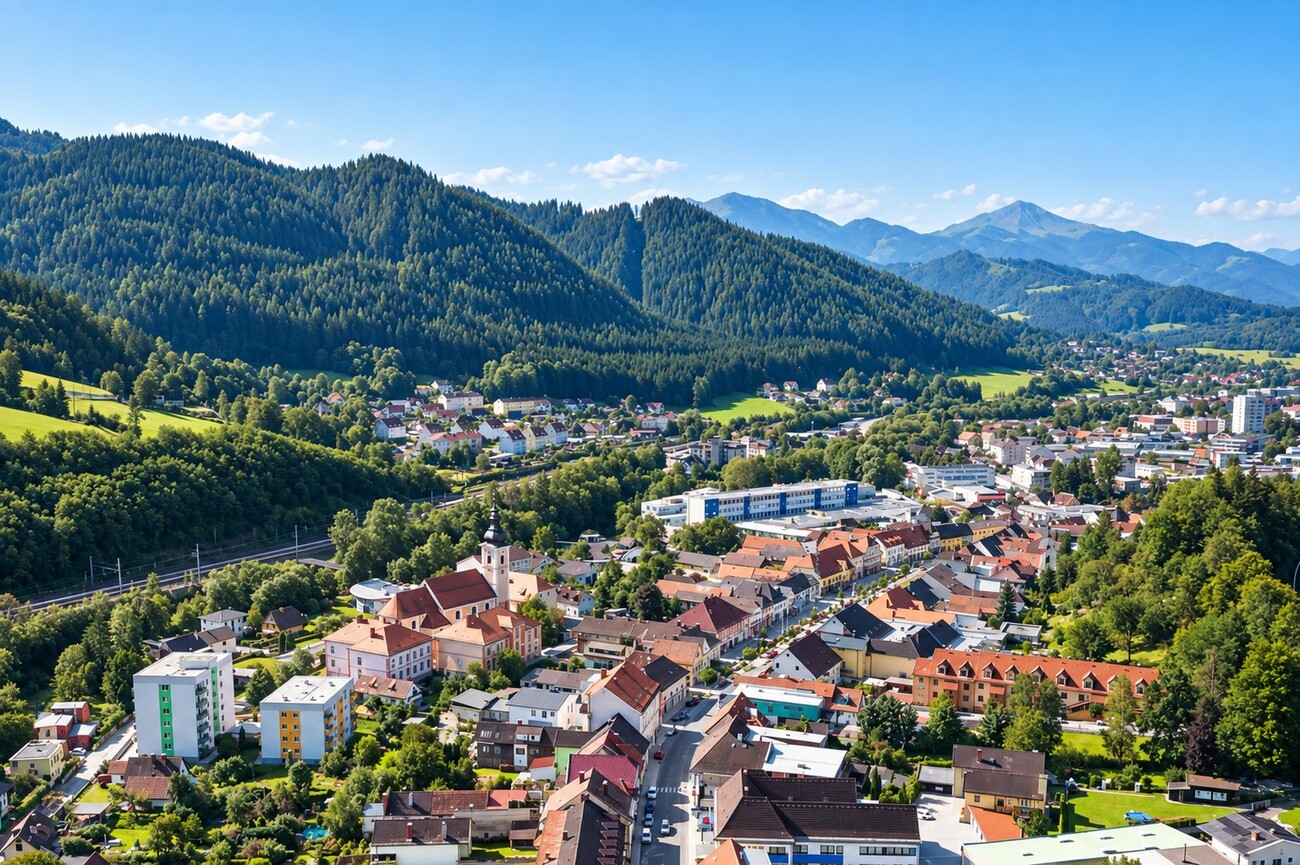
The complete journey from Gloggnitz to Mürzzuschlag takes around one hour and covers approximately 41 kilometres. Regular trains run directly along the route, so the crossing can be completed without changing trains.
If you simply want to experience the railway from the carriage, allow around an hour for the journey itself. A half day gives you time to stop at one or two places, while a full day is better if you want to combine the railway with the Semmering Railway Hiking Trail, museums or longer walks.
The most scenic section is around Breitenstein, Wolfsbergkogel and Semmering, where the railway's viaducts, curves and mountain setting are most apparent.
Semmering Railway Schedules and
Tickets
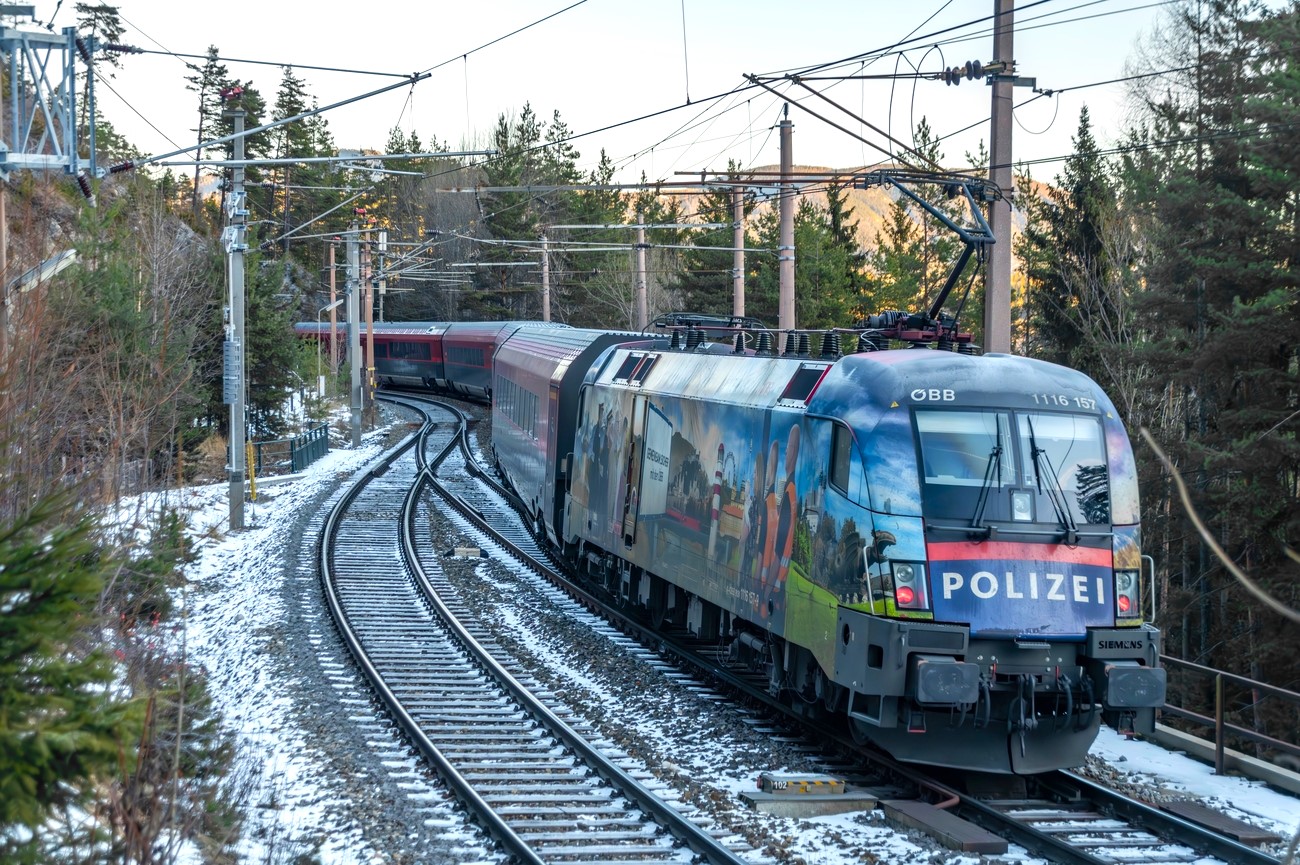
The Semmering Railway forms part of Austria's regular rail network, so you do not need to book a special heritage train to travel along the UNESCO-listed route.
Train frequencies can vary according to the day, season and planned railway works, so check the latest timetable before travelling. Current departure times, platforms and service updates are available through the ÖBB website and ÖBB Scotty app.
Tickets can be purchased through ÖBB online, in the app, from ticket machines or at staffed station counters. Standard Austrian rail fares apply, while travellers using an ÖBB Vorteilscard or other eligible regional ticket may be able to travel at a reduced fare.
Where to Stay Along the Semmering Railway
The best place to stay along the Semmering Railway depends on how you plan to explore the region. Gloggnitz is a practical base at the northern end of the route, Semmering offers the classic Alpine resort experience, while Mürzzuschlag is a convenient choice if you want to continue exploring Styria.
Gloggnitz
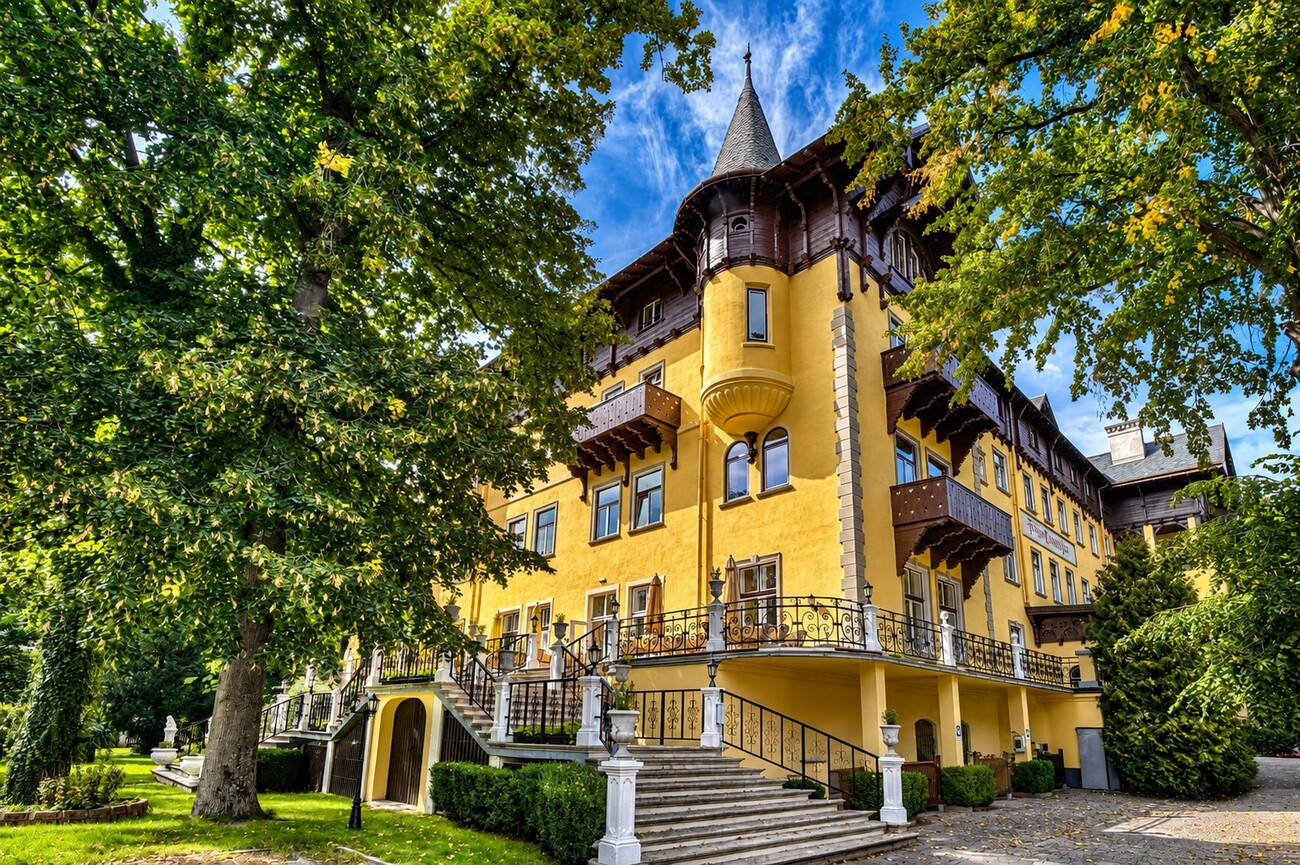
- Hotel Marienhof (4 stars): Located in Reichenau an der Rax, around 7-8 km from Gloggnitz, Hotel Marienhof is a historic 4-star property dating from the late 19th century. The hotel combines traditional character with modern spa facilities, including an indoor pool and sauna, and its position near the Rax mountains makes it a good choice for travellers who want easy access to Gloggnitz while staying in a more scenic setting.
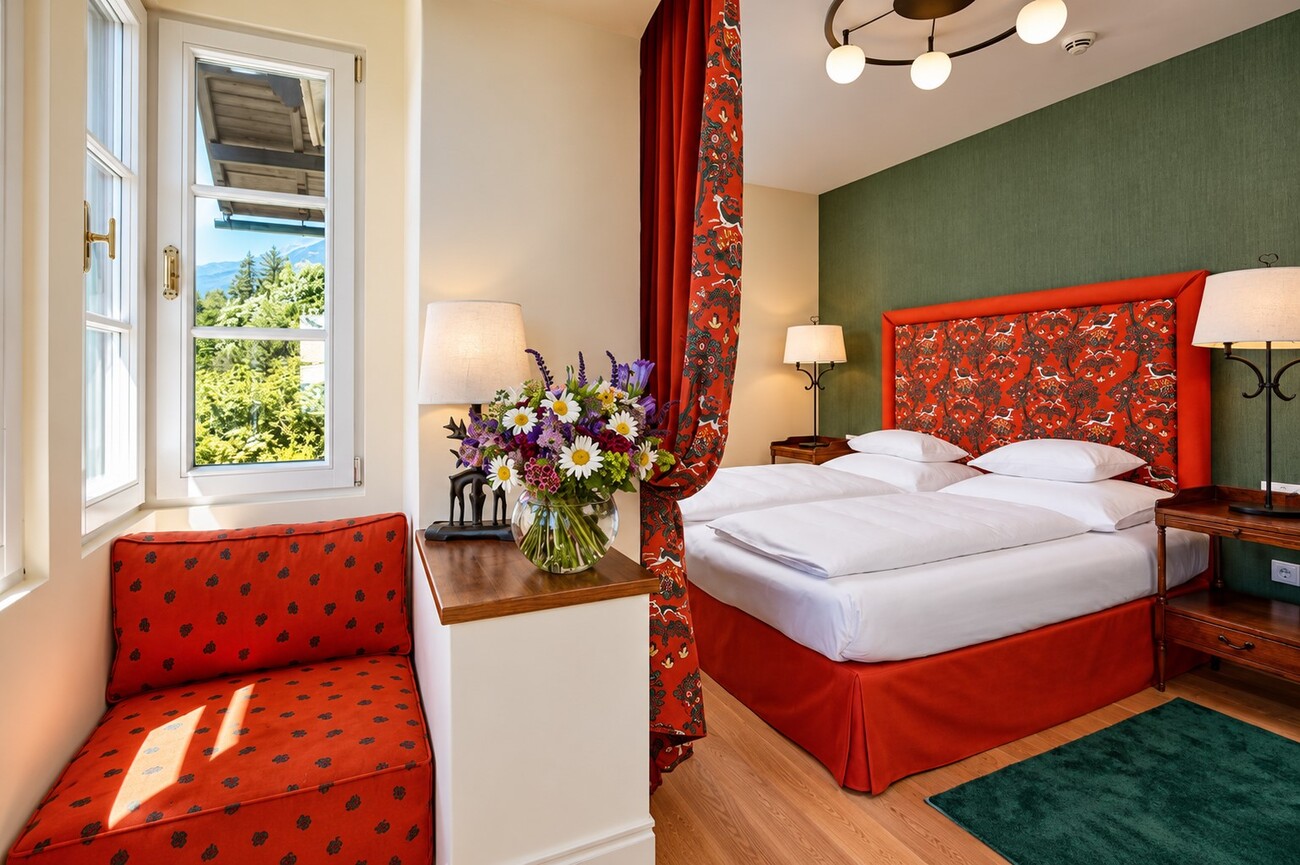
- Der Knappenhof - Hotel & Restaurant (4 stars): Located in Reichenau an der Rax, around 10-11 km from Gloggnitz, Der Knappenhof is a stylish hotel set at the foot of the Rax mountains. The property combines a peaceful Alpine setting with spa facilities, an outdoor pool and an on-site restaurant, making it a good choice for travellers who want to stay within easy driving distance of Gloggnitz while enjoying a more scenic mountain base.
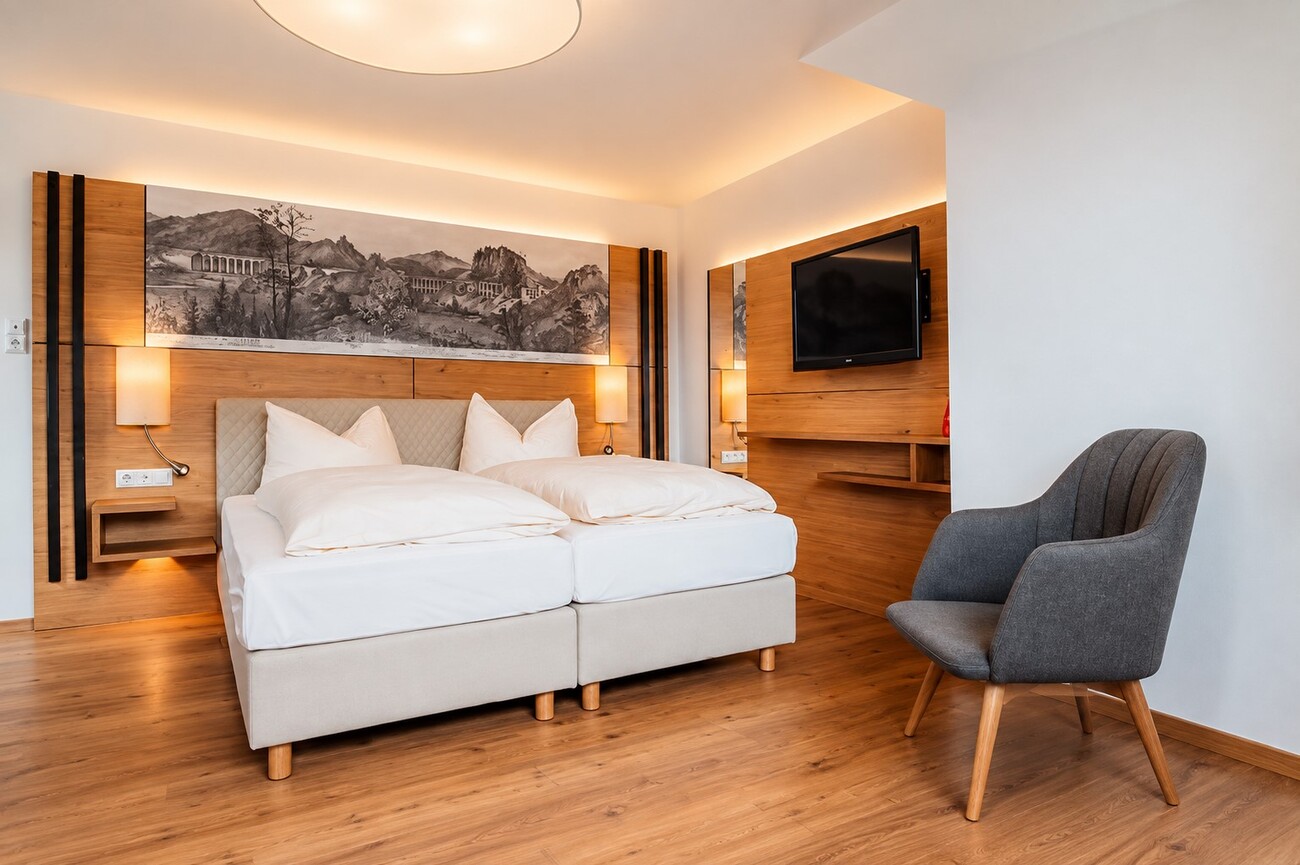
- Hotel Payerbacherhof (3 stars): Situated in Payerbach, around 6-7 km from Gloggnitz, Hotel Payerbacherhof is a traditional hotel with a restaurant and wellness facilities in the foothills of the Rax. Its location makes it convenient for visiting Gloggnitz while also providing quick access to the surrounding mountain landscape and walking routes.
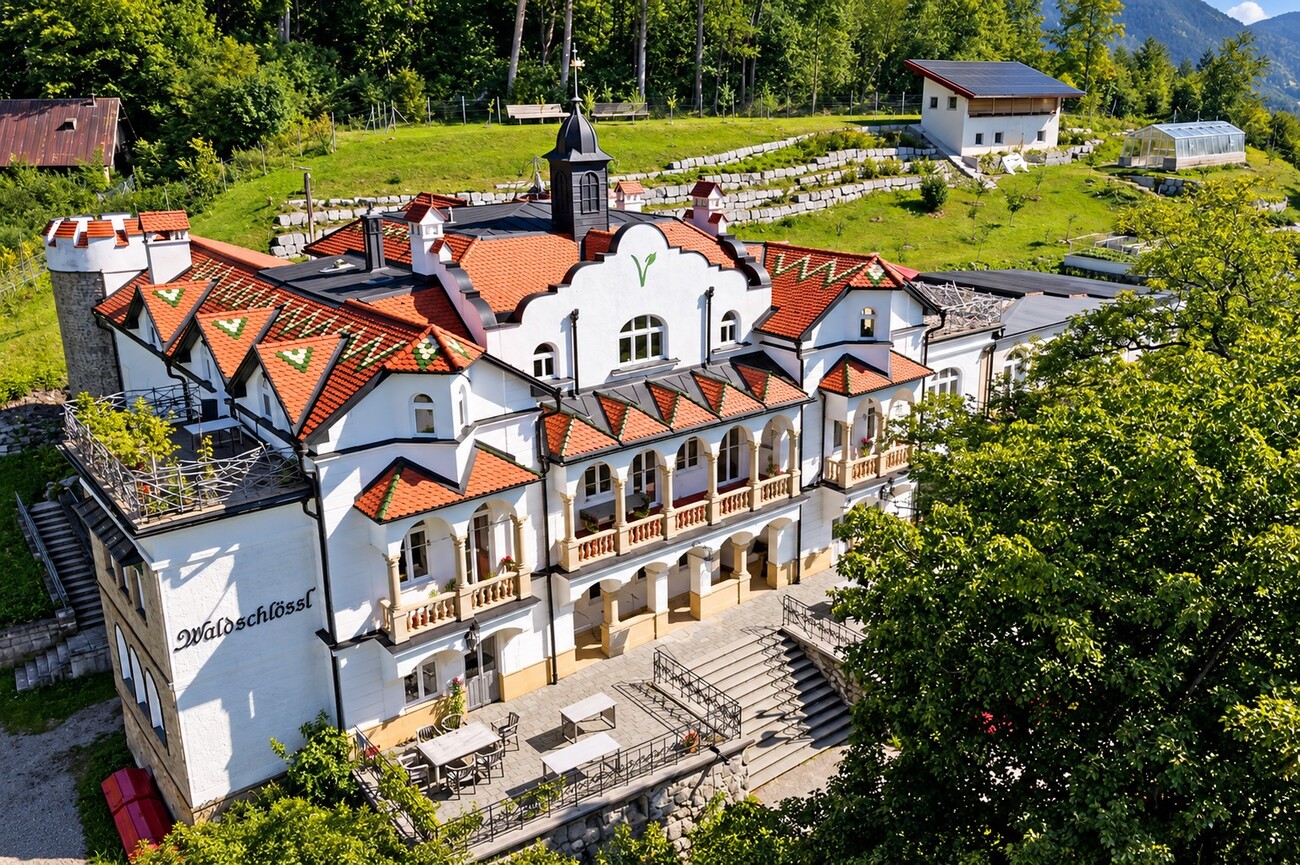
- Waldschlössl Schneedörfl: Set in the hills near Reichenau an der Rax, around 10 km from Gloggnitz, Waldschlössl Schneedörfl offers a quieter countryside stay with attractive mountain views and plenty of historic character. Its elevated setting makes it especially appealing for travellers looking for a more scenic base within easy driving distance of Gloggnitz.
Semmering
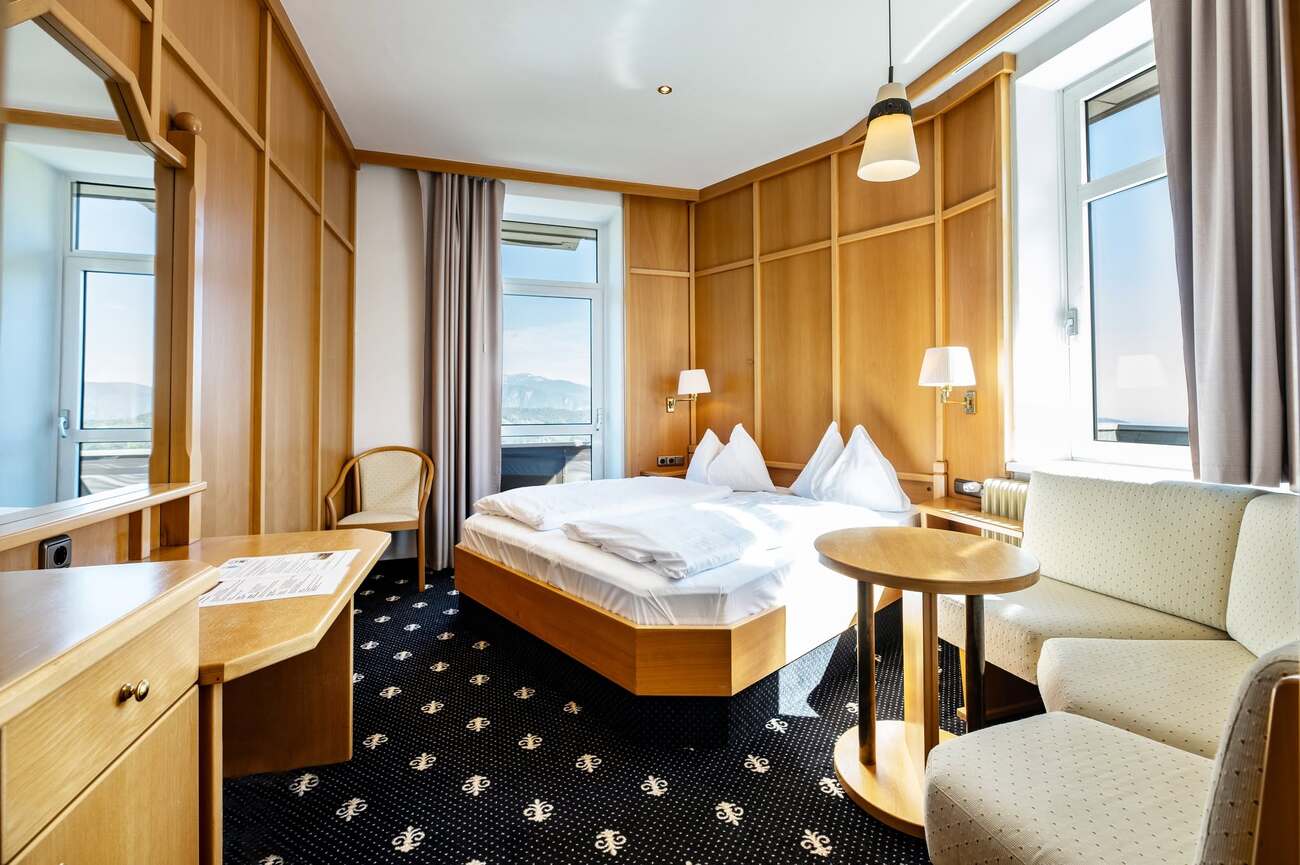
- Sporthotel am Semmering (3 stars) is one of the more complete accommodation options in the resort, with a mountain setting and facilities suited to a longer stay. The hotel has renovated rooms, including superior doubles with balconies overlooking the surrounding mountains, as well as a wellness area, indoor pool and restaurant. It is a particularly convenient option if you want to combine the railway with hiking and other outdoor activities.
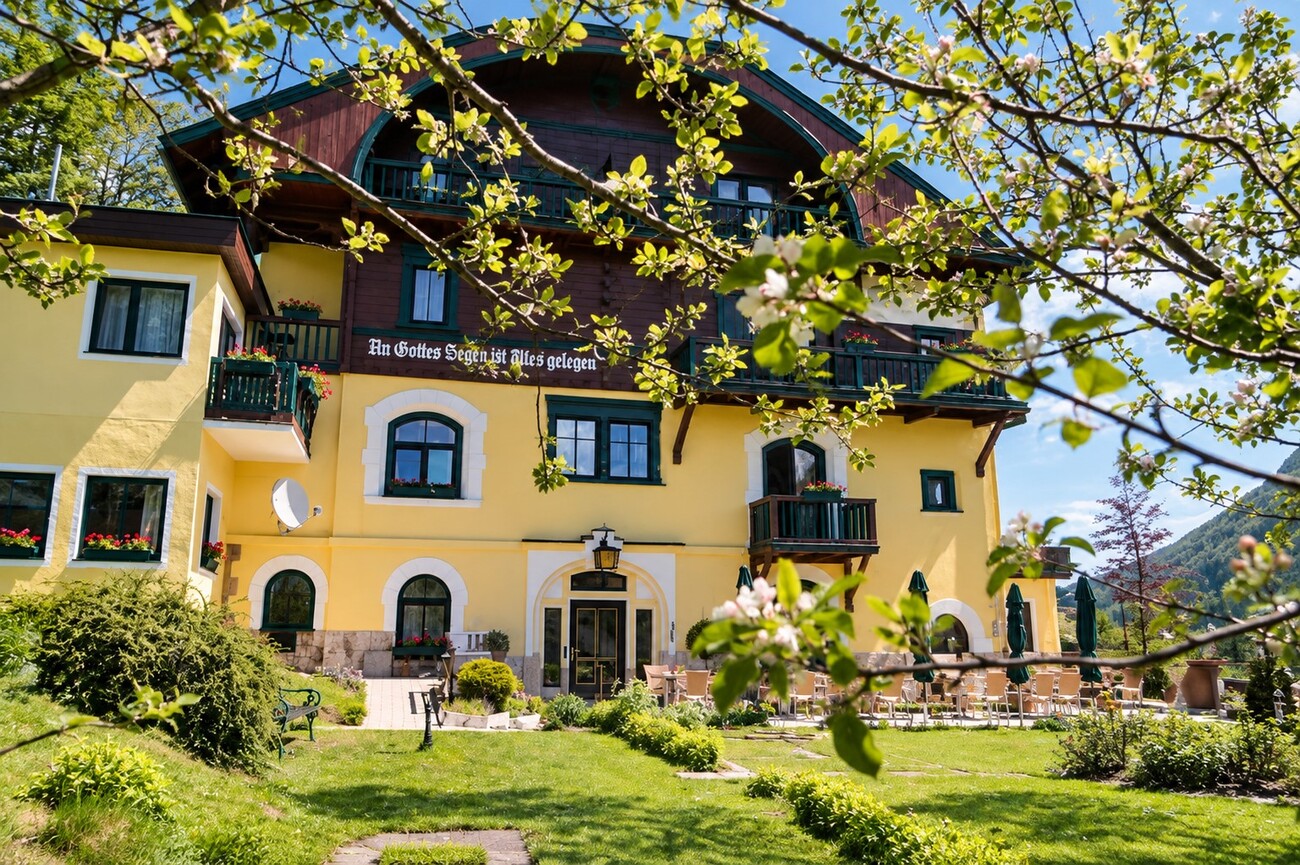
- Hotel Belvedere (3 stars) is a traditional country hotel in Semmering village, with easy access to the area's ski lifts, hiking trails and mountain activities. Its on-site restaurant serves freshly prepared Austrian cuisine using seasonal and regional ingredients, with classic dishes presented in a contemporary style. The relaxed atmosphere, indoor pool and sauna make it a comfortable choice for both short stays and longer visits to the Semmering region.
Mürzzuschlag
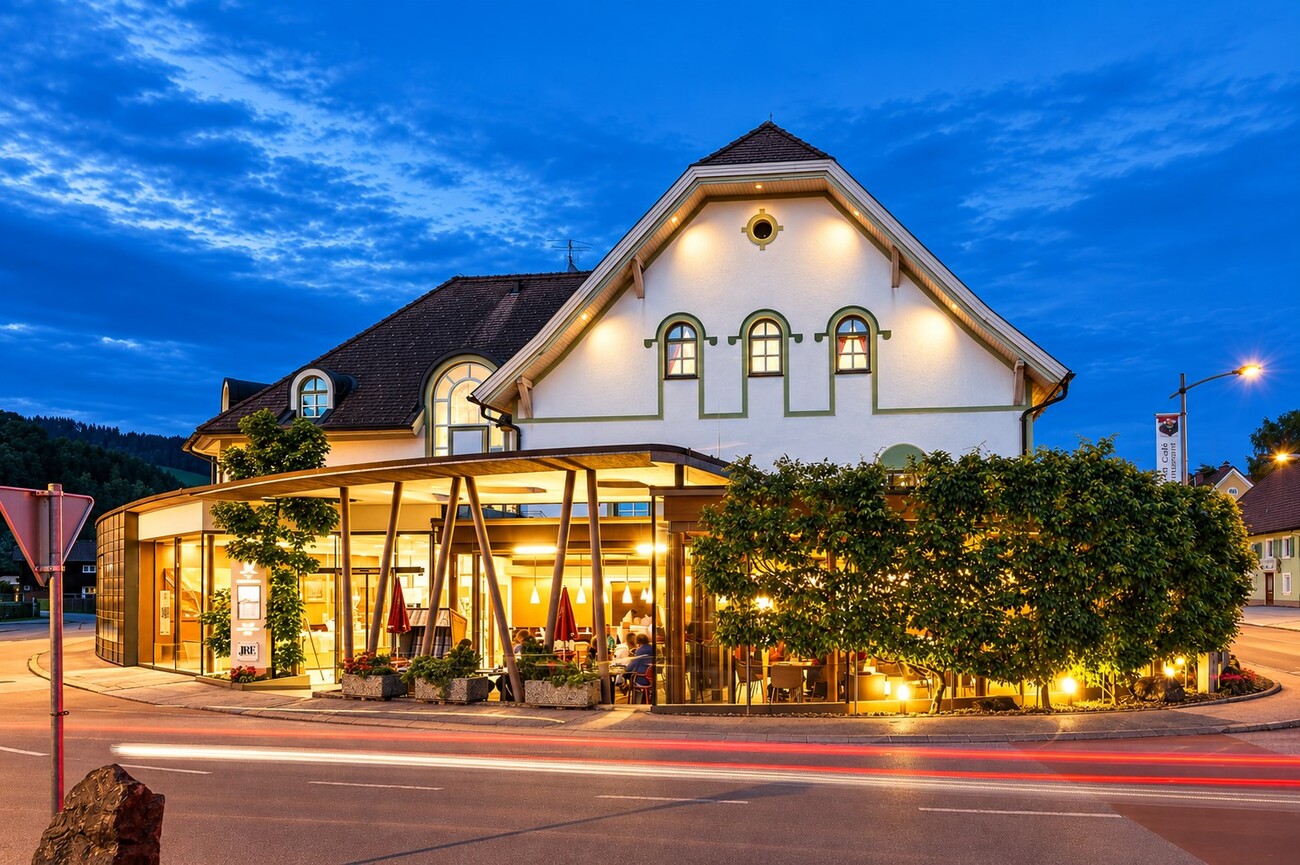
- Hotel-Restaurant-Café Krainer (4 stars): Located in Langenwang, around 7 km from Mürzzuschlag, this family-run hotel combines comfortable accommodation with a well-regarded restaurant, café and in-house bakery. Its convenient position in the Mürztal valley makes it a good base for exploring Mürzzuschlag and the surrounding Styrian countryside.
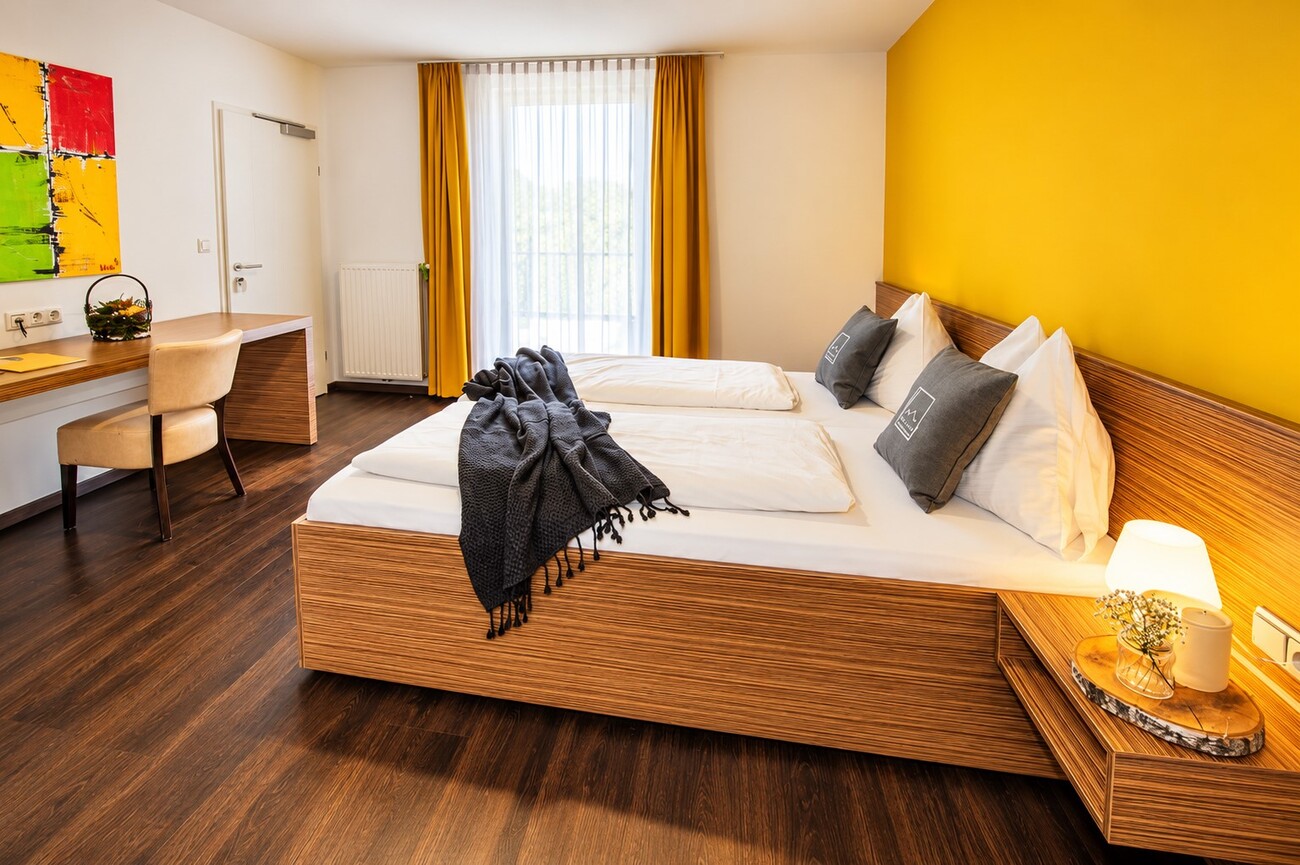
- Hotel Restaurant Winkler (4 stars) is conveniently located in the traffic-calmed centre of Mürzzuschlag, around a five-minute walk from the railway station. With just 28 rooms, it offers a more personal experience than a large hotel and is particularly convenient if you are arriving or departing by train. Its restaurant is also an important part of the property, with a strong focus on Austrian hospitality and regional cuisine.
Where to Eat Along the Semmering Railway
Dining along the Semmering Railway is centred on traditional Austrian cooking, regional ingredients and long-established inns rather than large restaurant districts. The towns along the route are small, so some of the most interesting places to eat are family-run restaurants, historic guesthouses and mountain hotels. If you are spending more than a few hours exploring the railway, it is worth planning a meal into the journey.
Gloggnitz
- Gasthof Maurer: Located in the centre of Gloggnitz, Gasthof Maurer is a long-established traditional inn serving classic Austrian cuisine. The menu includes dishes such as Parisian schnitzel, egg dumplings, roast beef with onions and curd cheese strudel with vanilla sauce. It is a convenient choice before or after travelling along the Semmering Railway.
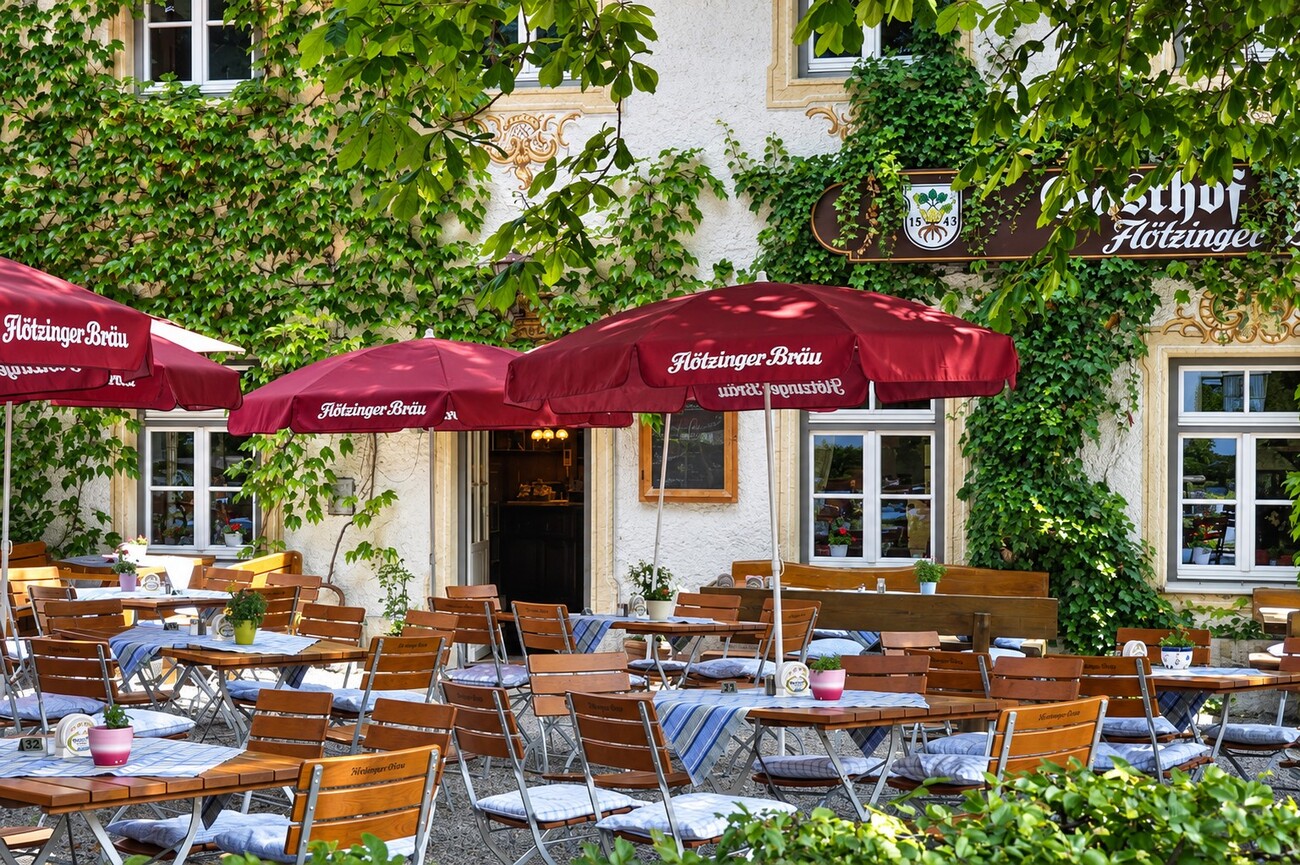
- S'Platzl: Located in central Gloggnitz, S'Platzl serves regional Austrian cuisine with an emphasis on fresh, seasonal ingredients. The menu combines traditional favourites with more modern dishes, making it a good choice for a relaxed lunch or dinner while exploring the town.
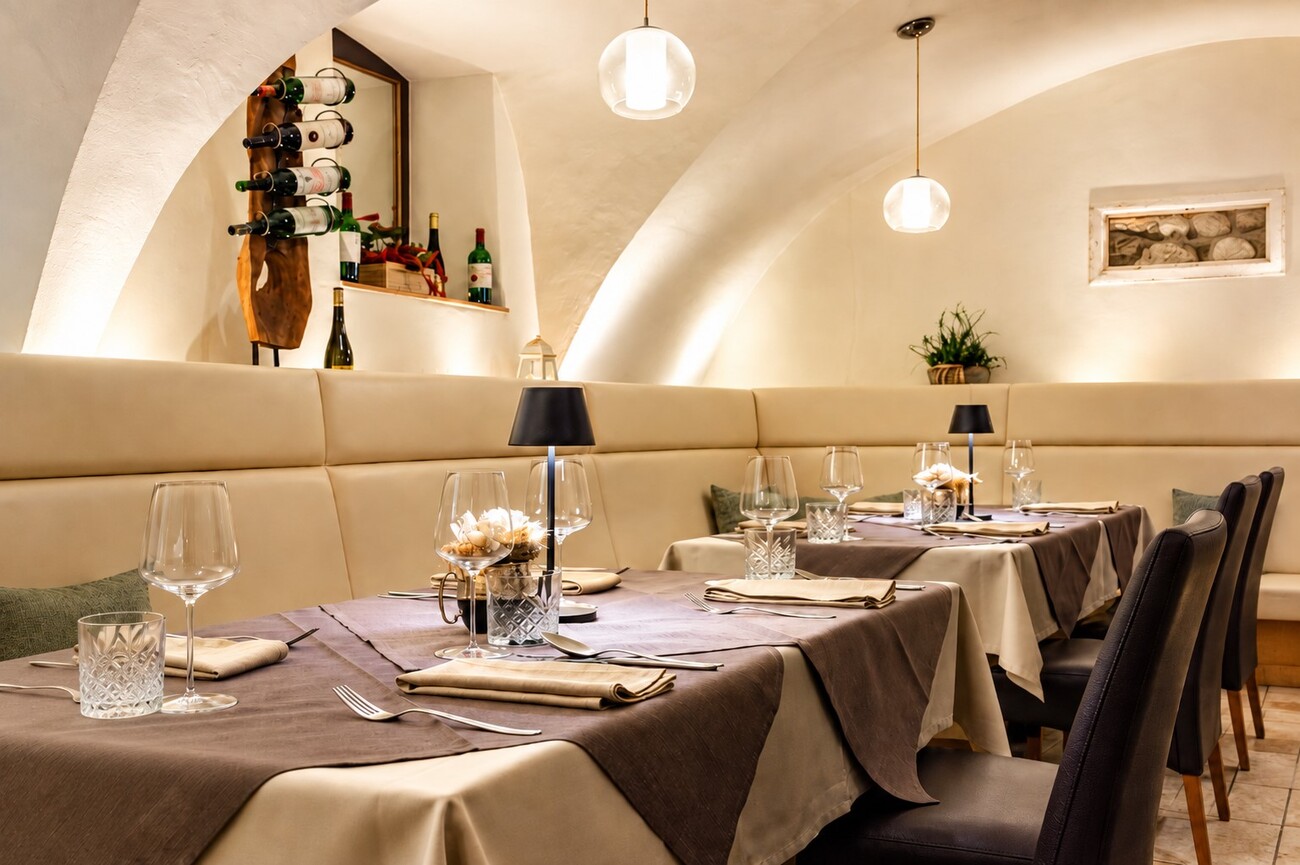
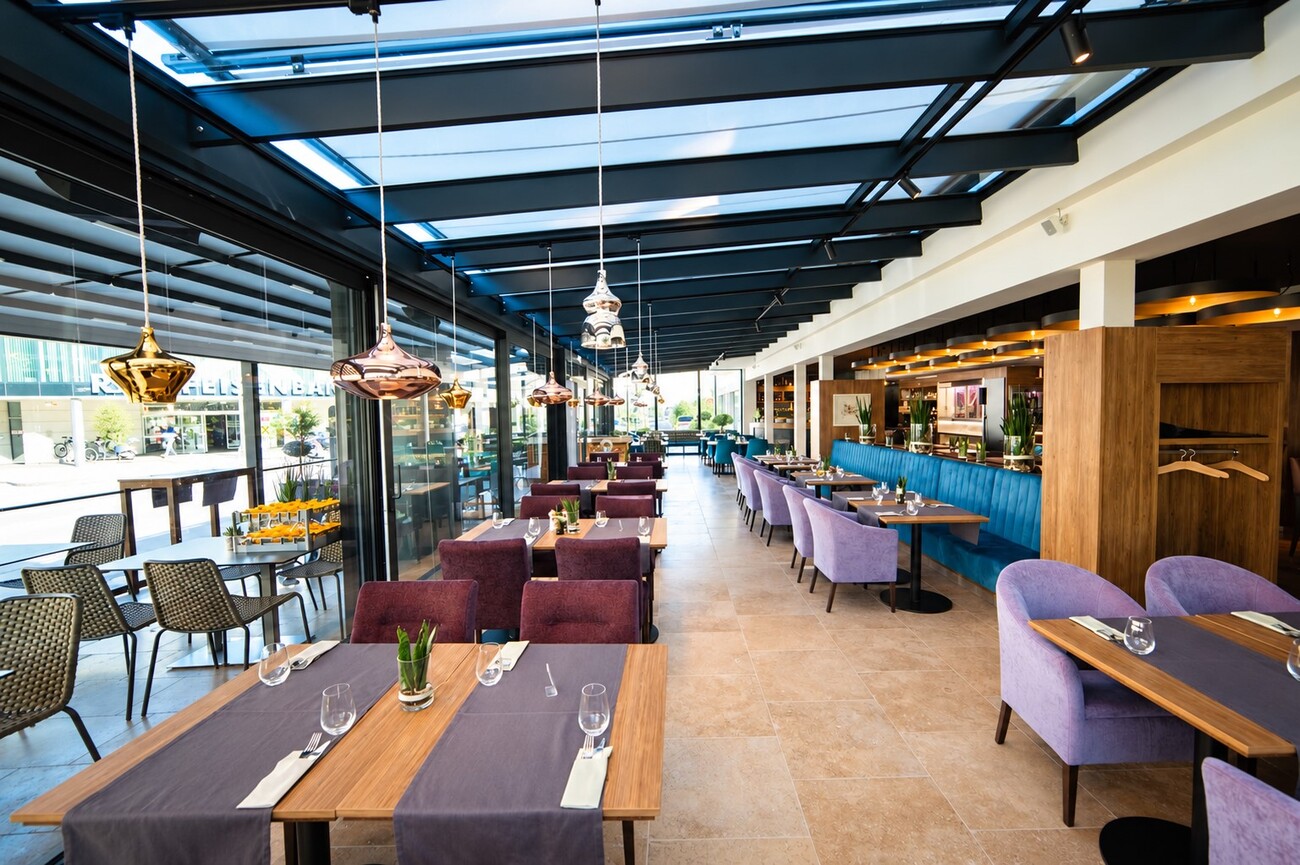
- Bevanda Restaurant & Bar: Located in Gloggnitz, Bevanda offers Italian and Mediterranean-inspired dishes in a contemporary setting. The stylish interior and relaxed atmosphere make it a good choice for lunch or dinner, with a menu that typically includes pasta, meat and fish dishes alongside a selection of wines and cocktails.
Semmering
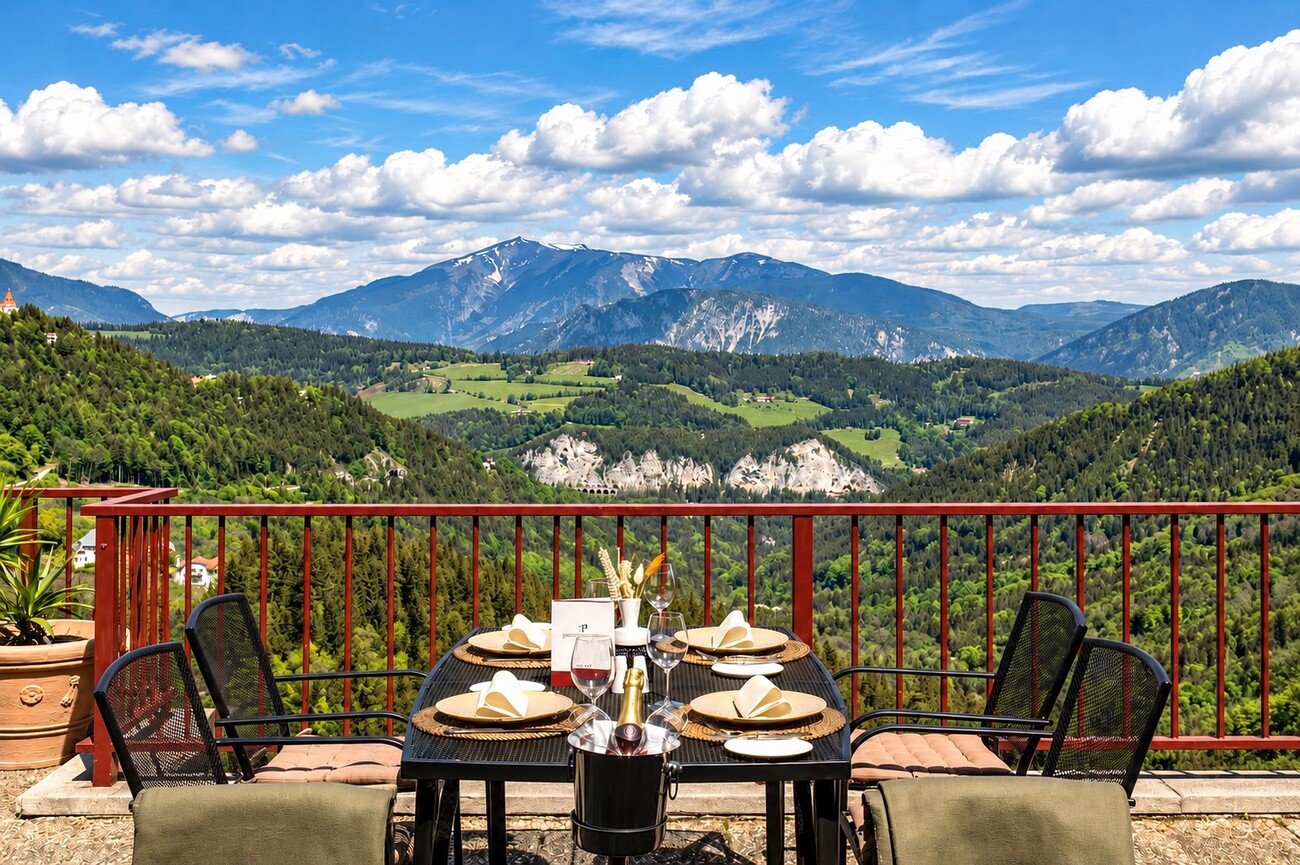
- Gourmet Restaurant Grand View: Located inside Sporthotel am Semmering, Gourmet Restaurant Grand View offers a refined interpretation of regional cuisine with broad views across the surrounding mountains. In warmer weather, guests can also sit on the hotel's spacious sun terrace, which overlooks the Vienna Alps. The menu combines Austrian ingredients with contemporary presentation, making it a good choice for a more polished lunch or dinner in Semmering.
- Restaurant-Café Der Löffler: Der Löffler serves traditional Austrian dishes in a relaxed setting with mountain views. The menu includes Wiener Schnitzel, beef tartare and cabbage dumplings, while Salzburger Nockerl provides a classic Austrian dessert. It works well for lunch or dinner after exploring the railway viewpoints and walking trails around Semmering.
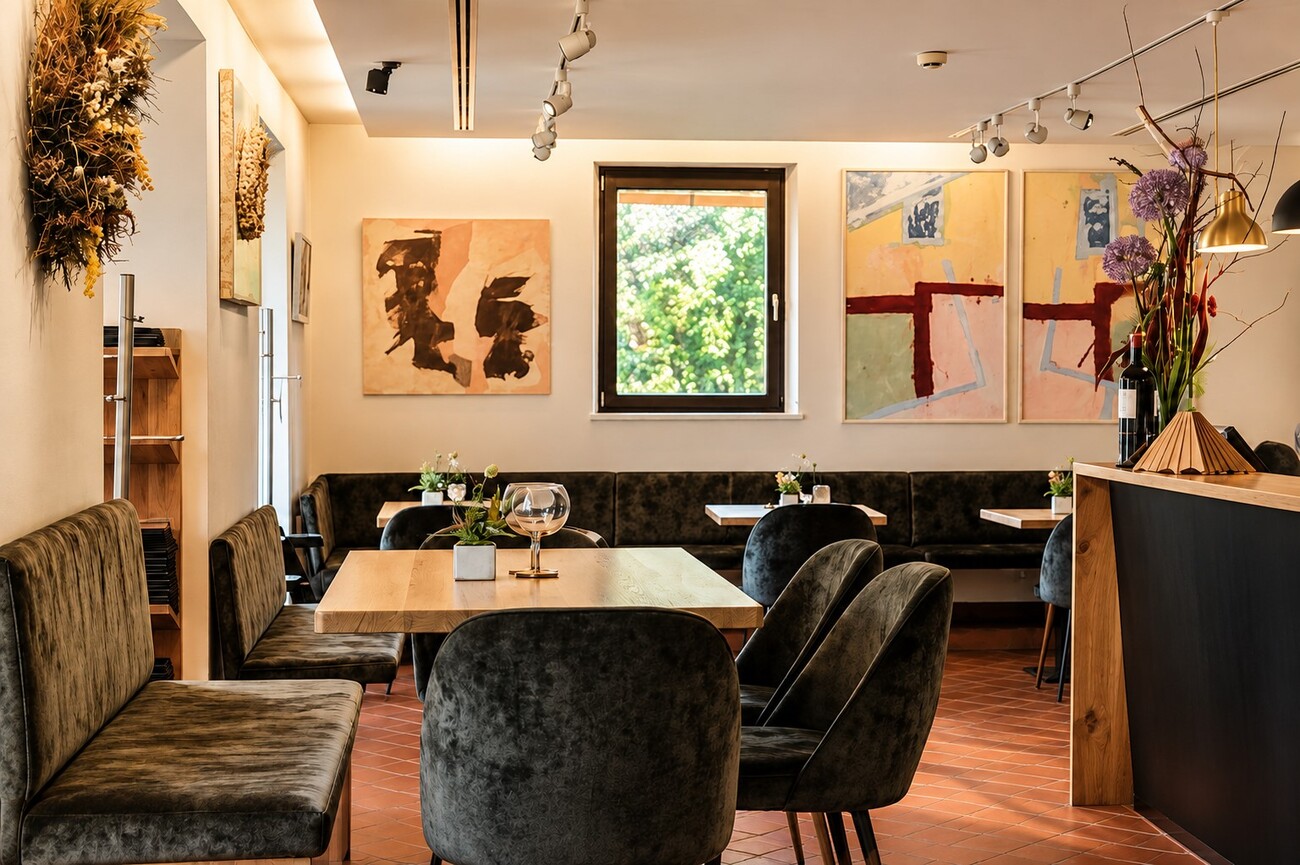
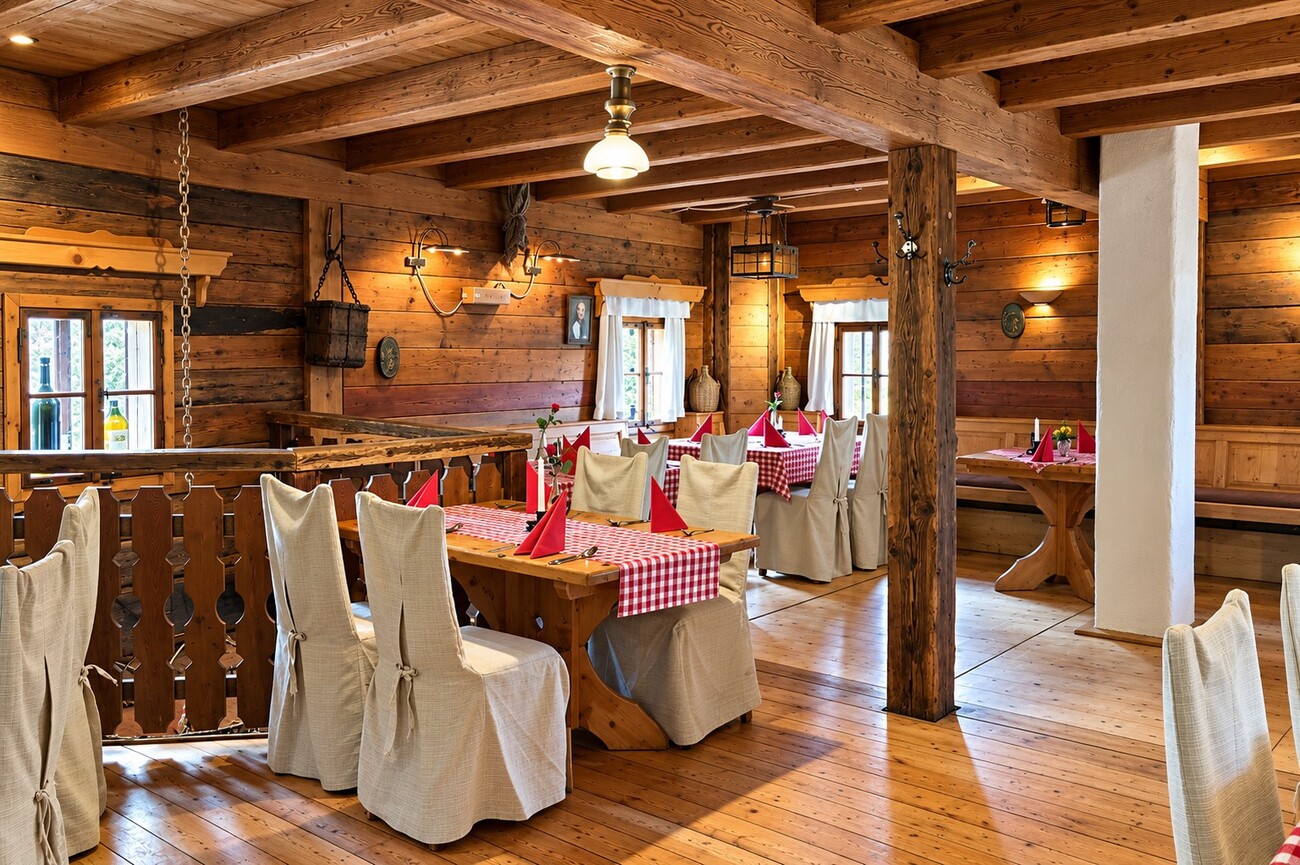
- Seewirtshaus am Semmering: Set in a traditional wooden building surrounded by mountain scenery, Seewirtshaus offers a more rustic Alpine dining experience. The menu focuses on Austrian comfort food, with dishes such as cheese dumpling soup and Kaiserschmarrn making it a good choice if you want traditional mountain cooking in an informal setting.
Mürzzuschlag
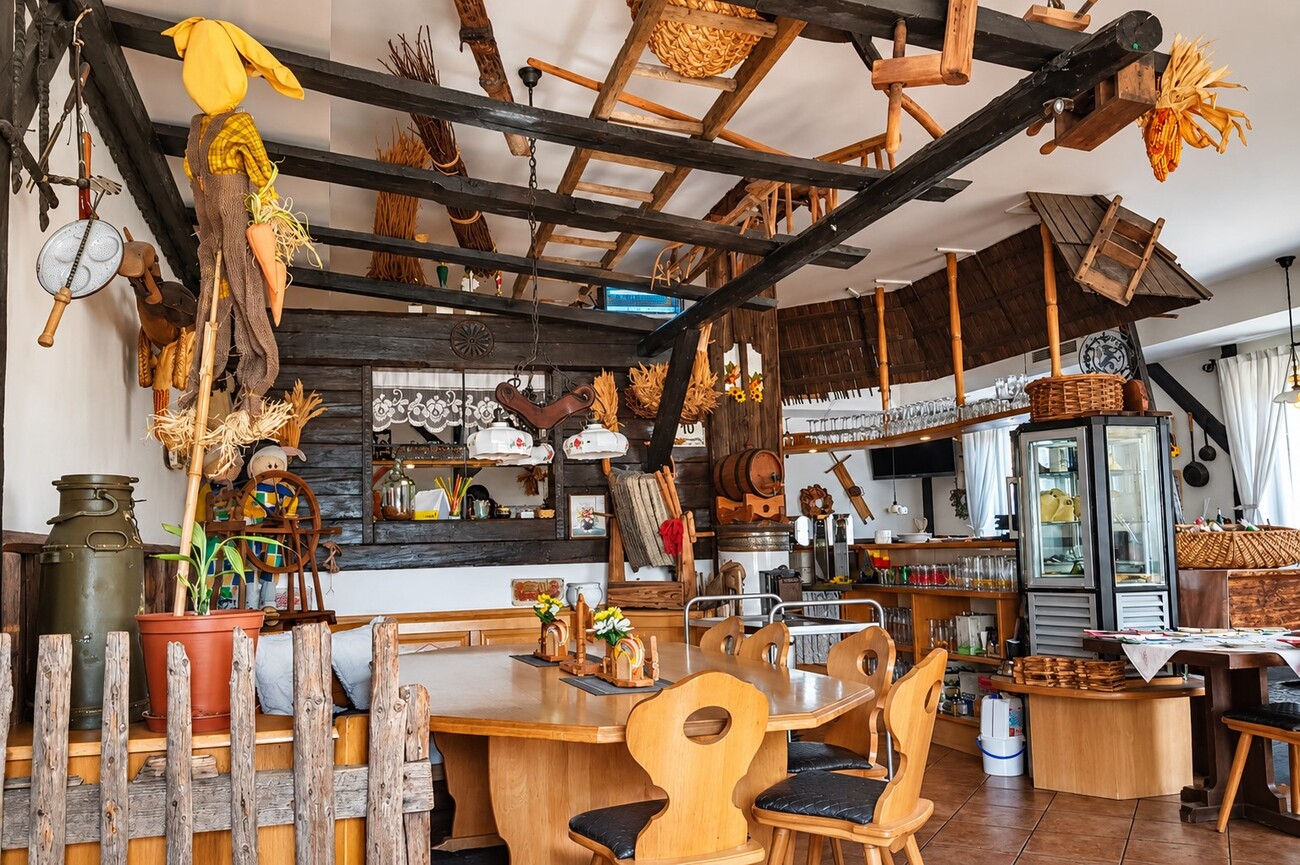
- Wirtshaus & MusiWirt ANBAUER: Located in Hönigsberg near Mürzzuschlag, Wirtshaus & MusiWirt ANBAUER specialises in traditional Austrian and Styrian cuisine. Its best-known dishes include Backhendl, Austrian-style fried chicken, and Steirer Cordon Bleu, alongside traditional soups such as Frittatensuppe. Backhendl may need to be ordered in advance, so it is worth checking when making a reservation.
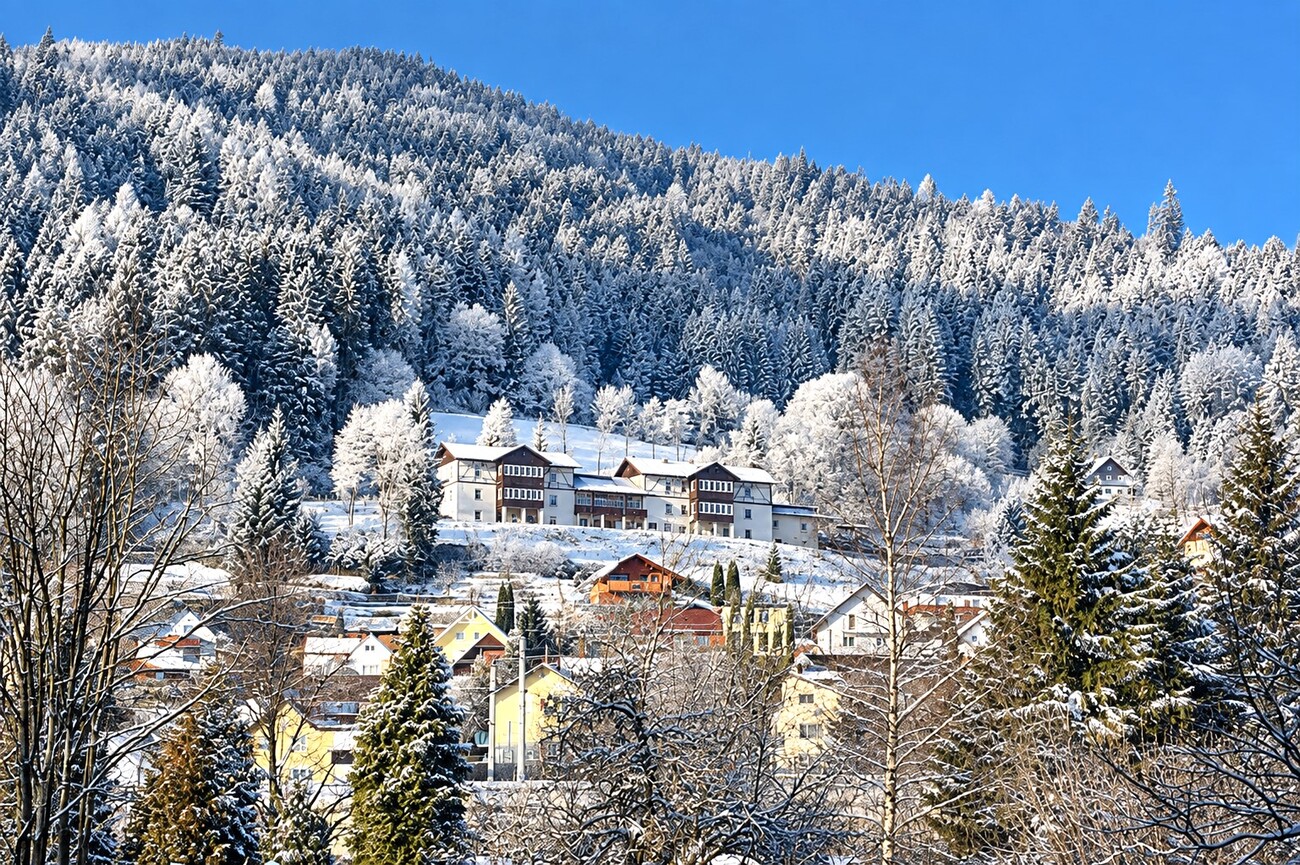
- Lambach Villa – Zum Traumblick: Set in a historic villa above Mürzzuschlag, Zum Traumblick combines Austrian cuisine with attractive views across the surrounding mountains. The characterful setting and elevated position make it a particularly pleasant choice for a relaxed lunch or dinner, especially if you are looking for somewhere more scenic than a typical town-centre restaurant.
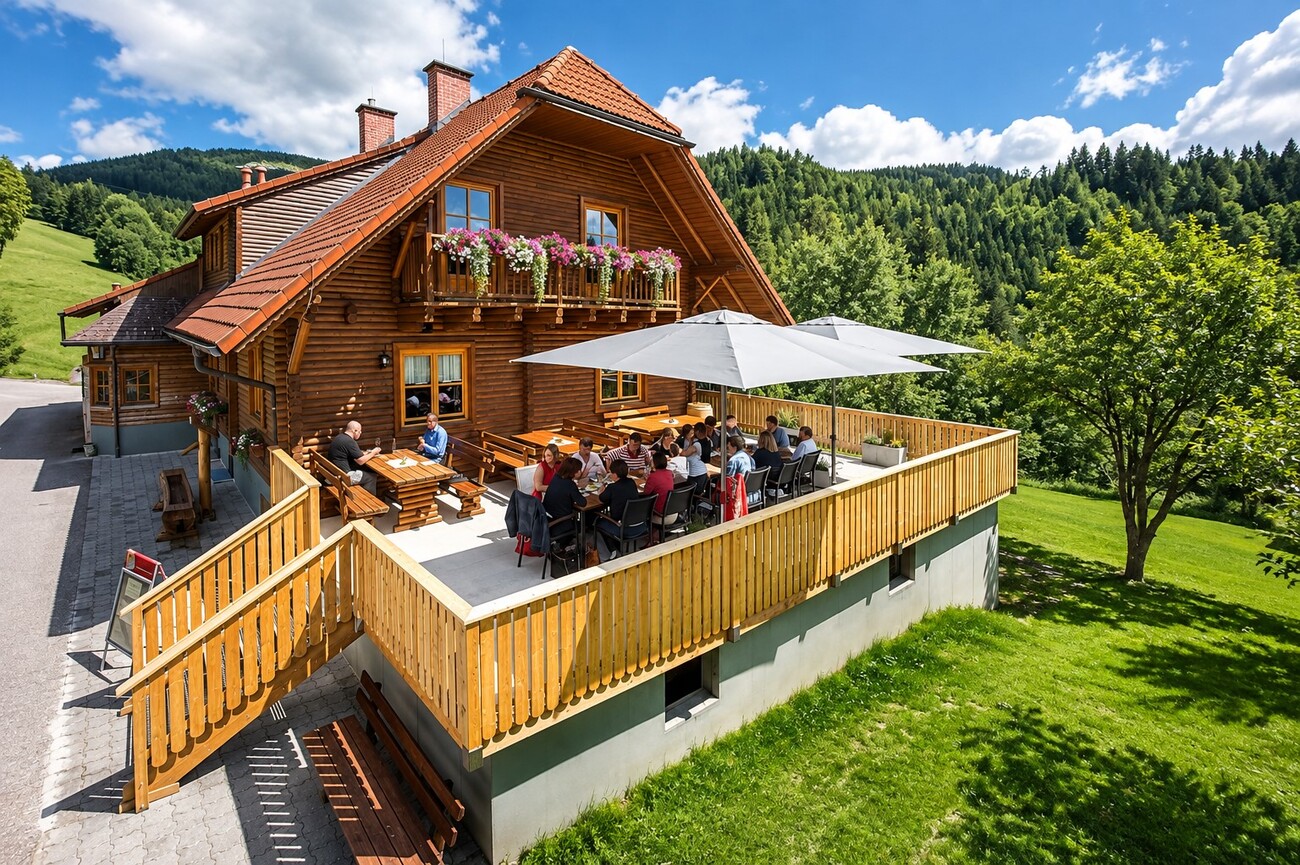
- Wirtshaus Granitzbauer: Set in a sunny hillside location in Langenwang, Wirtshaus Granitzbauer serves regional Styrian cuisine in a traditional timber-built inn overlooking the Mürztal valley. Its rustic setting and countryside views make it an attractive option near Mürzzuschlag, particularly for travellers looking for a more rural dining experience.
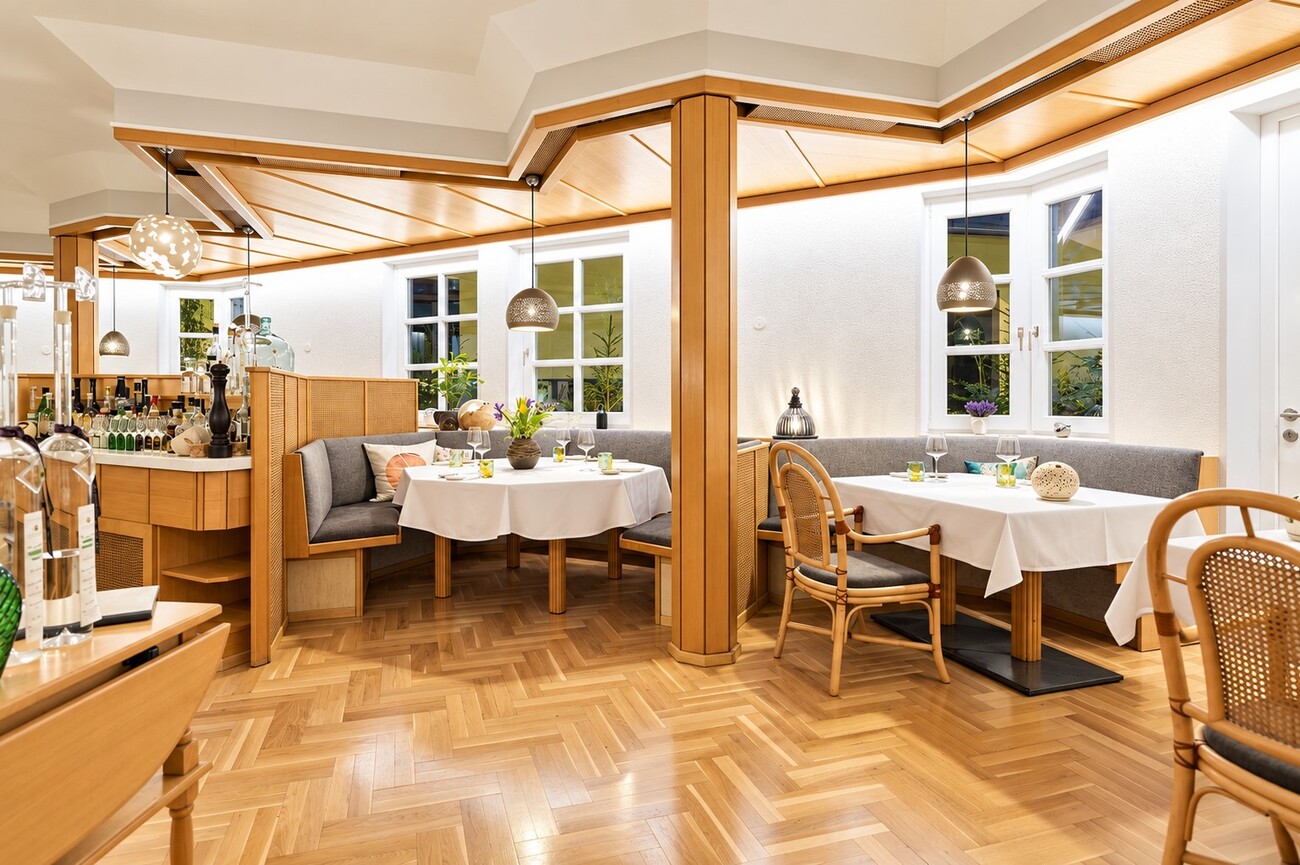
- Restaurant Krainer: Located inside the family-run Hotel-Restaurant-Café Krainer in Langenwang, around 7 km from Mürzzuschlag, Restaurant Krainer is recognised by the MICHELIN Guide for its refined regional cuisine. Chef Andreas Krainer focuses on seasonal ingredients sourced largely from the surrounding area, with creative multi-course menus served in an elegant setting.
Other Things to Do Along the Semmering Railway
The Semmering Railway may be the main reason to visit the region, but there is plenty to see beyond the train itself. Historic landmarks, mountain trails, viewpoints and museums make it easy to extend the journey into a half-day or full-day experience, while longer stays open up more of the surrounding Alpine landscape.
Gloggnitz
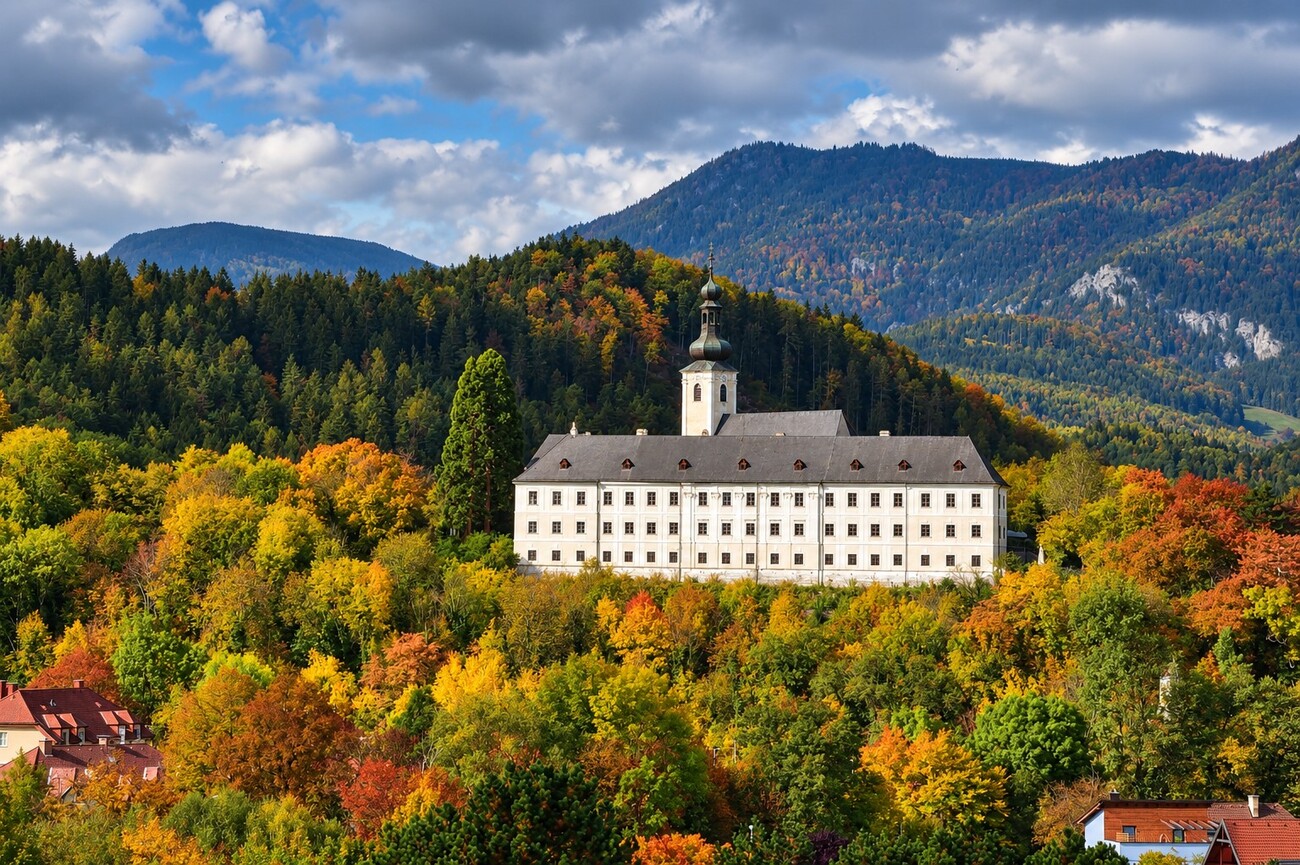
- Visit Gloggnitz Castle: Gloggnitz Castle is one of the town’s main historic landmarks and an easy addition before beginning the railway journey. Originally a Benedictine monastery, the complex later developed into a castle residence and remains one of the most distinctive buildings in Gloggnitz. You can explore the grounds and combine a visit with lunch or dinner nearby.
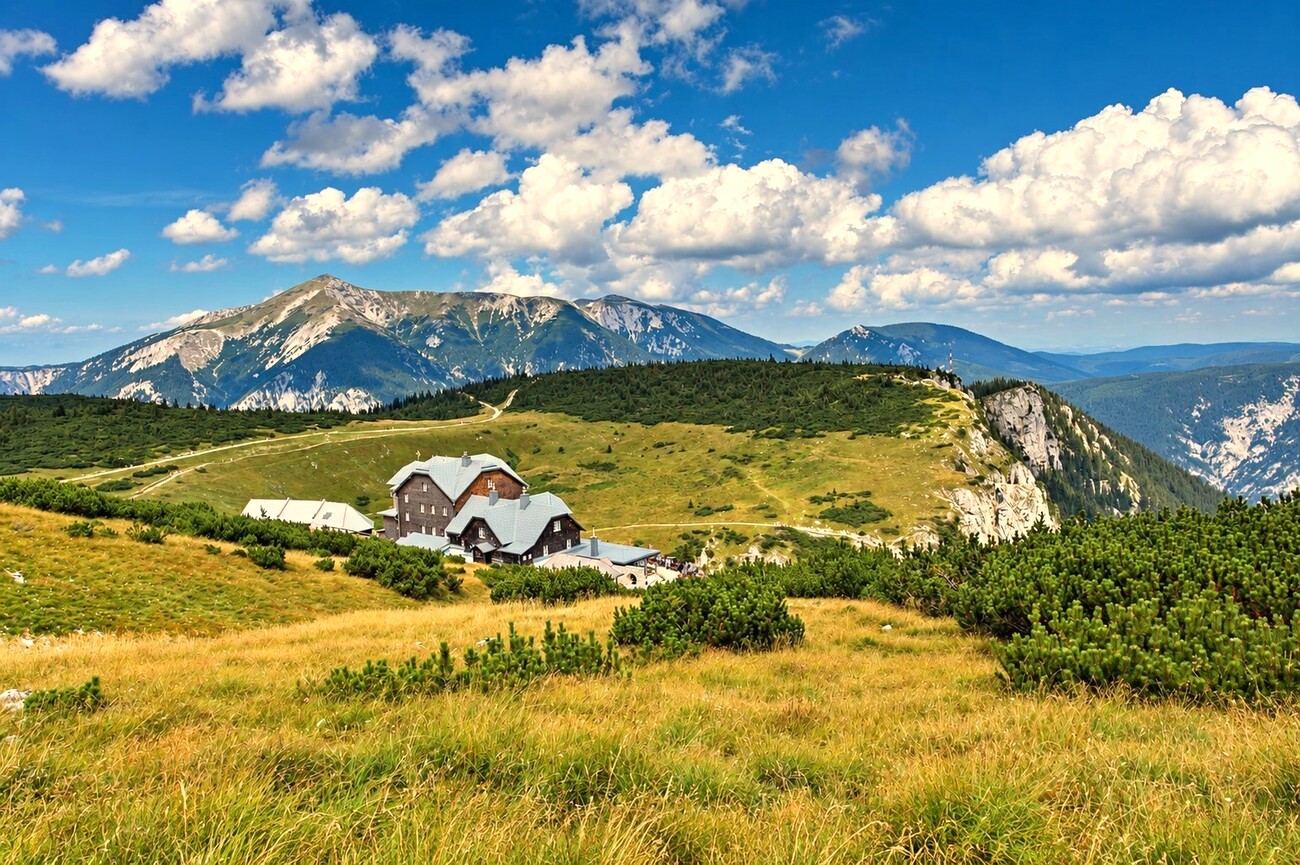
- Explore the Rax Alps: Gloggnitz is a useful base for exploring the nearby Rax Alps. Head towards Reichenau an der Rax, where the Rax Cable Car provides quick access to the high plateau. From the upper station, walking routes range from relatively easy trails to more demanding Alpine hikes, with viewpoints and traditional mountain huts such as the Ottohaus along the way.
Semmering
- Walk the Semmering Railway Hiking Trail: The Semmering Railway Hiking Trail is one of the best ways to appreciate the railway beyond the view from the carriage. The marked walking route runs alongside sections of the historic railway, connecting viewpoints overlooking its viaducts, bridges and surrounding mountain scenery. You do not need to walk the entire trail, as individual sections can be completed depending on how much time you have, making it easy to combine a short hike with a railway journey.
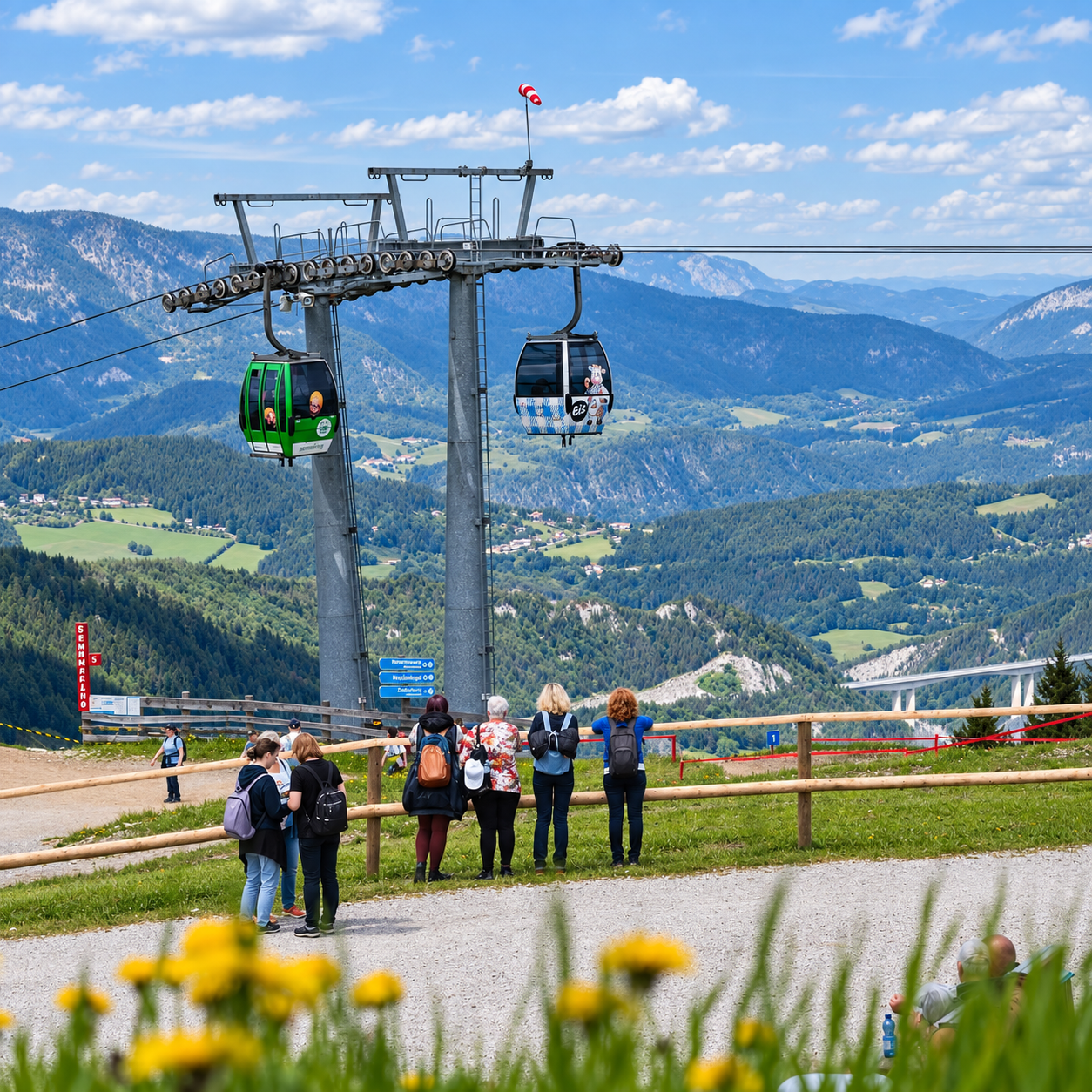
- Ride the Hirschenkogel Cable Car: The Hirschenkogel Cable Car provides an easy way to gain a wider view of the Semmering region. At the top, the Millennium Observatory offers panoramic views across the surrounding Alps. In summer, the summit area also has a forest ropes course, children’s playground, mountain carts and hiking trails, while the wider mountain is home to the Semmering Bike Park. In winter, the area becomes a popular skiing and snow-sports destination.
Mürzzuschlag
- Visit the SÜDBAHN Museum: The SÜDBAHN Museum is one of the best places to explore the history of the Semmering Railway in greater depth. Its exhibitions cover the Southern Railway, historic locomotives, railway technology and the development of rail travel through the Alps. It is particularly worthwhile after completing the journey, when the exhibits provide more context for the viaducts, tunnels and engineering you have just seen from the train.
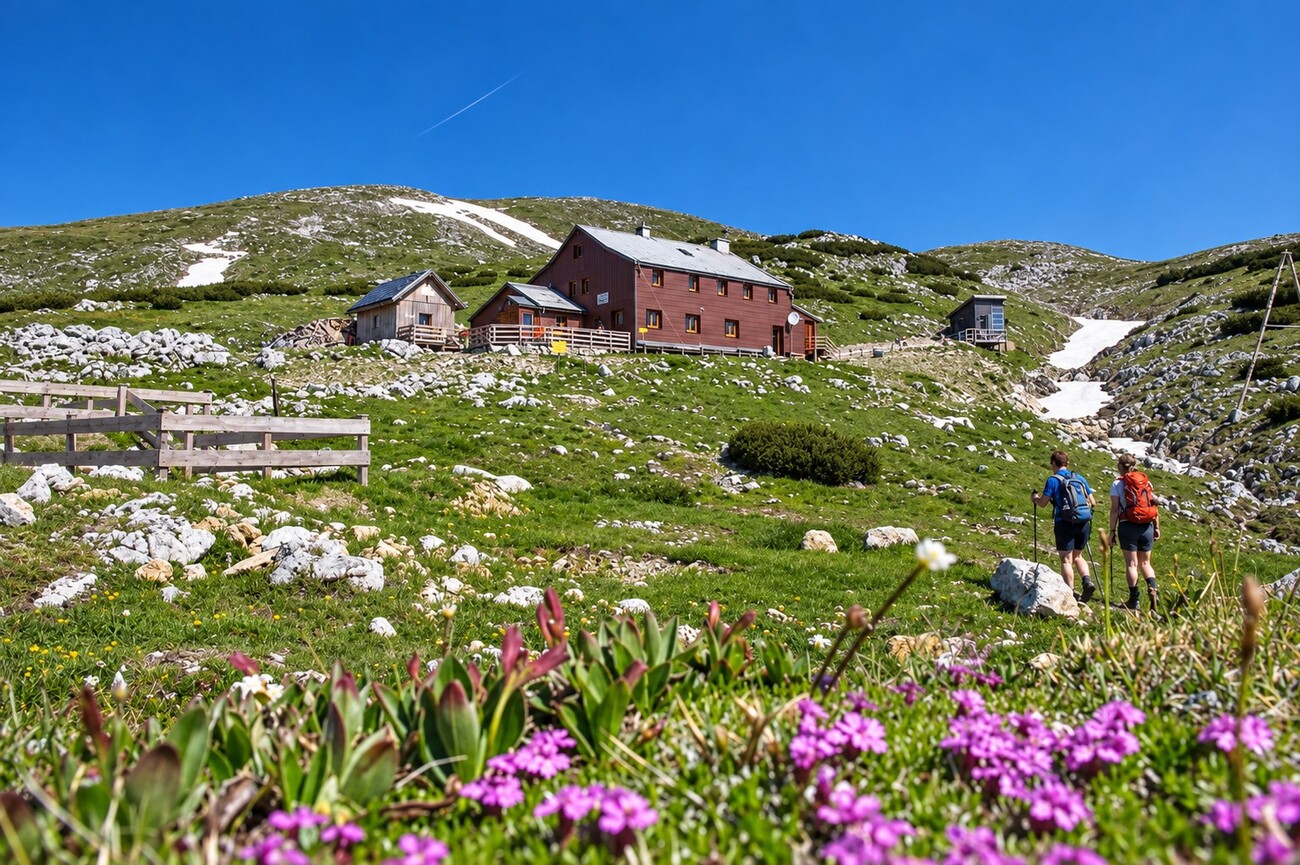
- Explore the Styrian Alps: From Mürzzuschlag, hikers can head into the surrounding mountains on routes such as the climb to the Große Scheibe, with a stop at the Scheibenhütte along the way. For a longer mountain day, the nearby Schneealpe and Hohe Veitsch offer higher-level hiking, with traditional huts such as the Schneealpenhaus and Graf-Meran-Haus providing places to stop for food and mountain views.
Is the Semmering Railway Worth
Visiting?
The Semmering Railway is worth experiencing even if you are not particularly interested in trains. The journey combines Alpine scenery with one of the landmarks of 19th-century engineering, while the surrounding viewpoints, hiking trails and mountain towns make it easy to turn the railway into a much longer day out.
You can simply travel the full route in around an hour, but allowing time to stop around Breitenstein or Semmering gives you a much better sense of how the railway fits into the landscape. For travellers exploring Austria beyond Vienna and the country's major cities, it is one of the most distinctive ways to experience the Alps.


Let us know what you love, where you want to go, and we’ll design a one-of-a-kind adventure you’ll never forget.

Miriam
Travel Specialist

Romina
Travel Specialist

Laura
Travel Specialist
Frequently Asked Questions
- What is the best direction to travel on the Semmering Railway?
You can travel the Semmering Railway in either direction, between Gloggnitz and Mürzzuschlag. Starting in Gloggnitz allows you to experience the gradual climb from Lower Austria towards the Semmering Pass before descending into Styria, which follows the historic progression of the route particularly well.
- Can you visit the Semmering Railway as a day trip from Vienna?
Yes. Gloggnitz is connected to Vienna by rail, making it possible to incorporate the Semmering Railway into a day trip from the Austrian capital. Rather than simply travelling straight through to Mürzzuschlag, allow enough time to stop around Breitenstein, Wolfsbergkogel or Semmering if you want to see the railway's viaducts and mountain setting from outside the train.
- What is the best time of year to travel on the Semmering Railway?
The Semmering Railway can be travelled year-round, but the experience changes considerably with the seasons. Spring and summer are best for combining the train with hiking, viewpoints and mountain activities, while autumn brings particularly attractive forest scenery. Winter offers a completely different Alpine atmosphere, with snow around Semmering and access to nearby skiing and other winter activities.
- Can you buy food and drinks on the Semmering Railway?
It depends on the train you take. ÖBB Railjet services have an onboard restaurant serving drinks, snacks and hot meals, while Intercity services may offer a mobile catering service. Regional trains travelling along the Semmering Railway generally have more limited or no onboard catering, so it is sensible to buy food and drinks before boarding if you are travelling on a regional service.
- Can you combine a train journey with hiking along the Semmering Railway?
Yes. One of the most rewarding ways to experience the area is to travel part of the route by train and walk one section of the Semmering Railway Hiking Trail. The trail connects several viewpoints overlooking viaducts, bridges and sections of the railway, and you do not need to complete the entire route.
- Is the Semmering Railway suitable for families?
Yes, particularly if you keep the itinerary flexible. Families can combine a relatively short train journey with easy walks and viewpoints around Semmering. The Hirschenkogel area also offers activities including a cable car, playground, forest ropes course and mountain carts during the summer season.
- How can the Semmering Railway be included in a wider Austria itinerary?
The railway works particularly well as part of a journey between Vienna and Styria rather than as an isolated excursion. Stops in Gloggnitz, Semmering and Mürzzuschlag can be combined with the Rax Alps, hiking in the Styrian mountains or a wider rail and road itinerary through Austria.
- Can Revigorate include the Semmering Railway in a tailor-made Austria holiday?
Yes. Revigorate can incorporate the Semmering Railway into a tailor-made Austria itinerary, combining the historic train journey with carefully selected hotels, private transfers, Alpine walks, cultural visits and other destinations in Austria. The itinerary can be designed around how much time you want to spend in the region, whether that means experiencing the railway as part of a day journey or staying longer to explore the surrounding mountains.
Our offices:
Return to Austria tours



Revigorate, Iberian Escapes and Algarve Lifestyle are the registered brand names of APCS Lda . We are a fully authorised travel agency licensed by Turismo de Portugal RNAVT/6867.
In the event of a dispute, the consumer may refer to: RAL - Centros de Arbitragem
Avª. 5 de Outubro, nº. 55, R/C Dtº. 8000-075 Faro, Portugal | Tel: +351 289 823 135 *
* national landline call
E-mail: info@consumoalgarve.pt| www.consumidoronline.pt | Mon to Fri: 9:00 - 13:00 / 14:00 - 17:00