Mittenwald Railway: From Innsbruck to
Garmisch-Partenkirchen Through the Alps
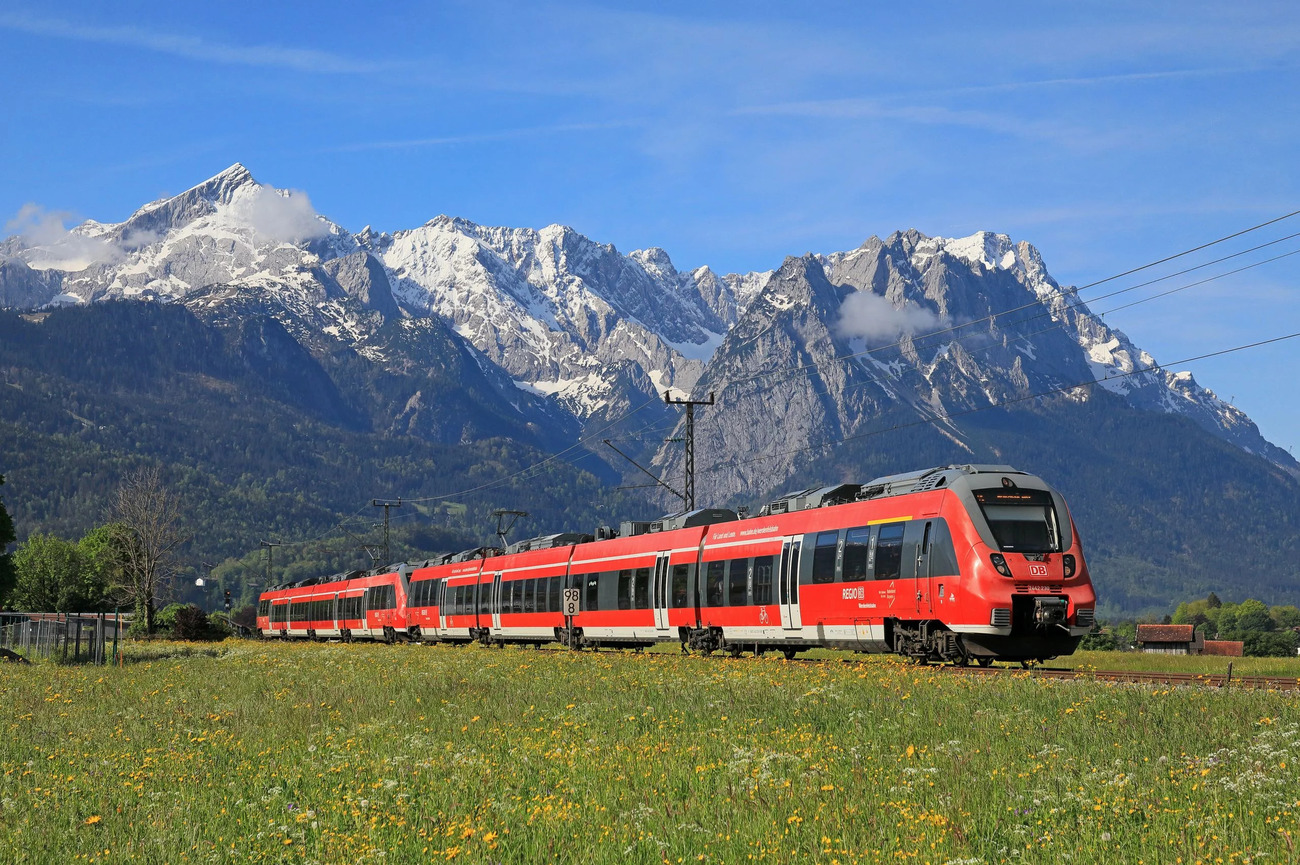
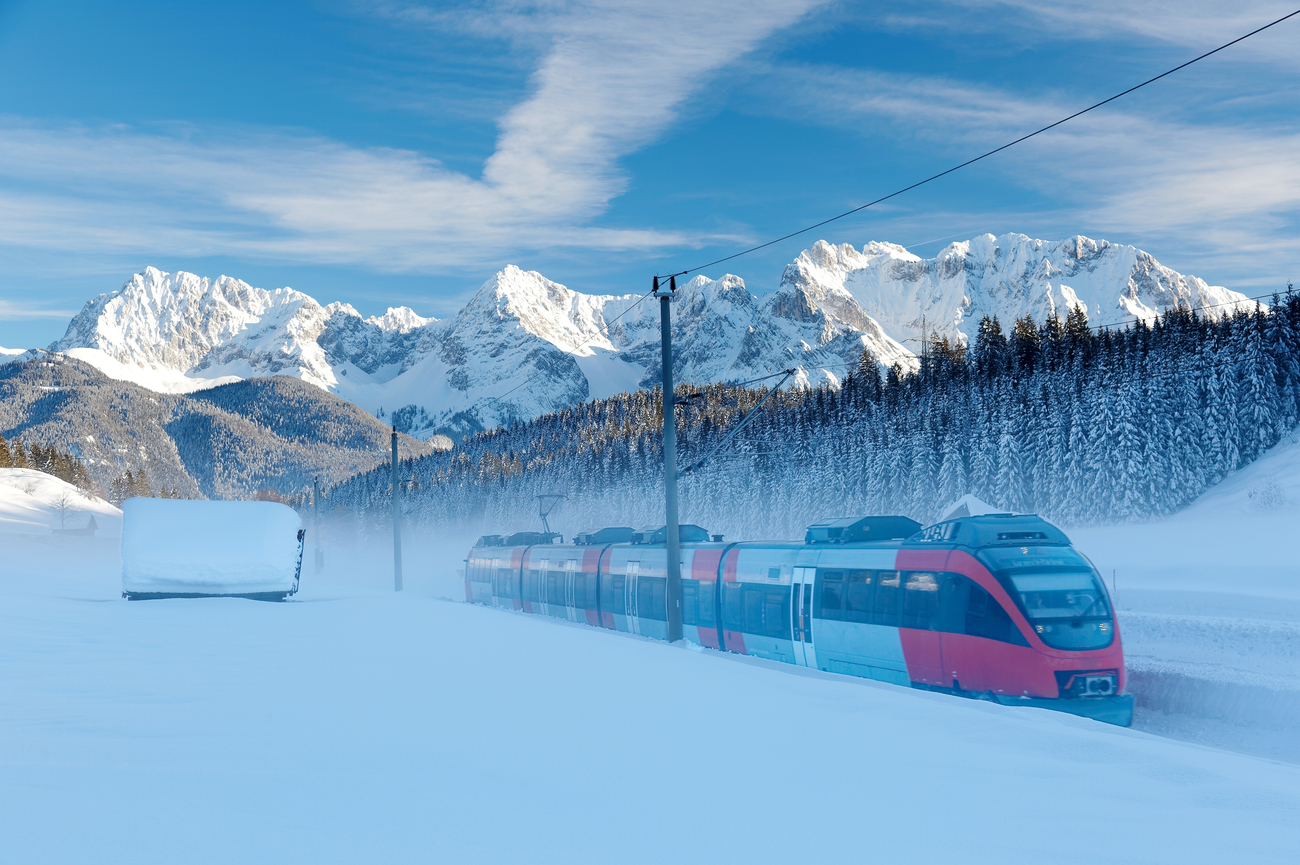
The Mittenwald Railway, also known as the Karwendelbahn, crosses the Alps between Innsbruck and Garmisch-Partenkirchen, linking the Austrian Tyrol with Bavaria through Seefeld, Scharnitz and Mittenwald. Opened in 1912, the railway remains one of the most scenic regional rail journeys between western Austria and southern Germany.
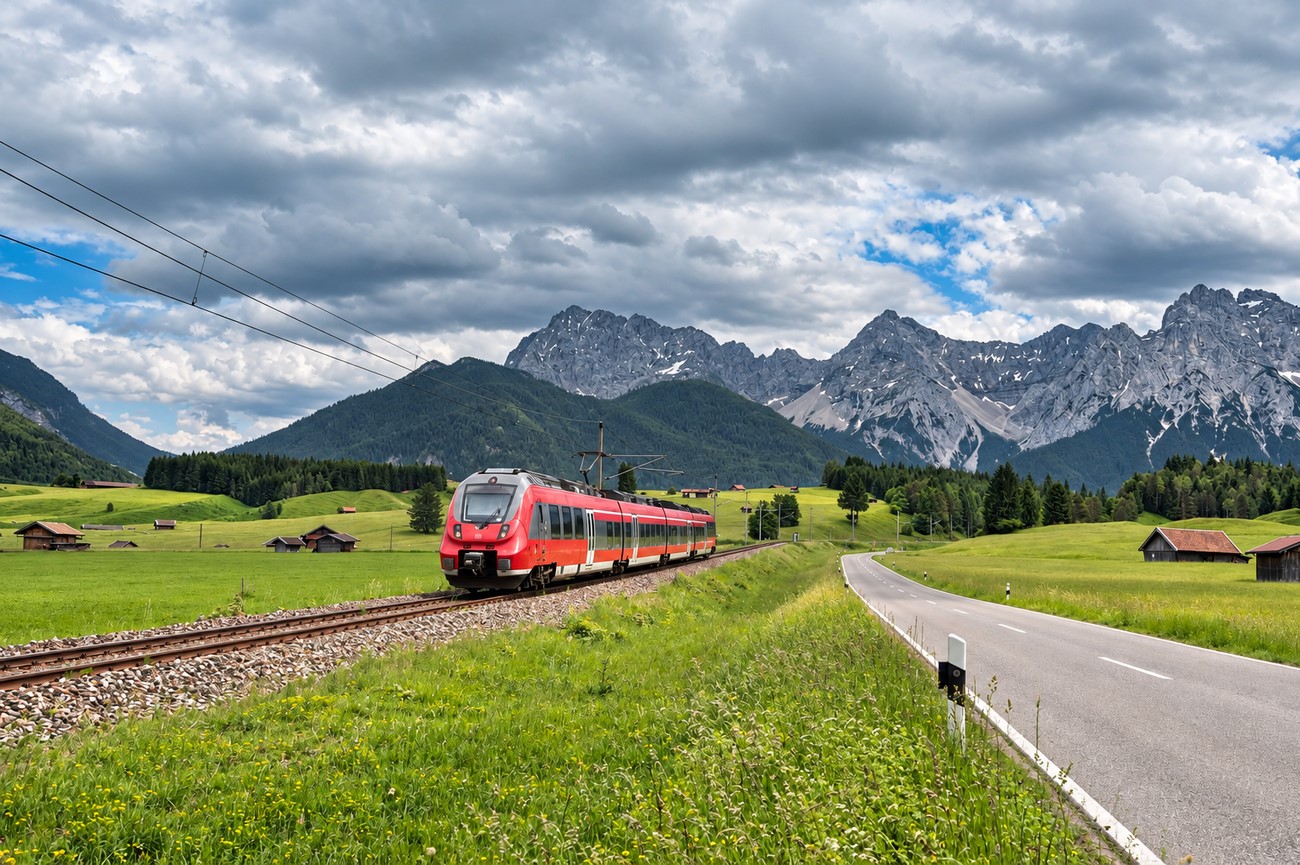
The most dramatic section begins soon after leaving Innsbruck. From the Inn Valley, the railway climbs towards the Seefeld plateau through steep mountain terrain, passing tunnels, viaducts and the imposing Martinswand rock face before reaching some of Tyrol's highest railway stations. Beyond Scharnitz, the route crosses into Germany and continues through Mittenwald towards Garmisch-Partenkirchen.
This is not a dedicated sightseeing train. The Mittenwald Railway forms part of the regular regional network, which means you can travel the entire route in one journey or use towns such as Seefeld and Mittenwald as stops along the way. That combination of dramatic alpine scenery and ordinary regional rail travel is what makes the route particularly appealing.
Mittenwald Railway Itinerary

Innsbruck to Garmisch-Partenkirchen
The Mittenwald Railway runs for roughly 64 kilometres between Innsbruck and Garmisch-Partenkirchen, crossing from the Austrian Tyrol into Bavaria via Seefeld, Scharnitz and Mittenwald. Although the journey is relatively short, the route passes through some remarkably varied alpine terrain.
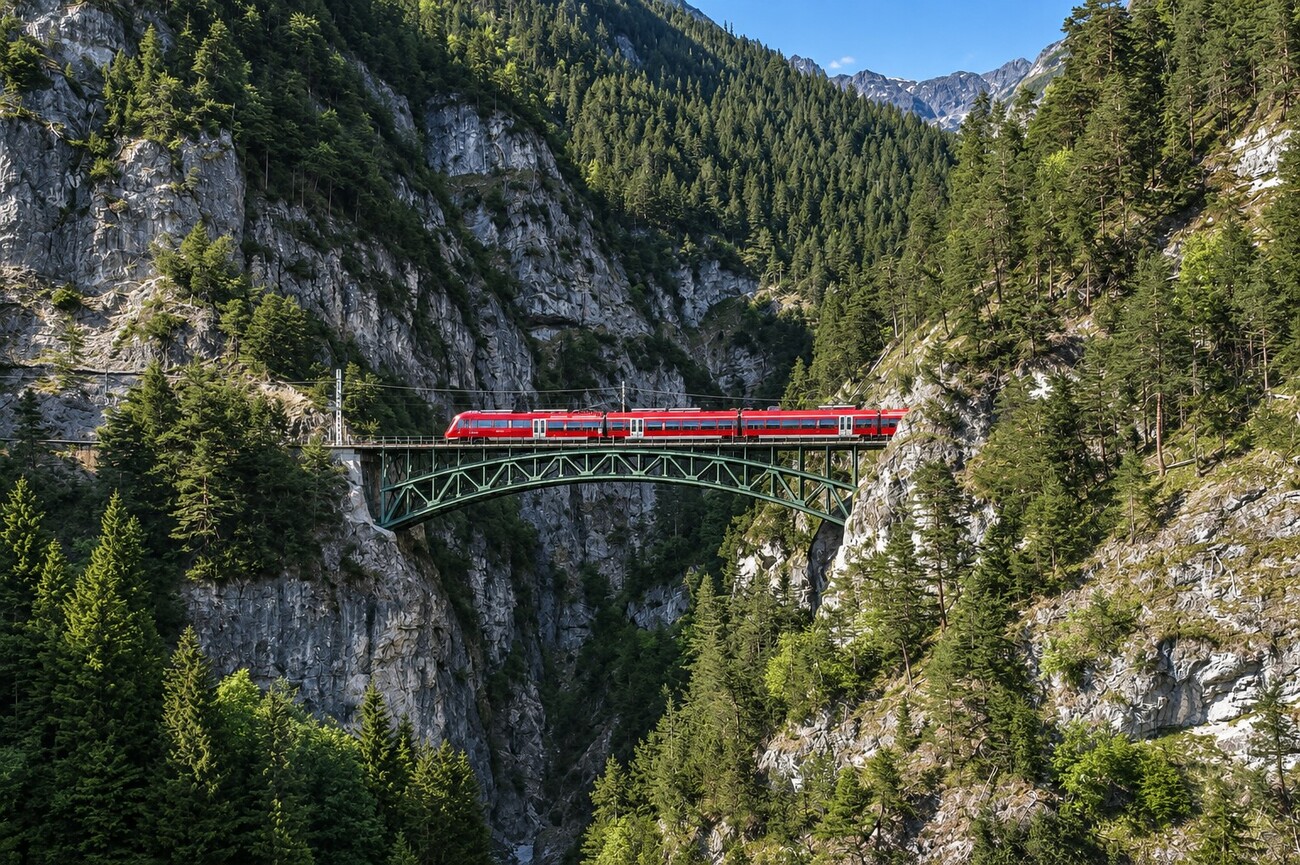
From Innsbruck, the railway climbs almost 600 metres towards the Seefeld plateau, negotiating the steep landscape through a succession of curves, tunnels, bridges and viaducts. Along the way, it passes the Martinswand rock face and Schlossbach Gorge before reaching Hochzirl and continuing higher into the mountains towards Seefeld.
Innsbruck
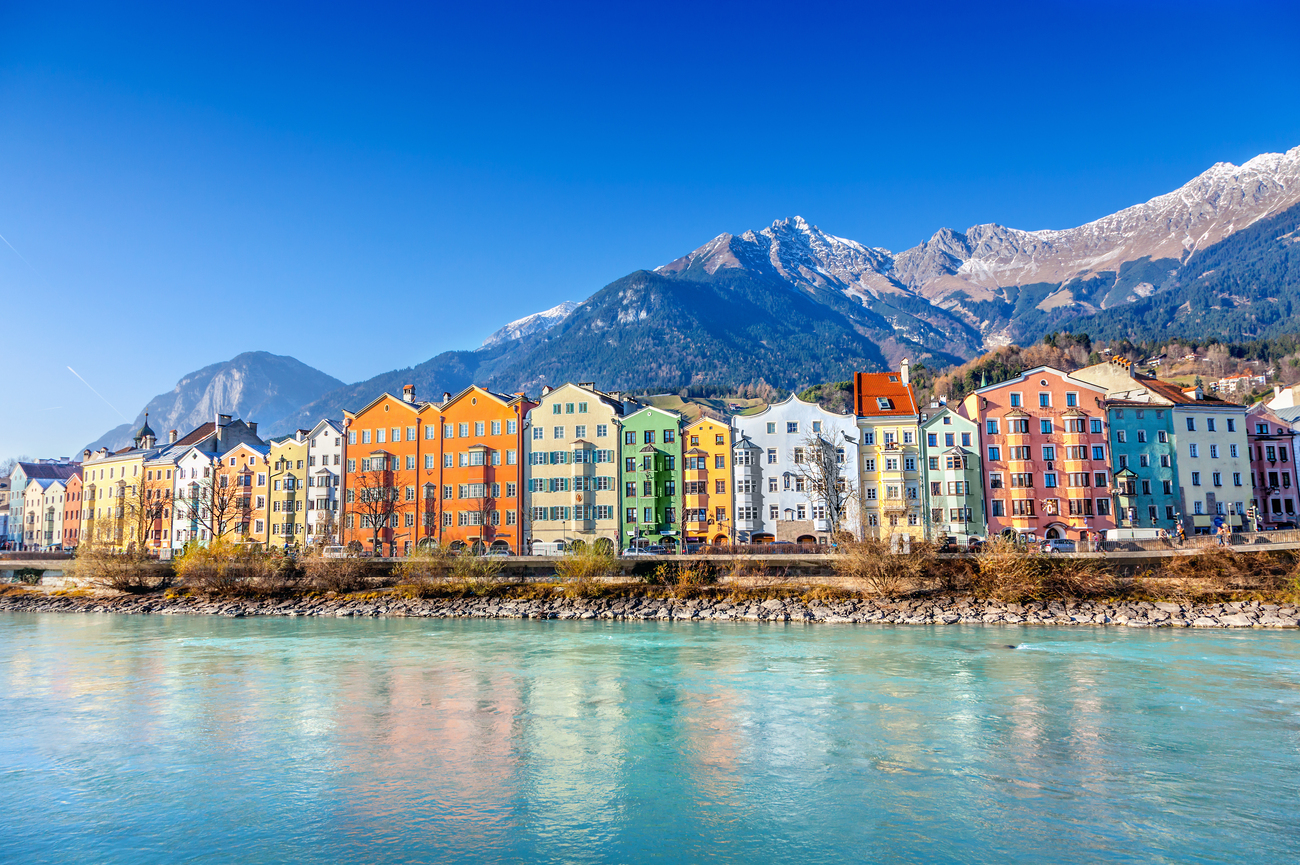
The journey begins in Innsbruck, the capital of Tyrol and the largest city along the route. Before boarding, the historic centre is compact enough to explore in a few hours, with the Golden Roof, Imperial Palace and medieval Old Town reflecting the city's long Habsburg history. The Nordkette cableways offer a striking contrast, carrying visitors from the city towards mountain terrain above 2,000 metres.
Leaving Innsbruck Hauptbahnhof, the railway crosses the River Inn and begins its climb out of the valley. Between residential districts, woodland and tunnels, intermittent views open back towards Innsbruck and the Nordkette.
The route then approaches Martinswand, the imposing rock face above the Inn Valley near Zirl. Together with Schlossbach Gorge, this section presented one of the railway's greatest engineering challenges. Tunnels, bridges and elevated sections carry the line across the steep terrain before it reaches Hochzirl.
Hochzirl
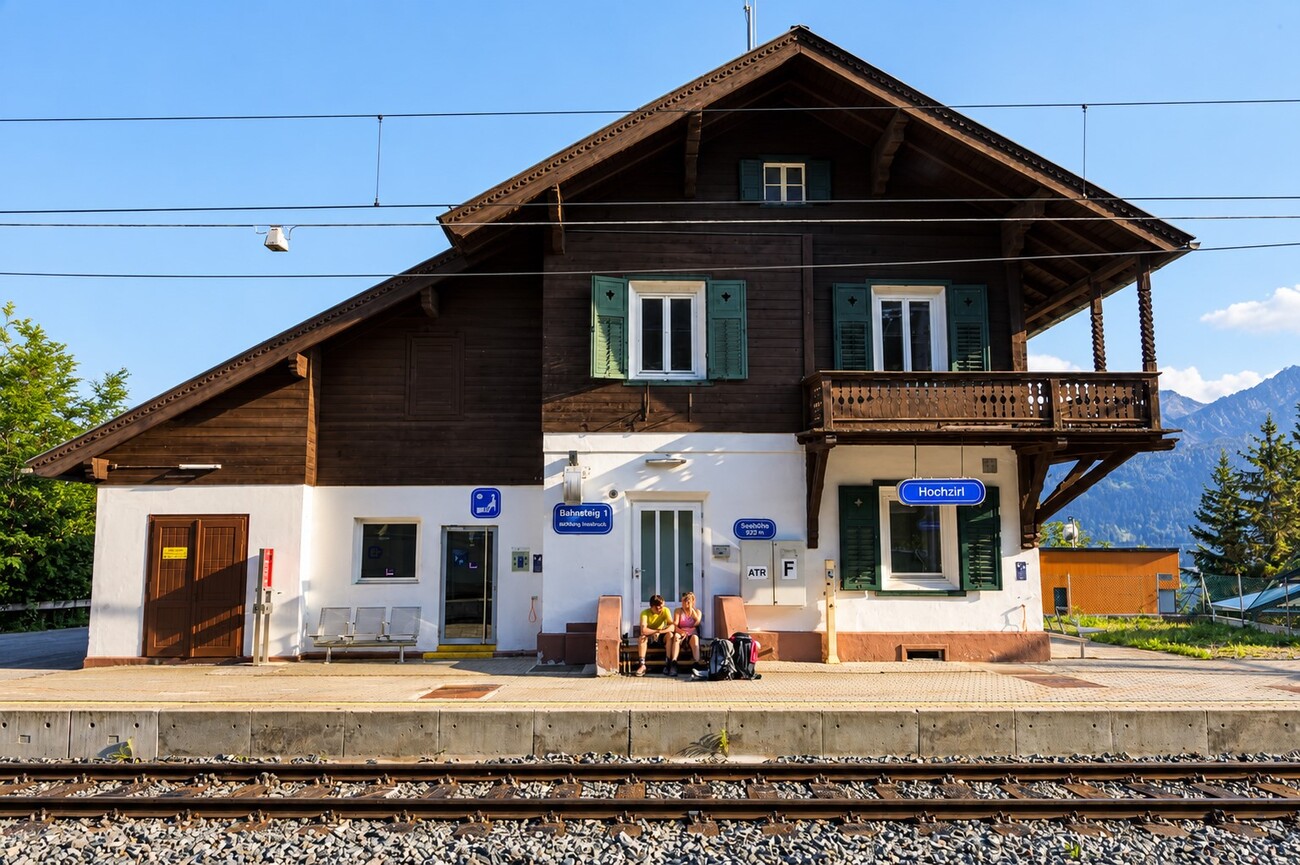
Hochzirl is a small mountain station above the Inn Valley rather than a conventional town stop. Its main appeal lies in access to the surrounding hiking terrain, making it more suitable for travellers planning time outdoors than for a short sightseeing stop.
One of the established hiking routes from Hochzirl station leads to the Solsteinhaus, an Alpine Club mountain hut at 1,805 metres. The route covers approximately 13.6 kilometres with around 876 metres of ascent, making it a substantial mountain hike rather than an excursion between trains. Another option descends towards Zirl through the Ehnbachklamm gorge, following forest paths and rocky sections towards the Inn Valley.
Even without leaving the train, Hochzirl marks an important point in the journey. By this stage, the railway has climbed considerably above Innsbruck, offering a clear sense of the elevation gained before the line continues towards the Seefeld plateau.
Reith
Reith bei Seefeld sits at approximately 1,130 metres above sea level, beneath the Reither Spitze. Smaller and quieter than neighbouring Seefeld, the Tyrolean village is surrounded by meadows, woodland and walking trails across the high plateau.
For a shorter stop, local panorama and cultural trails provide an easy introduction to the area, while a roughly three-kilometre bee nature trail follows the Reither forest path. More demanding hiking routes climb towards the Reither Spitze and Nördlinger Hütte, with access to the wider Karwendel Nature Park.
Reith also has an unusual connection to the region's industrial history. Tyrolean shale oil was extracted locally until 1964, forming part of a centuries-old tradition of processing oil shale found in the Karwendel Mountains. It adds an unexpected historical dimension to what otherwise feels like a quiet alpine village.
Seefeld
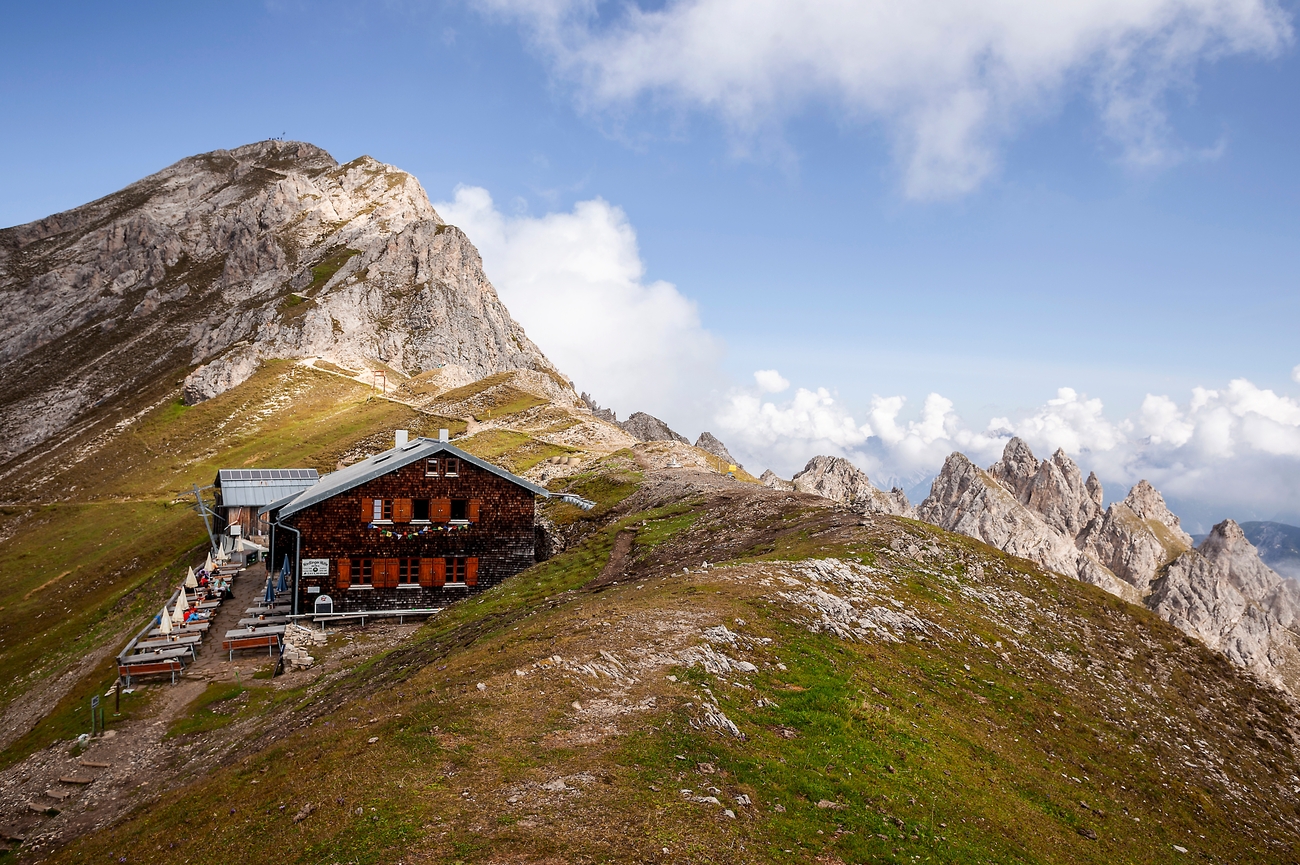
Seefeld in Tirol is one of the most important intermediate stops on the Mittenwald Railway and deserves its own section in the itinerary. The town sits on a high plateau between the Wetterstein and Karwendel Mountains, with the railway playing an important role in its development as a visitor destination since the line opened in 1912.
The station is particularly convenient because it lies close to the centre of Seefeld, making the town practical for a stop of several hours without requiring additional transport. From here, you can explore the pedestrian centre, walk around the Wildsee or continue towards landmarks such as the Seekirchl, while the surrounding plateau provides extensive walking and cross-country skiing routes.
Seefeld also has a strong connection with winter sports. The region hosted Nordic events during the 1964 and 1976 Winter Olympics and the 2012 Winter Youth Olympics, helping establish it as one of Austria's best-known Nordic skiing destinations. For travellers following the Mittenwald Railway, it offers the strongest Austrian stop between Innsbruck and the German border and is worth considering if you want to break the journey rather than travel straight through to Mittenwald.
Scharnitz
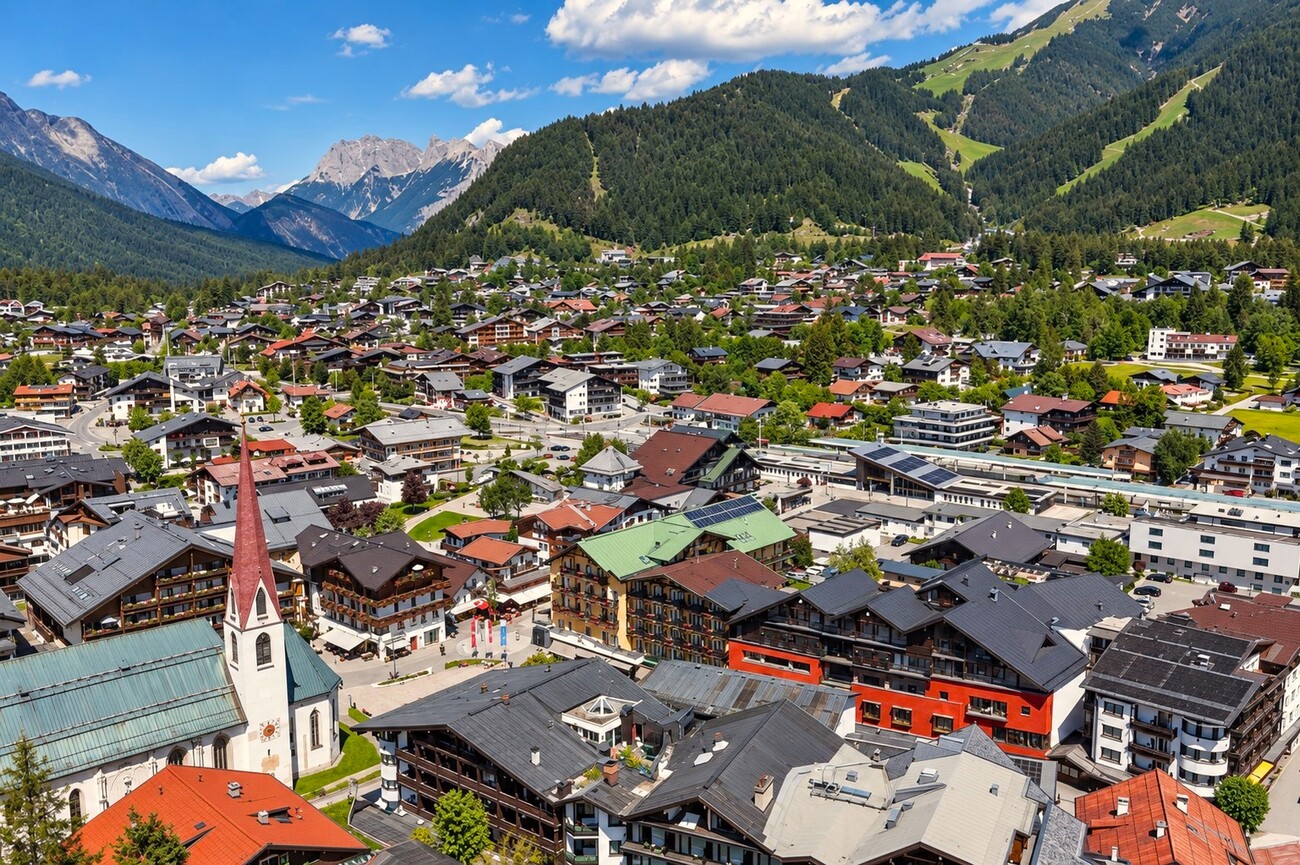
Scharnitz lies at approximately 964 metres above sea level, close to the Austrian-German border. Surrounded by the Karwendel Mountains, the village is widely regarded as a gateway to Karwendel Nature Park and serves primarily as a base for hiking, cycling and other mountain activities.
One of the most significant natural features nearby is the source area of the River Isar, located in the Hinterautal valley. The surrounding valleys and mountain routes make Scharnitz particularly worthwhile for travellers who want to combine the railway journey with a half-day or full-day outdoors.
For those remaining on board, Scharnitz marks the final major Austrian stop before the Mittenwald Railway crosses into Germany and continues towards Mittenwald.
Mittenwald
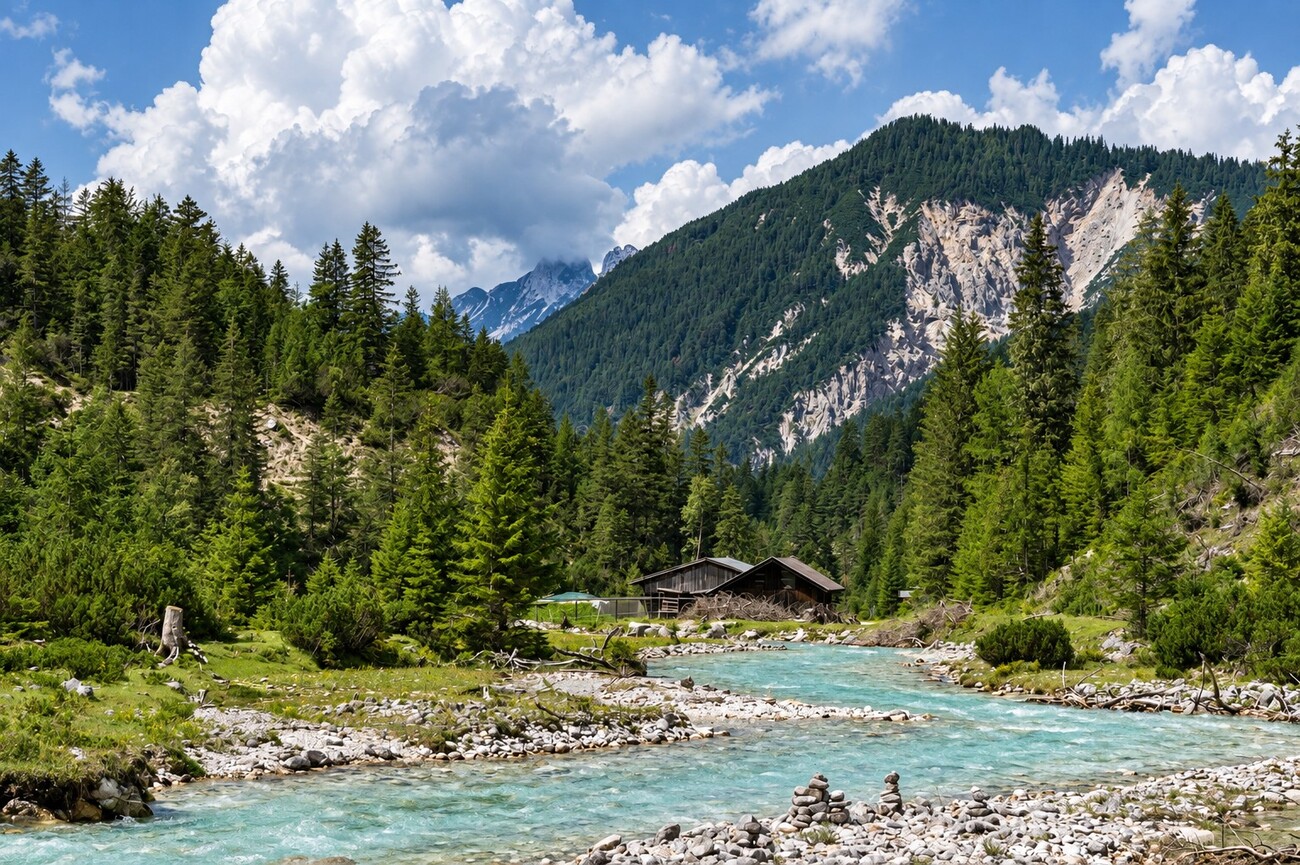
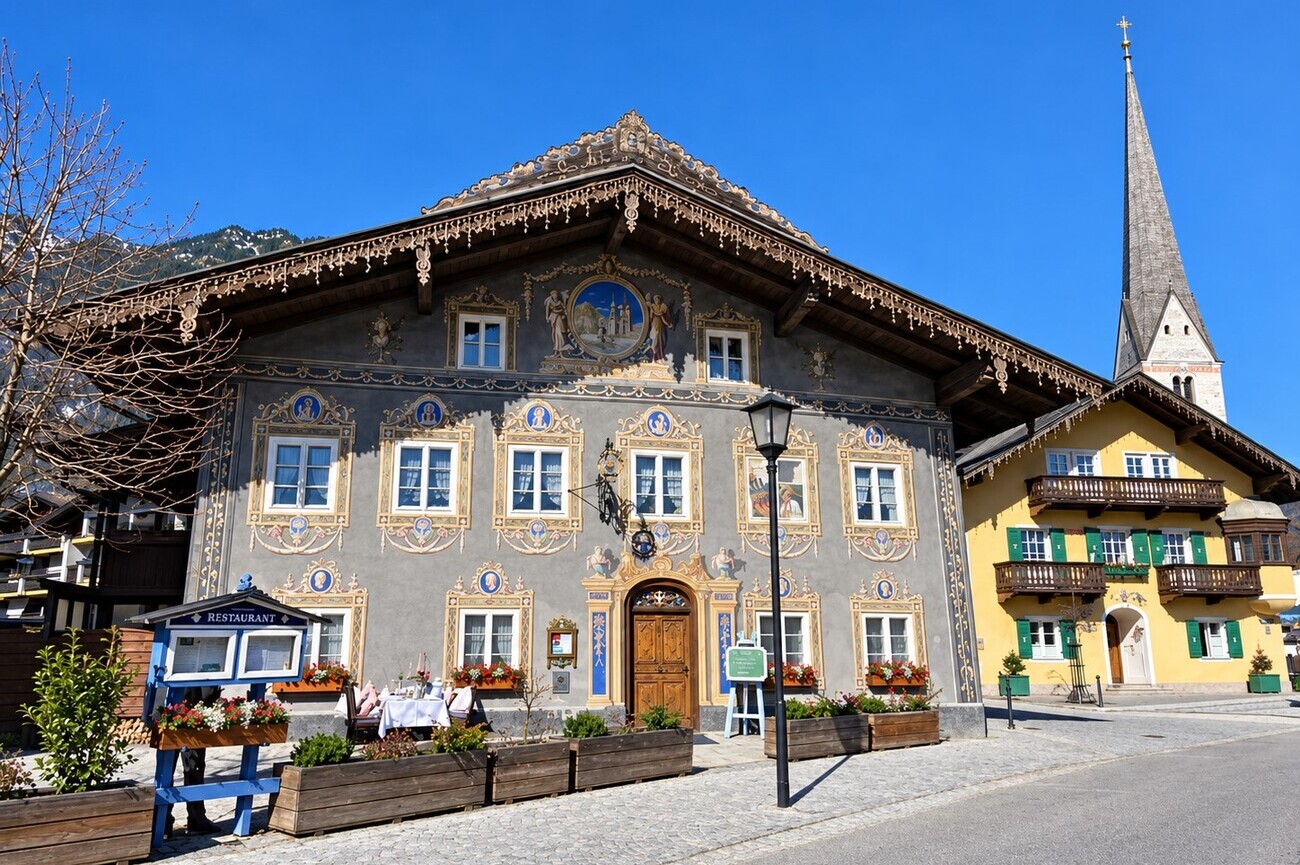
Mittenwald is the principal Bavarian stop along this section of the railway and one of the easiest places to spend several hours. Its historic centre is particularly known for Lüftlmalerei, the colourful painted facades found on many traditional Bavarian buildings, while the Baroque Church of St. Peter and Paul remains one of the town's most recognisable landmarks.
The town also has a long association with violin making, a craft established here for centuries. The Violin Making Museum explores the development of the local tradition and displays around 200 violins and other stringed instruments, ranging from individually crafted pieces to instruments produced for wider distribution.
With more time, you can combine the historic centre and museum with a cable car journey or walks around the nearby lakes and mountain trails. If you are choosing only one intermediate stop on the German side of the Mittenwald Railway, Mittenwald offers the strongest combination of local history, architecture and access to the surrounding mountains.
Klais
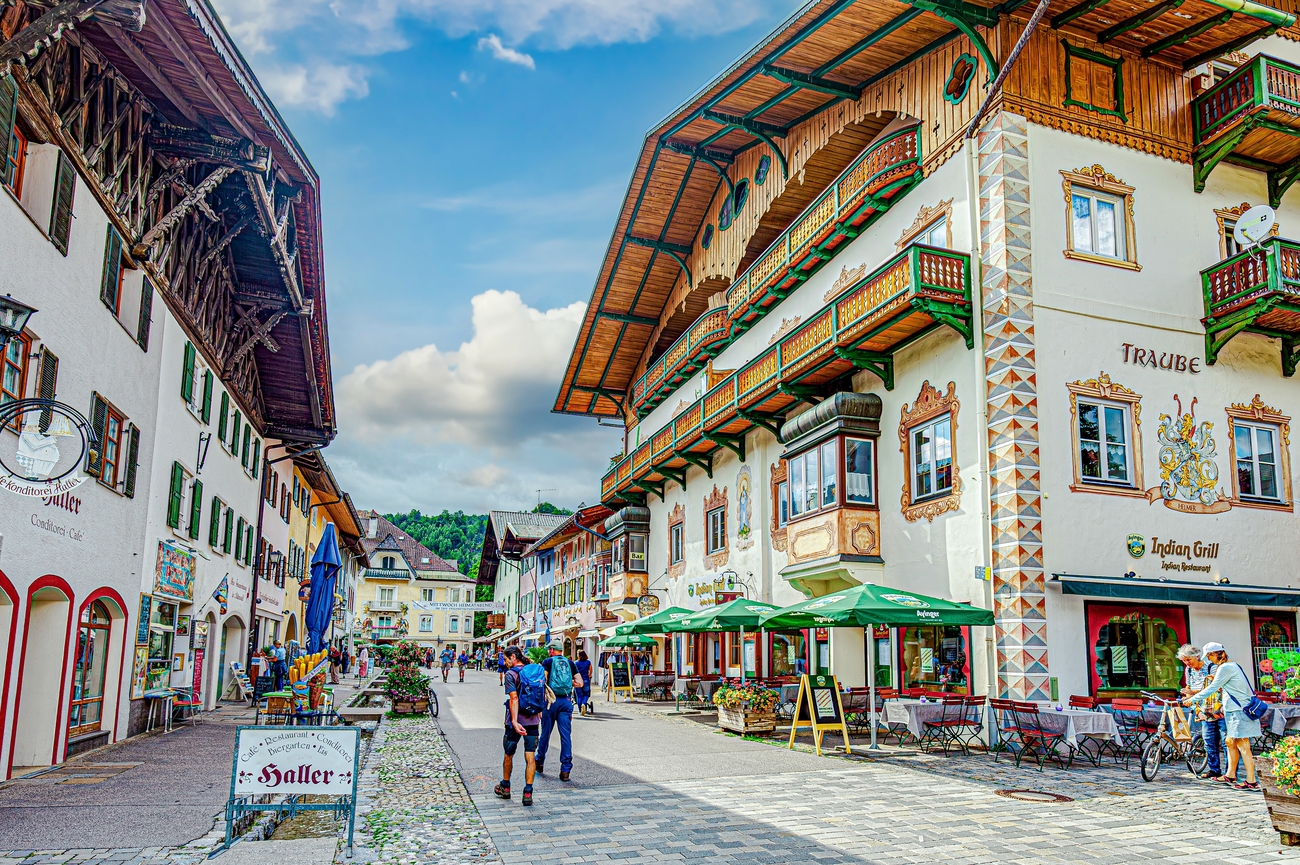
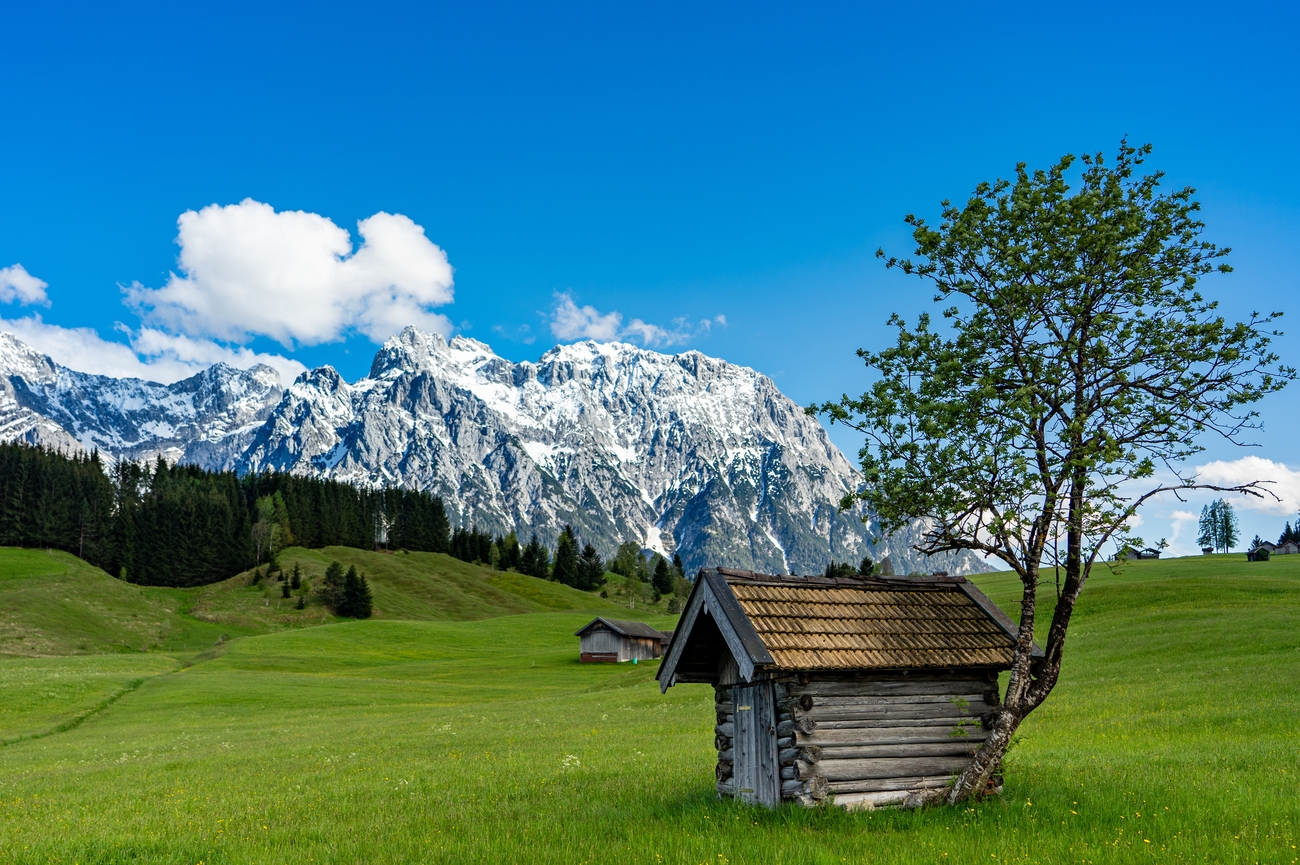
Klais is a small district of Krün between Mittenwald and Garmisch-Partenkirchen. Its railway station opened in 1912 at approximately 933 metres above sea level, making it one of the higher railway stations in Germany. The area's history reaches much further back, however, with a settlement and stone church recorded here as early as 763 near the former Roman Via Raetia route through the Alps.
Today, Klais is most useful as a starting point for outdoor activities. Walking and cycling routes lead through the Buckelwiesen, the area's distinctive hummocky meadows, and towards Kranzbach and Elmau. Longer routes continue towards Ferchensee, Lautersee and the Schachen area.
During winter, the surrounding countryside is also used extensively for cross-country skiing, making Klais a practical stop for travellers interested in the quieter, more rural side of the Bavarian Alps.
Kainzenbad
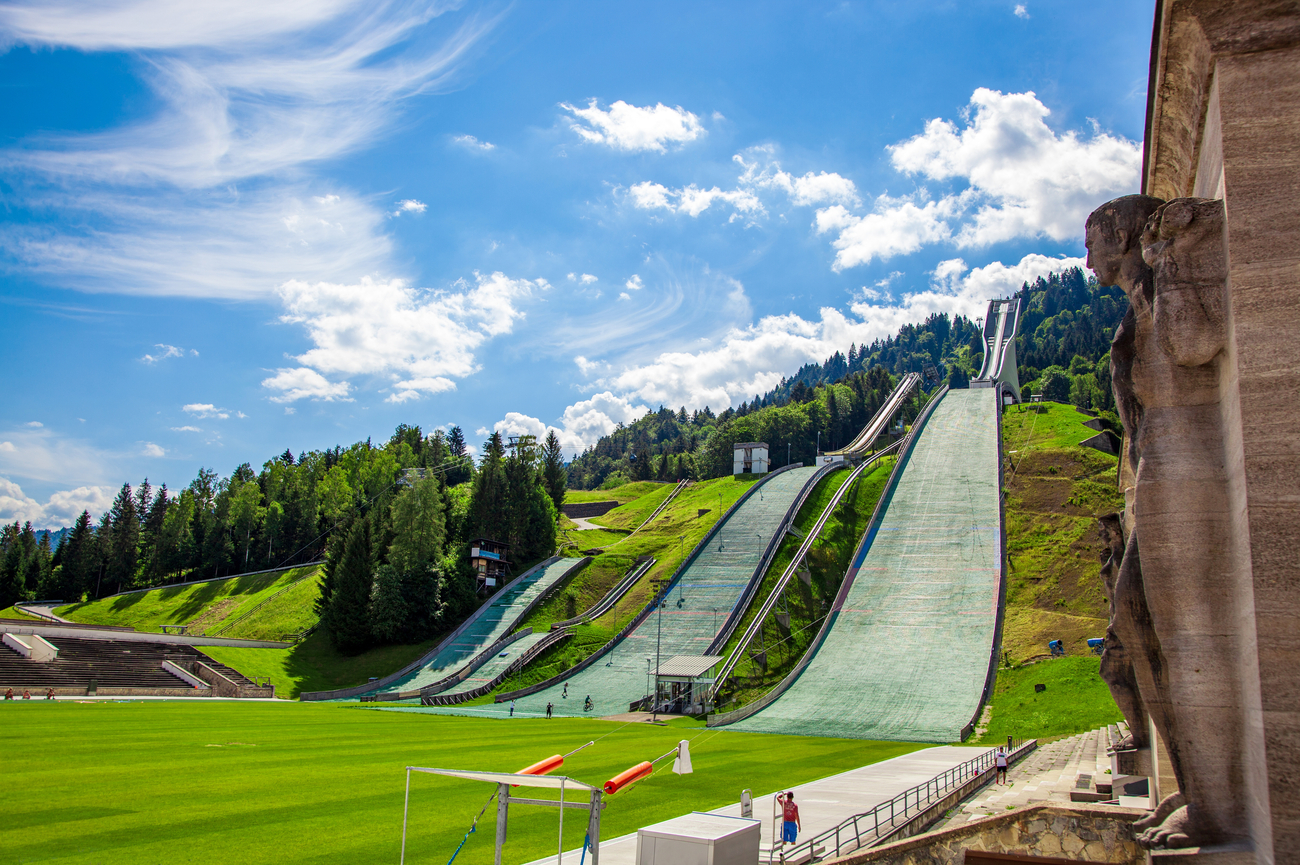
Kainzenbad differs from the other stops along the route because it is not served as a regular scheduled station throughout the year. Deutsche Bahn uses the halt for additional services during major events at the nearby Olympia Ski Stadium, particularly during important ski-jumping competitions.
The stop is closely connected with Garmisch-Partenkirchen's winter-sports heritage. The Olympia Ski Stadium and Große Olympiaschanze are nearby, together with the Gudiberg slalom slope, and the area continues to host major skiing and ski-jumping events.
Kainzenbad is also useful for accessing the Partnach Valley and routes towards the Partnach Gorge. For most travellers, however, it is better regarded as a special-purpose stop for sporting events and outdoor activities rather than a conventional sightseeing destination along the railway.
Garmisch-Partenkirchen
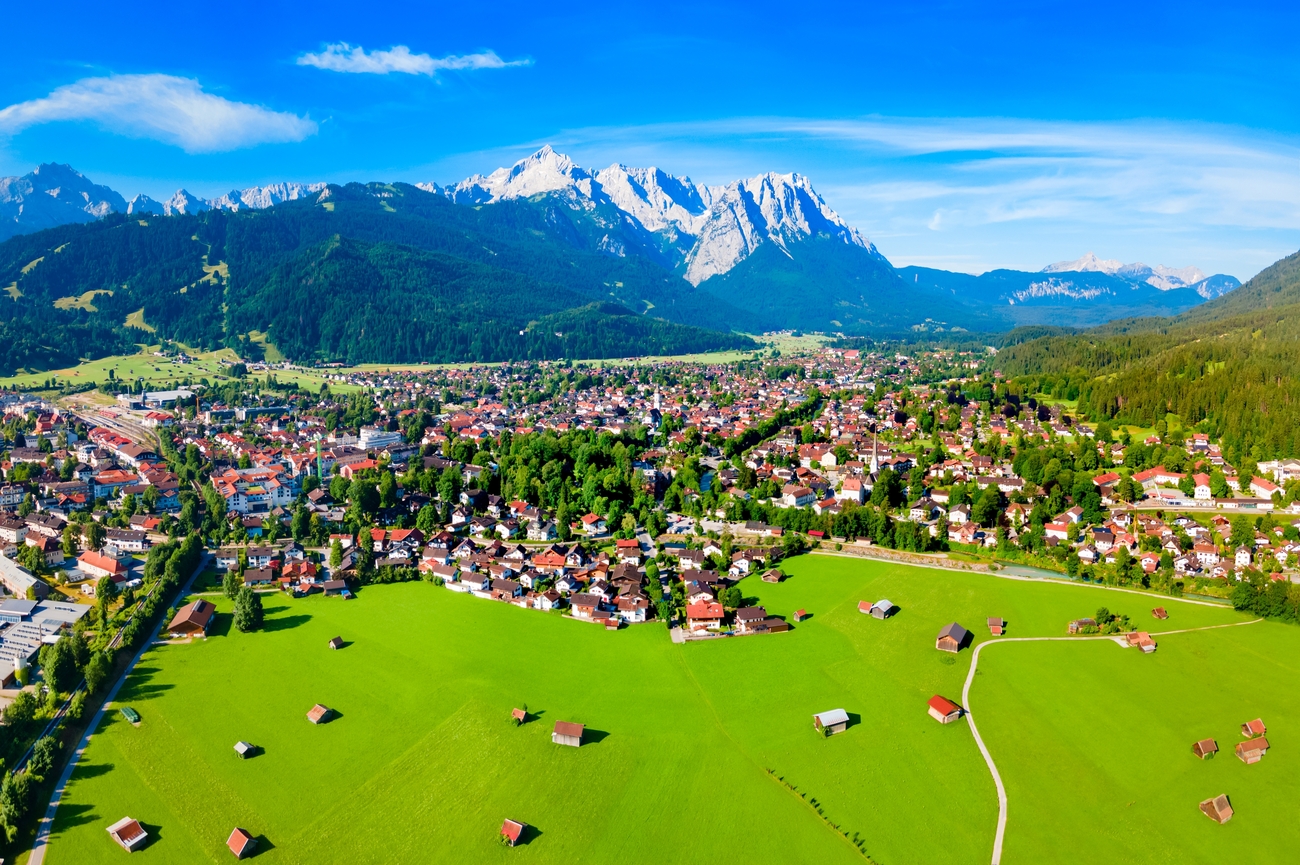
The journey ends in Garmisch-Partenkirchen, the largest German destination along the route and one of the main gateways to the Bavarian Alps. As the railway approaches the town, the surrounding landscape opens towards the Wetterstein Mountains, with steep limestone peaks, forested slopes and broad alpine meadows forming the backdrop to the final stage of the journey.
Partenkirchen is the older of the two settlements and developed along an important Roman route through the Alps. Ludwigstraße remains its principal historic street, lined with traditional houses, painted facades and long-established inns.
Garmisch-Partenkirchen is also closely associated with winter sports and hosted events during the 1936 Winter Olympics. The Olympic ski-jumping complex, Gudiberg and other sporting facilities remain part of the local landscape, while the nearby Partnach Gorge offers one of the area's most impressive natural attractions.
The town is also the main rail gateway to the Zugspitze, Germany's highest mountain. From here, the Bayerische Zugspitzbahn continues towards Grainau and the Zugspitze mountain system. With historic streets, mountain railways, hiking routes and major alpine attractions close by, Garmisch-Partenkirchen is the most natural place to extend the Mittenwald Railway journey with an overnight stay.
Duration
The journey from Innsbruck to Garmisch-Partenkirchen takes around 1 hour and 20 minutes, making it possible to travel the full Mittenwald Railway in a single morning or afternoon. Direct regional services connect the two cities without requiring a change of train.
After crossing the Austrian-German border beyond Scharnitz, the railway reaches Mittenwald before continuing through Klais to Garmisch-Partenkirchen. The final section is relatively short, with the journey from Mittenwald to Garmisch-Partenkirchen generally taking around 20 to 25 minutes.
If you remain on board throughout, the route is short enough to combine with sightseeing in either Innsbruck or Garmisch-Partenkirchen on the same day. If you plan to leave the train along the way, however, it is better treated as a full-day journey. A few hours in Mittenwald combined with a shorter stop in Seefeld or Scharnitz is realistic, while hiking from Hochzirl or undertaking a longer mountain excursion requires considerably more time.
Schedules
and Tickets
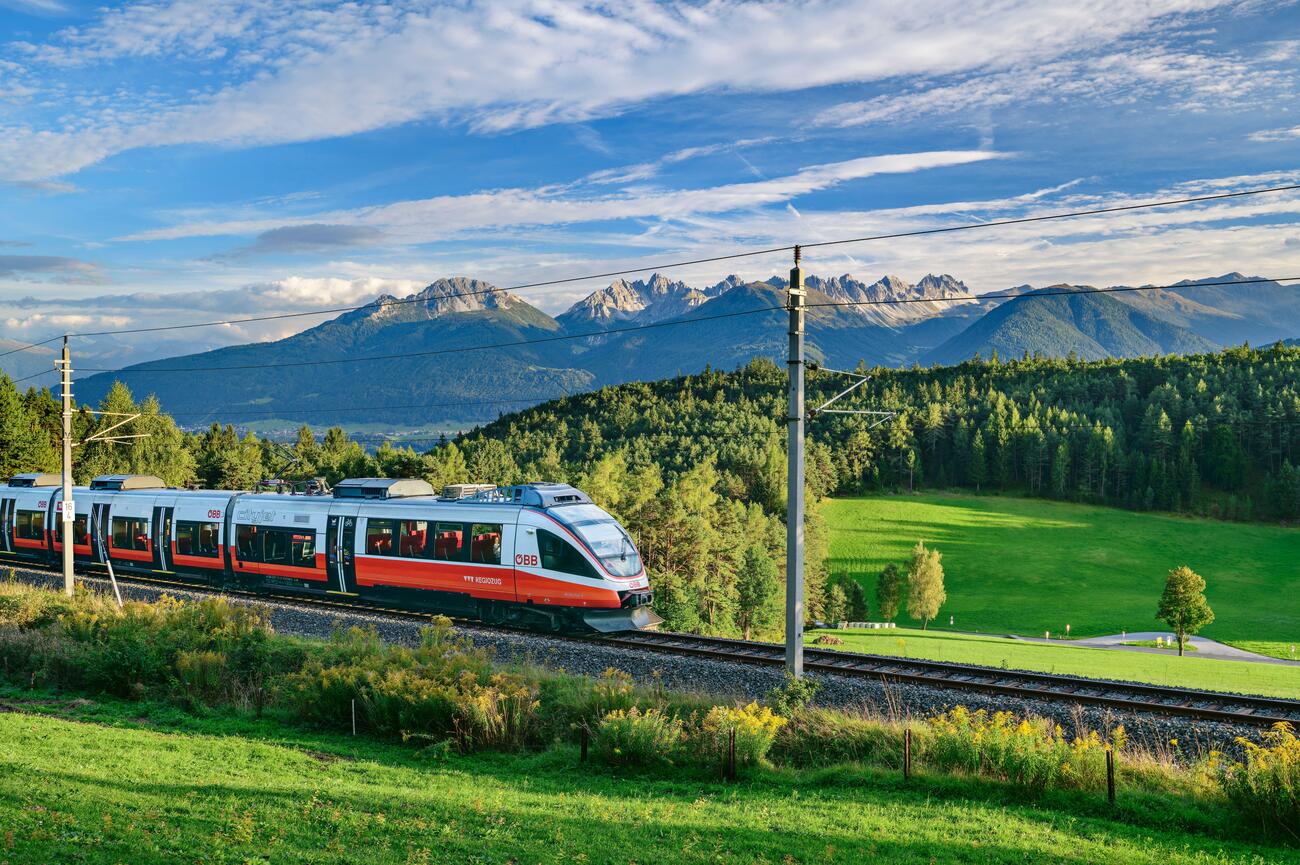
Regional trains operate regularly between Innsbruck and Garmisch-Partenkirchen, serving stations including Hochzirl, Seefeld, Scharnitz, Mittenwald and Klais. The route currently forms part of the S-Bahn Tirol network as the S6, although timetables may change during weekends, public holidays or periods of engineering work. Travellers should therefore check the latest ÖBB or Deutsche Bahn timetable before departure.
Tickets can be purchased through ÖBB or Deutsche Bahn, including online, through their respective apps and at station ticket machines. On ÖBB regional services, passengers should have a valid ticket before boarding.
If you are planning several stops or travelling farther into Bavaria, the Regio-Ticket Werdenfels + Innsbruck is worth considering. It covers regional trains between Munich and Innsbruck via Mittenwald, including ÖBB regional services between Garmisch-Partenkirchen and Innsbruck. The ticket can be used by up to five people and is valid from midnight on the selected travel day until 3:00 a.m. the following morning.
Rail tickets for the Mittenwald Railway can also be arranged as part of a tailor-made Revigorate vacation, alongside accommodation, private transfers and other rail journeys included in your itinerary.
Where To Stay
Staying overnight along the Mittenwald Railway gives you more flexibility to explore the route without trying to fit several stops into a single day. Innsbruck offers the widest choice of accommodation and works well at the Austrian end of the journey, Mittenwald provides a quieter alpine base close to the historic centre and surrounding mountains, while Garmisch-Partenkirchen is the strongest option if you plan to continue towards the Zugspitze, Partnach Gorge or elsewhere in the Bavarian Alps.
Innsbruck
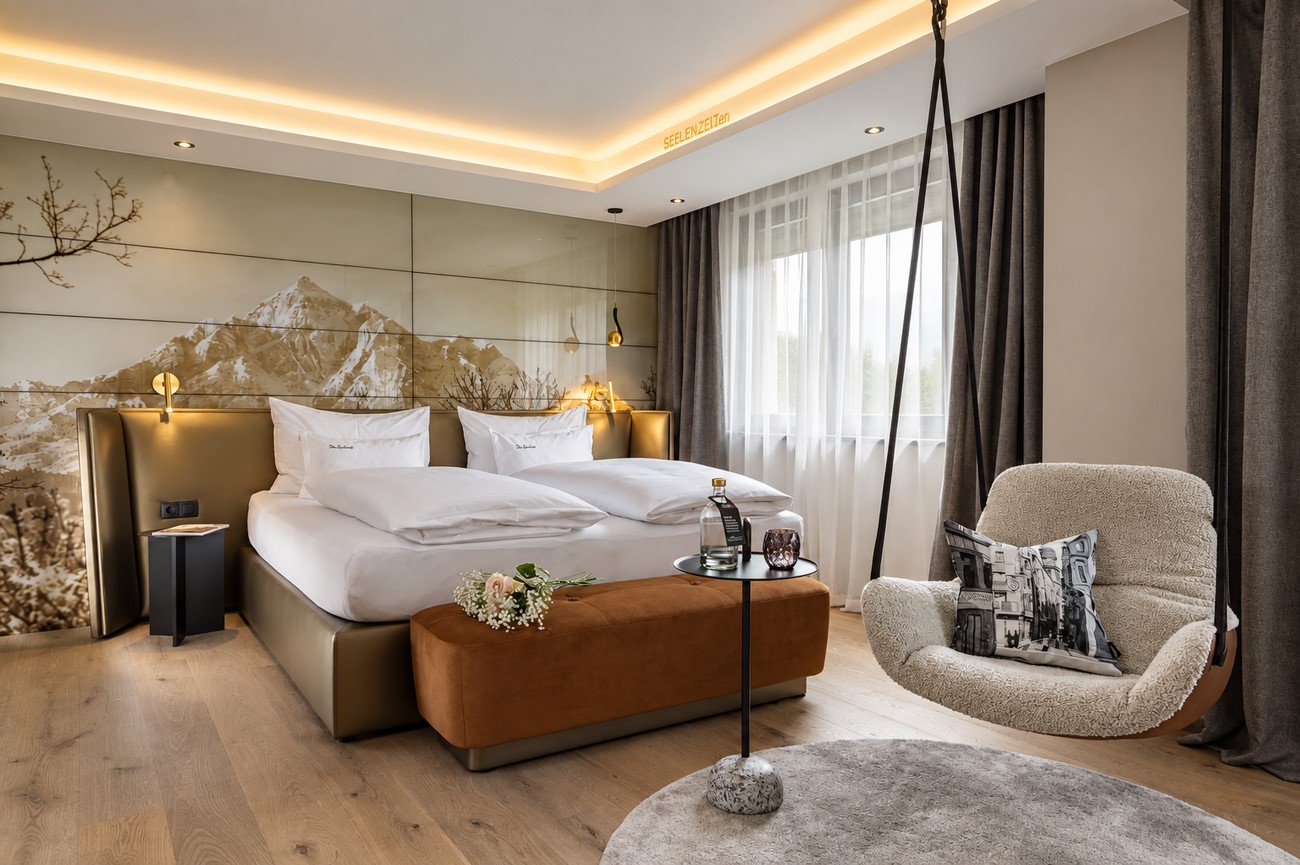
- Hotel Das Innsbruck (4 Stars): Set beside the Inn Bridge in the historic centre, Hotel Das Innsbruck is within easy walking distance of the Golden Roof, Imperial Palace and Old Town. Its main advantage over a conventional city hotel is its extensive wellness offering, including two spa areas, a sixth-floor panoramic wellness space and the Golden Pool. It works particularly well if you want to combine the railway journey with a more relaxing stay in central Innsbruck.
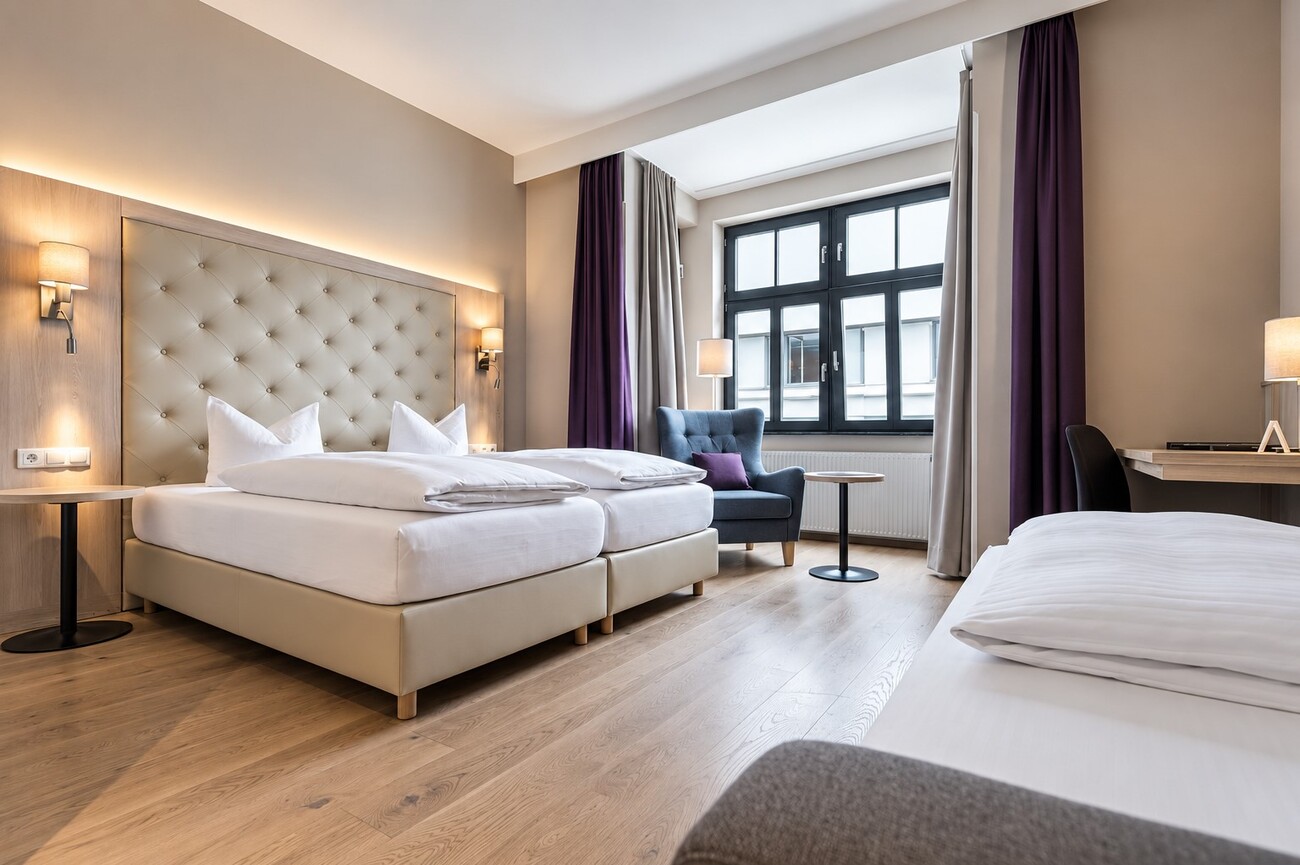
- Hotel Sailer (4 Stars): Hotel Sailer is a practical choice for travellers continuing by rail the following morning. The family-run hotel is close to Innsbruck Hauptbahnhof while remaining within walking distance of Maria-Theresien-Straße, the Golden Roof and the historic centre. Its 88 rooms and suites are complemented by a small wellness area with a sauna and infrared cabin, together with traditional Tyrolean dining rooms.
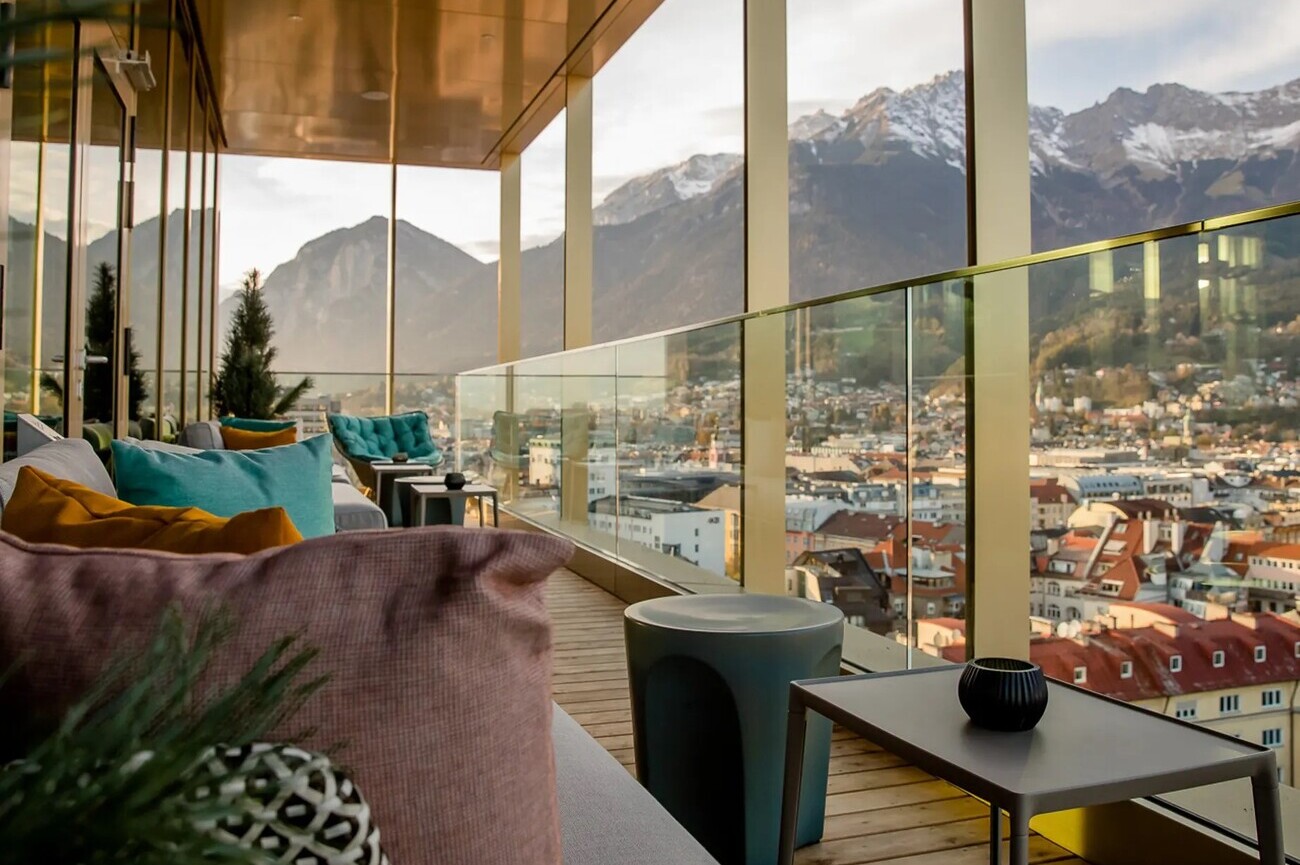
- Motel One Innsbruck: Directly beside Innsbruck Hauptbahnhof, Motel One Innsbruck is the most convenient of these options for travellers prioritising rail connections and value. The Old Town remains within walking distance, while the upper-floor bar and breakfast area offers views across Innsbruck towards the surrounding mountains. It is a straightforward choice if location matters more than extensive hotel facilities.
Mittenwald
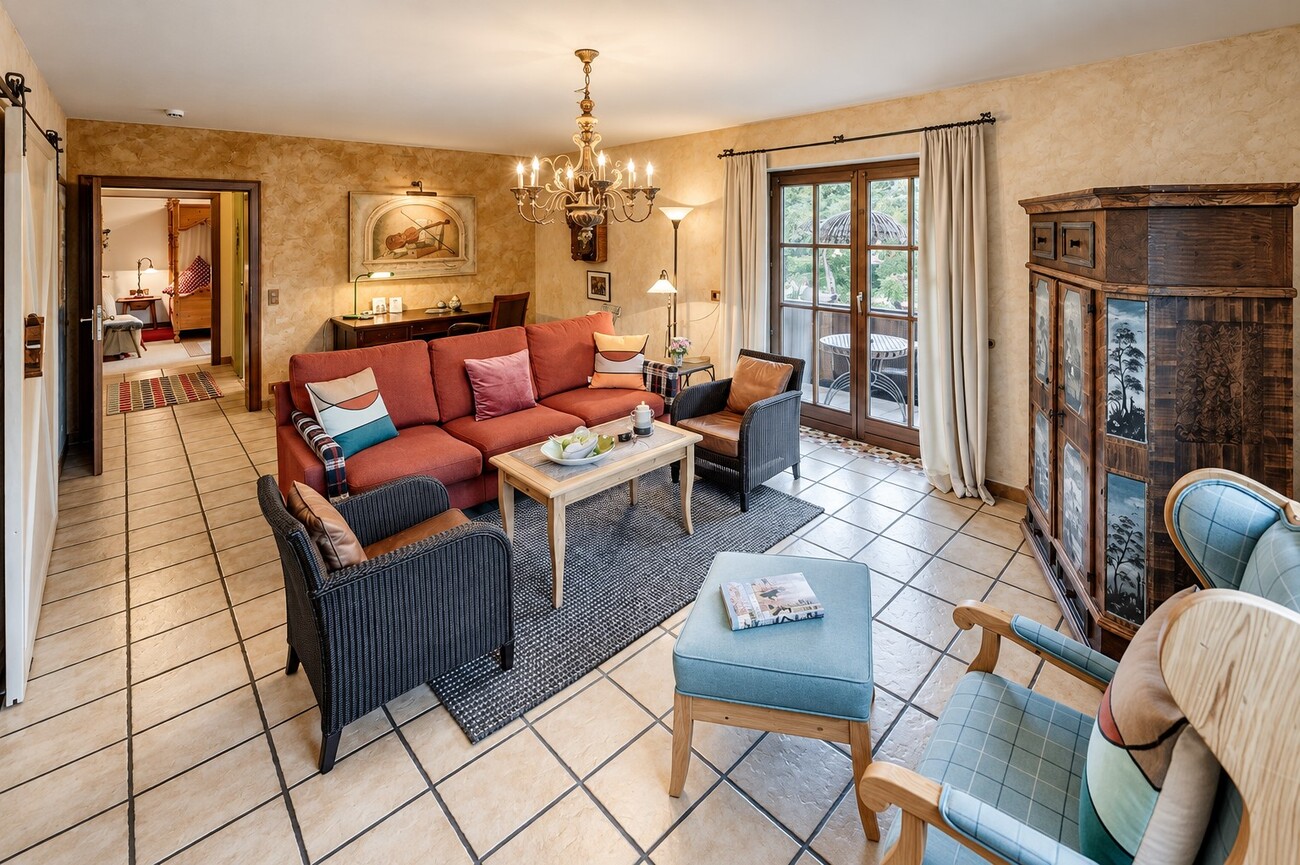
- Romantische 5-Sterne Ferienwohnungen (5 Stars): For travellers looking for more space and privacy, Romantische 5-Sterne Ferienwohnungen offers refined alpine-style apartments using natural wood and stone, with south-facing balconies overlooking the Karwendel and Wetterstein Mountains. The apartments combine the independence of a private residence with easy access to central Mittenwald, while the garden sauna adds a welcome wellness element after a day in the mountains.
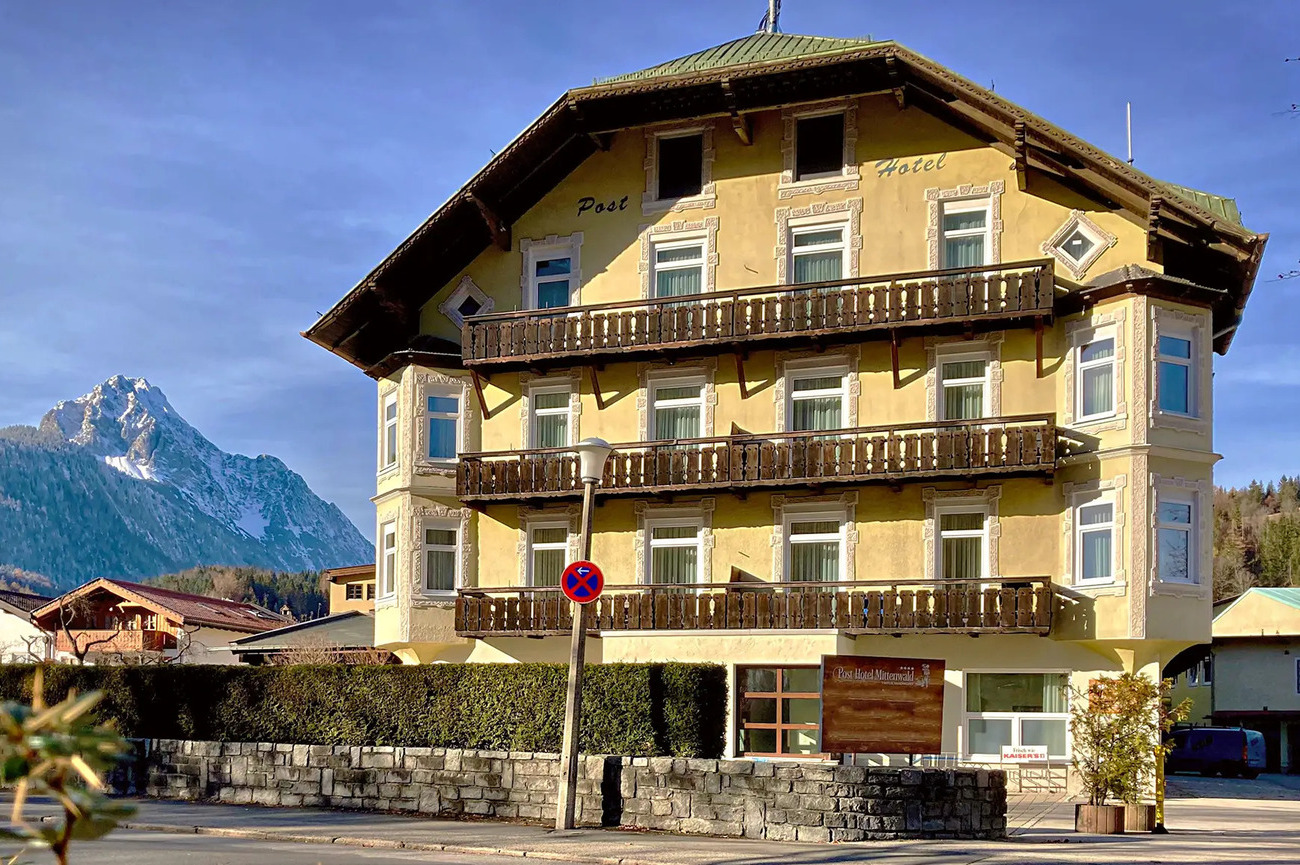
- Post Hotel Mittenwald (4 Stars): Post Hotel Mittenwald is the strongest full-service option in town. The property occupies a historic former postal inn documented as the Gasthof zur Post in 1719, reflecting Mittenwald's long-standing role on the trading routes through the Alps. Its 400-square-metre spa includes two saunas, an infrared cabin, relaxation area, Kneipp pool supplied with mountain spring water and a panoramic indoor pool overlooking the Karwendel.
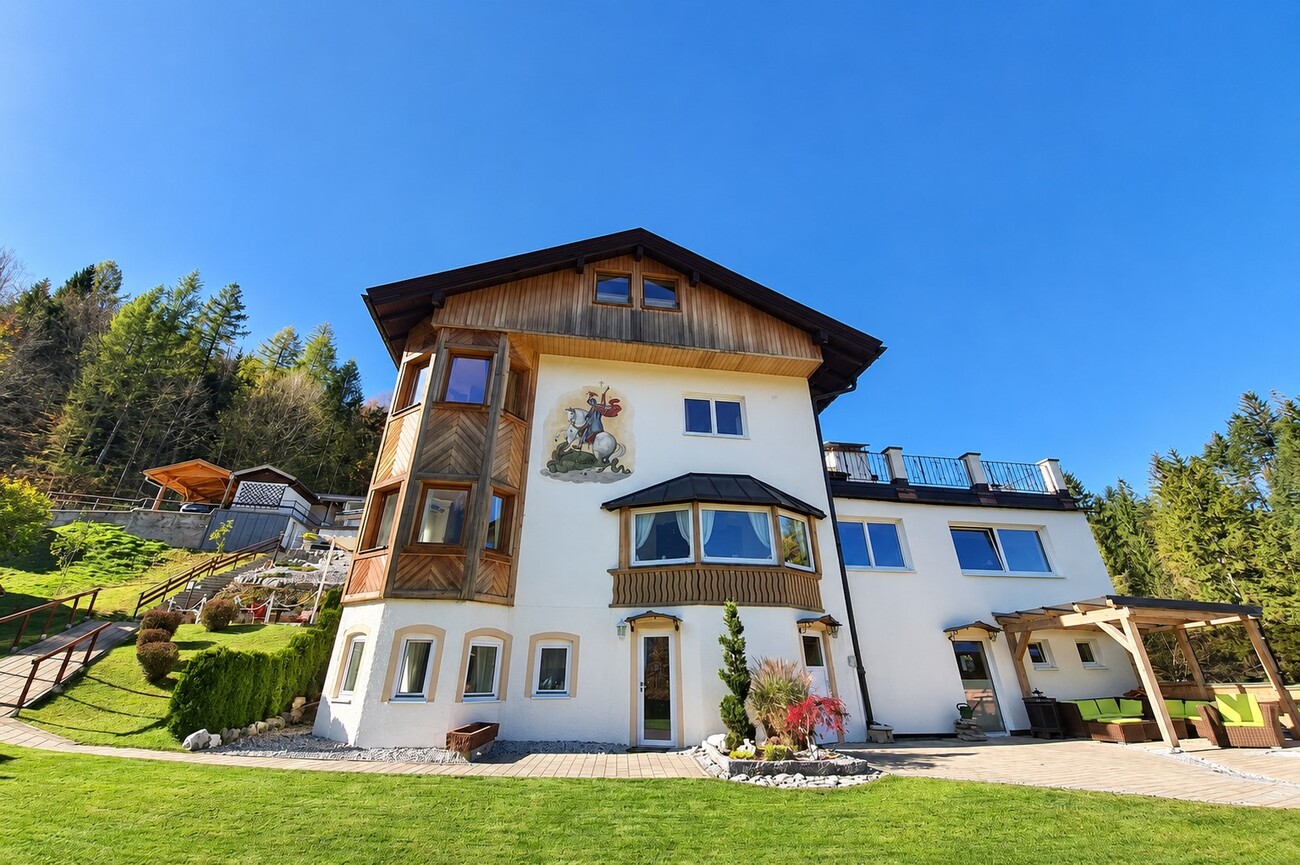
- Hotel-Garni Drachenburg: This smaller family-run hotel offers a quieter alternative within walking distance of central Mittenwald. Many rooms have views towards the Karwendel, while facilities include a Finnish sauna, infrared cabin and private spa option. It is particularly well suited to travellers who plan to spend most of their time exploring the town and surrounding mountains rather than staying in a larger resort-style property.
Garmisch-Partenkirchen
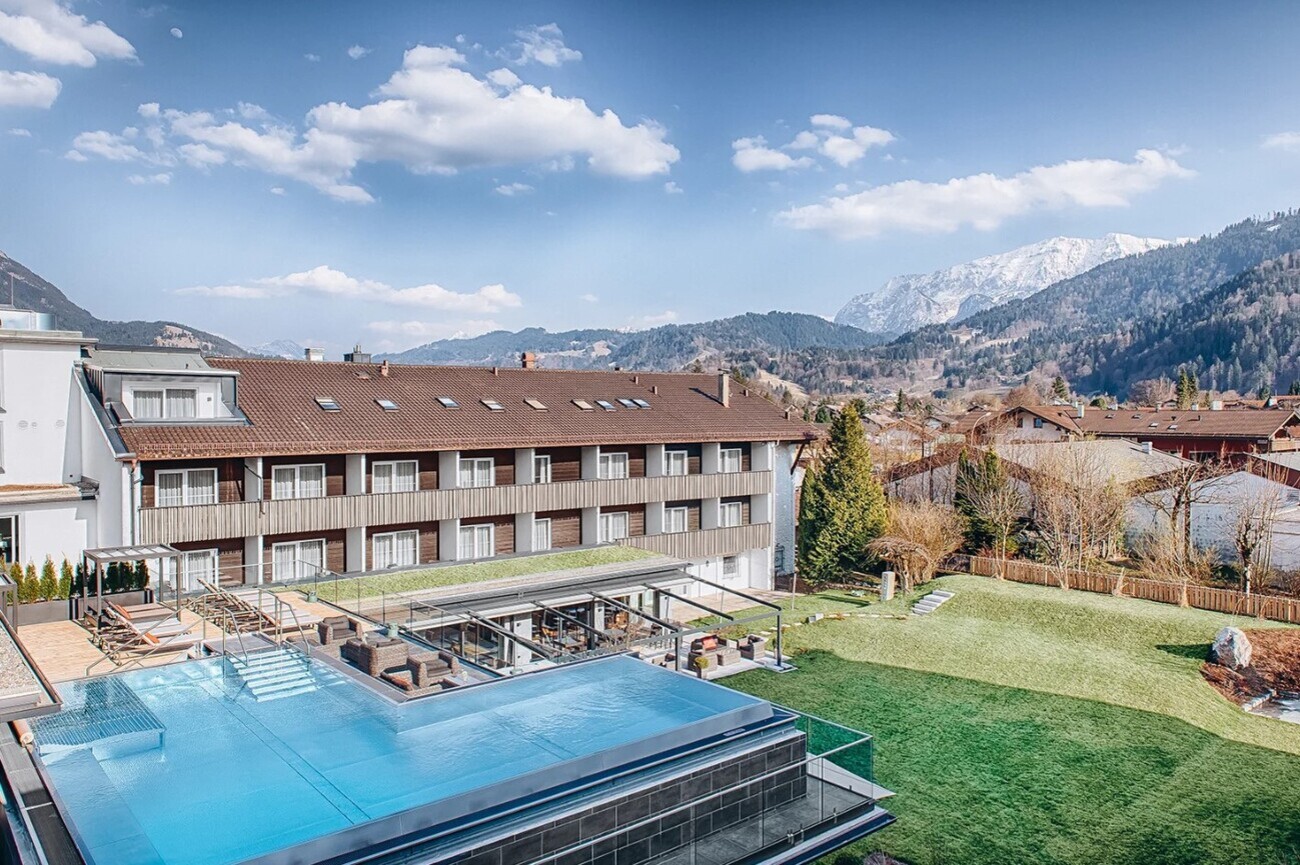
- Obermuehle 4S Alpin SPA Resort (4 Stars): Obermuehle 4S Alpin SPA Resort combines a long-established alpine setting with extensive wellness facilities. The property has more than 370 years of history and offers both family-friendly and adults-only spa areas, multiple pools and treatment facilities, with selected rooms featuring private saunas. It is particularly well suited to travellers planning active days in the surrounding mountains who want a more resort-style stay afterwards.
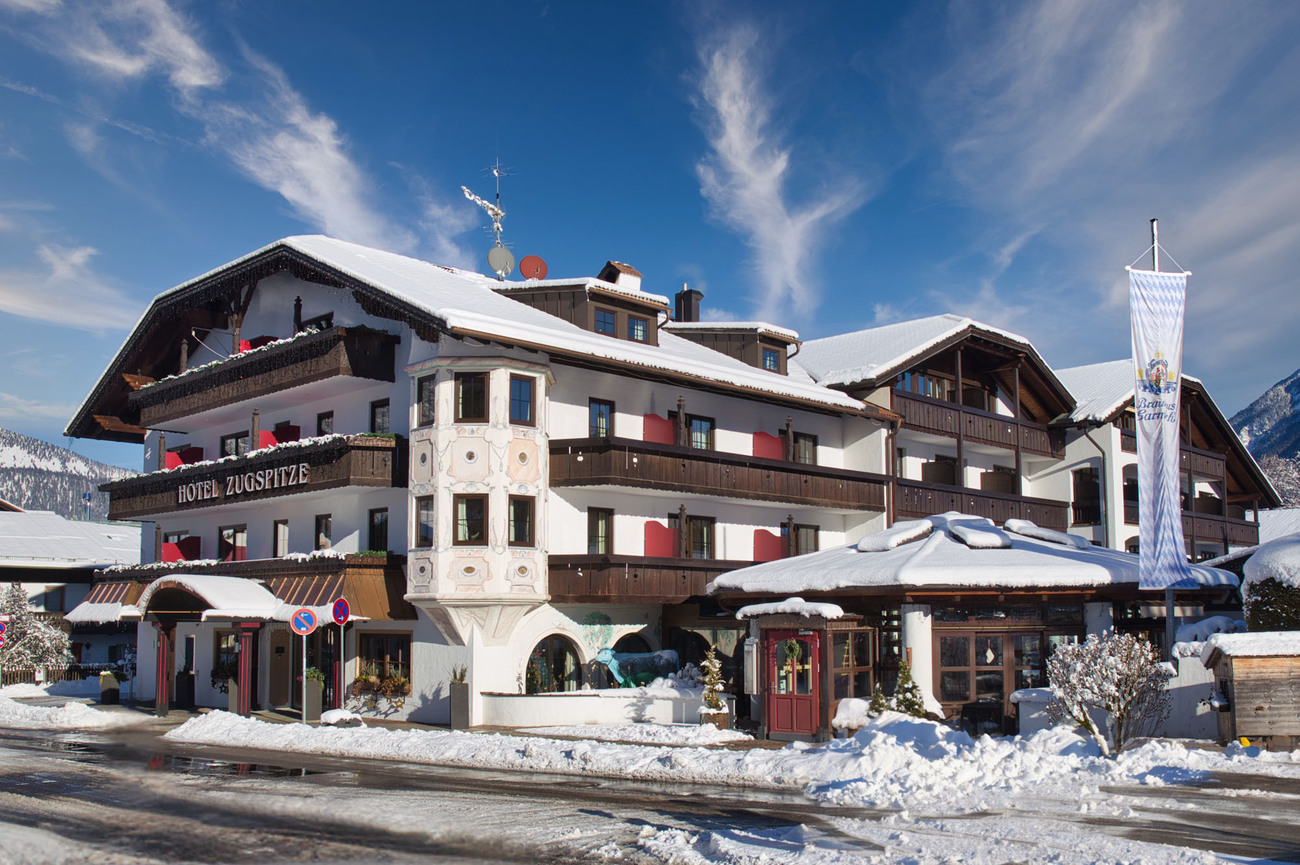
- Hotel Zugspitze (4 Stars): Hotel Zugspitze is a four-star Superior boutique hotel in central Garmisch, offering a more intimate alternative to a larger resort. The property has 48 rooms, an indoor pool, sauna and wellness area, with interiors influenced by traditional country-house style. Its central location makes it convenient for exploring Garmisch on foot while remaining well placed for railway connections towards the Zugspitze and the main station.
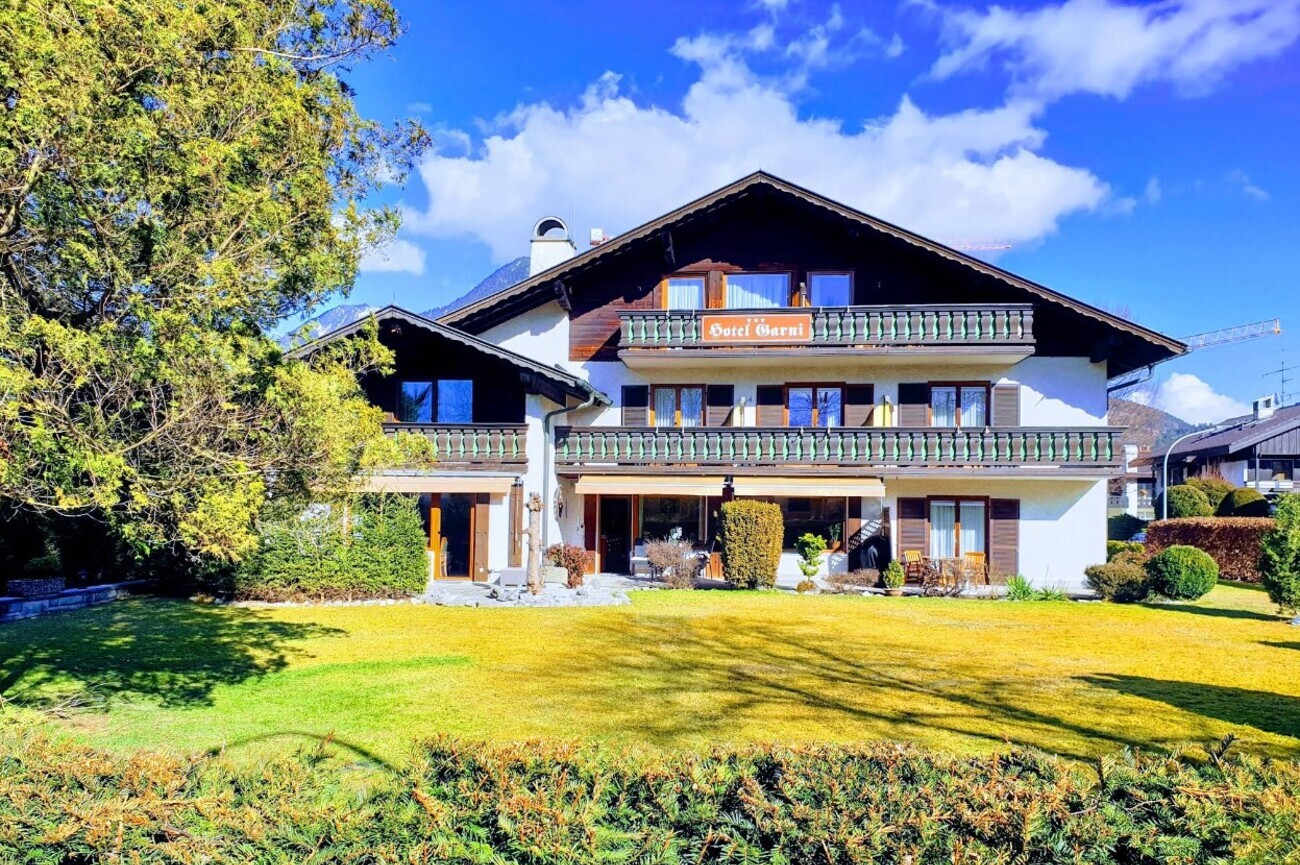
- Hotel Garni Brunnthaler: Hotel Garni Brunnthaler is a more affordable option within walking distance of the centre and railway station. The family-run hotel offers standard and comfort rooms, with mountain views from many balconies, as well as breakfast, a sauna, infrared cabin and small fitness facilities. Its location works particularly well if you want easy access to restaurants, the pedestrian area and onward transport into the mountains.
Where To Eat
Food can be another reason to break the journey along the Mittenwald Railway. Innsbruck offers the widest choice, from contemporary alpine cooking to traditional Tyrolean restaurants, while Mittenwald and Garmisch-Partenkirchen provide strong regional options on the German side of the route. If you are stopping for several hours or staying overnight, these restaurants are worth considering rather than simply eating close to the station.
Innsbruck
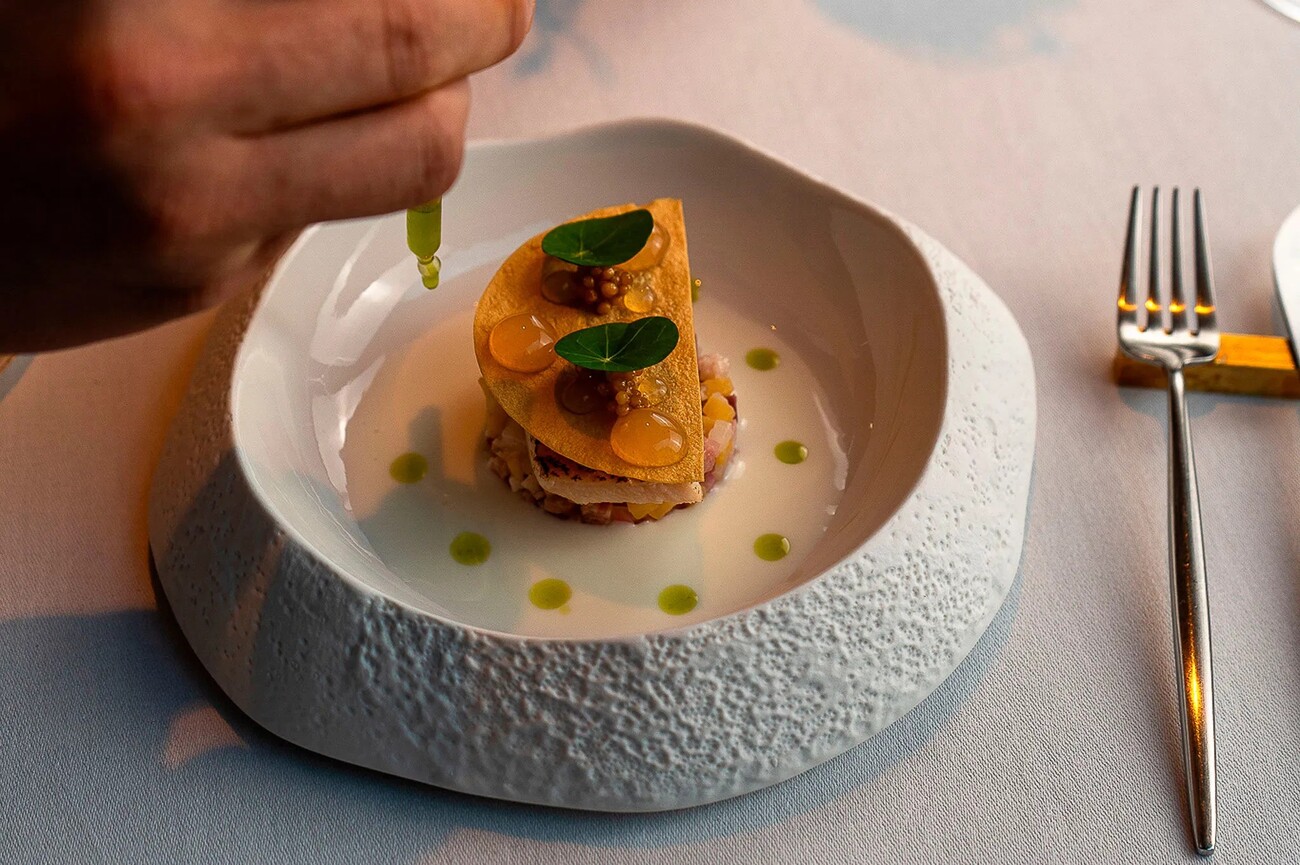
- Oniriq: Oniriq is the choice for a more contemporary dinner in Innsbruck. Located on Bürgerstraße and included in the Michelin Guide, the restaurant serves creative tasting menus from an open kitchen, with both vegetarian options and menus incorporating meat or fish. Optional wine and house-made non-alcoholic pairings are also available.
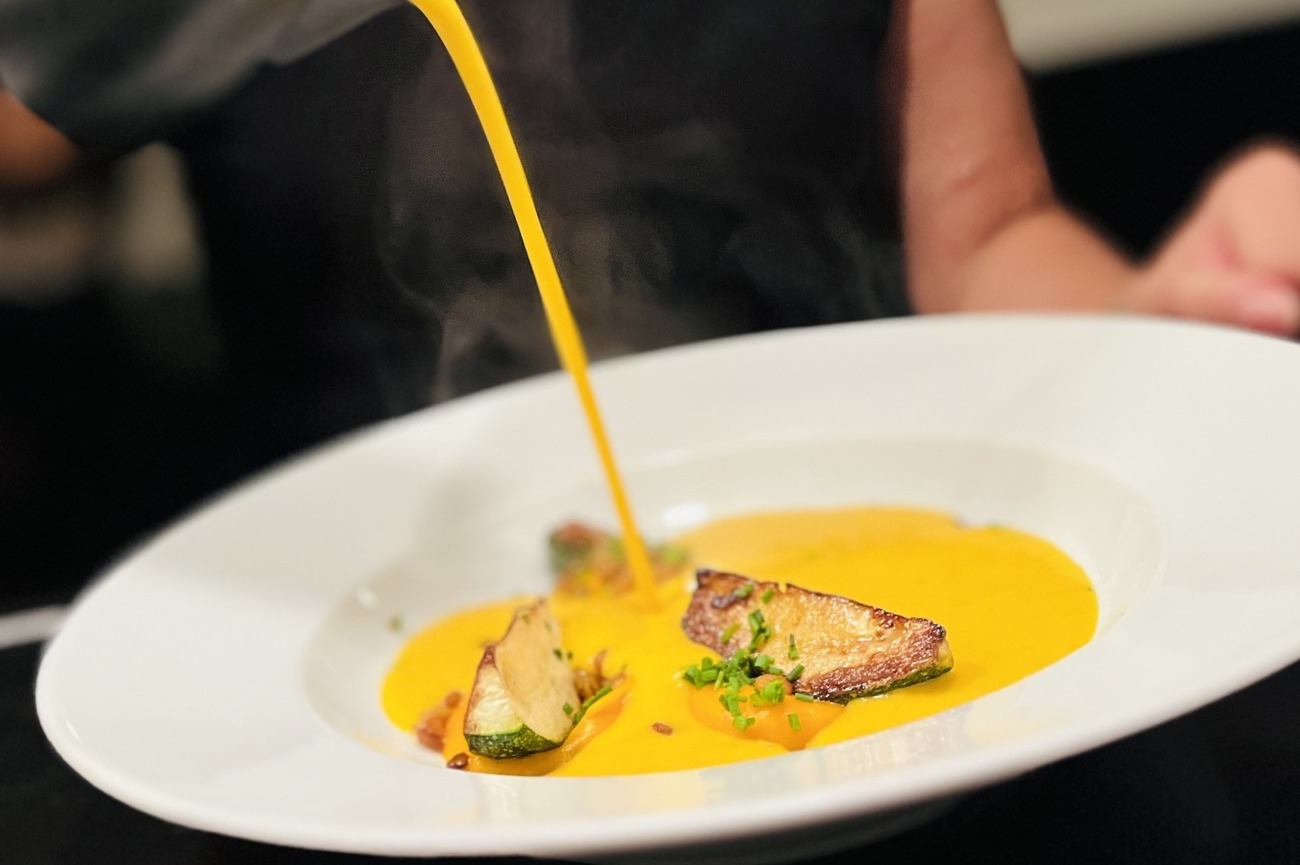
- Die Wilderin: For cooking rooted more firmly in Tyrol, Die Wilderin works closely with regional farmers and producers, adapting its menu according to seasonal availability. The emphasis is on local alpine ingredients and modern interpretations of regional dishes, making it a strong choice if you want food that reflects the surrounding region.
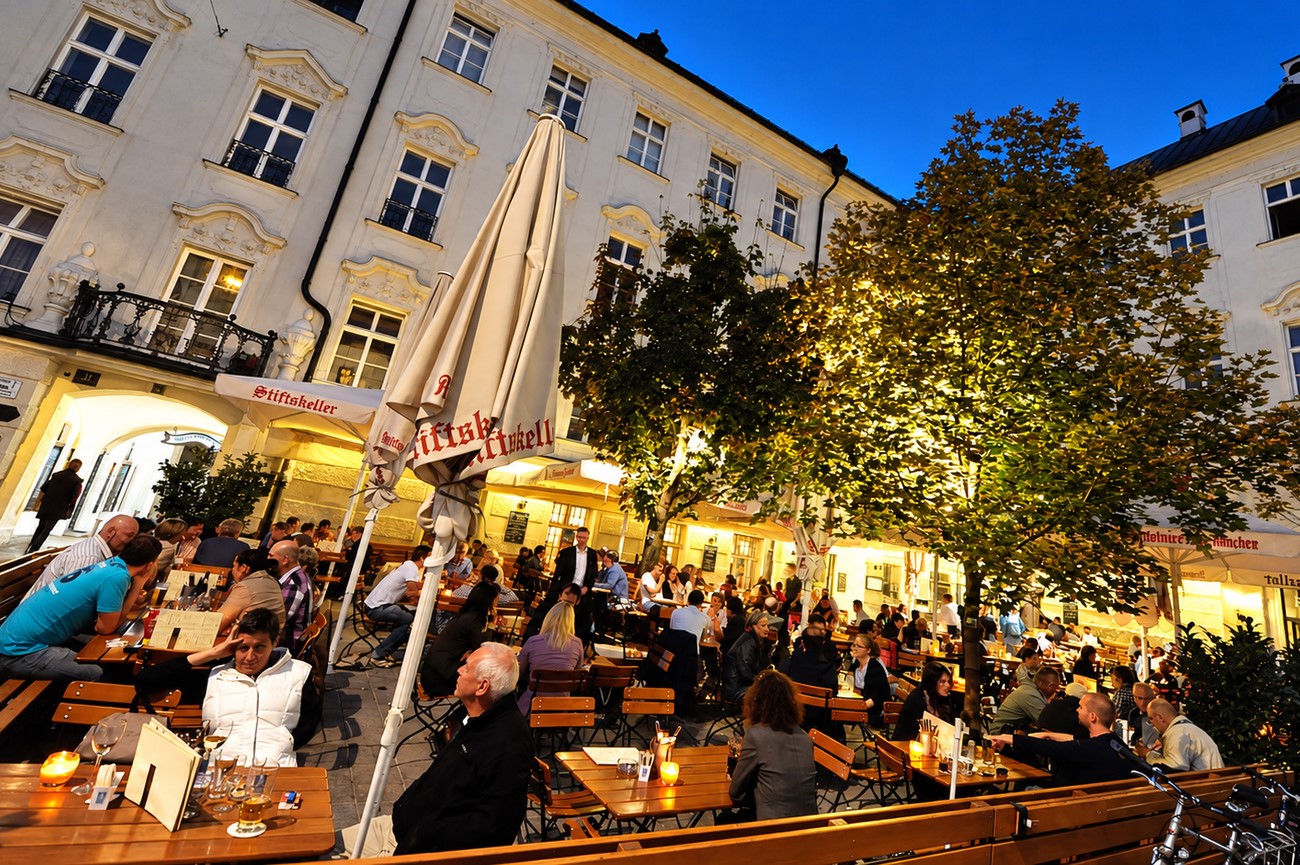
- Stiftskeller offers a more traditional Tyrolean experience in the heart of Innsbruck's Old Town. Set on Franziskanerplatz, the restaurant and beer hall serves classic regional dishes in an informal setting, with a large central beer garden. Its location also makes it easy to combine lunch or dinner with the Golden Roof, Imperial Palace and surrounding historic streets.
Mittenwald
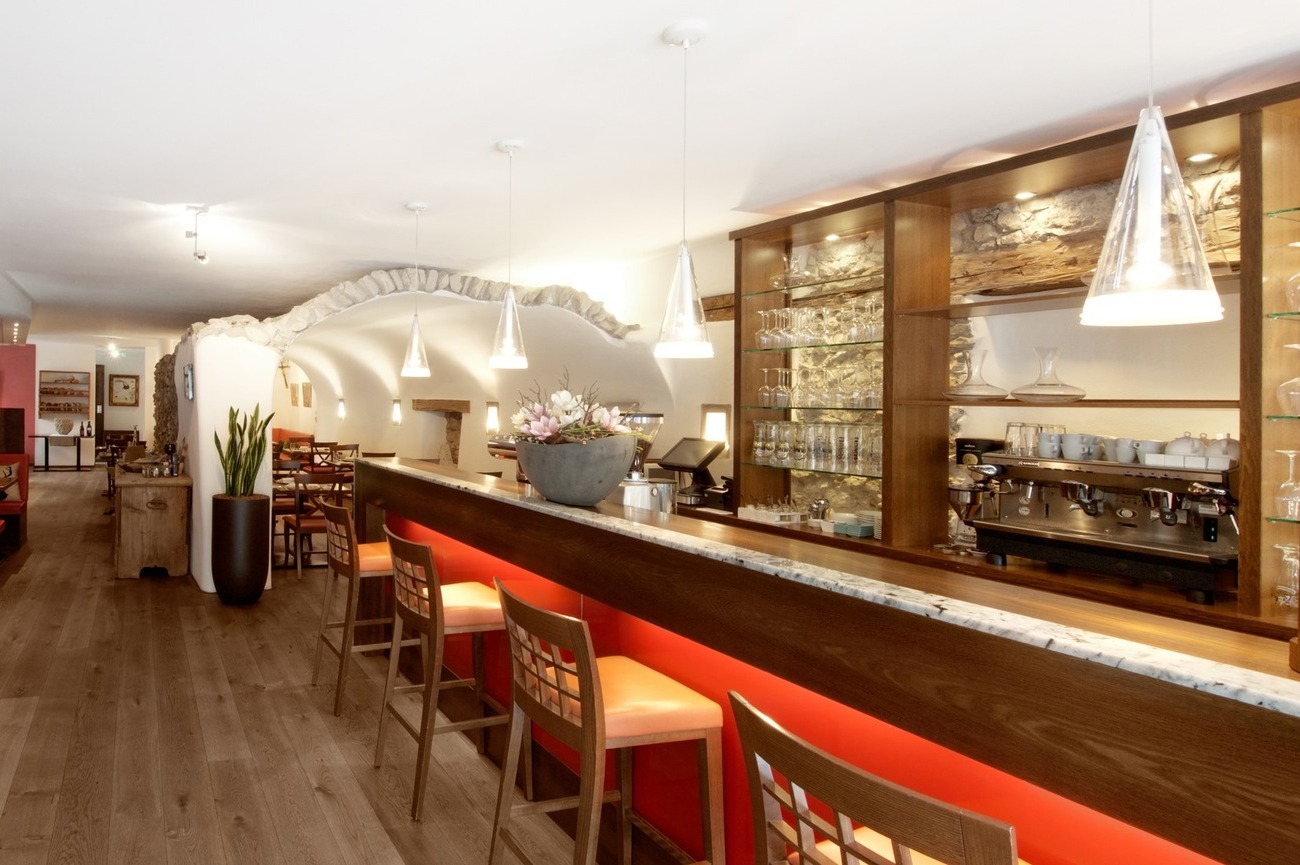
- Das Marktrestaurant: Located on Dekan-Karl-Platz, Das Marktrestaurant offers a more refined take on traditional regional cooking. The restaurant is included in the Michelin Guide and sits close to Mittenwald's pedestrian centre, making it easy to combine dinner with time exploring the painted facades and historic streets. Its cooking remains rooted in familiar Bavarian flavours while using more polished techniques and presentation.
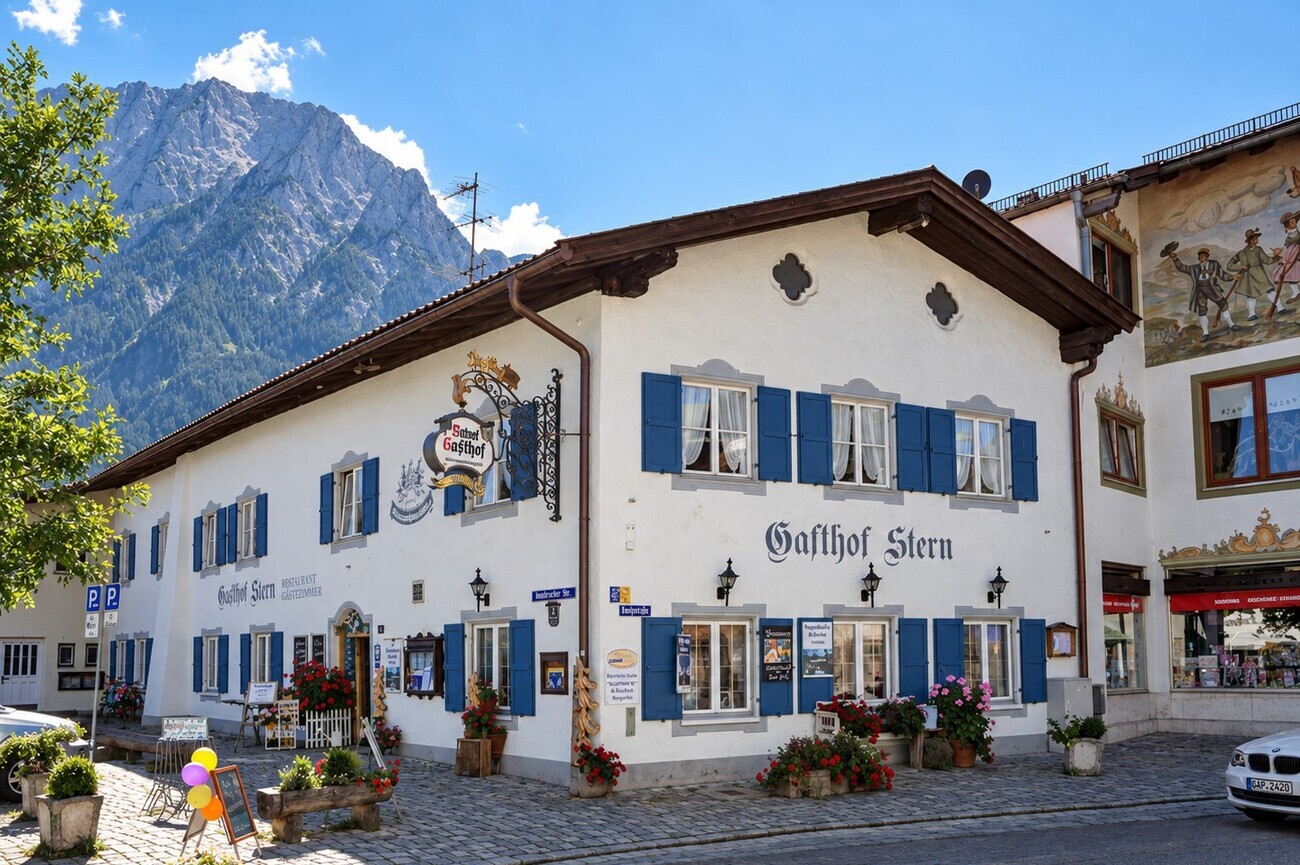
- Gasthof Stern offers a more traditional Bavarian experience in Mittenwald. Located on Fritz-Prölß-Platz and associated with the local Mittenwald brewery, the inn serves regional dishes alongside local beer and has a beer garden with views towards the Karwendel. It works particularly well after a day of hiking or exploring the surrounding mountains.
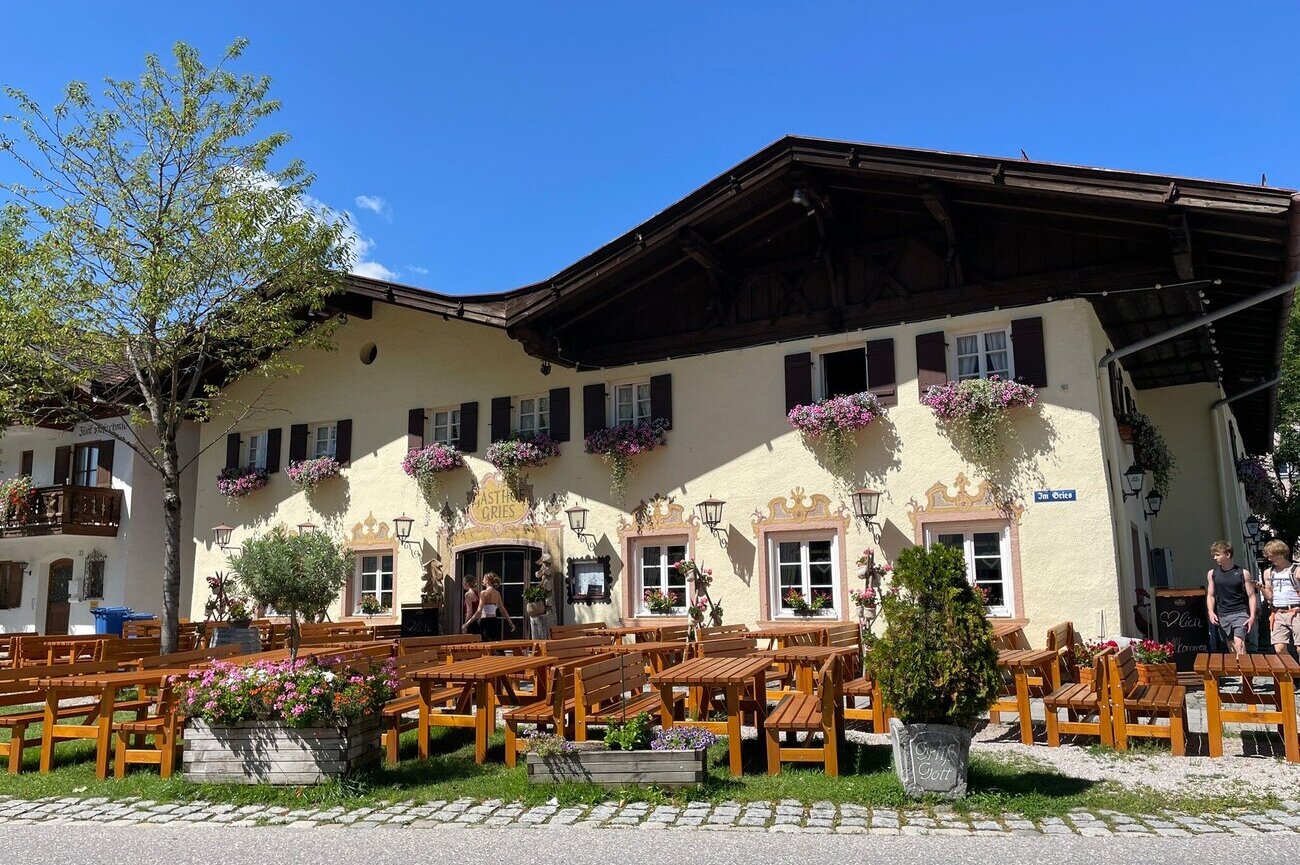
- Gasthof Gries: Set in Gries, the oldest part of Mittenwald, Gasthof Gries provides a quieter alternative to restaurants around the main pedestrian streets. The rustic inn is closely connected with the town's local history and is a good choice if you want traditional regional food in a more residential part of Mittenwald.
Garmisch-Partenkirchen
- Joseph Naus Stubn & Zugspitz Stadl: Located inside Hotel Zugspitze on Klammstraße, Joseph Naus Stubn & Zugspitz Stadl focuses on regional country cooking. Named after Josef Naus, who is associated with the first recorded ascent of the Zugspitze, the restaurant is included in the Michelin Guide and offers both à la carte dishes and a reasonably priced two-course lunch. It is a particularly useful option if you want a good meal without making dining the main focus of the day.
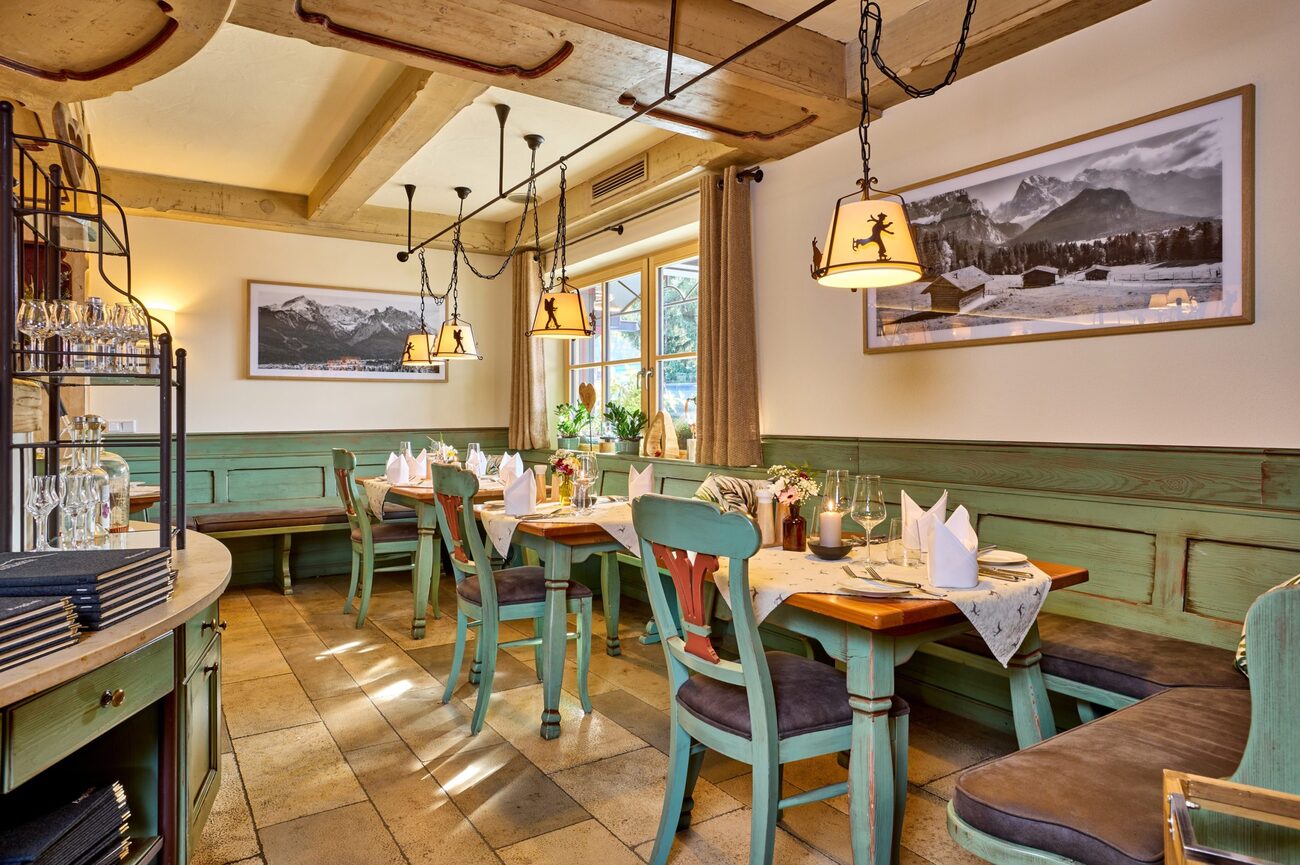
- Restaurant Husar offers a more formal dining experience and is also included in the Michelin Guide, where its cooking is categorised as classic cuisine. The building retains decorative details from its former life as a hotel, including Biedermeier elements, giving the restaurant additional local character. It works well for a slower evening meal with more polish than a traditional Bavarian inn.
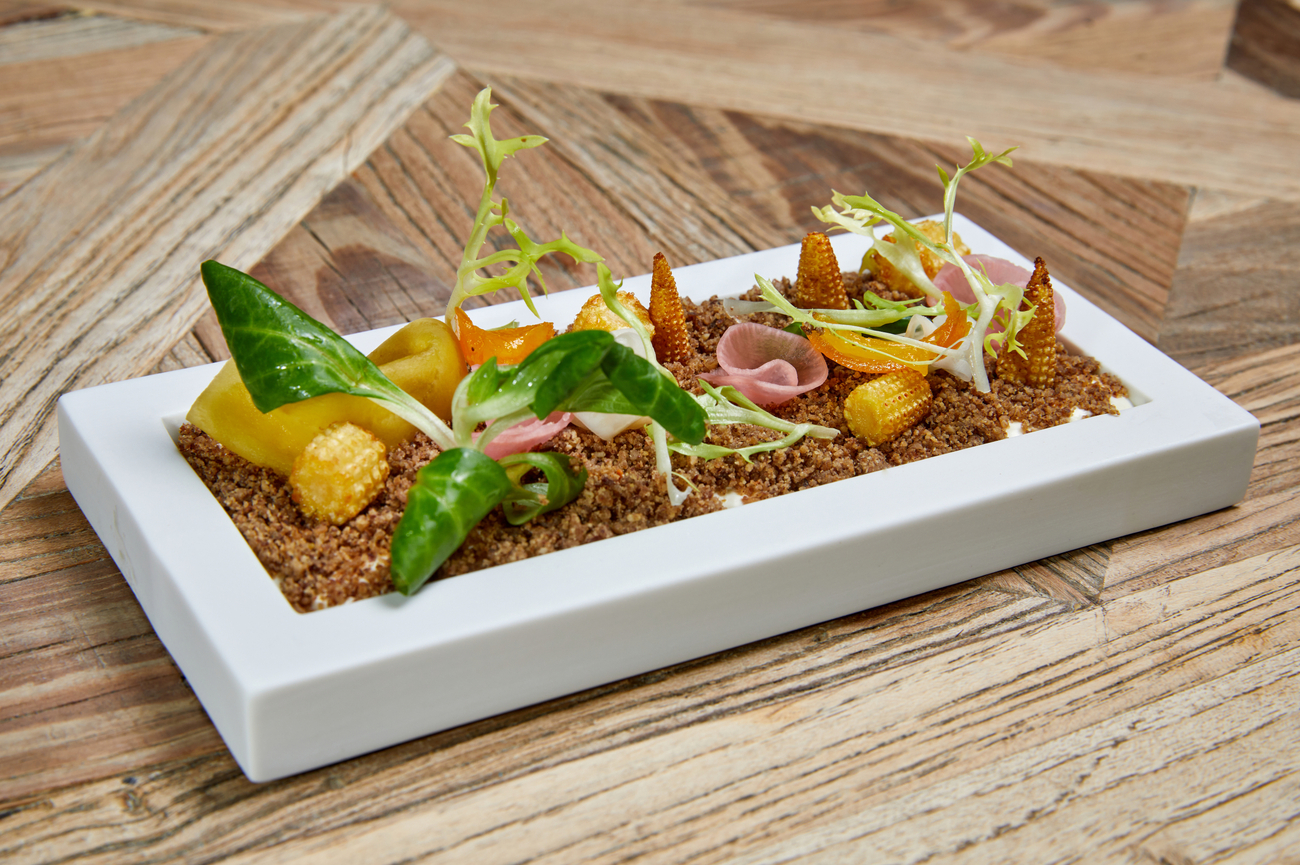
- 4Eck Restaurant: For something more contemporary, 4Eck Restaurant brings a cosmopolitan approach to dining in central Garmisch-Partenkirchen. Spread across two floors, the restaurant combines influences from Bavarian cooking with modern fine-dining techniques. It is a good alternative if you have already experienced several traditional alpine restaurants and want something less conventional for your final evening.
Other Things To Do Along the Route
The Mittenwald Railway can easily form part of a longer stay in the Austrian and Bavarian Alps. Rather than trying to cover every attraction in each destination here, the experiences below are particularly well suited to travellers using the railway and can be combined naturally with a stop or overnight stay along the route.
Innsbruck
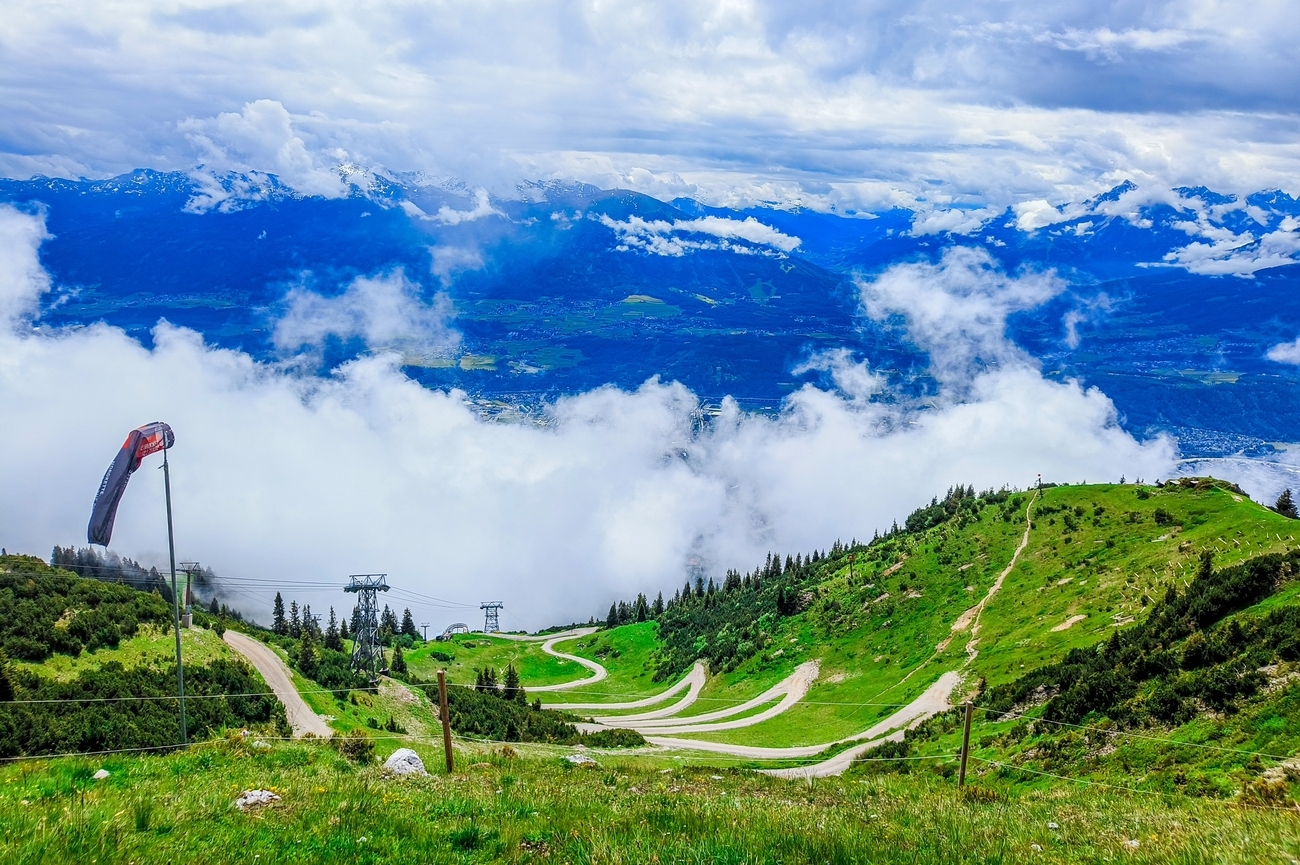
- Ride the Nordkette to Hafelekar: Innsbruck's Nordkette cableways make it possible to travel from the city centre into high alpine terrain in remarkably little time. The Hungerburgbahn, Seegrubenbahn and Hafelekarbahn continue towards Hafelekar, with extensive views across Innsbruck and the surrounding mountains. It is particularly easy to combine with the Mittenwald Railway if you are spending a morning or afternoon in the city.
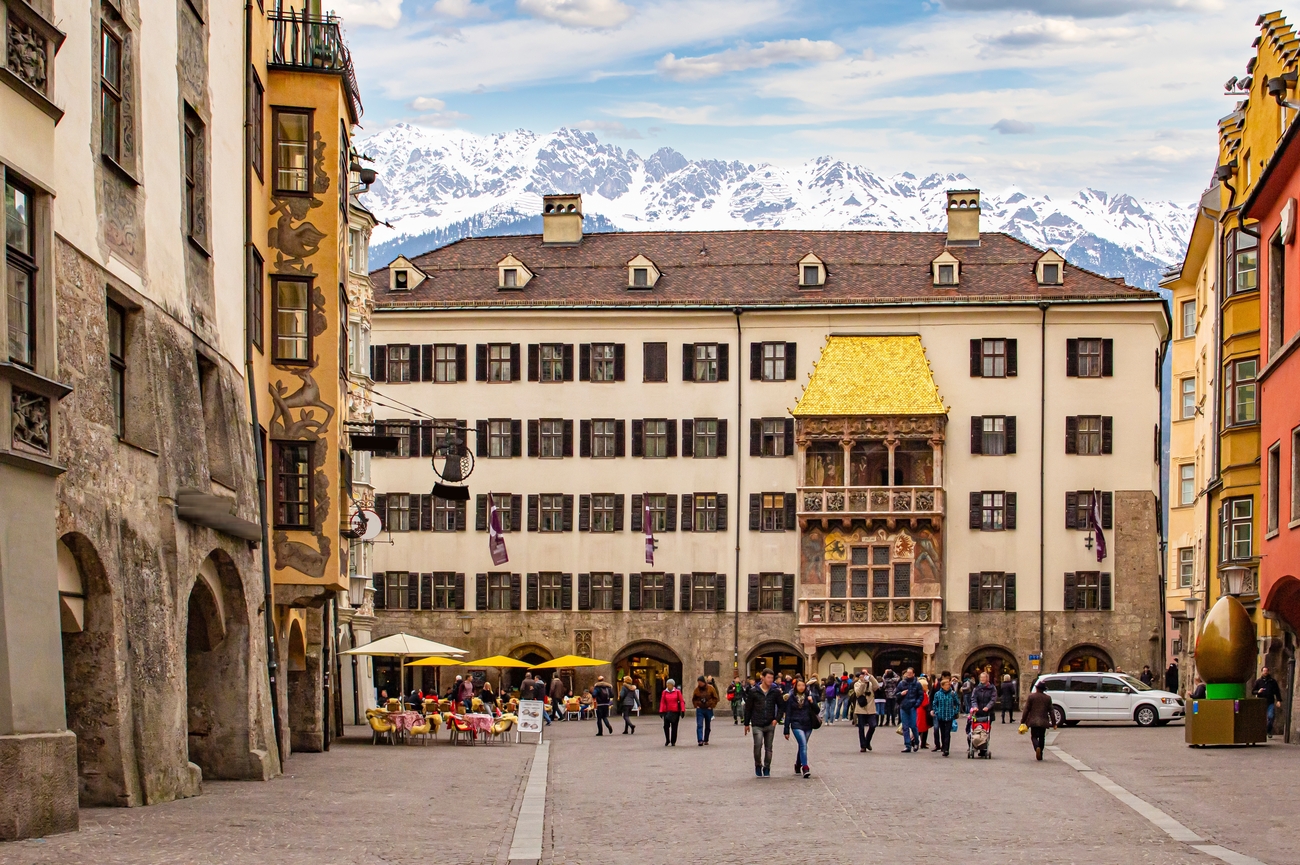
- Explore Historic Innsbruck: The compact Old Town makes Innsbruck well suited to a shorter stop before or after the railway journey. The Golden Roof, Imperial Palace and surrounding medieval streets provide an introduction to the city's Habsburg history. If you are spending longer in the city, explore our Things to Do in Innsbruck guide for more attractions, experiences and places to visit.
Mittenwald
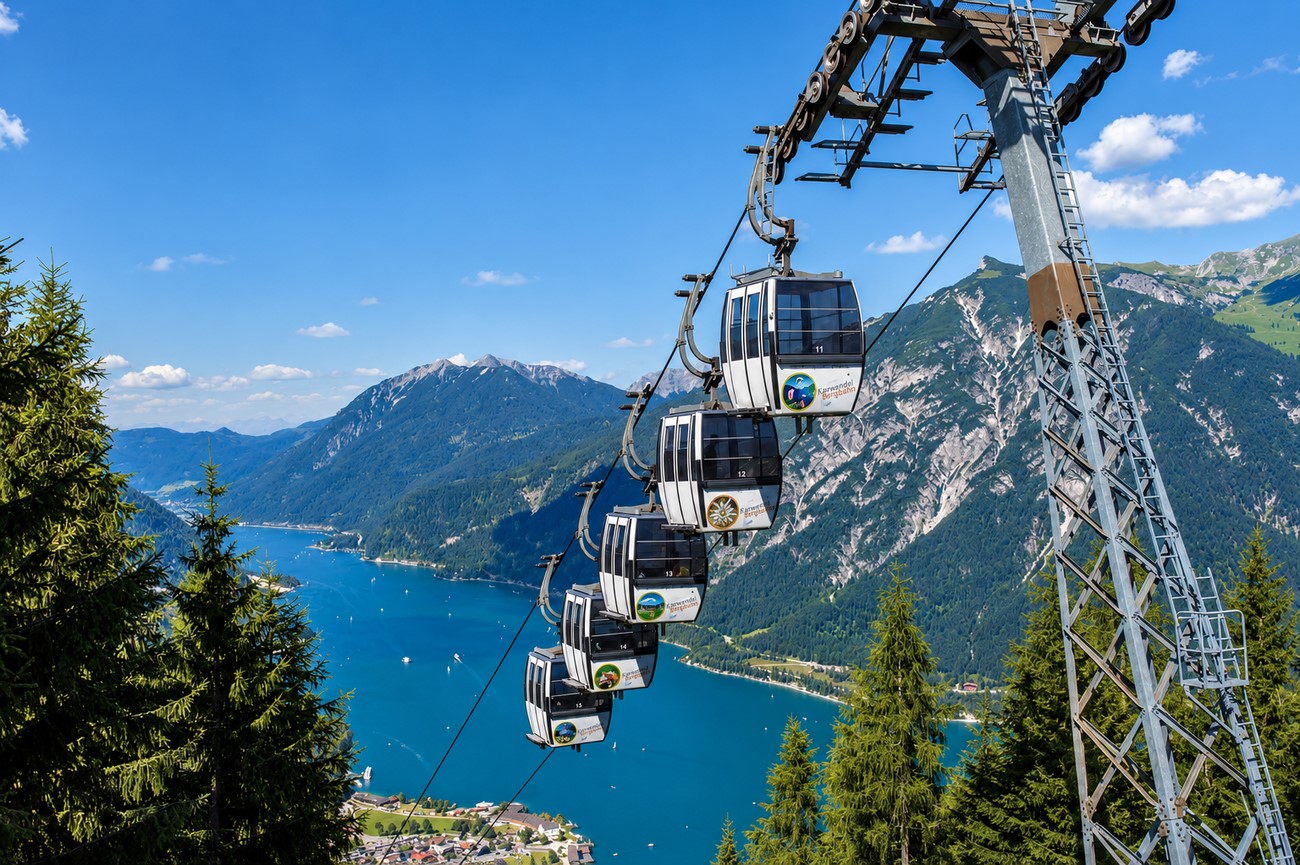
- Take the Karwendelbahn Above Mittenwald: The Karwendelbahn climbs from Mittenwald to 2,244 metres in around seven minutes, providing one of the quickest ways to reach high mountain terrain from the town. From the upper station, views extend across the Upper Isar Valley and Wetterstein Mountains towards the Zugspitze. You can keep the excursion relatively easy around the viewing areas or continue onto more demanding hiking routes.
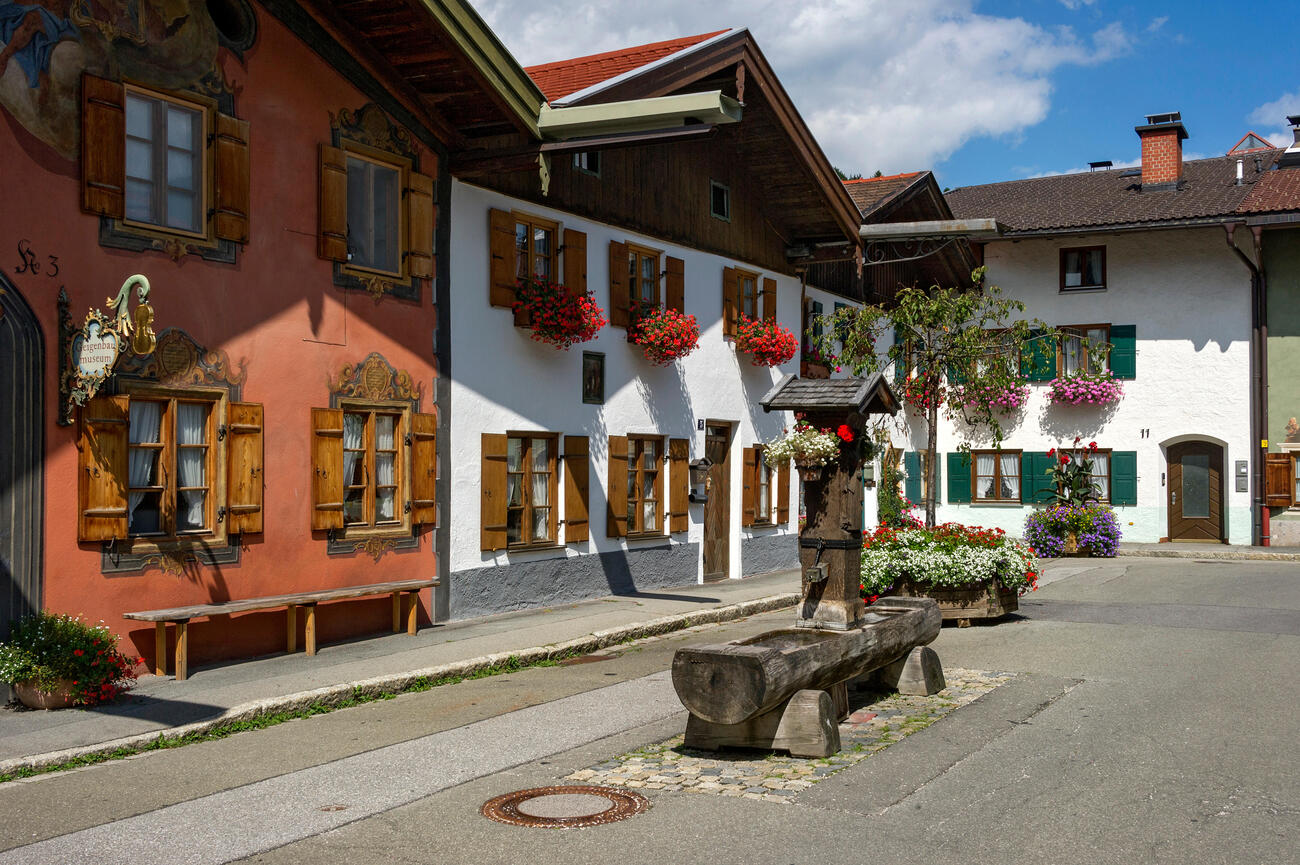
- Explore Mittenwald's Violin-Making and Painted Old Town: Mittenwald is equally rewarding at street level. A historical walking route leads through Untermarkt and Obermarkt, past the Church of St. Peter and Paul, Matthias Klotz monument and the older Gries district. The Violin Making Museum is the key cultural stop, exploring the craft that has shaped Mittenwald's identity for centuries.
If you are travelling more widely through southern Germany, our Things to Do in Bavaria guide covers more places, experiences and attractions across the region.
Garmisch-Partenkirchen
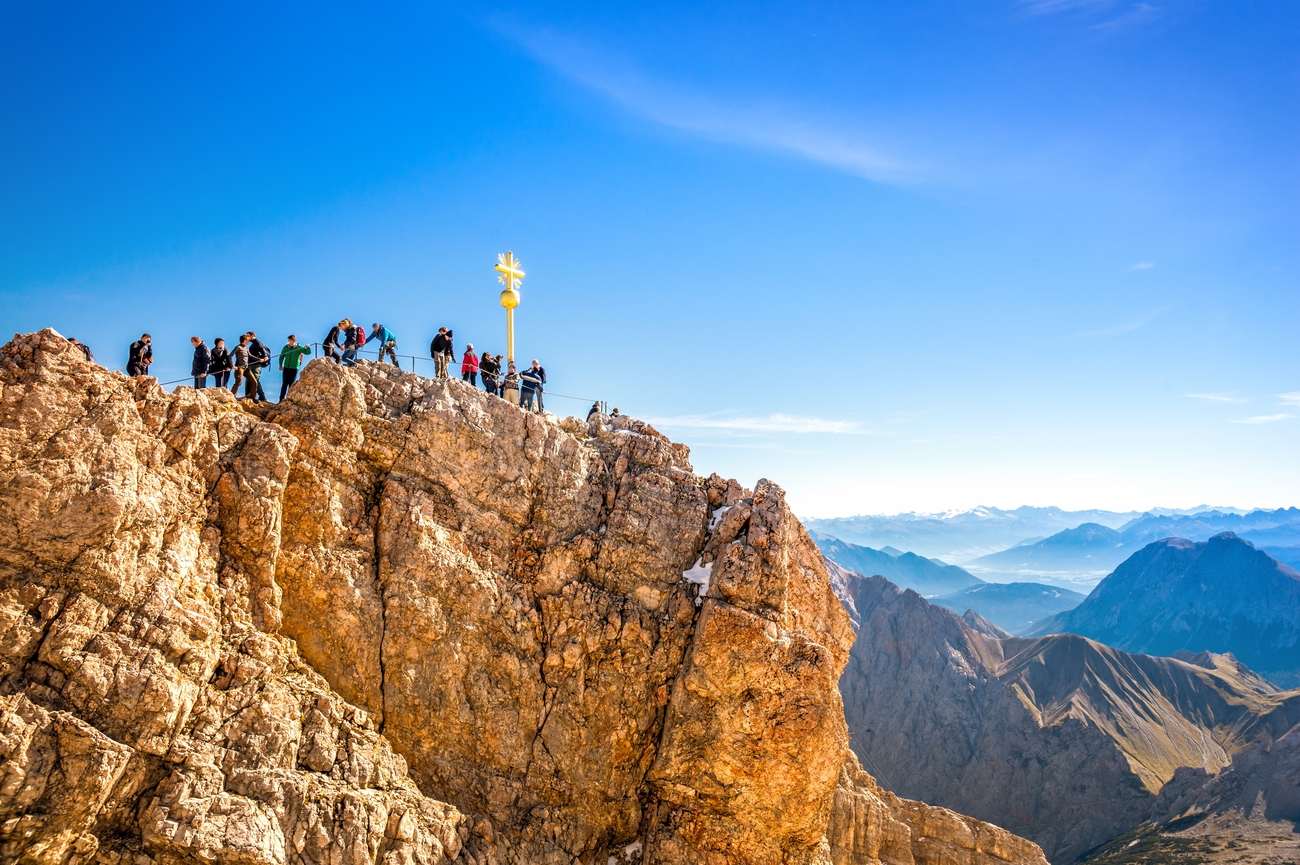
- Spend a Day on the Zugspitze: At 2,962 metres, the Zugspitze is Germany's highest mountain and one of the most rewarding extensions to the Mittenwald Railway journey. From Garmisch-Partenkirchen, the mountain transport system combines the cogwheel railway, Gletscherbahn and Cable Car Zugspitze, allowing you to reach the summit without climbing. Allow several hours rather than treating it as a quick excursion, particularly if you want time to enjoy the viewpoints and mountain facilities.
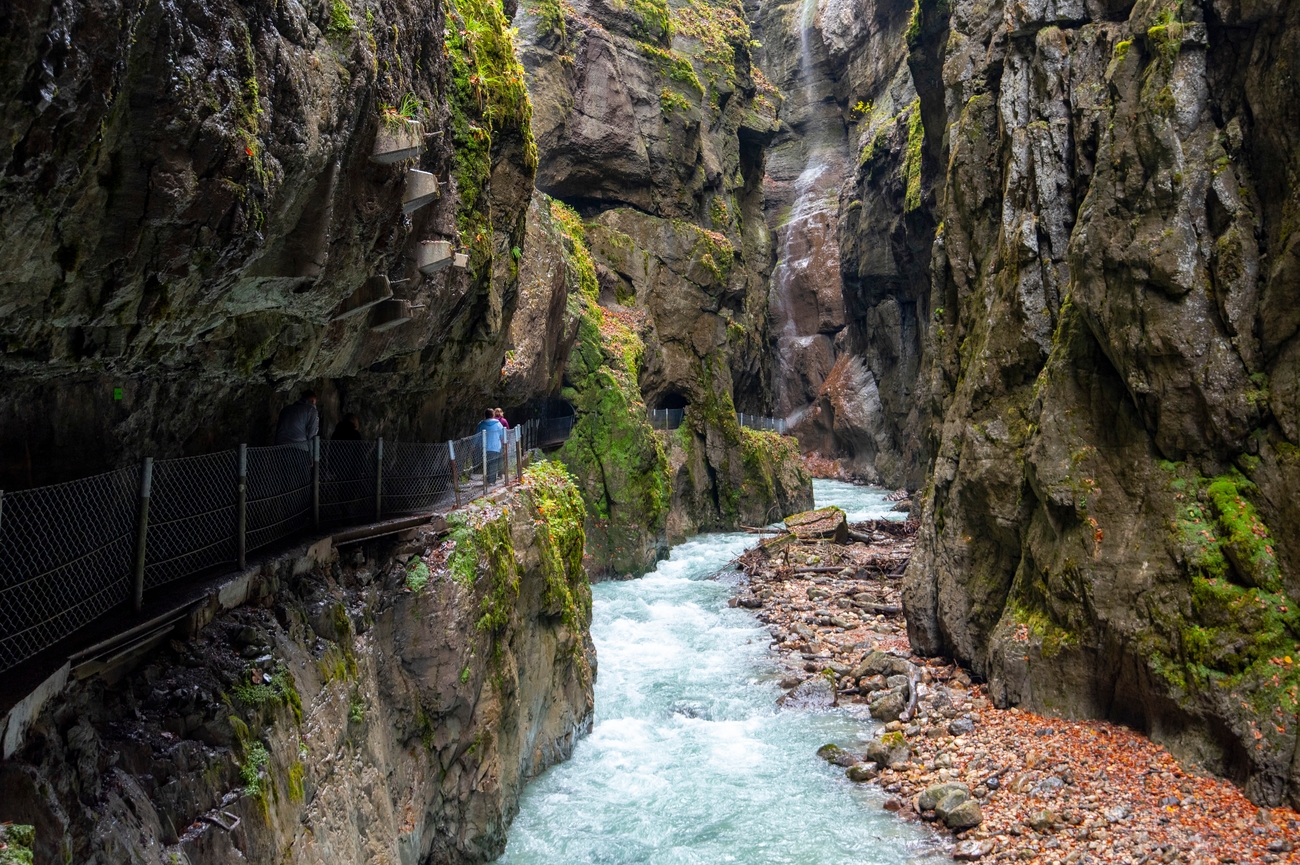
- Walk Through the Partnach Gorge: The Partnachklamm is one of the easiest natural attractions to combine with a stay in Garmisch-Partenkirchen. The route follows the Partnach River through a narrow gorge using pathways and tunnels cut into the rock walls. You can simply walk through the gorge and return, or continue onto longer trails leading into the surrounding mountains.
Final Thoughts on the Mittenwald Railway
The Mittenwald Railway is short enough to travel in a single journey, but its real appeal comes from the places it connects. Innsbruck, Seefeld, Mittenwald and Garmisch-Partenkirchen each offer a different side of the Alps, while the railway itself provides an easy way to cross between Austria and Germany without turning the journey into a complicated transfer.
You can simply stay on board and enjoy the scenery, or use the railway as part of a longer itinerary through Tyrol and Bavaria, stopping for mountain walks, historic towns and onward journeys towards destinations such as the Zugspitze.
If you are planning a tailor-made vacation through Austria and Germany, Revigorate can incorporate the Mittenwald Railway into your itinerary, including rail tickets, accommodation, private transfers and the surrounding experiences.


Let us know what you love, where you want to go, and we’ll design a one-of-a-kind adventure you’ll never forget.
Get in touch
Miriam
Travel Specialist

Romina
Travel Specialist

Laura
Travel Specialist
Frequently Asked Questions About the Mittenwald Railway
-
Which side of the train has the best views on the Mittenwald Railway?
There is no single best side for the entire journey because the railway curves repeatedly as it climbs through the mountains. The scenery changes from one side of the train to the other, although some of the most impressive views come during the climb from Innsbruck towards Seefeld around Martinswand and Schlossbach Gorge.
-
Do I need to reserve a seat on the Mittenwald Railway?
No. The Mittenwald Railway is served by regional trains and you do not normally reserve a specific seat. Seating is generally available on a first-come, first-served basis. Boarding at Innsbruck or Garmisch-Partenkirchen can give you a better choice of seats than joining at an intermediate station.
-
Can I take luggage on the Mittenwald Railway?
Yes. Regular luggage such as suitcases, backpacks and smaller bags can be carried on regional trains. Passengers are responsible for storing their luggage safely in the available luggage areas, making the route practical for travellers using the railway as part of a longer vacation through Austria and Germany.
-
Can I take a bicycle or skis on the Mittenwald Railway?
Yes, although the rules depend on the train and ticket being used. Regional trains on the route have multi-purpose areas that can accommodate bicycles, while ski equipment can also be carried. Bicycle capacity is limited, particularly during busy summer periods, so check the conditions for your specific service before travelling.
-
Do I need a passport when travelling between Austria and Germany?
Austria and Germany are both within the Schengen Area, but international travellers should still carry the passport or national identity document required for their nationality. Temporary border checks can also be introduced, so it is advisable to keep your travel documents accessible during the journey.
-
What is the best time of year to travel on the Mittenwald Railway?
The Mittenwald Railway is scenic throughout the year. Late spring and summer are particularly good for combining the journey with hiking, lakes and mountain excursions, while autumn brings changing colours across the alpine landscape. Winter offers snow-covered mountain scenery and easy access to the winter-sports destinations around Seefeld and Garmisch-Partenkirchen.
-
Can Revigorate include the Mittenwald Railway in a tailor-made vacation?
Yes. Revigorate can incorporate the Mittenwald Railway into a tailor-made Austria and Germany vacation, arranging the rail journey alongside carefully selected accommodation, private transfers and experiences in destinations such as Innsbruck, Seefeld, Mittenwald and Garmisch-Partenkirchen. The railway can also form part of a wider itinerary through Tyrol and Bavaria, including the Zugspitze and the Bavarian Alps.
Our offices:


Revigorate, Iberian Escapes and Algarve Lifestyle are the registered brand names of APCS Lda . We are a fully authorised travel agency licensed by Turismo de Portugal RNAVT/6867.
In the event of a dispute, the consumer may refer to: RAL - Centros de Arbitragem
Avª. 5 de Outubro, nº. 55, R/C Dtº. 8000-075 Faro, Portugal | Tel: +351 289 823 135 *
* national landline call
E-mail: info@consumoalgarve.pt| www.consumidoronline.pt | Mon to Fri: 9:00 - 13:00 / 14:00 - 17:00