Harz Narrow Gauge Railway: Steam Trains Through Germany’s Harz
Mountains
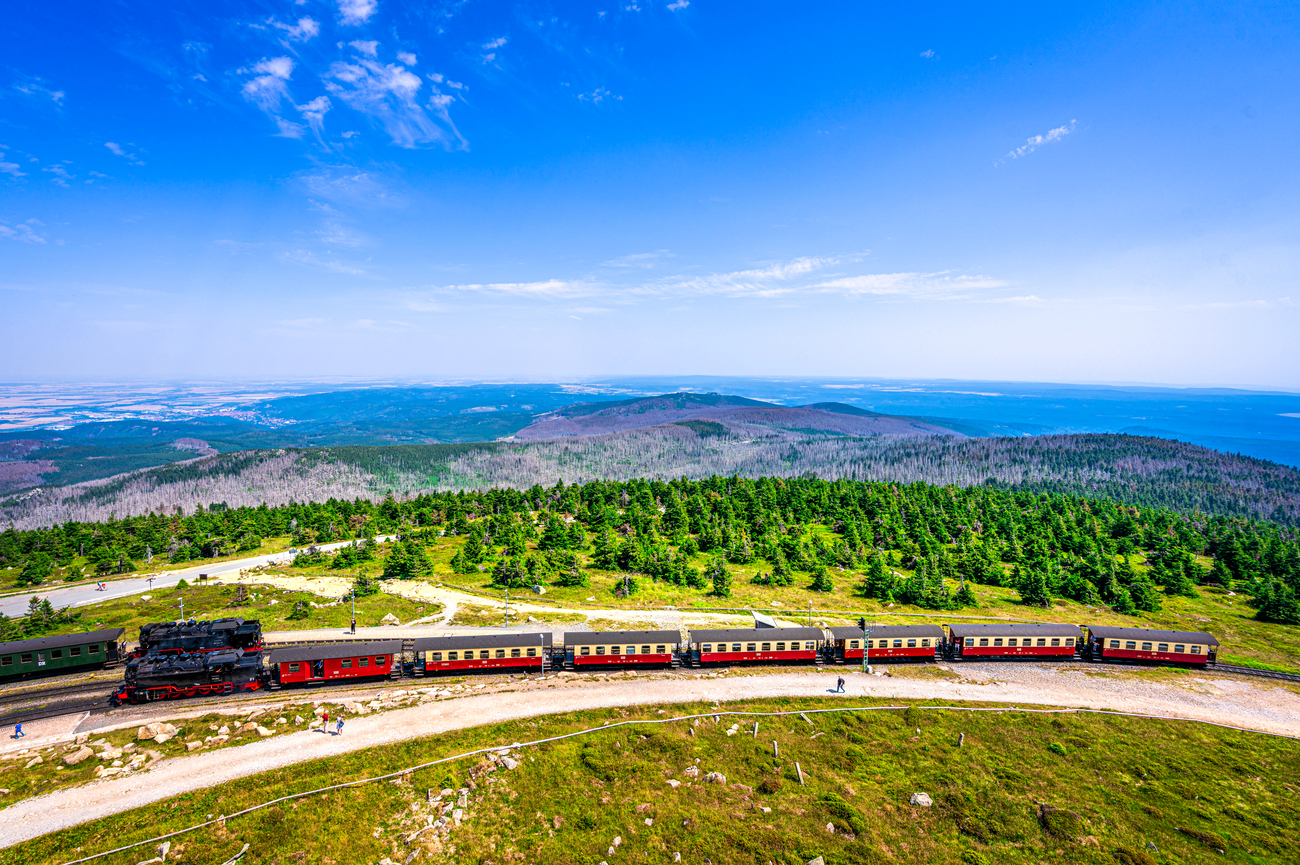
Steam still runs through the Harz Mountains. The Harz Narrow Gauge Railway is one of Germany’s most remarkable historic railway networks, carrying passengers through forests, mountain towns and highland landscapes on routes first developed in the late 19th century.
Known in German as the Harzer Schmalspurbahnen, the network extends for around 140 kilometres and links destinations including Wernigerode, Quedlinburg, Schierke and Nordhausen. Its best-known journey is the Brockenbahn, where steam locomotives climb through the Harz National Park to Brocken, the highest mountain in the Harz at 1,141 metres.
What makes the Harz Narrow Gauge Railway unusual is that it is more than a preserved heritage attraction. The railway remains part of the region’s transport network, while historic steam locomotives continue to operate regular services across much of the system. Passengers can use the trains to travel between towns, reach hiking routes or simply spend a day following the railway through the mountains.
The network is divided into three principal routes: the Harzquerbahn, which crosses the Harz from Wernigerode towards Nordhausen; the Brockenbahn, climbing to the summit of Brocken; and the quieter Selketalbahn, running through the valleys and historic communities of the eastern Harz.
Together they offer a way of exploring Germany that feels very different from travelling between its major cities. Half-timbered towns, forest stations, mountain trails and working steam locomotives all form part of the journey, making the Harz Narrow Gauge Railway as much an introduction to the character of the Harz Mountains as a railway experience.
Harz Narrow Gauge Railway Itineraries

Harzquerbahn (Wernigerode to Nordhausen Nord)
The Harzquerbahn is the longest route in the Harz Narrow Gauge Railway network, running roughly 60 kilometers from Wernigerode in the north to Nordhausen Nord in the south. The Harzquerbahn is about crossing the mountains themselves. The route passes through forests, valleys, small mountain towns and lesser-visited parts of the region that reveal a quieter side of the Harz. The full journey takes around three hours, depending on the service. The line connects with the Brockenbahn at Drei Annen Hohne and the Selketalbahn at Eisfelder Talmühle.
Wernigerode
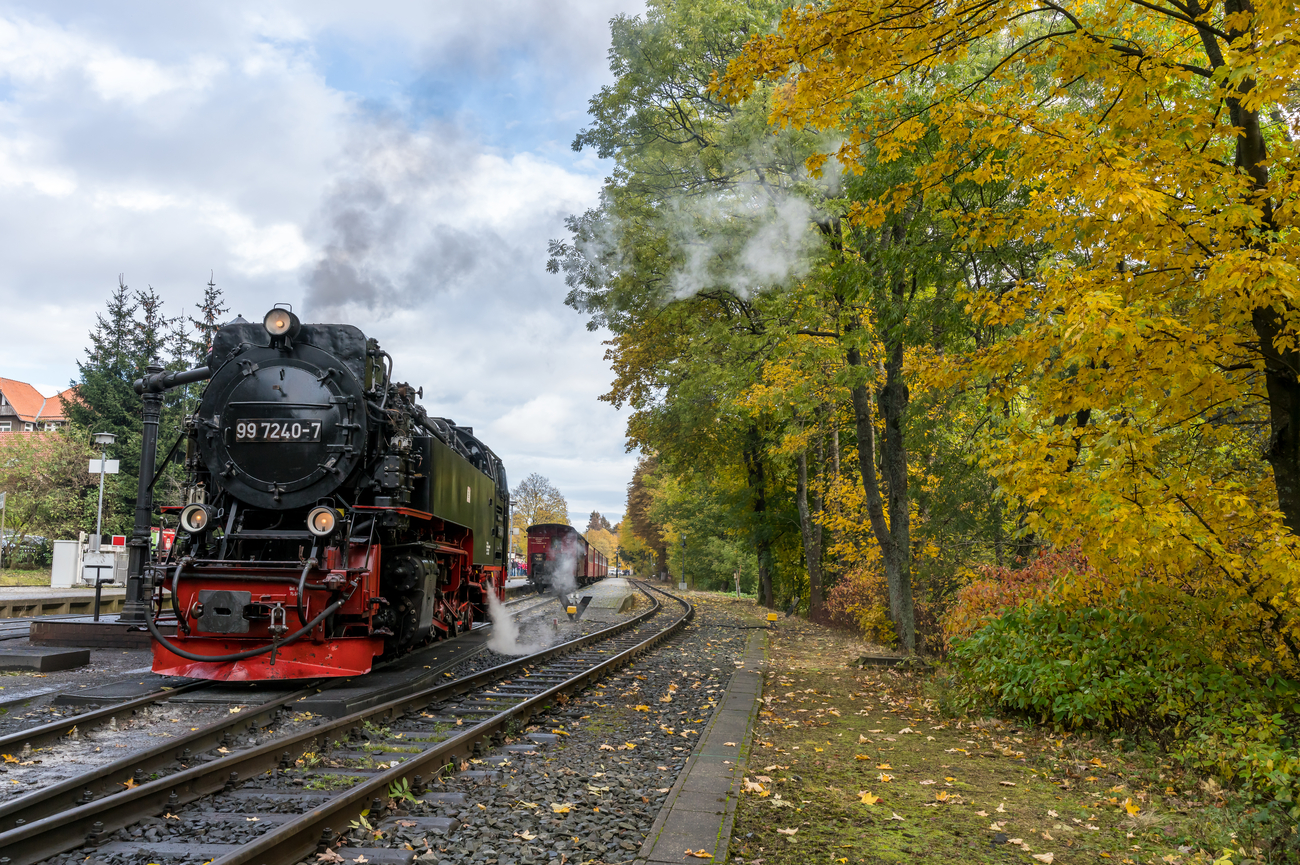
The journey begins in Wernigerode, one of the most popular gateways to the Harz Mountains. The town is best known for its colorful half-timbered houses, narrow medieval streets and Wernigerode Castle, a hilltop fortress that overlooks the town and surrounding countryside.
The old town is easy to explore before catching the train, with the market square, historic town hall and small cafés located within walking distance of the railway station. Wernigerode is also where you can begin your Brockenbahn journey, so the station often has a lively atmosphere as steam locomotives prepare for departure.
Once the train leaves Wernigerode, the scenery changes quickly. The colorful streets disappear behind the carriage windows as the railway enters wooded areas and begins moving deeper into the Harz Mountains.
Wernigerode-Westerntor
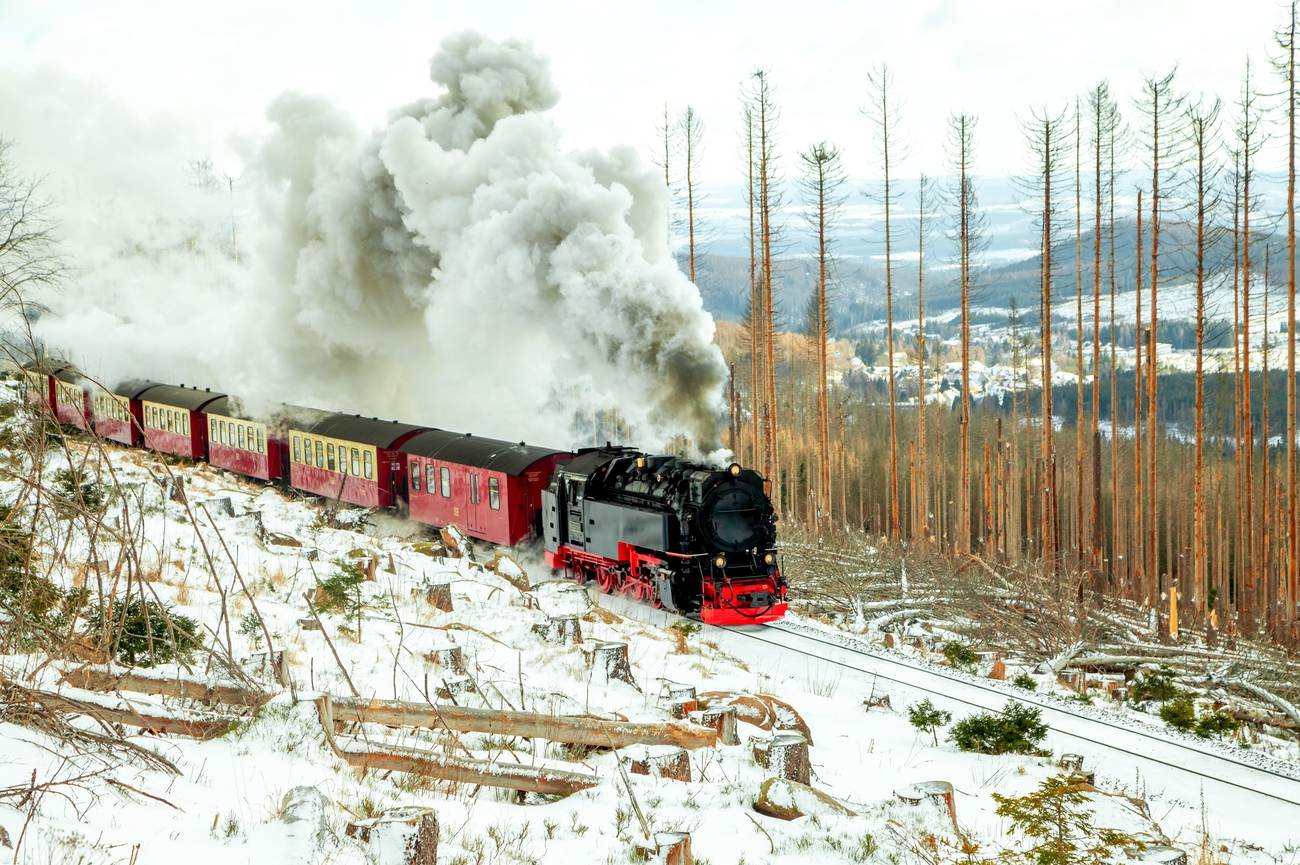
Wernigerode-Westerntor is closely connected with the railway itself. Located near the historic center, the station is home to important railway facilities where visitors can often see steam locomotives being prepared, maintained and moved between services. The stop is also convenient for exploring Wernigerode’s old town, especially if you want to spend more time in the city before starting the journey.
Drei Annen Hohne
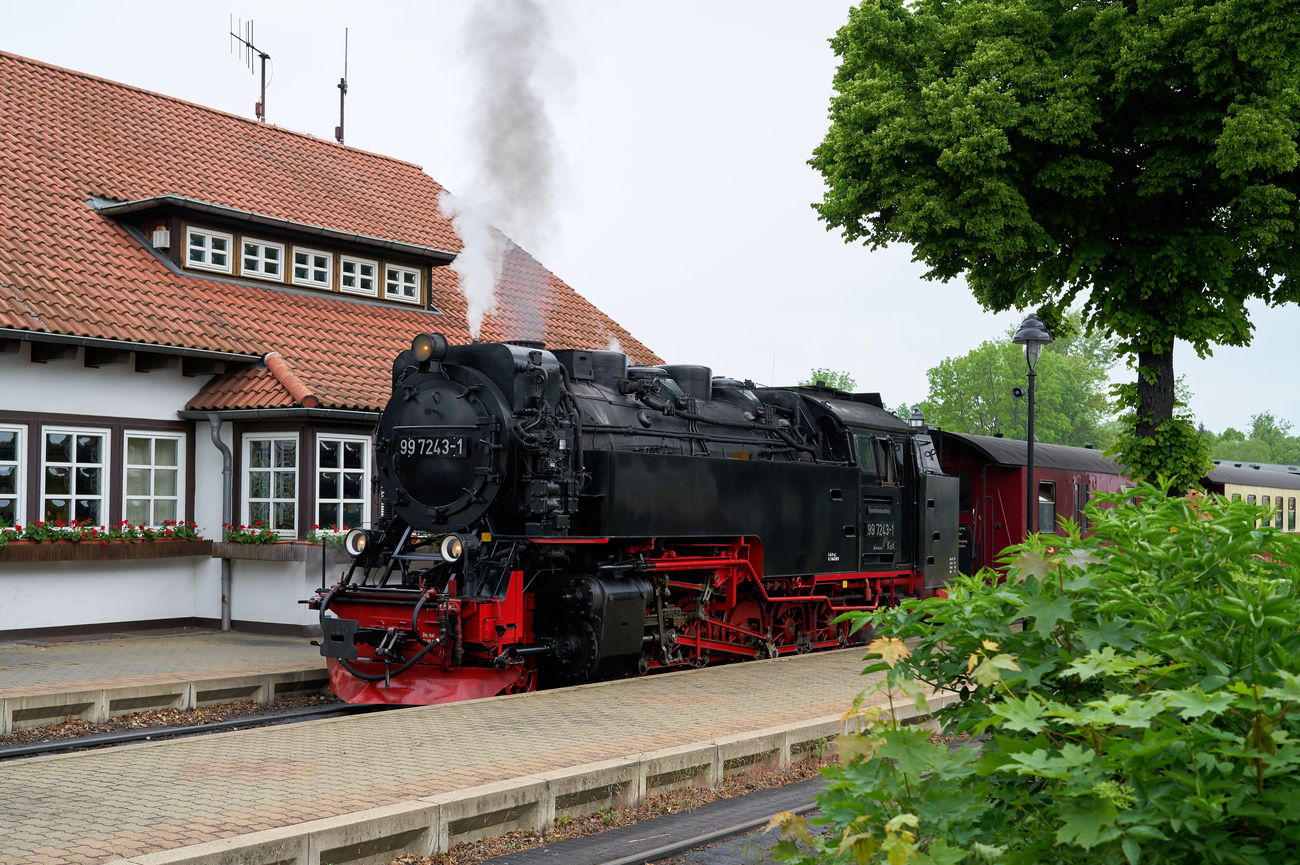
Drei Annen Hohne is one of the most important stops on the entire Harz Narrow Gauge Railway network. This is the junction where the Harzquerbahn connects with the Brockenbahn, making it the main transfer point for passengers heading toward Brocken.
The station sits surrounded by the forests of the Harz National Park and is close to several hiking routes. The nearby Harz National Park is known for its dense spruce forests, mountain trails and wildlife, including the chance to spot native species such as red deer and wildcats. And if you are staying longer, Drei Annen Hohne works well as a base for combining a railway trip with outdoor activities.
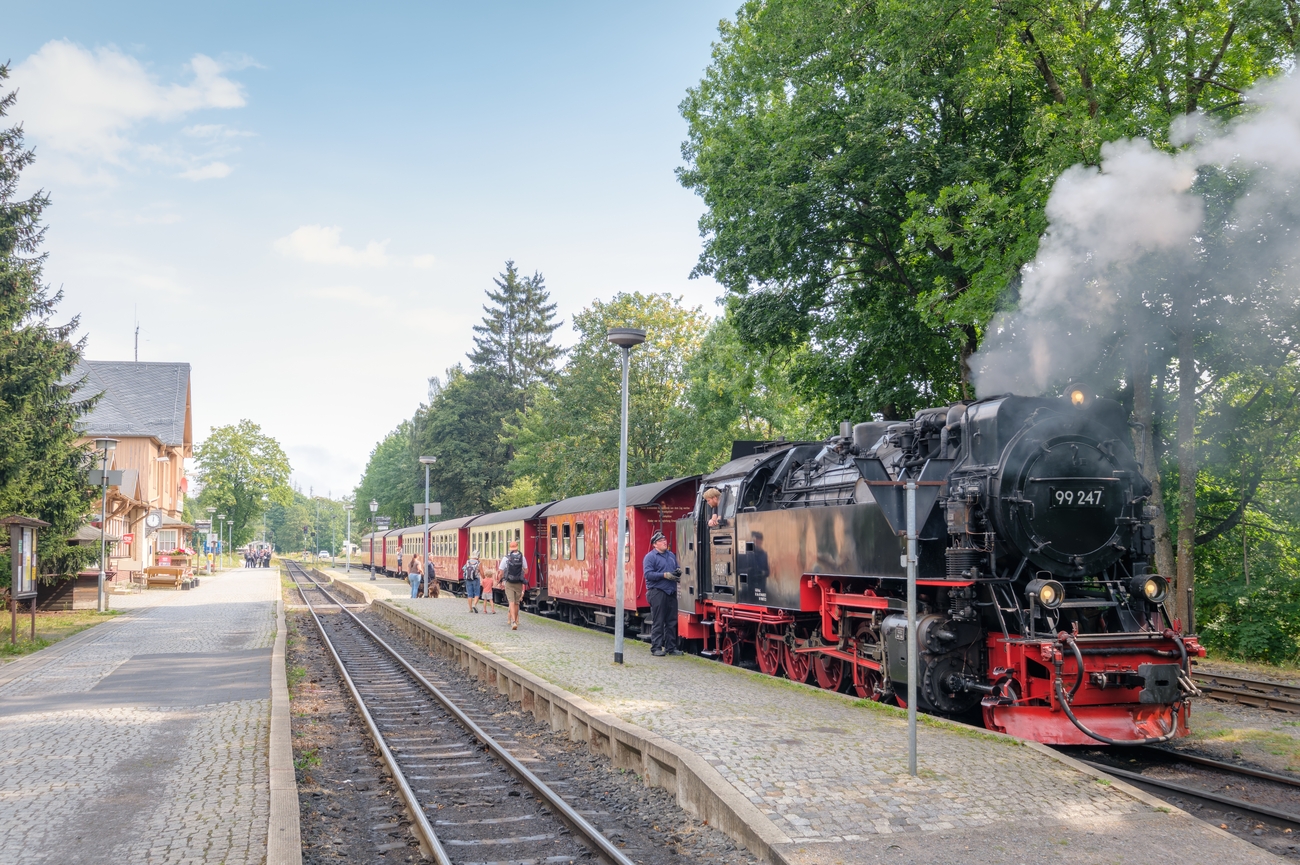
Elend
Elend is a small village surrounded by forest and mountain scenery. Its railway stop is a simple, quiet station set among the trees, with the narrow-gauge tracks running through the valley as the steam trains continue between Drei Annen Hohne and Nordhausen.
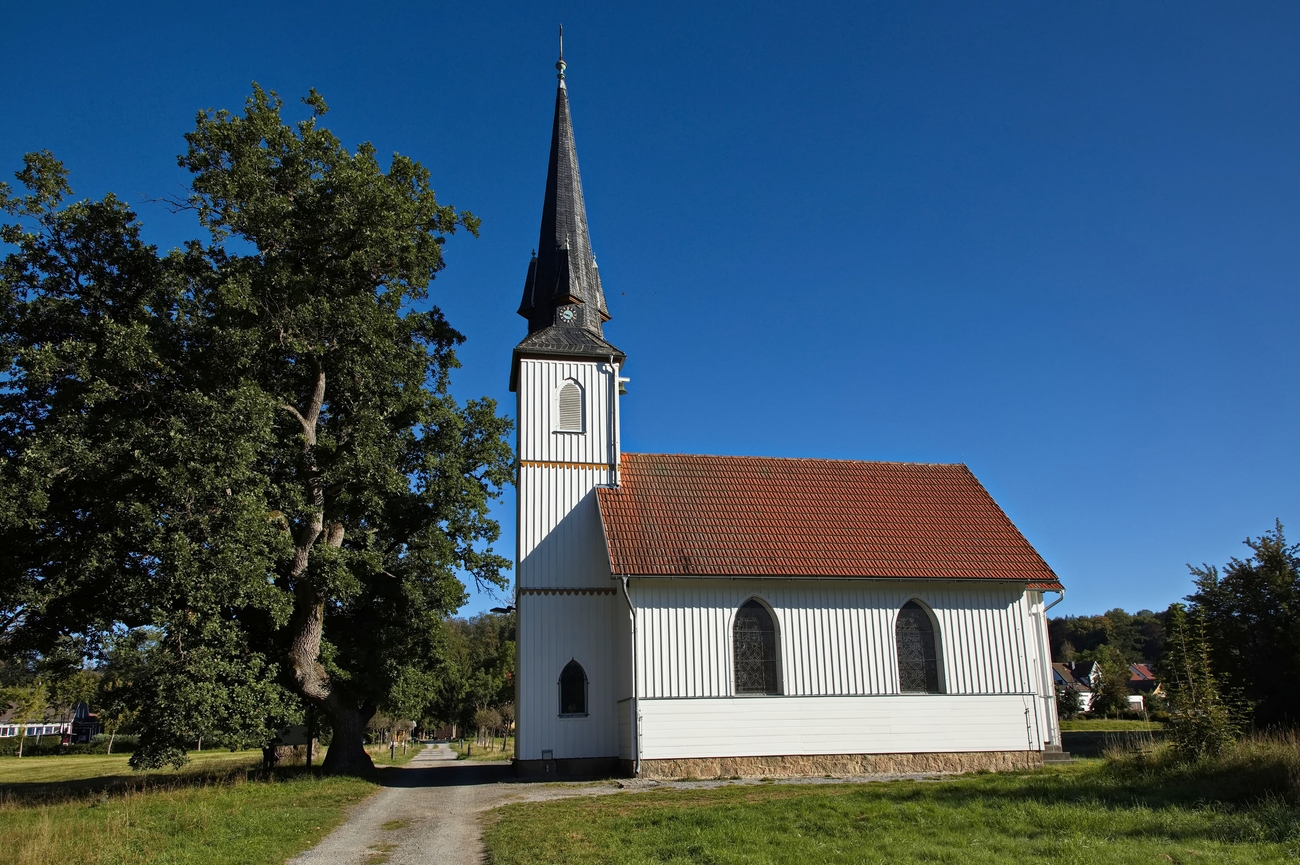
The village’s main attraction is its peaceful setting rather than large landmarks. Elend is known for the small but historic St. Mary's Church, often considered one of the smallest wooden churches in Germany. The church is within walking distance of the station, making it possible to combine a short railway stop with a quick visit to the village.
The area around Elend is popular with hikers, with trails leading into the surrounding forests and toward viewpoints around the western Harz. The station is useful for walkers who want to begin or end a trail without needing a car. It is the type of stop where the appeal comes from slowing down, watching the train and exploring the surrounding landscape rather than checking off major attractions.
Benneckenstein
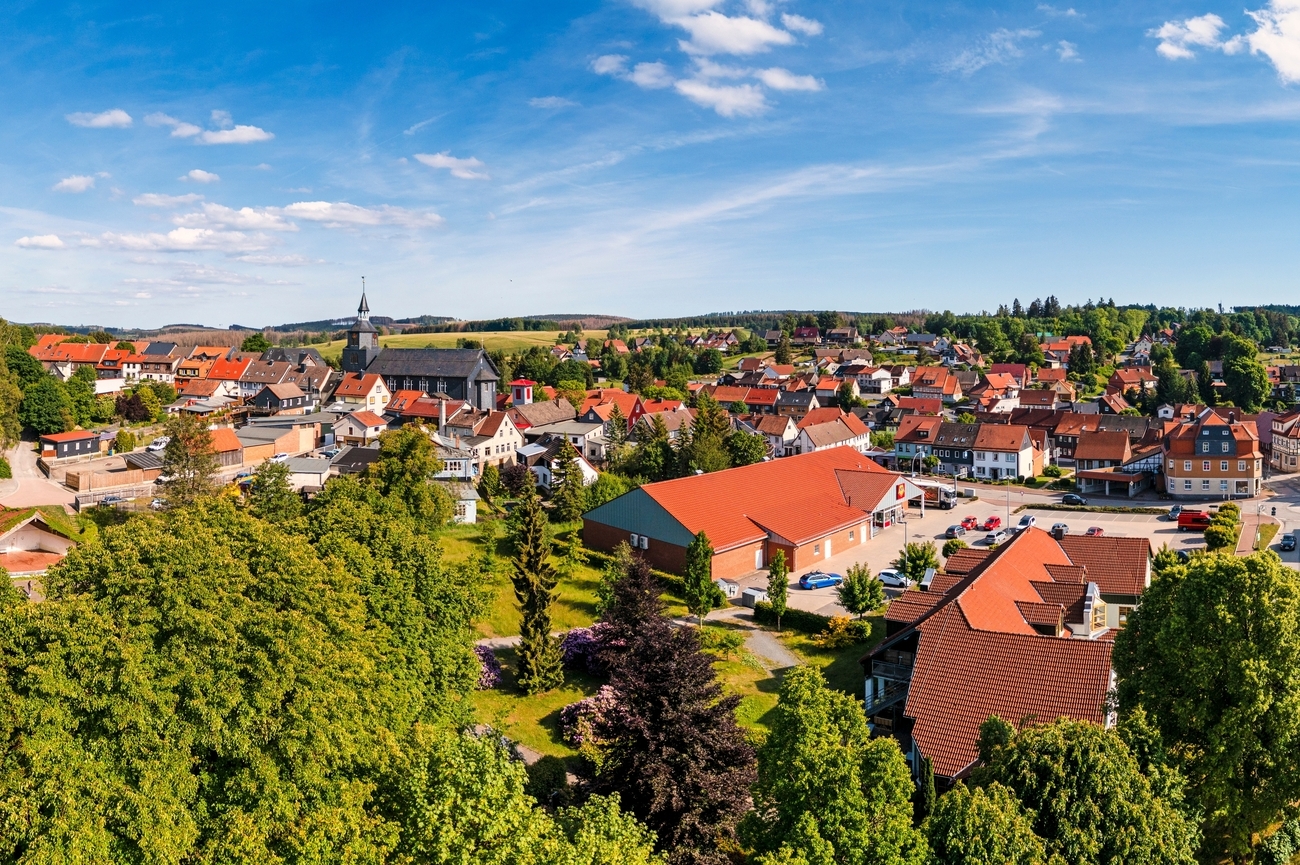
Benneckenstein sits on a high plateau in the Harz Mountains and offers a glimpse into the region’s traditional mountain culture. The town has long been connected with forestry, crafts and local industries that developed around the resources of the Harz. You can explore the surrounding hiking trails, wooded landscapes and small-town streets that feel far removed from Germany’s larger cities. The nearby mountain scenery becomes more open here, with stretches of countryside replacing some of the denser forests found earlier in the journey.
Eisfelder Talmühle
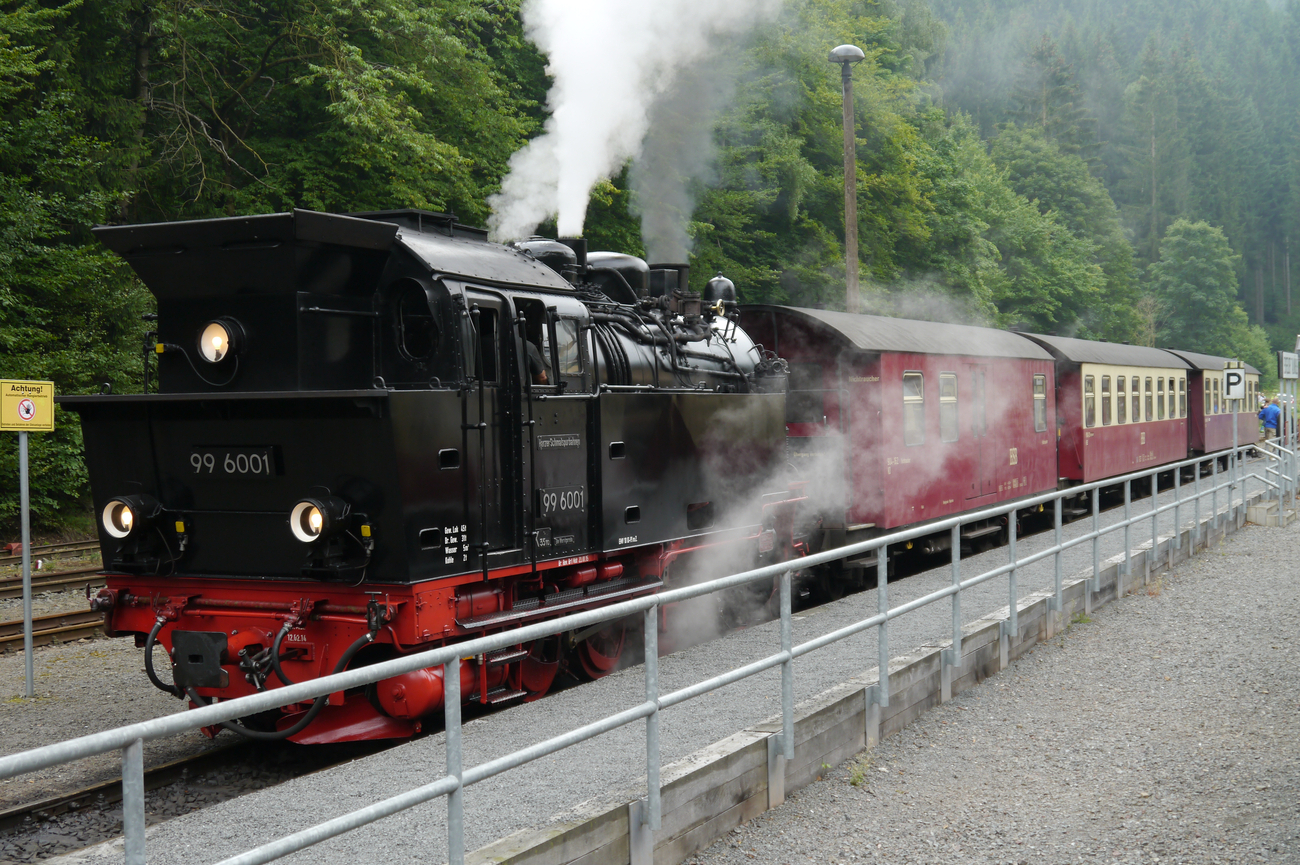
Eisfelder Talmühle is mainly known as a railway junction, but its location makes it one of the more scenic stops along the route. The station sits in a forested valley where the Harzquerbahn meets the Selketalbahn.
The surrounding area is popular with hikers exploring the southern Harz trails. And if you want to continue onto the Selketalbahn, this stop marks a change from the northern mountain landscapes toward the quieter valleys and villages of the eastern Harz.
Ilfeld
Ilfeld is located in the southern Harz region and offers a mix of natural scenery and local history. The town is surrounded by wooded hills and sits close to several walking routes, including trails through the nearby nature areas. One of the main sights nearby is the former Ilfeld Abbey, a historic monastery complex that dates back to the Middle Ages. The area also has connections to mining and quarrying, industries that played an important role in shaping the Harz region.
Ilfeld feels different from the higher mountain stops earlier in the journey. The landscape becomes gentler, with more open valleys and villages replacing the steep forest sections.
Nordhausen Nord
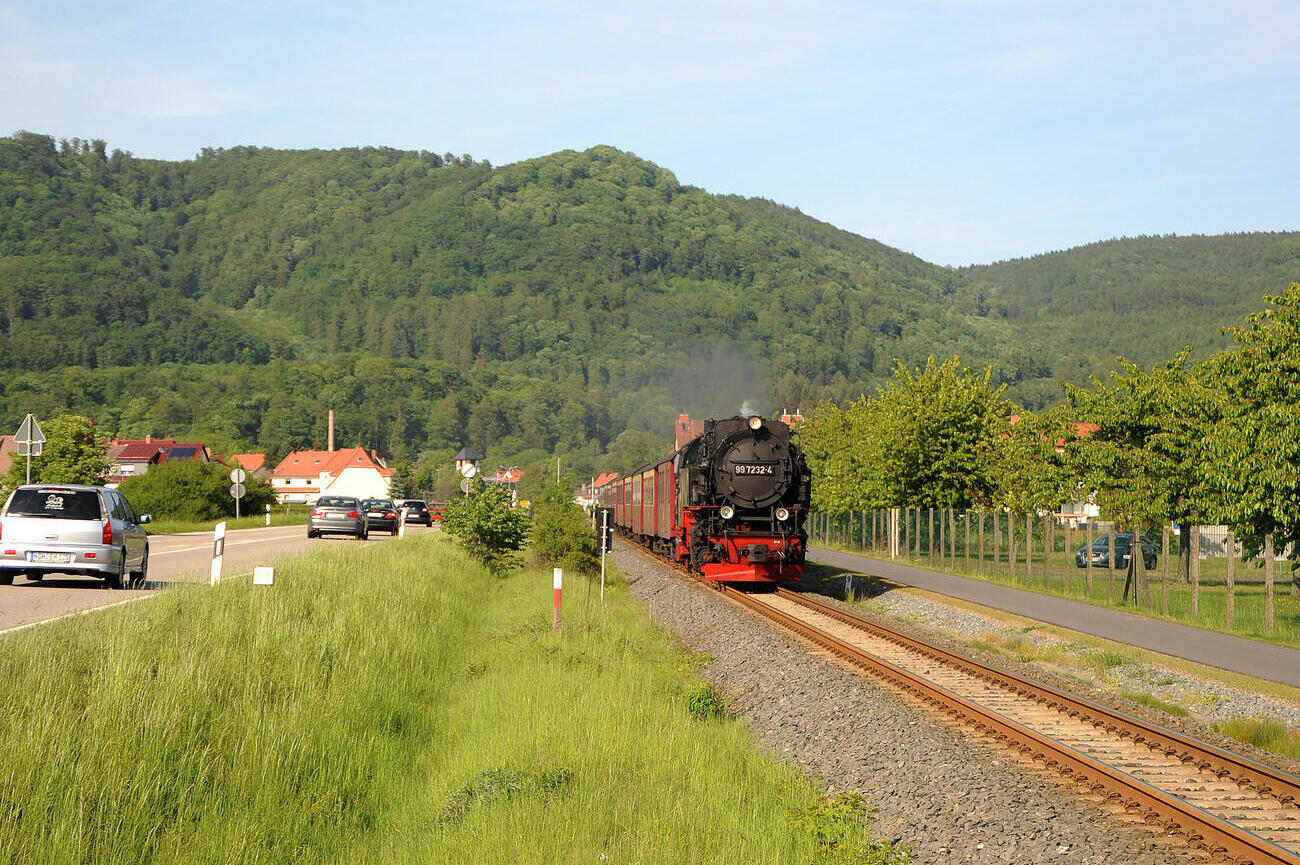
Nordhausen is a historic town on the southern edge of the Harz Mountains, with a compact center shaped by medieval streets, churches and traditional half-timbered buildings. The Harzquerbahn terminates at Nordhausen Nord station, a practical arrival point for exploring the town and connecting with regional services. The station is also notable because the Harz Narrow Gauge Railway shares part of the route into Nordhausen with the city’s tram network, creating an unusual transition from steam railway to urban transport.
From the stop, the town center is within easy reach, with the Nordhausen Cathedral and the nearby Flohburg Museum among the main sights. The museum explores local history from the Middle Ages to the modern era, while the city is also closely associated with Nordhäuser Doppelkorn, a traditional grain spirit produced in the region.
Brockenbahn (Drei Annen Hohne to Brocken)
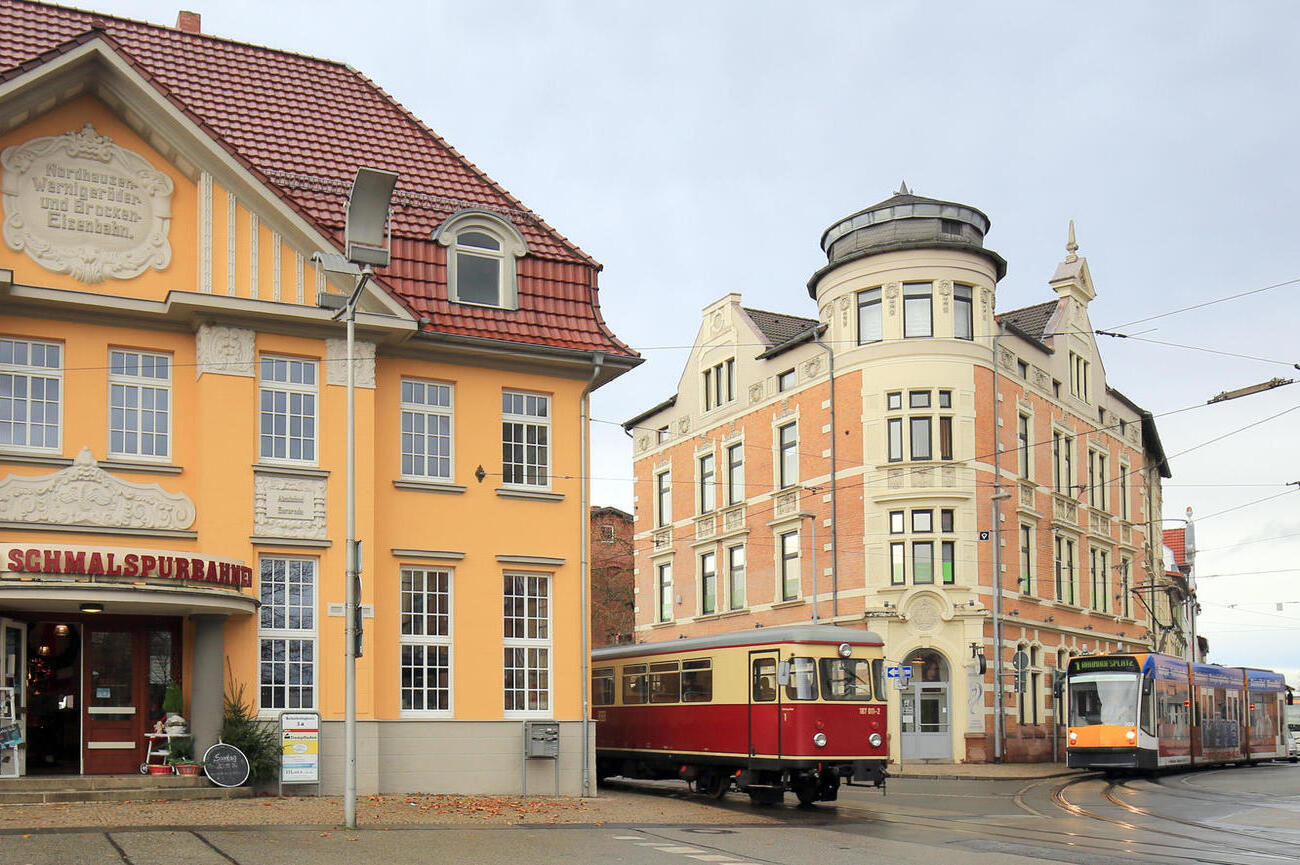
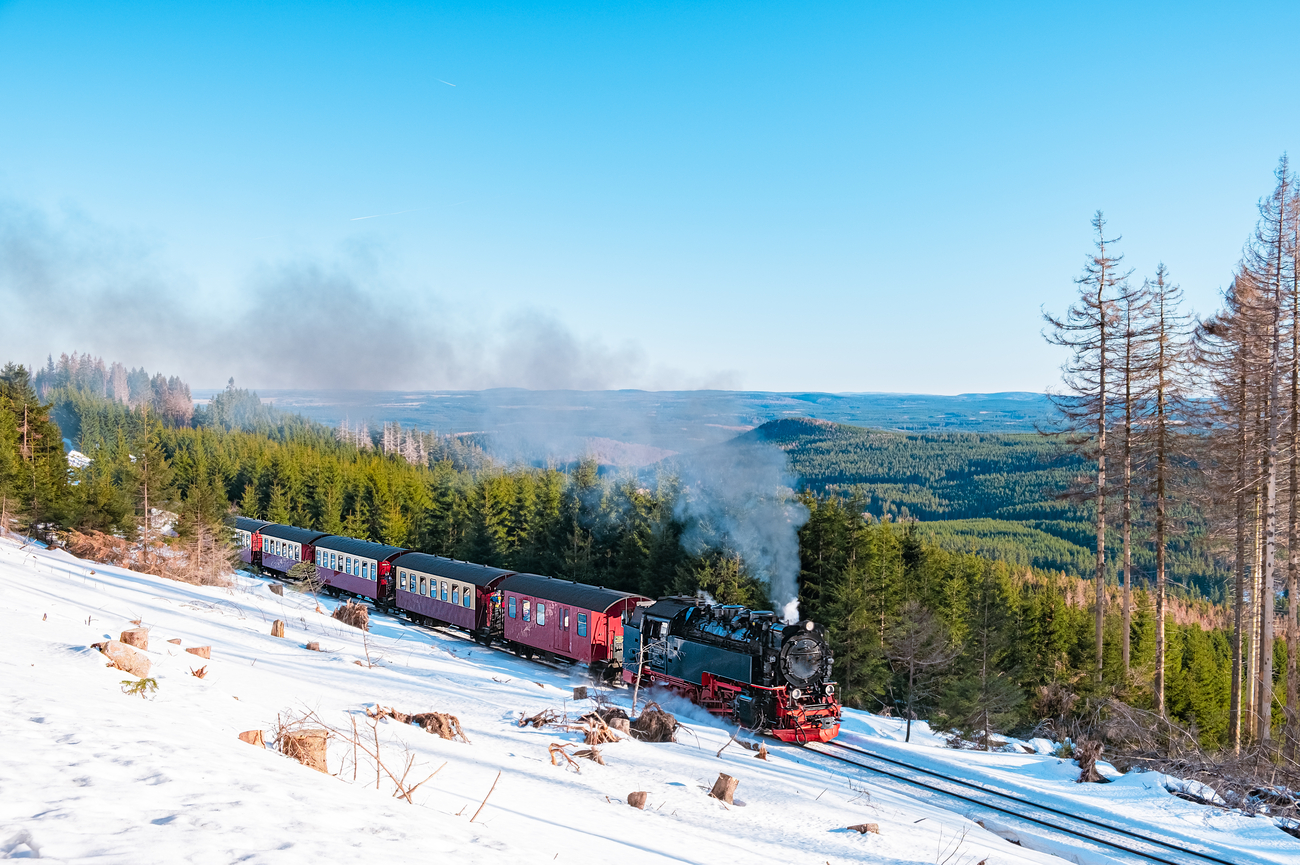
The Brockenbahn is the most famous route in the Harz Narrow Gauge Railway network. Running around 19 kilometers from Drei Annen Hohne to the summit station of Brocken, the railway climbs through the Harz National Park to reach the highest peak in the Harz Mountains at 1,141 meters above sea level. Unlike the longer Harzquerbahn and Selketalbahn, this route is focused on one main goal: taking passengers from the forested valleys of the Harz to one of northern Germany’s best-known viewpoints.
The journey takes around 90 minutes and includes some of the steepest sections of the entire network. Steam locomotives work hard as they climb past dense forests, mountain landscapes and open slopes before making the final curve toward Brocken station.
Drei Annen Hohne
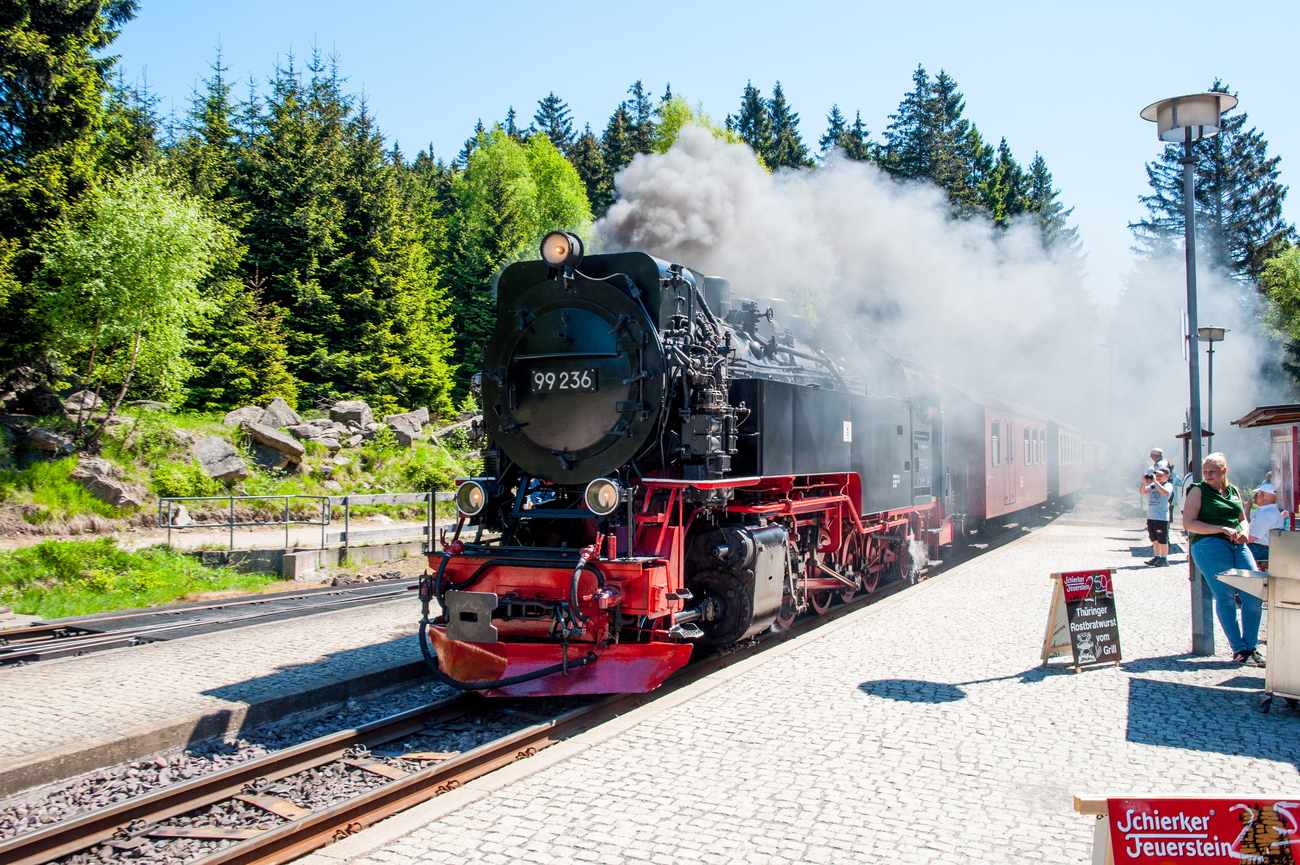
The journey begins at Drei Annen Hohne, the main junction between the Harzquerbahn and Brockenbahn. The station sits in a forested area inside the Harz Mountains and is one of the busiest points on the narrow-gauge network, especially when steam trains arrive and prepare for the climb to Brocken.
The area around the station is surrounded by hiking trails that lead into the Harz National Park. It is also close to natural attractions such as the Elend Valley and several forest paths that connect with the wider mountain landscape. You can simply transfer here, but spending a little extra time allows you to experience the quieter side of the Harz before the famous mountain ascent begins.
As the train leaves Drei Annen Hohne, the route immediately feels more remote. The houses disappear, the forest becomes thicker and the railway begins its steady climb toward higher elevations.
Schierke
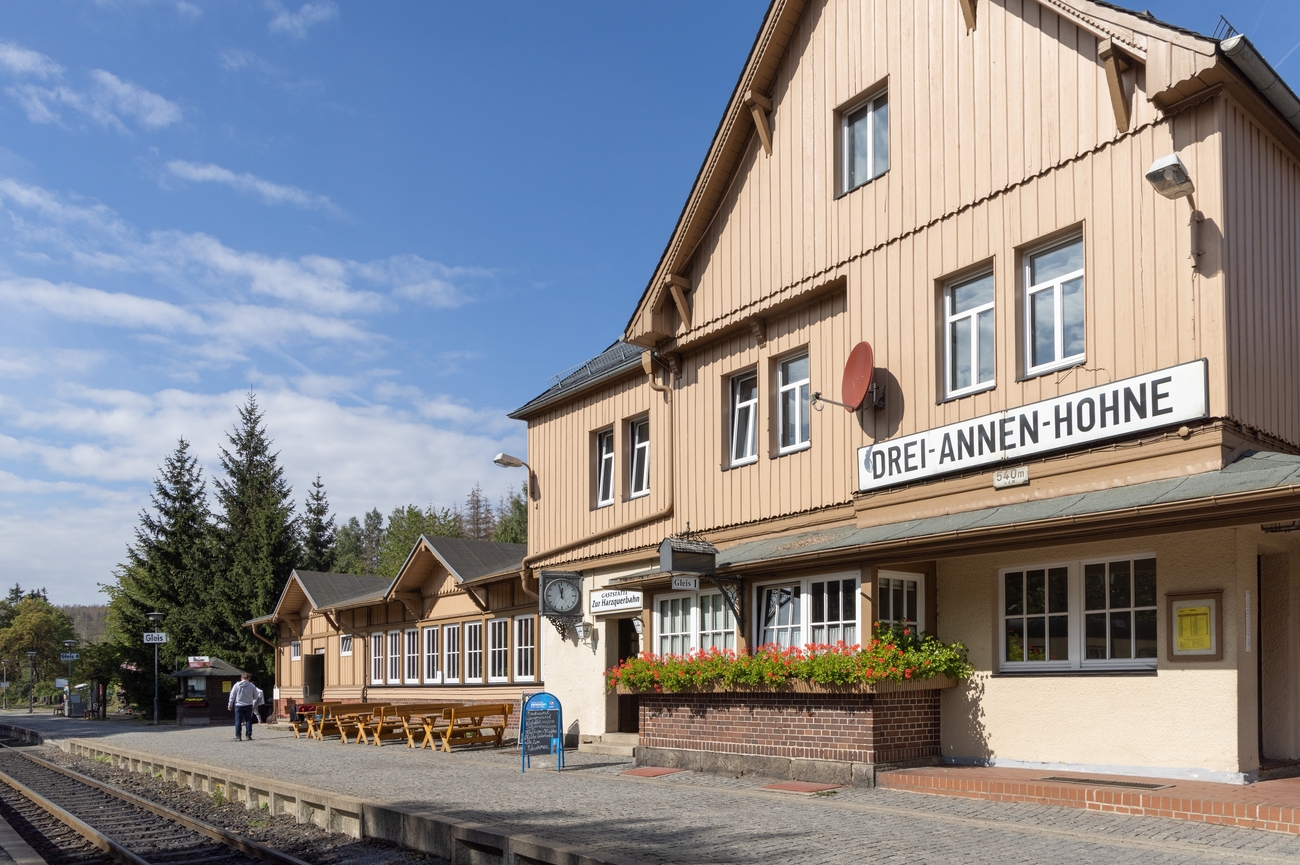
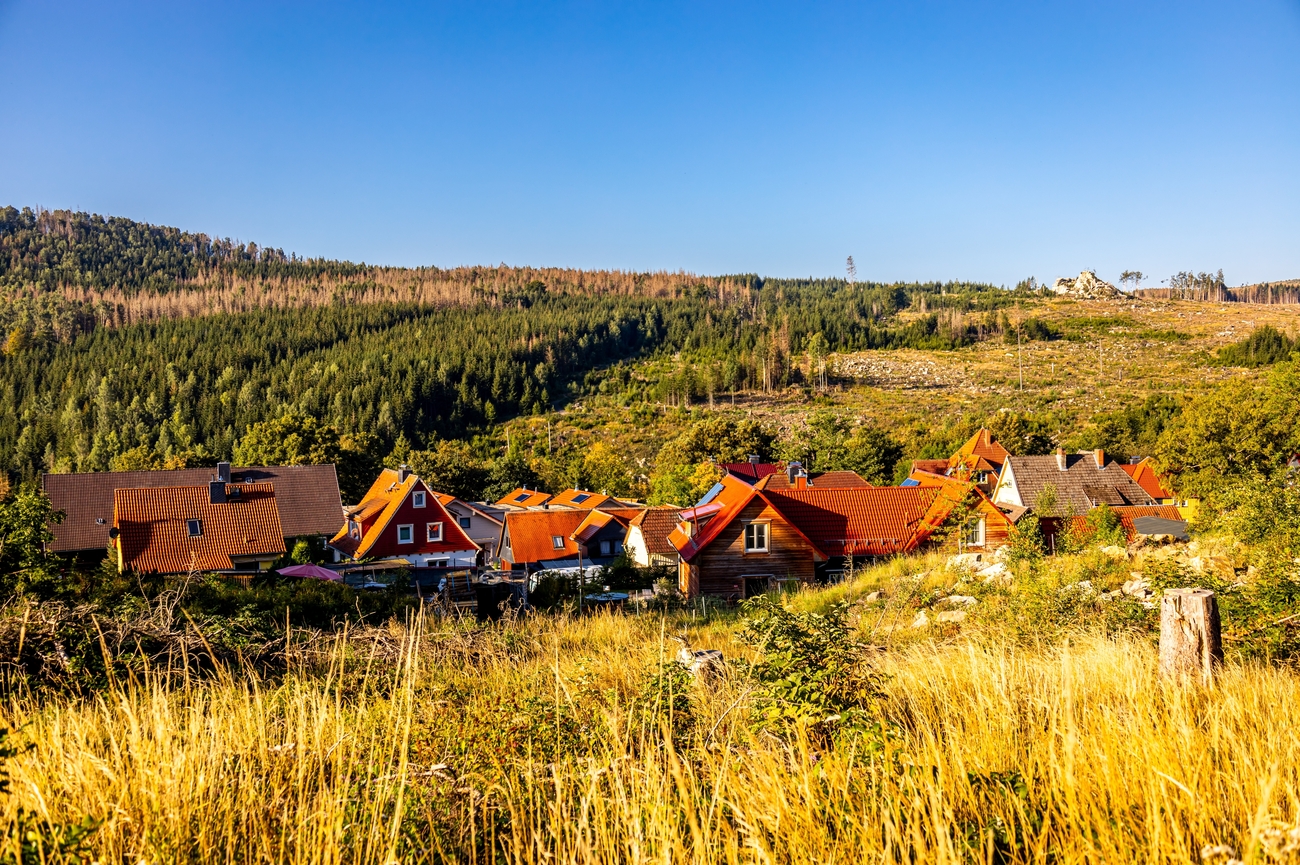
Schierke is the only major stop between Drei Annen Hohne and Brocken and is one of the most popular mountain villages in the Harz. Located at around 600 meters above sea level, the town has long been a base for hikers exploring Brocken and the surrounding trails.
The village is known for its traditional wooden houses, mountain atmosphere and location directly beside the Harz National Park. One of the most popular nearby walks leads toward Brocken but you can also choose the train for the final climb. Schierke is also known for Schierker Feuerstein, a herbal liqueur that has been produced in the region since the early 20th century.
Brocken
The final stop is Brocken station, located just below the summit of the highest mountain in northern Germany. At 1,141 meters above sea level, Brocken offers some of the widest views in the Harz region, with clear days allowing views stretching across central Germany.
The summit area is home to several attractions, including the Brockenhaus, a visitor center that explains the mountain’s natural environment, history and unusual role during the Cold War when the summit was used as a restricted military surveillance site. The nearby Brocken Garden is also worth visiting, featuring alpine plants that survive in the mountain’s harsh climate.
The landscape at the top feels very different from the forests below. Brocken is known for strong winds, frequent fog and rapidly changing weather, which is why the mountain has developed a reputation for having its own unique atmosphere.
Selketalbahn
(Quedlinburg to Eisfelder Talmühle)
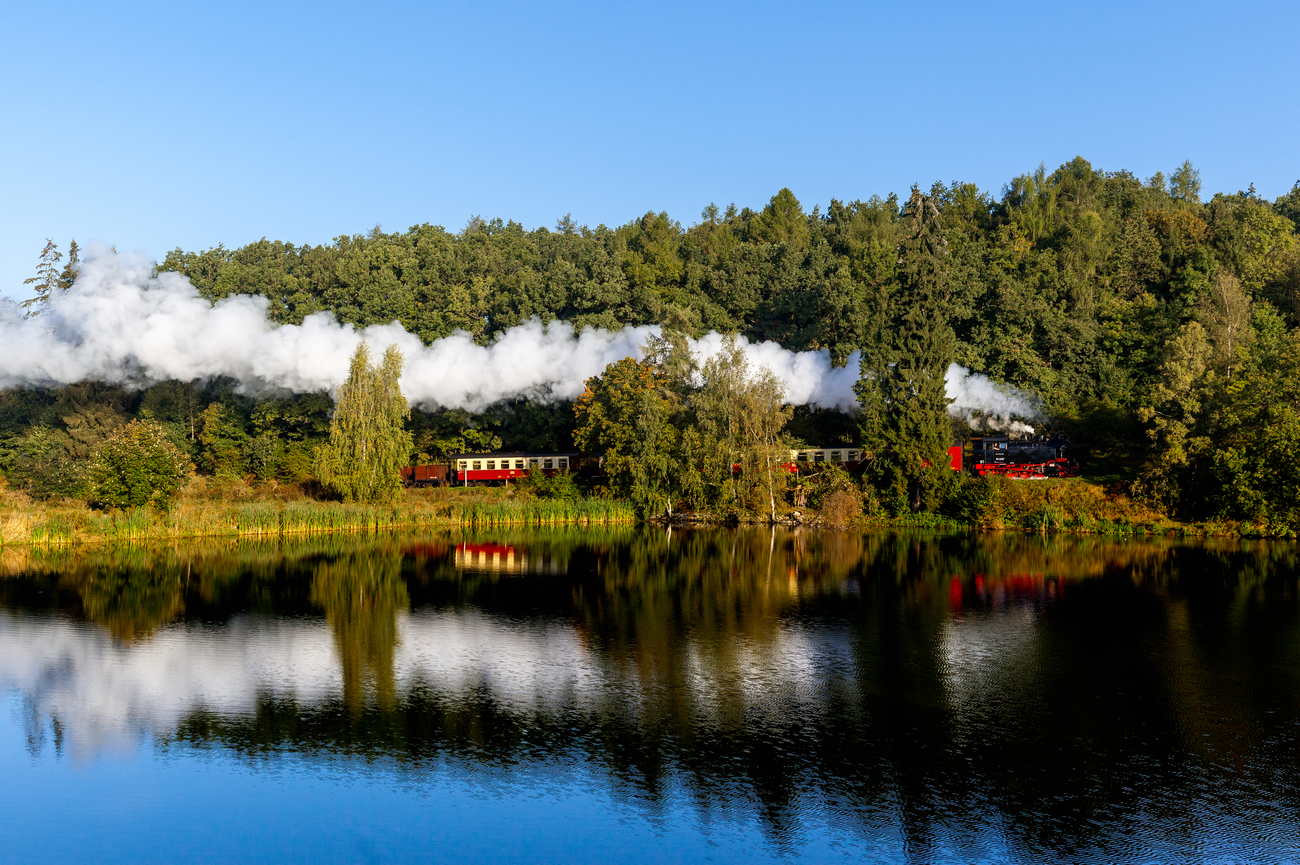
The Selketalbahn is the quietest and most scenic route in the Harz Narrow Gauge Railway network, running through the eastern Harz Mountains between Quedlinburg and Eisfelder Talmühle. The route follows the Selke Valley through forests, rolling hills, historic villages and small mountain communities where the railway still feels closely connected to local life. The full route covers around 60 kilometers and takes roughly three hours. It connects with the Harzquerbahn at Eisfelder Talmühle and shares some of the network’s most beautiful sections, including the climb through the Selke Valley toward Stiege and Alexisbad.
Quedlinburg
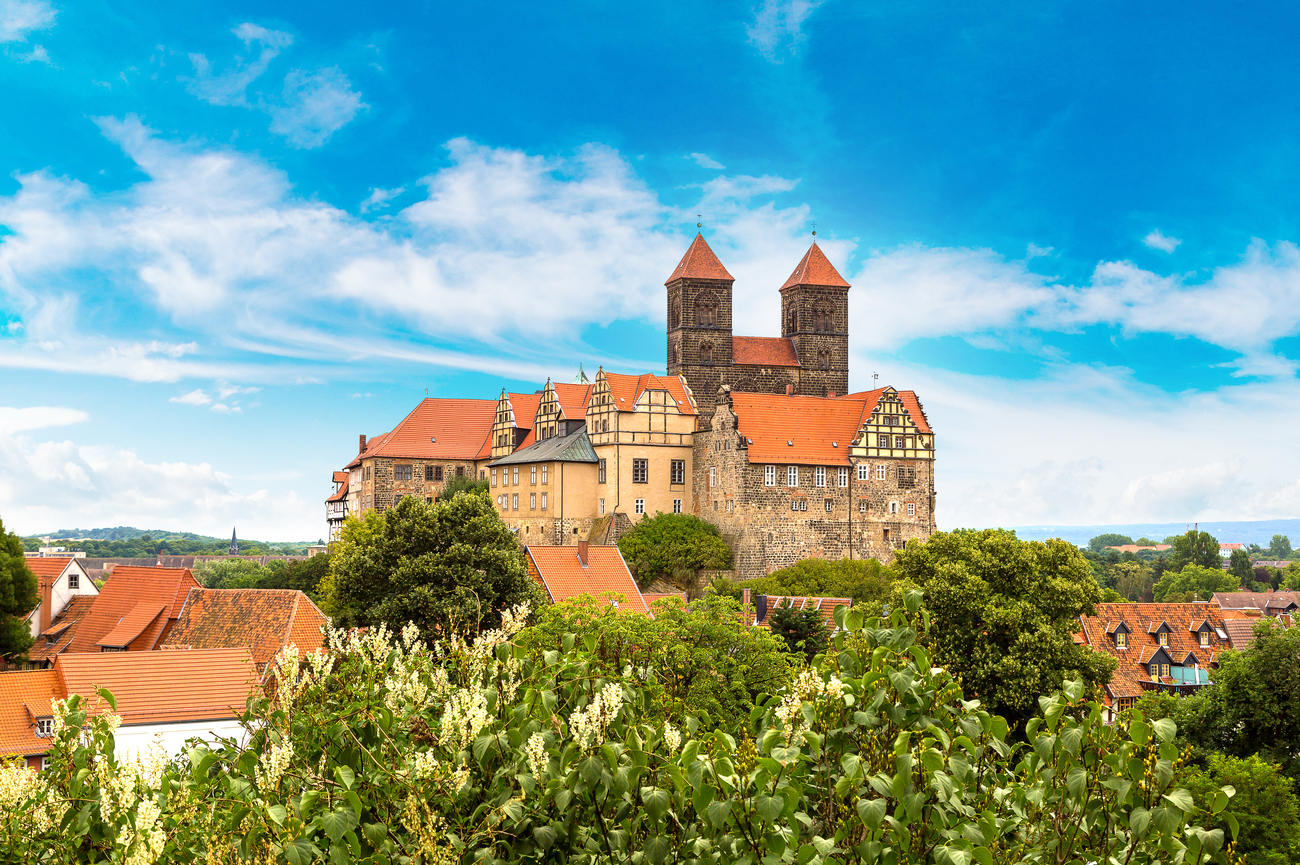
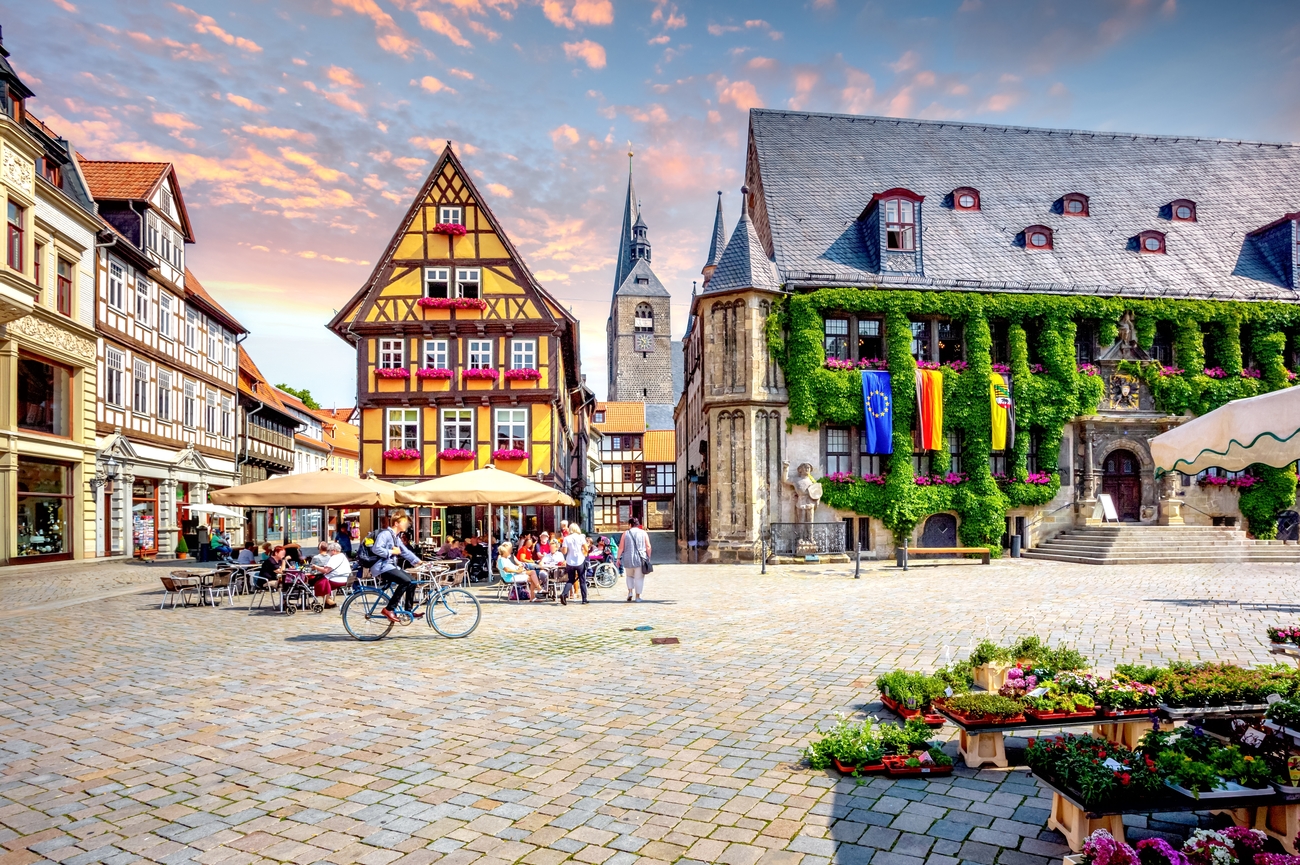
The journey begins in Quedlinburg, one of the most impressive historic towns in Germany and a UNESCO World Heritage Site. The town is known for its exceptionally well-preserved medieval center, with more than 1,000 half-timbered houses lining its narrow streets.
Before boarding the train, it is worth spending time exploring the old town, especially the market square and the hilltop area around Quedlinburg Castle and St. Servatius Church. The castle hill provides one of the best views over the town’s historic rooftops and shows how closely the railway connects with the region’s cultural heritage.
Leaving Quedlinburg, the train quickly moves away from the medieval streets and into the quieter countryside of the eastern Harz. The landscape gradually changes from open farmland to forested valleys as the railway heads toward the mountains.
Gernrode
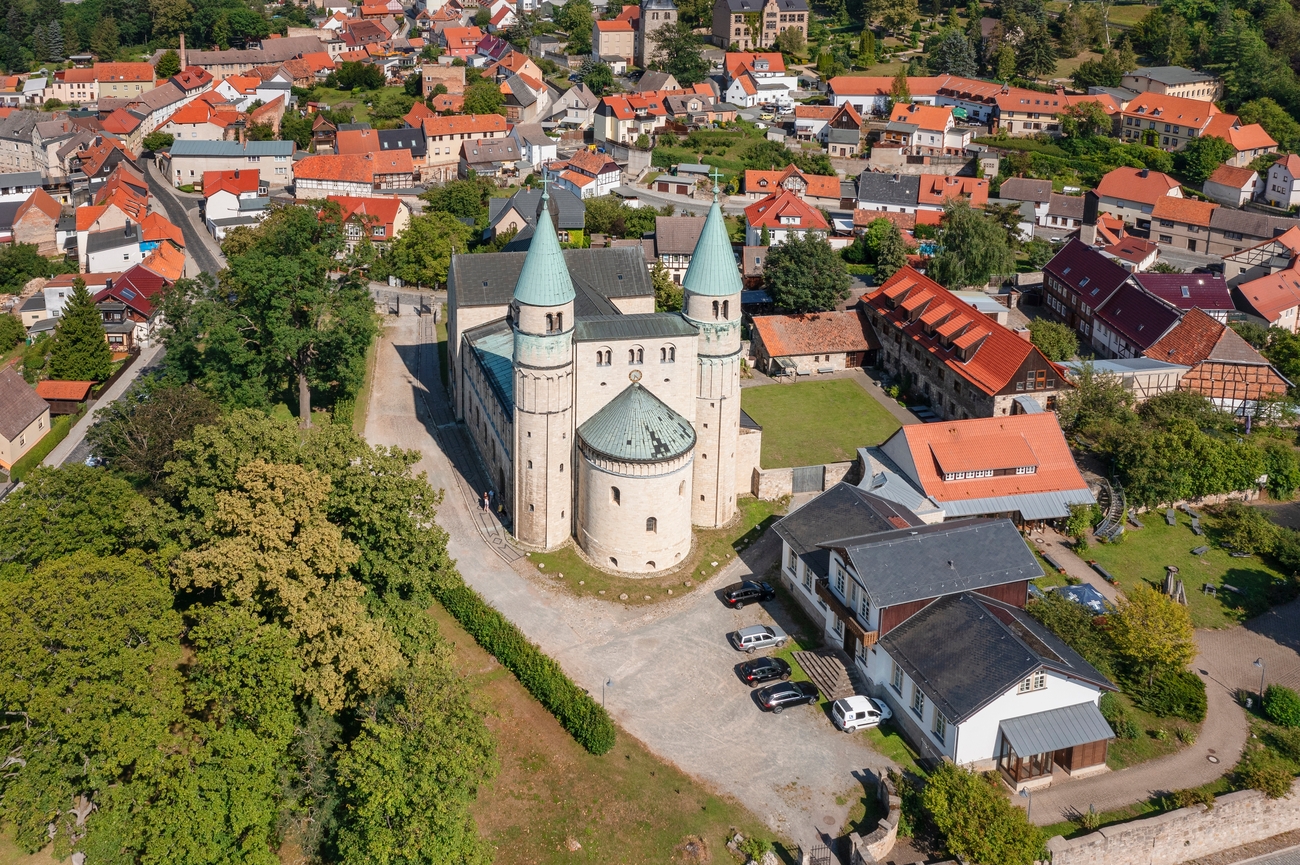
Gernrode is one of the most important stops on the Selketalbahn because it marks the start of the original narrow-gauge mountain route. The town is best known for St. Cyriakus Church, a Romanesque church dating back to the 10th century and considered one of the most significant examples of early medieval architecture in Germany.
The town also has a long connection with the railway. The station area was historically important because Gernrode served as the starting point for trains entering the Selke Valley. Today, you can combine a railway stop with a walk through the historic center or a visit to the church before continuing deeper into the Harz.
Mägdesprung
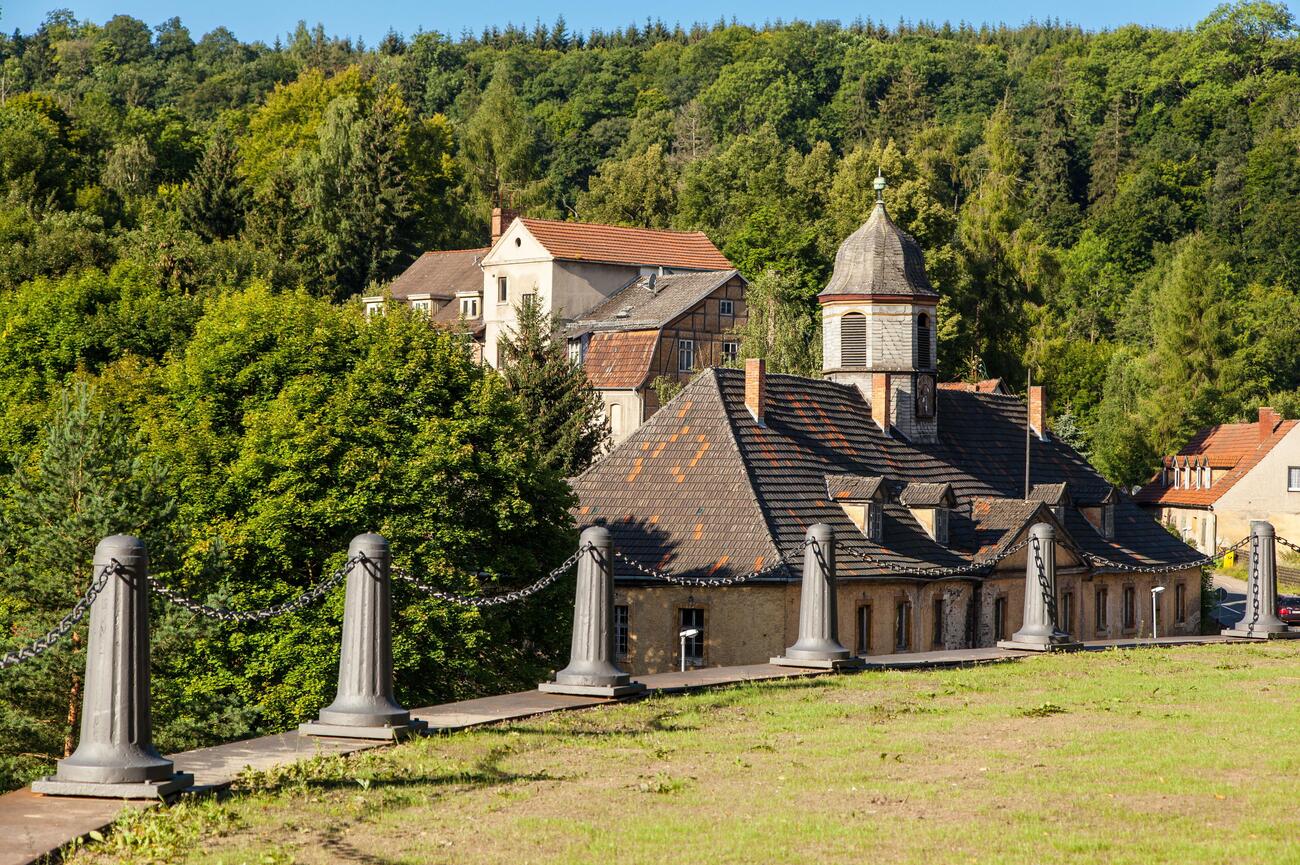
Mägdesprung is a small village surrounded by forest and valley scenery that reflects the industrial history of the Harz. The area was once an important center for iron production, with the Selke River providing power for local industries.
One of the main sights nearby is the historic ironworks area, where you can learn about the region’s mining and metalworking traditions. The surrounding landscape is also popular with hikers, with trails following the Selke Valley and connecting several smaller villages. And the stop itself is quiet, but that is exactly what makes Mägdesprung appealing. It represents the type of places the Selketalbahn was built to connect with small communities shaped by the mountains and their natural resources.
Alexisbad
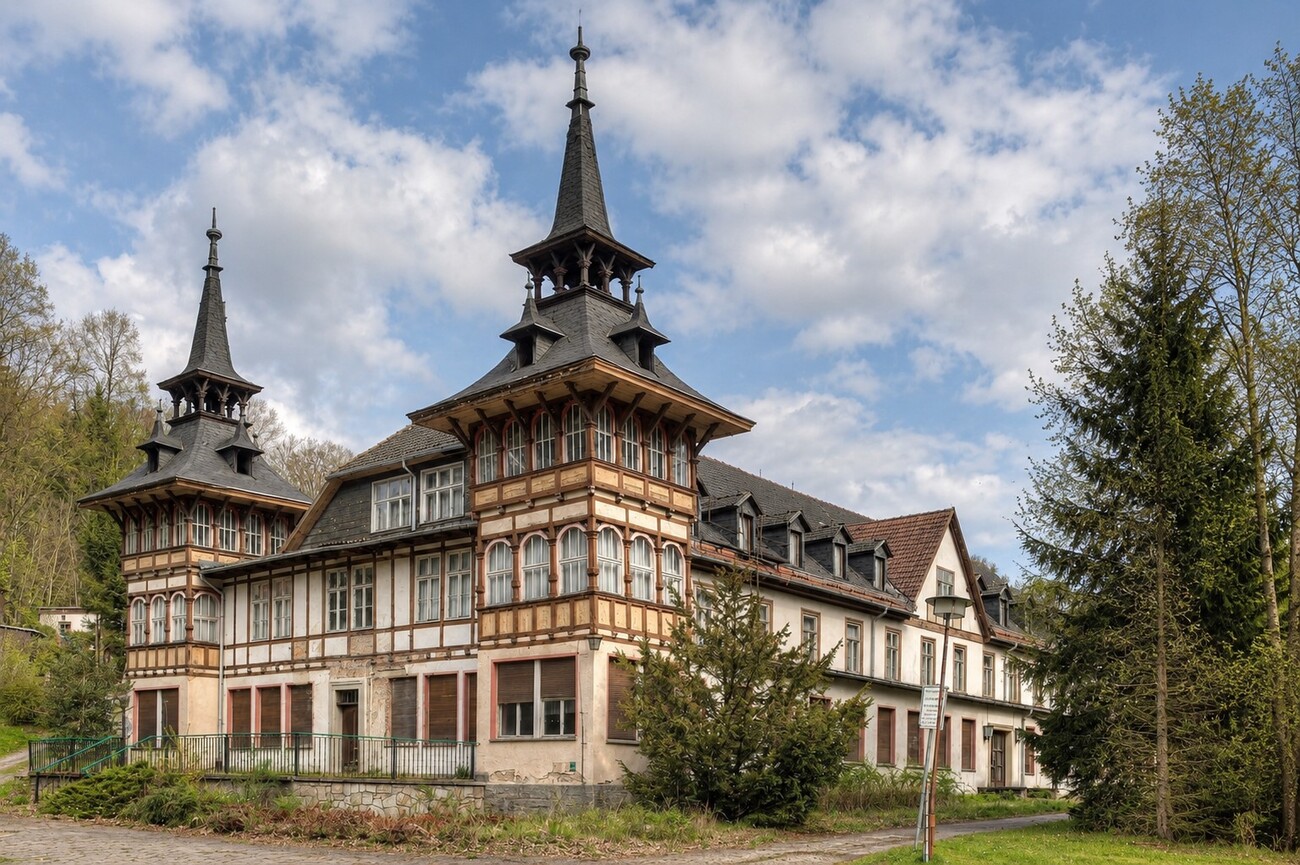
Alexisbad is known for its history as a spa resort and its peaceful valley setting. The village developed in the 19th century around mineral springs. And the area is surrounded by forested hills and hiking paths, making it a good stop if you want to combine the train journey with outdoor exploration. Nearby trails lead through the Selke Valley and connect with viewpoints overlooking the surrounding mountains.
Unlike the busier mountain destinations in the Harz, Alexisbad feels relaxed and local. It is a place where the railway, forests and historic buildings all blend naturally together.
Stiege
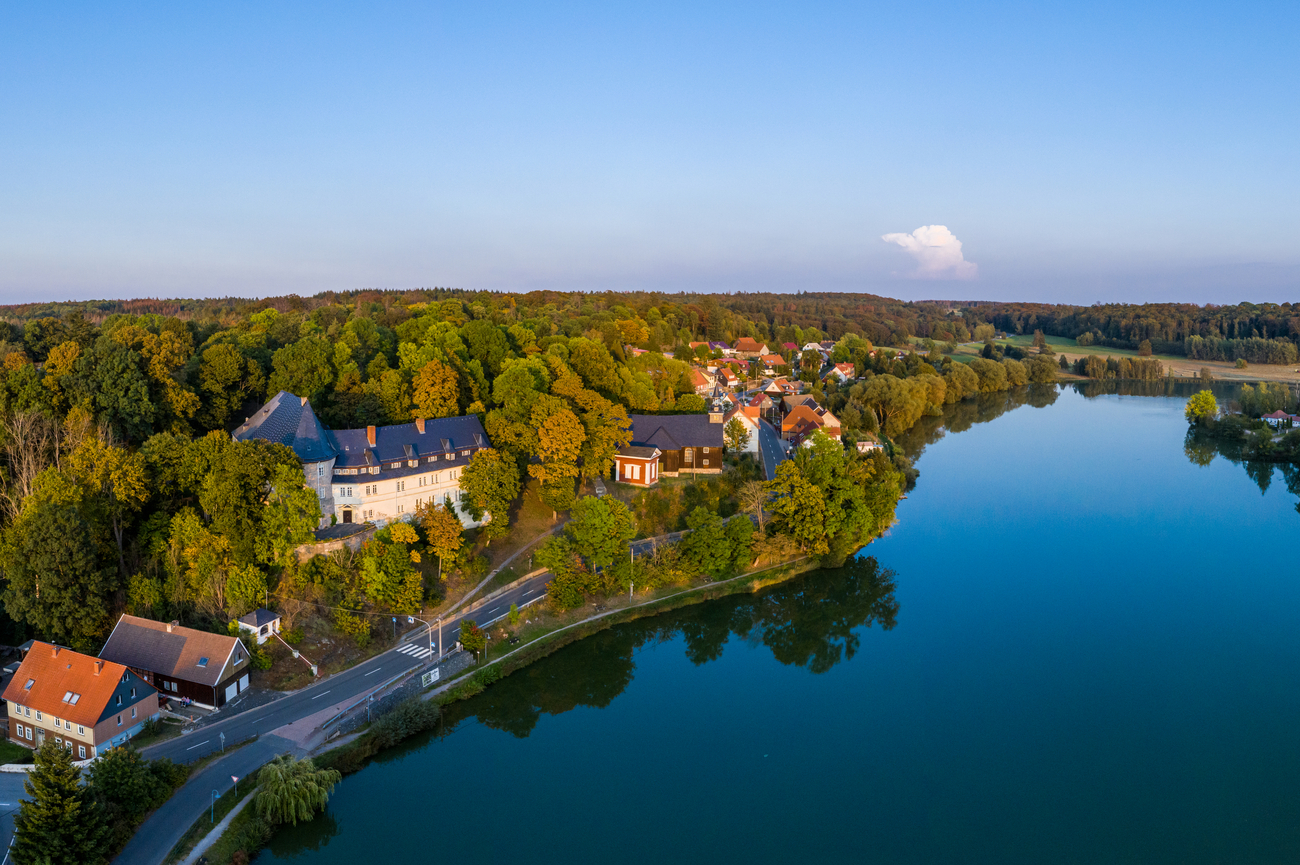
Stiege is an important railway junction where the Selketalbahn connects with routes toward the Harzquerbahn at Eisfelder Talmühle. The village sits on a high plateau surrounded by forests and is known for its small lake, hiking routes and peaceful mountain setting.
The nearby Stiege Castle is one of the village’s historic landmarks, while the surrounding area offers access to walking trails through the Harz landscape. The station is also notable because of its unique railway layout, where trains change direction on a special loop system.
Eisfelder Talmühle
The journey ends at Eisfelder Talmühle, where the Selketalbahn connects with the Harzquerbahn. Located in a forested valley, the station feels more like a stop in the middle of nature than a traditional town station. Its surrounding area is popular with hikers exploring the southern Harz, with trails leading through forests, valleys and mountain viewpoints. And if you are continuing onto the Harzquerbahn, Eisfelder Talmühle provides a connection between two different sides of the Harz railway network.
The Selketalbahn may not have the same instant recognition as the Brockenbahn, but it offers one of the most complete railway experiences in the Harz. It combines historic towns, quiet valleys, old industries and mountain scenery into a journey that feels more like discovering the region than simply traveling through it.
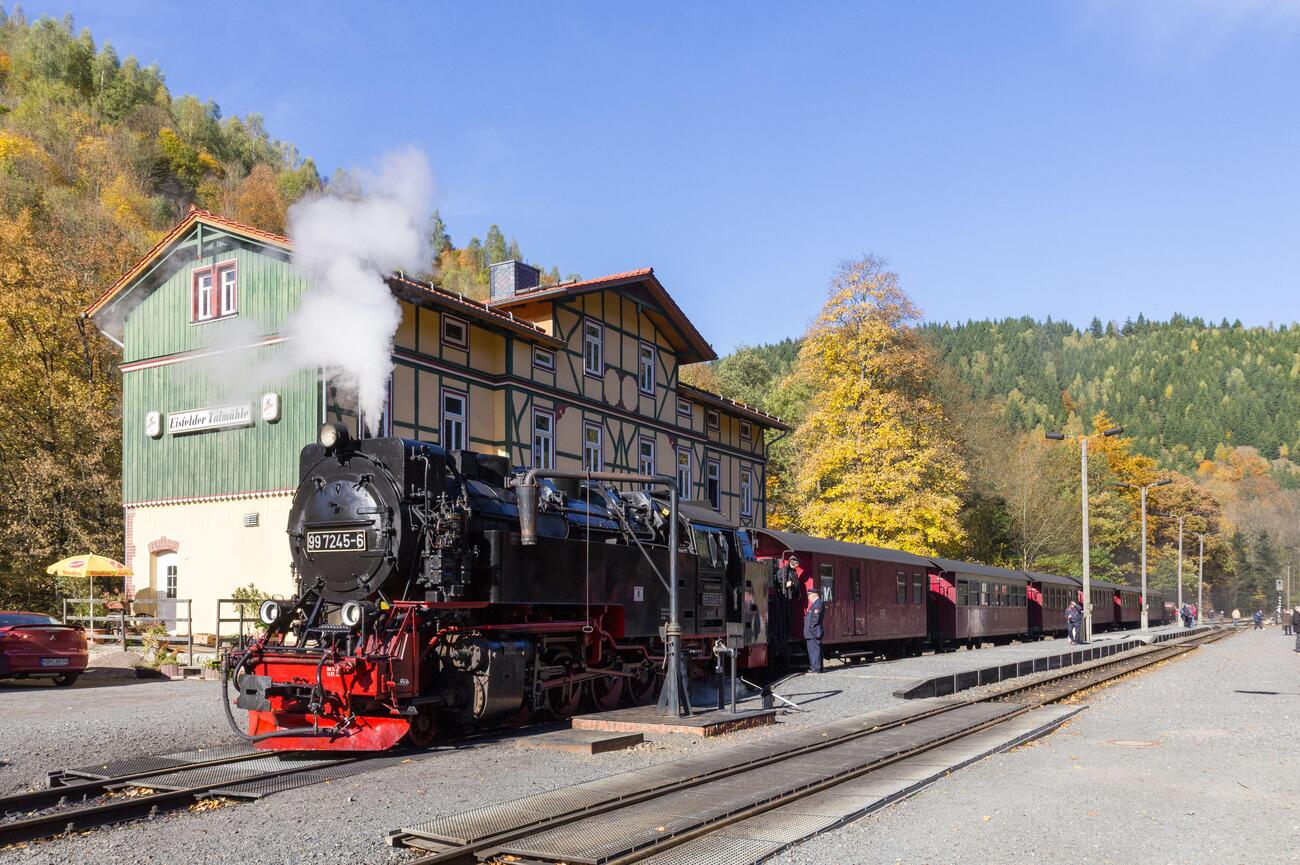
Schedules and Tickets
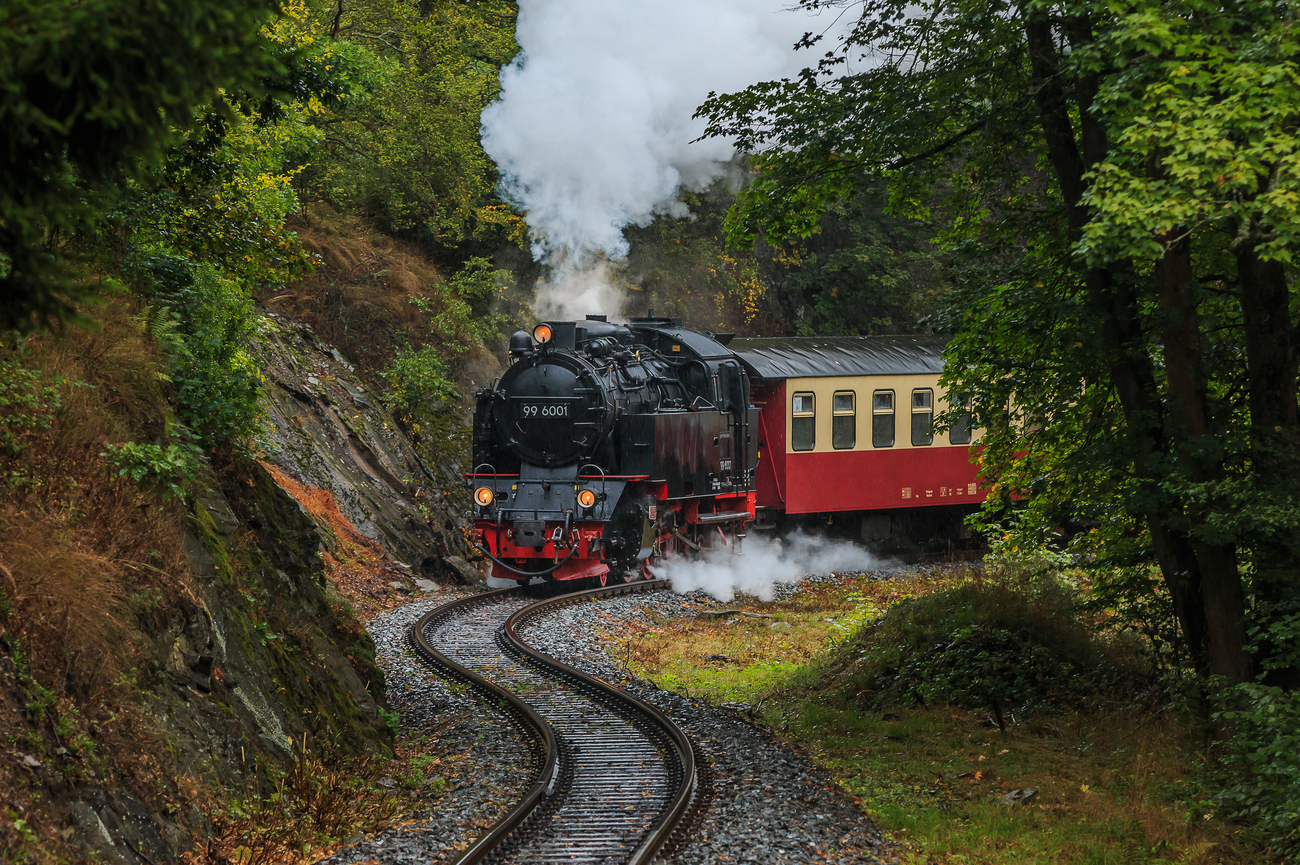
The Harz Narrow Gauge Railway operates throughout the year, with services running across all three routes: the Harzquerbahn, Brockenbahn and Selketalbahn. The Brockenbahn usually has the most regular departures because it is the network’s most popular route, while the quieter Selketalbahn and Harzquerbahn have fewer services on some days.
Departure times vary depending on the route, season and planned railway operations, so it is best to check the latest timetable before traveling. Check the official Harzer Schmalspurbahnen (HSB) website for current schedules. Tickets are sold directly through Harzer Schmalspurbahnen and can be purchased online, at station ticket offices or from ticket machines at selected stations.
Ticket prices depend on the route and destination. The Brockenbahn is usually the most expensive because it includes the steep mountain climb to the summit, while shorter journeys on the Harzquerbahn and Selketalbahn cost less. Return tickets are available on many routes, which is useful if you are planning to ride up to Brocken and return on the same day. And if you are planning to explore several routes, combination tickets and special offers may be available, especially for longer journeys across the network.
Where To Stay
The Harz Narrow Gauge Railway gives you several ways to stay overnight and each one creates a different kind of trip. Choose a historic town such as Wernigerode or Quedlinburg for old streets, restaurants, museums and easy evening walks. Stay near a smaller railway stop if you want to step straight into the forest, start a hike early, or catch one of the first trains without a long transfer. Luxury in the Harz is usually personal rather than flashy with a castle-view room, a restored historic hotel, a small spa or a beautifully designed guesthouse often feels more special than a large international chain. You can make the stay even more memorable with a private old-town tour or a carefully planned steam-train journey through the mountains.
Wernigerode
- Boutiquehotel Schlosspalais (4 Stars): Boutiquehotel Schlosspalais Wernigerode is one of the better upscale choices in town if you want your accommodation to feel connected to the destination. The hotel sits in a historic building near the old town, with views toward Wernigerode Castle and easy walking access to the market square, restaurants and cultural sights. The design keeps a more traditional Harz feeling while adding modern comforts, creating a quieter boutique-style experience rather than a large business hotel. You can spend the morning catching the Brockenbahn, return in the afternoon for a walk through the medieval streets and still have a comfortable place to relax nearby.
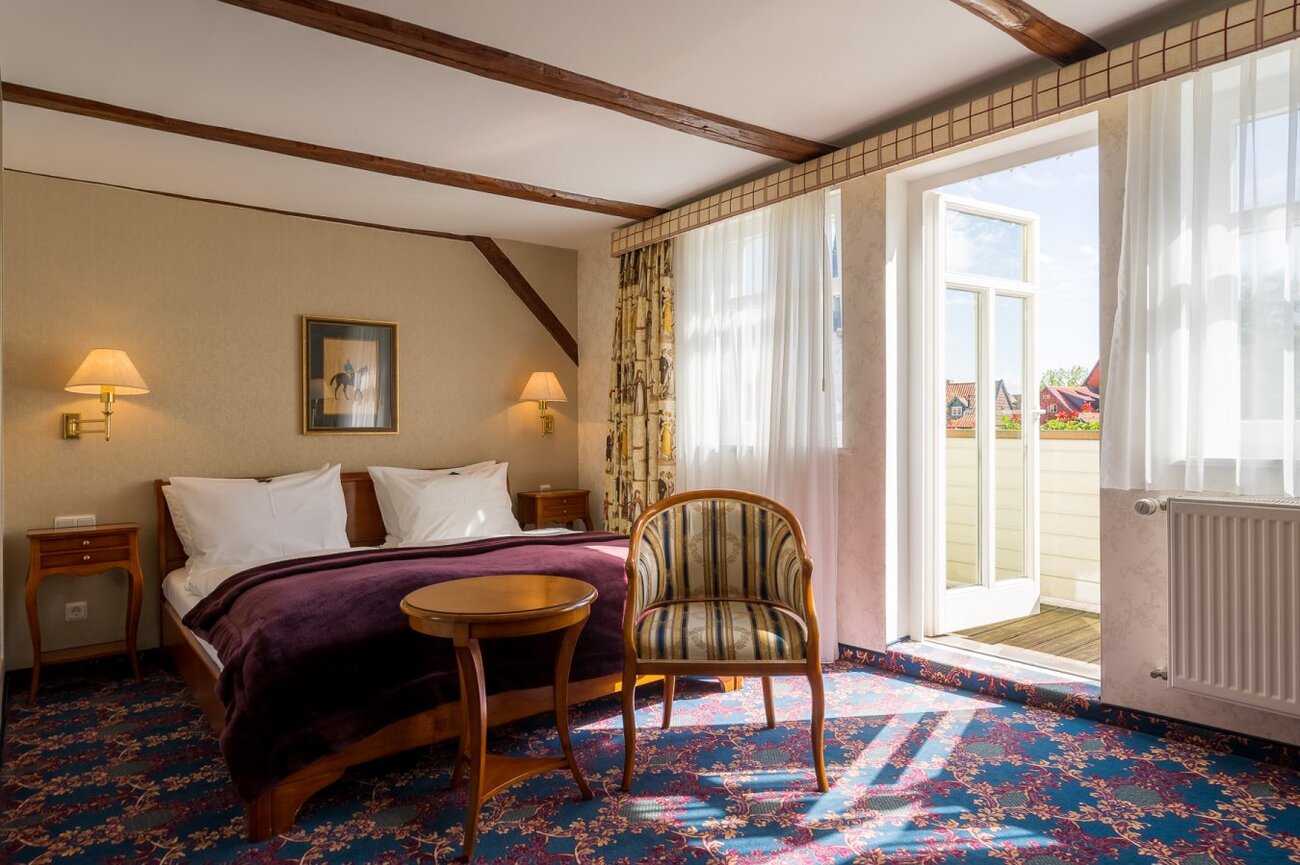
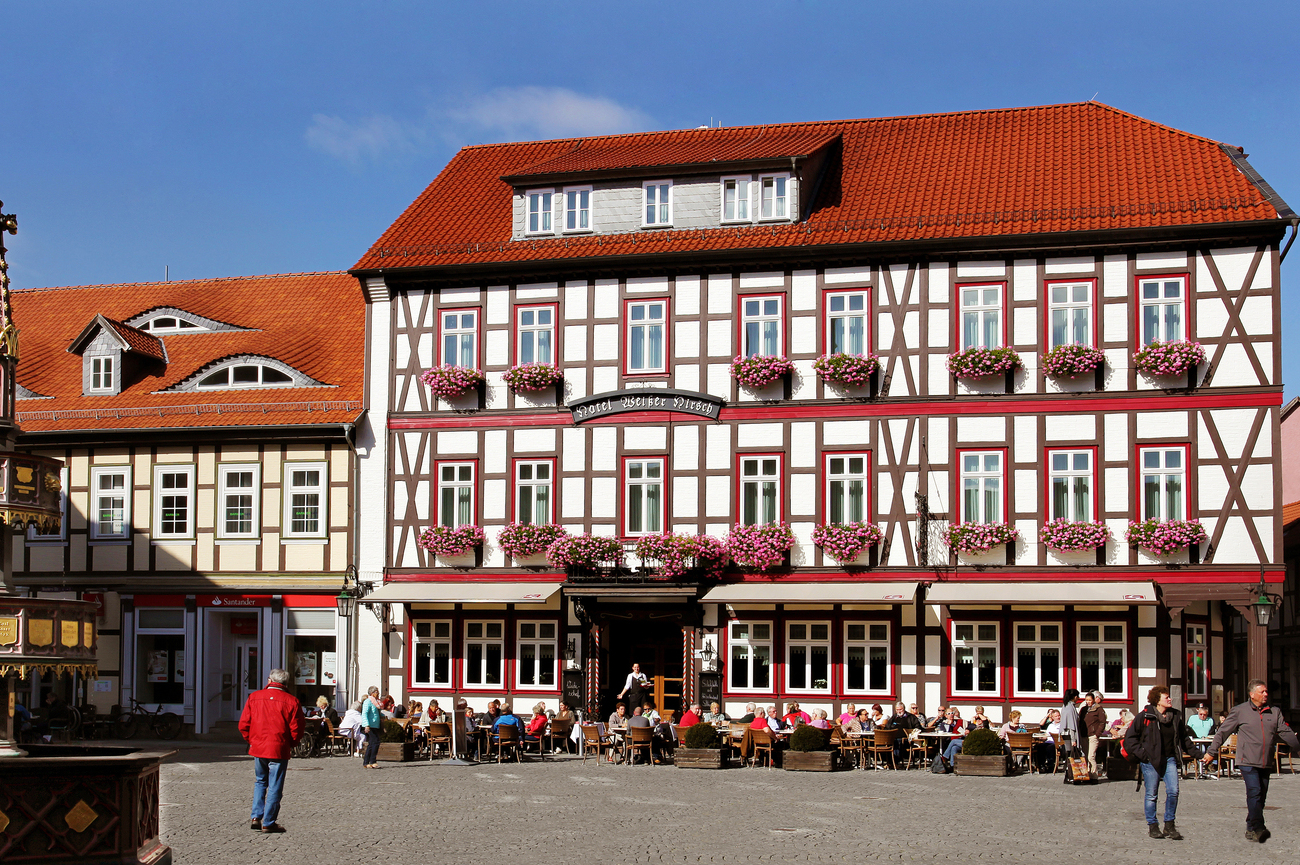
- Ringhotel Weißer Hirsch (4 Stars): Ringhotel Weißer Hirsch is the classic choice if you want to stay directly in the heart of Wernigerode. The hotel sits right on the market square, placing you directly in front of the town hall and surrounded by the city’s most attractive streets. You can step outside and immediately be among half-timbered houses, cafes, small shops, and historic buildings instead of needing transportation to reach the center. The hotel also offers comfortable rooms, a restaurant serving regional dishes and facilities designed for travelers who want convenience rather than a large resort setup.
- A-ROSA Gothisches Haus Wernigerode is a historic 4-star superior hotel set directly on Wernigerode’s picturesque Market Square. The hotel combines traditional half-timbered character with elegant rooms, refined dining and a 500 m² spa and wellness area. Its central location makes it an excellent base for exploring Wernigerode’s Old Town and the surrounding Harz Mountains.
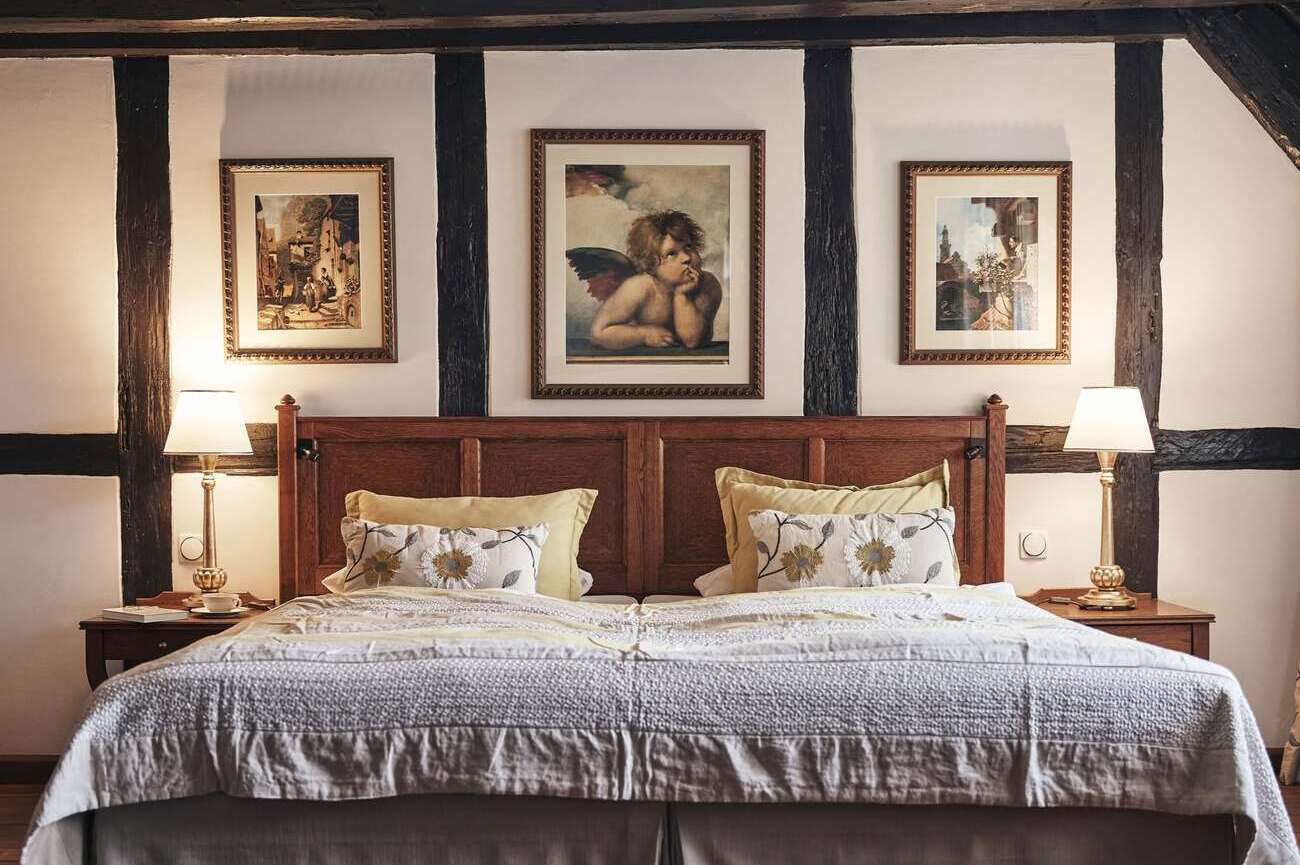
Nordhausen Nord
- Nordhäuser Fürstenhof (4 Stars): Nordhäuser Fürstenhof combines historic character with a polished hotel experience. It balances the character of the building with modern comforts, comfortable guest rooms and convenient dining facilities where you can enjoy a relaxed meal without needing to search for a restaurant after a long railway journey. The property also provides the kind of practical comforts including welcoming common areas, attentive service and a comfortable setting for unwinding after exploring the city. After arriving by train, you can settle in easily and explore Nordhausen’s old town, museums and local restaurants without needing a complicated transfer.
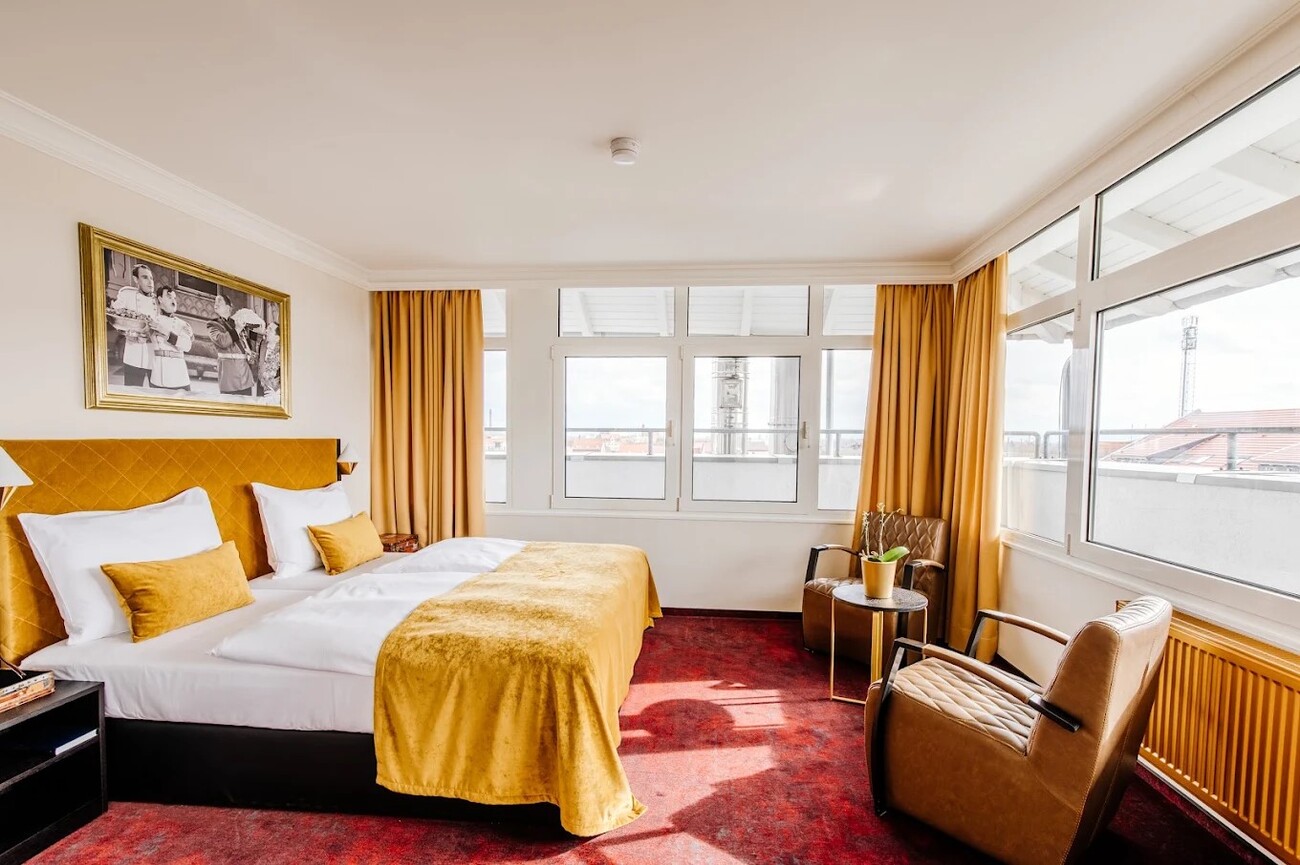
Drei Annen Hohne
- Hotel Der Kräuterhof is the main accommodation choice directly in Drei Annen Hohne and the most convenient option if your priority is railway access. The hotel sits just a short walk from the narrow-gauge railway station, which is a major advantage when catching an early Brockenbahn departure or returning after a full day exploring the Harz. It has a traditional Harz style with a warm, rustic feel rather than a modern city-hotel design. Wooden details, mountain-inspired interiors and a quieter atmosphere match the surrounding forest setting. The hotel also has a restaurant serving regional dishes. Facilities are focused on comfort after hiking and sightseeing, with wellness features including a sauna area.
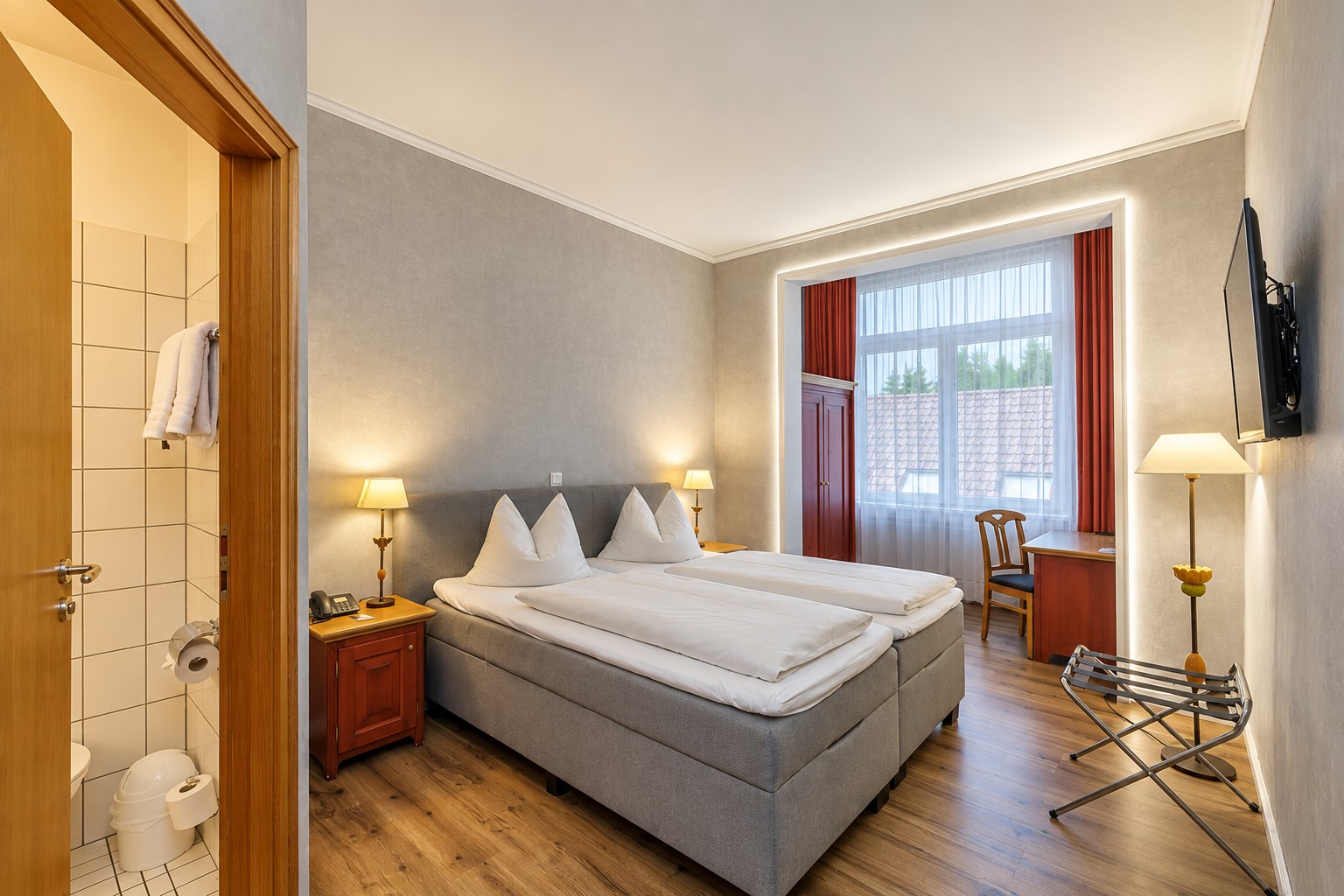
Brocken
- Das Schierke HARZRESORT (4 Stars): Das Schierke HARZRESORT is one of the strongest luxury-style options. Instead of standard rooms, the resort is made up of modern holiday homes and chalets designed around the forest setting of the Harz Mountains. The houses feature modern alpine interiors with natural materials, fireplaces, terraces and comfortable living areas, making them suitable for couples, families, or travelers who want a slower mountain escape. Its location in Schierke places you close to the Brockenbahn route, hiking trails and Harz National Park. After a day riding the steam train or walking through the mountains, you can return to a quiet private retreat rather than a busy hotel environment.
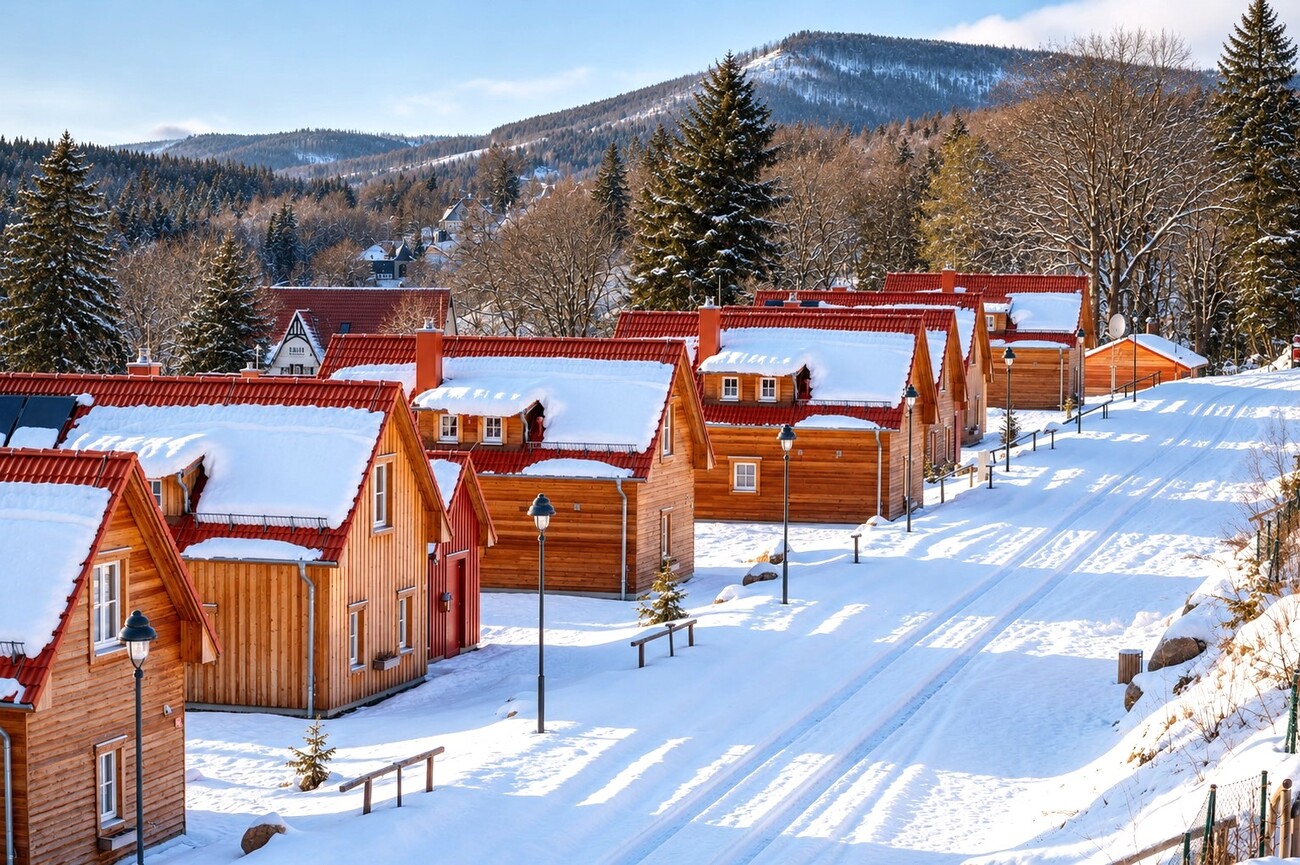
- EchtZeit – Dein Hotelquartier (4 Stars): is a stylish lifestyle hotel in Braunlage, surrounded by the forests and mountain scenery of the Harz. The property offers modern studios, apartments and lodges with a contemporary alpine feel, as well as a sauna, relaxed communal spaces and regional dining. Its central location also makes it a convenient base for exploring Braunlage and the nearby Wurmberg mountain.
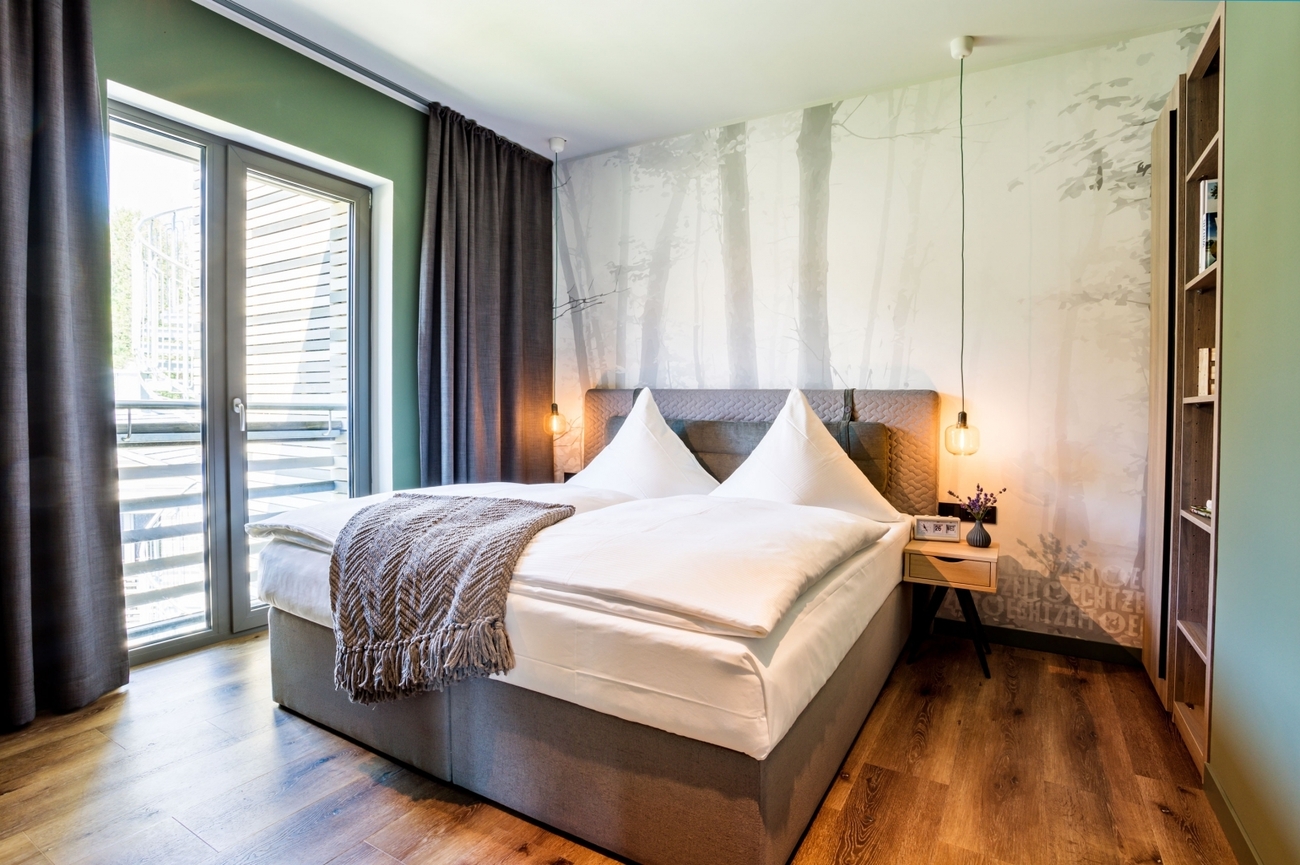
Quedlinburg
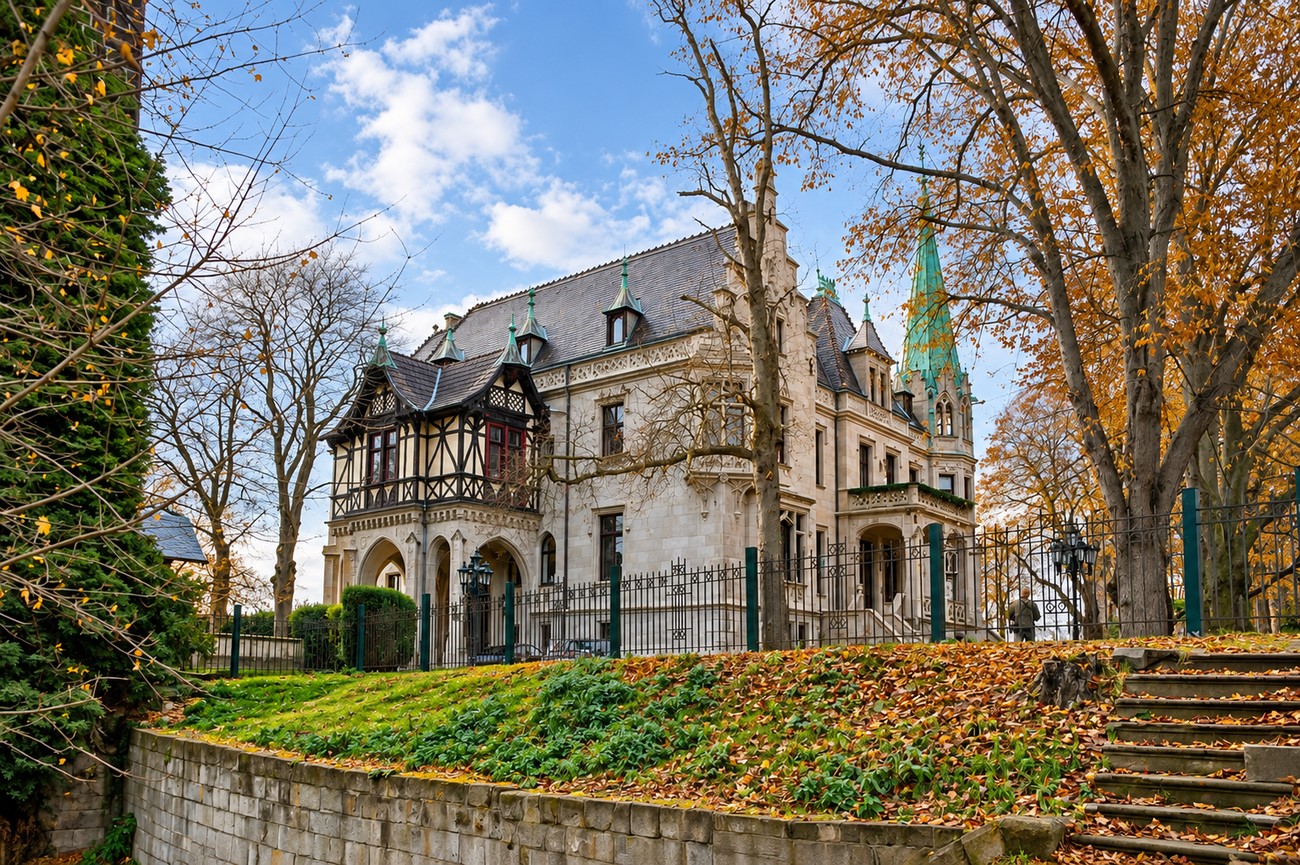
- Schlosshotel zum Markgrafen (4 Stars): Schlosshotel zum Markgrafen is one of the most distinctive places to stay in Quedlinburg because the building itself is part of the experience. Located on a hill above the old town, the hotel has a historic castle-like atmosphere with views across the rooftops of Quedlinburg. Instead of a standard city hotel, you get a quieter stay surrounded by traditional architecture, gardens and views toward the medieval center below. The location also works well for a premium Selketalbahn itinerary. After spending the day riding through the Harz countryside, you can return to a peaceful hillside setting while still being close enough to walk into the old town for dinner.
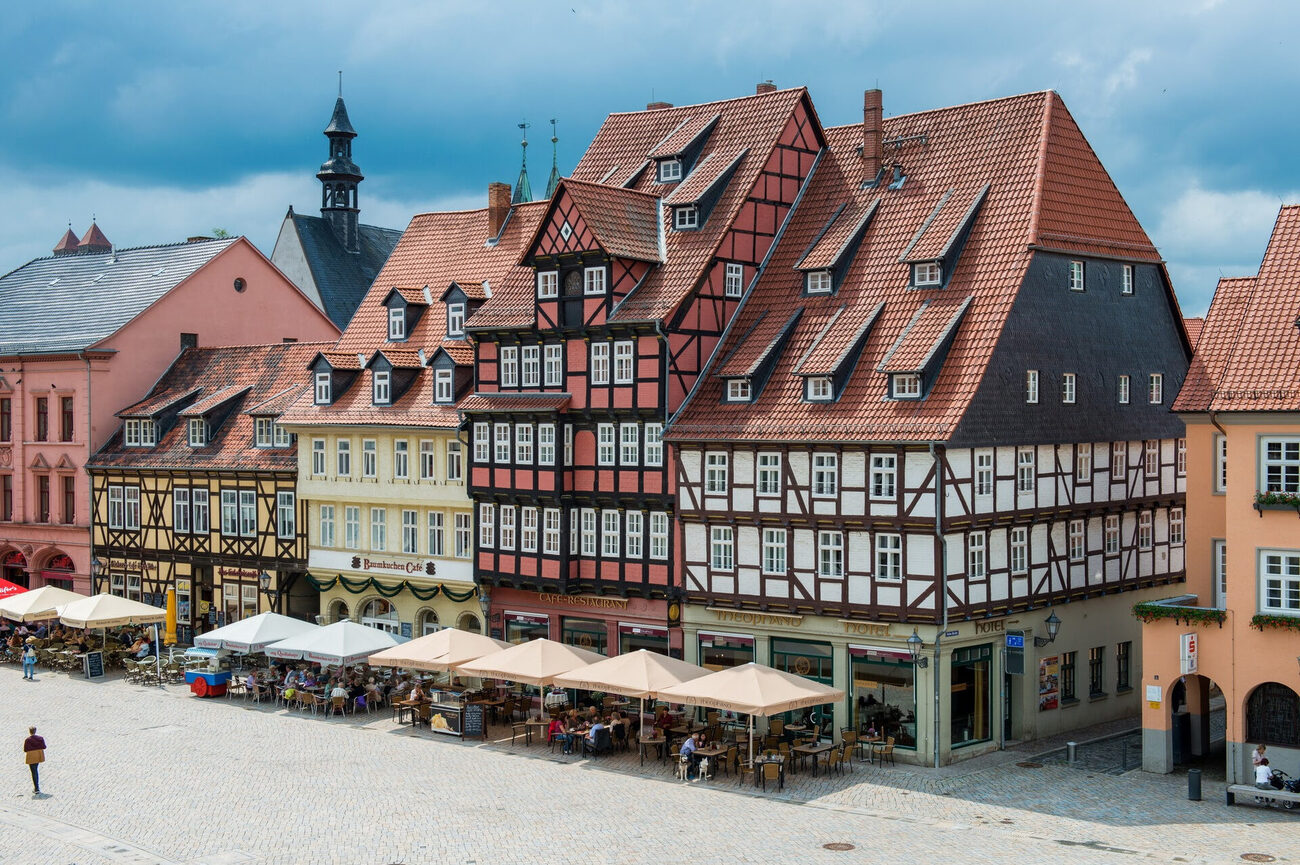
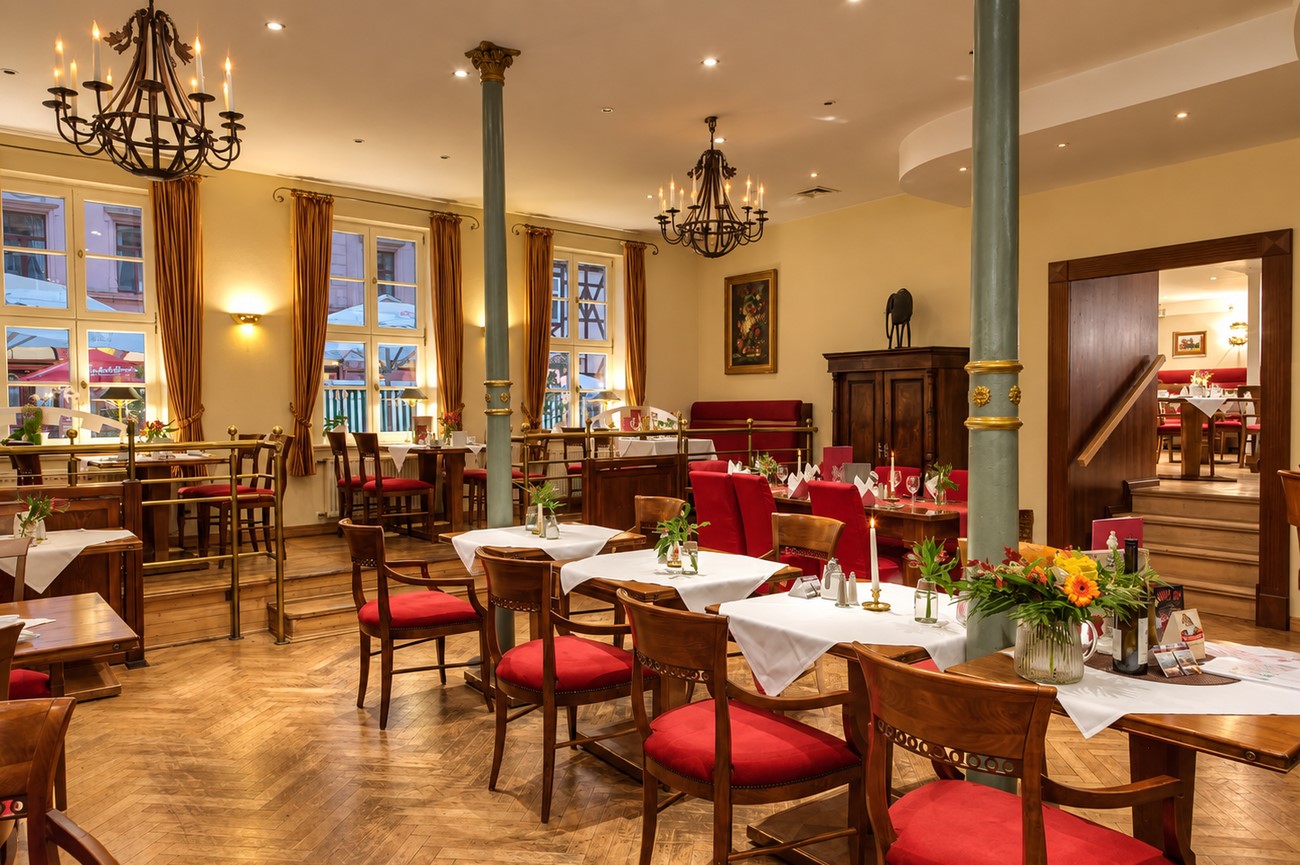
- Hotel Theophano (4 Stars): Hotel Theophano is one of the strongest choices if you want to stay directly in the heart of historic Quedlinburg. The hotel is located on the market square, surrounded by the town’s famous half-timbered buildings, cafés and historic streets. Walking outside feels like stepping directly into the old town rather than starting your sightseeing from a modern hotel district. The hotel also offers individually decorated rooms, a breakfast area, and traditional interiors that reflect the character of the historic building. You can also relax in the sauna after a day of walking through Quedlinburg or riding the Selketalbahn.
- Hotel Zum Bär (3 Stars): Hotel Zum Bär is a good option if you want the Quedlinburg experience without paying for a premium historic stay. The hotel is located close to the market square, meaning you still get the advantage of staying inside the old town. It has a traditional German guesthouse feel, with a more simple and practical approach compared with the town’s boutique hotels. Rooms are comfortable and the biggest benefit is being able to walk directly to restaurants, museums and historic sights.
Eisfelder Talmühle
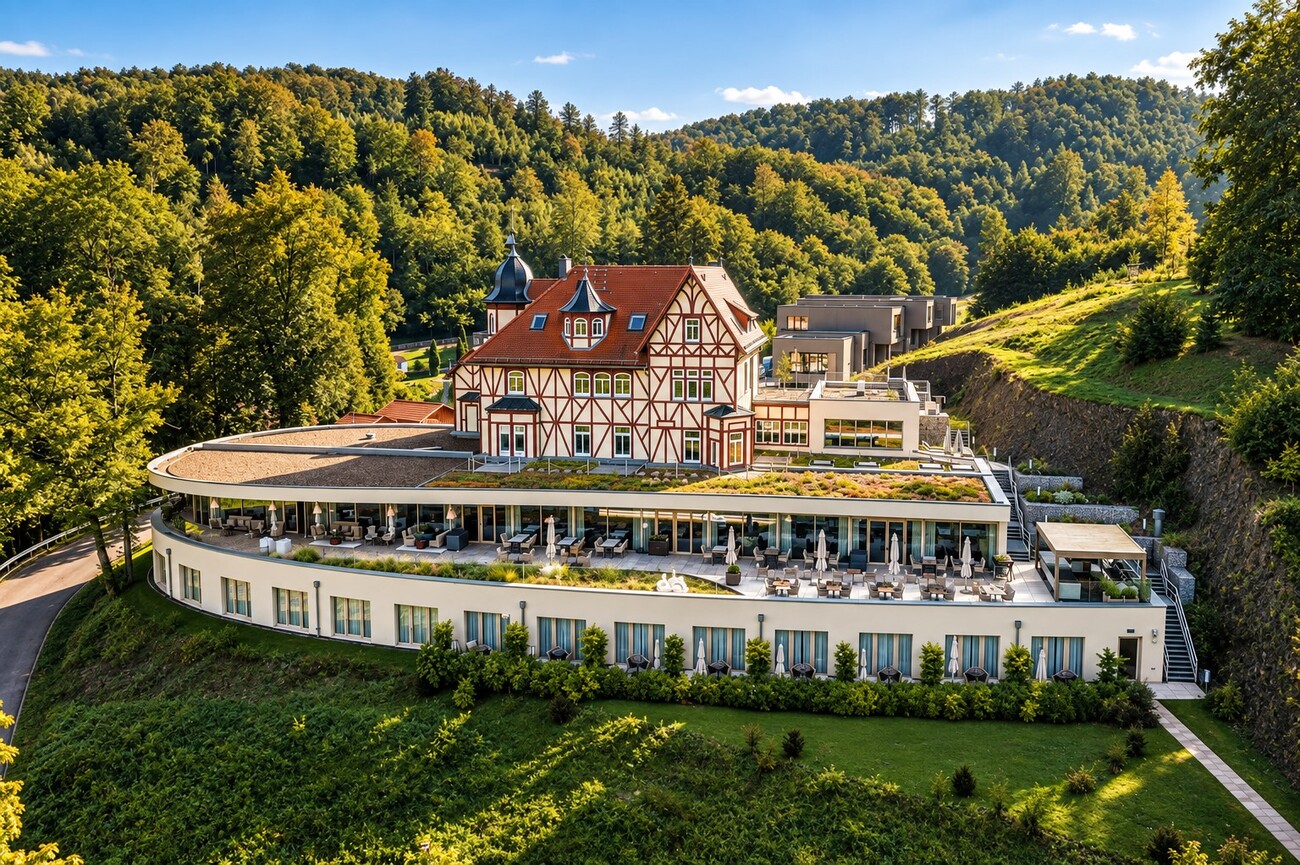
- Hotel & Spa Suiten FreiWerk (4 Stars): Hotel & Spa Suiten FreiWerk is one of the best premium options near Eisfelder Talmühle, located in nearby Stolberg, around a 30-minute drive away. The hotel is an excellent choice for travelers who want to explore the southern Harz while staying somewhere peaceful, stylish and closely connected to the surrounding landscape. Built into the hillside, the property combines modern design with the character of the Harz landscape. Large windows, natural materials and a calm interior style create a contemporary luxury feel while still reflecting the region’s traditional mountain atmosphere. Many of its rooms offer views over the forested hills, while the outdoor terraces provide a quiet place to enjoy the surrounding landscape.
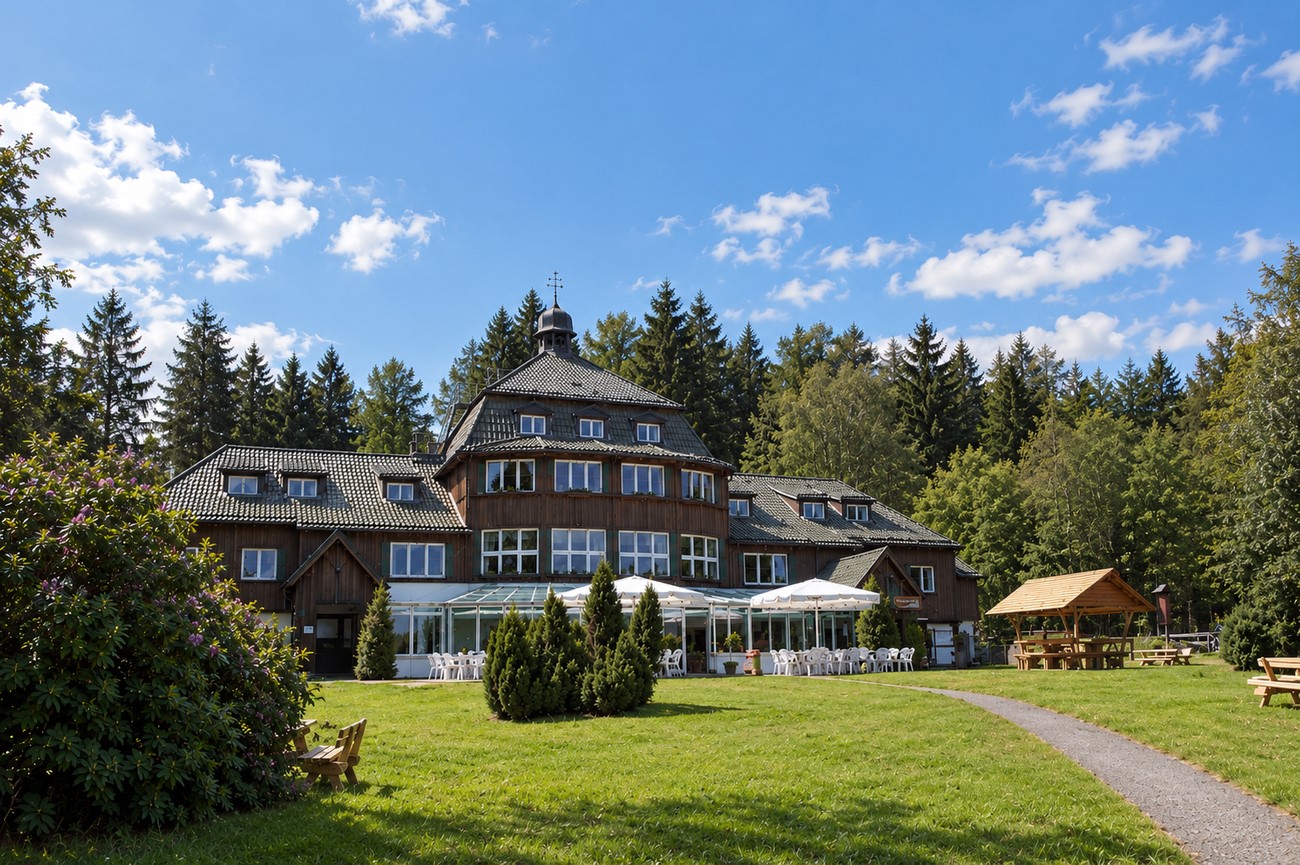
- Hotel Harzhaus (4 Stars): Hotel Harzhaus in Stolberg is a comfortable alternative for travelers who want a traditional Harz atmosphere without moving into a luxury price range. The hotel reflects the style of the region with a warm, welcoming design that fits the surrounding forests and historic villages. You are still close enough to explore the southern sections of the Harz Narrow Gauge Railway, while having access to a proper town with restaurants and historic sights nearby.
Where To Eat
Food along the Harz Narrow Gauge Railway is less about chasing famous restaurants and more about understanding the region through what appears on the table. The route passes through towns shaped by forests, mining, farming and mountain traditions, so the best meals often come from places that use regional ingredients and keep local cooking alive. You can expect hearty German food, local beers, seasonal game dishes, Harzer cheese and traditional recipes designed for mountain climates.
Wernigerode
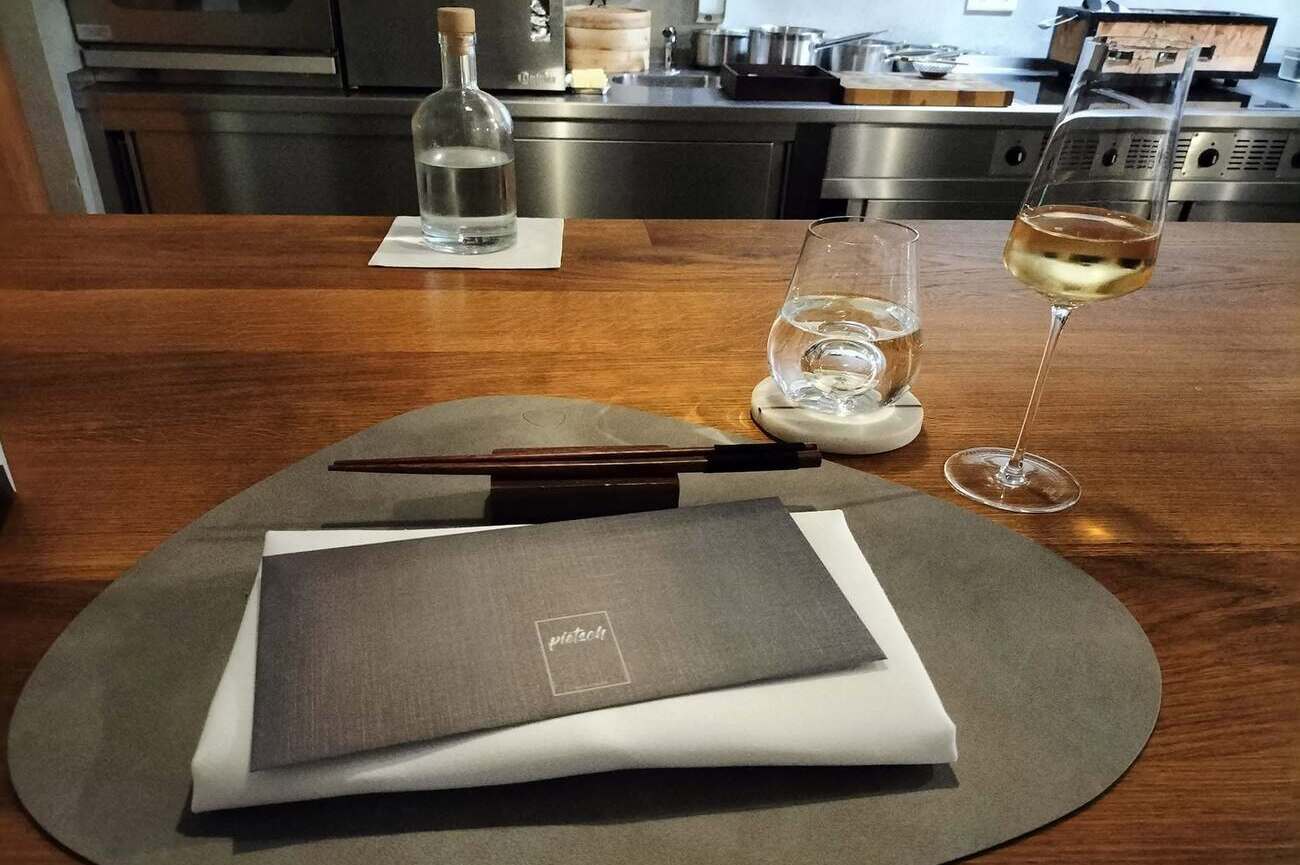
- Restaurant Pietsch is a 2-Michelin-star restaurant that offers an intimate, modern dining experience in Wernigerode. You will sit at an 18-seat counter facing the open kitchen, giving you a close view of the team at work and creating a sociable atmosphere that feels more urban than traditional Harz dining. There is one seven-course set menu, accompanied by an amuse-bouche and a final course. The cooking draws on global influences, particularly Asian flavours, with bold combinations and carefully balanced contrasts. Desserts are equally ambitious, including black garlic and dark chocolate mousse served with roasted pecan, banana ice cream, and bergamot vinaigrette.
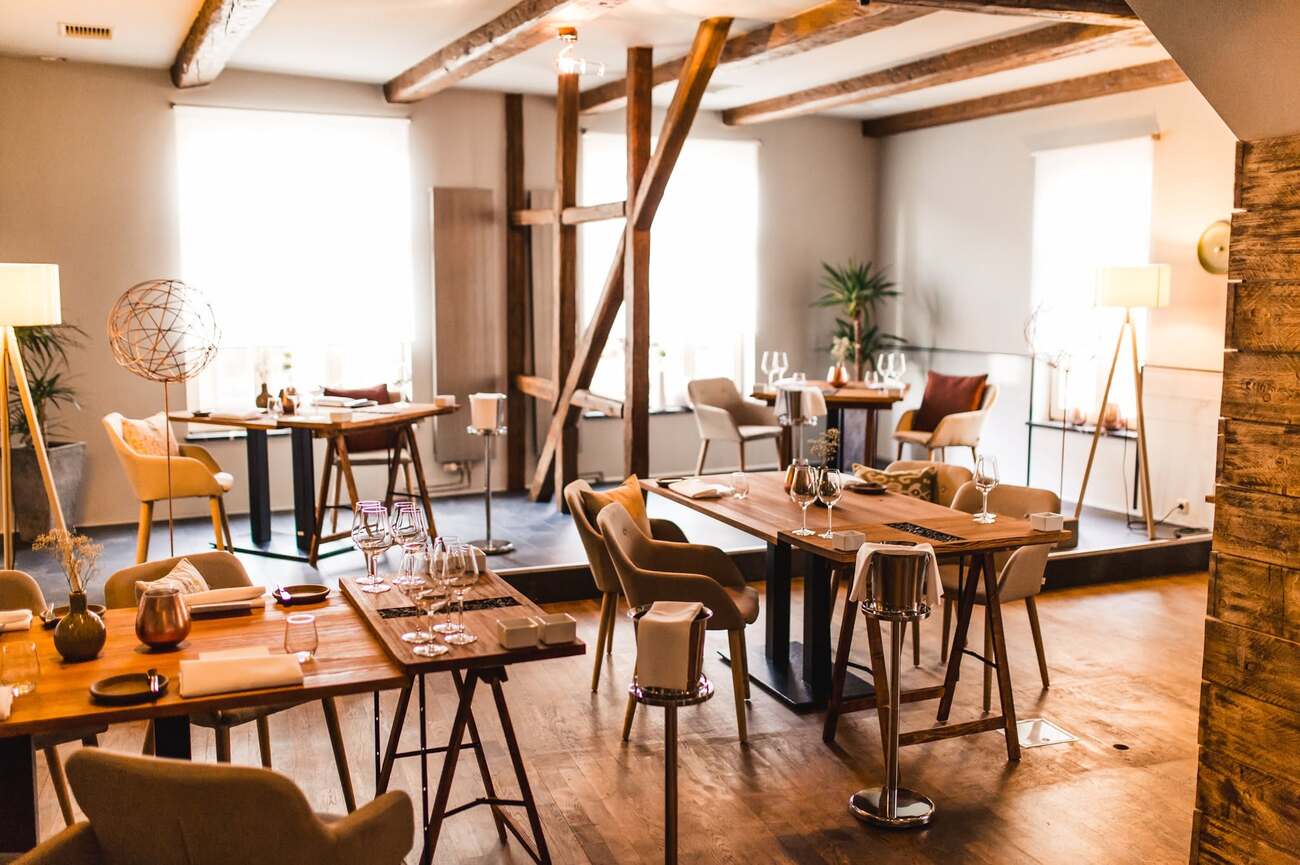
- Restaurant ZeitWerk is one of Wernigerode’s leading fine-dining restaurants, created by chef Robin Pietsch. The seasonal tasting menu focuses on modern interpretations of Harz cuisine, using carefully selected regional ingredients presented in creative, refined dishes. The restaurant has a contemporary, minimalist interior, an open view into the kitchen and a relaxed atmosphere, and it has been awarded a Michelin star.
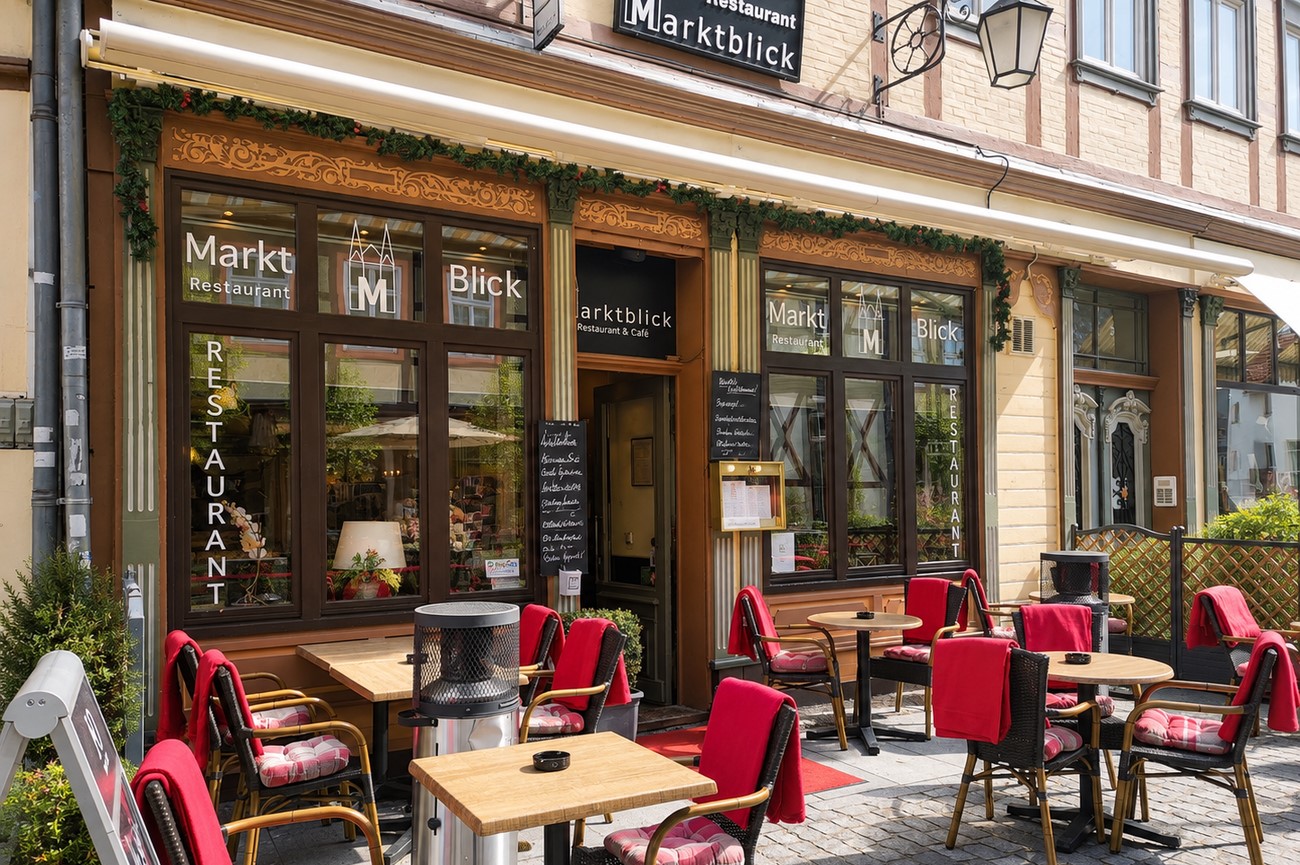
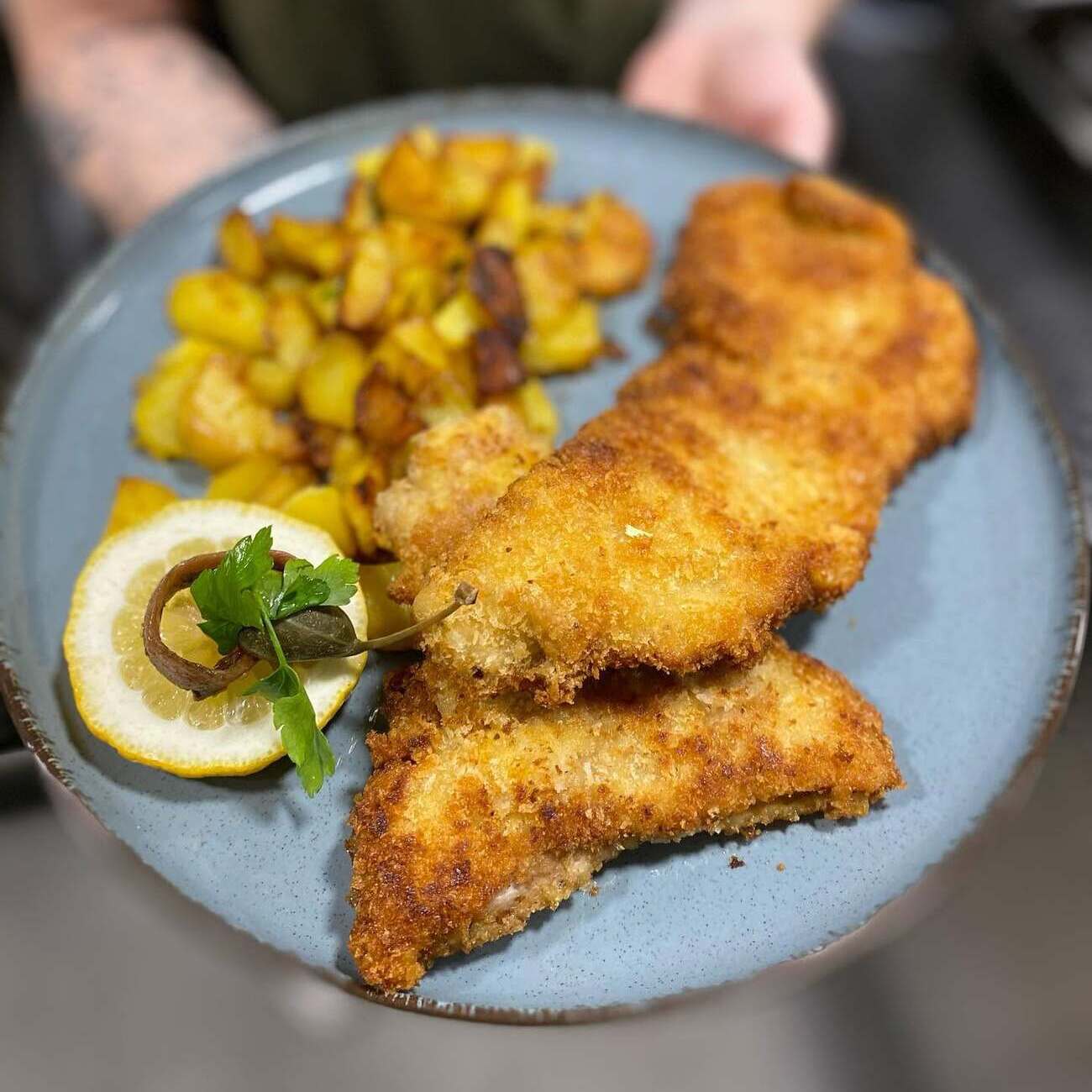
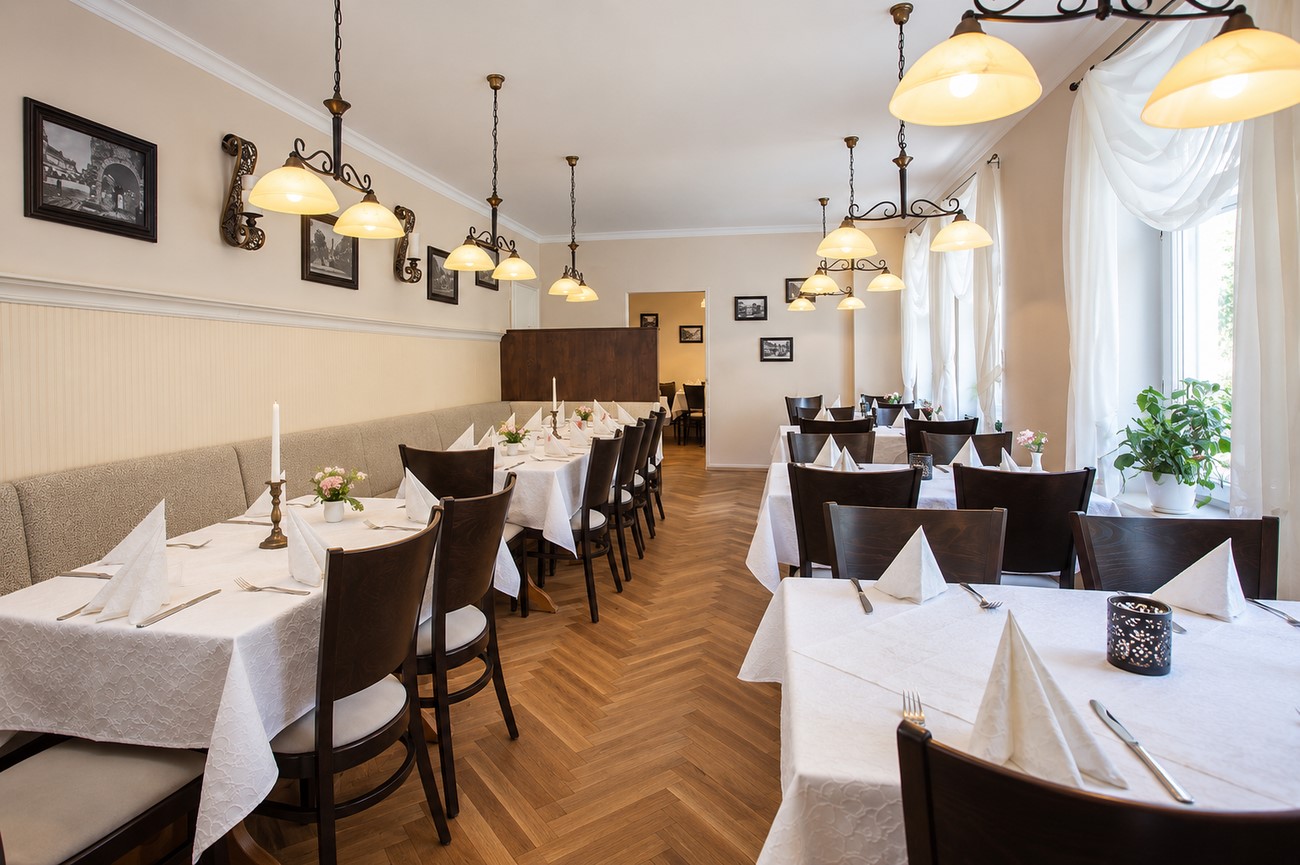
- Marktblick Restaurant is a popular mid-range restaurant in the centre of Wernigerode, close to the historic market square. The menu combines traditional German cooking with contemporary European and Mediterranean influences, with dishes ranging from schnitzel and fish to steaks and seasonal specialities. The atmosphere is relaxed and welcoming, with both indoor and outdoor seating, making it a good choice for a comfortable dinner after exploring the Old Town
Nordhausen Nord
- Waldschlösschen Nordhausen offers a more traditional dining experience away from the busiest streets. The menu typically leans toward hearty German cooking, with dishes built around meat, potatoes, vegetables and other familiar regional ingredients. It has a calmer countryside character that fits the surrounding landscape. The setting is particularly pleasant for an evening meal, when you can take your time rather than rushing between train connections.
- Restaurant Zum Socken offers a welcoming introduction to traditional German cuisine in the heart of Nordhausen. This charming gasthof is known for generous portions, home-cooked meals and familiar Thüringer Hausmannskost. You can enjoy a refreshing drink and a substantial meal without leaving the city center. Must-try dishes include the tender Hirschbraten, a rich roast venison with savory flavors; hearty Gulasch and Rinderzunge, a distinctive local specialty for adventurous diners seeking traditional German flavors.
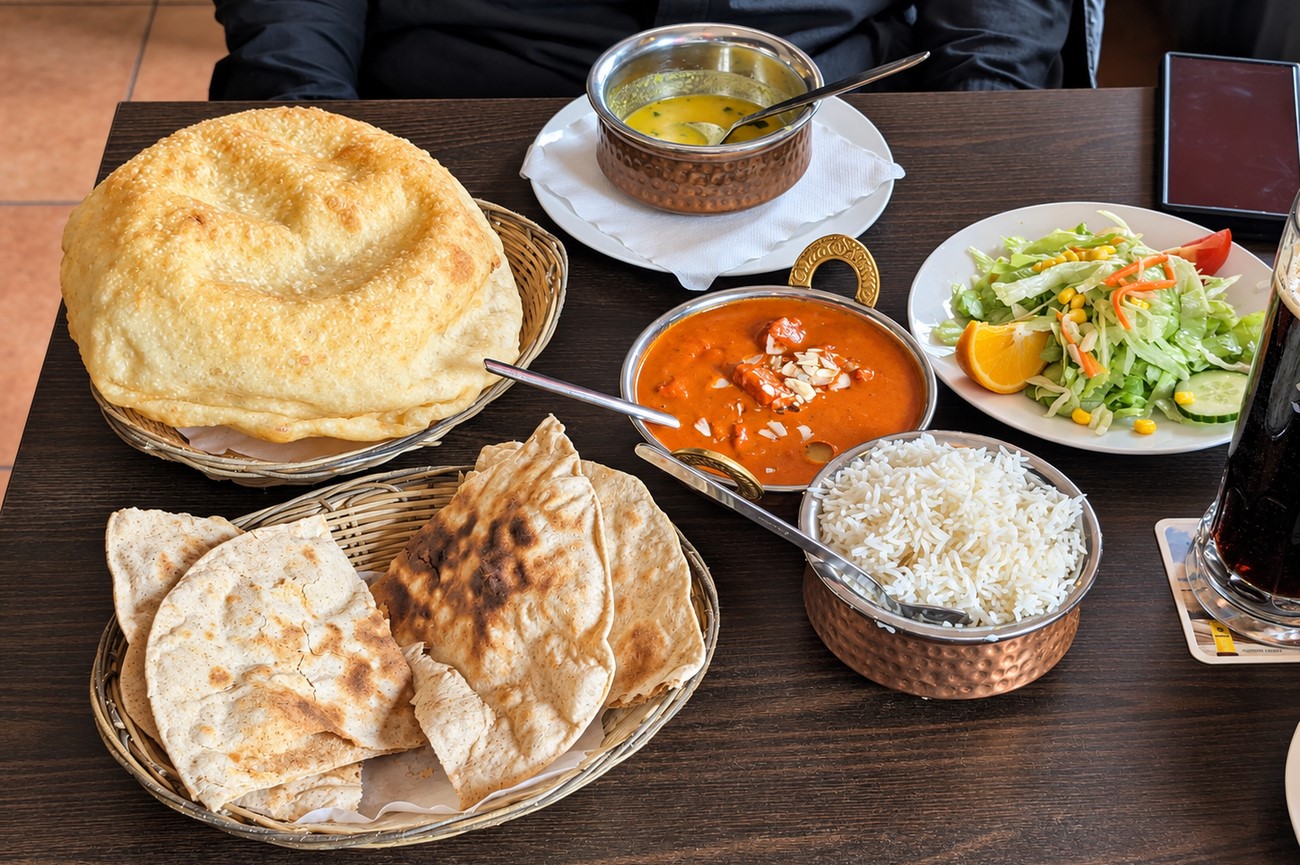
- Sadhu Restaurant provides a welcome change from the traditional Harz menus found throughout the region. This welcoming Indian restaurant in Nordhausen serves a broad selection of Indian dishes, alongside several Pakistani-style specialities. Open for lunch and dinner, the menu includes halal options as well as a good choice of vegetarian and vegan dishes.
Brocken
- Restaurant Luis: Located at Das Schierke HARZRESORT, Restaurant Luis serves traditional Harz dishes alongside modern German favourites, including regional trout, wild game, schnitzel, pasta and vegetarian and vegan options. It is open to both resort guests and outside visitors.
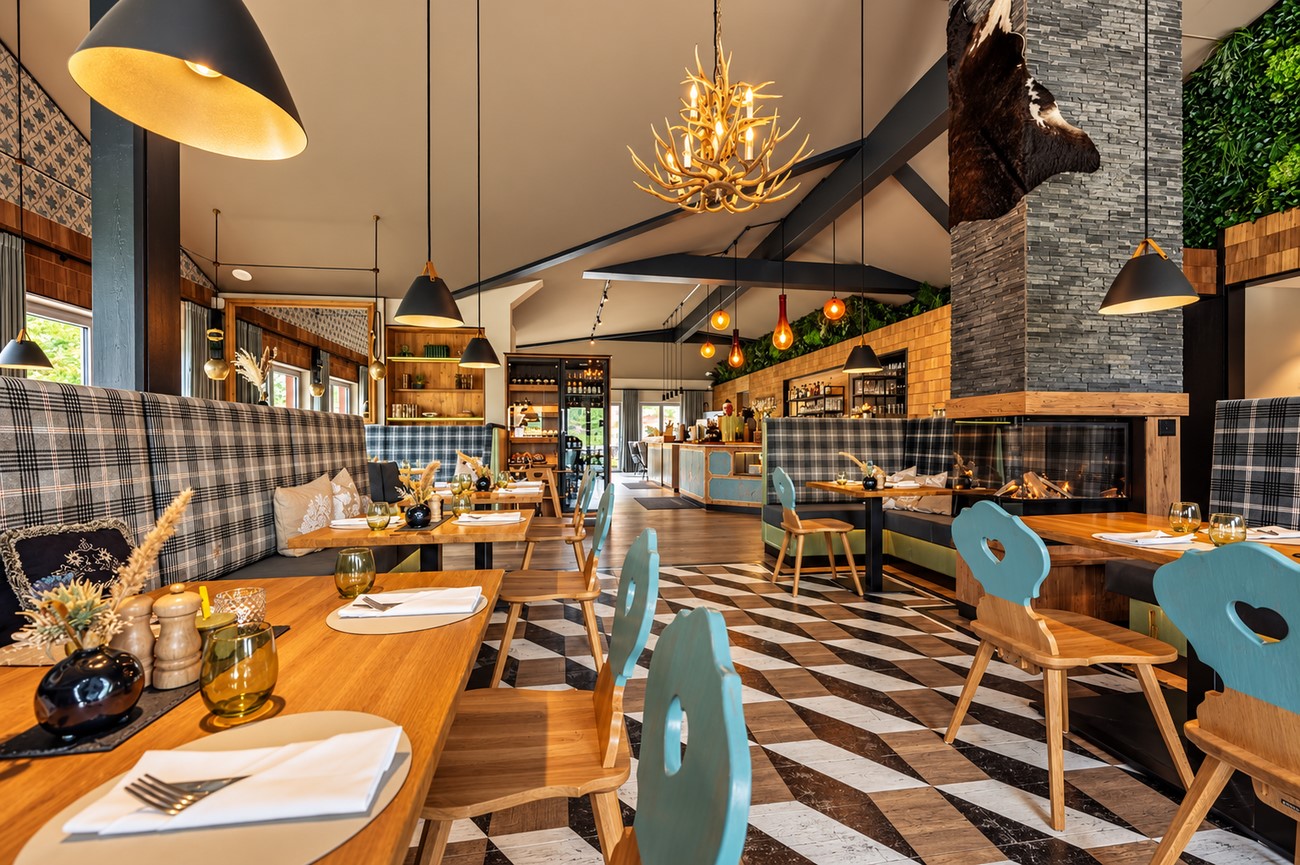
- Café Hexenflug is a small, cozy stop near the Brockenherberge. It sits close to the nearby museum, so you can easily stop in after viewing the exhibitions, including the section on radar history. Popular choices include Mohnkuchen with a latte macchiato, Erdbeerkuchen with a Teufelskuss and simple warm dishes such as Pizza Margherita and Milchreis.
Quedlinburg
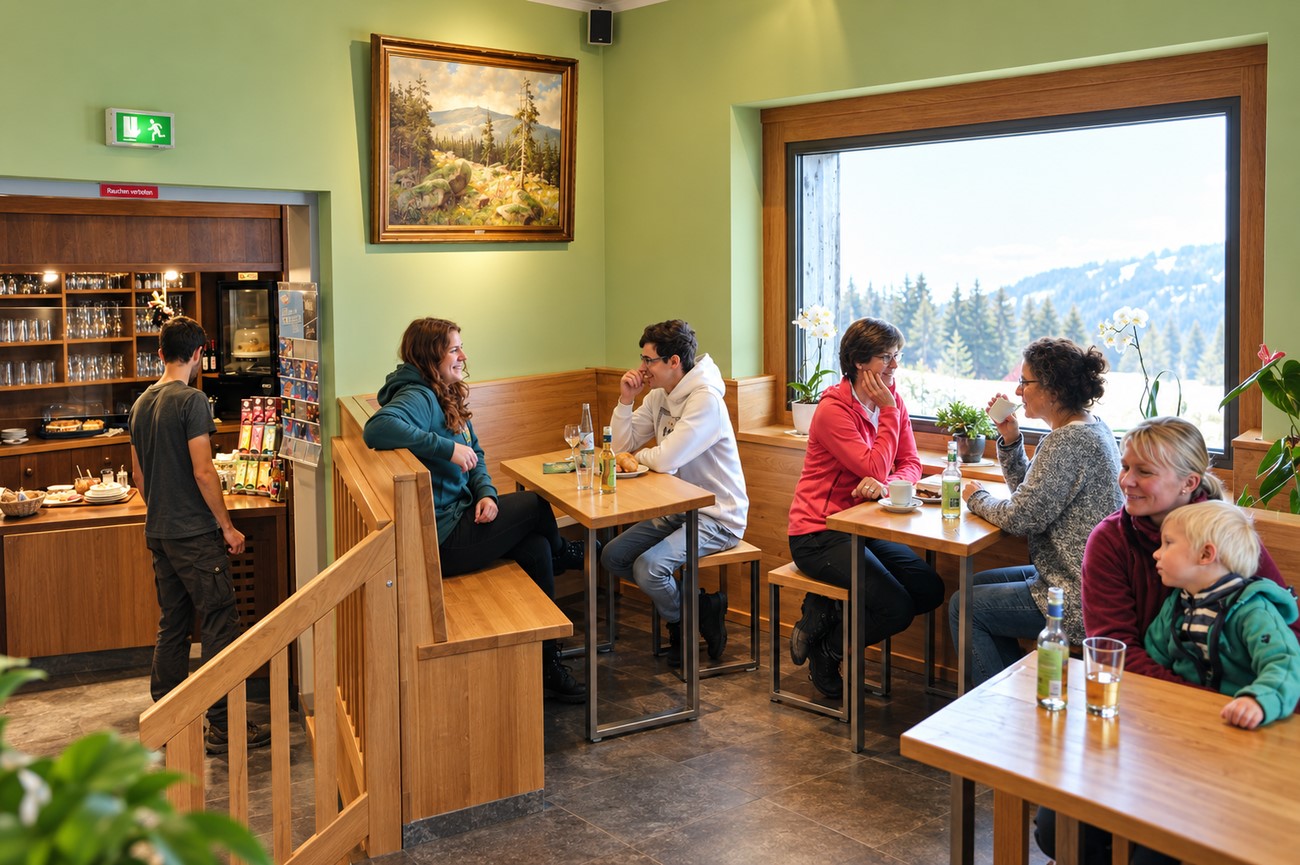
- Weinstube am Brühl occupies former stables that have been transformed into a warm and elegant restaurant. Terracotta tiles, rich colours and an old brick ceiling give the dining room a relaxed country atmosphere. The international menu follows the seasons, with a six-course Weinstuben-Menü available alongside vegan and vegetarian alternatives. You can add wine pairings to each course or order à la carte if you prefer a shorter meal. In summer, you can dine outdoors in the hotel’s attractive courtyard, while barbecue evenings run from June to August and are popular enough that booking ahead is recommended.
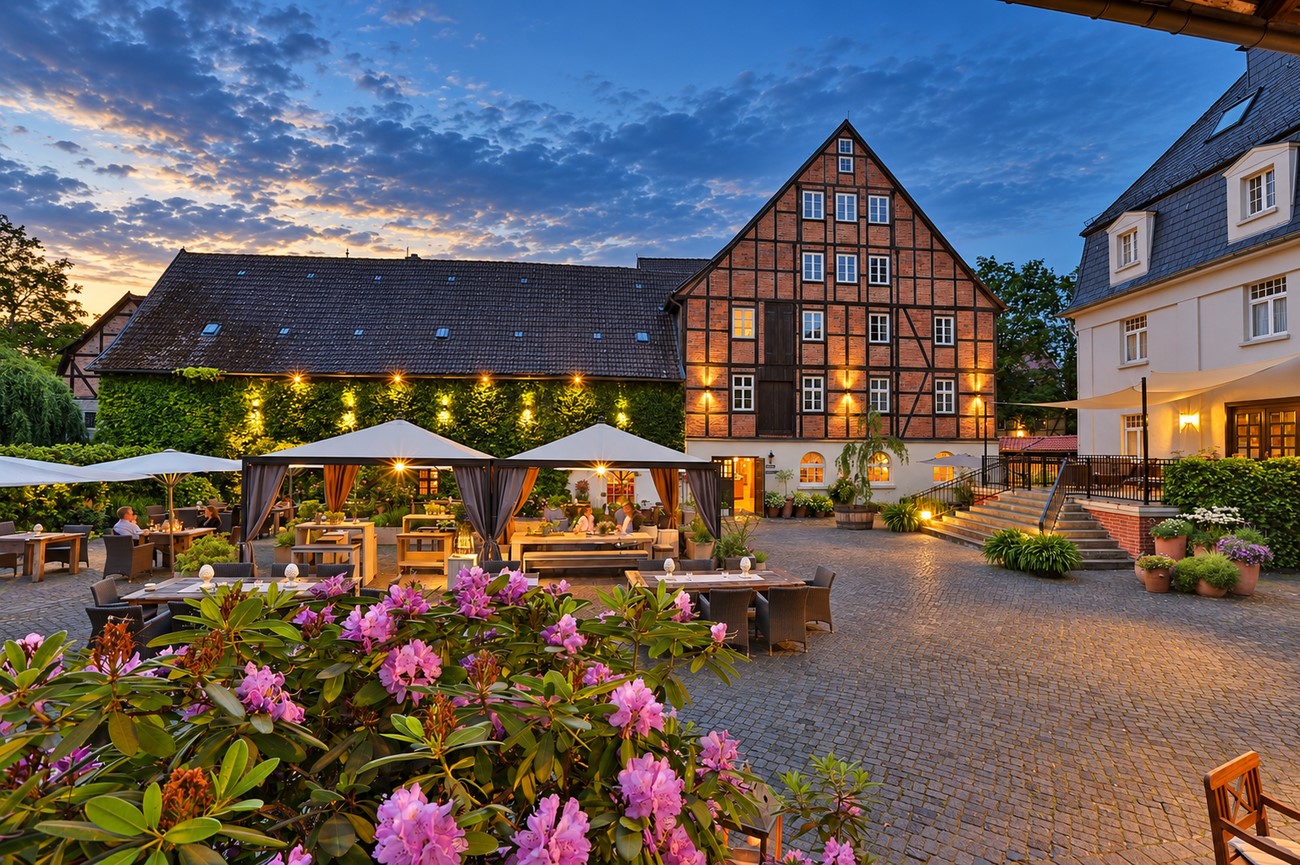
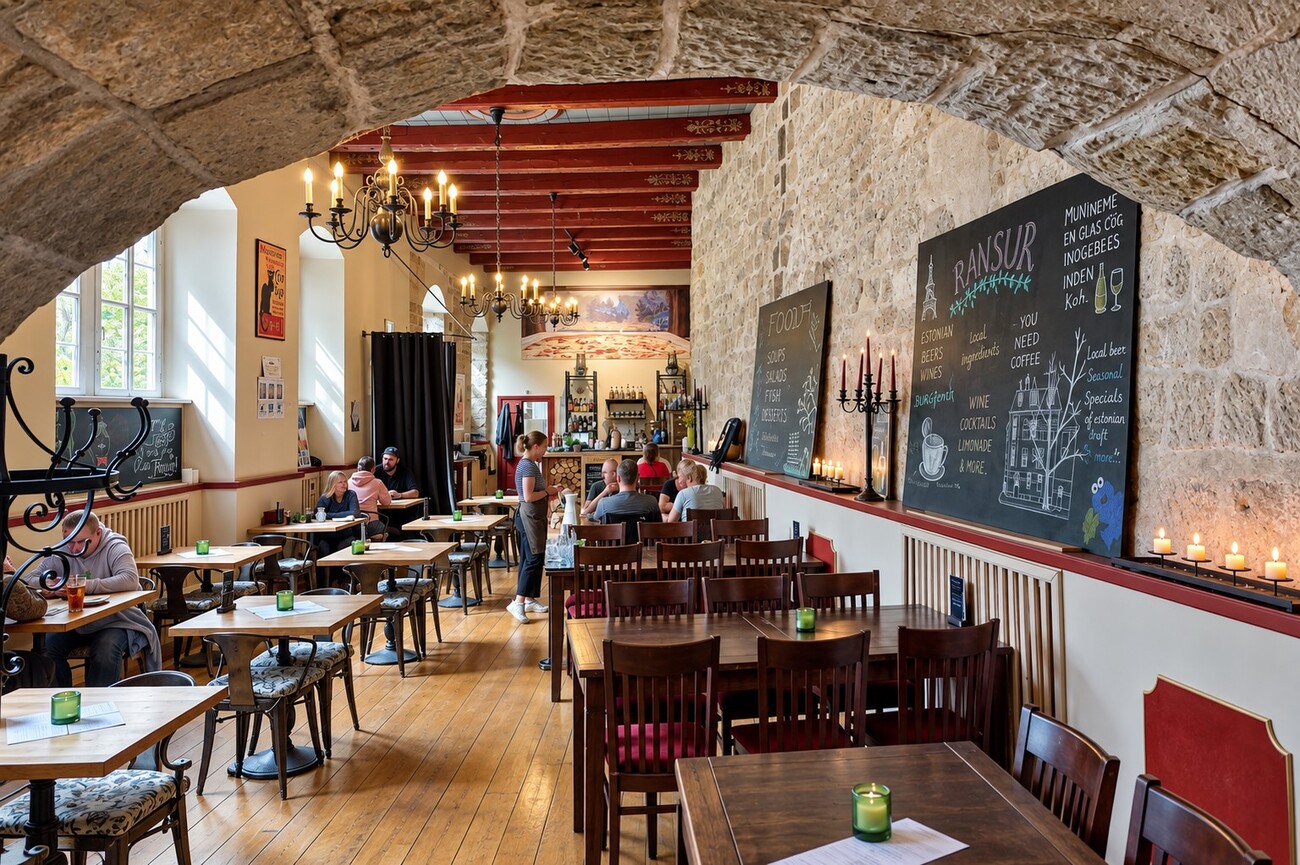
- Brauhaus Lüdde has been delighting locals and visitors in the heart of Quedlinburg since 1807. This charming brewery combines simple, inviting rooms with a lively restaurant set beneath a distinctive covered courtyard. The food is hearty and well suited to a day exploring the Harz. Pair traditional German dishes and seasonal specialties with Brauhaus Lüdde’s own beers, including limited seasonal brews that give regular visits something different. You should try out Kartoffelpizza, a local-style specialty that makes the menu more memorable than a standard brewery meal.
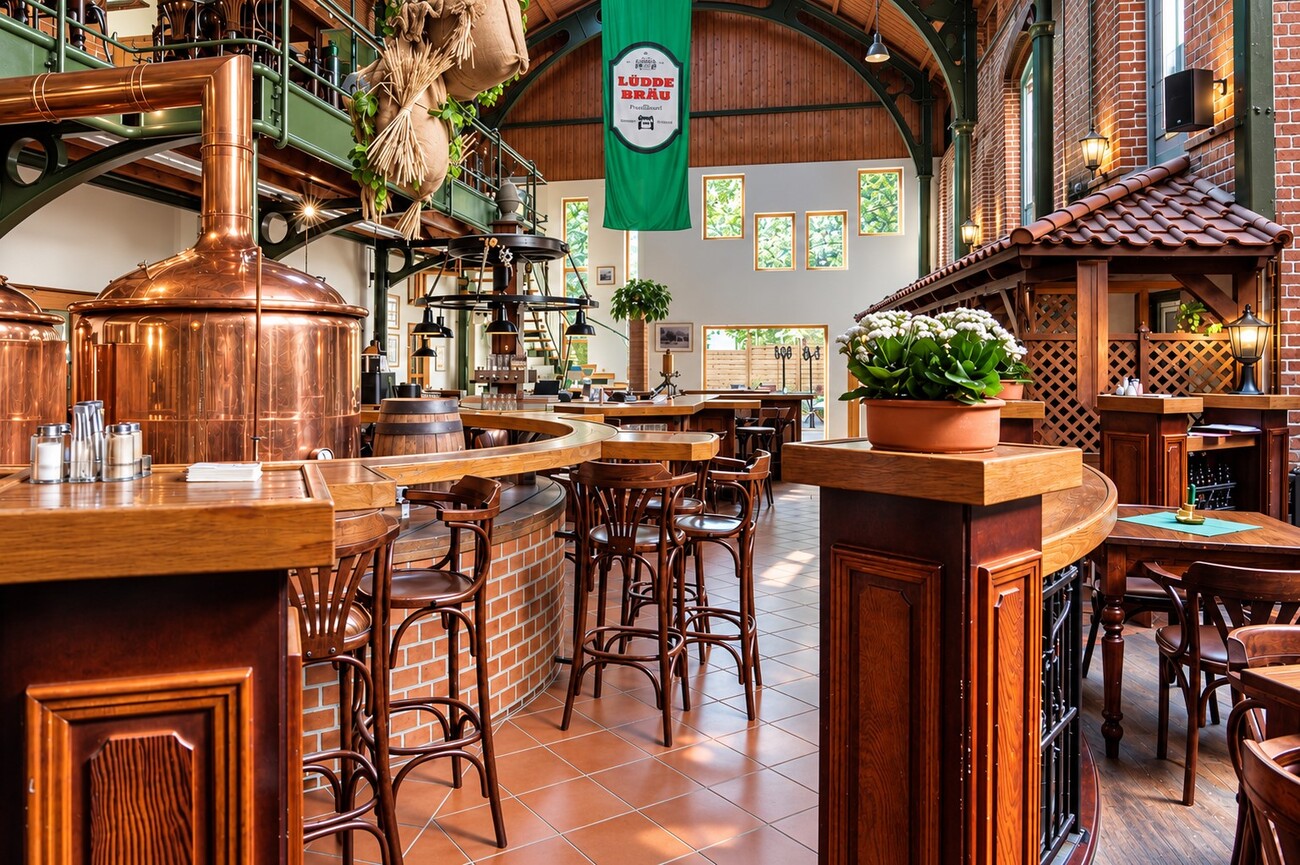
- Le Feu - Der Flammkuchen in Quedlinburg: Nestled among Quedlinburg’s charming cobblestone streets, Le Feu offers a relaxed take on dining in the historic town. The restaurant specializes in tarte flambée, with a wide selection of vegan and non-vegan options ranging from savory combinations to sweet versions. Healthy bowls add another choice when you want something lighter.
Eisfelder Talmühle
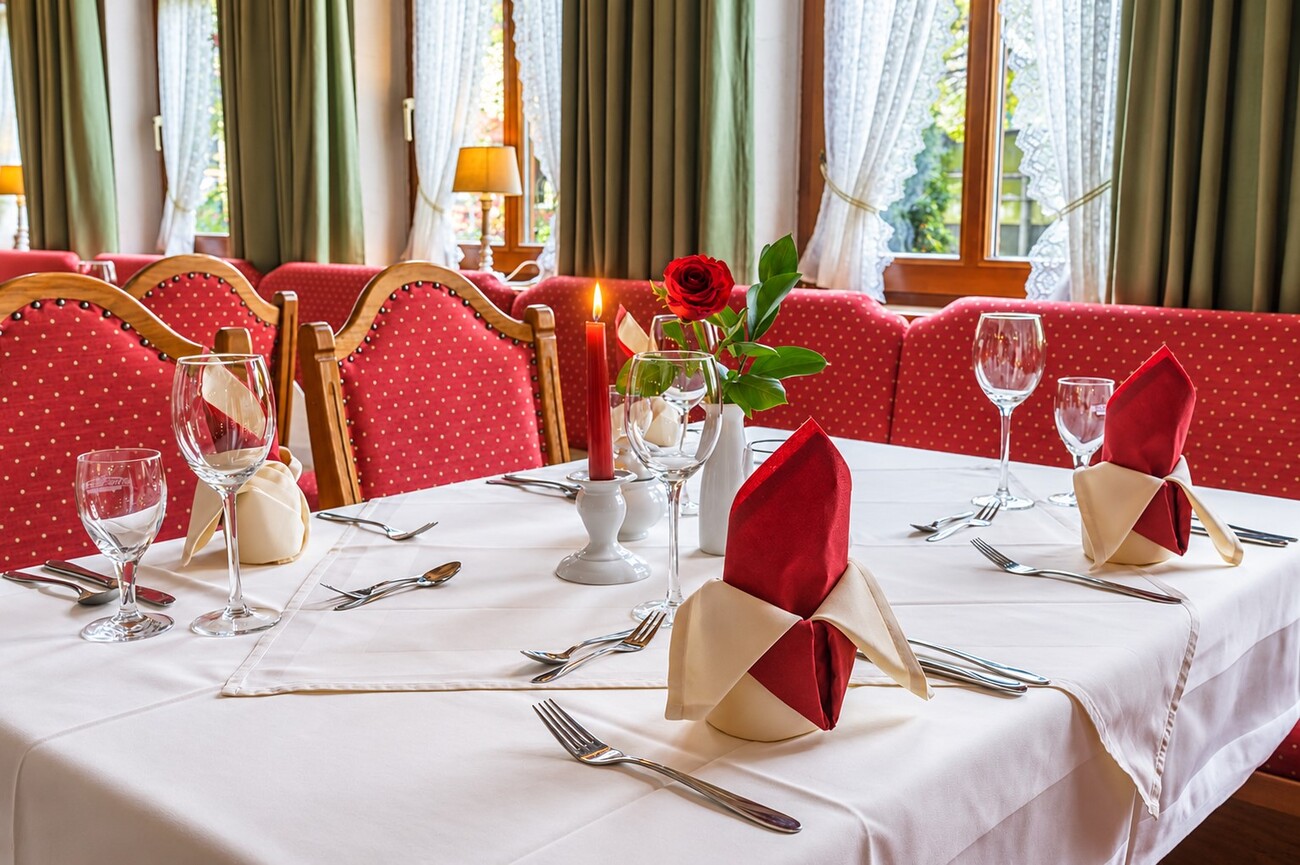
- Restaurant Stolberger Hof in nearby Stolberg is a stronger choice if you want a more complete dining experience around Eisfelder Talmühle. The historic town setting adds to the appeal, with restaurants surrounded by traditional buildings and forested hills. It serves classic German cuisine with regional influences, offering the type of dishes that fit naturally after hiking or riding the Harz railway. You can combine a meal here with a visit to Stolberg’s old town and castle.
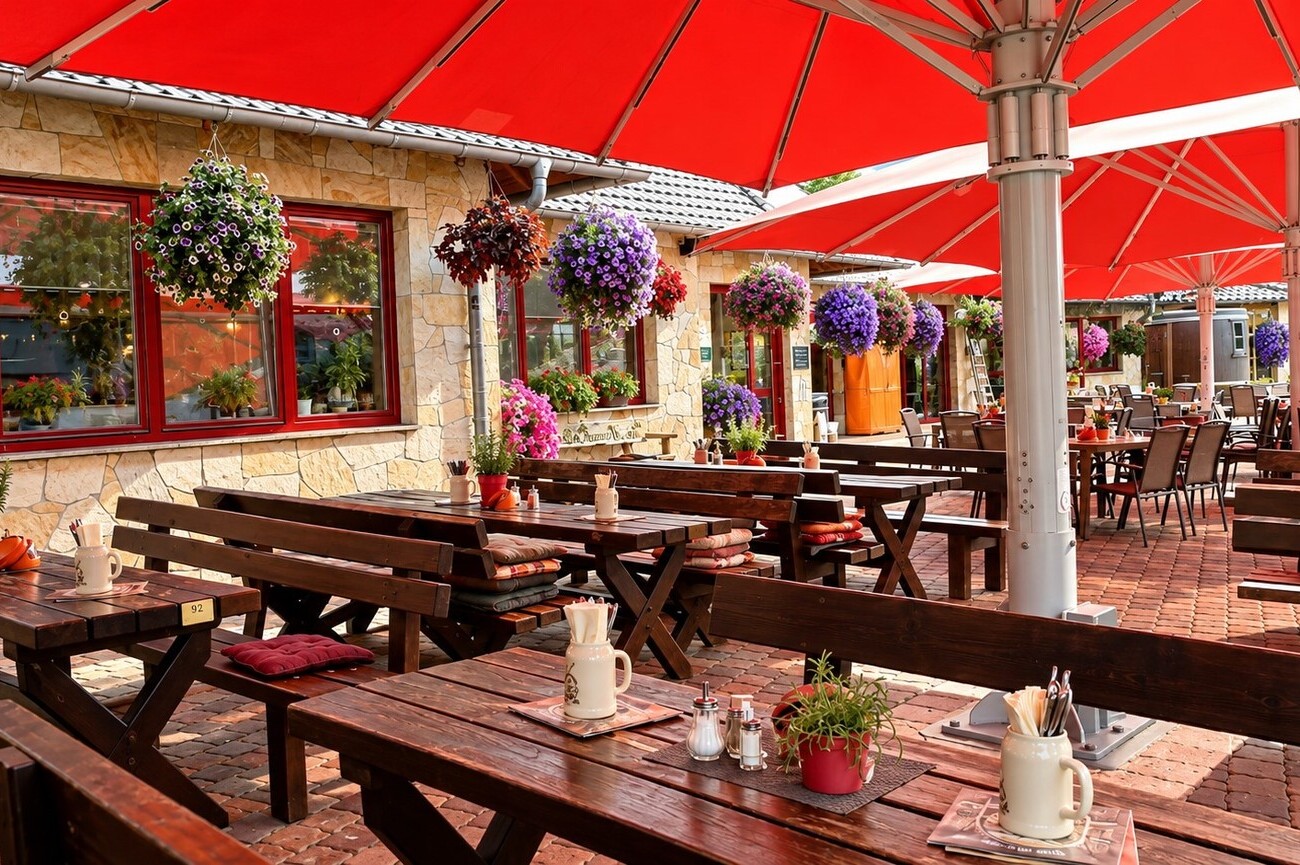
- Braugasthof Brauner Hirsch Sophienhof: Around 2.5 km from Eisfelder Talmühle station, Braugasthof Brauner Hirsch serves hearty Harz and Thüringen dishes alongside beer brewed on site. The rustic dining room has a relaxed atmosphere, while a beer garden offers outdoor seating in warmer weather.
Other Things To Do
The Harz Narrow Gauge Railway is only part of the experience. Add time for forest walks, historic sites, museums, local tours and outdoor activities that show you more of the region beyond the train windows. You can turn the journey into a multi-day trip without overplanning it.
Wernigerode
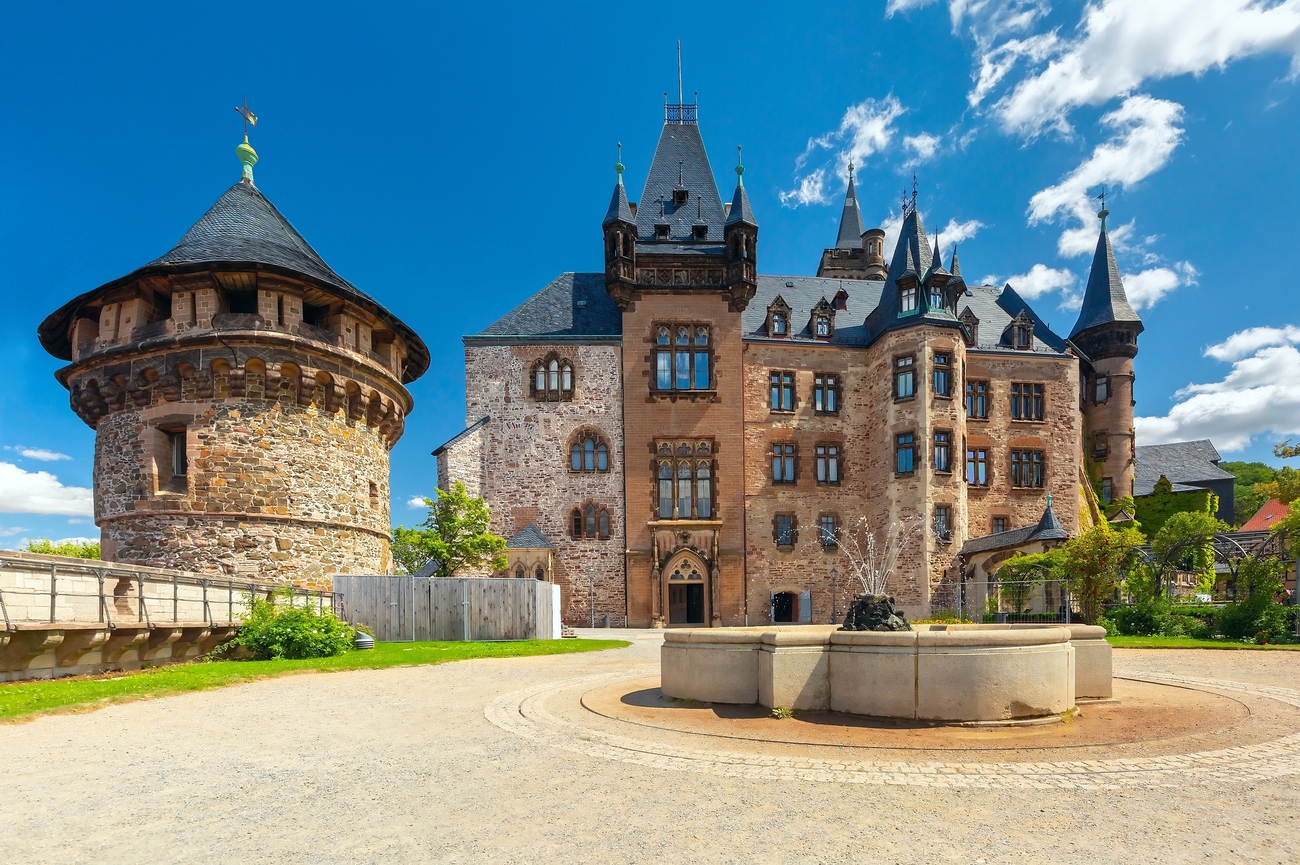
- Explore Wernigerode Castle: Wernigerode Castle is the town’s signature attraction, rising above the historic center with views across the Harz foothills. The former medieval fortress was transformed into a residence for the counts and princes of Stolberg-Wernigerode, and its rooms show how a noble household functioned between the 17th and 19th centuries. The classical tour lasts about one hour and takes you through the castle’s residential and representative rooms. Your guide explains the architecture, introduces former residents and shows how noble households lived. You can also book an evening tour where you’ll explore the illuminated castle in a quieter atmosphere and see Wernigerode and the Harz landscape after dark.
Nordhausen Nord
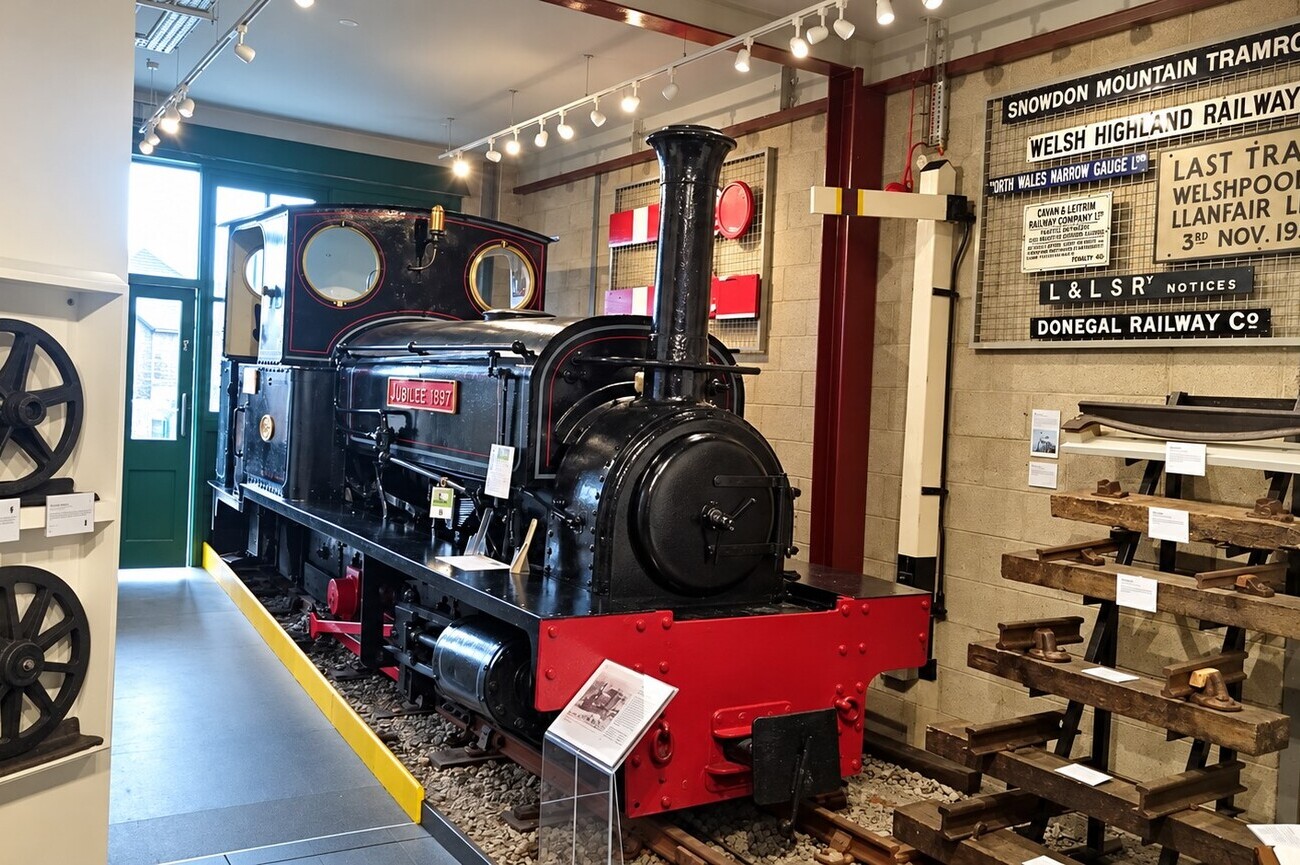
- Visit the Harz Narrow Gauge Railway Museum and Workshops: Before or after riding the steam trains, spend time learning how the railway actually works. The Harz Narrow Gauge Railway facilities in Wernigerode give you a behind-the-scenes look at the locomotives, workshops and maintenance work that keeps the historic network operating. You can join guided workshop tours where you can see the restoration and repair process rather than only watching trains arrive and depart.
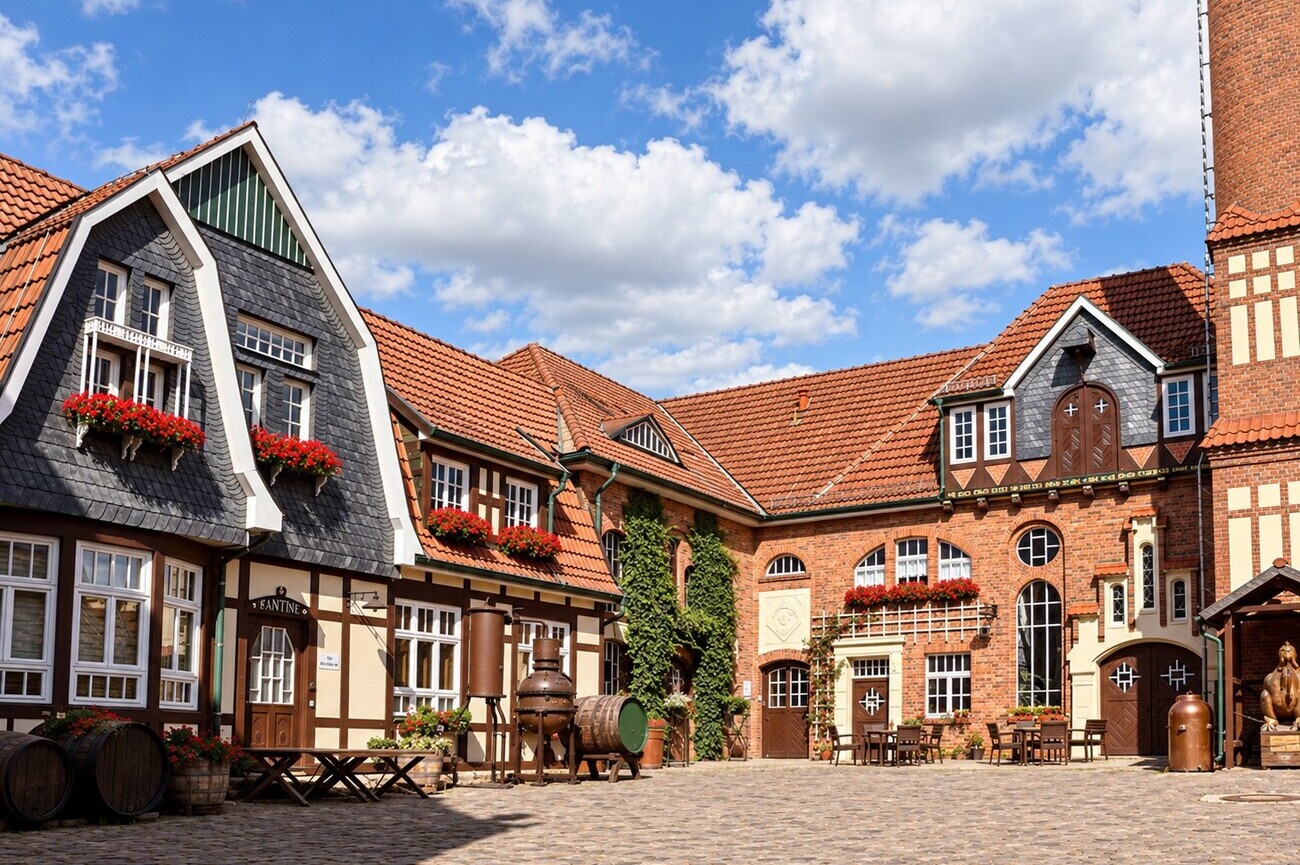
- Visit the Nordhausen Traditionsbrennerei: The Nordhausen Traditionsbrennerei is one of the city’s most unique cultural experiences. The museum explains the history of Nordhäuser Doppelkorn, a traditional grain spirit produced in the region for centuries. You can join guided tours that explain the production process, visit historic distillery spaces and learn how the drink became connected with the city’s identity.
Drei Annen Hohne
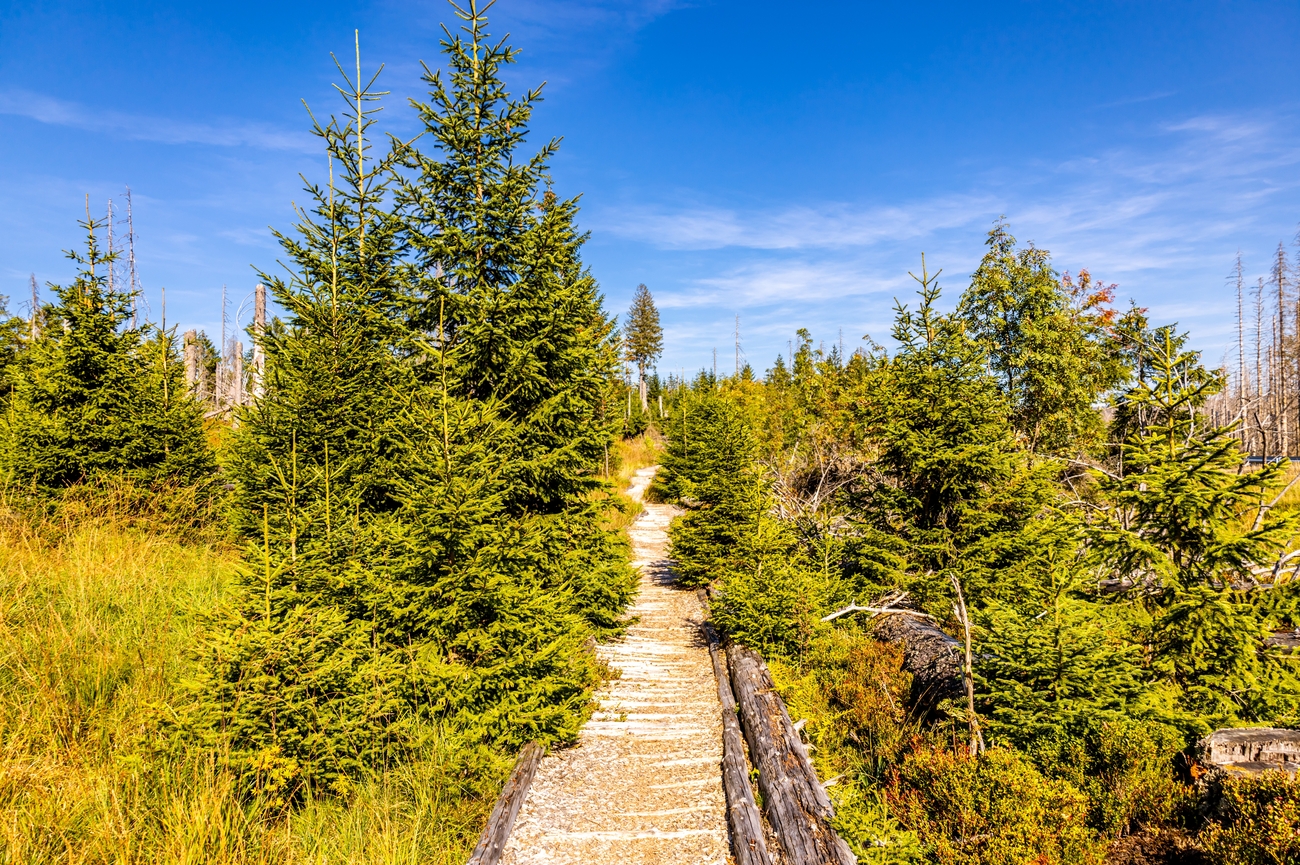
- Hike Through Harz National Park: Drei Annen Hohne sits close to Harz National Park, making it one of the best places to add a hiking day to your railway itinerary. The park covers much of the high Harz around the Brocken and is known for dense forests, mountain streams, rocky slopes, peat bogs and changing landscapes shaped by altitude. It is also an important conservation area, especially for native wildlife such as red deer, wildcats, black woodpeckers and the Eurasian lynx. Some forest areas have been left to regenerate naturally after storms, drought, and bark beetle damage, so you will see a mix of older trees, fallen trunks, young growth and open clearings.
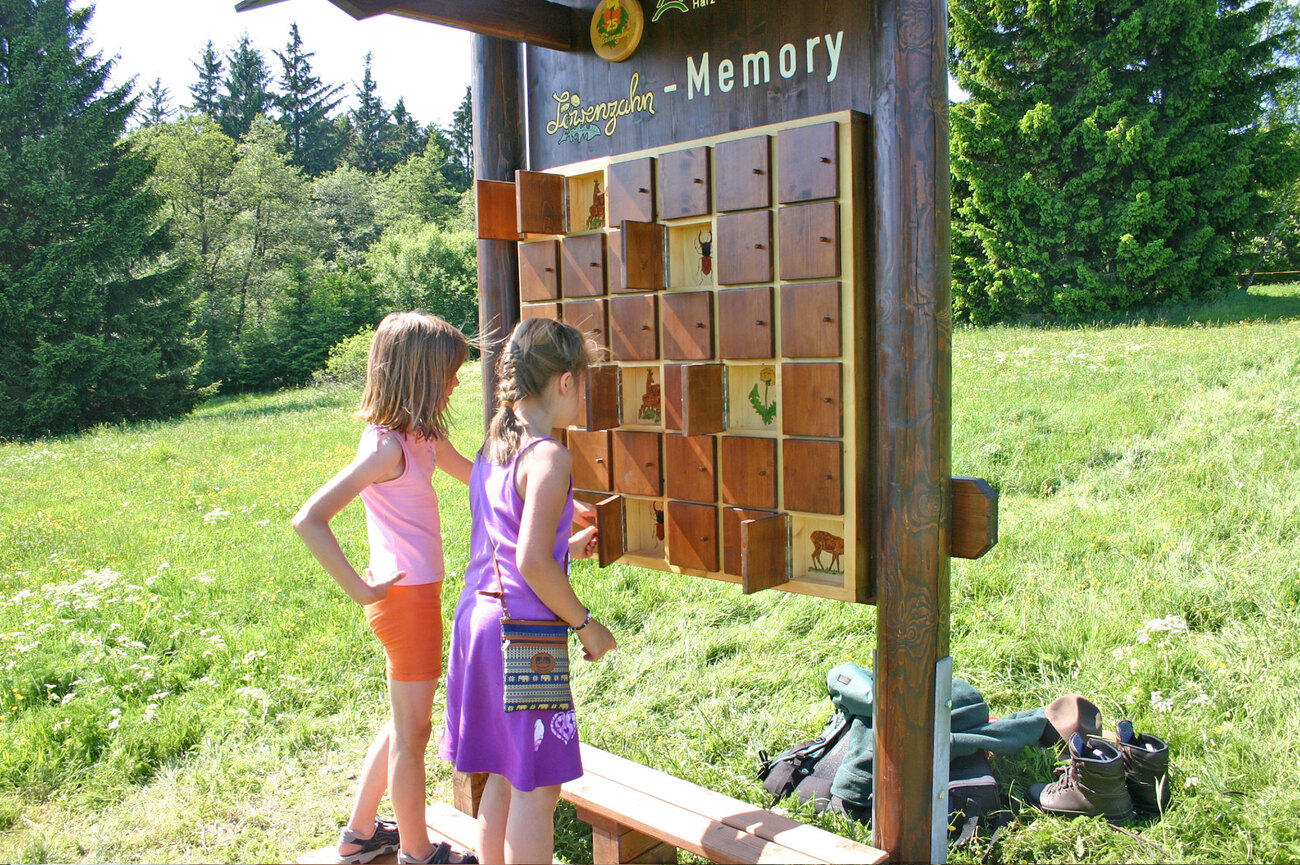
- Visit the Löwenzahn Discovery Path: The Löwenzahn Discovery Path near Drei Annen Hohne is designed as an interactive outdoor trail where visitors learn about the Harz environment through educational stations. It is mainly aimed at families, but adults who enjoy nature walks will also appreciate the route. The trail introduces local plants, animals and forest ecosystems in a more relaxed way than a traditional museum.
Brocken
- Discover Brockenhaus: Brockenhaus is the main museum and visitor center at the summit, housed in a former Soviet listening station. Its exhibitions explain Brocken’s natural environment, the mountain’s role during Germany’s division and the surveillance systems that once made the summit a restricted military zone. You will see displays about the Cold War border, intelligence operations, local wildlife and the harsh weather conditions that shape life at the top of the Harz. The building also gives you a useful overview of how Brocken changed from a restricted military site into one of Germany’s most visited mountain destinations. The nearby Brocken Garden is another worthwhile stop, with alpine plants that survive the mountain’s cold, windy climate.
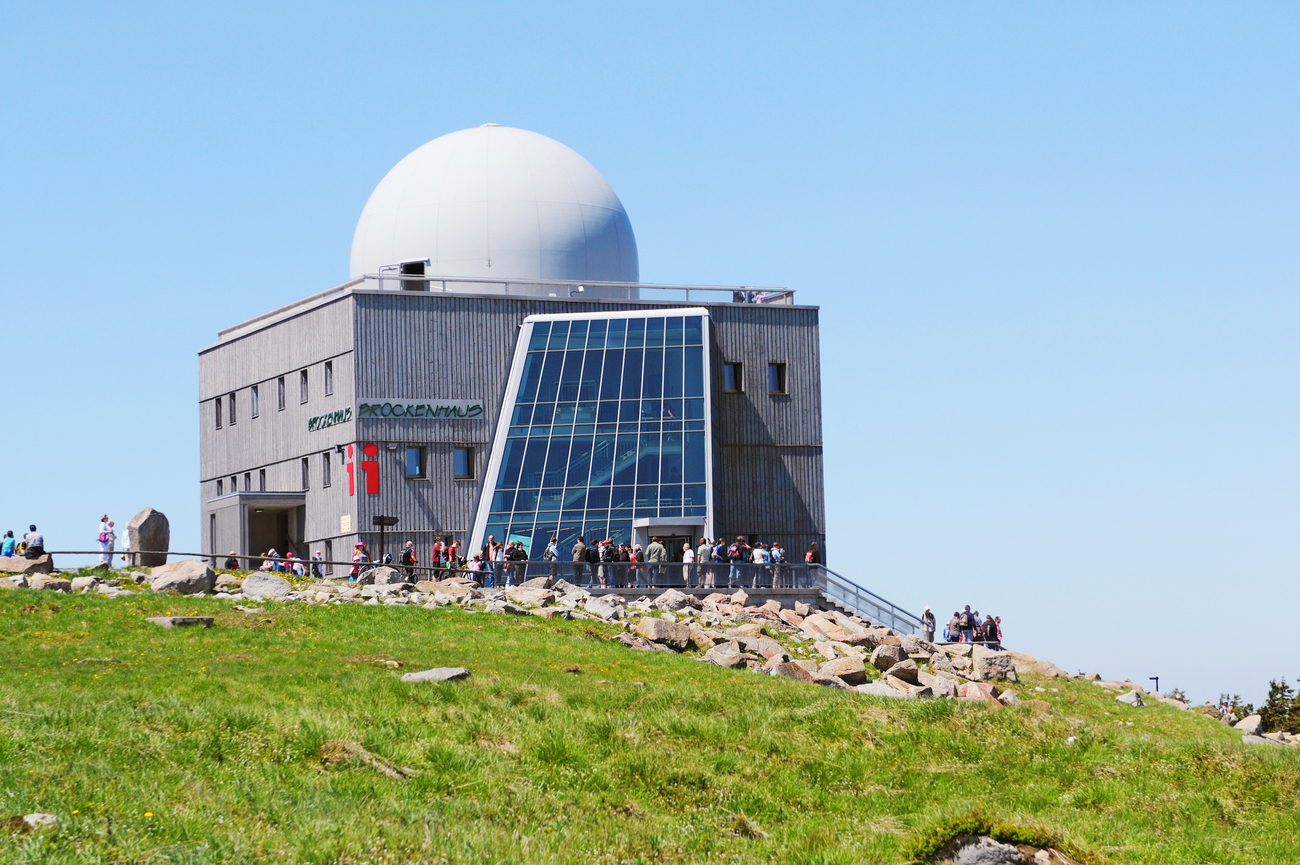
- Hike the Brocken Trails: While many visitors reach Brocken by steam train, hiking remains one of the best ways to experience the mountain. Several trails connect Brocken with Schierke and other parts of Harz National Park. The most popular route is the trail from Schierke, which lets you combine a morning hike with a return journey on the Brockenbahn. You can join guided hikes if you want deeper knowledge about geology, plants, wildlife and conservation.
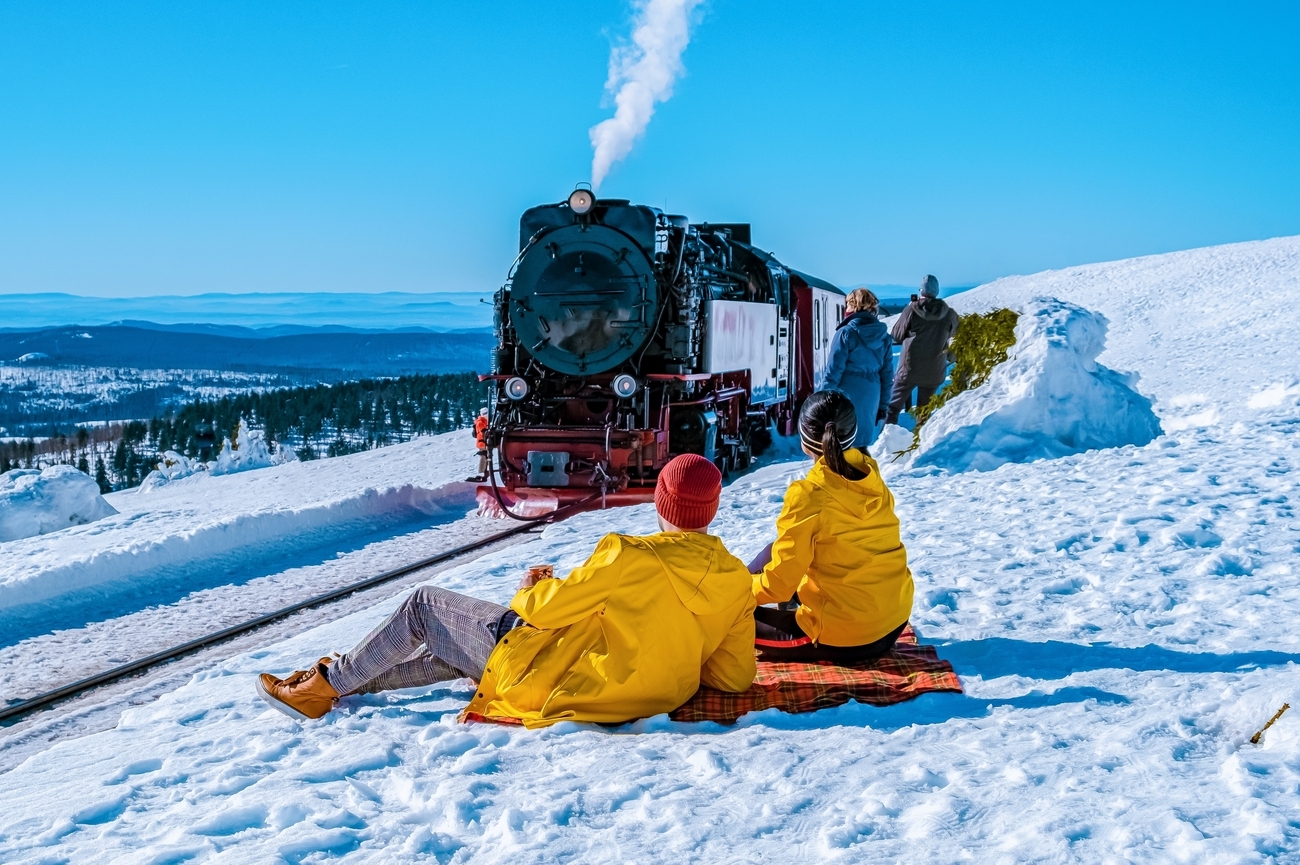
Quedlinburg
- Walk the UNESCO Old Town and Castle Hill: Quedlinburg’s old town is the main attraction, with more than 1,000 half-timbered buildings spread across medieval streets. Walking through the center is the easiest way to understand why the town received UNESCO World Heritage status. You can join private tours which often include the castle hill, St. Servatius Church and hidden corners that are easy to miss.
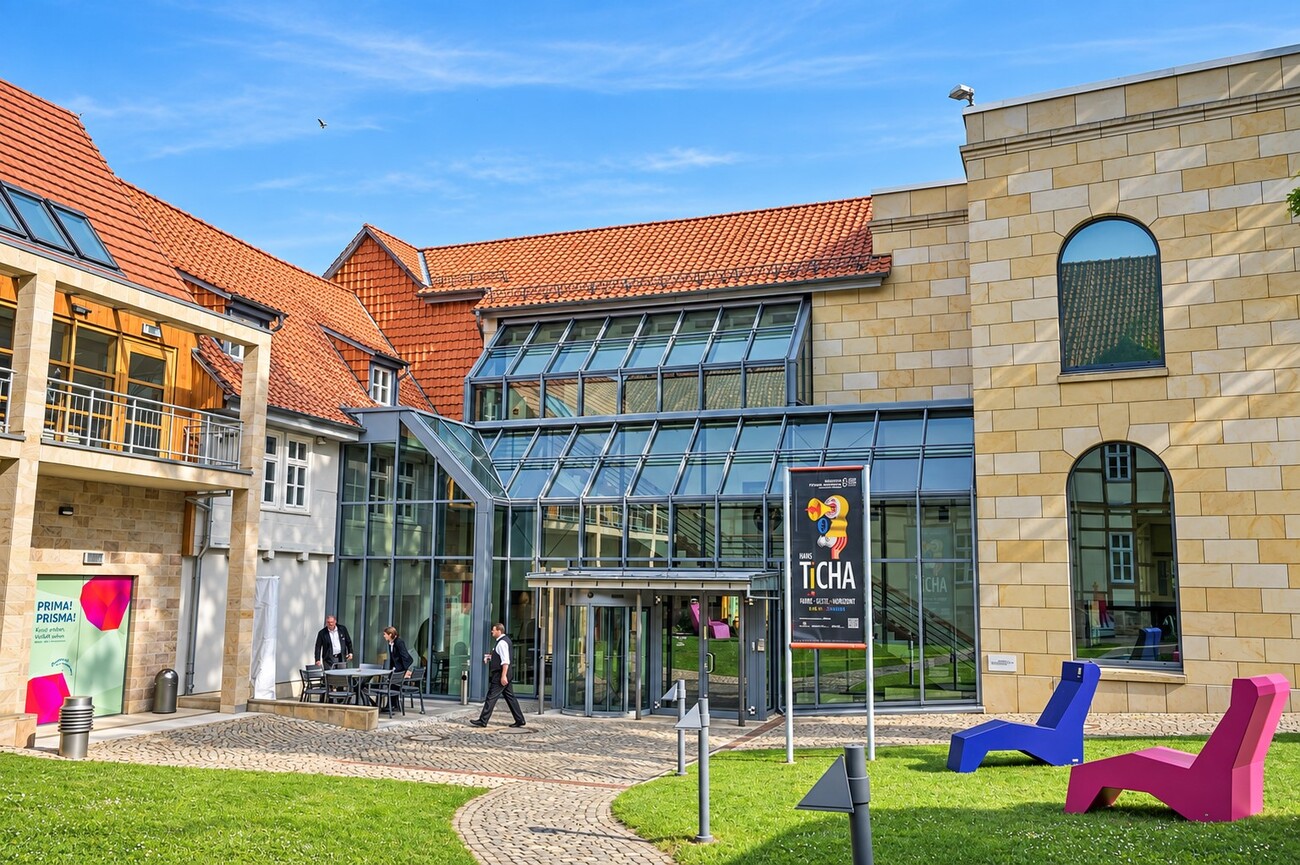
- Visit Lyonel Feininger Gallery: The Lyonel Feininger Gallery is one of Quedlinburg’s most interesting cultural stops. The museum is dedicated to the German-American artist Lyonel Feininger, who spent time in Quedlinburg and used the town’s architecture, churches and narrow streets as inspiration. Its collection includes prints, drawings, watercolors, and graphic works. This is located near Quedlinburg’s historic center, making it easy to combine with a walking tour of the old town and castle hill. Alongside Feininger’s work, the museum also presents temporary exhibitions connected to modern art and graphic design, so the displays can change throughout the year.
Eisfelder Talmühle
- Discover the Selke Valley Hiking Routes: The forests and valleys around Eisfelder Talmühle offer some of the most peaceful walking areas connected to the railway network. You can follow trails alongside streams, through woodland paths and across open mountain landscapes, usually with fewer visitors than in the Brocken area. Take your time here and enjoy a quieter side of the Harz, where the main attraction is simply being outdoors. You can also hike independently using marked routes or join regional guided walks.
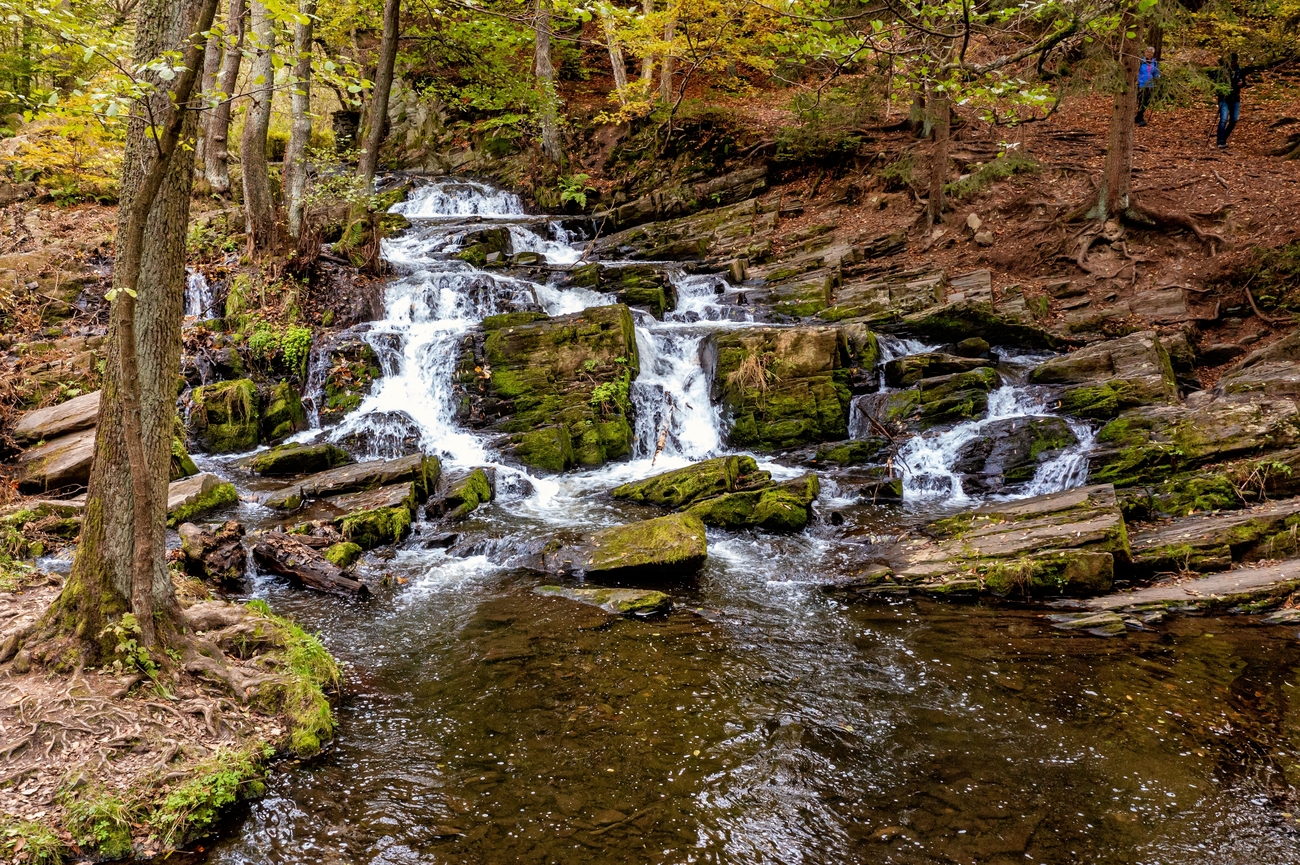
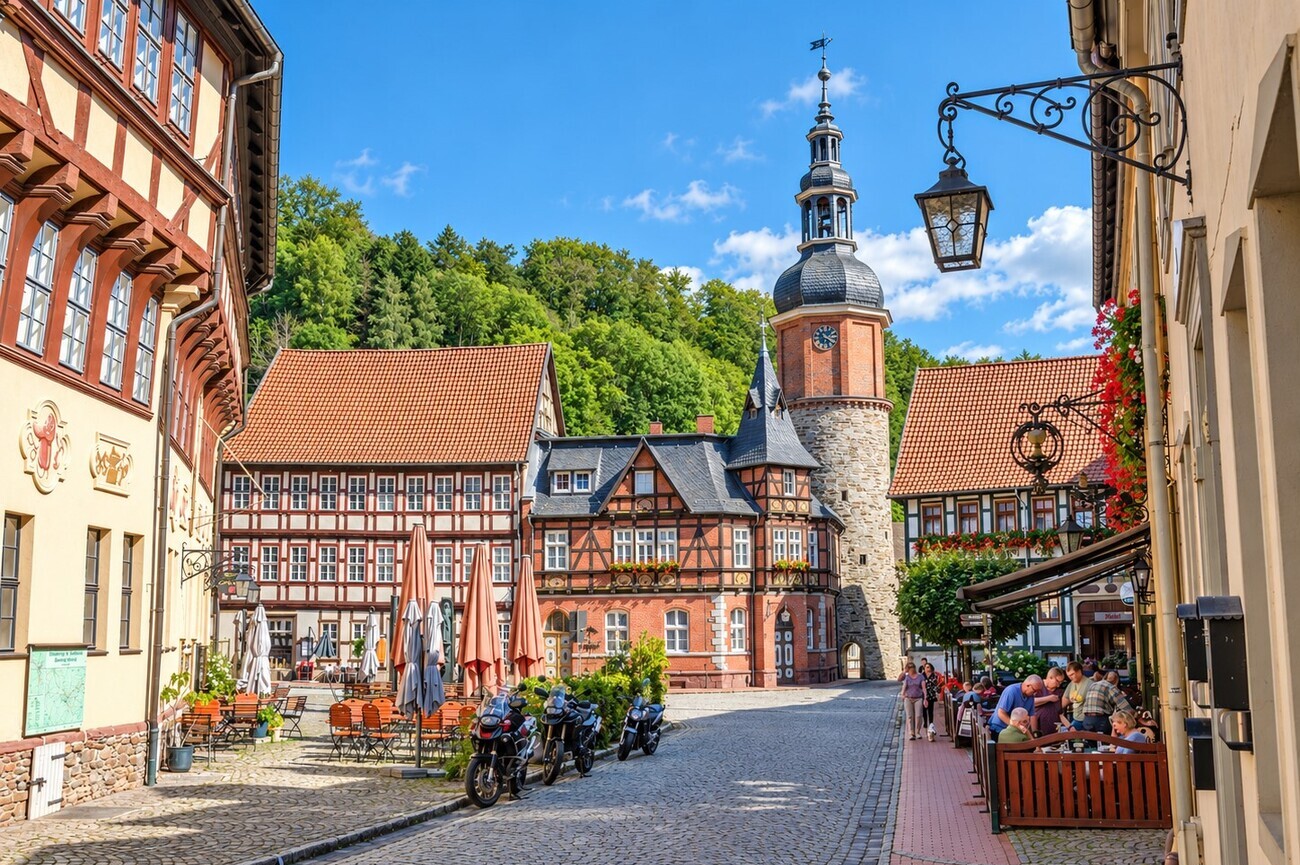
- Visit Stolberg: Stolberg is one of the best nearby additions to an Eisfelder Talmühle stop. Many of the buildings date from the 15th to 18th centuries, giving the town a well-preserved medieval character. You can walk through the old center, visit the market square and follow the streets uphill toward the castle. Stolberg Castle has medieval origins but was later expanded and remodeled and its position above the town gives you clear views across the surrounding Harz hills. The town is also connected with Juliana of Stolberg, an important figure in the early history of the House of Orange-Nassau.
If you would like to experience the Harz Narrow Gauge Railway as part of a wider journey through the country, our tailor-made Germany tours can combine the railway with historic towns, mountain landscapes and other distinctive parts of Germany, planned around the way you want to travel.


Let us know what you love, where you want to go, and we’ll design a one-of-a-kind adventure you’ll never forget.
Get in touch
Miriam
Travel Specialist

Romina
Travel Specialist

Laura
Travel Specialist
Frequently Asked Questions
-
Do I need to reserve a seat on the Harz Narrow Gauge Railway?
Regular HSB trains have open seating, so individual passengers do not normally reserve a specific seat. A seat is not guaranteed, however, and morning trains towards Brocken can be particularly busy. Group reservations are available for groups of eight or more.
-
Can I take a dog on the Harz Narrow Gauge Railway?
Yes. Dogs are generally welcome on HSB trains. Small dogs travelling in a suitable closed carrier can travel free, while larger dogs require their own ticket. Special rules apply to dogs travelling towards Brocken, so check the latest HSB conditions before travelling.
-
Can I take a bicycle on the Harz Narrow Gauge Railway?
Yes. Bicycles can normally be carried free of charge when space is available. On steam trains, bikes are usually placed in the luggage van, while carriage on railcars depends on available capacity.
-
Are there toilets on the Harz Narrow Gauge Railway trains?
Yes. Toilets are available on the steam trains and on some of the railway's railcars. Facilities can vary between trains, so it is sensible to use station facilities before longer journeys when possible.
-
Can you buy food and drinks on the train?
Regular Harz Narrow Gauge Railway services do not normally have onboard catering. Some stations have snack or refreshment options, so it is worth buying drinks or food before boarding if you are taking one of the longer journeys.
-
Is the Harz Narrow Gauge Railway accessible for wheelchair users?
Accessibility varies across the network. From May to October, lifting equipment is available at Wernigerode, Drei Annen Hohne and Brocken, and many Brocken steam trains have carriages with space for wheelchairs. However, onboard toilets are not wheelchair accessible, so it is best to check arrangements with HSB before travelling.
-
Are Harz Narrow Gauge Railway tickets tied to a particular train?
Tickets travelling to Brocken are tied to the selected outbound train, while passengers with a return ticket can choose their return service. On other sections of the HSB network, tickets are generally not restricted to a particular train.
-
Can Revigorate include the Harz Narrow Gauge Railway in a tailor-made Germany tour?
Yes. Revigorate can incorporate the Harz Narrow Gauge Railway into a tailor-made Germany itinerary, combining the steam railway with places such as Wernigerode, Quedlinburg and the Harz Mountains, as well as other destinations across Germany. The itinerary can be designed around your preferred travel style, interests and amount of time available.
Our offices:


Revigorate, Iberian Escapes and Algarve Lifestyle are the registered brand names of APCS Lda . We are a fully authorised travel agency licensed by Turismo de Portugal RNAVT/6867.
In the event of a dispute, the consumer may refer to: RAL - Centros de Arbitragem
Avª. 5 de Outubro, nº. 55, R/C Dtº. 8000-075 Faro, Portugal | Tel: +351 289 823 135 *
* national landline call
E-mail: info@consumoalgarve.pt| www.consumidoronline.pt | Mon to Fri: 9:00 - 13:00 / 14:00 - 17:00