Arlberg Railway: Journey Through the Heart of the Austrian Alps

The Arlberg Railway was built to connect eastern and western Austria across some of the most challenging terrain in the Alps. Opened in 1884, the line linked Innsbruck with Bludenz via the Arlberg Pass, creating a faster and more reliable connection between Tyrol and Vorarlberg. Its construction was a major engineering achievement, requiring steep gradients, substantial viaducts and the 10.6-kilometre Arlberg Tunnel, which remains one of the defining features of the route.
More than 140 years later, the railway remains one of the most rewarding ways to cross the Austrian Alps. The journey passes through the Inn Valley before climbing towards St. Anton am Arlberg, crossing beneath the Arlberg Pass and descending through the Klostertal towards Bludenz. Along the way, mountain resorts, forests, valleys and small Alpine communities reveal the changing character of western Austria.
The line also connects two regions with distinct identities. Tyrol is strongly associated with dramatic mountain landscapes and Alpine tourism, while Vorarlberg combines mountain scenery with its own architectural traditions, villages and cultural influences from neighbouring Switzerland and Liechtenstein. The Arlberg Railway is more than just a convenient way to travel between Tyrol and Vorarlberg. It is a scenic Alpine journey that is well worth experiencing in its own right.
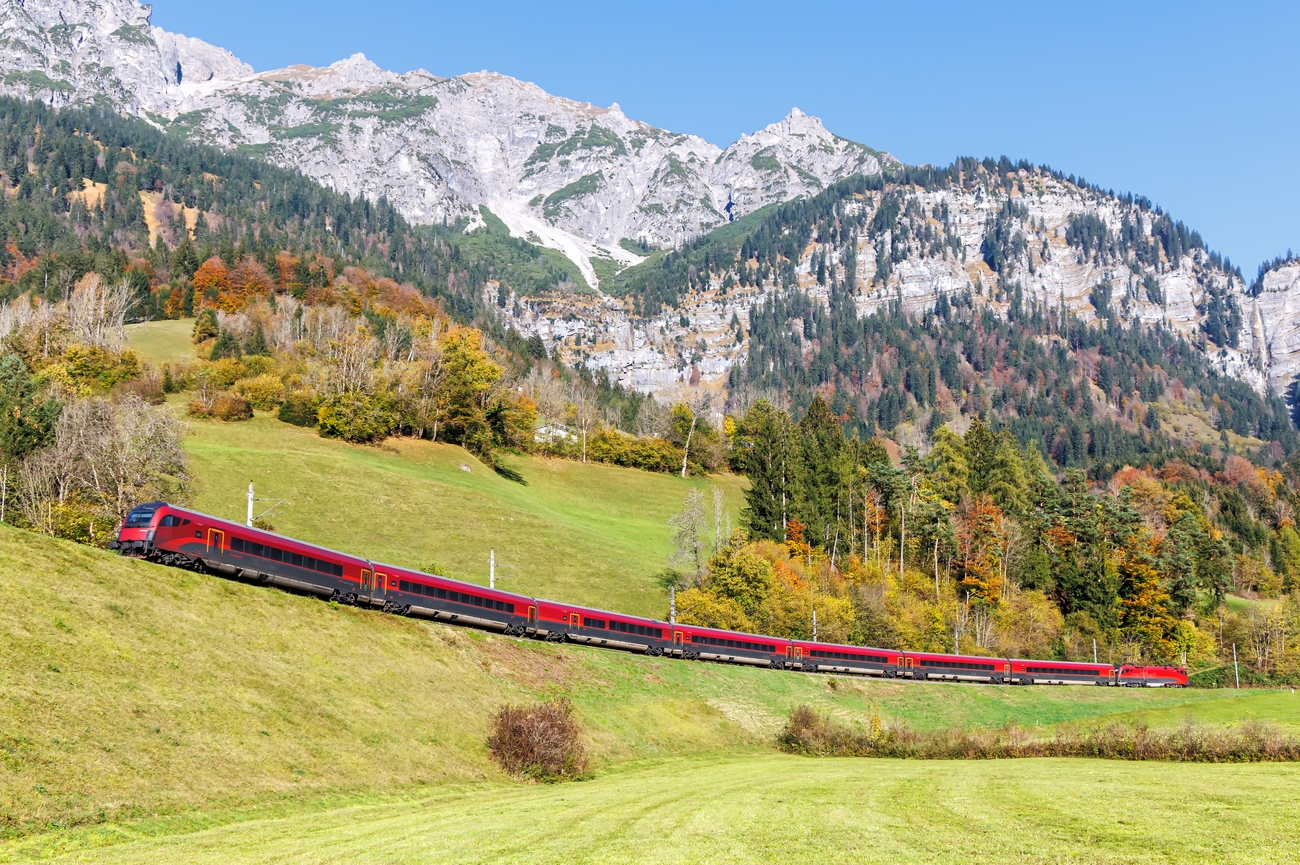
Trains Running Along the Arlberg Railway
The Arlberg Railway forms part of Austria's regular rail network rather than operating as a dedicated scenic train. The route is used by ÖBB Railjet and Railjet Xpress services, together with selected Intercity trains, WESTbahn services and regional trains covering shorter sections of the line. Overnight Nightjet services also use the route.
For most travellers making the full journey between Innsbruck and Bludenz, Railjet or Railjet Xpress is usually the most convenient option. These trains provide direct long-distance connections and generally stop at important stations along the route, including Landeck-Zams and St. Anton am Arlberg.
WESTbahn also operates modern double-decker trains between Innsbruck and Bregenz via the Arlberg. Intercity services are available on selected departures, while regional trains are more useful if you want to explore smaller towns rather than travel directly across the mountains.
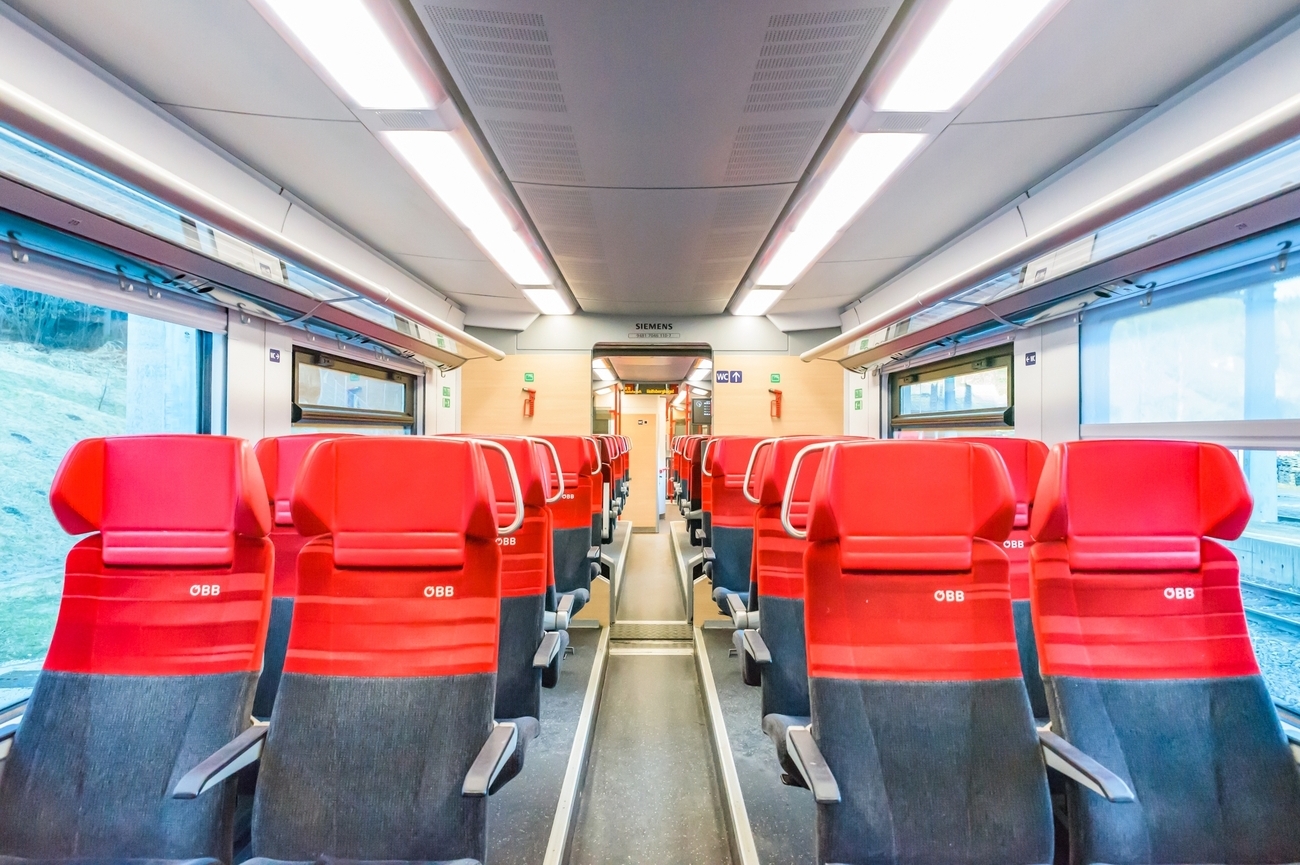
Onboard facilities depend on the operator and train type. Railjet services offer Economy, First and Business Class, with Wi-Fi, power outlets, luggage storage and onboard catering available on many departures. WESTbahn offers a different seating layout and onboard service, while Intercity and regional trains may have simpler facilities.
If seat comfort or onboard catering matters to you, check the train type shown in the timetable before booking, as equipment and facilities can vary between departures.
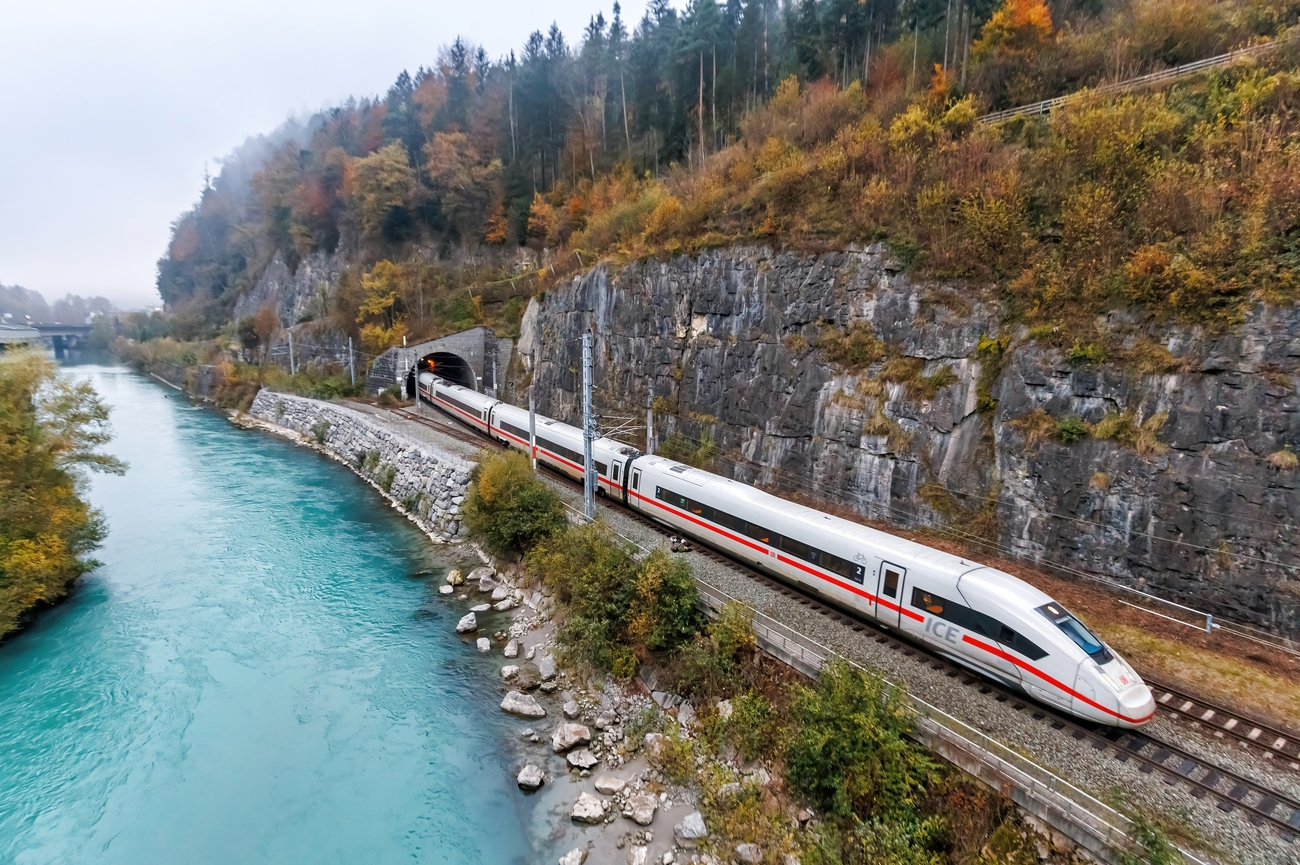
Arlberg Railway Itinerary
Innsbruck
The Arlberg Railway runs for around 137 kilometres between Innsbruck in Tyrol and Bludenz in Vorarlberg. Direct trains complete the journey in roughly two hours, but the interest lies in how quickly the landscape changes as the line moves west through the Inn Valley, climbs towards the Arlberg Pass and then descends through the Klostertal.
Not every train stops at every station, so if you want to break the journey, check the timetable for your particular service before travelling.
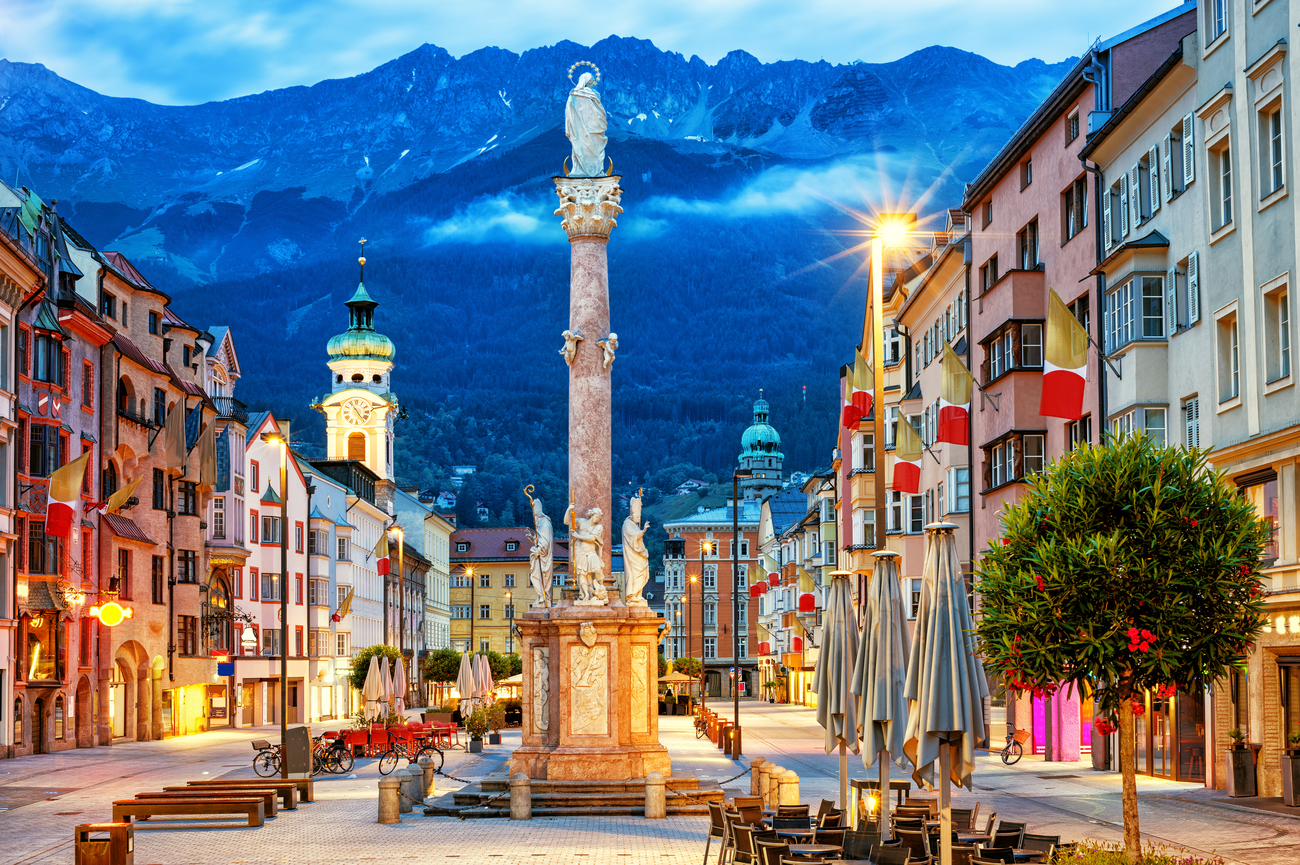
The journey begins in Innsbruck, the capital of Tyrol. The station is within easy reach of the historic centre, where you can visit landmarks such as the Golden Roof, Imperial Palace and old town before boarding the train.
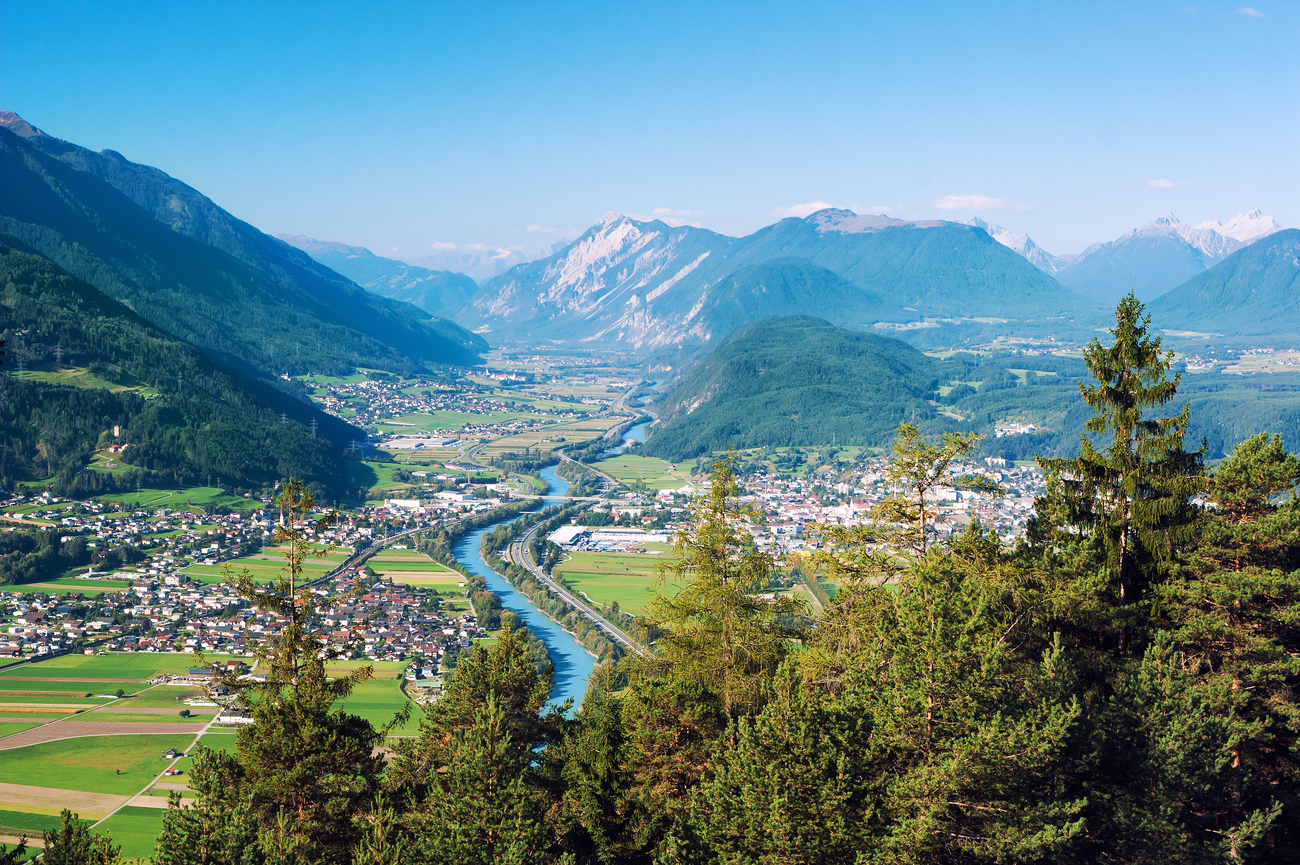
Leaving Innsbruck, the railway follows the broad Inn Valley westwards. The first part of the journey passes farmland, towns and villages beneath the surrounding mountains, before the broad Inn Valley gradually narrows into more enclosed Alpine scenery.
Telfs-Pfaffenhofen
Telfs-Pfaffenhofen lies in the Upper Inn Valley, surrounded by the Mieminger Mountains and traditional Tyrolean communities.
For most travellers this is better regarded as part of the scenery along the route than an essential stop, but it marks the point where the journey begins to feel increasingly Alpine as the railway continues west. From the train, you can look across the broad Inn Valley towards the surrounding mountains before the landscape begins to narrow further along the route.
Imst-Pitztal
At Imst-Pitztal, the scenery becomes noticeably more rugged. The railway enters a narrower section of the Inn Valley between the Lechtal and Ötztal Alps, with steeper slopes and increasingly dramatic mountain views.
The mountains rise more closely on either side of the railway here, creating a noticeable contrast with the wider valley around Innsbruck.
If you do stop here, Imst is known for the Rosengartenschlucht gorge and its historic centre, although the railway station itself lies outside the town.
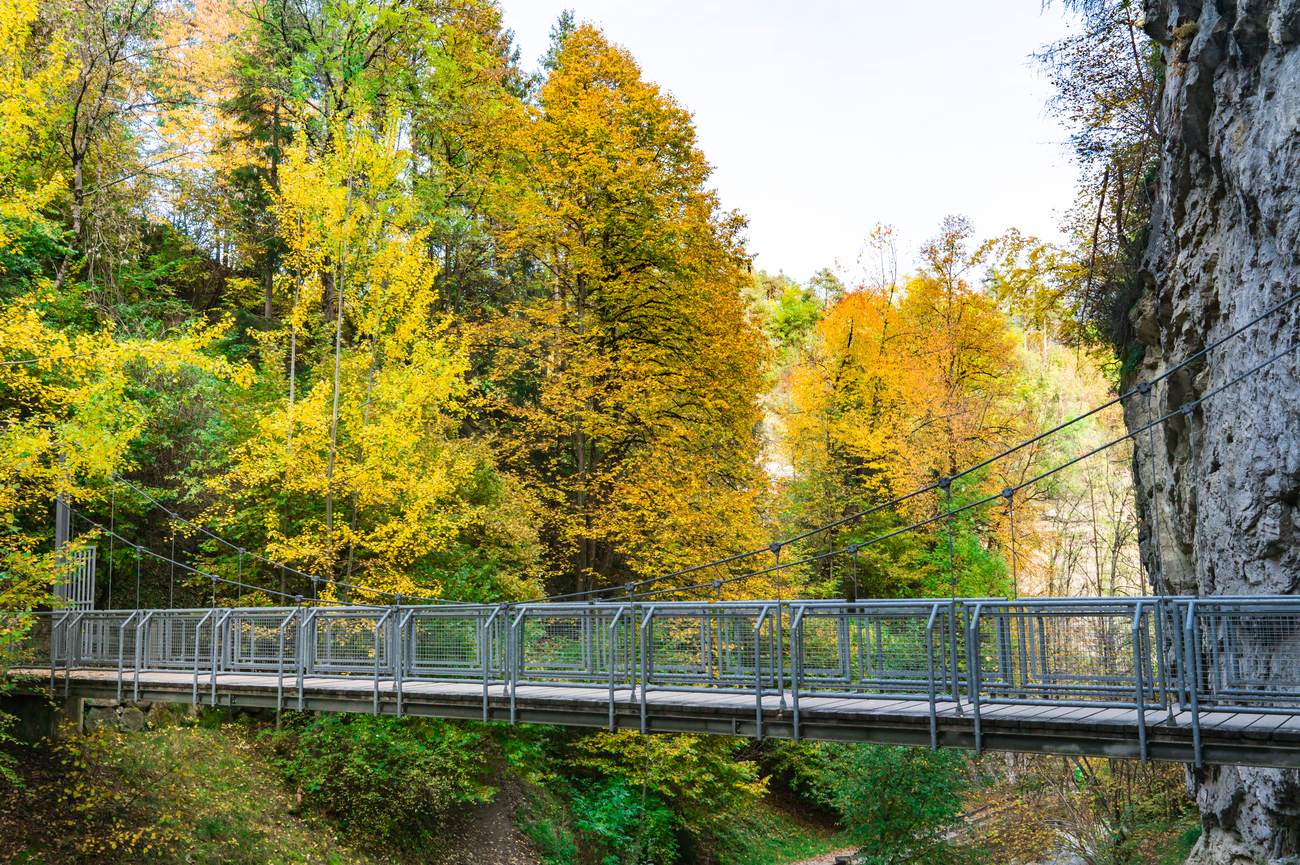
Landeck-Zams
Landeck-Zams is one of the more useful intermediate stops on the route. Landeck developed at the meeting point of several important Alpine routes and remains a gateway to western Tyrol.
Landeck Castle overlooks the town, while the surrounding mountains provide access to hiking and other outdoor activities. Beyond Landeck, the railway begins climbing towards St. Anton and the Arlberg Pass. The valley becomes narrower and the surrounding slopes steeper as the train continues into the mountains.
St. Anton am Arlberg
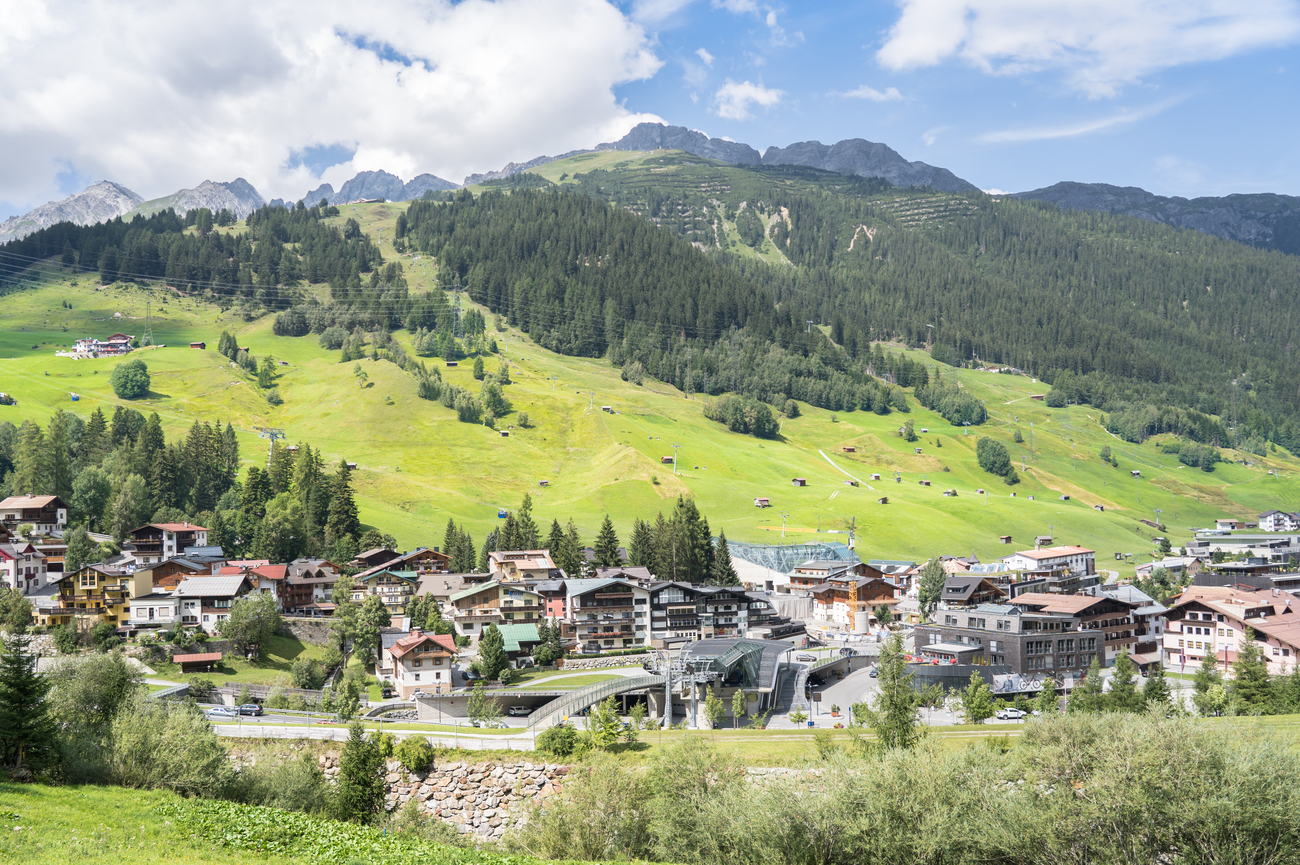
St. Anton am Arlberg is the most important destination along the railway and one of Austria's best-known Alpine resorts.
In winter, it provides access to the extensive Ski Arlberg area, while in summer you can explore the surrounding mountains on hiking and mountain biking routes. The Galzigbahn cable car climbs directly from the village, providing easy access to higher walking routes and viewpoints.
The village itself is compact and easy to explore on foot. The Museum St. Anton am Arlberg explores the area's skiing history and the development of tourism in St. Anton, making it an interesting stop even if you are visiting outside the winter season.
As the train approaches St. Anton, the valley becomes increasingly enclosed by the surrounding mountains, giving this part of the journey a distinctly more Alpine feel.
For travellers who want to break the railway journey with an overnight stay, St. Anton is the most obvious choice. You can spend a few hours exploring the village and taking a cable car into the mountains, or stay overnight to allow more time for hiking, dining and the surrounding Alpine scenery.
Arlberg Tunnel and Langen am
Arlberg
Soon after leaving St. Anton, the train enters the 10.6-kilometre Arlberg Tunnel beneath the pass. When it opened in 1884, the tunnel transformed travel between Tyrol and Vorarlberg by providing a reliable route through the mountains throughout the year.
The train emerges at Langen am Arlberg on the Vorarlberg side. Langen remains an operating station and is the main rail access point for several nearby Arlberg communities.
After emerging from the tunnel, the railway begins descending through Vorarlberg, where the scenery gradually changes from the high Arlberg landscape to the greener valleys below.
Through the Klostertal
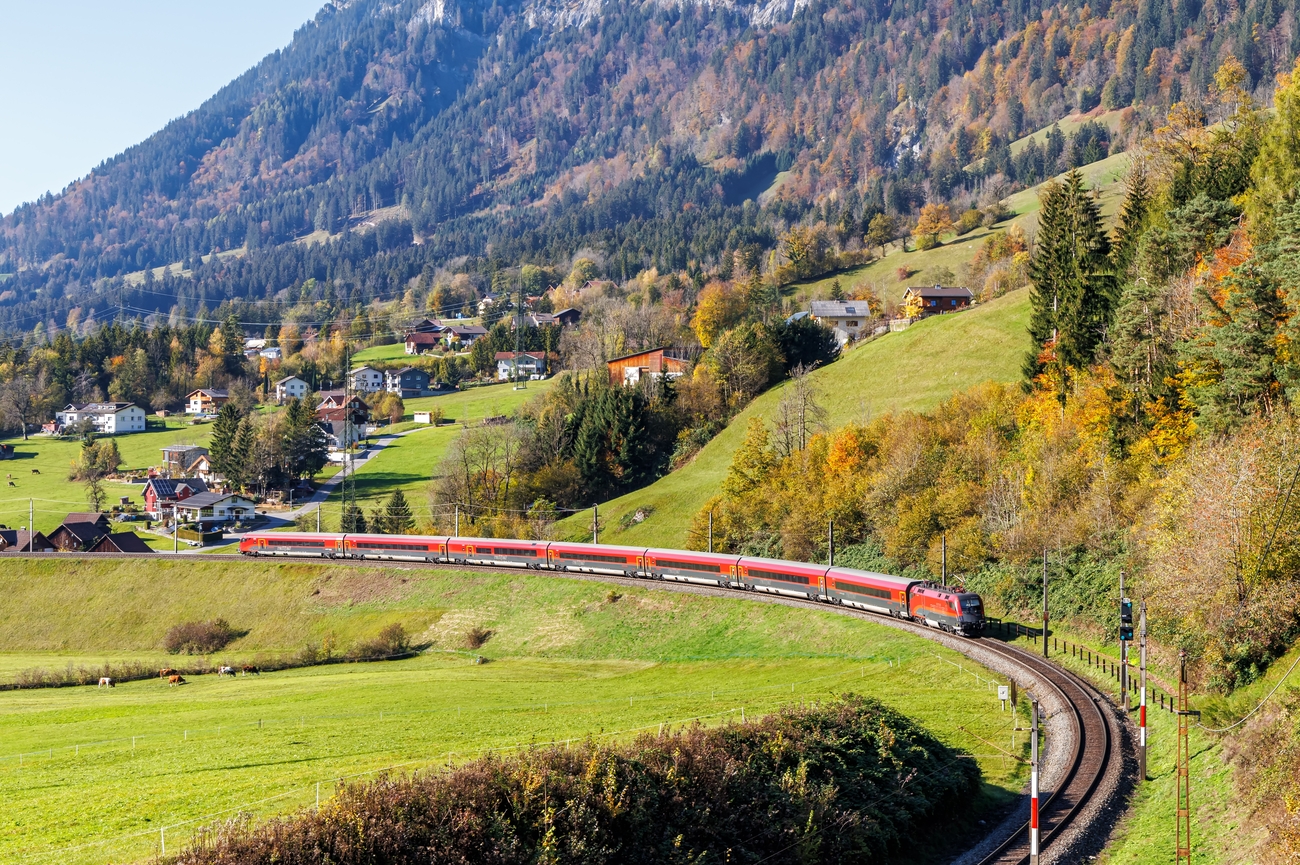
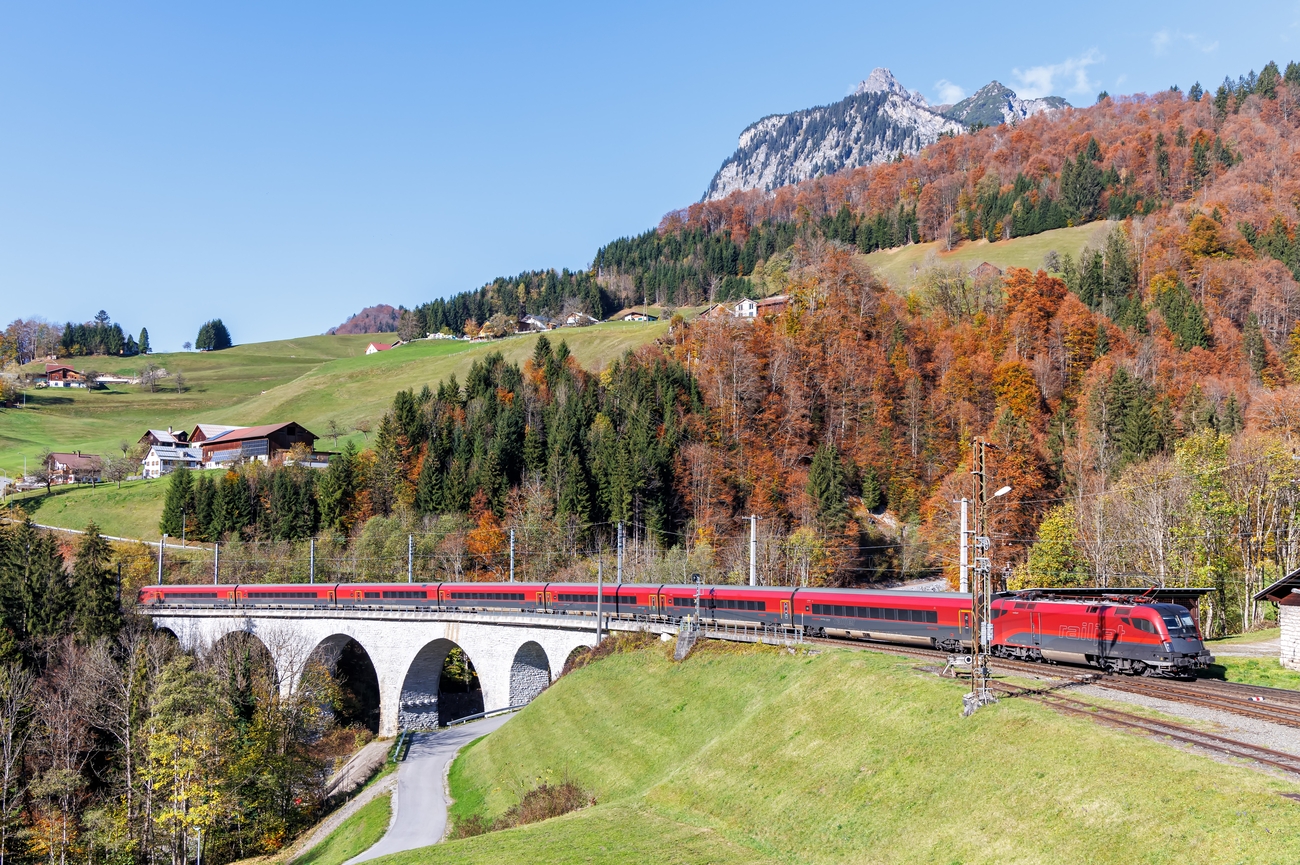
West of Langen, the railway descends through the Klostertal towards Bludenz. This is one of the most interesting sections from the train window, with forested slopes, the Alfenz River and substantial railway engineering visible along the valley.
As the train descends, you can see changing views across the valley, with forested mountainsides, stretches of the river and railway structures appearing along the route.
The line passes communities including Klösterle and Dalaas, but these are no longer passenger railway stops. Their former stations closed to passenger services in 1999, so they should not be treated as places where you can simply leave the train during the journey.
Bludenz
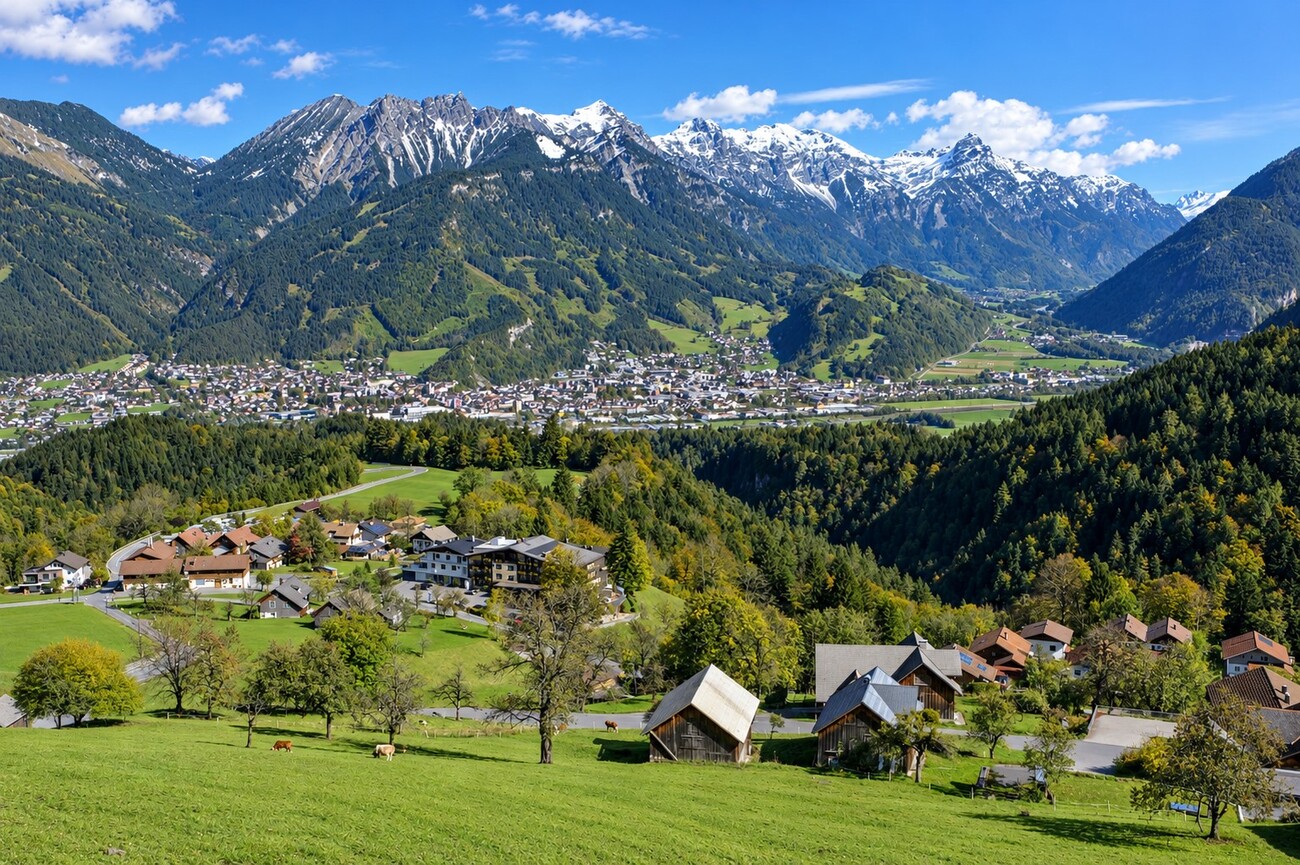
Bludenz marks the western end of the Arlberg Railway. After the confined mountain landscapes of the Klostertal, the valley opens as the train approaches the town. The broader landscape around Bludenz provides a noticeable contrast with the narrower valleys crossed earlier in the journey.
Its compact historic centre includes old streets, traditional buildings and St. Laurentius Church. You can also see the Upper Gate, Gayenhofen Castle and the arcaded streets of the old town.
If you want to spend longer in Bludenz, the Muttersbergbahn cable car climbs to the Muttersberg above the town, where there are panoramic views and several walking routes.
Bludenz is also a useful gateway to nearby mountain regions including Brandnertal and Montafon, or you can continue by rail towards Feldkirch, Bregenz, Switzerland or Liechtenstein.
A short stop gives you time to explore the old town, while a longer stay makes it possible to combine Bludenz with the surrounding mountains and valleys.
What Is the Most Scenic Part of the Arlberg Railway train?
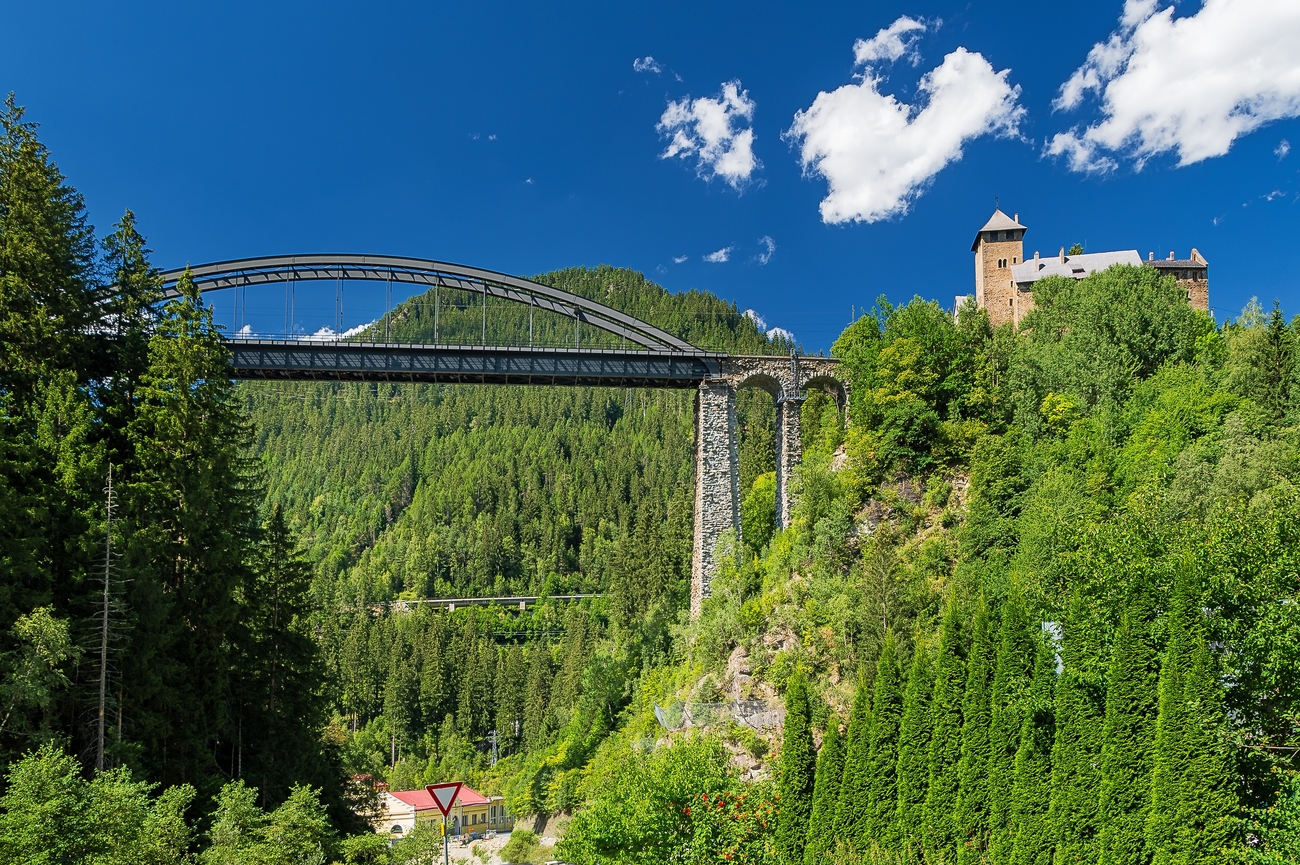
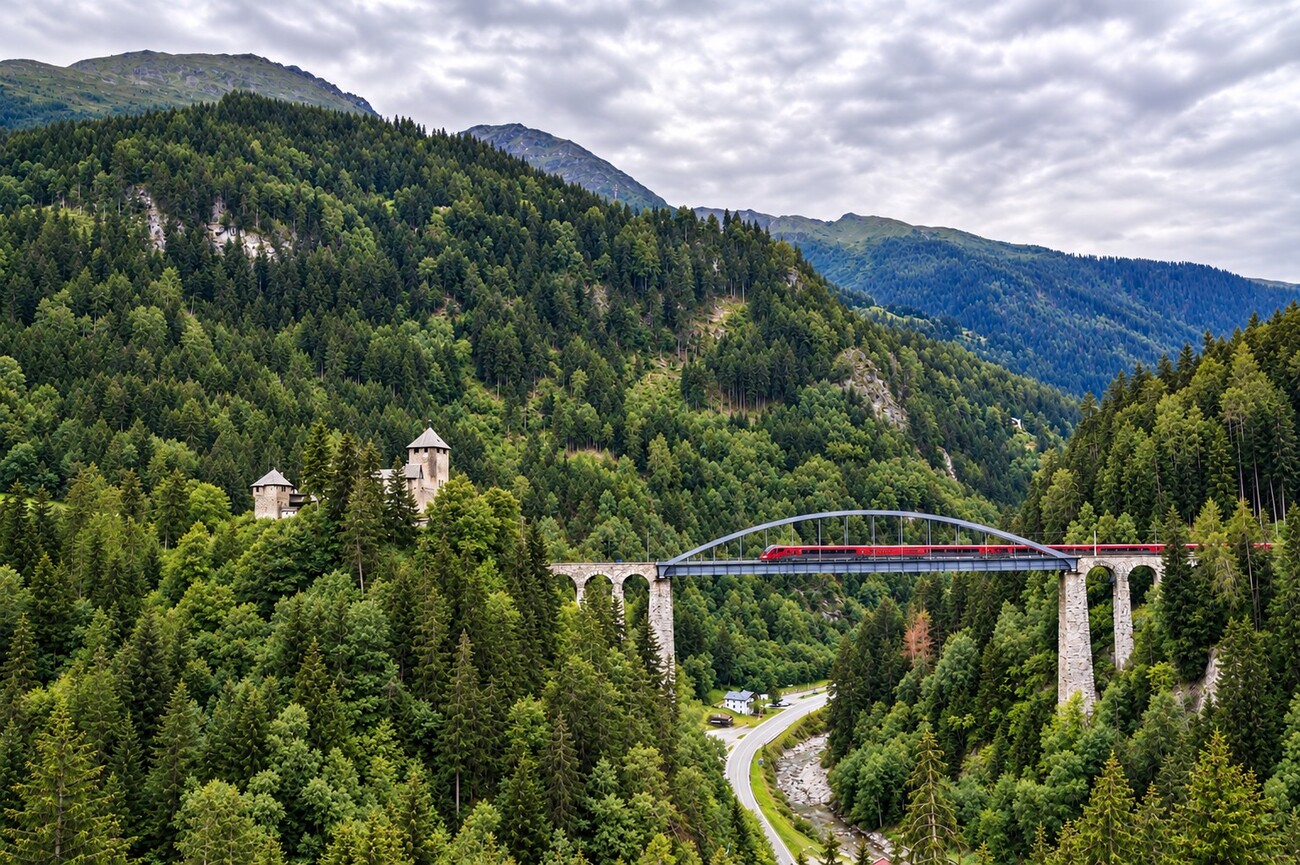
The scenery becomes more dramatic west of Landeck, where the railway begins climbing towards St. Anton am Arlberg. Near Wiesberg, the line crosses the spectacular Trisanna Bridge, a steel railway bridge spanning a deep gorge beneath Schloss Wiesberg. Beyond the bridge, the valley narrows and the mountains rise more steeply beside the line as the train approaches the Arlberg.
The approach to St. Anton is particularly attractive, with the railway running through increasingly enclosed mountain scenery and crossing notable railway structures along the route. After passing through the Arlberg Tunnel, the landscape changes again as the train emerges in Vorarlberg and begins descending through the Klostertal.
The Klostertal offers another scenic section of the journey, with forested mountain slopes, the Alfenz River and impressive railway engineering works visible along the route as the line continues towards Bludenz.
If scenery is your main reason for taking the journey, pay particular attention to the section between Landeck, St. Anton and Bludenz.
Duration
A direct journey between Innsbruck and Bludenz takes around two hours, making it easy to experience the Arlberg Railway as part of a wider Austrian itinerary.
If you want to break the journey, St. Anton am Arlberg is the most rewarding stop and works well for anything from a few hours to an overnight stay. Otherwise, the full route can comfortably be travelled in a morning or afternoon.
Schedule and Tickets
ÖBB operates regular long-distance and regional services along the Arlberg Railway throughout the day. Many trains run directly between Innsbruck and Bludenz, although stopping patterns vary by service.
Check the current timetable on the ÖBB website or app before travelling, particularly during periods of engineering work or seasonal timetable changes.
Tickets can be purchased through ÖBB online, through the app, at ticket machines or at staffed stations. Economy, First Class and Railjet Business Class are available depending on the train.
Booking in advance can give access to discounted Sparschiene fares, while travellers making several journeys in Austria may also benefit from an ÖBB Vorteilscard or other applicable rail passes.
Where To Stay Along Arlberg Railway
Innsbruck and Telfs
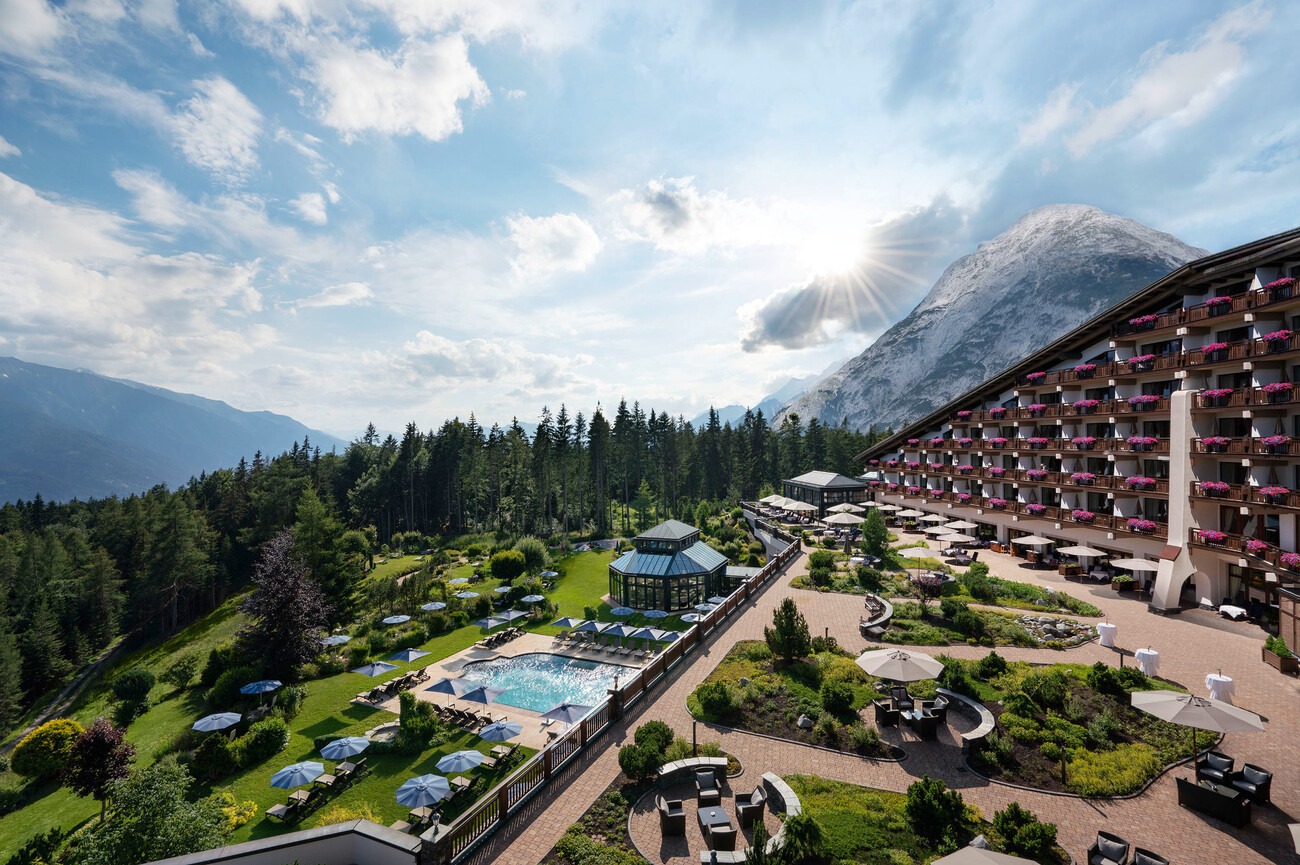
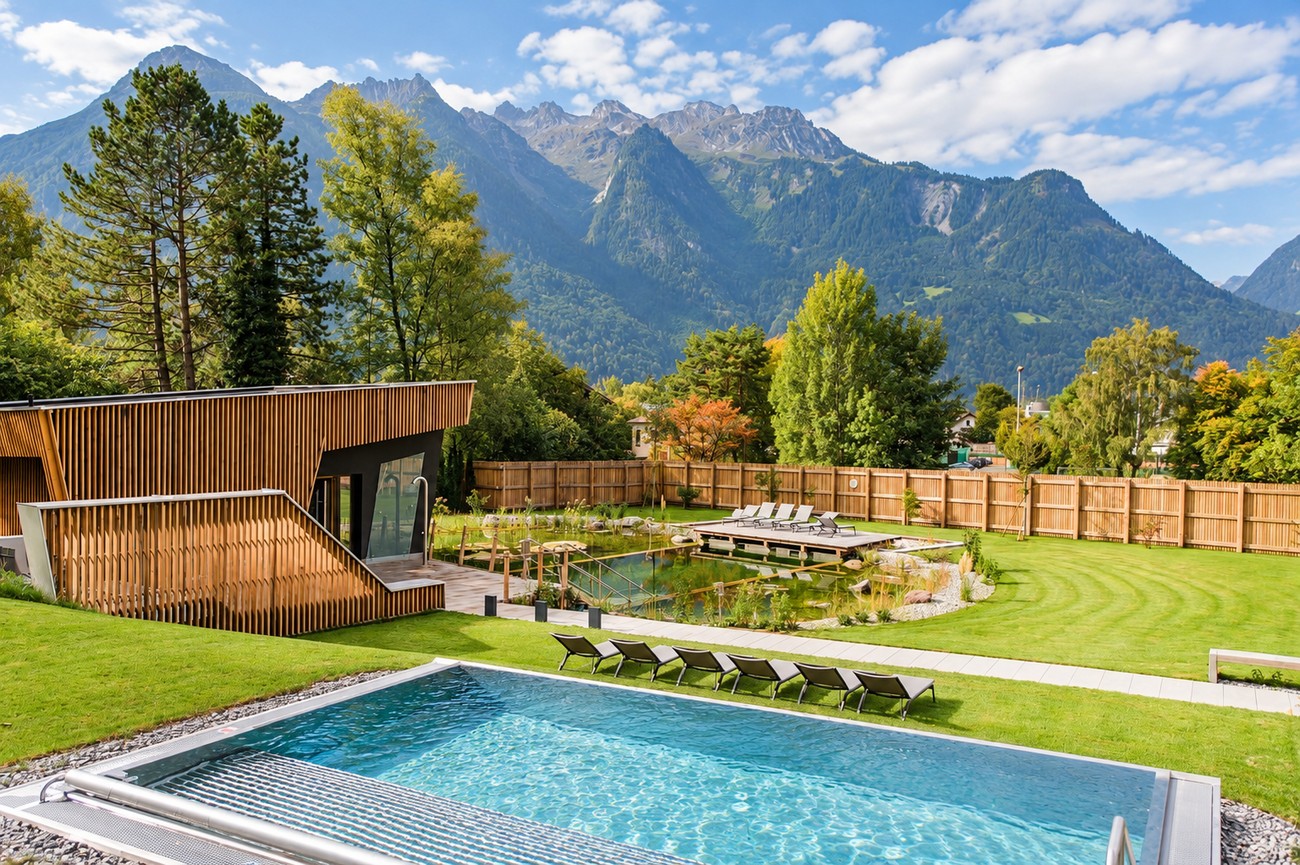
- Interalpen-Hotel Tyrol (5 Stars Superior): Interalpen-Hotel Tyrol is one of Tyrol's leading luxury resorts, set above Telfs in the mountains rather than in central Innsbruck. It is known for its extensive spa facilities, panoramic Alpine setting and high level of service. The hotel works well if you want to combine the Arlberg Railway journey with a more secluded luxury stay in the Tyrolean Alps.
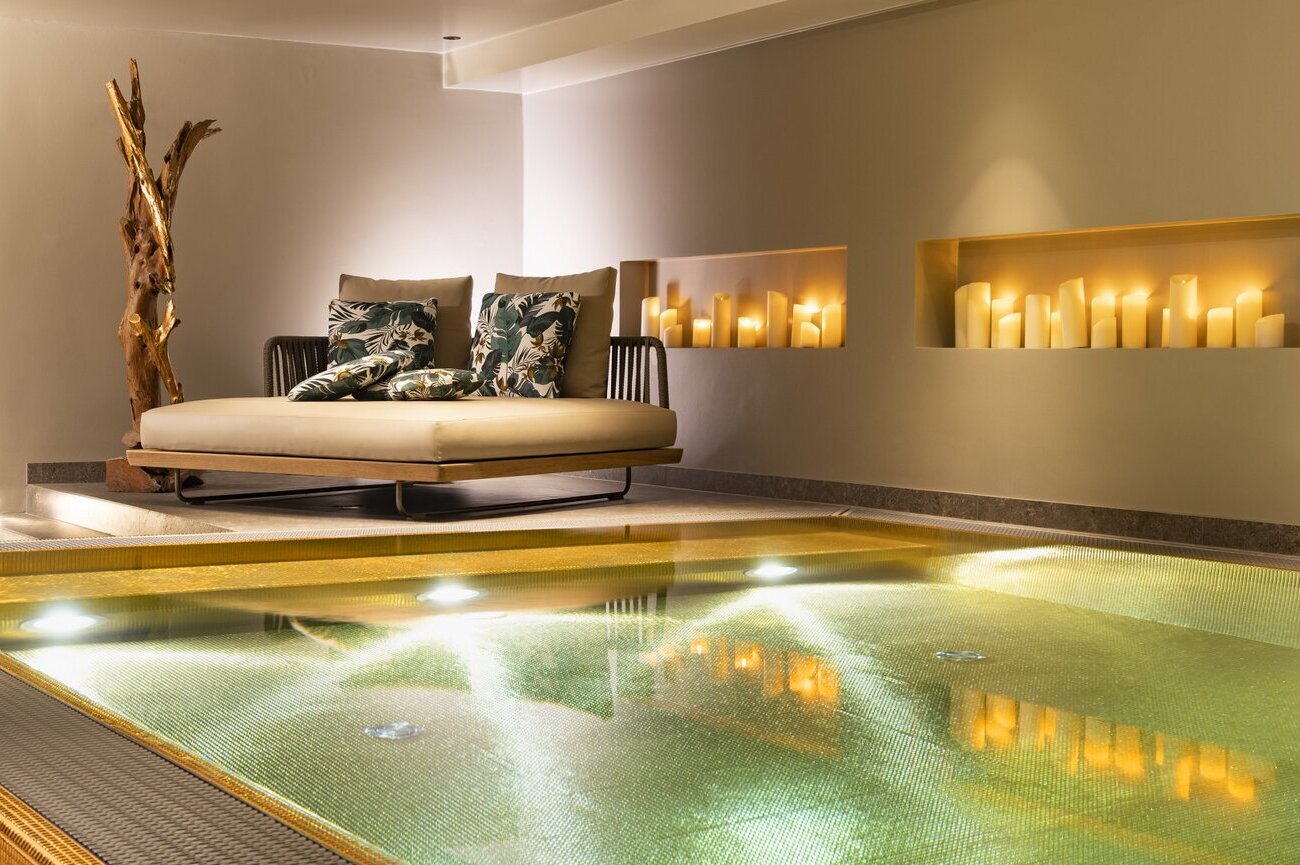
- Hotel Innsbruck (4 Stars): Located directly in Innsbruck's historic centre, Hotel Innsbruck is a convenient option if you want to spend a night in the city before beginning the Arlberg Railway journey. The old town, Golden Roof and riverside are all close by, while the hotel also has spa and wellness facilities.
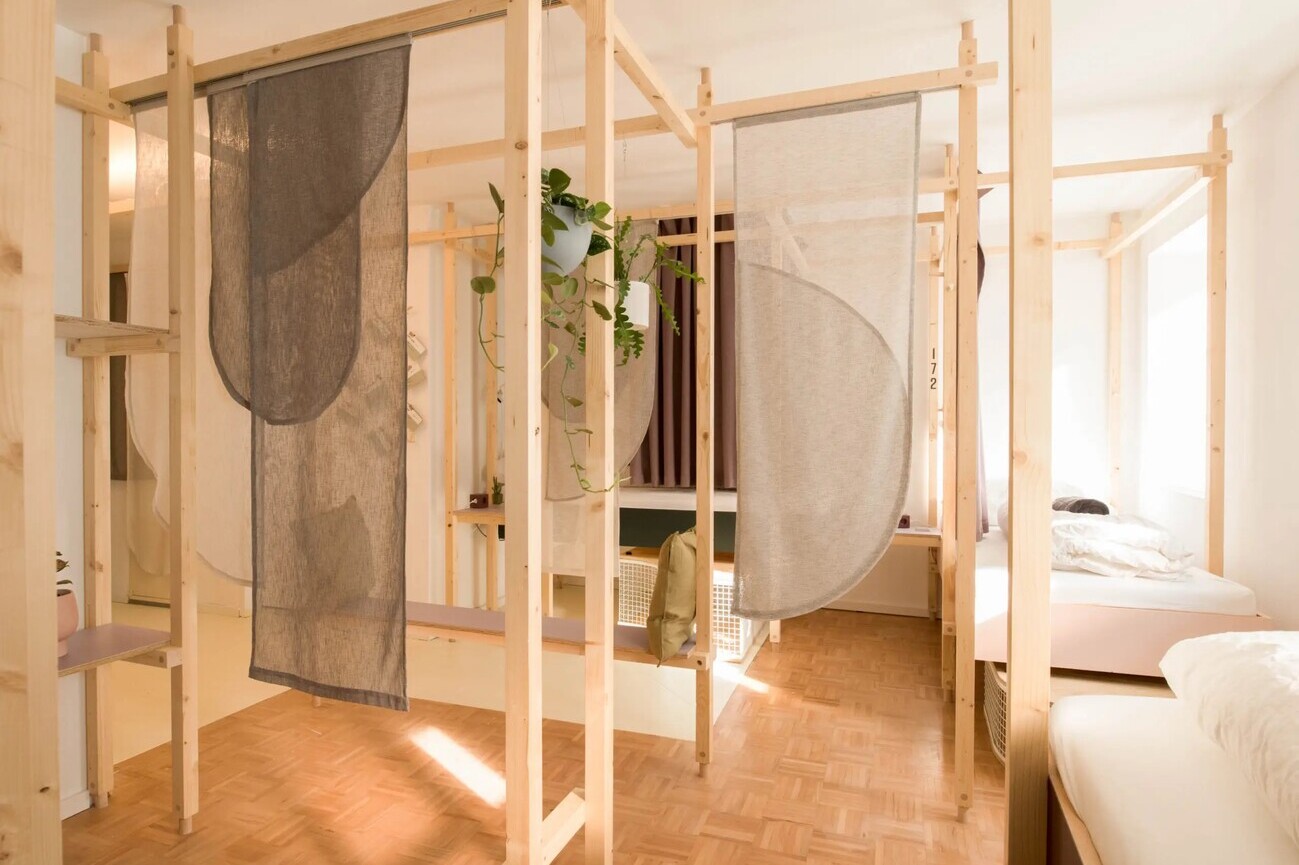
- Montagu Bed & Beers: For a more casual stay, Montagu Bed & Beers combines hostel-style accommodation with a social atmosphere close to Innsbruck's old town. It works particularly well for younger travellers or anyone looking for a less formal base in the city.
St. Anton am Arlberg
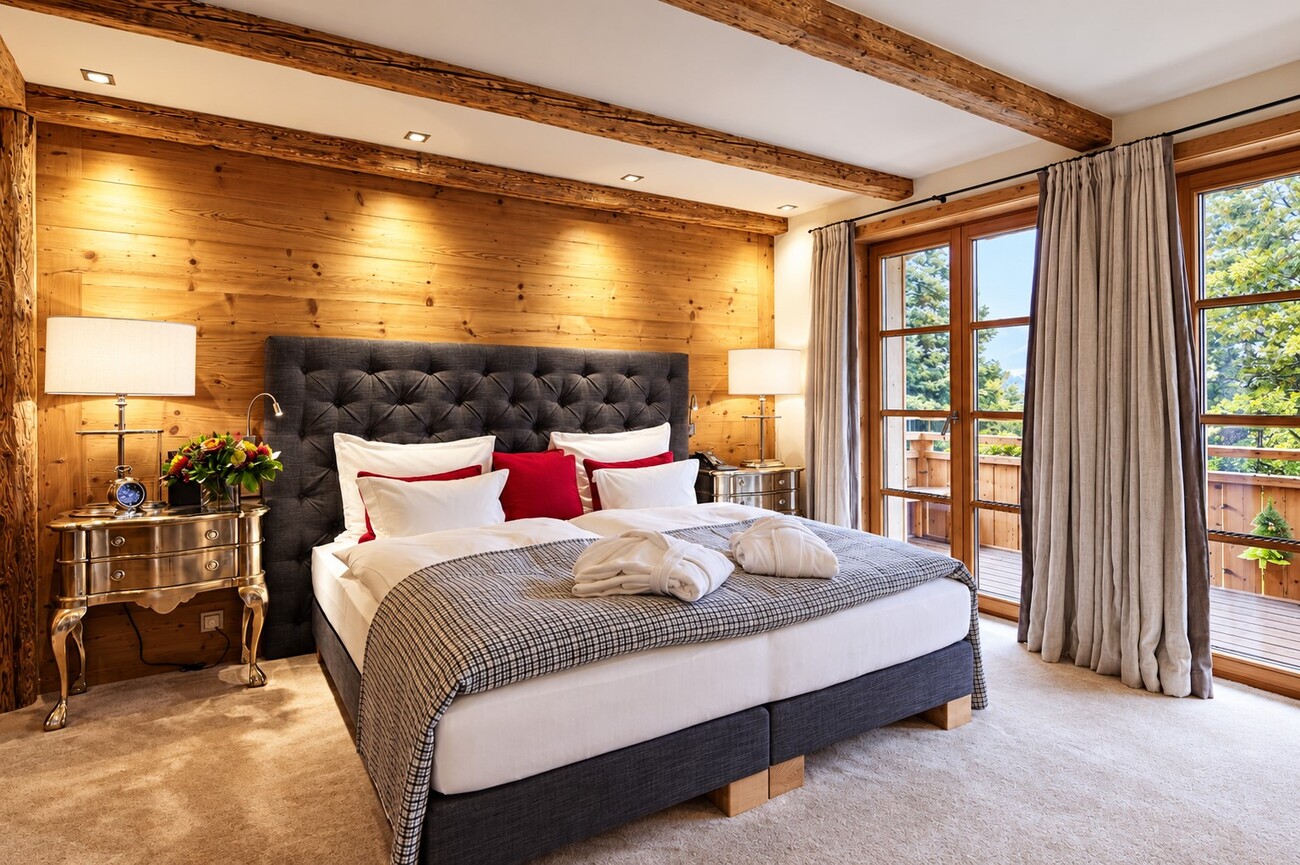
- Hotel Tannenhof (5-Star Superior): Hotel Tannenhof is one of St. Anton's most exclusive places to stay, combining a highly private atmosphere and personalised service with exceptional dining at its two-Michelin-starred restaurant. Its spa facilities and mountain setting make it particularly suitable for a longer stop on the Arlberg route.
- Raffl’s St. Antoner Hof (5 Stars): Raffl’s St. Antoner Hof is one of St. Anton’s most distinctive luxury hotels, combining highly personalised service with an unconventional take on traditional Tyrolean style. Its spa includes an indoor pool, whirlpool, sauna, steam bath and gym, while its restaurants provide several strong dining options. The central location and extensive facilities make it particularly well suited to a longer stay in St. Anton.
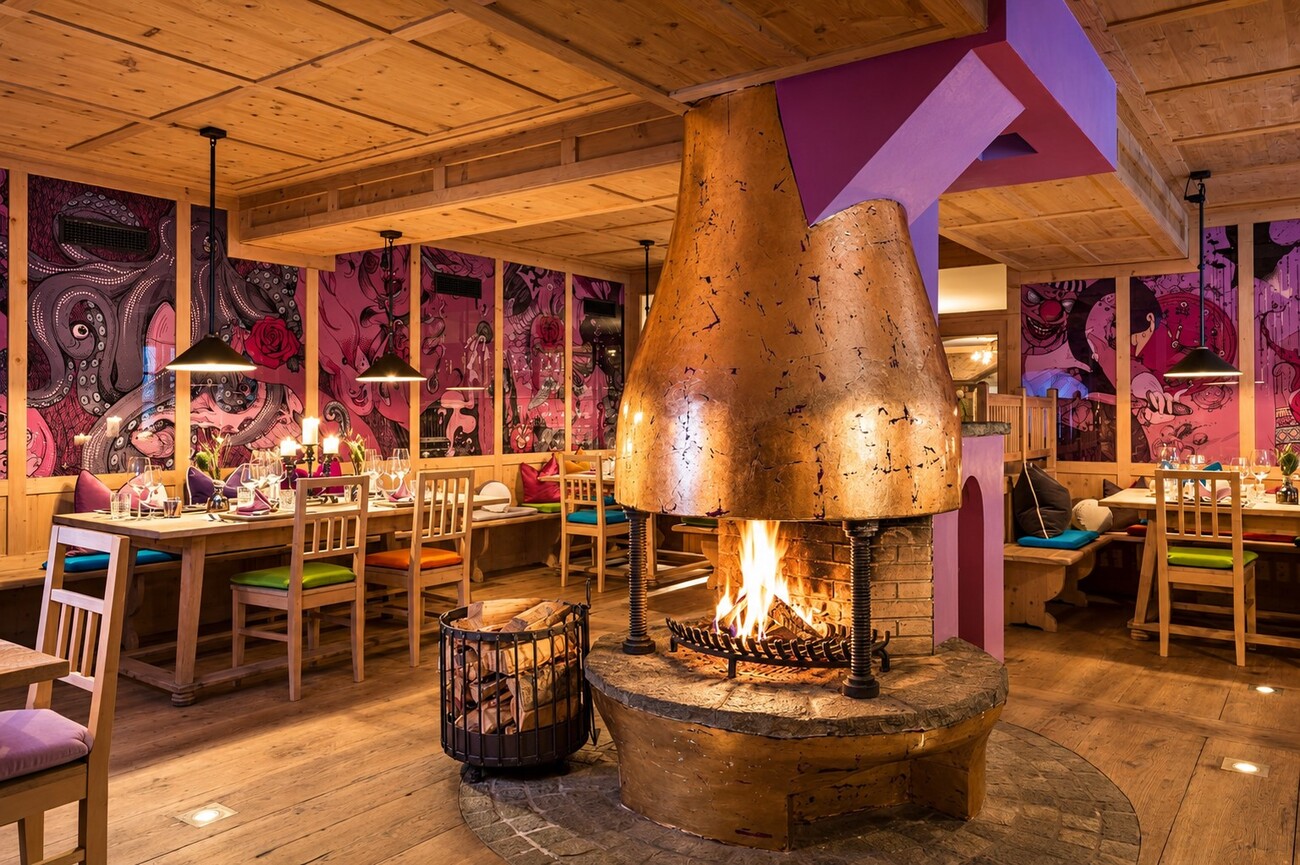
- Hotel Schwarzer Adler (4 Stars Superior): Set in the centre of St. Anton, Hotel Schwarzer Adler combines a traditional family-run atmosphere with modern spa facilities. The railway station and Galzigbahn are both within easy walking distance.
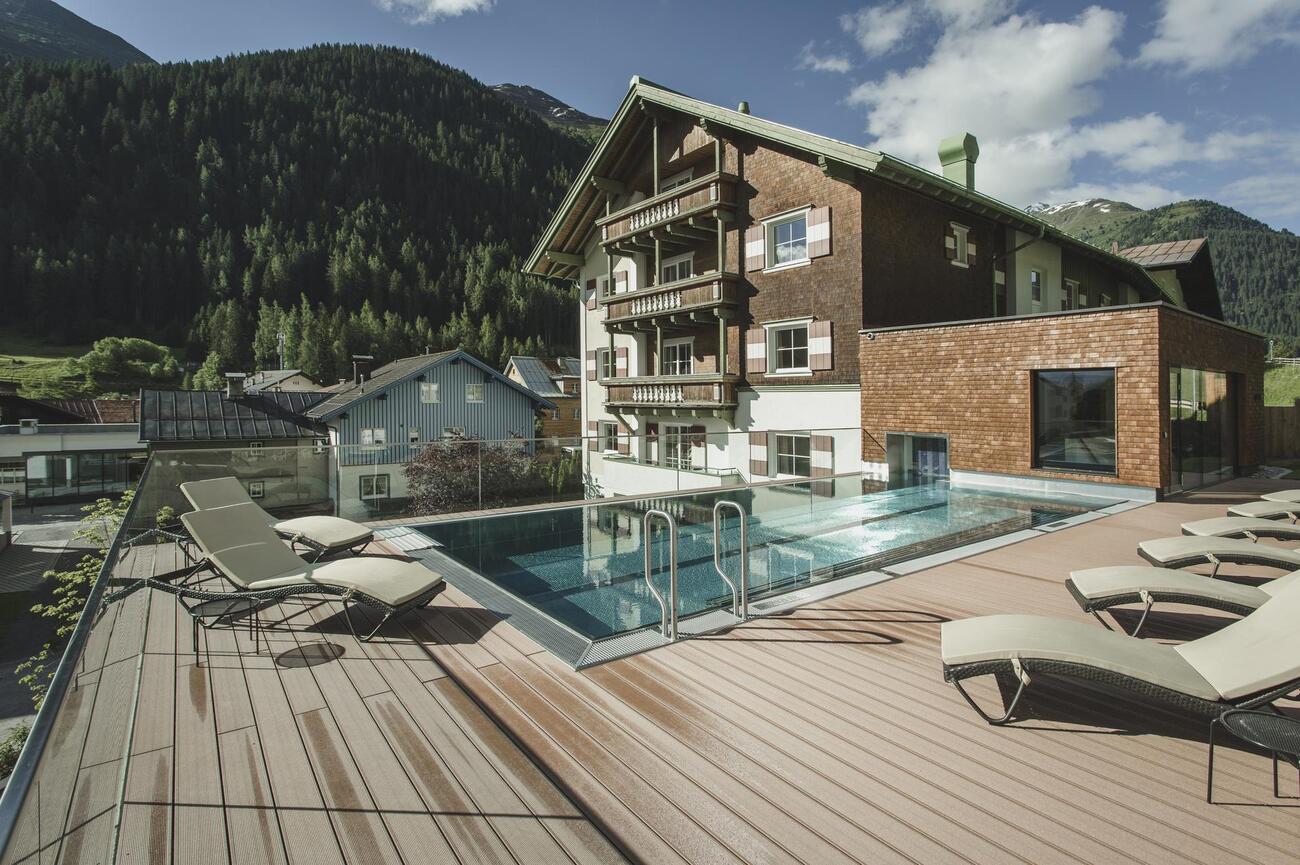
- Hotel Mössmer (4 Stars): Hotel Mössmer is a family-run hotel in the centre of St. Anton, close to the pedestrian area and ski lifts. Its smaller scale and traditional Alpine character make it a good alternative to the larger resort hotels.
Bludenz
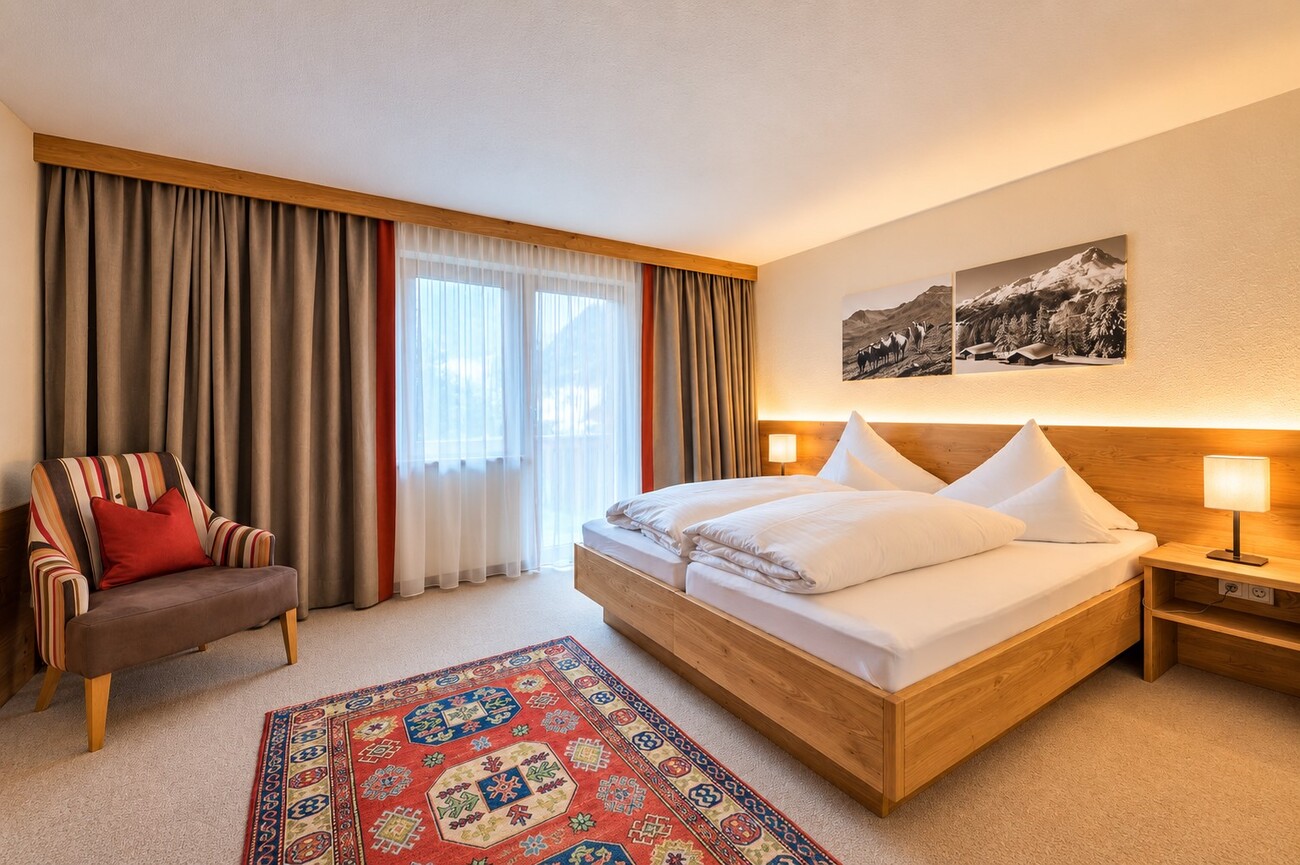
- Schlosshotel Dörflinger: Located above the centre of Bludenz, Schlosshotel Dörflinger offers views across the town and surrounding mountains. Its restaurant combines regional and contemporary cooking, making it a good option for an overnight stay at the western end of the Arlberg Railway.
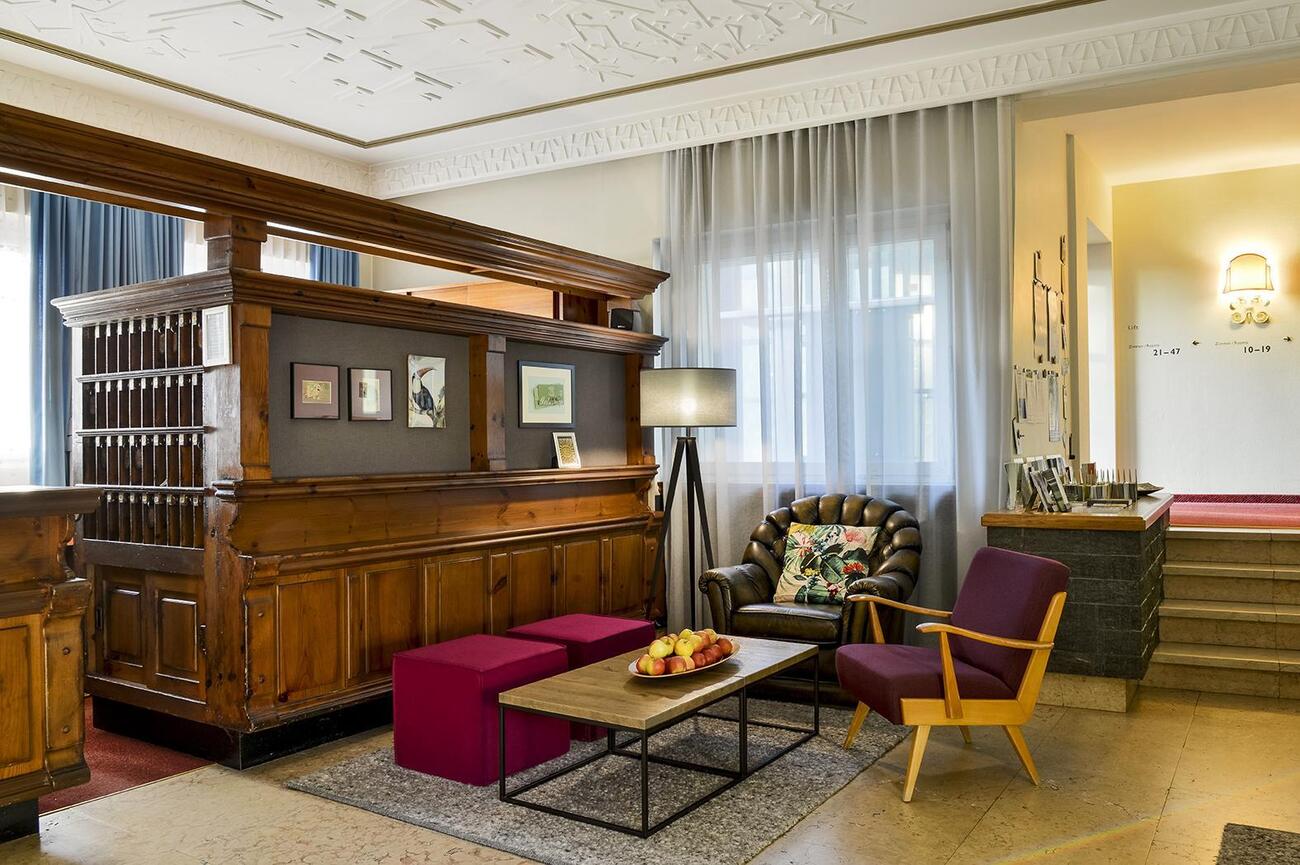
- VAL BLU Resort: VAL BLU is an active and wellness-focused hotel in Bludenz with indoor and outdoor pools, sauna facilities and mountain views. It is a practical choice if you want to combine the railway journey with hiking, cycling or other outdoor activities in Vorarlberg.
Where To Eat Along Arlberg Railway
Innsbruck and Mieming Plateau
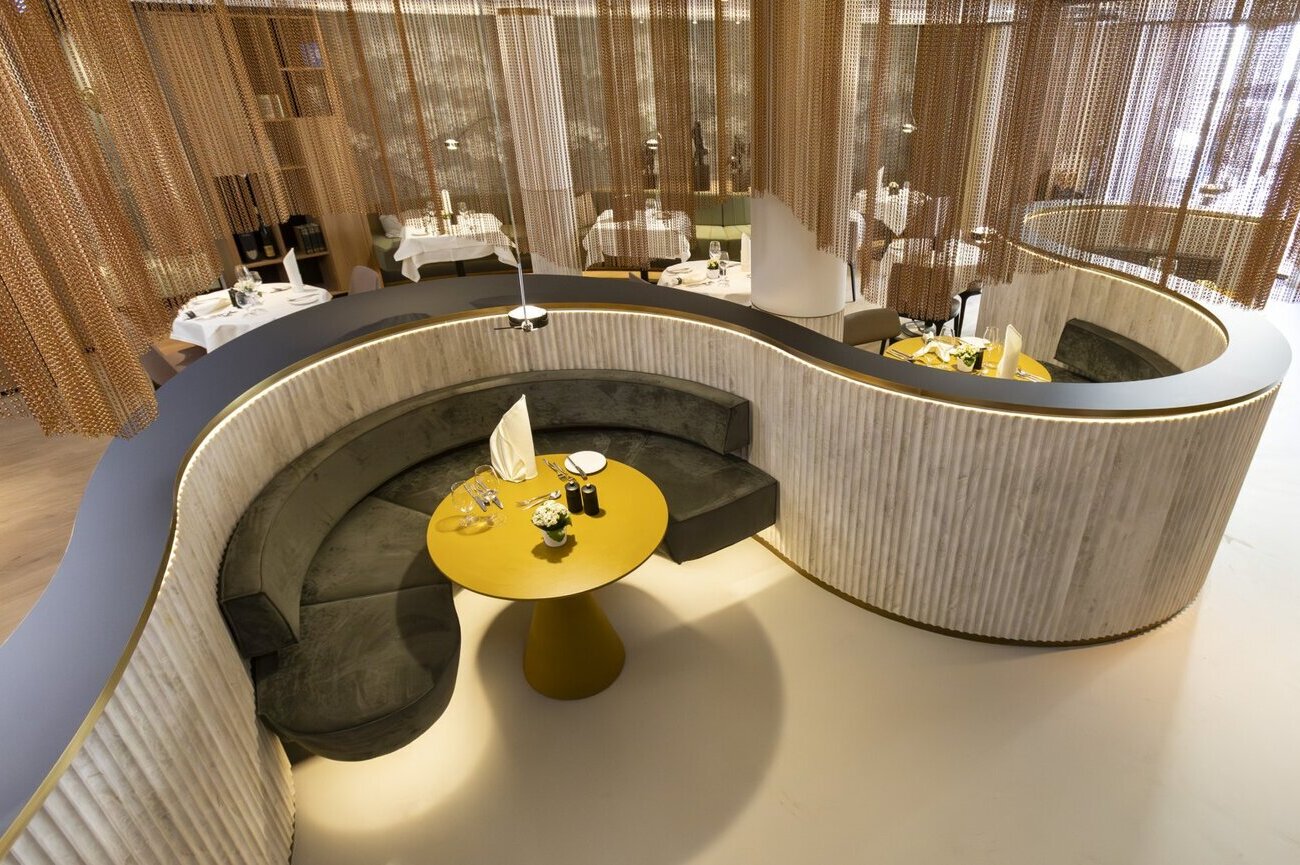
- Restaurant 141 by Joachim Jaud: Located at Alpenresort Schwarz on the Mieming Plateau, Restaurant 141 is one of Tyrol's leading fine-dining restaurants and holds two Michelin stars. Chef Joachim Jaud combines an Austrian foundation with Japanese precision and French influences in a small dining room seating around 20 guests. It is worth considering if you are staying around Telfs or want to make a special dining detour from Innsbruck.
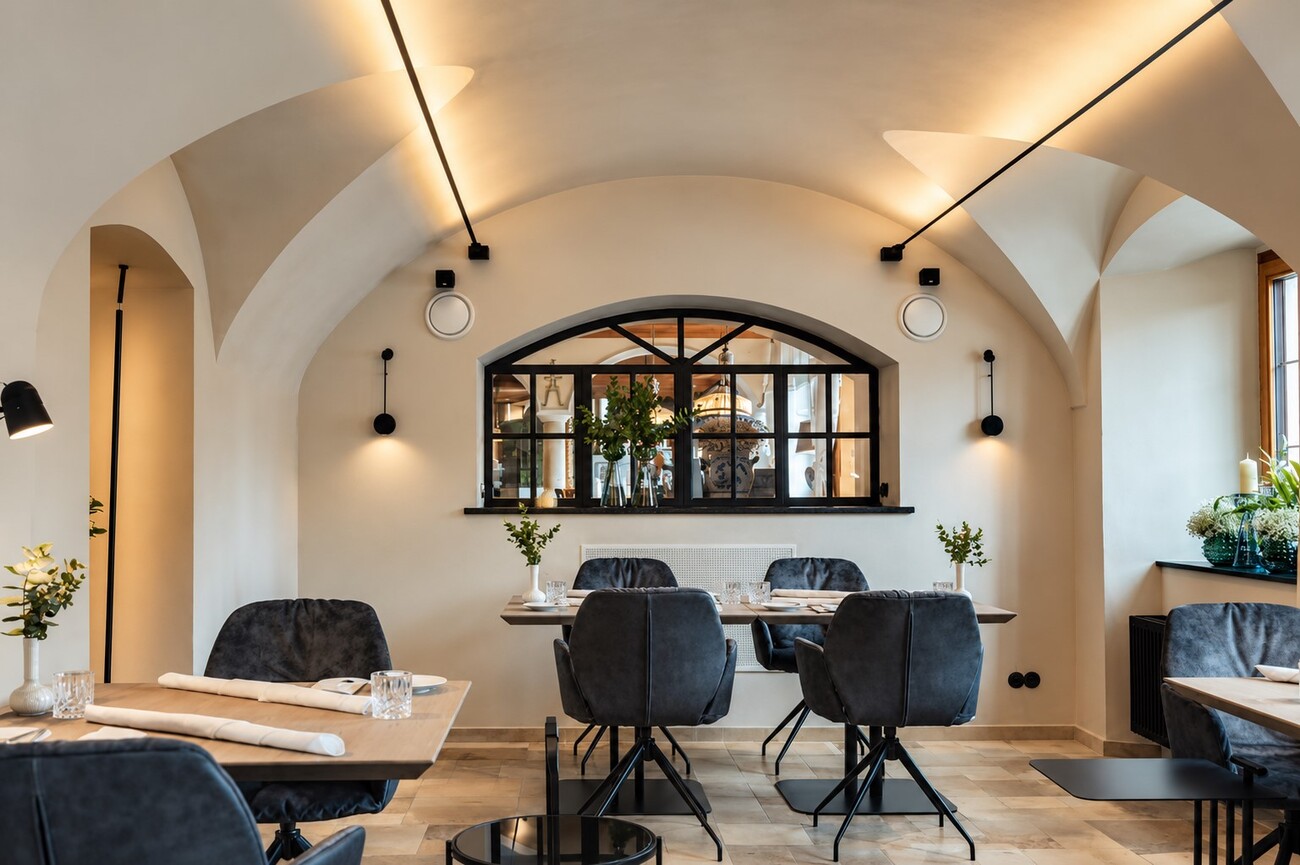
- Restaurant Das Innsbruck: Located in Hotel Das Innsbruck in the heart of the old town, this restaurant combines Austrian and international cuisine in a polished but relaxed setting. Its central location makes it particularly convenient after a day exploring Innsbruck.
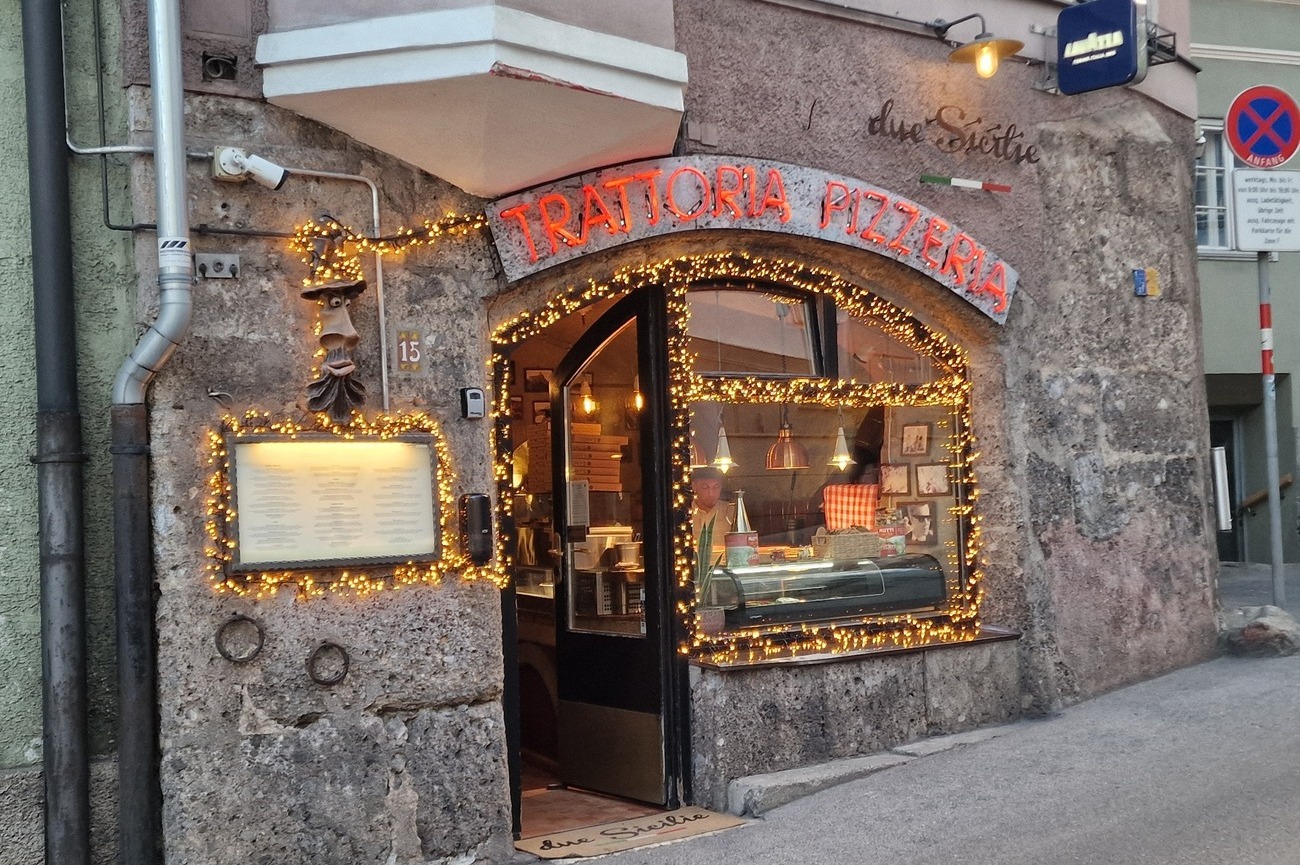
- Trattoria-Pizzeria Due Sicilie: For something more casual, Due Sicilie is an Italian trattoria and wood-fired pizzeria in Innsbruck. It is a good choice for pizza, pasta and other Italian dishes away from the more traditional Tyrolean dining options.
St. Anton am Arlberg
- Gourmetrestaurant Tannenhof: Located inside Hotel Tannenhof, this two-Michelin-star restaurant is led by chef Dennis Ilies. The cooking combines Alpine ingredients with international influences, with both tasting menus and a more relaxed sharing concept available. An extensive international wine list complements the food.
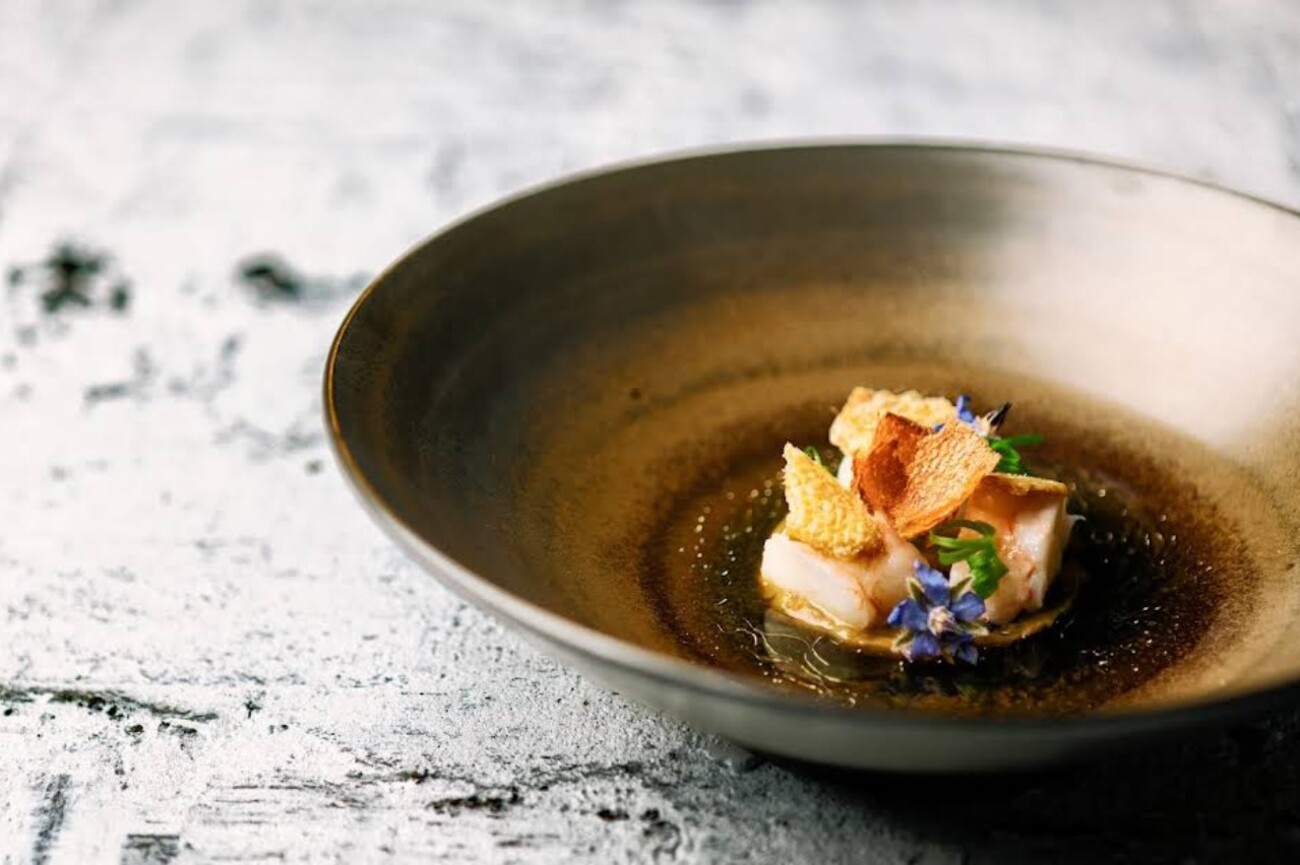
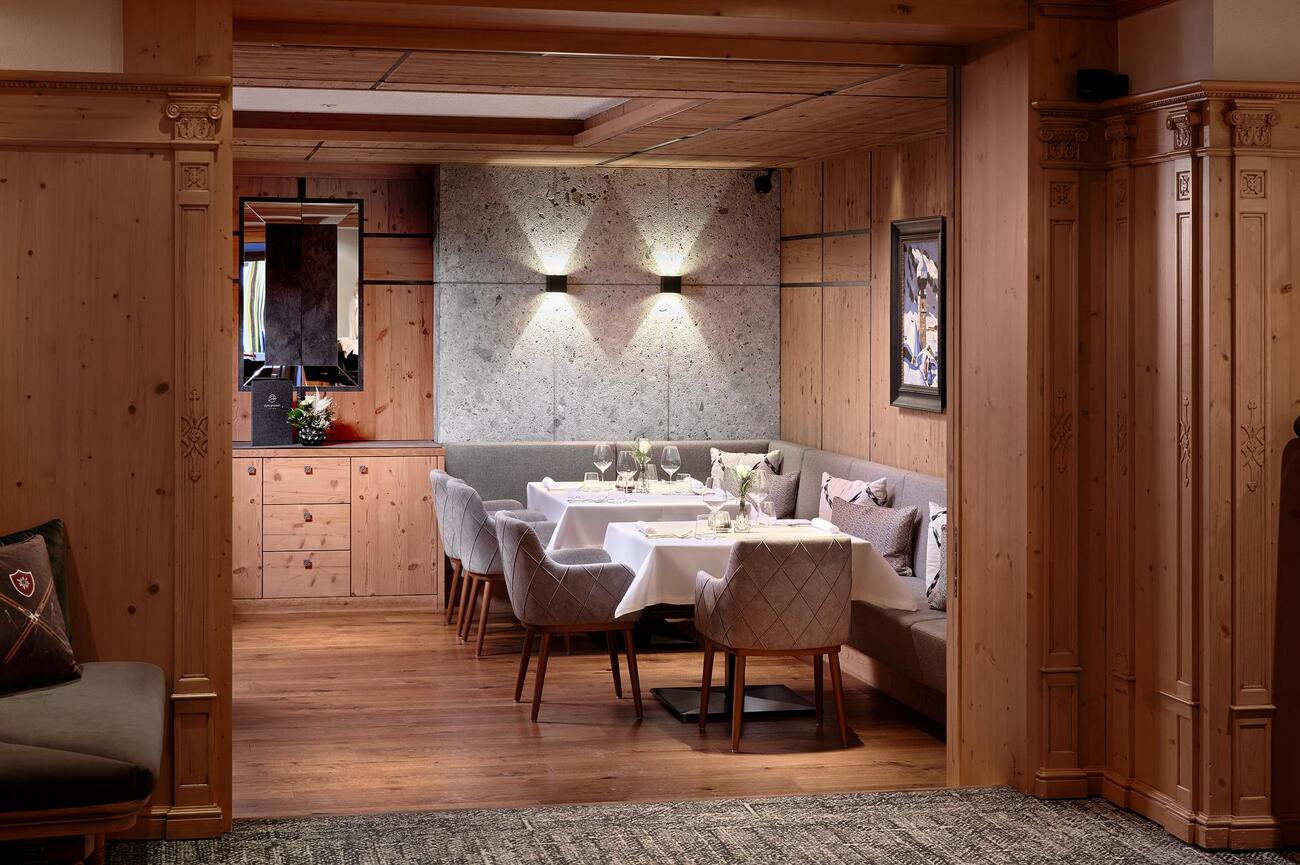
- Alpin Gourmet Stube: Set inside Hotel Gletscherblick in St. Jakob, Alpin Gourmet Stube holds one Michelin star. Chef Paul Markovics focuses on modern Alpine cuisine, combining regional ingredients with contemporary techniques and international influences in an intimate dining room.
Bludenz
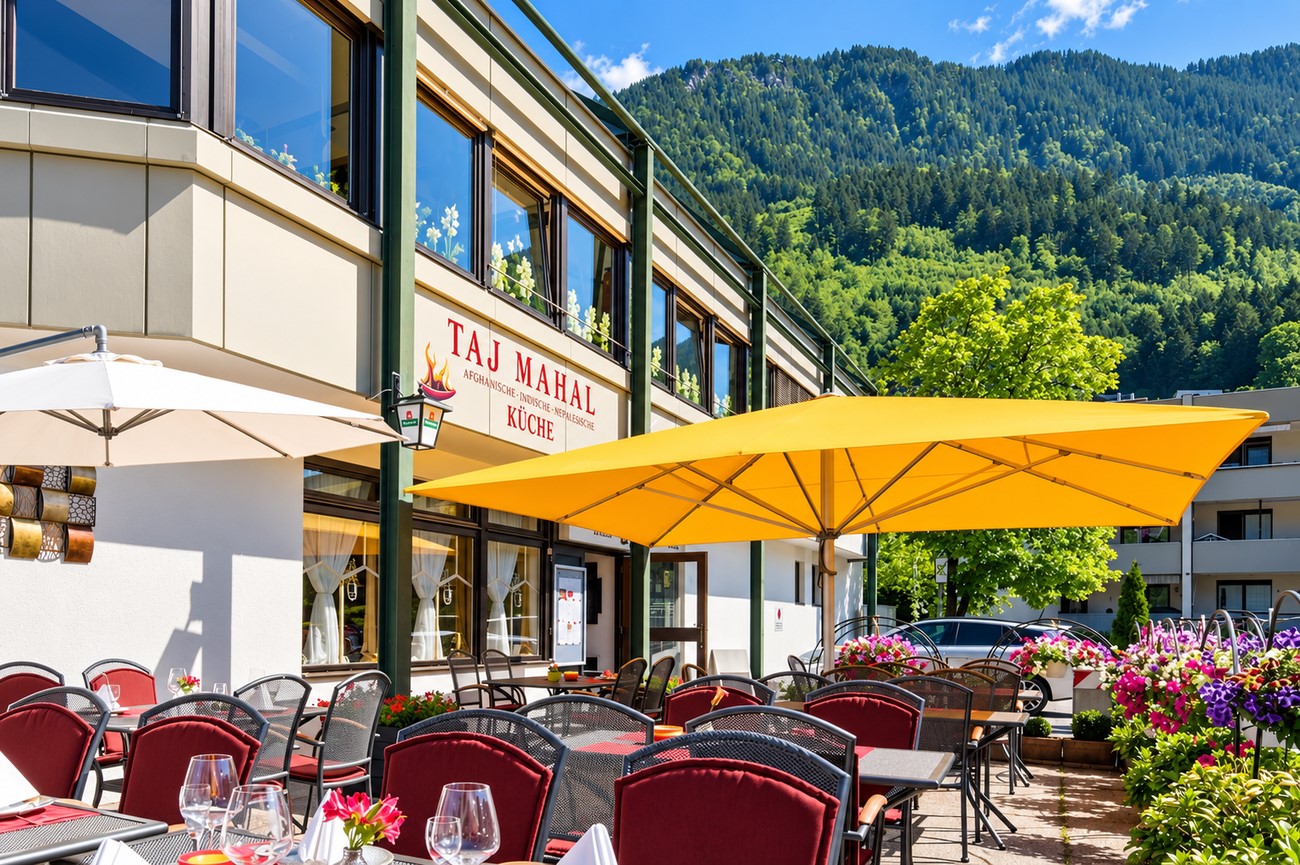
- Taj Mahal Restaurant: Taj Mahal offers Afghan-Indian cuisine in Bludenz, with curries, grilled dishes, homemade breads and vegetarian options. It is a useful alternative if you want something different from Austrian cuisine during the journey.
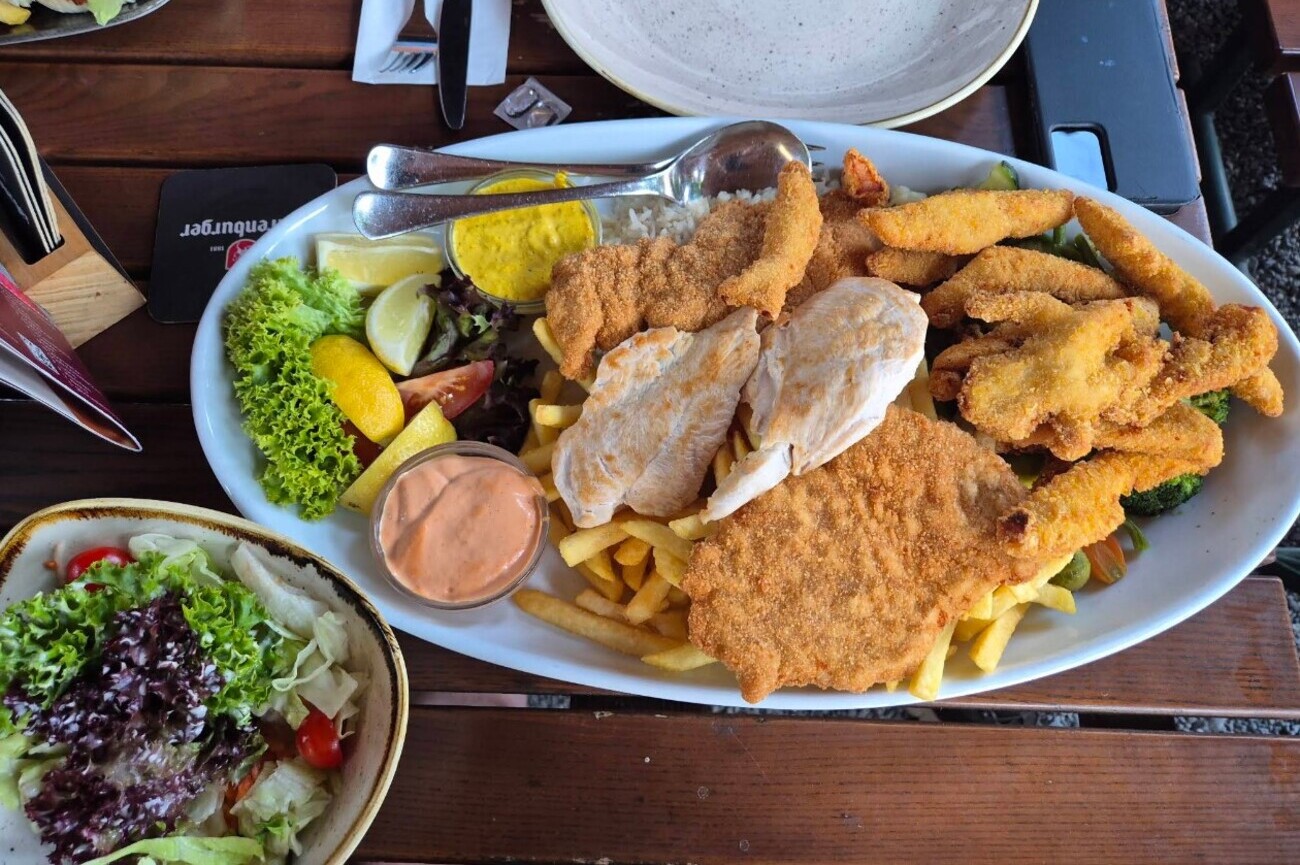
- Fohren Center: The restaurant at Fohren Center serves hearty, informal food in a relaxed setting, together with local beer and a large beer garden. It is better suited to a casual meal than a special-occasion dinner.
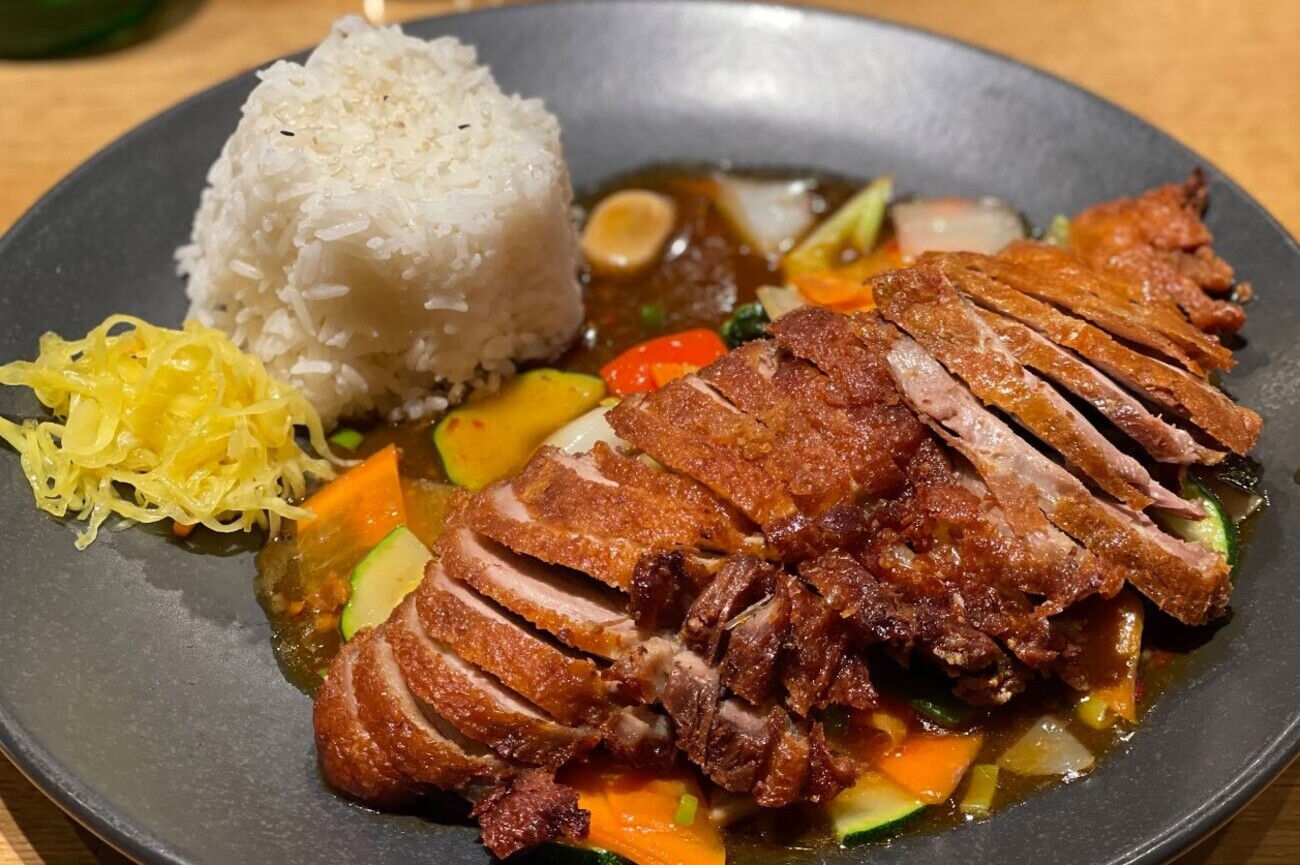
- YIKA Sushi & More: Located directly at Bahnhofplatz in Bludenz, YIKA serves sushi together with Japanese, Thai and Chinese dishes. Its location close to the railway station makes it particularly convenient before or after travelling on the Arlberg Railway.
Other Things To Do Along the Arlberg Railway
Innsbruck
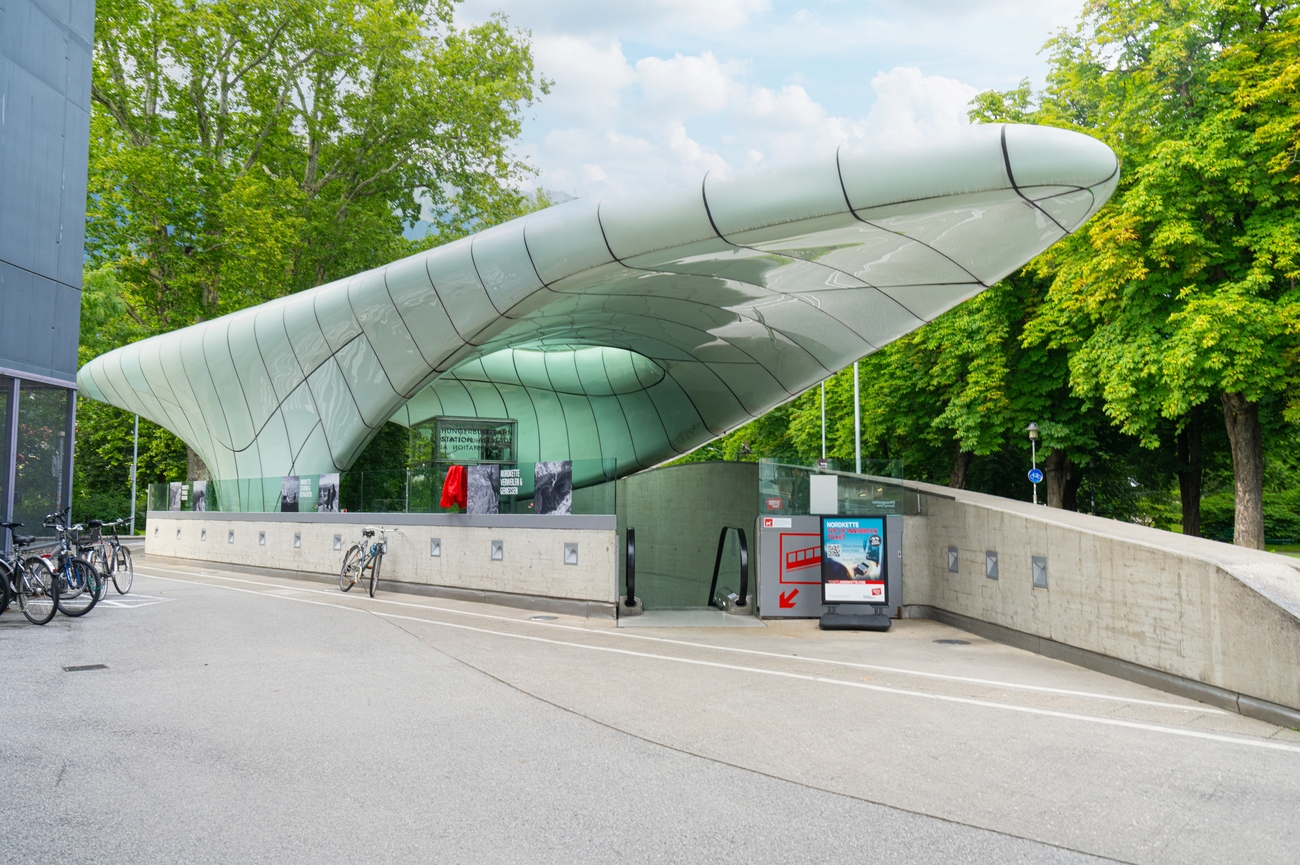
- Ride the Nordkette Cable Car: The Nordkette gives you one of the quickest transitions from city to mountain anywhere in Austria. From central Innsbruck, the Hungerburg funicular and cable cars continue towards Seegrube and Hafelekar, reaching around 2,300 metres with panoramic views across the city and the Karwendel mountains.
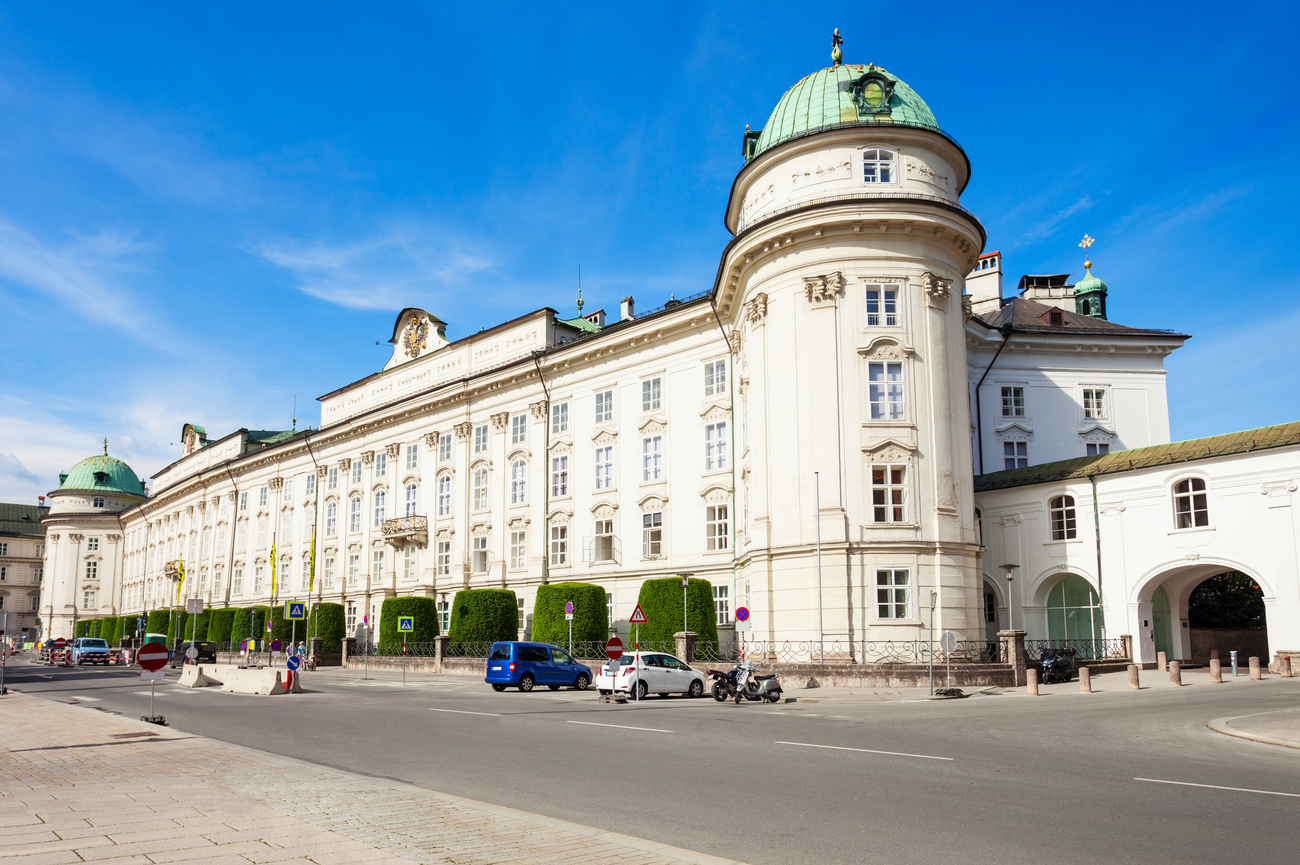
- Visit the Imperial Palace: Innsbruck's Imperial Palace reflects the city's long connection with the Habsburg dynasty. It can easily be combined with the Golden Roof, Court Church and the surrounding old town on a walking tour.
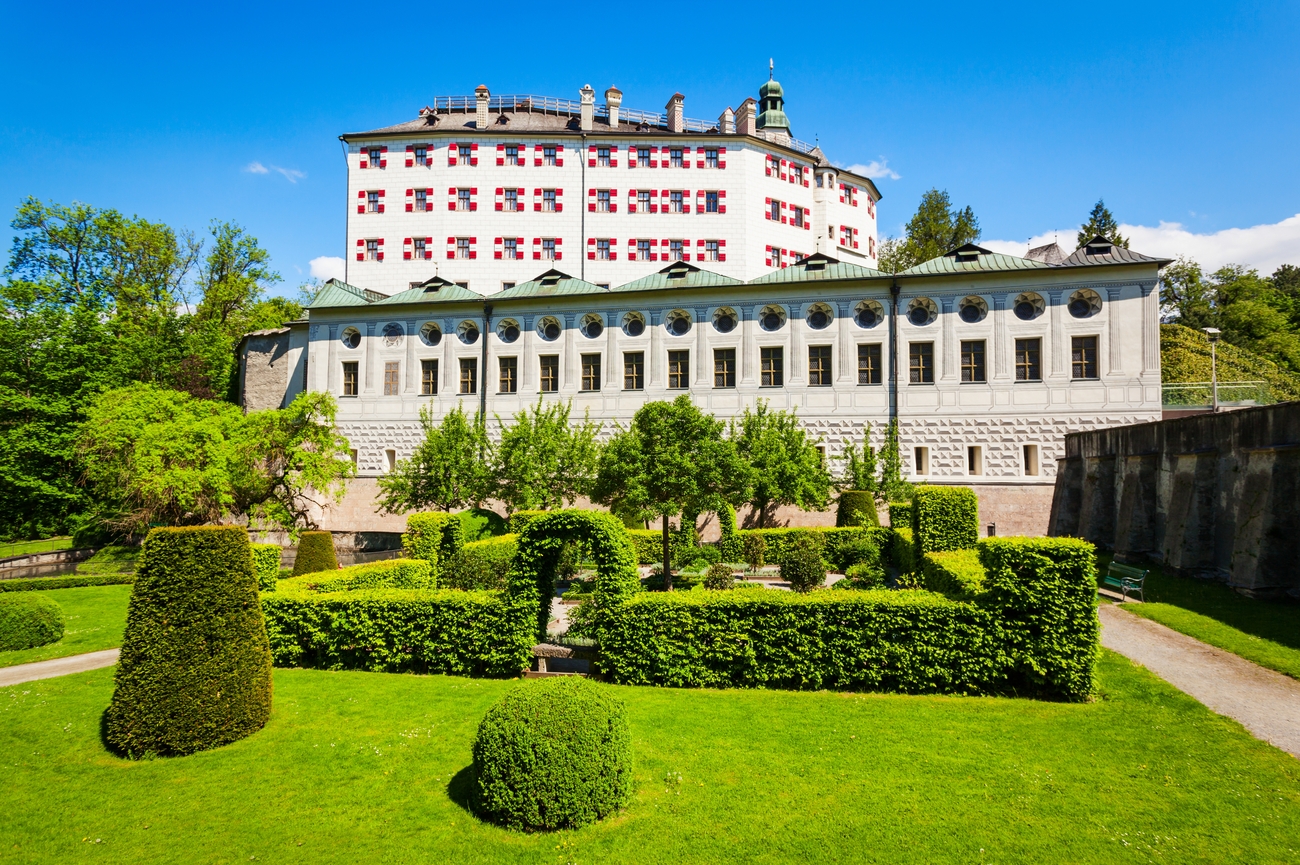
- Explore Ambras Castle: Ambras Castle is one of Innsbruck's most important historic attractions. The Renaissance complex includes armouries, the Spanish Hall, the Chamber of Art and Curiosities and the Habsburg Portrait Gallery, making it particularly worthwhile if you want to go beyond the historic centre. If you are spending more time in the city, see our guide to the best things to do in Innsbruck.
St. Anton am Arlberg
- Explore Beyond the Ski Slopes: St. Anton is best known for skiing, but during the warmer months the surrounding mountains offer hiking, mountain biking and guided Alpine experiences. The village also has a strong wellness scene, making it easy to combine active days with spa treatments and fine dining.
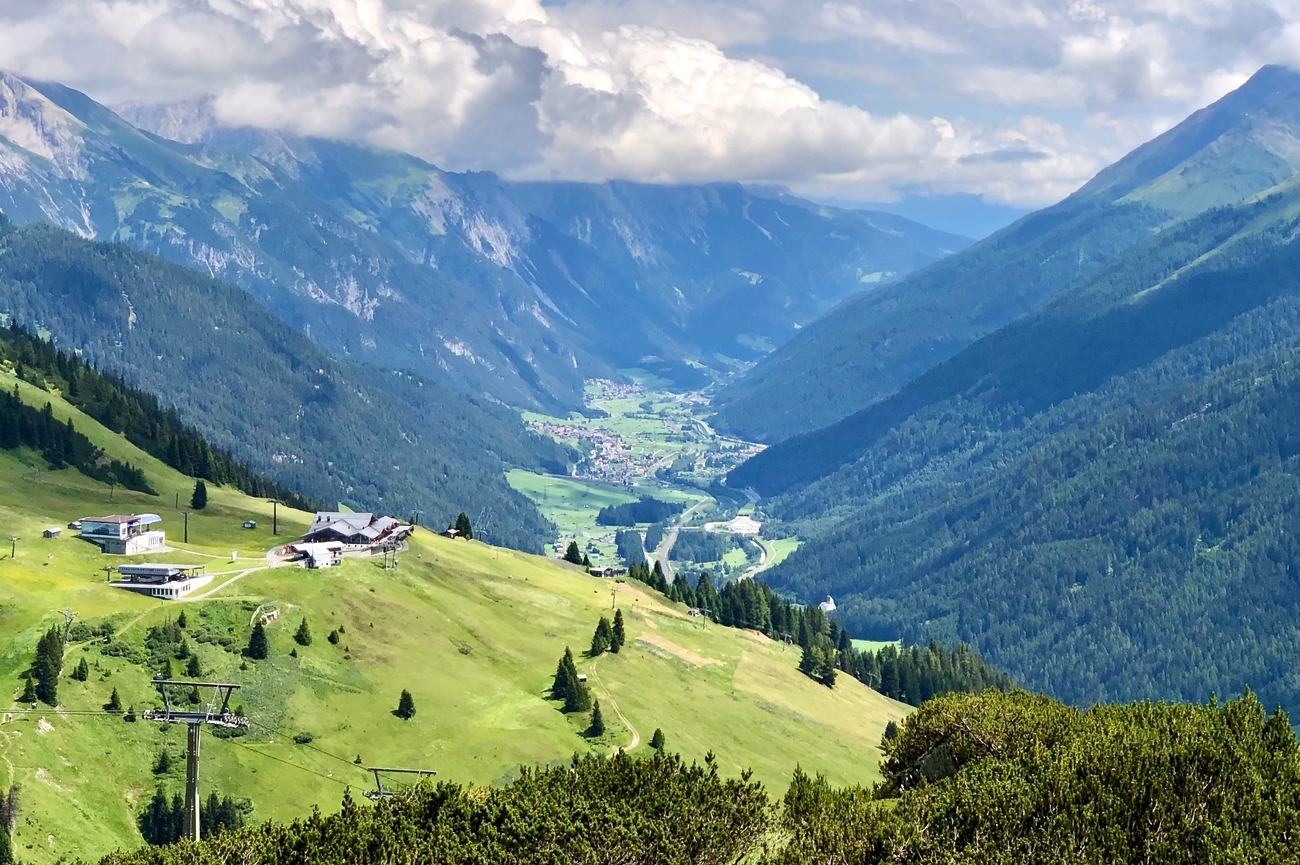
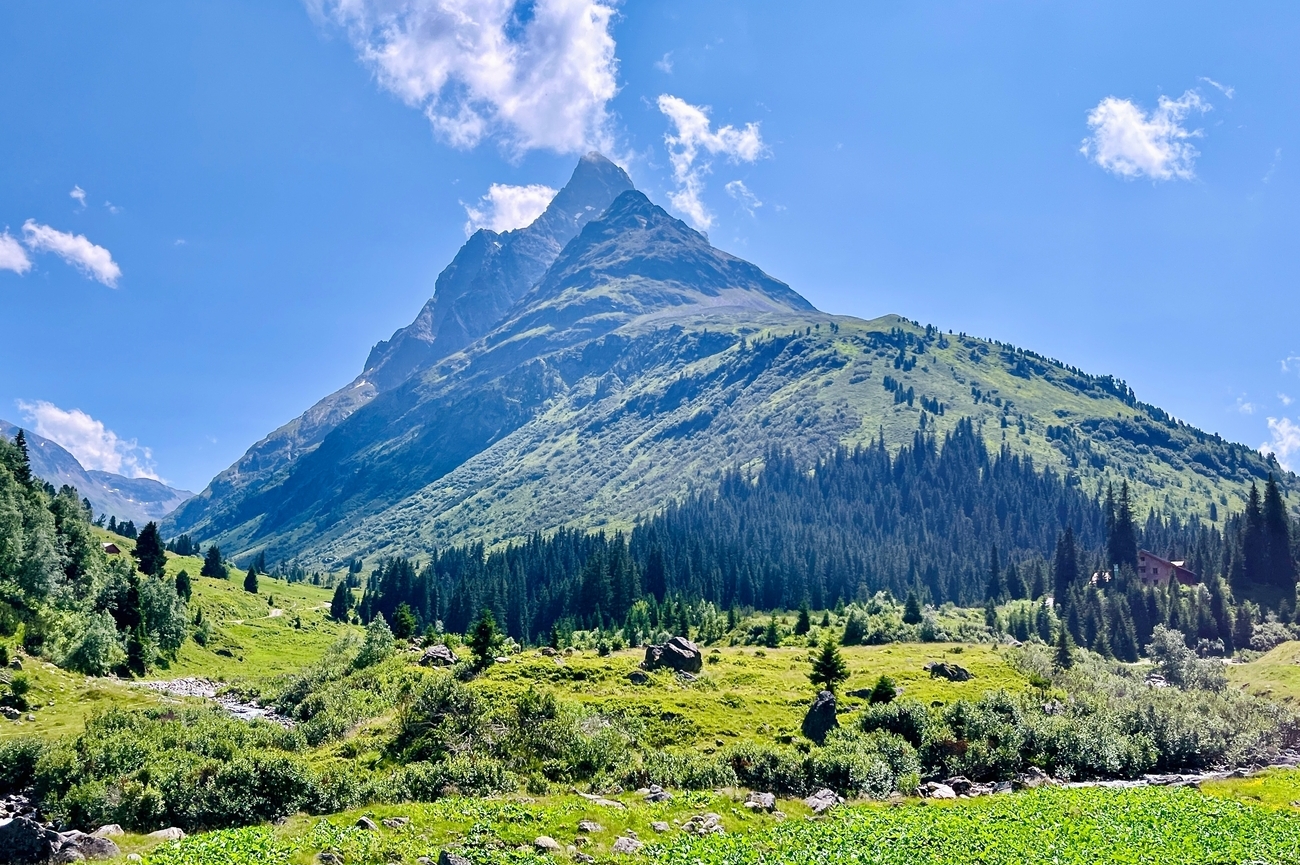
- Walk Through the Verwall Valley: The Verwall Valley provides a quieter contrast to St. Anton's ski slopes. Walking and cycling routes follow the Rosanna River towards Verwallsee and continue deeper into the mountains towards Alpine huts.
Bludenz
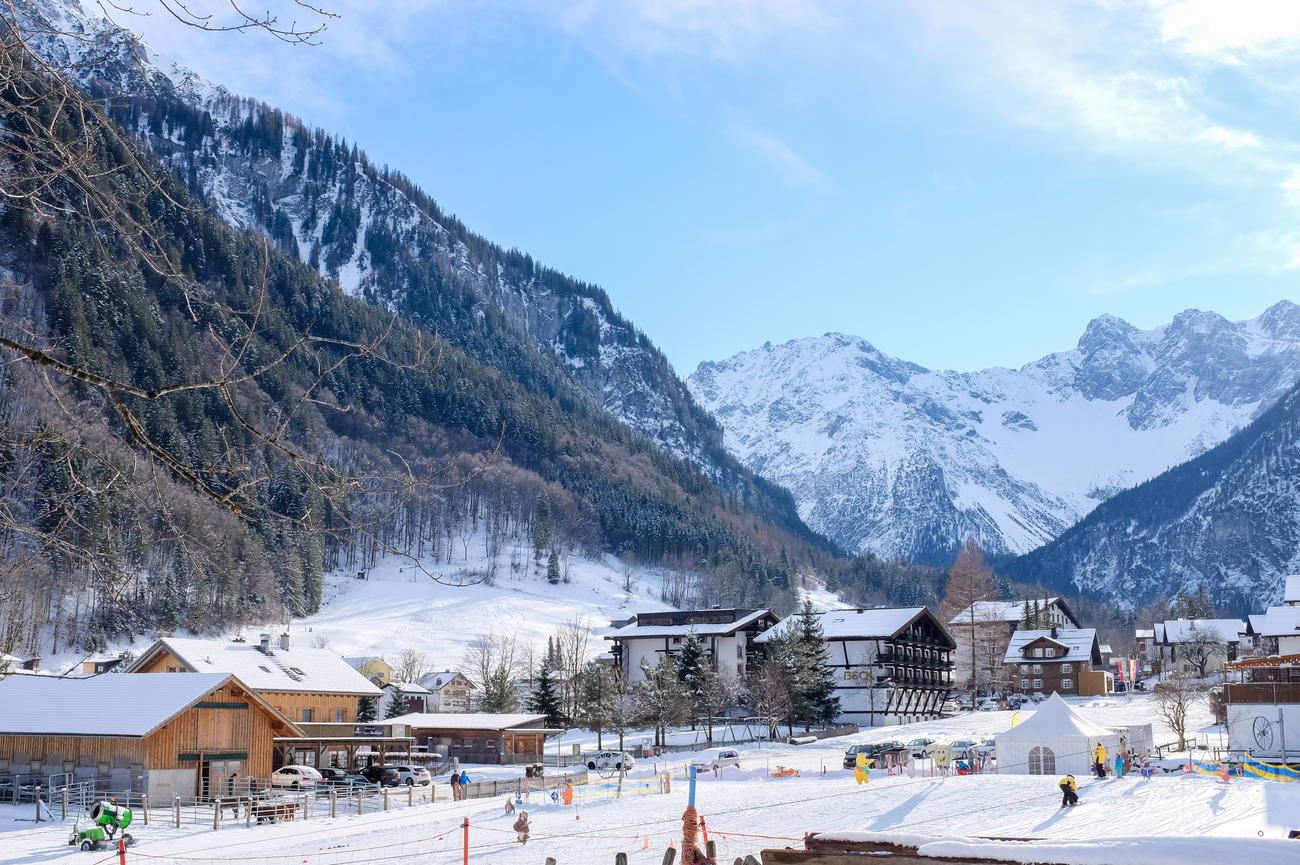
- Explore Brandnertal Valley: Just outside Bludenz, the Brandnertal Valley offers some of the best outdoor experiences in the region. The valley is popular for hiking, mountain biking and winter sports, with routes suitable for both casual visitors and experienced outdoor travelers. Guided nature walks and other adventure activities are available throughout the year. If you prefer a more upscale mountain day, you can join private tours that include scenic drives, local food stops and visits to traditional Alpine villages.
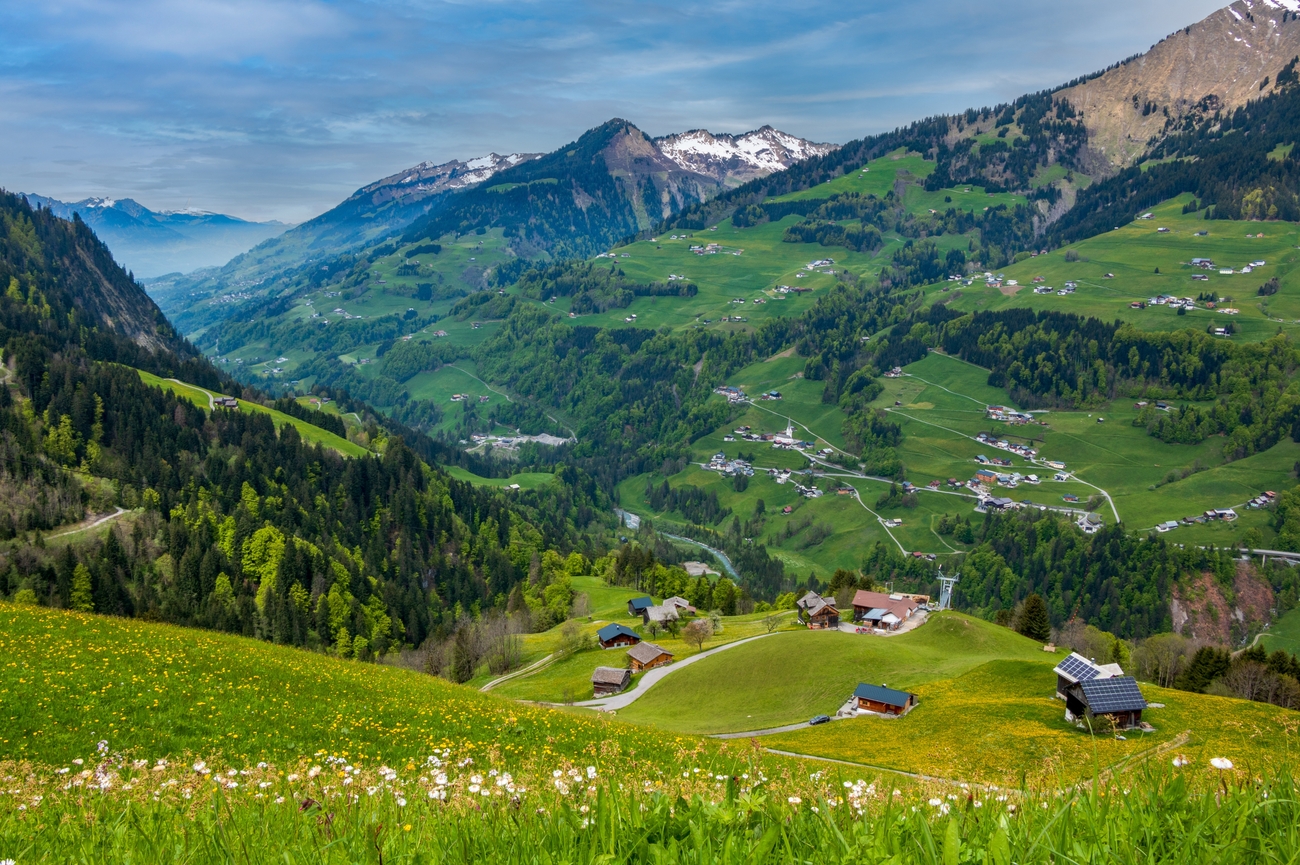
- Discover Biosphärenpark Großes Walsertal: The Biosphärenpark Grobes Walsertal is one of Vorarlberg’s most rewarding nature escapes, located a short distance from Bludenz. Recognized as a UNESCO Biosphere Reserve, the valley is known for traditional mountain villages, sustainable farming practices and a landscape shaped by forests, alpine meadows and dramatic peaks. It offers routes for different fitness levels, from easy walks through villages and meadows to longer mountain hikes with panoramic views. In winter, the valley also offers a quieter setting for snowshoeing and cross-country skiing.
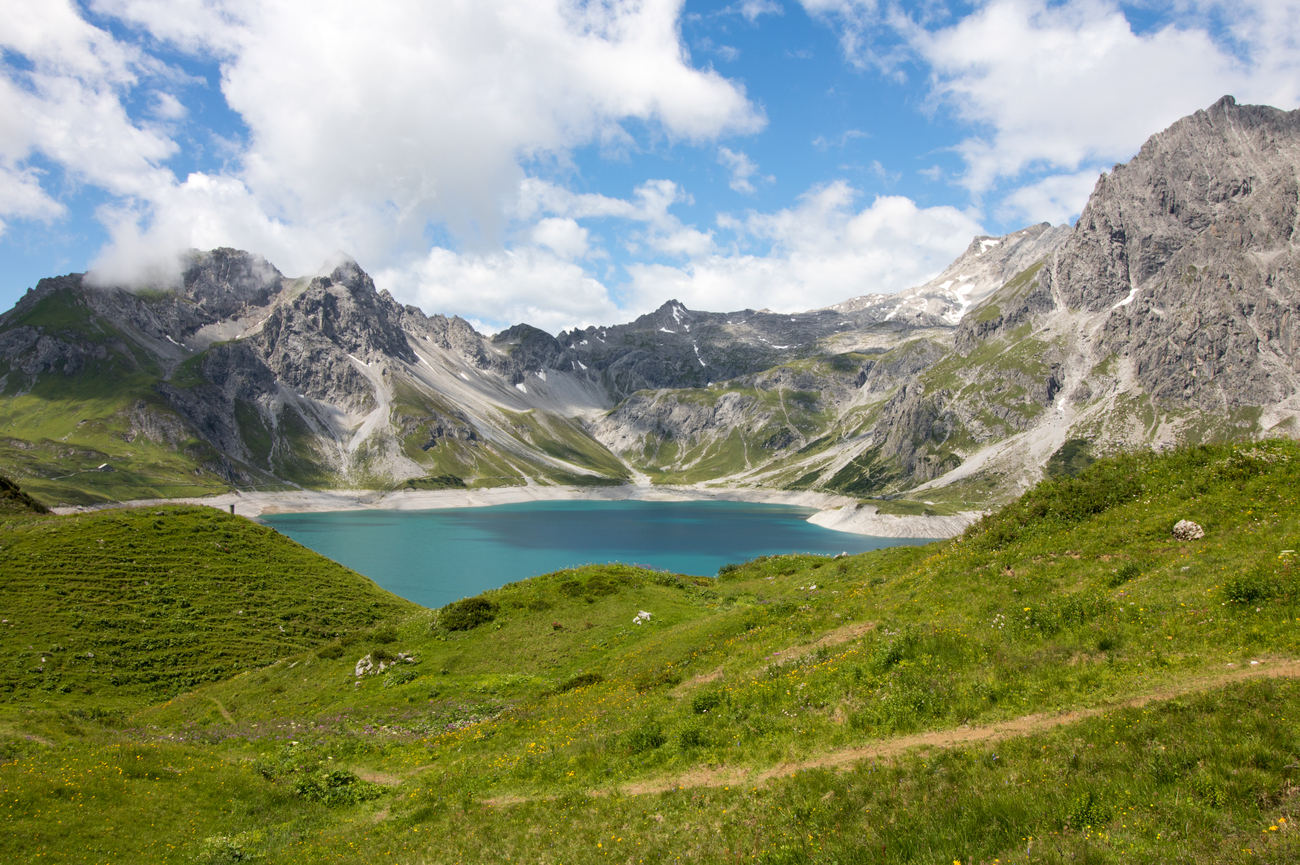
- Lünersee: Set at almost 2,000 metres above sea level, Lünersee is one of the most striking mountain landscapes accessible from the Bludenz area. The Lünerseebahn cable car climbs from Brandnertal to the lake, where you can walk around the shoreline or continue onto longer mountain trails.
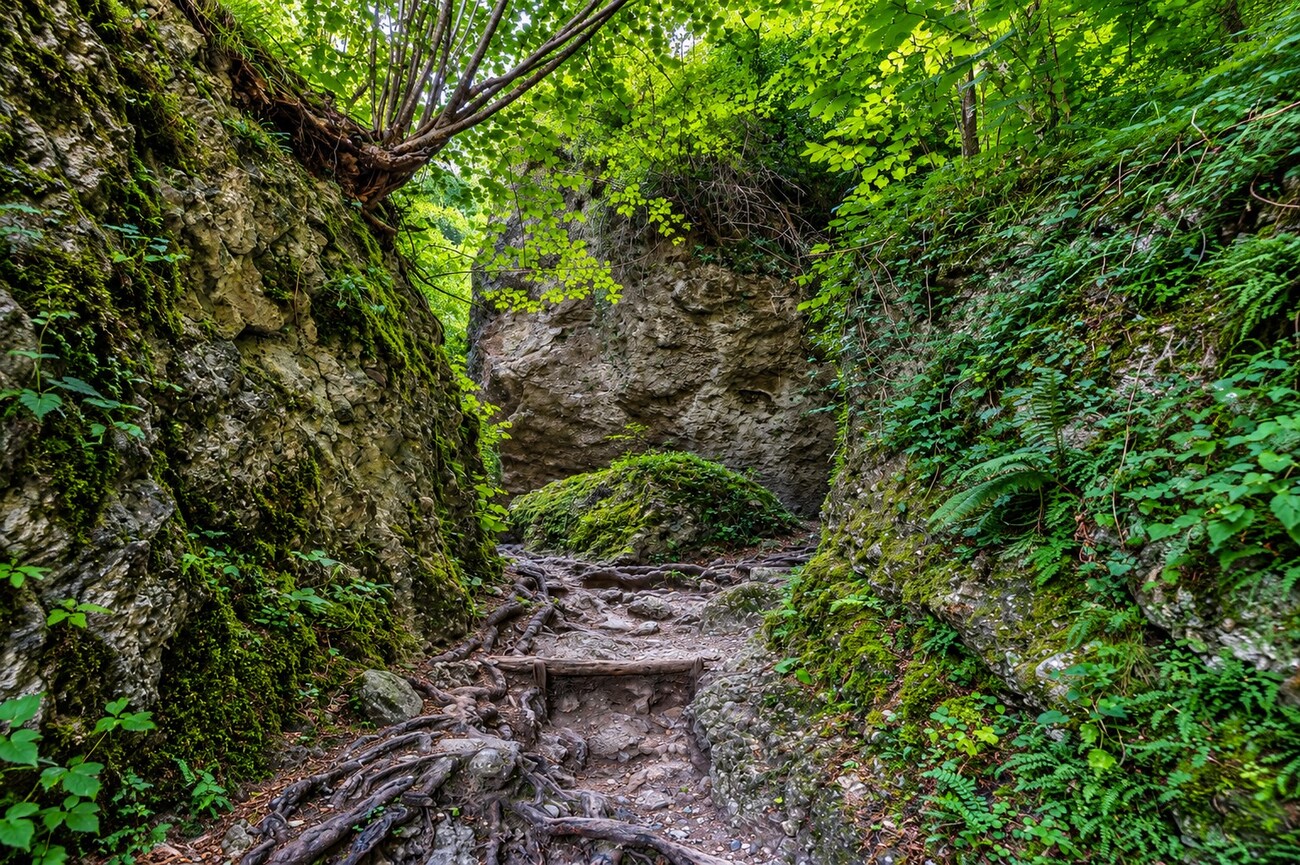
- Hike Through Bürser Gorge: Near Bludenz, Bürser Gorge has a scenic walking route through forest and dramatic rock formations shaped by the Alvier River. It is an easy way to add a more adventurous nature experience to a stay in the region.
Plan Your Arlberg Railway Journey
The Arlberg Railway fits easily into a wider tailor-made journey through Austria, whether you want to combine Innsbruck and St. Anton with Vorarlberg or continue towards Switzerland and Liechtenstein.
Your Austria vacation can include the Arlberg Railway alongside carefully selected hotels, private experiences and time in the Alps, with the itinerary shaped around the places you most want to explore. Get in touch and we can start planning the journey.

Let us know what you love, where you want to go, and we’ll design a one-of-a-kind adventure you’ll never forget.
Get in touch
Miriam
Travel Specialist

Romina
Travel Specialist

Laura
Travel Specialist
Frequently Asked Questions About the Arlberg Railway
-
When Is the Best Time to Travel on the Arlberg Railway?
The Arlberg Railway is scenic throughout the year, although each season offers a different experience. Winter brings snow-covered mountains and Alpine villages, while spring offers snow-capped peaks above greener valleys. Summer is ideal for combining the journey with hiking and sightseeing, and autumn brings colourful forests and quieter mountain landscapes. For classic snow-covered Alpine scenery, winter is particularly rewarding.
-
Which Side of the Train Offers the Best Views?
When travelling west from Innsbruck towards Bludenz, the left side generally offers particularly attractive views along parts of the Inn Valley. After the Arlberg Tunnel, the right side can provide better views across sections of the Klostertal. Travelling in the opposite direction reverses these recommendations. However, the railway winds through changing mountain terrain, and both sides offer impressive scenery throughout the journey.
-
Can You See the Arlberg Pass from the Train?
The railway passes beneath the Arlberg Pass through the 10.6-kilometre Arlberg Tunnel, so passengers do not travel over the pass itself. However, the approaches to the tunnel offer impressive views of the surrounding Alpine mountains, particularly around St. Anton am Arlberg and Langen am Arlberg. To explore the pass above ground, you would need to arrange a separate road excursion.
-
Is the Arlberg Railway a Good Day Trip from Innsbruck?
Yes, the Arlberg Railway can make an enjoyable day trip from Innsbruck. You could travel to St. Anton am Arlberg, explore the village, enjoy lunch and return to Innsbruck later in the day. Alternatively, continuing to Bludenz allows you to experience the complete mountain crossing, although the return journey makes this a longer excursion. An overnight stay gives you more time to explore the surrounding mountains.
-
Are There Any Historic Bridges or Viaducts Along the Arlberg Railway?
Yes, the Arlberg Railway is known for its historic engineering structures, including bridges, viaducts and tunnels constructed to carry the line through difficult Alpine terrain. One of its most famous landmarks is the Trisanna Bridge near Wiesberg, which crosses a deep gorge below Schloss Wiesberg. The railway also features impressive engineering works along the descent through the Klostertal, making the route particularly interesting for railway enthusiasts.
-
Can You Combine the Arlberg Railway with Other Scenic Train Journeys in Austria?
Yes, the Arlberg Railway can be incorporated into a longer scenic rail itinerary through Austria. From Innsbruck, you can connect with the Brenner Railway towards Italy or explore other Alpine routes across Tyrol. The UNESCO-listed Semmering Railway in eastern Austria is another rewarding journey that can be included in a wider itinerary. Combining these routes allows you to experience different Alpine landscapes and examples of historic railway engineering.
-
Is the Arlberg Railway Suitable for Families with Children?
Yes, the Arlberg Railway is suitable for families, particularly as the journey between Innsbruck and Bludenz takes around two hours. Children can enjoy the mountain views, bridges and tunnels along the route without spending an entire day on the train. Breaking the journey in St. Anton provides opportunities for cable car rides, gentle walks and other family activities. Railjet services also offer comfortable seating and onboard facilities that can make travelling with children easier.
-
Can Revigorate Include the Arlberg Railway in a Tailor-Made Austria Vacation?
Yes, Revigorate can incorporate the Arlberg Railway into a personalised journey through Austria, combining scenic rail travel with carefully selected luxury hotels, private transfers and experiences in the Alps. Your itinerary can include Innsbruck, St. Anton am Arlberg and Vorarlberg, or extend into Switzerland and other parts of Austria. Every journey is planned around your interests, preferred pace and travel style.
Our offices:
Return to Austria tours

Revigorate, Iberian Escapes and Algarve Lifestyle are the registered brand names of APCS Lda . We are a fully authorised travel agency licensed by Turismo de Portugal RNAVT/6867.
In the event of a dispute, the consumer may refer to: RAL - Centros de Arbitragem
Avª. 5 de Outubro, nº. 55, R/C Dtº. 8000-075 Faro, Portugal | Tel: +351 289 823 135 *
* national landline call
E-mail: info@consumoalgarve.pt| www.consumidoronline.pt | Mon to Fri: 9:00 - 13:00 / 14:00 - 17:00