Singapore Wellness Travel Guide: The Ultimate Luxury Retreat Experience

True luxury is found in the absence of compromise.
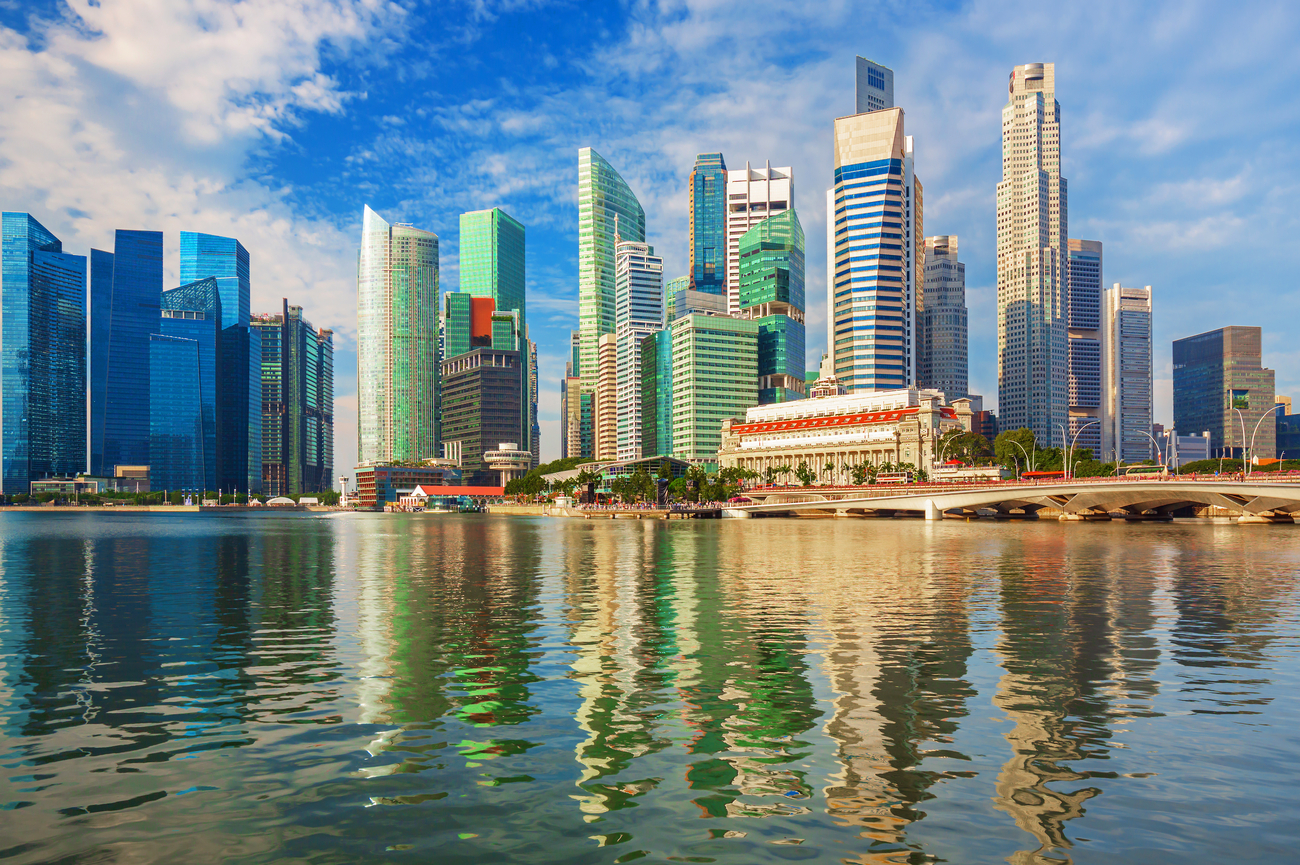
While most health-centric destinations demand a choice between the serenity of nature and the pulse of a global city, Singapore dismantles that divide entirely. Wellness travel Singapore style is a sophisticated, multi-sensory pursuit where indulgence and restoration exist in the same breath. Mornings belong to rainforest-ensconced sanctuaries, while afternoons center on Michelin-starred tables tucked inside glass greenhouses. By dusk, the Marina Bay skyline dissolves into a quiet, high-altitude reflection from a private terrace.
Precision is the hallmark of the experience here. Every detail is designed for the traveler who requires a total lack of friction.
Singapore Has Become a Credible Wellness
Destination
The instinct is to be sceptical. Singapore is a financial capital, a city of glass towers and flawless infrastructure, a place most travellers associate with commerce rather than contemplation. That perception is both accurate and incomplete.
Singapore’s wellness credentials are structural, not cosmetic. Over the past two decades, the country has deliberately reshaped its urban environment through the national City in Nature vision. More than 350 parks now sit within the island’s compact footprint, supported by a 300-kilometre network of park connectors linking neighbourhoods to reservoirs, rainforest reserves, and coastal green corridors. Most residents live within a ten-minute walk of managed green space. In Singapore, access to nature is not decorative. It is urban planning.
For visitors, the result is a city where restoration is seamlessly accessible. Morning walks through rainforest trails, yoga sessions overlooking reservoirs, and spa treatments surrounded by tropical gardens can all happen within minutes of the city centre.
The spa culture that has evolved within this environment is equally distinctive. Singapore’s wellness traditions draw from four primary influences: Balinese massage ritual, Traditional Chinese Medicine, Malay herbal therapy, and contemporary European hydrotherapy. In many destinations such diversity becomes superficial fusion. In Singapore it reflects the country’s multicultural history. Therapists are often trained across several traditions because the industry developed through the intersection of these cultures.
The Singapore Tourism Board has also played a strategic role in shaping the city’s wellness profile. In recent years Singapore has invested heavily in positioning itself as a high-end wellness destination for international travellers. The results are visible in the calibre of luxury hotels, the sophistication of spa facilities, and the ease with which visitors can move between urban energy and restorative green space.
Wellness travel in Singapore now attracts global attention, not because the city tries to imitate traditional retreat destinations, but because it offers something different: restoration within one of the most efficient and beautifully designed cities in the world.
Sentosa Island: The Quiet Case for a
Resort-Based Retreat
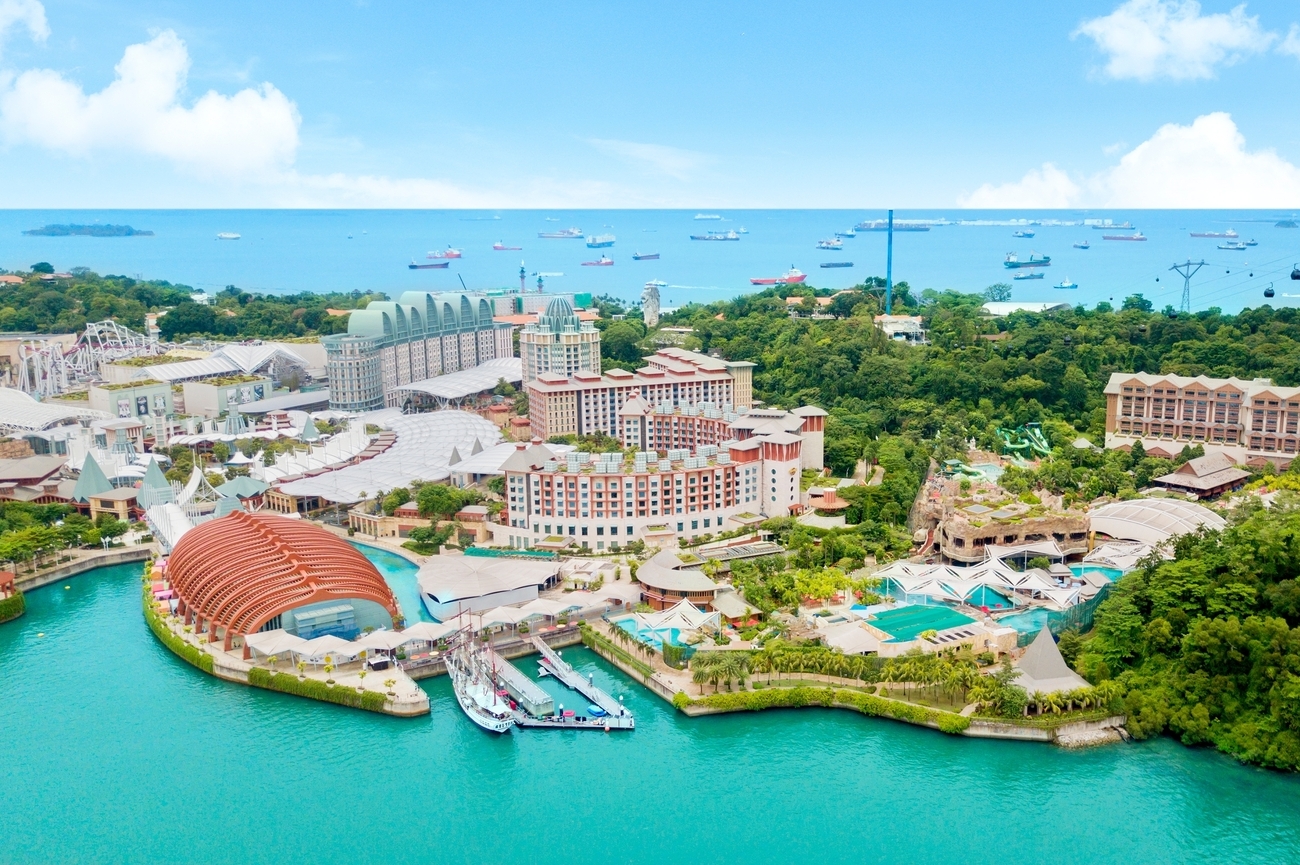
Sentosa has two faces. The northern edge is defined by theme parks, cable cars, and the kind of attractions designed for large crowds. The southern hilltop offers something entirely different.
Capella Singapore occupies 30 acres of that quieter landscape. Designed by Norman Foster’s firm, the property centres on a restored colonial estate, once the British officers’ mess, now carefully integrated with two contemporary wings and a series of terraced pools overlooking the sea.
The setting is not theatrical landscaping. The rainforest canopy is real, dense enough to regulate temperature and filter the constant noise of the city beyond the island. From many vantage points the South China Sea sits directly on the horizon, reinforcing the sense of distance from Singapore’s urban core.
Among luxury travellers and wellness specialists, Capella has become the reference point for a Sentosa-based retreat. Its Auriga Spa remains one of the few Forbes Five-Star spas in Southeast Asia, and the resort’s scale allows guests to experience genuine seclusion without sacrificing proximity to the city.

Auriga Spa:
Singapore's Benchmark
Auriga Spa has held Forbes Travel Guide Five-Star status for 15 consecutive years. It was the first hotel spa in Singapore to receive the designation and has retained it ever since. The facilities include nine treatment suites, four couples’ suites, a vitality pool, herbal steam room, and ice fountain. Crucially, the spa occupies its own dedicated wing, separate from the hotel’s main circulation. The arrival experience at Auriga does not begin in the lobby. It begins in a quieter, self-contained environment designed specifically for treatment and recovery.
The spa’s philosophy is structured around the lunar cycle. Each treatment in the signature menu corresponds to a specific phase of the moon, drawing on the symbolism of the Auriga constellation, traditionally associated with guidance and celestial order. Rather than serving as a decorative theme, this framework shapes the practical treatment menu. The New Moon Massage focuses on restoration and renewal, while the Full Moon ritual emphasises release and deep muscular relaxation. The distinction is experiential, not merely conceptual.
A Balinese massage at Auriga is executed with a level of precision that reflects the spa’s training standards. Oils and botanical ingredients are organic and sourced locally where possible, and therapists are trained specifically in the protocols of the lunar programme. The hydrotherapy sequence that precedes treatment is not an optional add-on. It is built into the architecture of the experience, preparing the body before the massage begins.
The 5-Day Singapore Wellness Retreat on Sentosa Island uses Capella as its residential base. Spa sessions, private transfers, and dining reservations are arranged before arrival, allowing guests to move through the experience without logistical interruptions. Explore the full retreat itinerary here.

Singapore's Spa Culture: What Sets It Apart
Luxury spas exist in cities all over the world. The more interesting question is whether Singapore’s spa culture has a character that cannot easily be replicated elsewhere.
In Singapore, the answer lies less in the facilities themselves and more in how those facilities interact with the city’s landscape, history, and cultural composition.
The
Forest-Integrated Model
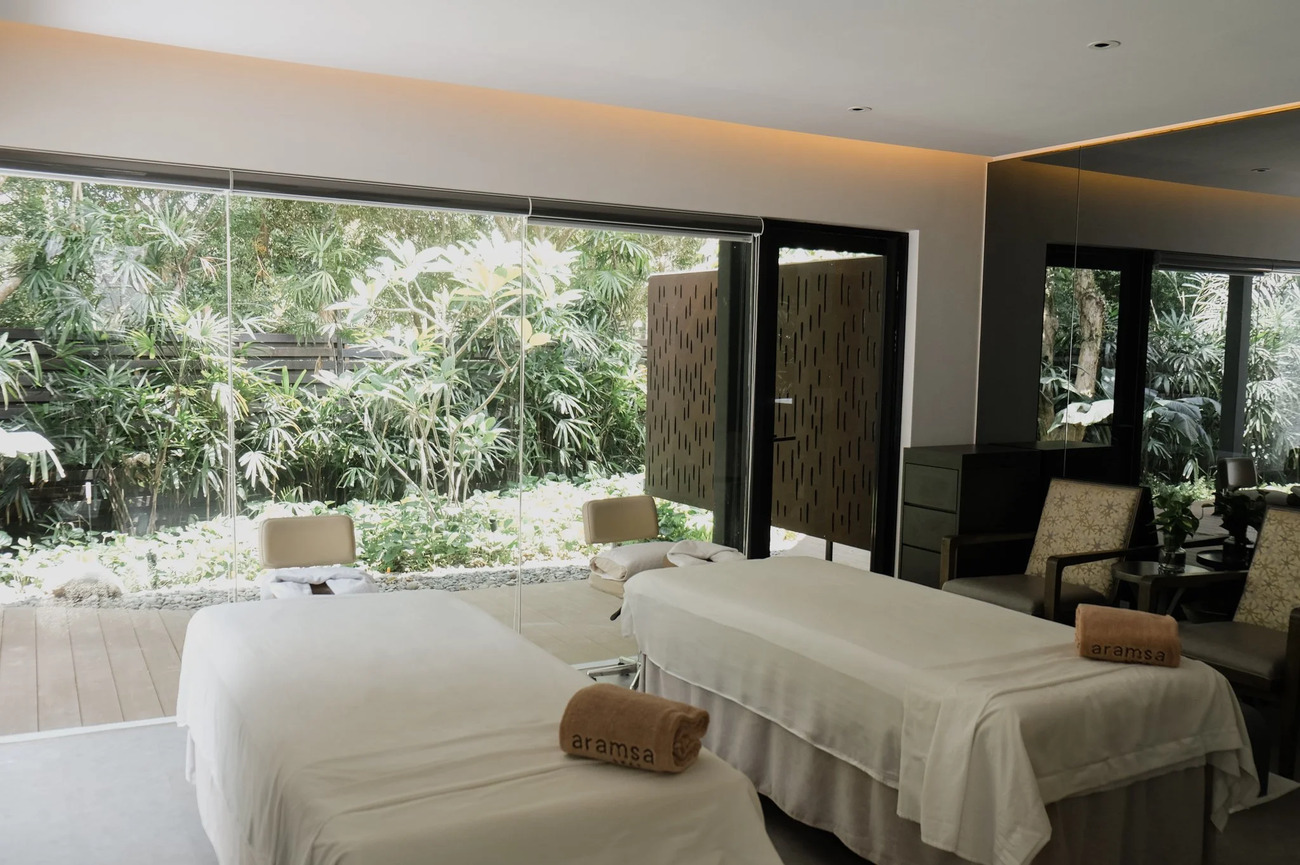
Aramsa The Garden Spa at Bishan-Ang Mo Kio Park is one of the clearest examples of what Singapore does differently. The spa occupies roughly 7,500 square metres inside Bishan Park and is approached along a garden path rather than through a hotel corridor. Treatment pavilions open toward outdoor courtyards, while hydrotherapy pools sit within landscaped grounds overlooking the naturalised river that runs through the park. The journey to the treatment becomes part of the treatment itself.
The setting is not accidental. Bishan-Ang Mo Kio Park is widely regarded as one of Singapore’s most successful urban ecology projects. In 2012 the concrete canal that once cut through the park was transformed into a naturalised river corridor, a redesign that received international recognition for integrating water management, biodiversity, and public parkland. Aramsa sits quietly within this environment, offering a form of restoration that feels connected to the landscape rather than separated from it.
The Lunar Spa
Model
Auriga Spa at Capella represents a different philosophy. Here the structure of the wellness experience is organised around the lunar cycle. Treatments are aligned with different phases of the moon and delivered within a spa environment designed specifically to support that rhythm.
This framework shapes more than the treatment menu. It influences how guests approach the spa during a longer stay. Visitors who spend several nights at Capella often schedule multiple sessions across different phases of the cycle rather than booking a single treatment. Auriga’s Wellness Discovery Day Pass offers an introduction to the concept, although guests with a planned itinerary tend to experience the programme more fully.
The
Traditional Heritage Thread
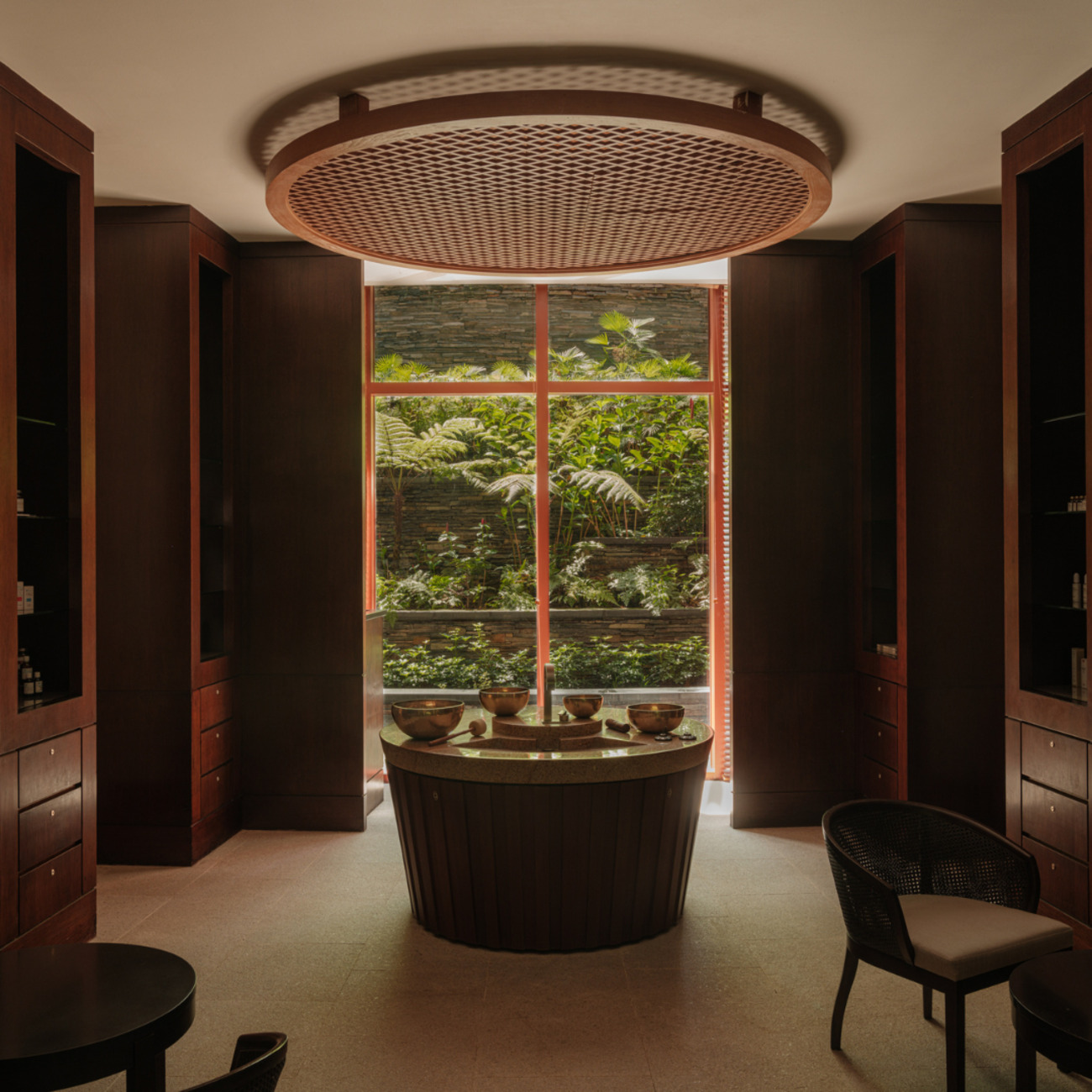
Singapore’s spa culture also reflects the island’s layered cultural history. Traditional Malay therapies remain particularly influential, including the warming boreh treatment. This ritual uses a paste of rice, herbs, and spices applied with heat to stimulate circulation and release muscular tension.
Across Singapore’s leading spas, boreh treatments often appear alongside Chinese meridian therapy or Balinese marma point massage. The Aramsa Garden Harmony treatment, for example, combines elements of all three approaches within a single session.
Rather than being presented as novelty, these combinations reflect how healing traditions have intersected in Singapore for generations, creating a spa culture that feels both authentic and distinctly local.
Singapore’s spa traditions, and the properties that express them most distinctly, are explored in detail in our Singapore’s spa and healing culture: from forest-integrated spas to world-class rituals.
Nature as Therapy: Singapore's Urban Green Experiences
Singapore’s urban nature experiences are not incidental to a wellness retreat. They are part of the therapeutic logic of the destination.
Unlike traditional wellness settings, where nature is often distant and seclusion is the main offering, Singapore places restorative green space directly within the rhythm of the city. The result is not escape in the conventional sense, but a more sophisticated model of restoration, one that allows stillness, movement, and sensory relief to exist without disconnecting entirely from urban life.
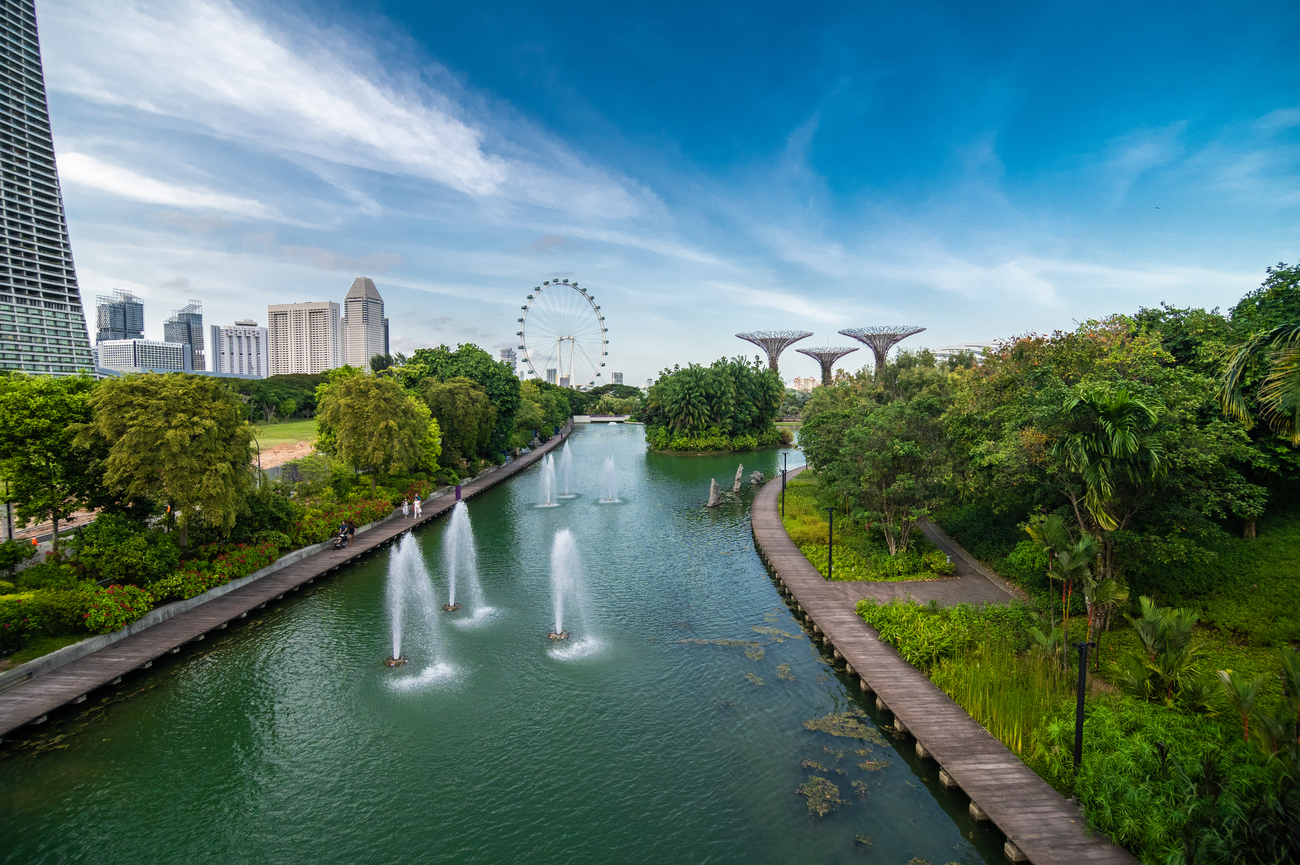
Gardens by the
Bay
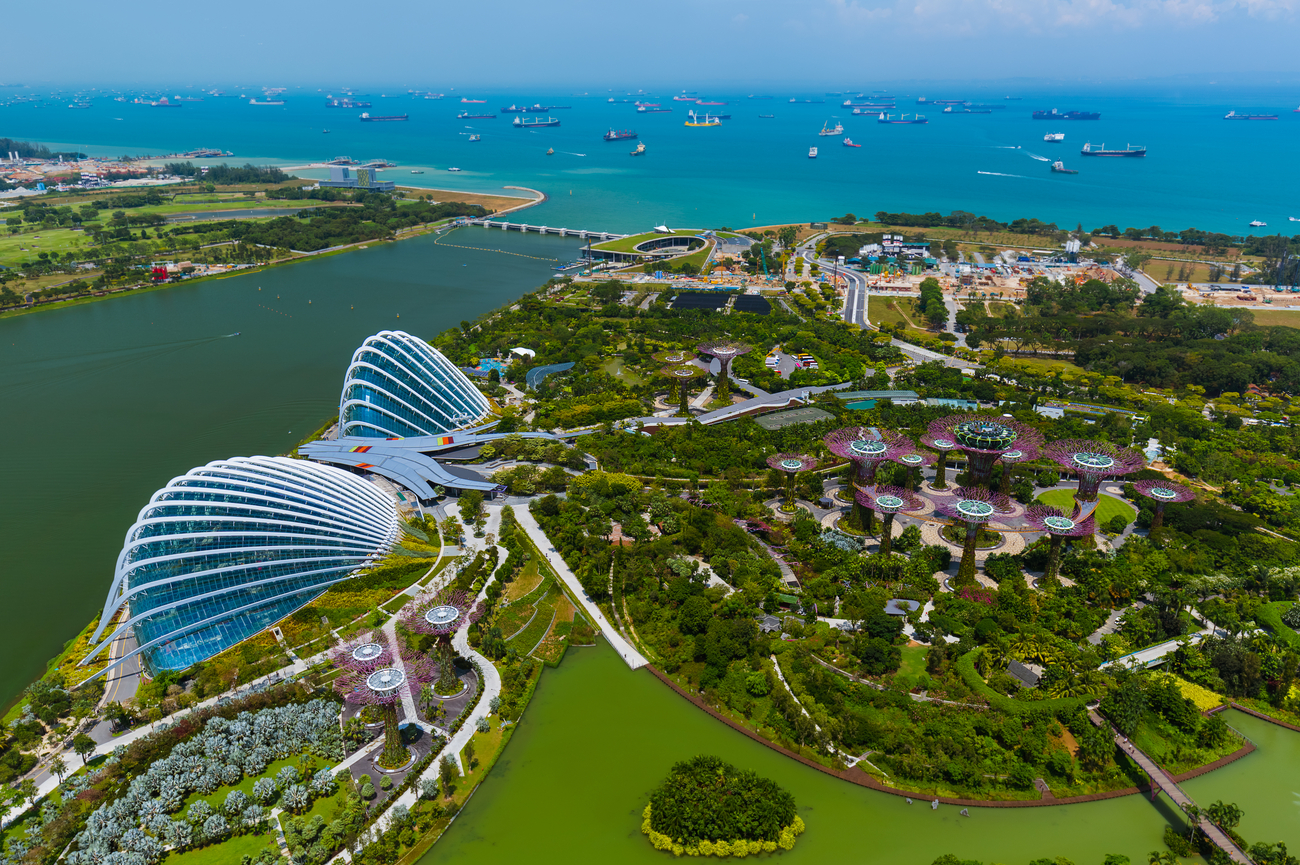
Gardens by the Bay is the clearest expression of this idea. The 100-hectare waterfront garden beside Marina Bay is not simply an attraction, but a carefully designed environment that encourages slower attention. The Supertree Grove, the bay promenade, and the 22-metre-high OCBC Skyway together create a sequence of experiences that shift the visitor above, through, and alongside the landscape. Much of this can be accessed freely, which makes the gardens unusually easy to integrate into a wellness itinerary.
The paid conservatories offer the more immersive dimension. Cloud Forest centres on a 35-metre indoor waterfall and a planted mountain layered with orchids, ferns, and rare cloud forest species. Flower Dome, the world’s largest glass greenhouse, creates a very different mood, brighter, drier, and more expansive, with Mediterranean and semi-arid plant life arranged in a way that rewards unhurried movement. Both are climate-controlled, and both offer a form of sensory reset that feels particularly valuable in a city environment.

Dining Inside
the Greenhouse
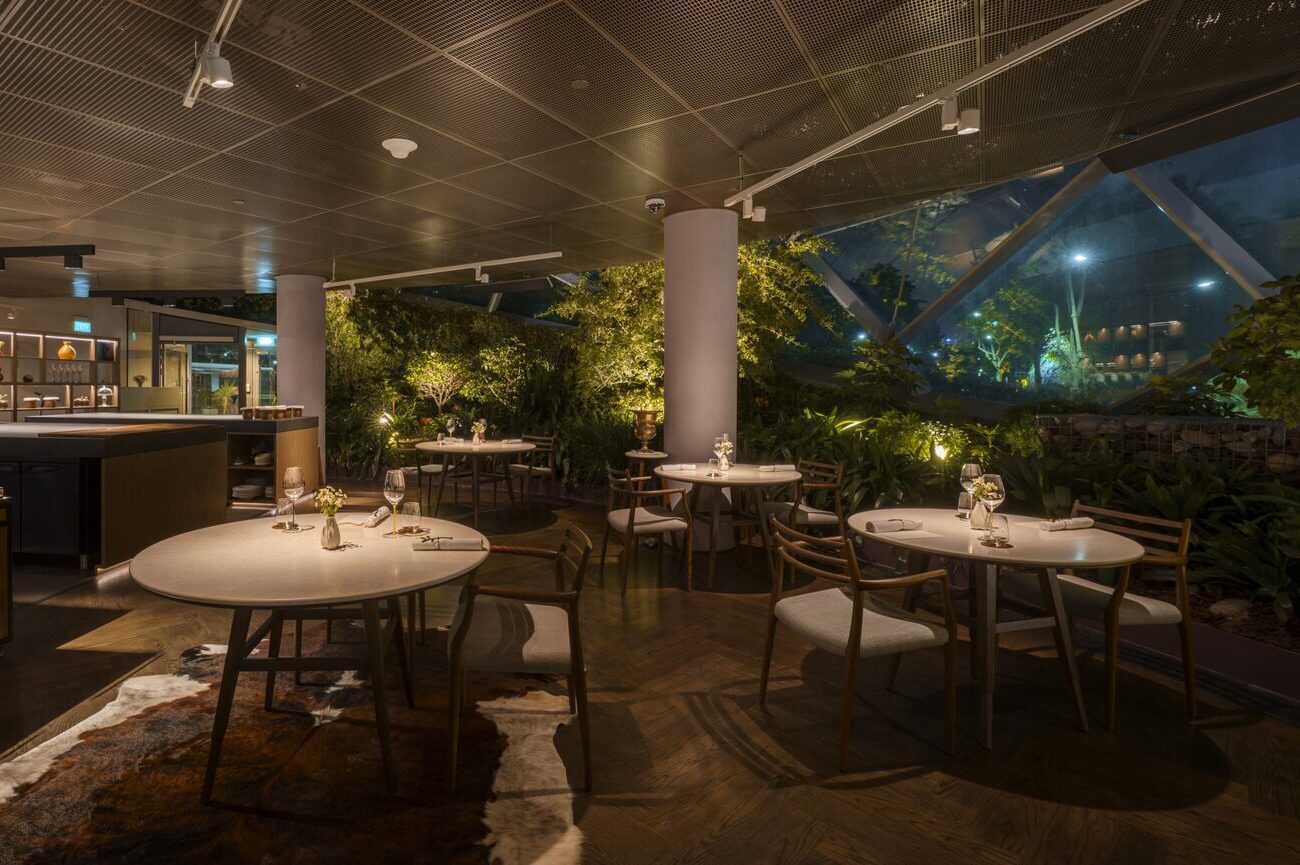
Marguerite, the Michelin-starred restaurant set at the edge of the Flower Dome, extends this experience rather than interrupting it. Chef Michael Wilson’s menu is precise, seasonal, and highly considered, but the setting is what makes the meal relevant within a wellness context.
Lunch here is not simply a restaurant booking. It is an hour or two spent inside a greenhouse, surrounded by curated planting, natural light, and a sense of spatial calm that alters the pace of the day. In Singapore, wellness is not confined to treatment rooms or yoga decks. It also includes environments that shape how the body slows down, how the mind focuses, and how pleasure is experienced without excess.
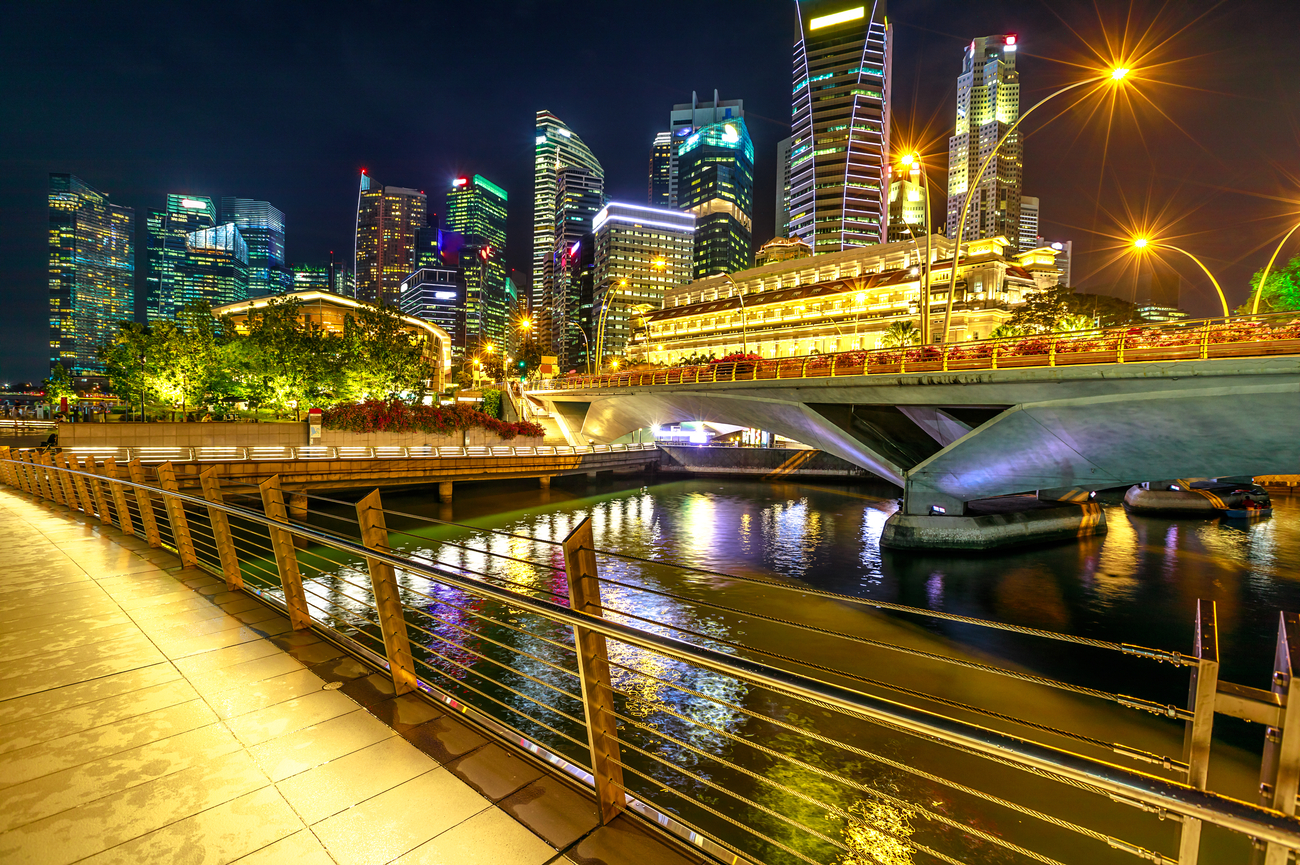
The Marina Bay
Promenade
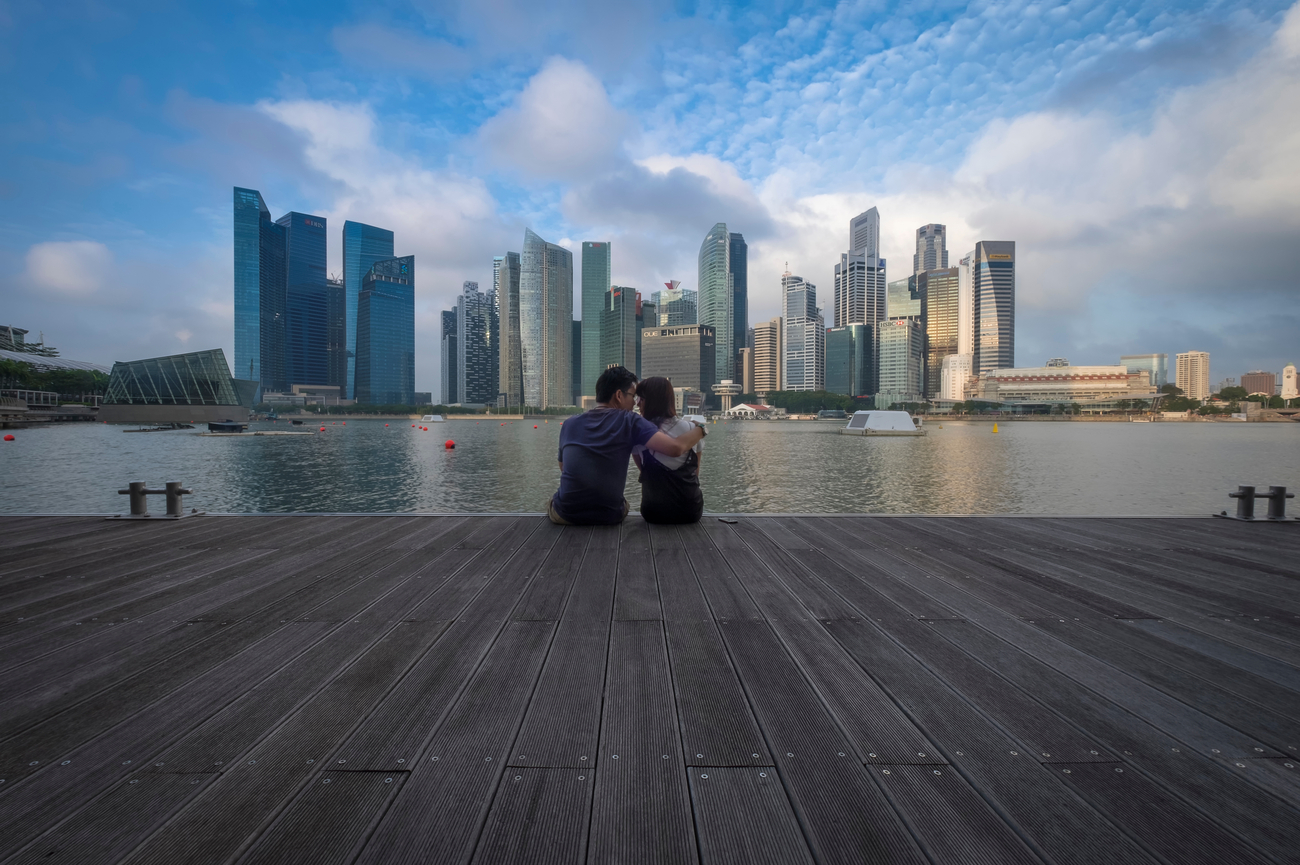
The waterfront between Marina Bay Sands and Gardens by the Bay is one of Singapore’s most quietly impressive urban sequences. A guided shoreline meditation here in the late afternoon, with the skyline behind and the water ahead, creates a very different kind of memory from the typical city walk. It is not about distance or exertion. It is about using a highly specific setting for calm, perspective, and mental reset.
For a more detailed look at Singapore’s most restorative green spaces, including Bishan-Ang Mo Kio Park and Gardens by the Bay, see our Singapore’s best urban nature experiences for inner calm.
Movement and Mindfulness: What the Days
Actually Look Like
A wellness retreat that works is not passive. It moves through different registers across the day: gentle activation in the morning, treatment or time in nature through the middle hours, and a slower, more restorative close by evening. Singapore supports this rhythm with unusual precision, allowing each part of the day to feel distinct without ever becoming logistically heavy.
The Morning
Practice
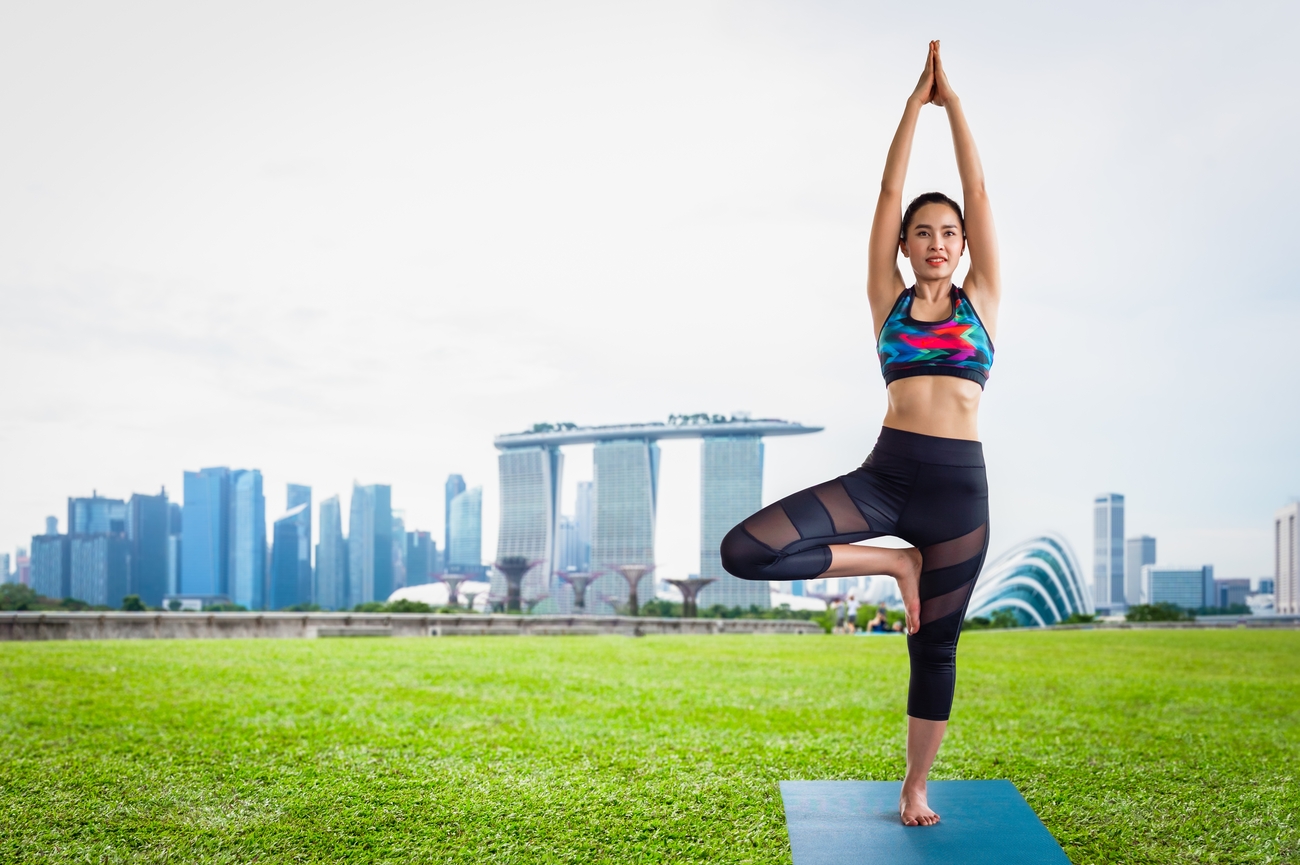
Capella’s setting makes the morning matter. A walk along the Sentosa shoreline before 7am feels quiet, sea aired, and physically manageable before the day warms. Yoga on the lawn can be arranged as a guided session, while breathwork and meditation workshops offered during a longer stay provide more than atmosphere. They give structure to the day and help establish a genuine sense of retreat from the outset.
For guests who prefer something gentler, tai chi and low intensity movement sessions provide a different kind of beginning. The point is not to impose a fixed routine, but to shape the morning around the guest’s energy, sleep, and pace of travel. That flexibility is one of the clearest differences between a well curated wellness itinerary and a standard luxury stay.
The Spa Arc
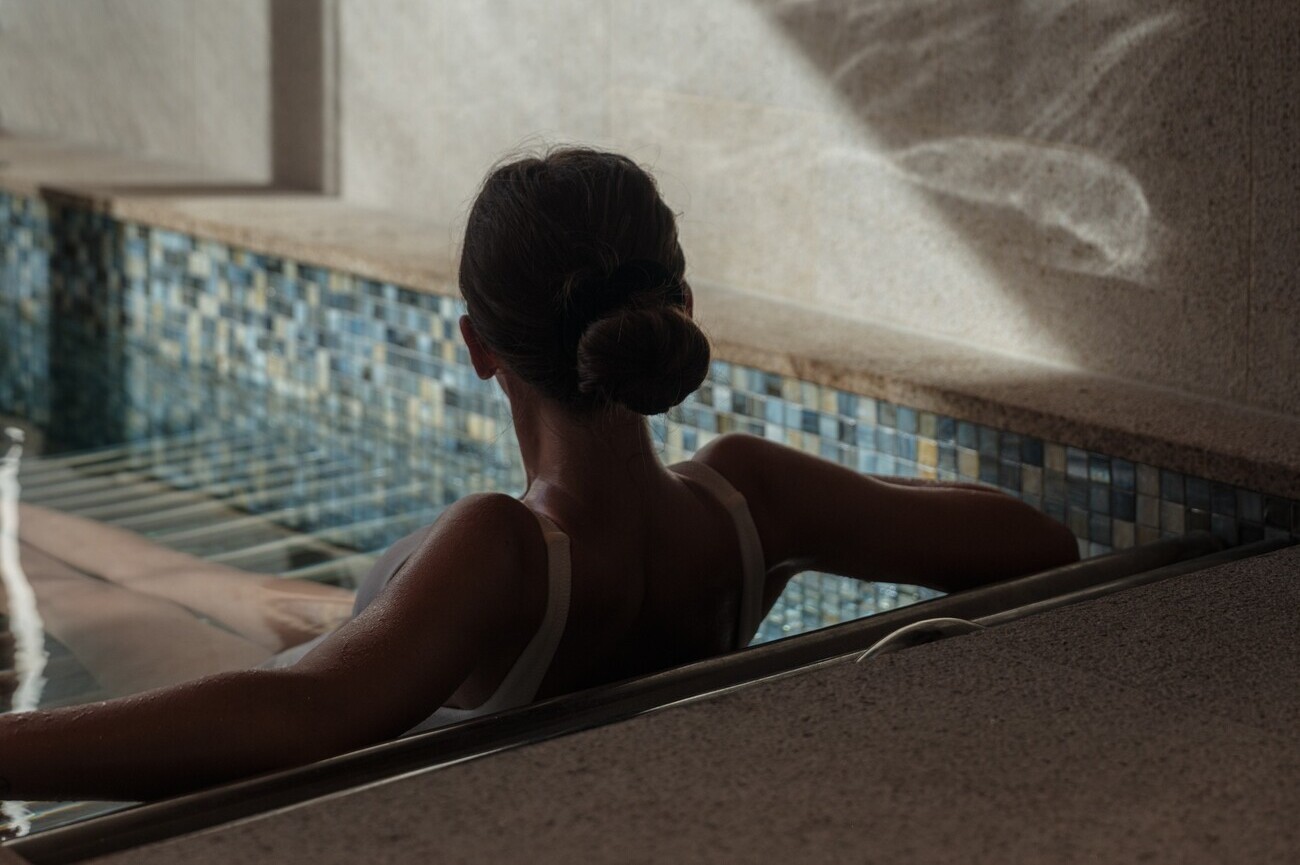
An Auriga day works best when it is treated as a sequence rather than a single appointment. Arrival should come well before the treatment itself, allowing time for the vitality pool, steam room, and relaxation spaces to prepare the body properly. The treatment then becomes the centre of a longer restorative arc, followed by time to rest rather than an immediate return to the outside pace of the day.
This distinction matters. A 90 minute massage inserted between other plans is not the same experience as a half day designed around recovery. At Auriga, the most effective spa sessions are the ones given enough space to unfold.
For guests whose priority is deep rest, sound healing can be introduced in the evening as an optional complement to the spa programme. Used carefully, it adds another register to the retreat, quieter, slower, and better suited to settling the nervous system before sleep.
Dining as
Restoration
In Singapore, dining is not separate from restoration. It is part of the rhythm of the stay. Across five days, the strongest itineraries use food to shift mood, energy, and setting just as deliberately as spa treatments or time in nature.
- Marguerite at Gardens by the Bay belongs naturally to a day shaped around the city’s green spaces. The setting inside the Flower Dome gives lunch a calm, immersive quality that supports the wider wellness experience.
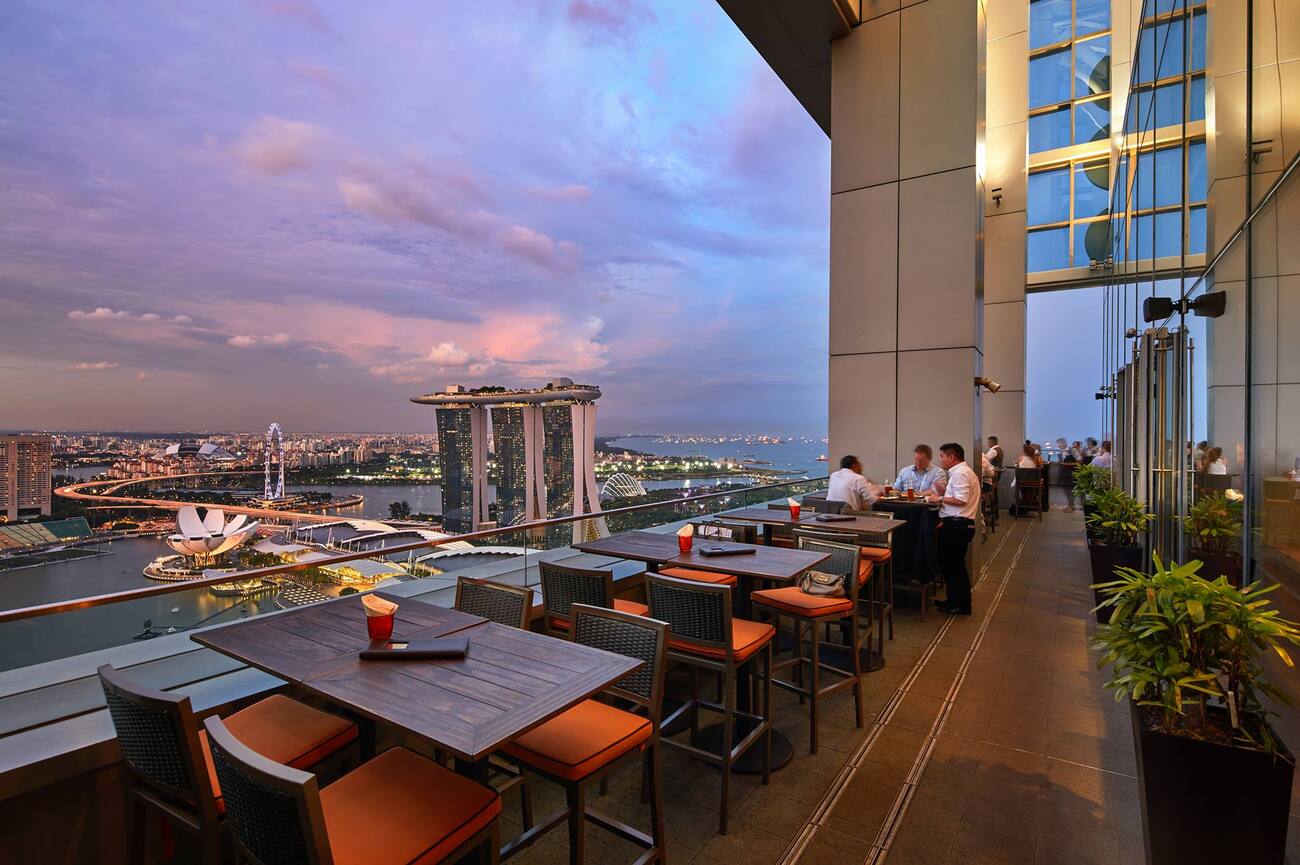
- LeVeL33 brings a different register. High above Marina Bay, it offers spectacle, but also openness, light, and perspective. It works best as an evening that feels social and elevated without becoming heavy.
- Kai Garden introduces another tone altogether. Its refined Cantonese cooking reflects Singapore’s culinary heritage with precision and restraint, making it especially well suited to a wellness itinerary that values balance rather than excess.
- JUMBO Signatures provides the necessary shift in tempo. Singapore’s chilli crab is iconic for a reason, and a retreat here should leave room for pleasure as well as discipline. Wellness in Singapore is not about denial. It is about calibration.
Every restaurant reservation, spa session, and guided experience within our 5-day Singapore wellness retreat on Sentosa Island is arranged before departure. Treatments are scheduled with care, key tables are secured in advance, and private transfers between Sentosa and the city allow the experience to unfold without friction.
How to Think About the Pace of a Singapore Wellness Week
Five days in Singapore is enough time to do this properly. The city’s geography works in the retreat’s favour. There are no domestic flights, no long internal transfers, and no need to disappear into the countryside to find calm. Sentosa is around 15 minutes from Changi Airport, and Capella sits at the quietest end of the island. The city centre is then only a short drive away. Everything the retreat requires, nature, treatment, dining, and cultural contrast, exists within a compact and highly navigable radius.
Sentosa-to-City
The structural logic is simple. The first two days belong to Sentosa, where the pace is set by the resort rather than by the city. Arrival, spa time at Auriga, the gardens, the beach, and space to decompress properly after travel.
Days three and four open outward. This is where the itinerary draws on Singapore’s urban strengths: Gardens by the Bay, the Marina Bay promenade, and a restorative spa sequence at Bishan-Ang Mo Kio Park. The shift is deliberate. It introduces movement, atmosphere, and variety without sacrificing the sense of retreat.
Day five returns to the island for closure, a final beach walk, one last treatment, and a private transfer back to Changi.
The rhythm works because it respects how rest actually happens. A retreat spent entirely inside one resort can become too inward. A trip spent entirely in the city never settles. Moving from Sentosa into the city and then back again creates the contrast that makes restoration feel deeper rather than interrupted.
The Climate
Logic
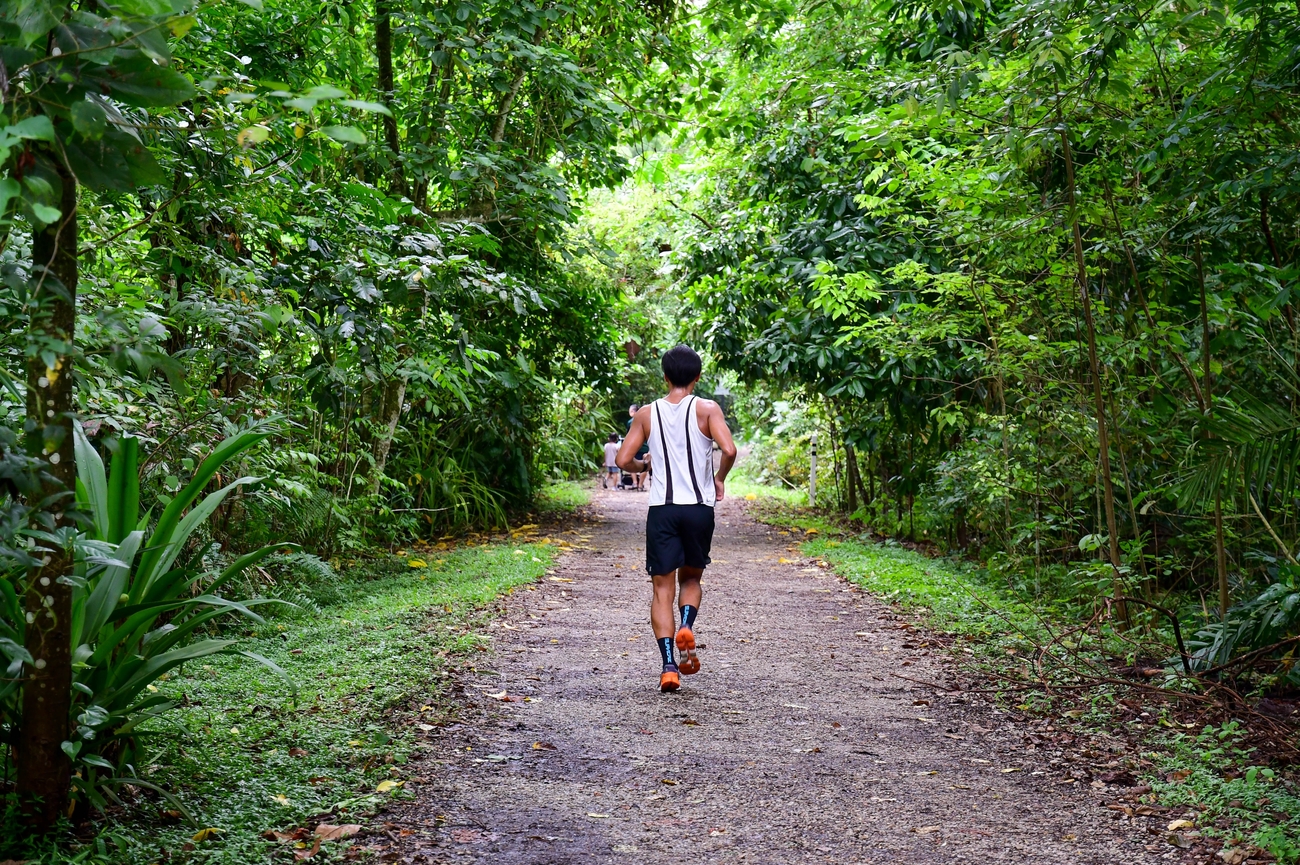
Singapore sits almost exactly on the equator, and the daily rhythm of heat matters. Outdoor walks, movement sessions, and nature experiences work best in the early morning, when the air is lighter and the city is quieter. Late morning onwards is better reserved for spa treatments, long lunches, and climate controlled spaces.
This is not a minor planning detail. It is part of what makes the itinerary feel effortless rather than tiring. A well designed wellness week in Singapore works with the climate, not against it.
What Curation
Provides
The restaurants and treatments that define this experience are not things to leave until the last minute. Marguerite requires advance planning. The best tables at LeVeL33 are reserved ahead. Auriga often books out well in advance during peak periods.
In theory, anyone can book a luxury hotel in Singapore. In practice, building a retreat that flows properly requires more than room reservations. It requires the right sequencing, advance access, and a clear understanding of how each part of the stay fits together.
That is what curation provides. Every key reservation is handled before arrival, from spa treatments and dining to private transfers between Sentosa and the city. The guest lands in Singapore and finds the experience already in motion.
How Singapore Helps You Truly Unwind
There is an obvious way to describe Singapore wellness, luxury resorts, acclaimed spas, polished service, excellent food. All of that is true, but it misses the real reason the destination works.
Singapore is effective because it makes rest feel easy.
The city removes many of the minor pressures that usually stay with travellers even on high-end trips. Distances are short, infrastructure is efficient, service is reliable, and the environment feels orderly from the moment you arrive. You are not constantly adjusting, second-guessing, or managing friction. That matters more than people often realise.
At the same time, Singapore offers a rare balance between tropical greenery and urban sophistication. A morning can begin with a quiet walk under dense foliage or beside the sea, continue with a serious spa treatment, and end with exceptional dining in the city, all without the day ever feeling disjointed.
That is what makes Singapore convincing as a wellness destination. It does not ask you to withdraw from life completely. It simply creates the conditions in which restoration fits naturally into it.
Silence in the
Right Places
One of the reasons Singapore works for wellness is that it knows where to place quiet.
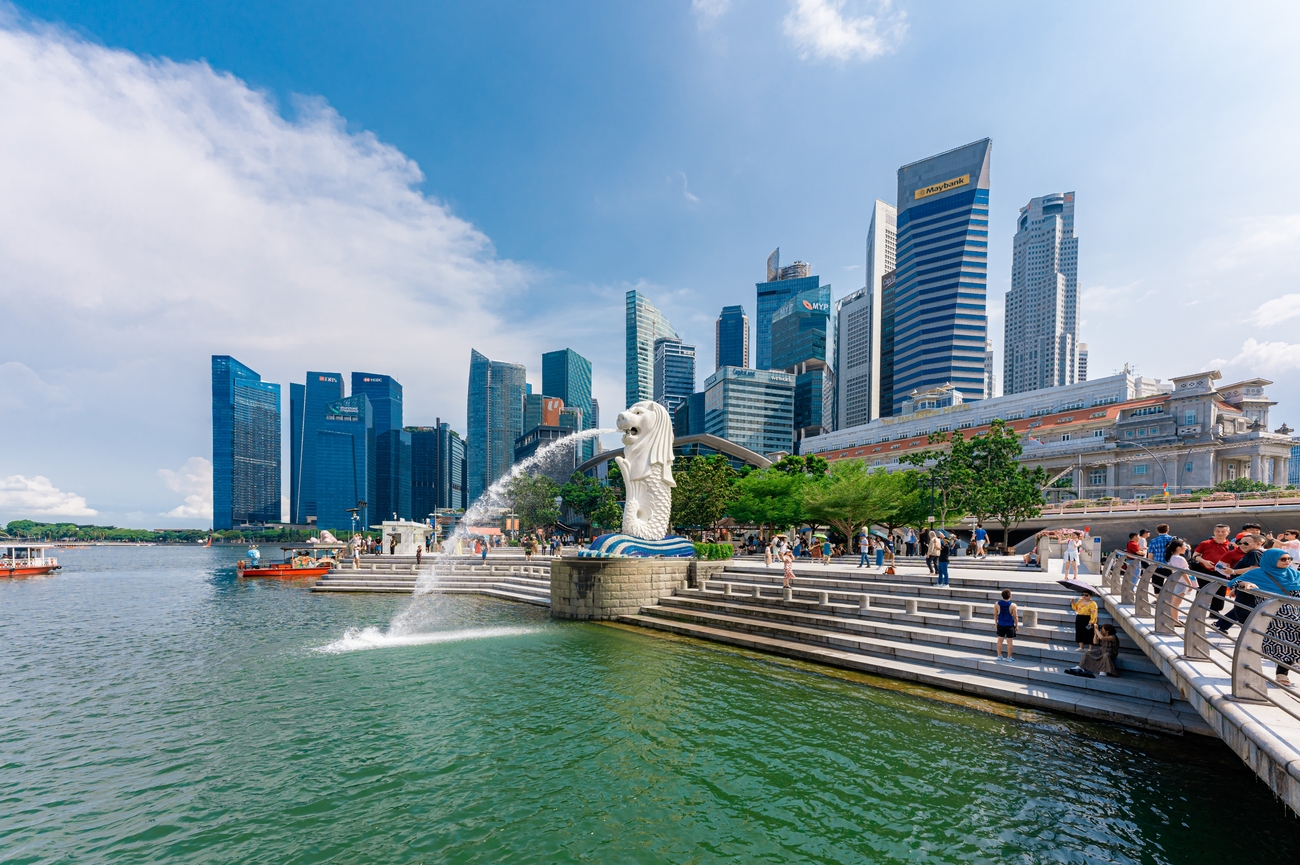
At Capella Singapore, the silence feels deliberate. Although the resort is close to both the city and the airport, its hilltop position on Sentosa creates a surprising sense of remove. The surrounding rainforest softens sound, screens out the busier parts of the island, and gives the property an acoustic calm that feels rare so close to an urban centre. By evening, what remains is mostly water, foliage, and space. For a resort of this scale, that kind of quiet is not accidental. It is part of the experience.
Aramsa offers a different version of calm. Set within Bishan-Ang Mo Kio Park, its quiet comes not from seclusion or elevation, but from being embedded in greenery within the city itself. In the slower afternoon hours, when the park briefly empties out between the daytime and evening rhythms, the atmosphere becomes unusually still. The treatment rooms open onto that environment, allowing the park itself to shape the experience.
These are two very different forms of quiet, resort seclusion on Sentosa and garden stillness within the city, and together they help explain why Singapore can feel so restorative in practice, not just in theory.
The Role of
Heat
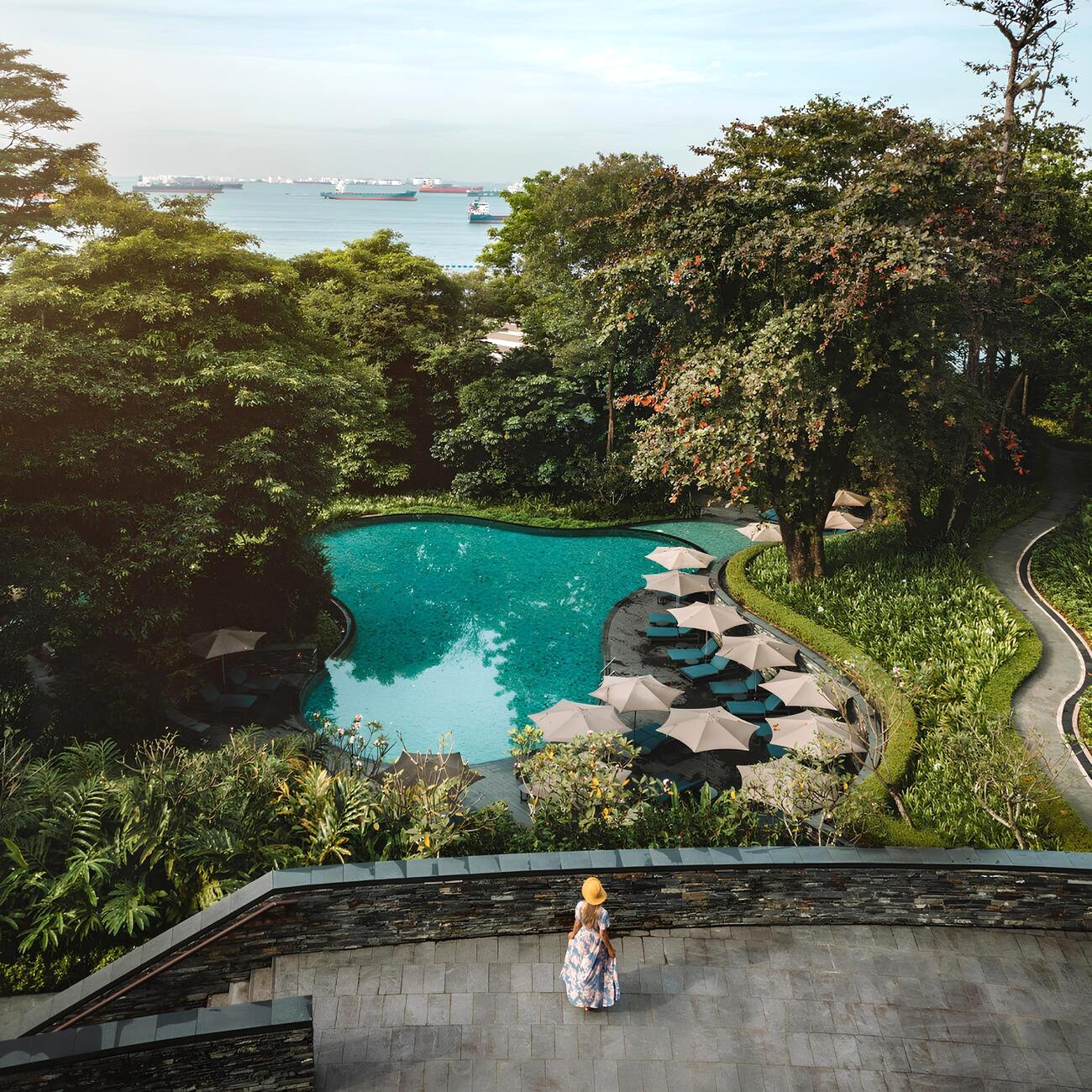
Thermal therapy, the controlled use of heat and cold, has become a familiar part of modern wellness practice. In Singapore, it takes on a slightly different logic. The climate already keeps the body warm, so the contrast created by hydrotherapy can feel more immediate and more pronounced.
At Auriga, the sequence moves through warm water, steam, and cold in a way that feels carefully paced rather than performative. The vitality pool, herbal steam room, and ice fountain work best as part of a progression, preparing the body, heightening circulation, and then encouraging a deeper sense of release.
In Singapore, wellness works best when the climate is treated as part of the experience rather than something to be shut out entirely. Mornings outdoors, a well-structured spa sequence in the afternoon, and cooler, slower evenings create a rhythm that feels coherent from beginning to end.
The Properties Worth Understanding
Capella anchors the retreat, but Singapore's luxury wellness landscape is broader than a single property. Understanding the context makes the choice of Capella more legible, and it makes the retreat's structure more coherent.
What Capella
Holds That Others Do Not
Capella’s most frequently cited distinction is Auriga Spa’s Five-Star status from Forbes Travel Guide. For a wellness-focused stay, however, the more important advantage is the setting itself. Most luxury hotels in Singapore can offer a rooftop pool, a polished spa, and high service standards. Capella offers something far less common: 30 acres of landscaped grounds, mature tropical greenery, direct beach access, and the ability to move from suite to restaurant to spa to shoreline entirely on foot.
That matters because a retreat works differently when the environment is self-contained. Guests are not repeatedly returning to lifts, traffic, or the pace of the city between moments of rest. The property allows the day to unfold within a single calm setting, and for a stay built around restoration, that continuity is one of its greatest strengths.
The service model reinforces this. Through Capella’s Ambassador programme, each guest is supported by a single point of contact who oversees the stay across departments. For a curated wellness retreat, this is more than a service detail. It means the experience feels joined up from beginning to end, with one person holding the full picture rather than the guest having to coordinate between the spa, concierge, dining team, and hotel staff.
Our top luxury wellness retreats and resorts in Singapore explores the city’s leading wellness stays in greater detail.

The City's
Supporting Cast
Gardens by the Bay, Marina Bay Sands, and the wider Marina Bay waterfront form an important part of the retreat’s city phase. They are not secondary additions, but carefully chosen contrasts to the slower rhythm of Sentosa.
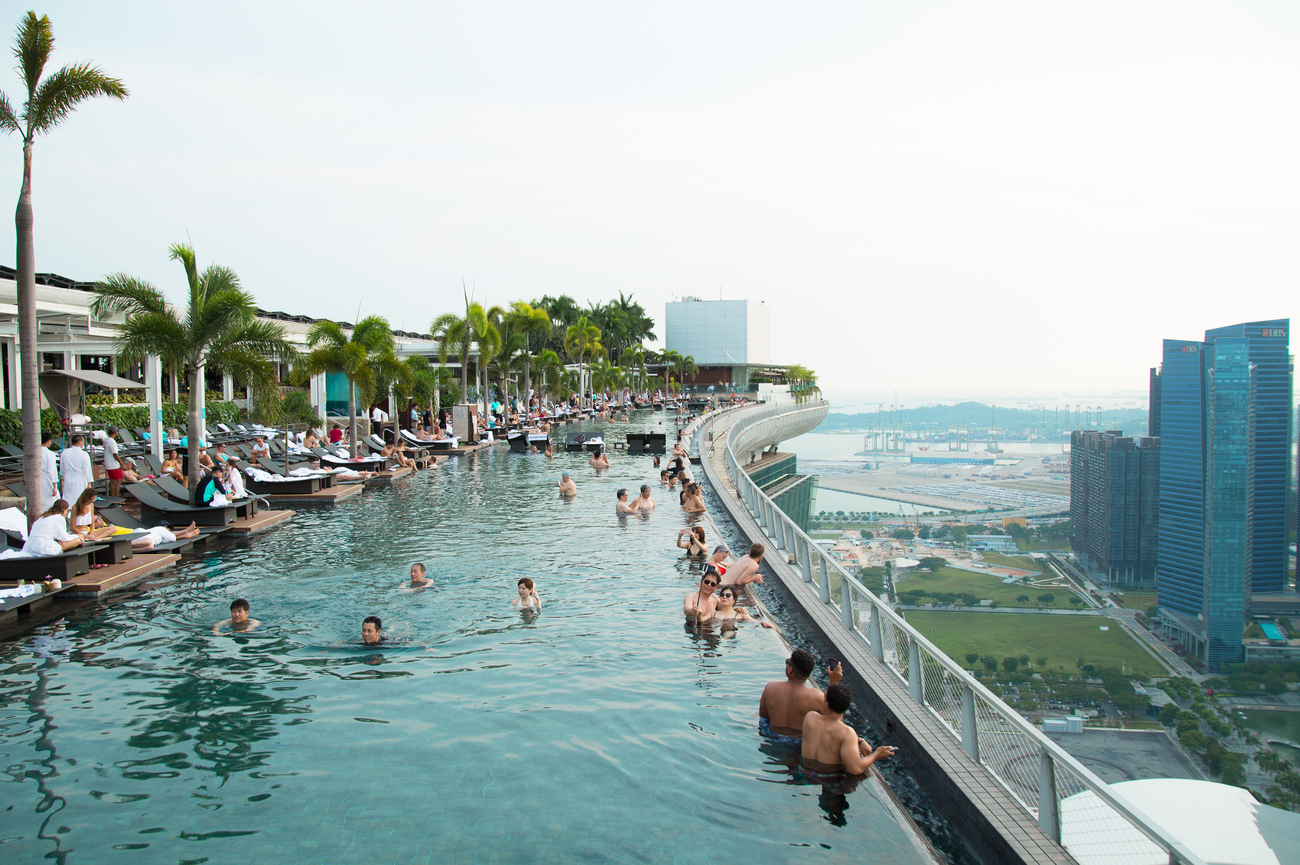
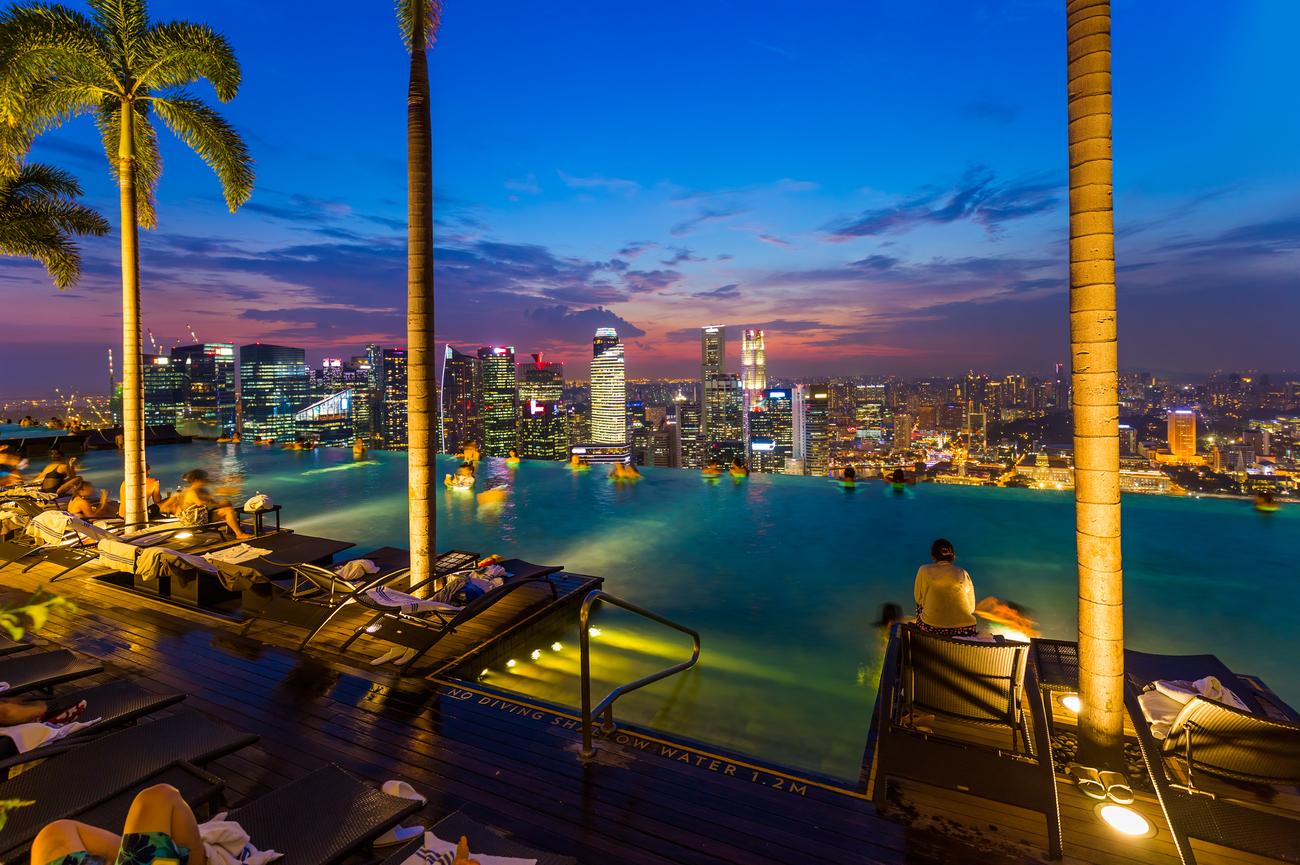
Marina Bay Sands, with its rooftop pool and SkyPark on the 57th floor, represents Singapore at its most elevated and theatrical. Used well, experiences like this bring a different energy into the week. They sharpen the contrast between the grounded, nature-led atmosphere of Sentosa and the city’s more polished, vertical glamour.
The corridor from Marina Bay to the Civic District also includes several strong luxury hotels with credible spa and wellness offerings. One Farrer Hotel, The Capitol Kempinski, and The Fullerton all contribute to Singapore’s wider wellness landscape in different ways. Wellness travel here is not confined to Sentosa. But for a five-day retreat where the residential base shapes the tone of the entire stay, Sentosa remains the most coherent choice.
What Changes
When You Return
Guests who return for a second wellness stay in Singapore often keep the same residential base and vary the city programme around it. That is part of the model’s strength. Capella continues to work, Auriga still offers more than one stay can fully cover, and Singapore’s dining and cultural scene evolves quickly enough to keep the experience fresh.
A well-designed retreat in Singapore should not feel like something exhausted in a single visit. It should feel structured enough to repeat, while leaving room for the city to offer something different each time.
What Revigorate Manages Before You Land
The value of a curated retreat is rarely felt in the brochure. It appears in the moments that require judgment, timing, and local knowledge, precisely the points where a first-time visitor to Singapore is least equipped to make the best call quickly.
The Booking
Window
Many of the experiences that define this itinerary work best when secured well in advance. Marguerite requires early planning for preferred lunch reservations, Auriga’s most desirable treatment times are often taken before guests arrive in Singapore, and sought-after dinner settings such as LeVeL33 are not something to leave to chance.
We handle these bookings as part of the retreat design. The guest departs with a confirmed itinerary, not a list of ideas. That distinction matters. A secured table, a pre-scheduled treatment, and a properly timed city programme create a very different experience from simply knowing where one might like to go.
The Transfer
Network
Singapore’s transport infrastructure is excellent, but that is not the same as saying it is the right fit for a wellness retreat. A well-paced stay should not depend on a series of small logistical decisions made throughout the day.
Private transfers remove that friction. Moving between Sentosa and the city, arriving at Bishan for a spa treatment, or returning from dinner in Marina Bay should feel seamless and uninterrupted. These transitions are minor only until they begin to break the rhythm of the retreat.
Our transfer arrangements use trusted private drivers who understand the structure of the stay. They know how the pace changes across the day, and they support it accordingly.
The Access
That Matters
Singapore’s best hotels and wellness properties often offer more than appears on a public booking page. Some of the most worthwhile details are not headline experiences, but refinements in timing, setting, and coordination that improve the stay significantly when handled properly.
That is where local knowledge matters. We do not simply reserve rooms and restaurants. We shape how the experience fits together, before the guest arrives, so that the days feel coherent, calm, and properly paced from beginning to end.
Our partnerships in Singapore are built through ongoing working relationships and repeat bookings. The result is not abstract “VIP access”, but something more valuable: a retreat that feels smooth, well judged, and fully in motion before the guest lands.
The
Quiet Art of Equatorial Recalibration
True restoration is often found in the spaces between the planned moments.
It is the stillness of a Sentosa hilltop at dawn, the shade of dense tropical canopy, and the ease of moving through a city where everything functions as it should. Singapore offers a rare balance: the efficiency of a global hub combined with the restorative qualities of a tropical setting. For travellers who live at speed, that combination can be surprisingly effective.
What makes the experience work is not simply the hotel, the spa, or the restaurant, but the way everything fits together. The most successful stays are the ones where the logistics fade into the background, leaving space for rest, rhythm, and recovery.
That is where careful planning matters. The key tables, spa timings, and private transfers are arranged in advance so the retreat unfolds smoothly from arrival to departure.
The most sought-after therapy suites and botanical dining rooms are often secured well ahead of time. Talk to us today to begin planning your Singapore wellness retreat with the right pace, setting, and structure for you.


Let us know what you love, where you want to go, and we’ll design a one-of-a-kind adventure you’ll never forget.
Get in touch
Miriam
Travel Specialist

Nina
Travel Specialist

Abigail
Travel Specialist
Frequently Asked Questions
- Is Singapore a good destination for wellness travel?
Yes. Singapore has become a credible wellness destination, combining rainforest green spaces, world-class spas, and efficient urban infrastructure that allows restoration without leaving the city.
- What makes Singapore different from traditional wellness destinations?
Singapore offers restoration within a global city. Unlike remote retreats, it combines nature, high-end dining, and spa experiences within a compact and highly accessible environment.
- Where is the best place to stay for a wellness retreat in Singapore?
Sentosa Island is the most suitable base for a wellness retreat. Capella Singapore, set within 30 acres of rainforest, offers seclusion, beach access, and one of the city’s leading spas.
- What is special about Auriga Spa at Capella Singapore?
Auriga Spa is one of the few Forbes Five-Star spas in Southeast Asia. Its treatments are structured around the lunar cycle and supported by a full hydrotherapy sequence, creating a highly considered wellness experience.
- How many days are needed for a Singapore wellness retreat?
Five days is ideal. This allows time to combine Sentosa-based relaxation with curated experiences in the city, including Gardens by the Bay, Marina Bay, and additional spa treatments.
- When is the best time of day for wellness activities in Singapore?
Early morning is best for outdoor activities such as walks, yoga, and nature experiences. Midday and afternoon are better suited to spa treatments and indoor spaces due to the tropical climate.
- Can Revigorate arrange a Singapore wellness retreat?
Yes. Revigorate arranges fully curated Singapore wellness retreats, including spa treatments at Auriga, restaurant reservations, private transfers, and a structured itinerary designed to flow seamlessly from arrival to departure.
Our offices:



Revigorate, Iberian Escapes and Algarve Lifestyle are the registered brand names of APCS Lda . We are a fully authorised travel agency licensed by Turismo de Portugal RNAVT/6867.
In the event of a dispute, the consumer may refer to: RAL - Centros de Arbitragem
Avª. 5 de Outubro, nº. 55, R/C Dtº. 8000-075 Faro, Portugal | Tel: +351 289 823 135 *
* national landline call
E-mail: info@consumoalgarve.pt| www.consumidoronline.pt | Mon to Fri: 9:00 - 13:00 / 14:00 - 17:00