Singapore’s Best Urban Nature Experiences for Inner Calm

Singapore never asks you to choose between the city and stillness.
That can sound improbable to anyone used to other major financial centres, where green space often feels secondary, a park inserted between towers or a rooftop garden designed more for appearance than genuine restoration.
Singapore’s relationship with urban nature runs deeper than that. It is policy, planning, and long-term design. For the wellness-focused traveller, this means some of the city’s most restorative experiences are not hidden away in some remote setting, but woven directly into daily life, often within twenty minutes of the CBD.
These green experiences sit naturally within a five-day retreat built around wellness travel in Singapore. Discover a different kind of wellness right here.
Why Singapore's Green Infrastructure Is Different
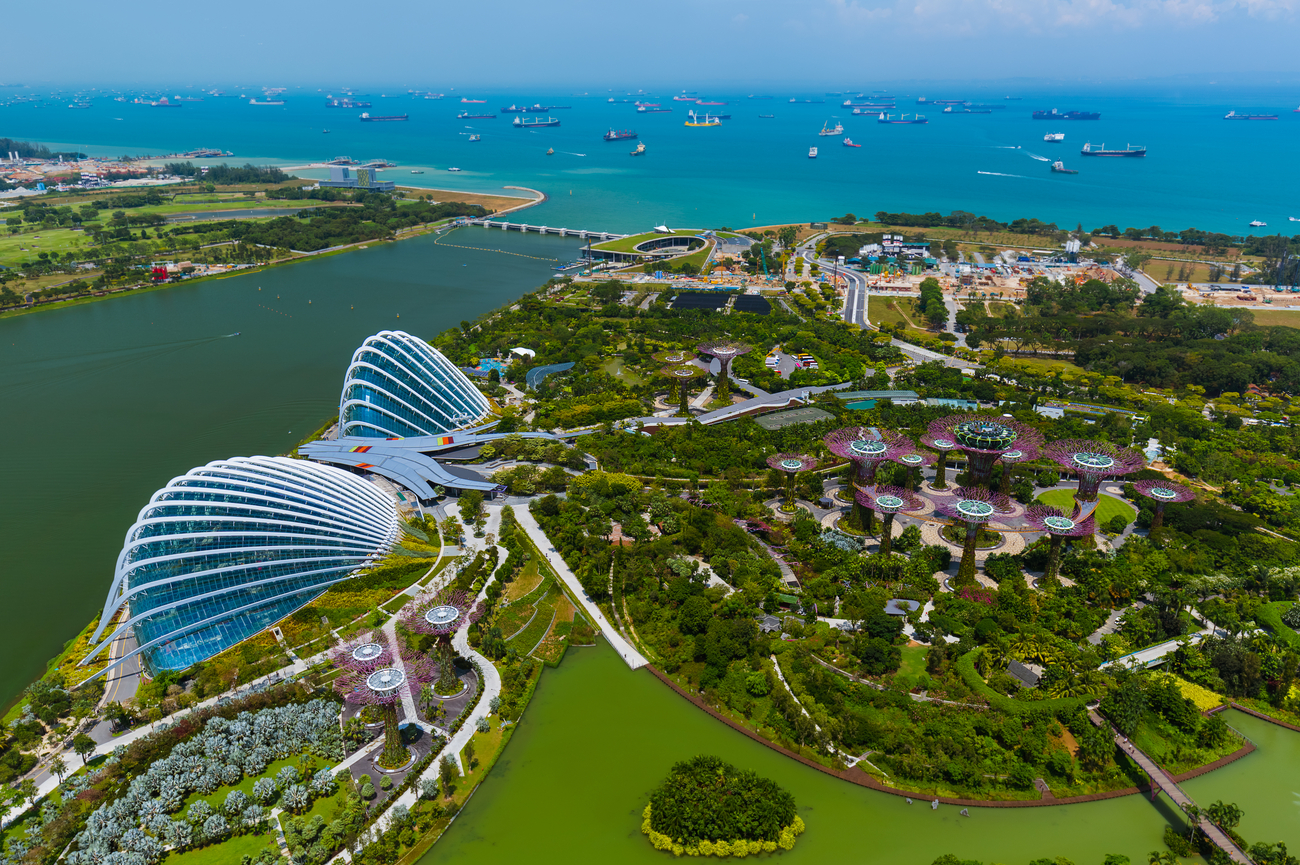
“A city in nature” is the stated vision behind Singapore’s urban planning framework, and it is not merely aspirational language. The results are measurable: more than 350 parks across the island, a 300-kilometre Park Connector Network linking residential areas to forests and reservoirs, and a civic objective that most Singaporeans live within a ten-minute walk of managed green space. That kind of scale reflects decades of deliberate decision-making, and Singapore has pursued it with unusual consistency.
For the wellness traveller, this matters for a specific reason. Research in environmental psychology has repeatedly shown that exposure to green space can reduce stress, lower resting heart rate, and improve sustained attention. Singapore has effectively built those restorative conditions into its urban fabric. The nature-based wellness experiences available here are not incidental. They are the result of a city that treats green space as part of how urban life should function.
In practice, this means that moving from a spa morning at Capella Singapore to an afternoon walk through Gardens by the Bay is not a break from the retreat, but a continuation of the same restorative arc in a different setting.
Discover our ultimate guide to wellness travel in Singapore for the wider retreat framework that brings these environments together.
Gardens by the Bay: Singapore's Most Considered Green Destination
Rated among the world’s leading attractions, Gardens by the Bay is home to more than 1.5 million plants from every continent except Antarctica. The numbers establish the scale. What they do not capture is the experience of moving through the gardens without urgency, the way attention settles here differently from in a museum or at a viewpoint, because the experience is ambient rather than directed.
The Supertree
Grove and OCBC Skyway
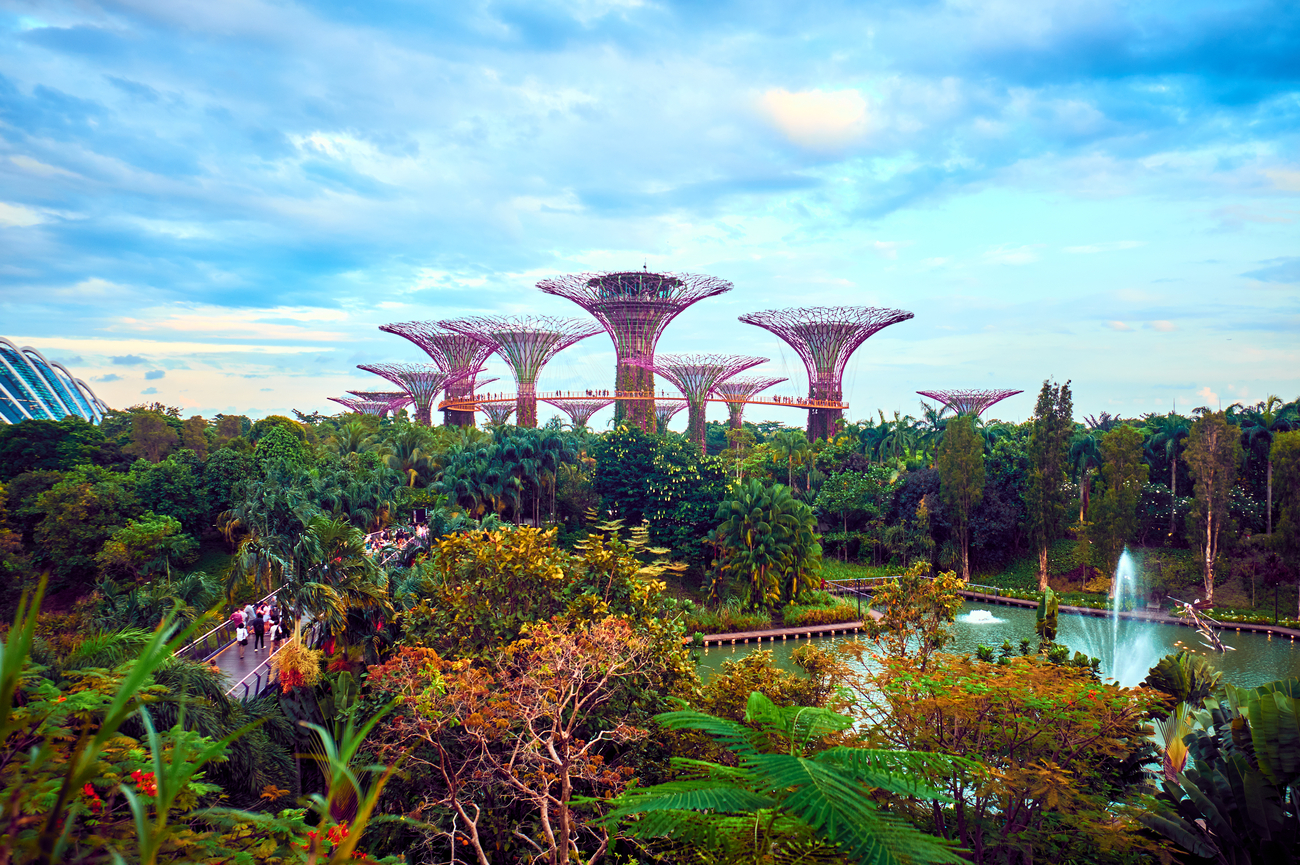
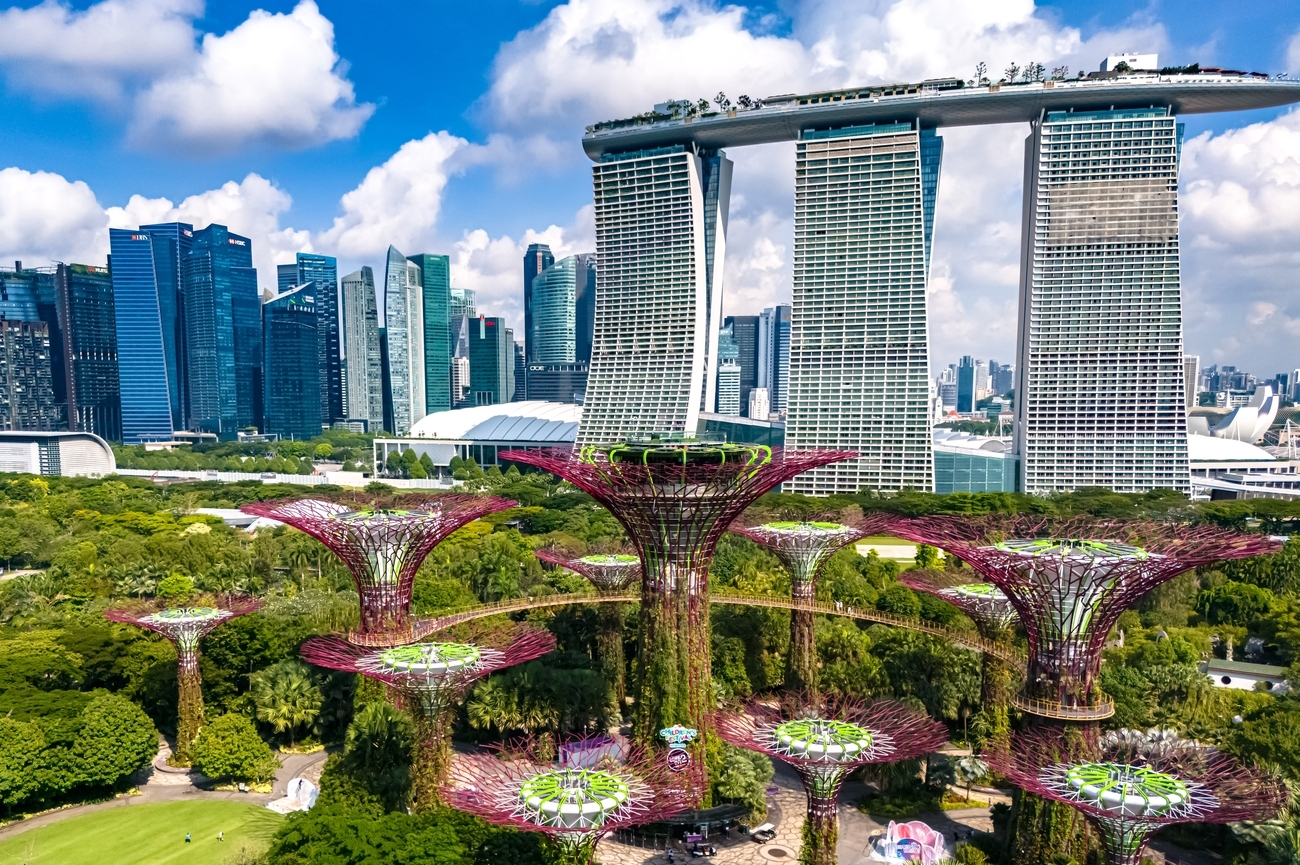
The Supertrees are the image most travellers carry of Gardens by the Bay before they arrive. Eighteen vertical garden structures rising between 25 and 50 metres, planted with bromeliads, orchids, ferns, and tropical climbers. Several function as part of the gardens’ wider ecological system, collecting solar energy and harvesting rainwater rather than serving as ornament alone.
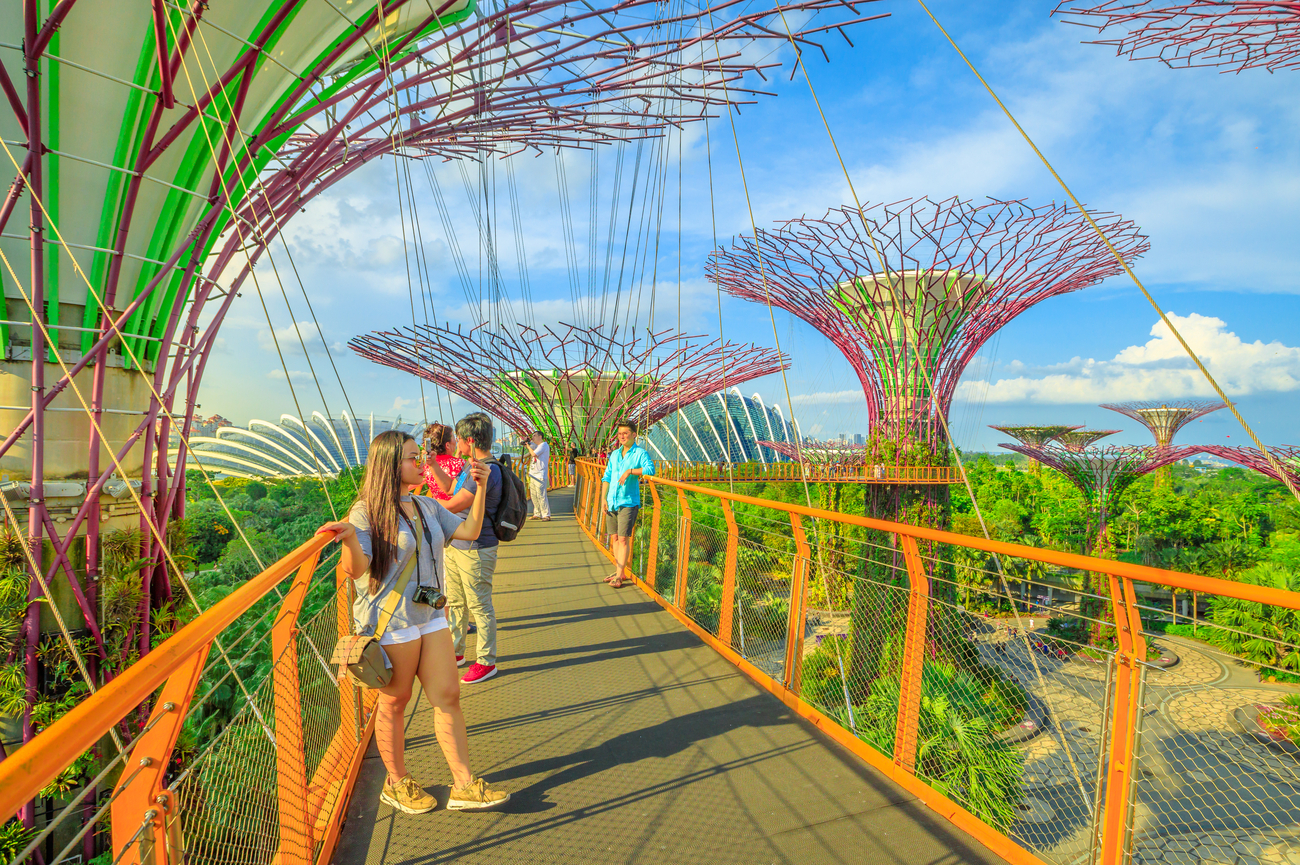
Suspended between two of them, the OCBC Skyway is a 128-metre aerial walkway set 22 metres above the ground. The perspective it offers, down into the Supertree canopy, across Marina Bay, and out towards the skyline, is unlike anything available at ground level. It changes how the landscape is read, and that shift in spatial awareness is itself part of the experience.
The Garden Rhapsody light and sound show transforms the grove each evening. Arriving in the late afternoon and staying through the first performance creates one of the retreat’s more memorable transitions, from daylight into illumination, from city energy into something slower and more atmospheric. It is one of the rare experiences in Singapore that feels both spectacular and unforced.
Cloud Forest
and Flower Dome
At the heart of the gardens sit the two conservatories, Cloud Forest and Flower Dome. Both are climate-controlled, both are technically extraordinary, and both create a different form of mental reset from the outdoor landscape alone.
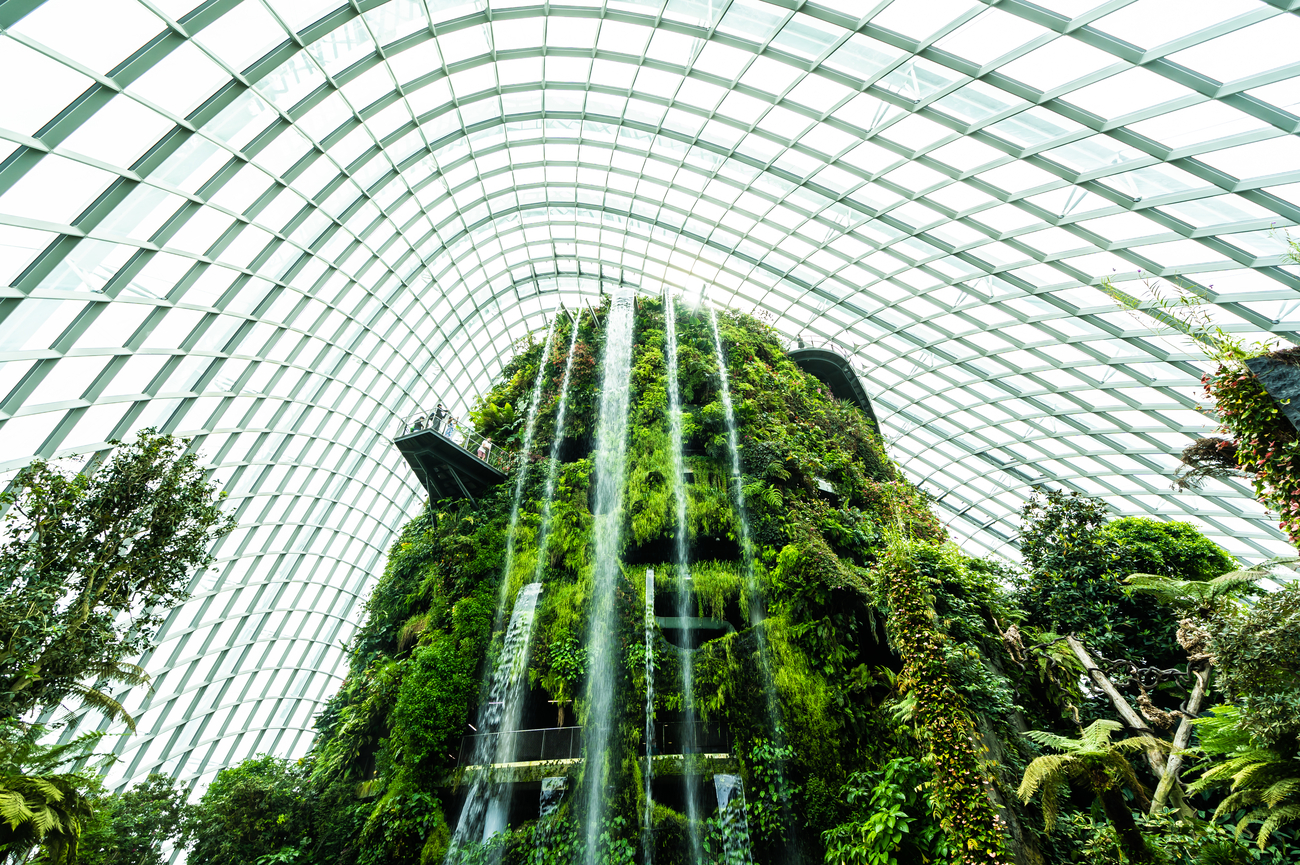
Cloud Forest centres on a 35-metre indoor waterfall and a planted mountain layered with rare highland species from tropical cloud forests. Moving through it slowly, from the misted lower levels to the elevated walkways above, requires very little from the visitor beyond attention. It is immersive without being demanding.
Flower Dome offers a different mood. It is brighter, drier, and more expansive, housing plant life from Mediterranean and semi-arid regions within a vast glass enclosure. The transition from Singapore’s outdoor humidity to this cool, controlled environment is immediate, and part of its appeal lies precisely in that contrast.
Marguerite:
Michelin-Starred Dining Inside the Greenhouse
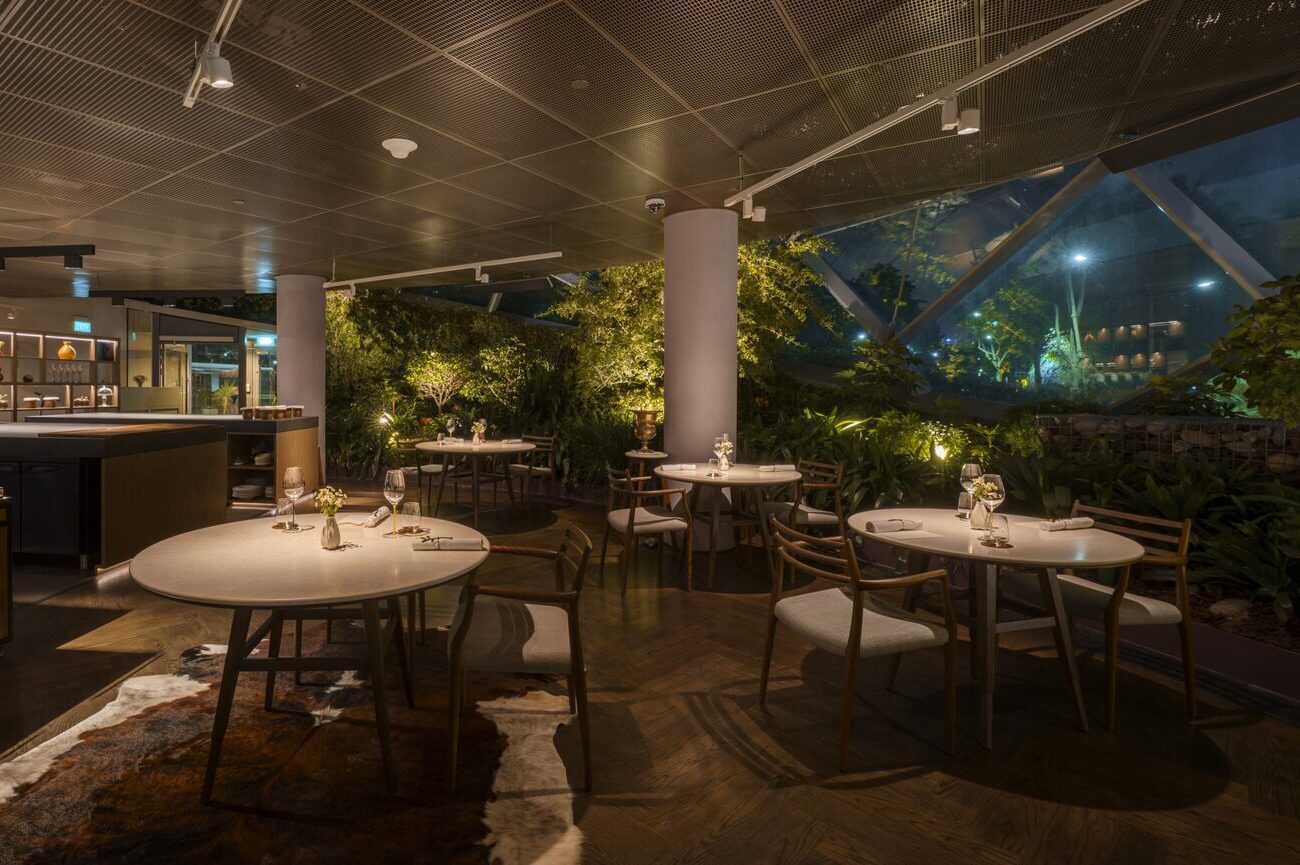
Marguerite, set within the Flower Dome, extends the experience rather than interrupting it. Chef Michael Wilson’s menu is refined, seasonal, and exacting, but what gives the restaurant its place within a wellness itinerary is the setting itself.
A long lunch here is not simply about dining well. It is about remaining inside a greenhouse environment where the light, the planting, and the pace all support a slower register of attention. The restaurant’s non-alcoholic pairings are especially well suited to a wellness-focused stay, offering a more considered complement to the meal than a standard wine-led structure.
Guests dining at Marguerite also benefit from direct access through the restaurant entrance, avoiding the main queue into the Flower Dome. The practical advantage is real, but the greater value lies in how naturally the meal sits within the wider rhythm of the day.
This is what Gardens by the Bay does particularly well. It shows that in Singapore, nature is not separate from architecture, dining, or urban life. It moves through all of them at once.
Marina Bay Promenade: The City's Most Intelligent Walk
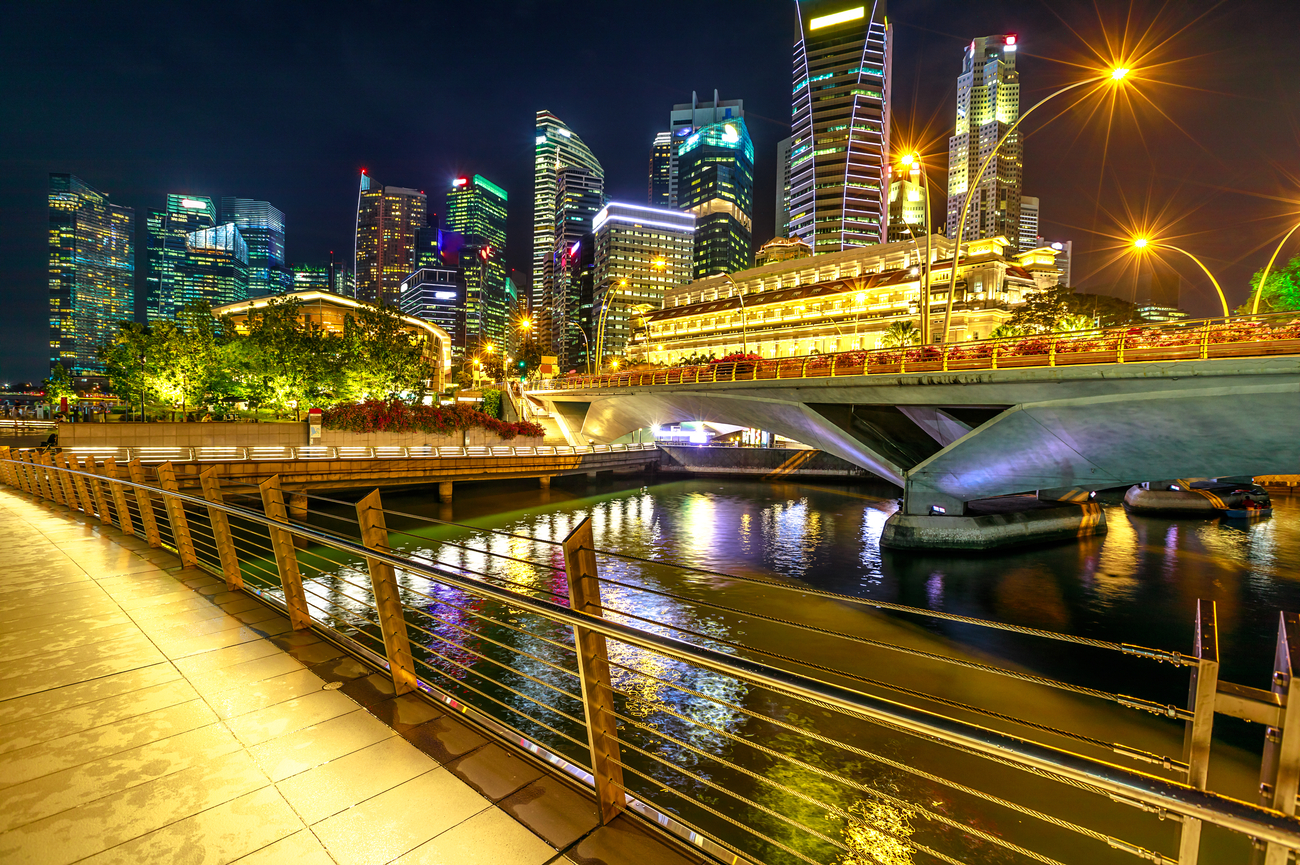
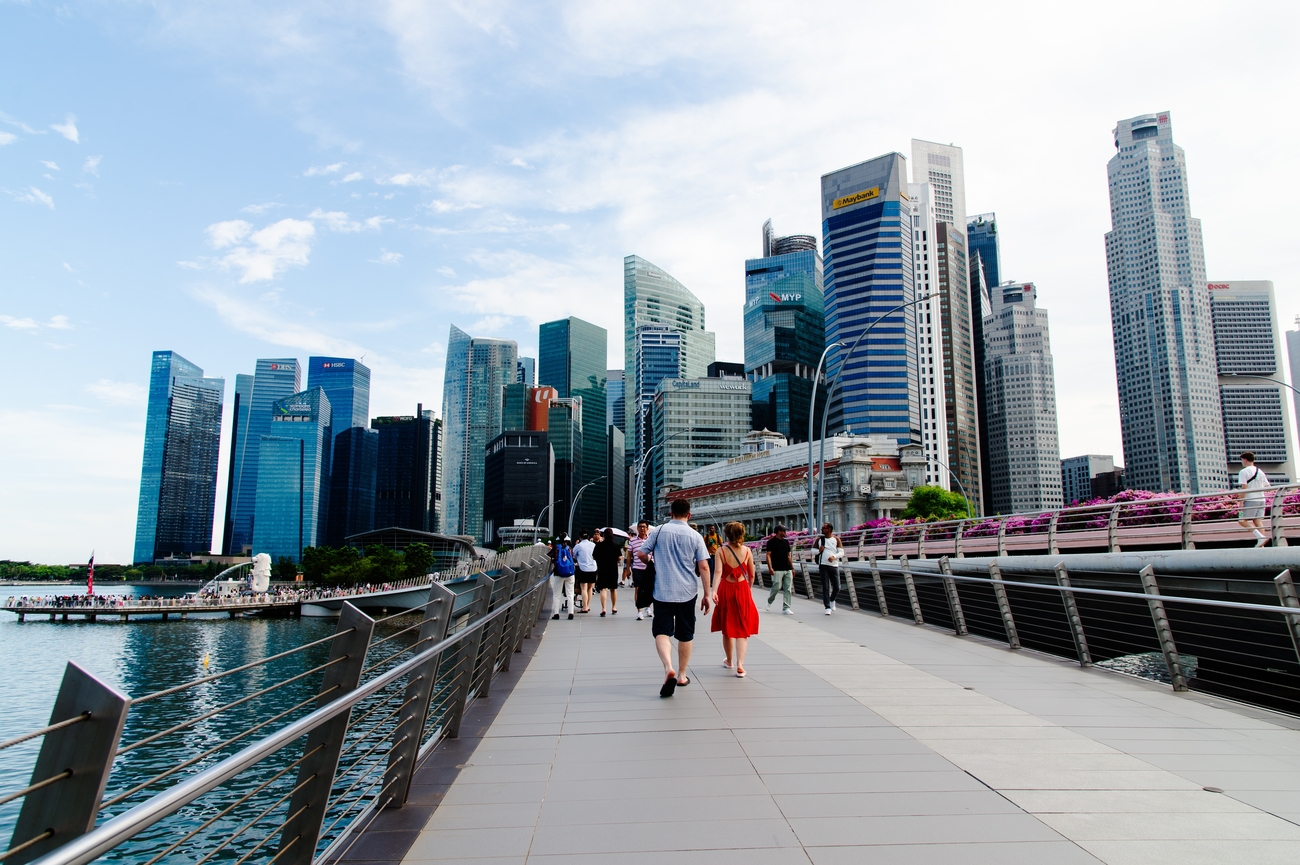
The Marina Bay Waterfront Promenade is a 3.5-kilometre waterfront route designed not simply as a scenic walkway, but as a carefully considered urban environment. Mist sprays, shaded rest points, and sheltered sections help moderate the tropical heat, while the materials and spacing throughout the promenade reflect the same attention to detail that defines much of Singapore’s public realm. The design is highly engineered, yet rarely feels intrusive.
What makes this walk genuinely restorative is not only the view, but the absence of friction around it. Singapore removes many of the small demands that other cities place on the traveller. The route is easy to follow, the environment feels safe and orderly, and the promenade allows the mind to settle rather than stay alert. That reduction in low-level vigilance is part of what makes the experience feel restorative rather than merely scenic.
Late afternoon is the ideal time to walk it. As the temperature begins to soften and the light over the bay turns warmer, the promenade takes on a slower, more reflective quality. The route from Gardens by the Bay towards Marina Bay Financial Centre works particularly well, especially when it leads naturally into dinner above the water at LeVeL33. In that context, the walk functions not as sightseeing, but as the evening movement that completes the city phase of the retreat.
Bishan-Ang Mo Kio Park: Ecology as Experience
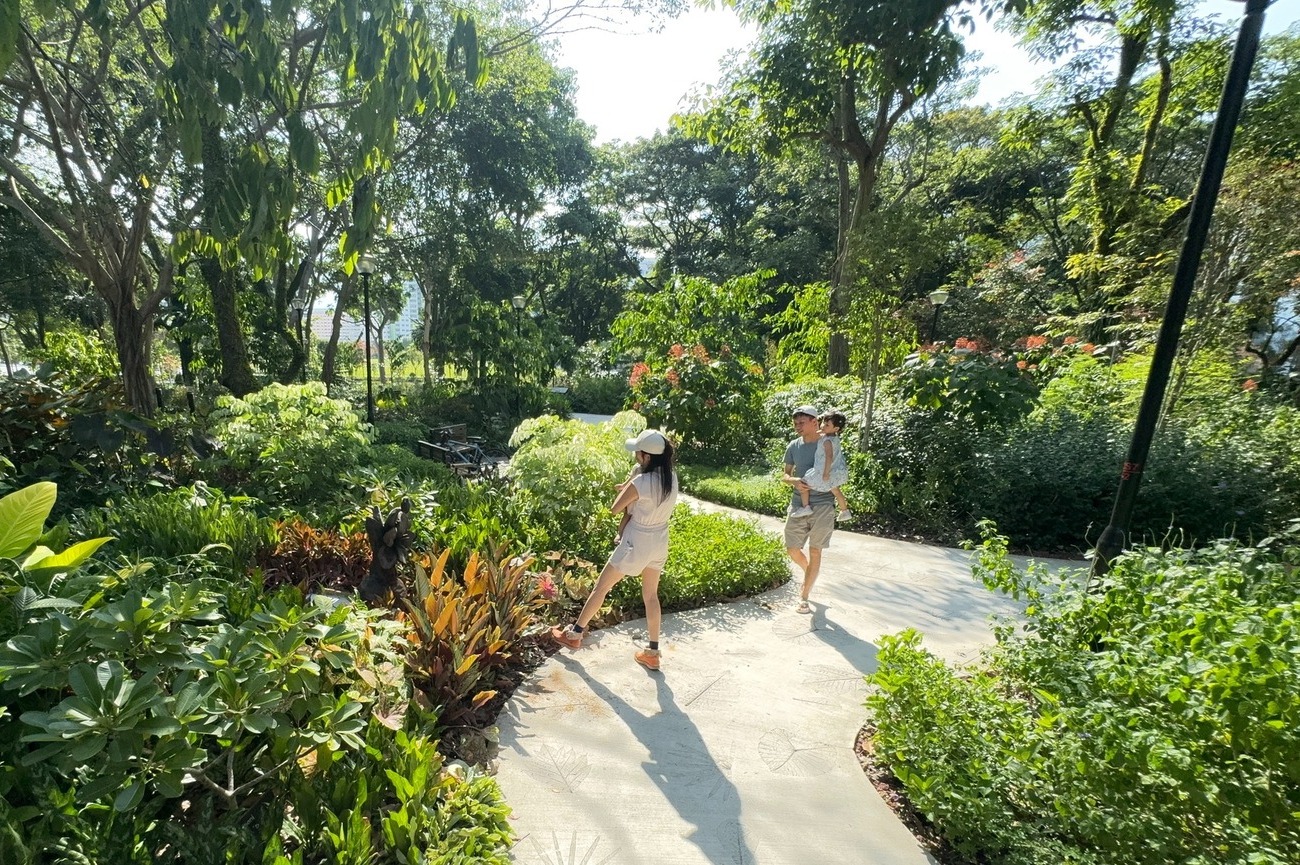
The Healing Garden within the Singapore Botanic Gardens offers one way of understanding nature through a wellness lens, with medicinal plants from across Southeast Asia presented in a setting designed around their healing value. Yet the nature-based experience most fully integrated into Singapore’s urban wellness rhythm is found at Bishan-Ang Mo Kio Park.
This 62-hectare green space in central Singapore gained international recognition after the concrete drainage canal that once ran through it was transformed in 2012 into a three-kilometre naturalised river corridor. The project is now studied globally as a model for integrating ecological design with urban water management. What matters for the visitor, however, is the experience it creates: a park with mature canopy, visible wildlife, and a level of environmental calm that central Singapore rarely offers elsewhere.
Aramsa, The Garden Spa sits within these grounds, and it is here that Singapore’s urban nature and spa culture come together most completely. The property’s 17 treatment rooms open onto private outdoor courtyards framed by dense greenery, while the walk through the park to reach the spa becomes part of the therapeutic sequence itself.
The Garden Harmony treatment is perhaps the clearest expression of Singapore’s multi-tradition healing culture in practice. Combining Malay Thermal Boreh exfoliation, Chinese Manaka-inspired meridian therapy, and a full-body massage using the spa’s own botanical oil blend, it reflects the way different healing traditions have evolved together within the city’s wellness landscape.
For a deeper look at Aramsa’s treatment philosophy, the in-house boreh preparation, and the healing traditions behind the Garden Harmony experience, see our Singapore’s spa & healing culture guide.
Singapore Botanic Gardens:
A UNESCO Sanctuary in the Heart of Singapore
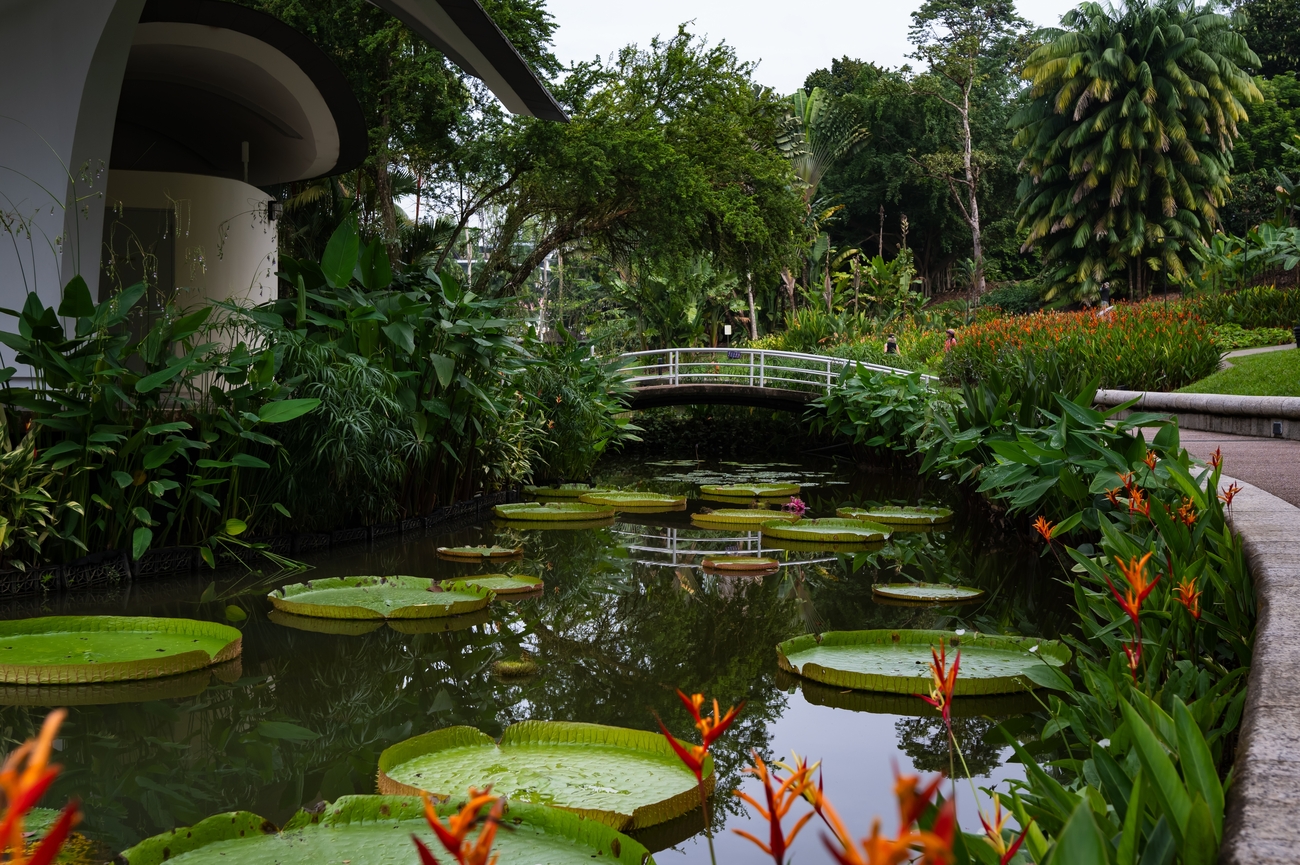
Singapore Botanic Gardens is the first and only tropical botanic garden on UNESCO’s World Heritage List. It received that designation in 2015, becoming Singapore’s first UNESCO World Heritage Site. Established in 1859 and in continuous operation ever since, it represents more than a century and a half of horticultural science, conservation, and botanical research within what is now the edge of Orchard Road.
The Healing Garden within the grounds presents more than 400 varieties of medicinal plants, arranged by body system across 2.5 hectares designed as a place of quiet reflection. For a guest who has already encountered Malay boreh, TCM meridian therapy, or Balinese botanical treatments within Singapore’s spa culture, this is one of the few urban settings where the plant origins of those traditions become visible. The turmeric, galangal, and ginger used in treatments such as Aramsa’s fresh-prepared boreh belong to the same wider botanical lineage represented here.
The National Orchid Garden, also within the Botanic Gardens, contains more than 1,000 species and 2,000 hybrids, making it the world’s largest display of tropical orchids. Entry to the main gardens is free, while the National Orchid Garden has a separate admission fee.
For guests on a longer stay, or those with a particular interest in the botanical foundations of Singapore’s healing traditions, an early morning visit works especially well. Before the day’s main programme begins, the gardens offer a quality of quiet that the city’s more visited green spaces do not always retain. The park opens at 5am, and the hours before 8am feel cooler, less crowded, and more conducive to the kind of unhurried attention a wellness retreat is meant to encourage.
The Sentosa Shoreline: Nature at the Retreat's Edge
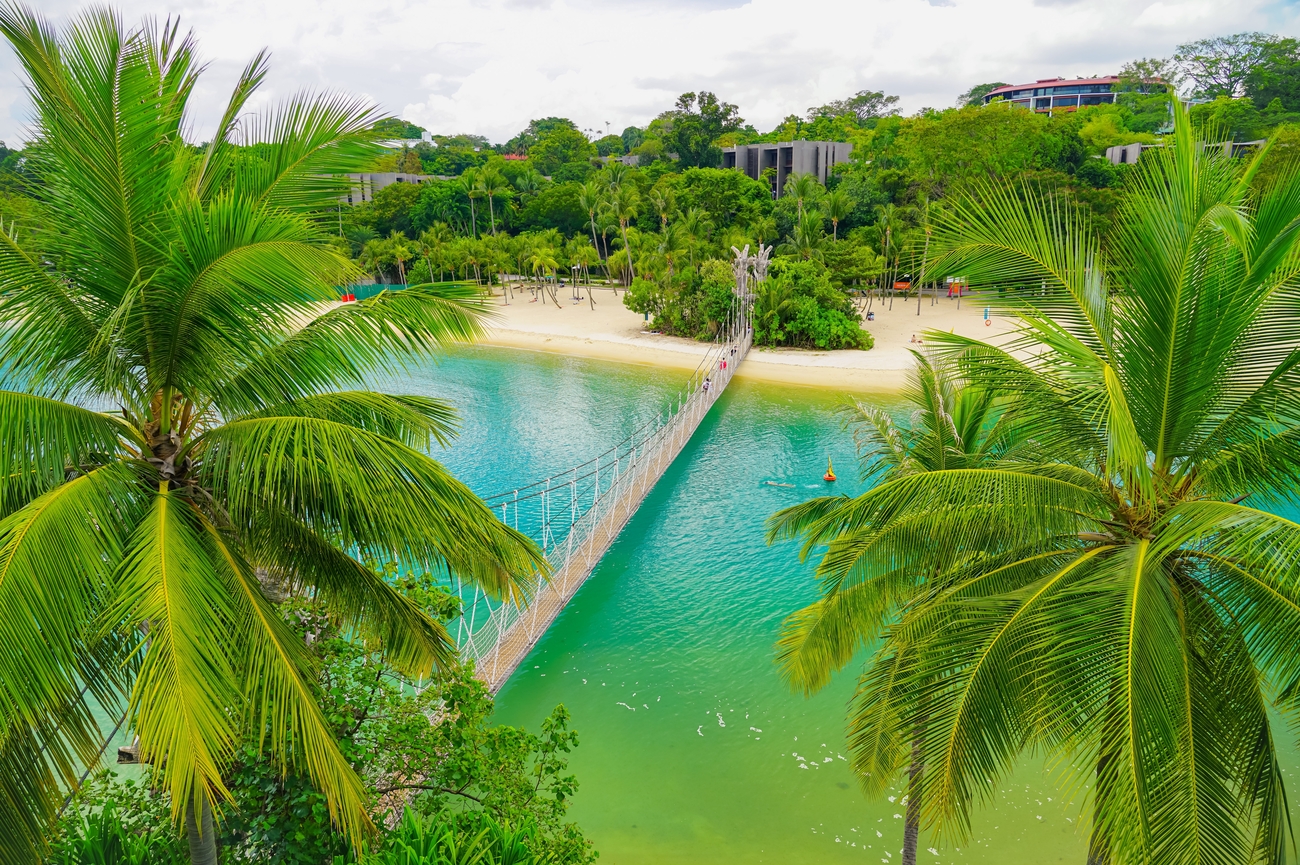
The island-based nature experience belongs to a different category from the city environments described above. It is quieter in a way that is unusual for a resort island. Capella Singapore’s hilltop position on Sentosa lifts the property above the ambient noise of the island’s busier areas, and the private beach path through the grounds offers one of the most thoughtfully placed walks in the retreat.
A sunrise walk along the Sentosa shoreline before 7am is not simply scenic. It is physiologically useful. The air is at its coolest, the humidity remains high, and the filtered morning light through tropical foliage creates a softer sensory environment than the island offers later in the day. As the opening movement of the morning, it prepares the body for the slower rhythm that follows.
The Sentosa coastal trail links the island’s beaches through a vegetated path above the waterline. Reached directly from Capella’s grounds, it extends the resort’s natural setting without requiring a vehicle or any additional planning. On the final morning of the retreat, a sunrise shoreline walk followed by breakfast, a final treatment, and a private transfer to Changi often becomes the point at which the value of the entire stay feels most clear.
For the full profile of Capella Singapore, and a closer look at how its grounds, spa, and service model function together as a wellness base, see our top luxury wellness retreats and resorts in Singapore.
How These Environments Sequence Across Five Days
Singapore’s urban nature is not a backdrop to the retreat. It is part of the programme, and the order in which these environments appear across five days matters as much as the environments themselves.
- The Sentosa shoreline anchors both the arrival and the departure. Its contained, canopy-framed quiet allows the body to decompress at the beginning of the stay and settle again before leaving. These moments are not interchangeable with any other setting. They function as bookends.
- Gardens by the Bay and the Marina Bay promenade belong to the city phase of the retreat, placed mid-stay when the guest is ready to move from island seclusion into urban scale. The shift from Capella’s forested grounds to the openness of Marina Bay introduces contrast, and that contrast is part of how the retreat continues to deepen rather than flatten.
- Bishan-Ang Mo Kio Park and Aramsa form the forest day, ideally placed after the city phase. Moving from Marina Bay’s architectural scale into the quieter ecology of a naturalised river park, then into a private courtyard treatment room with the landscape still present, creates a very different register of restoration from either environment on its own.
This kind of sequencing is not obvious from the outside. It depends on understanding how these settings behave at different times of day, in different conditions, and at different points in a guest’s physical and mental rhythm across the week.
Our 5-day Singapore wellness retreat on Sentosa Island places these nature experiences in exactly this order, with every transfer, reservation, and timing detail already managed.
Begin When Your Body Is Ready
Singapore does not restore through isolation. It restores through sequence.
A canopy walk. A river corridor. A greenhouse calibrated to a different climate. A waterfront designed to reduce heat, friction, and mental noise. Each environment shifts the body gently, and together they create the kind of reset that feels gradual, but unmistakable.
By the time you leave, clarity feels steadier. More settled. Properly earned.
That is the difference between a pleasant break and a retreat designed with intention.
If you are already feeling the signal, the low-grade mental static that no amount of city dining or shopping resolves, this is your invitation to experience Singapore differently.
We curate only a limited number of these itineraries each season in order to preserve timing, access, and discretion.
To receive the full retreat brief, current availability, and a private consultation, [enquire directly with our wellness travel team].
Clarity is rarely accidental. It is built.


Let us know what you love, where you want to go, and we’ll design a one-of-a-kind adventure you’ll never forget.
Get in touch
Miriam
Travel Specialist

Nina
Travel Specialist

Abigail
Travel Specialist
Frequently Asked Questions
- What makes Singapore ideal for urban nature wellness?
Singapore integrates green space into its urban design, with parks, waterfronts, and nature corridors placed throughout the city, allowing restorative experiences within minutes of the CBD.
- What are the best nature experiences in Singapore for mental clarity?
Key experiences include Gardens by the Bay, the Marina Bay Promenade, Bishan-Ang Mo Kio Park, Singapore Botanic Gardens, and the Sentosa shoreline, each offering a different environment for relaxation and focus.
- How many days are recommended for a wellness stay in Singapore?
A five-day itinerary allows for a well-paced experience, combining spa treatments, urban nature exploration, and time to adjust between city and coastal environments.
- When is the best time to experience Singapore’s green spaces?
Early morning and late afternoon are ideal, when temperatures are lower and the atmosphere is calmer, enhancing the restorative quality of each location.
- Can Revigorate curate a Singapore wellness itinerary focused on nature and mental clarity?
Yes. Revigorate designs fully tailored Singapore wellness journeys, combining nature-based experiences, spa treatments, and carefully timed transitions to create a structured retreat focused on inner calm and restoration.
Our offices:



Revigorate, Iberian Escapes and Algarve Lifestyle are the registered brand names of APCS Lda . We are a fully authorised travel agency licensed by Turismo de Portugal RNAVT/6867.
In the event of a dispute, the consumer may refer to: RAL - Centros de Arbitragem
Avª. 5 de Outubro, nº. 55, R/C Dtº. 8000-075 Faro, Portugal | Tel: +351 289 823 135 *
* national landline call
E-mail: info@consumoalgarve.pt| www.consumidoronline.pt | Mon to Fri: 9:00 - 13:00 / 14:00 - 17:00