Singapore's Spa & Healing Culture: From Forest-Integrated Spas to World-Class Rituals

There are cities you visit for culture, others for food, and a few that offer something more elusive, a form of rest that does not depend on withdrawal, but on a different quality of attention altogether.
Singapore is one of those places.
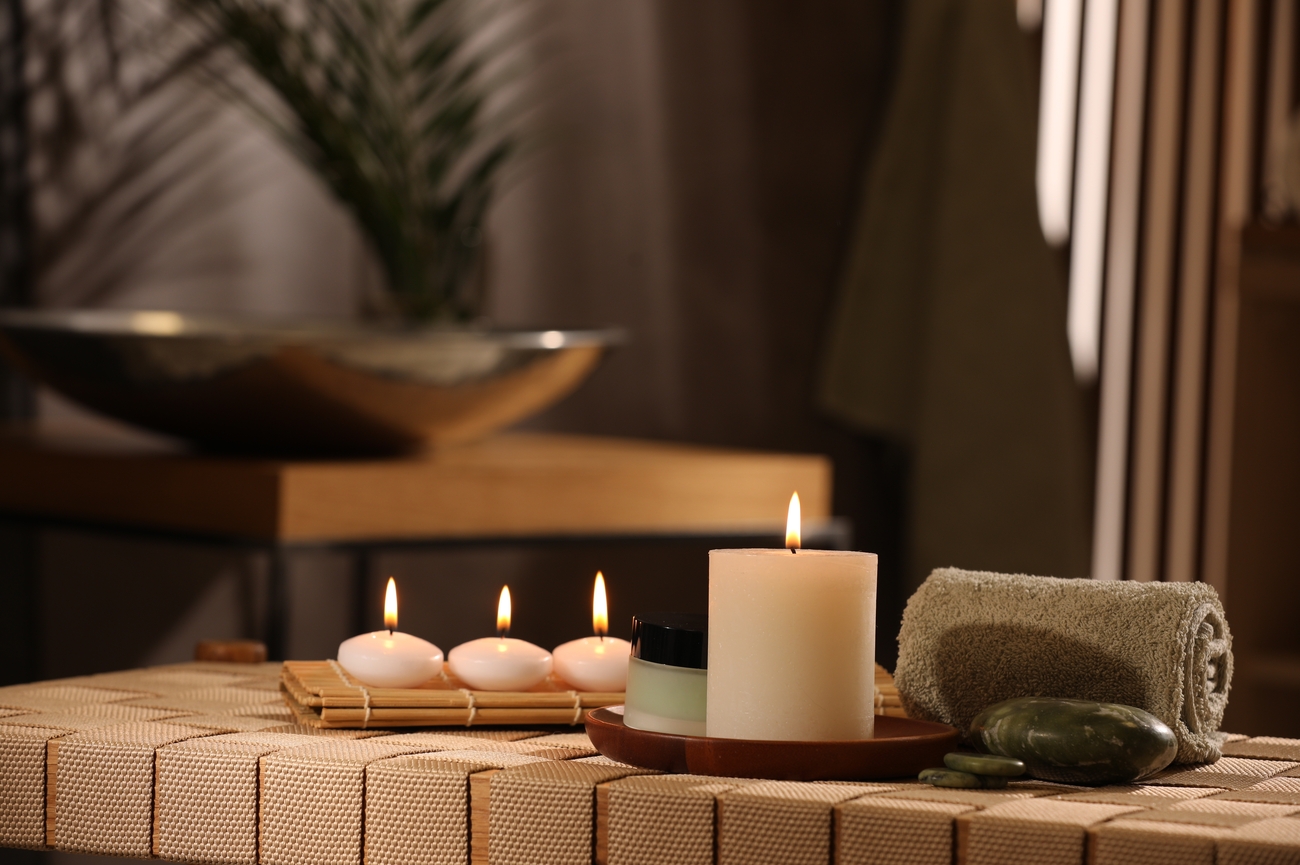
Its spa culture did not emerge from hospitality fashion or borrowed wellness trends. It developed through centuries of multicultural exchange, shaped by Malay healing practices, Chinese therapeutic traditions, Southeast Asian bodywork, and contemporary international spa design. The result is a wellness landscape unlike anything found in Bali, Bangkok, or Tokyo. In Singapore, these influences meet within some of the most technically sophisticated spa environments in Asia.
For the complete framework behind a five-day retreat built around these experiences, see our guide to wellness travel in Singapore.
The
Four Healing Lineages Behind Every Great Singapore Spa
Understanding Singapore’s spa culture begins with history. The city’s healing traditions are not curated imports. Each arrived with communities that have called Singapore home for generations, and each still maintains an active practitioner culture that carries it forward.
Balinese
Ritual and the Art of Deep Restoration
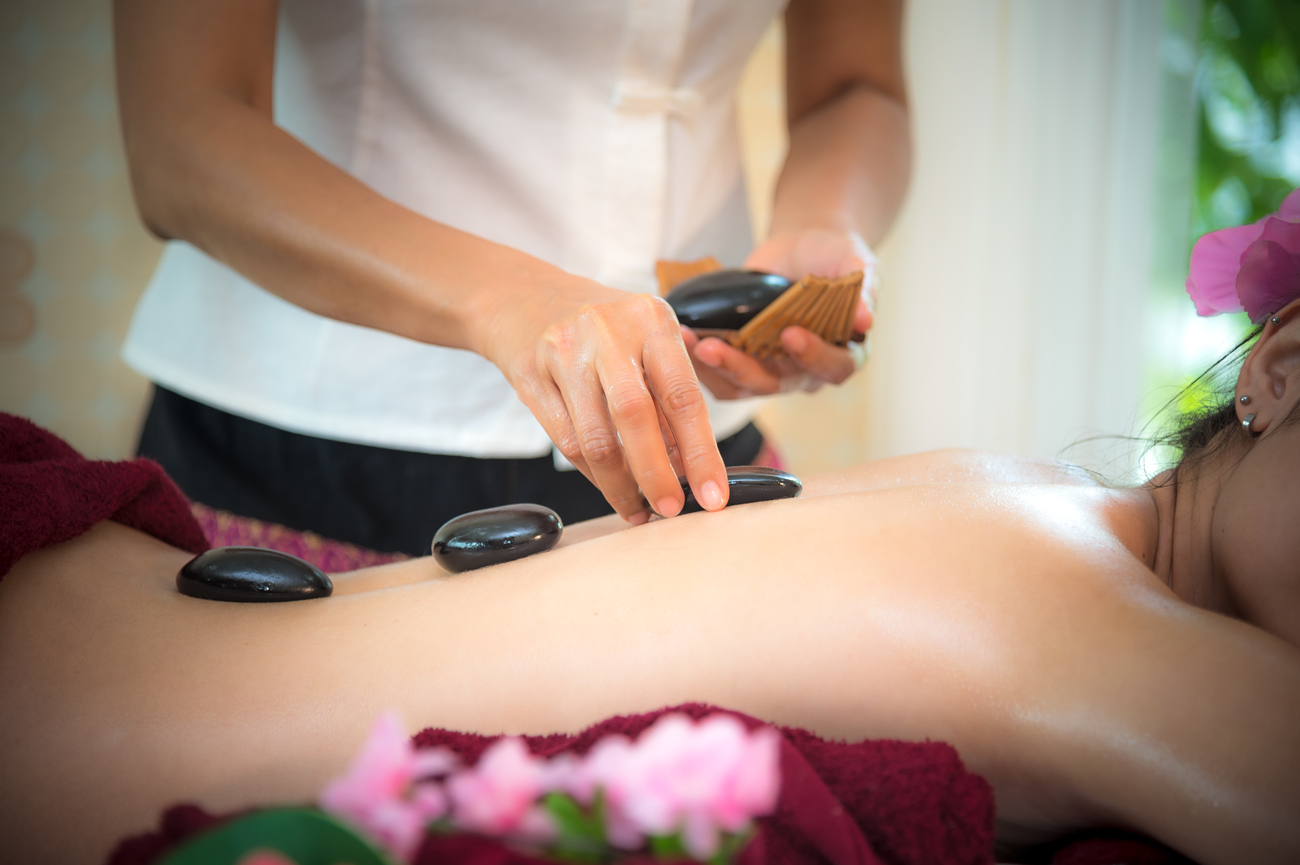
Balinese massage is one of the most widely practised luxury treatments in Singapore, and for good reason. The method is comprehensive: long effleurage strokes along the muscle, acupressure across energy pathways, skin rolling to release fascial tension, and aromatic oils drawn from Balinese botanical traditions. The key point is that it operates as a system rather than a collection of techniques.
What separates a Balinese treatment at a spa with a genuine philosophy from a generic hotel version is the depth of its application. At Auriga Spa at Capella Singapore, for example, the Balinese massage sits within the spa’s lunar treatment architecture and uses organic ingredients sourced locally where possible. The same treatment performed at a New Moon carries a restorative intention, while a Full Moon session focuses on release and deeper muscular work. That level of deliberate application changes the way the body responds.
Traditional
Chinese Medicine and the Meridian Approach
Traditional Chinese Medicine has been practised within Singapore’s Chinese community for more than two centuries. Within the luxury wellness environment, this heritage appears through acupressure, Tui Na meridian massage, cupping, and gua sha, techniques that focus on the body’s energy channels rather than muscle groups alone.
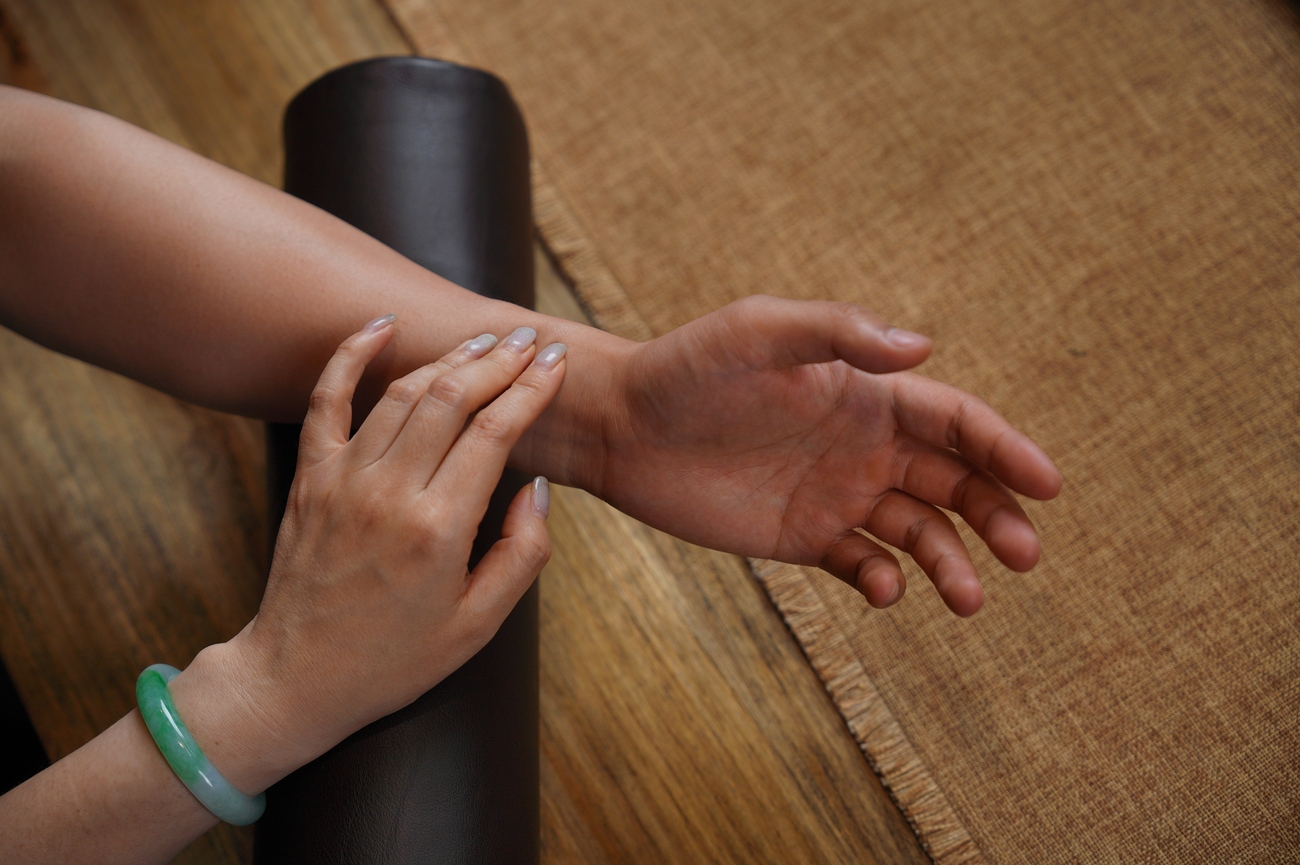
The distinction matters. A TCM-informed treatment rarely begins with a fixed protocol. It begins with assessment: pulse reading, observation of symptoms, and an understanding of where energy in the body may be stagnant or depleted. The treatment then adapts accordingly.
Within Singapore’s multi-tradition spa landscape, TCM techniques often appear both as standalone sessions and integrated within broader rituals that combine Malay and Balinese modalities. Aramsa’s Garden Harmony treatment is a clear example of this layered approach.
Malay Herbal
Therapy: The Boreh Tradition
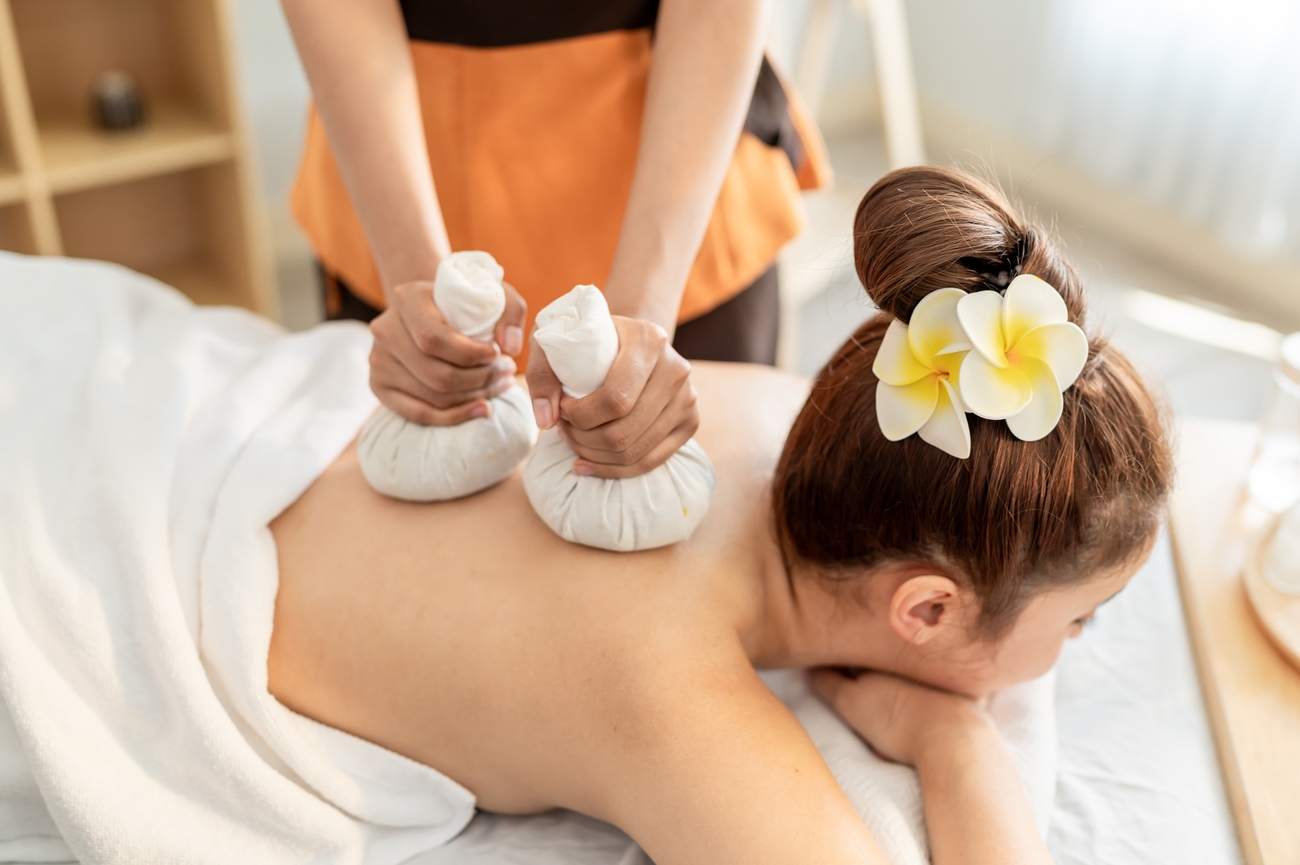
The Malay boreh is one of Singapore’s most distinctive indigenous spa treatments. It is a warming herbal paste made from rice flour, turmeric, ginger, clove, nutmeg, and galangal, prepared fresh and applied with heat to the skin. Its purpose is precise: to release muscular tension, stimulate circulation, and warm the body before massage begins.
At Aramsa Garden Spa in Bishan-Ang Mo Kio Park, the boreh scrub is prepared on-site using the spa’s own blend. That detail matters. The difference between a boreh made fresh from whole botanicals and one produced from a commercial base is noticeable in its texture, warmth, and aroma.
In the Garden Harmony ritual, the boreh exfoliation precedes the massage phase, creating a deeper sense of warmth that allows the bodywork to work more effectively.
Across Singapore’s luxury spa landscape, boreh treatments appear in both traditional and modernised forms. At its most authentic, it functions not as a spa novelty but as a genuine therapeutic preparation.
European
Hydrotherapy and the Science of the Thermal Arc
The structured use of heat, steam, and cold contrast has been part of European spa culture for centuries. In Singapore’s luxury wellness environment, this tradition appears most clearly at Auriga Spa, where the vitality pool, herbal steam room, and ice fountain form a designed sequence rather than optional add-ons.
The physiological mechanism is well understood. Alternating heat and cold causes blood vessels to dilate and contract in succession, improving circulation, reducing inflammation, and preparing the nervous system for deeper relaxation.
In Singapore’s warm, humid climate, this response tends to occur more quickly than in cooler environments. The contrast between heat and cold feels sharper, and the relaxation effect often arrives sooner.
That is one reason a session at Auriga can produce a noticeably different result from a technically similar treatment delivered in a temperate climate.
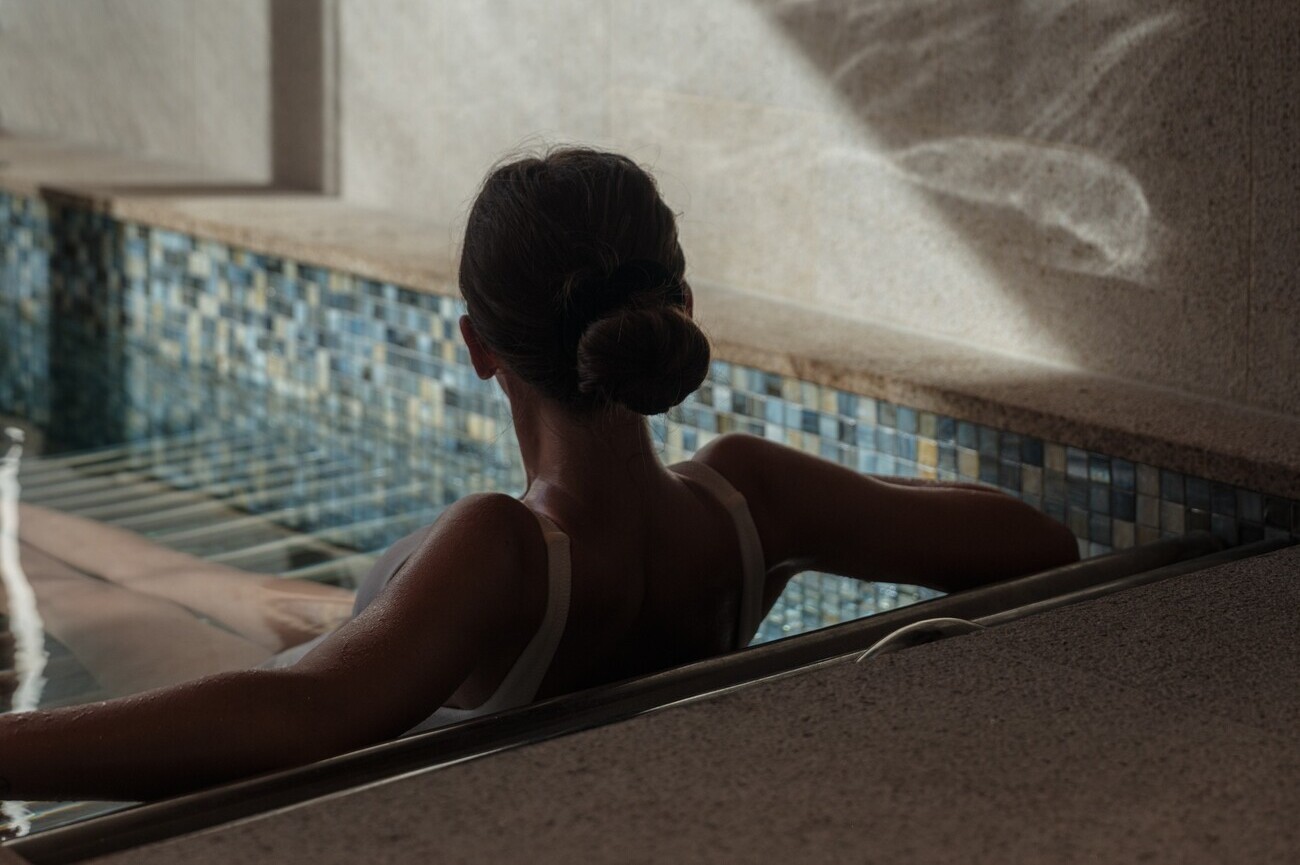
Aramsa at Bishan Park: A Forest Spa
Most spas describe themselves as sanctuaries. Aramsa at Bishan Park is one of the few that earns the word.
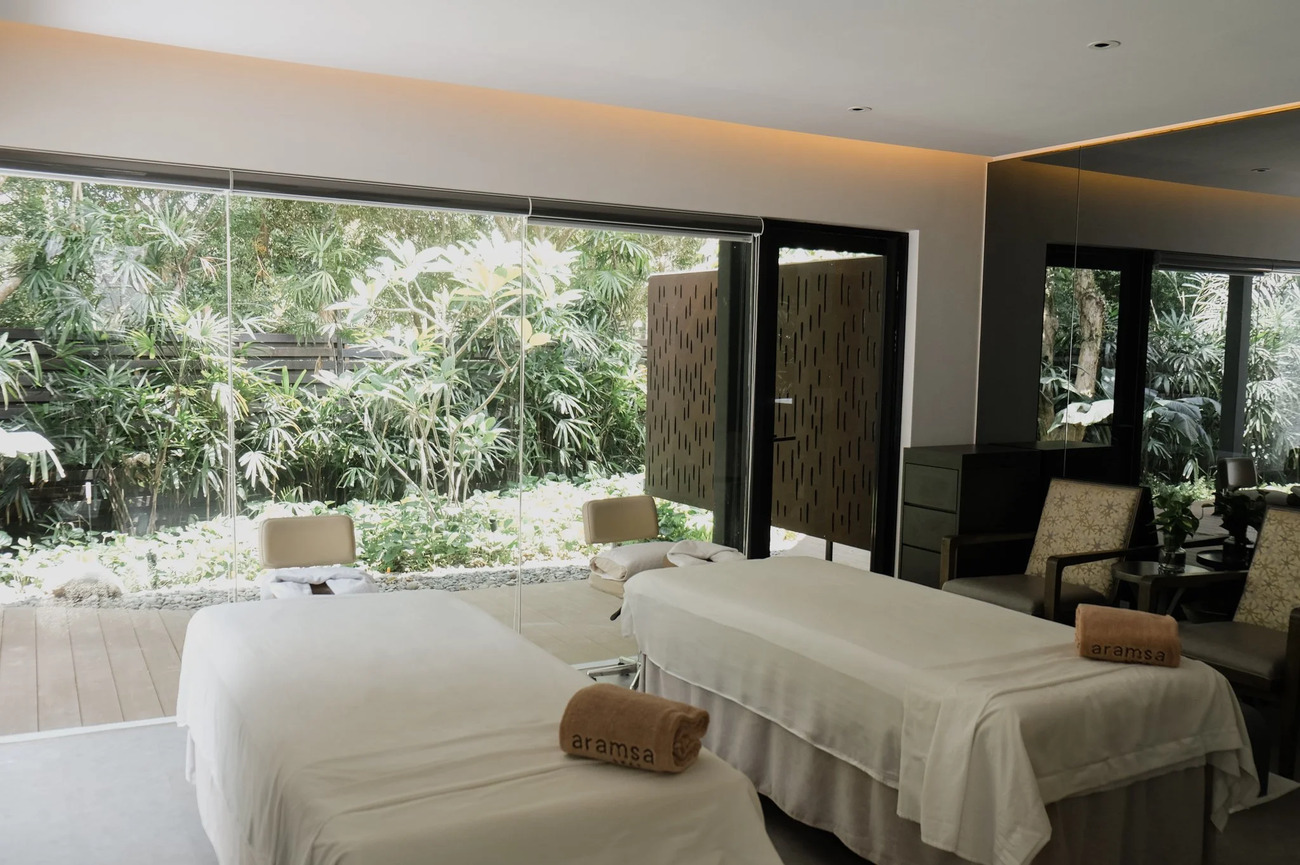
Set within Bishan-Ang Mo Kio Park, Aramsa houses 17 individually designed treatment rooms, each with a private outdoor courtyard that draws the garden into the therapeutic space. Outdoor showers and hydrotherapy baths sit against a lush green backdrop, reinforcing the sense that the spa is part of the landscape rather than separate from it.
This is Singapore’s first spa built within a national park, and the design philosophy reflects that commitment. The boundary between indoors and outdoors is intentionally blurred. The courtyard becomes part of the treatment room, and the treatment room feels inseparable from the garden.

The Bishan
Park Context
The naturalised river corridor that runs through Bishan-Ang Mo Kio Park was transformed from a concrete canal in 2012 through a widely recognised ecological redesign that combined water management with public green space. The park around Aramsa is not ornamental. It is a functioning urban ecosystem, with mature canopy, birdlife, and a noticeable shift in temperature and sound beneath the trees.
That matters because the walk through the park before a treatment is not simply atmospheric preparation. The filtered light, the sound of water, and the reduction in traffic noise begin changing the body’s pace before the guest reaches reception. In that sense, the treatment begins at the park entrance.
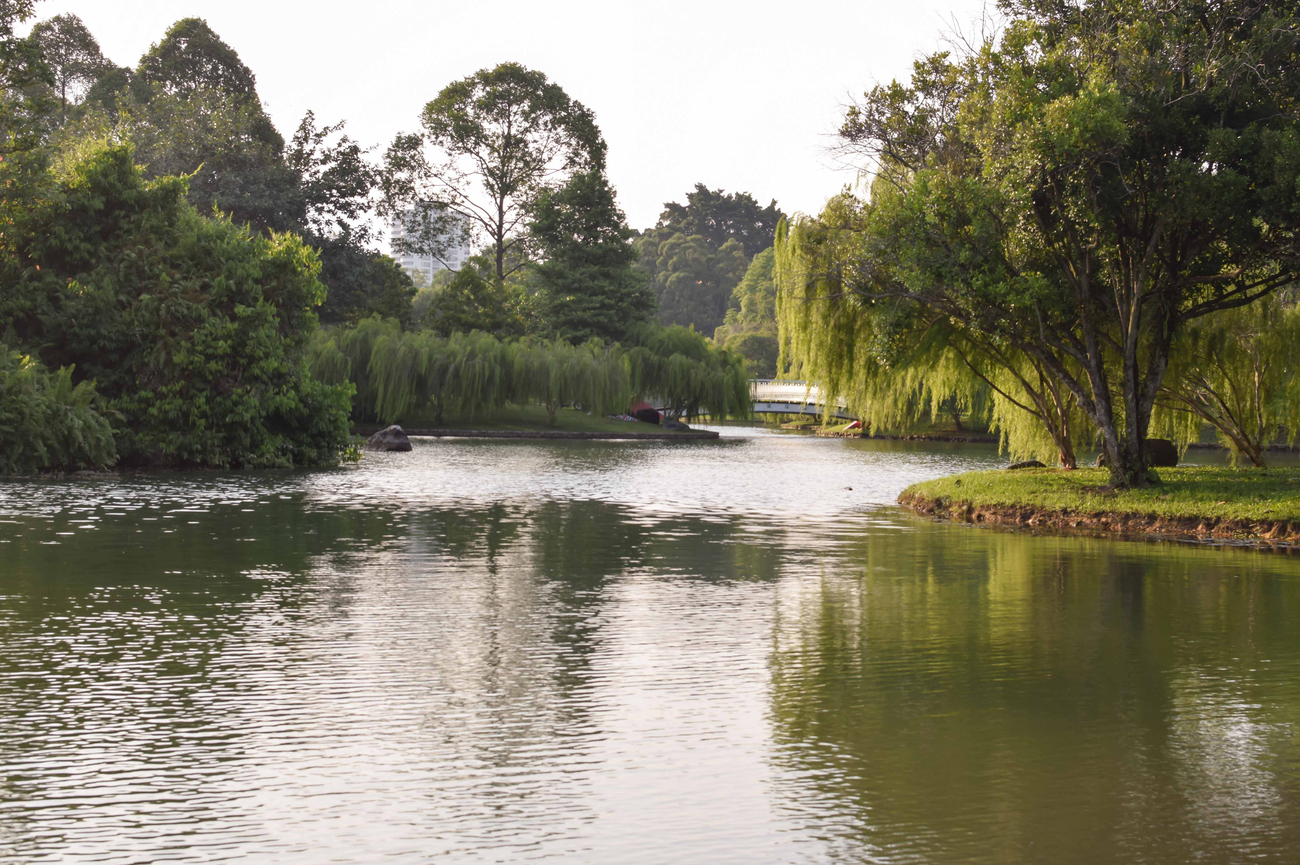
The Garden
Harmony Treatment
Aramsa’s Garden Harmony experience is one of the spa’s most sought-after rituals. It brings together techniques rooted in Singapore’s different healing traditions: a Malay Thermal Boreh exfoliation prepared in-house using ginger, clove, turmeric, rice powder, and nutmeg, followed by Chinese Manaka-inspired wooden percussion along the body’s meridian pathways to stimulate circulation and release deep tension, and completed with a full-body massage using Aramsa’s signature blend of sunflower oil with lavender, geranium, lime, and palmarosa.
Each element is grounded in a distinct therapeutic lineage. The combination is not fusion for novelty’s sake. It reflects the way these healing traditions have coexisted within Singapore over time, influencing one another while retaining their own identity.
Movement and
Wellness Within the Grounds
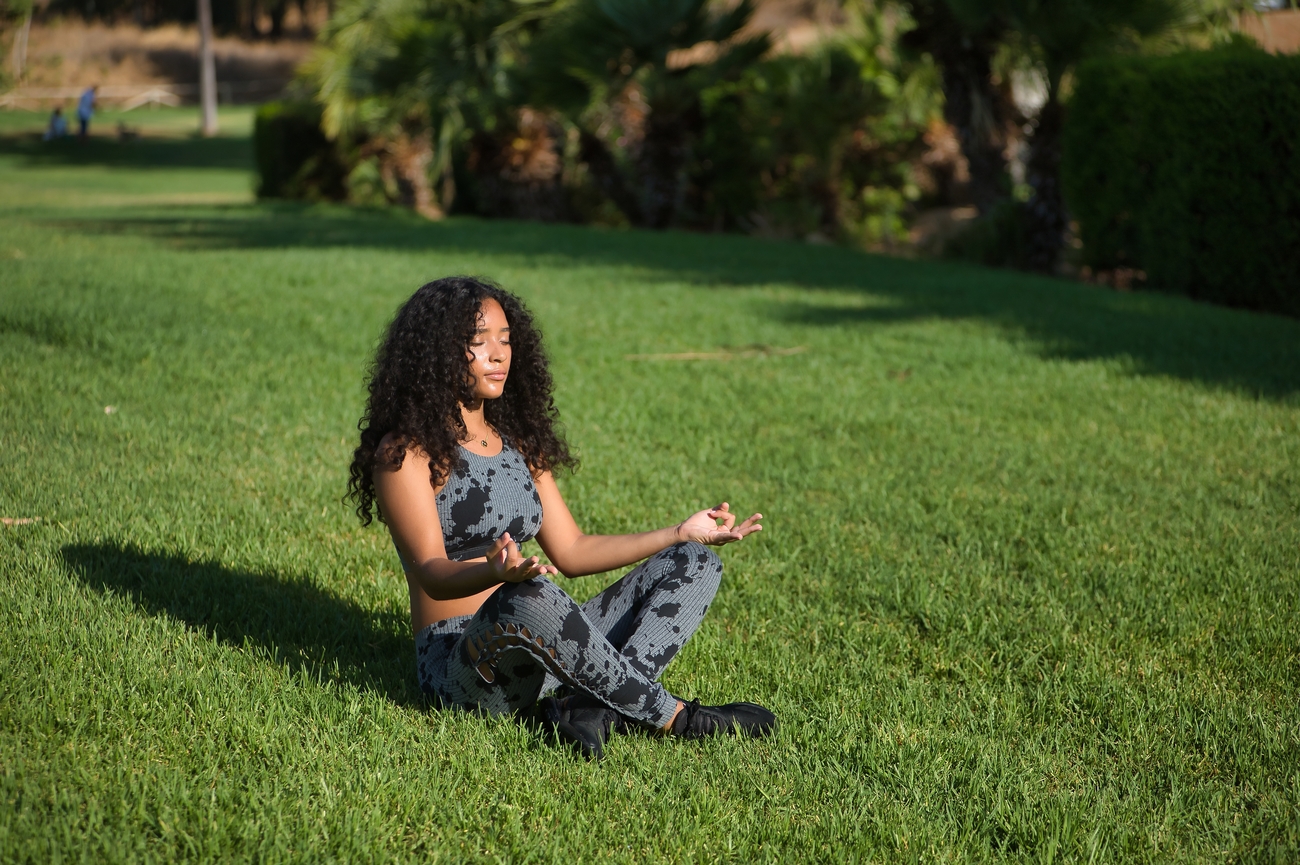
Aramsa also partners with Yoga Seeds to offer movement and mindfulness within the park setting. Meditation sessions and wellness workshops are regularly hosted on site, allowing the experience to extend beyond the treatment room itself.
For a guest spending a full day at Bishan Park, a morning yoga session, a mid-morning Garden Harmony treatment, and time afterwards in the relaxation lounge with house-brewed ginger tea can create a complete wellness day without ever returning to the city’s faster rhythm.
Want a deeper look at how Bishan-Ang Mo Kio Park fits within Singapore’s wider green landscape? See our Singapore’s best urban nature experiences for inner calm.
Auriga Spa at Capella Singapore: The Lunar Philosophy in Practice
As the first spa in Singapore to receive Five-Star status from Forbes Travel Guide, Auriga Spa has built its reputation on a philosophy that treats restoration as both structured and deeply sensory. That philosophy is organised around the lunar cycle.
Why the Moon
Governs the Treatment Menu
Auriga’s approach is inspired by the phases of the moon: new, waxing, full, and waning. Each phase is used as a symbolic framework for a different therapeutic intention, encouraging guests to align treatments with rhythms of renewal, release, balance, and transition.
The New Moon treatment focuses on restoration and introspection. The Full Moon ritual is designed around release and deeper unwinding. Waxing and Waning treatments sit between these two poles, adjusted to reflect the shift in energy and pace associated with each phase.
What makes this distinctive is that the lunar concept is not simply layered over a standard spa menu. Technique, pressure, product selection, and treatment sequence are all adapted according to the phase. Guests who return across several nights, or over multiple visits, experience the programme as it was intended: as a cycle rather than a single appointment.
The Facilities
and the Arc
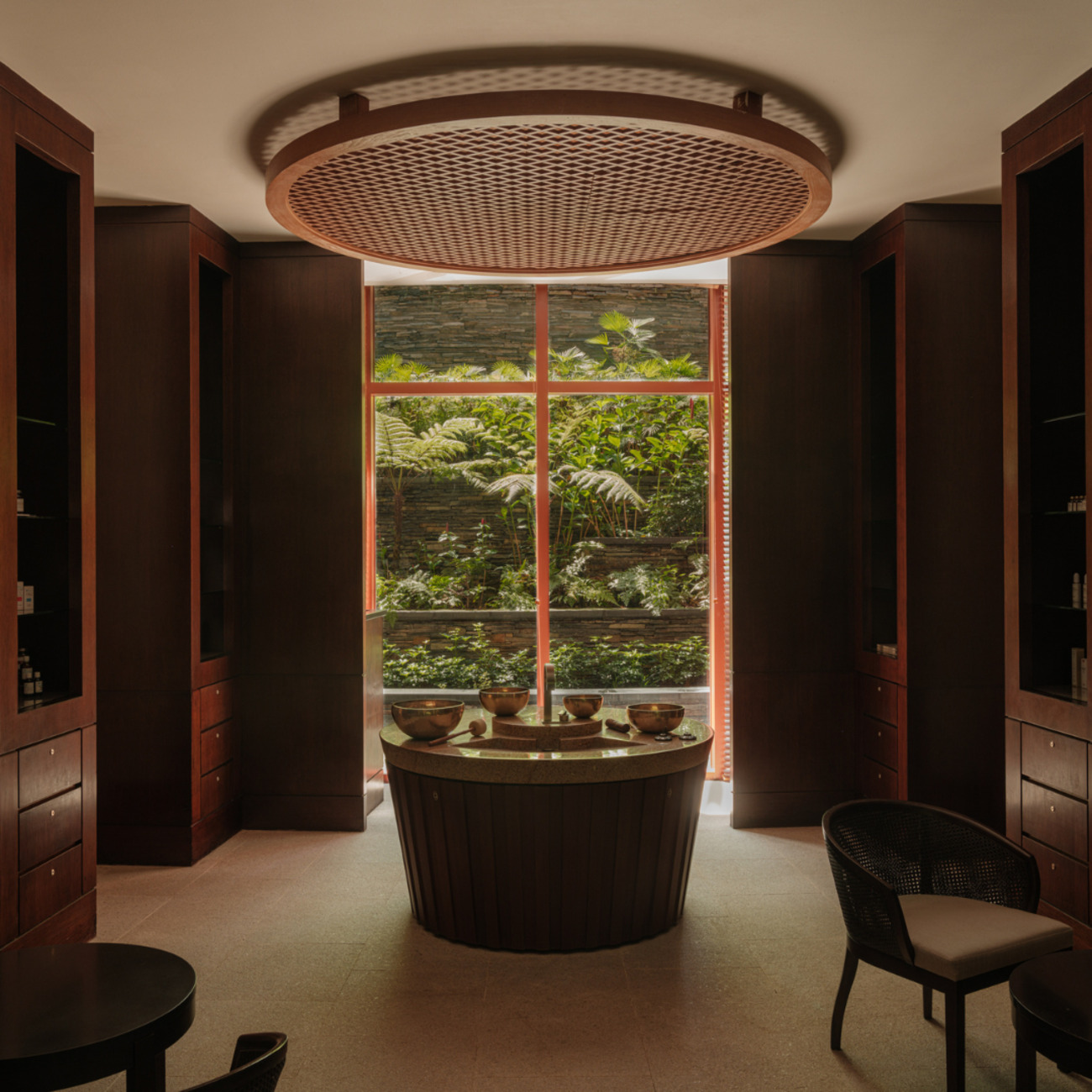
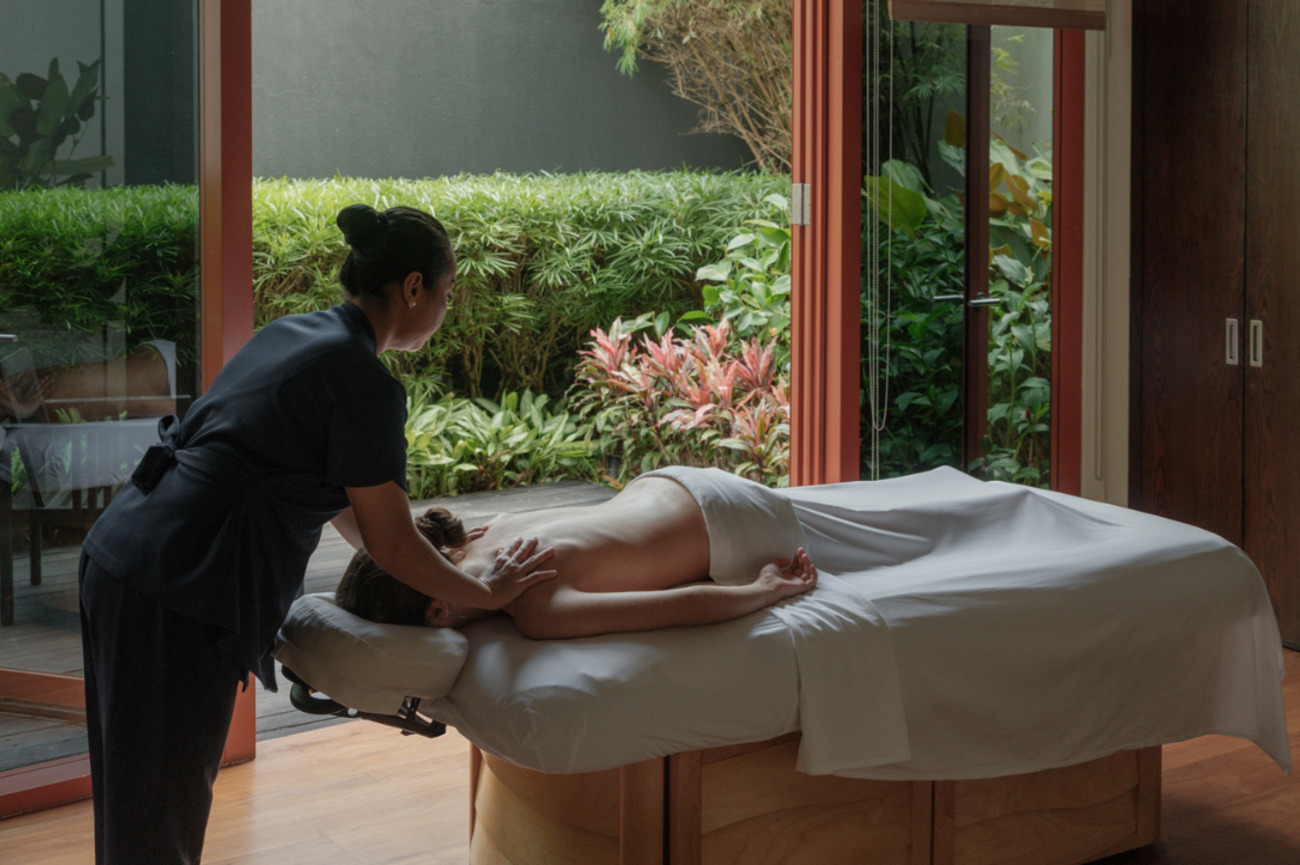
Each of Auriga’s nine treatment suites includes a private outdoor garden. The wider spa features vitality pools overlooking tropical greenery, herbal steam rooms, aromatherapy showers, and a relaxation lounge with sound-wave loungers and house-made beverages designed to reflect the current lunar phase.
The thermal sequence, vitality pool, herbal steam room, and ice fountain, is not an optional extra. It forms part of the treatment architecture. Guests who move through these stages before their session reach the treatment room in a markedly different physical state. Muscles are warmer, circulation is more active, and the nervous system has already begun to slow. The treatment that follows works at a deeper level because the body has been properly prepared.
The three-hour Auriga Signature Moon Ritual is the most complete expression of this philosophy, combining a body scrub, body wrap, massage, and facial within one of the four lunar phase frameworks.
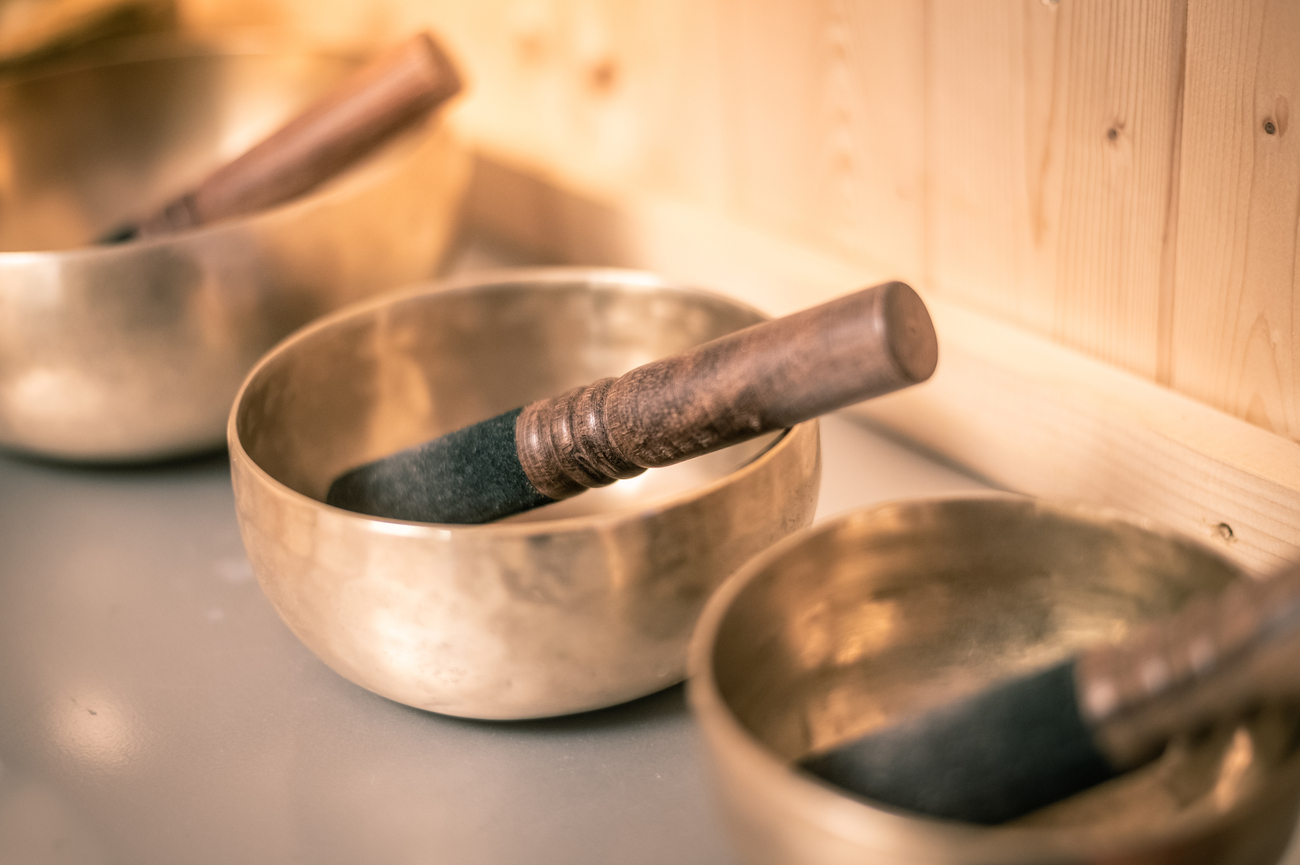
Beyond the treatment programme itself, Capella also offers yoga and sound bath sessions as part of its wider wellness offering. An evening sound session after a spa day can deepen the sense of rest considerably, especially for guests whose main priority is sleep and nervous system recovery.
Who the Auriga
Experience Is For
Auriga is for the guest who places spa quality at the centre of the stay. Its long-held Five-Star status from Forbes Travel Guide remains the clearest independent signal of consistency and excellence in Singapore’s luxury wellness market. There are strong spa experiences across the city. Auriga remains the benchmark.
If you would like to see how Capella compares with Singapore’s other leading wellness properties, explore our top luxury wellness retreats and resorts in Singapore.
How These Two Models Work Together
Auriga and Aramsa represent two very different expressions of Singapore’s spa culture, and the distinction helps define the kind of retreat being planned.
Auriga is about containment. Within Capella’s 30 acres of landscaped grounds, the experience is controlled, polished, and highly coordinated, from the spa programme itself to the wider rhythm of the stay. For a multi-night retreat where the residential base shapes the entire experience, that level of consistency is a real advantage.
Aramsa is about immersion. Set within Bishan-Ang Mo Kio Park, it draws its character from a living landscape rather than a resort environment. The canopy, the river corridor, and the quieter atmosphere of the park give the treatment a different texture, one that feels less contained and more directly connected to nature.
Within a five-day itinerary based on Sentosa with a mid-stay spa day at Bishan Park, the two experiences work well together. Sentosa provides the anchor: private, restorative, and residential. Bishan introduces contrast: a different setting, a different pace, and a different kind of calm. That contrast is part of what allows the retreat to deepen rather than simply repeat itself.
A Note on Singapore's Standard of Spa Training
One of the less visible strengths of Singapore’s wellness landscape is the quality of its practitioners.
The city’s leading spas do not rely on atmosphere alone. Their reputation is sustained by therapists trained to a consistently high standard, often across multiple therapeutic traditions. The multicultural influences that shape Singapore’s spa culture, Balinese, TCM, Malay, and European, are not simply part of the marketing language. At the best properties, they are reflected in the actual training and treatment delivery.
At Auriga, therapists are trained in the specific protocols of the lunar treatment philosophy rather than applying a generic massage framework. At Aramsa, treatments such as Garden Harmony depend on practitioners who understand the distinct techniques and therapeutic logic behind each tradition involved.
That level of technical consistency is one of the reasons Singapore has earned such a strong reputation in wellness travel. What ultimately defines a spa experience is not only the setting or the facilities, but the quality of execution in the treatment room itself.
What Singapore Does to the Nervous System
There is a version of this conversation that stays comfortably in the language of luxury: Forbes stars, ancient traditions, gardens designed to dissolve the boundary between inside and out. That version is accurate. It is also incomplete.
The more interesting question is physiological. Why does Singapore work as a wellness destination for people who do not normally slow down?
Part of the answer is environmental.
- Singapore’s humidity, which first-time visitors often treat as a liability, behaves differently once you stop resisting it.
- The moisture-dense air, the canopy temperature, the particular quality of light filtered through tropical foliage at six in the morning. These conditions lower the body’s alertness threshold faster than a dry, air-conditioned environment.
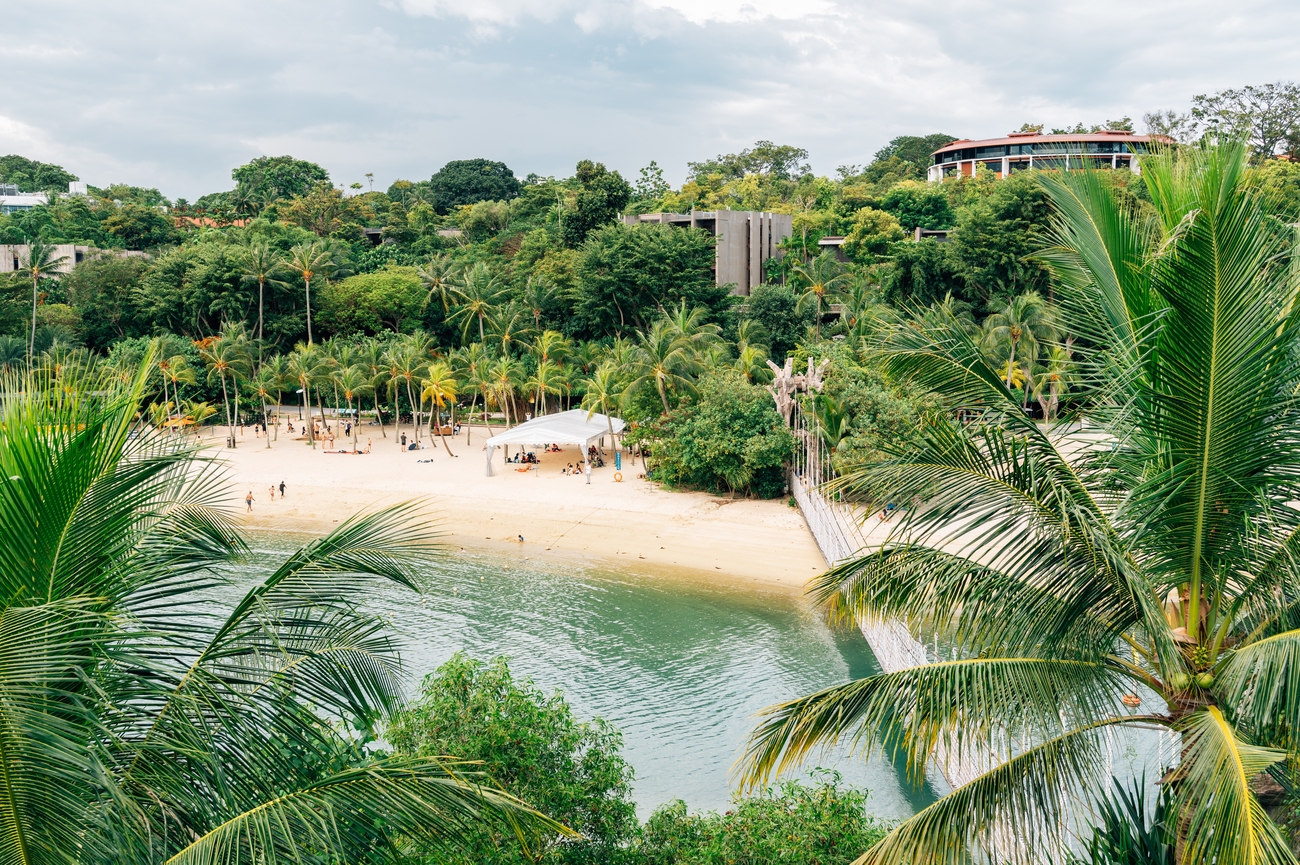
- A beach walk along the Sentosa shoreline before breakfast is not simply a scenic amenity. At a physiological level, it is a nervous system intervention.
Part of the answer is structural.
- A city with Singapore’s transit efficiency, low ambient friction, and extremely high service standards removes the low-grade vigilance that most urban environments quietly demand.
- The cognitive load of navigating a foreign city, the small uncertainties of whether a reservation will hold, whether a transfer will arrive, whether the afternoon has been properly arranged, disappears when those details have already been managed. When the brain has nothing left to scan for, that is the state where rest actually begins.
The Silence
Question
Capella’s grounds are quiet in a way that surprises guests who have not stayed on that particular hilltop before. The elevated position on Sentosa places the property above the ambient noise of the island’s commercial areas. The rainforest canopy absorbs sound. At night, what remains are the water features, the movement of trees, and very little else. This is intentional design. The acoustic environment of a wellness property is as deliberate as the lighting or materials, and Capella’s is among the most considered in the region.
Aramsa at Bishan-Ang Mo Kio Park carries a different register of quiet. It is the specific stillness of being inside a large public park on a weekday afternoon, after the school groups have gone home and before the evening runners arrive. The spa’s outdoor courtyards open directly onto that environment. It is not silence in the strict sense, but a particular form of urban calm that is increasingly difficult to find in Singapore’s centre.
Heat as
Therapy, Not Obstacle
Thermal contrast, the deliberate alternation between heat and cold as a physiological reset, now has a substantial body of clinical research behind it. In Singapore’s equatorial climate, the practice is restructured rather than replicated.
The body enters the Auriga thermal arc already warm. The contrast between the herbal steam room and the ice fountain therefore becomes sharper, the vascular response more immediate, and the shift toward deep relaxation more rapid.
Wellness travel in Singapore, approached with intention, uses the climate rather than insulating the guest from it. The morning outdoors, the thermal arc in the afternoon, and the cooled quiet of the evening are not separate choices. They form a sequence. The body moves through them in one direction, and that direction is rest.
The
Singapore Reset
There is a reason seasoned travellers quietly return to Singapore when they need to recalibrate. It is not for spectacle. It is for execution.
When approached thoughtfully, Singapore stops feeling like a destination where you simply book a spa and starts to feel like a place where a stay can be structured around how the body actually unwinds. The difference between a pleasant treatment and a meaningful reset is usually found in the architecture of the experience itself.
We curate Singapore wellness stays around practitioner availability, lunar scheduling where relevant, and the rhythm of your wider travel calendar. Everything is handled discreetly and paced intelligently.
Because in Singapore, the margin between good and exceptional is very small, and that margin is exactly where the city excels.
Begin planning your Singapore wellness retreat.


Let us know what you love, where you want to go, and we’ll design a one-of-a-kind adventure you’ll never forget.
Get in touch
Miriam
Travel Specialist

Nina
Travel Specialist

Abigail
Travel Specialist
Frequently Asked Questions
- What makes Singapore a strong destination for a luxury wellness retreat?
Singapore combines world-class spa facilities, highly trained practitioners, excellent service standards, and a calm, efficient urban environment that helps guests unwind more easily. Its wellness culture is shaped by Malay, Chinese, Balinese, and European healing traditions, giving it a distinctive depth that sets it apart from many other Asian spa destinations.
- What is the difference between Aramsa Spa and Auriga Spa in Singapore?
Aramsa Spa offers a more nature-immersed experience within Bishan-Ang Mo Kio Park, with treatments rooted in garden calm and multicultural healing traditions. Auriga Spa at Capella Singapore offers a more structured and polished wellness experience, centred around its lunar philosophy, thermal facilities, and resort-style setting on Sentosa.
- What treatments are Singapore spas especially known for?
Singapore’s leading spas are especially known for Balinese massage, Traditional Chinese Medicine-inspired meridian treatments, Malay boreh rituals, and hydrotherapy-based thermal experiences. The best properties combine these traditions with strong technical execution and carefully designed treatment environments.
- How many days do you need for a Singapore wellness retreat?
A five-day stay works particularly well for a Singapore wellness retreat. It allows enough time to combine a restorative resort base such as Sentosa with at least one contrasting spa experience elsewhere in the city, while also leaving space for movement, rest, and a slower overall rhythm.
- Can Revigorate arrange a tailored wellness retreat in Singapore?
Yes. Revigorate can design a tailored Singapore wellness retreat around your preferred pace, treatment priorities, accommodation style, and travel calendar. We curate the full experience, including the right spa settings, sought-after treatment times, and a smooth overall structure designed for genuine rest.
Our offices:



Revigorate, Iberian Escapes and Algarve Lifestyle are the registered brand names of APCS Lda . We are a fully authorised travel agency licensed by Turismo de Portugal RNAVT/6867.
In the event of a dispute, the consumer may refer to: RAL - Centros de Arbitragem
Avª. 5 de Outubro, nº. 55, R/C Dtº. 8000-075 Faro, Portugal | Tel: +351 289 823 135 *
* national landline call
E-mail: info@consumoalgarve.pt| www.consumidoronline.pt | Mon to Fri: 9:00 - 13:00 / 14:00 - 17:00