Singapore Art Week Guide:
Insider Access to Asia’s Leading Art Event

Every January, Singapore becomes a living gallery, drawing collectors, curators and art lovers into one of Asia’s most important contemporary art events.
Singapore Art Week is more than ART SG, museum visits and gallery walks. Its real value lies in timing, access and knowing how the city’s art calendar works behind the scenes.
This guide explains how to experience Singapore Art Week with depth, from major fairs and gallery districts to curated routes, private previews and expert planning.
For travellers who want everything arranged in advance, from VIP access to curated scheduling, our Singapore Art Week insider access 6-day itinerary brings the entire week together seamlessly.
Singapore Art Week: Why It Matters
Organised by Singapore’s National Arts Council and supported by the Singapore Tourism Board, Singapore Art Week has been held annually since 2013. What began as a relatively modest visual arts season has grown into one of Asia’s most significant cultural events, bringing together artists, curators, collectors, galleries, and institutions from more than 30 countries across ten days each January.
Its scale matters, but so does its intensity. Singapore’s compact layout means that in a single well-planned day, a visitor can move from an international art fair at Marina Bay Sands to a private gallery opening in a former military compound, then on to an outdoor light installation projected across the façades of historic civic buildings. The programme is spread across the city, and during Art Week, the city itself becomes part of the experience.
What distinguishes Singapore Art Week from equivalent art seasons in Hong Kong, Tokyo, or Seoul is the way it brings together Southeast Asian contemporary art and international market infrastructure. Singapore sits at the meeting point of both worlds, a globally connected financial centre with deep and long-established ties to the artistic traditions of Indonesia, the Philippines, Malaysia, Vietnam, and the wider region. During Art Week, that position becomes visible in a way few other cities in Asia can replicate.
How Singapore
Art Week Is Structured
Singapore Art Week does not revolve around a single venue or focal point. Instead, it unfolds across three parallel tracks that run throughout the ten days:
- The commercial fair programme, led by ART SG and the integrated S.E.A. Focus platform at Marina Bay Sands
- The institutional and museum circuit, including National Gallery Singapore, Singapore Art Museum, ArtScience Museum, and the Singapore Biennale
- The gallery districts and satellite programme, spanning Gillman Barracks, Tanjong Pagar Distripark, the Civic District, and independent spaces across Bras Basah.Bugis
Understanding how these three strands operate alongside one another is one of the keys to planning the week well. Visitors who only follow the most visible programme often leave with a partial view of what Singapore Art Week actually offers. A more complete experience depends on moving deliberately between all three.
A note on timing: Singapore Art Week 2026 ran from 22 to 31 January. Dates for the 2027 edition will be confirmed by the National Arts Council and updated here as soon as they are announced.
ART SG: The Fair at the
Centre of Singapore Art Week
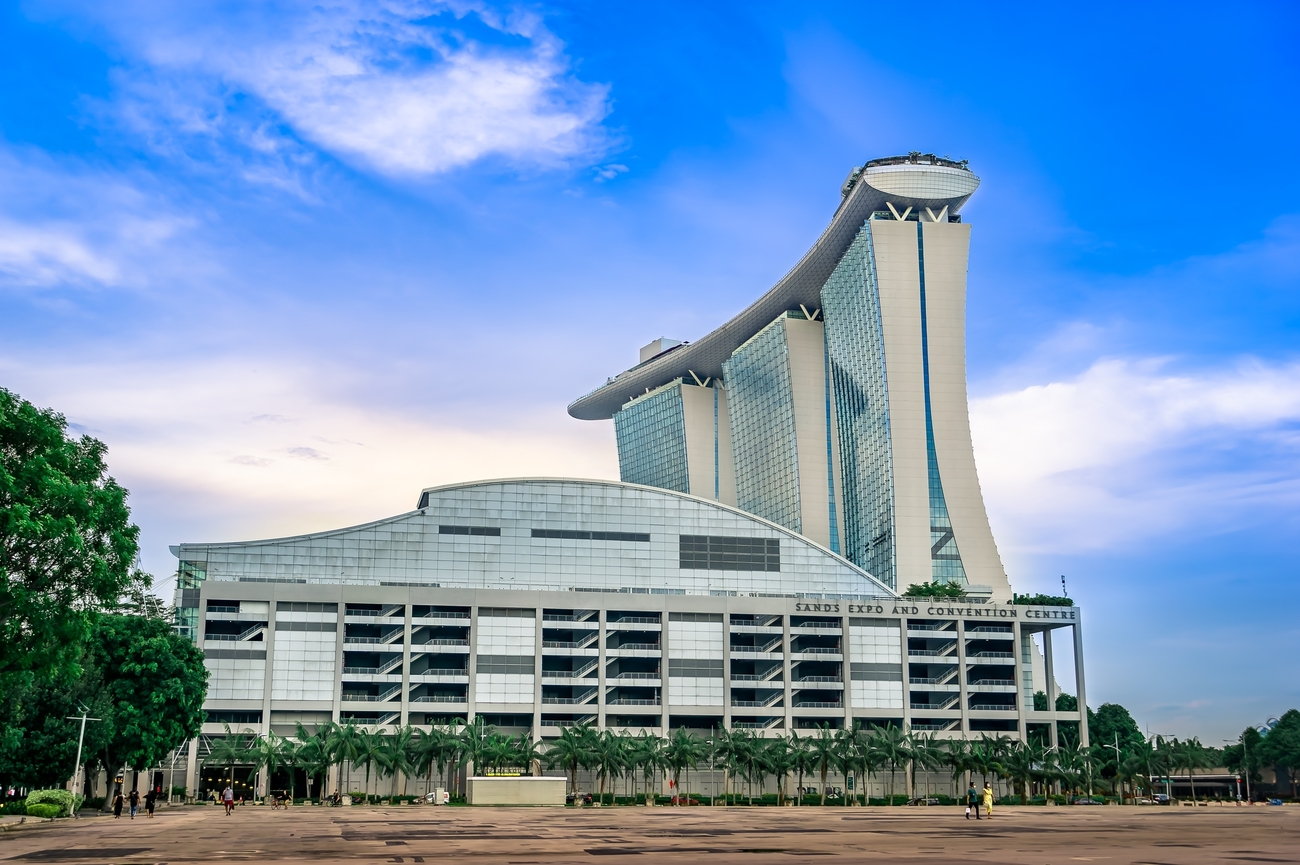
At the centre of the commercial programme is ART SG, held at the Sands Expo and Convention Centre at Marina Bay Sands. Now in its fourth edition, the fair has established itself as Southeast Asia’s leading international contemporary art fair, bringing together more than 100 galleries from over 30 countries. In 2025, it welcomed 41,000 visitors across its run.
For many visitors, ART SG is the entry point to the week. It brings the international market into direct conversation with Southeast Asian contemporary practice, and it does so at a scale no other event in the region currently matches.
Understanding the Three ART SG Sectors
ART SG is organised into three distinct sectors, each with its own character and purpose:
- GALLERIES brings together established international and regional names. Recent participants have included White Cube, Thaddaeus Ropac, Goodman Gallery, and Galerie Gisela Capitain, alongside leading Asian galleries such as Ames Yavuz, STPI, and Richard Koh Fine Art.
- FOCUS moves beyond the standard booth format, presenting thematic and curated proposals that allow galleries to develop more ambitious, room-scale presentations.
- FUTURES highlights emerging and mid-career artists, with particular attention to Southeast Asian practices. The ART SG Futures Prize, presented by UBS, is awarded from this sector.
Understanding these three sectors makes the fair easier to navigate well. Rather than moving through it as a single undifferentiated event, visitors can approach ART SG with a clearer sense of where the most established names, the most conceptually ambitious presentations, and the most emerging regional practices are likely to be found.
How S.E.A.
Focus Strengthened ART SG
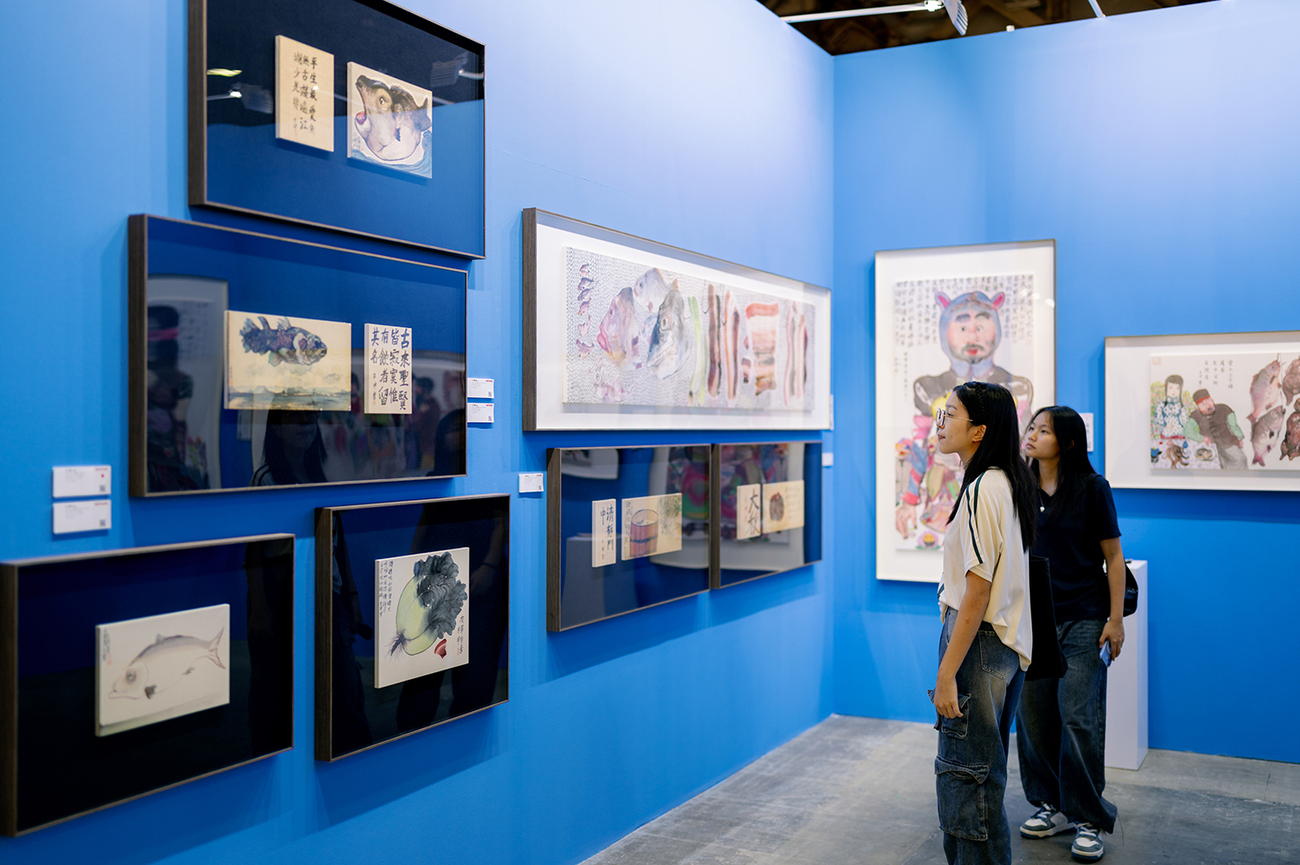
From 2026, S.E.A. Focus, previously held as a standalone event, was integrated directly into ART SG. Themed The Humane Agency in its debut edition within the fair, it brought together galleries including Silverlens, The Drawing Room, ISA Art Gallery, Gajah Gallery, and Gallery VER, presenting work rooted in contemporary Southeast Asian practice.
The integration has strengthened ART SG’s regional identity without diluting its international reach. If anything, it has made the fair more distinctive by sharpening its connection to the part of the world that gives it its real cultural weight.
ART SG VIP Preview and Vernissage Access
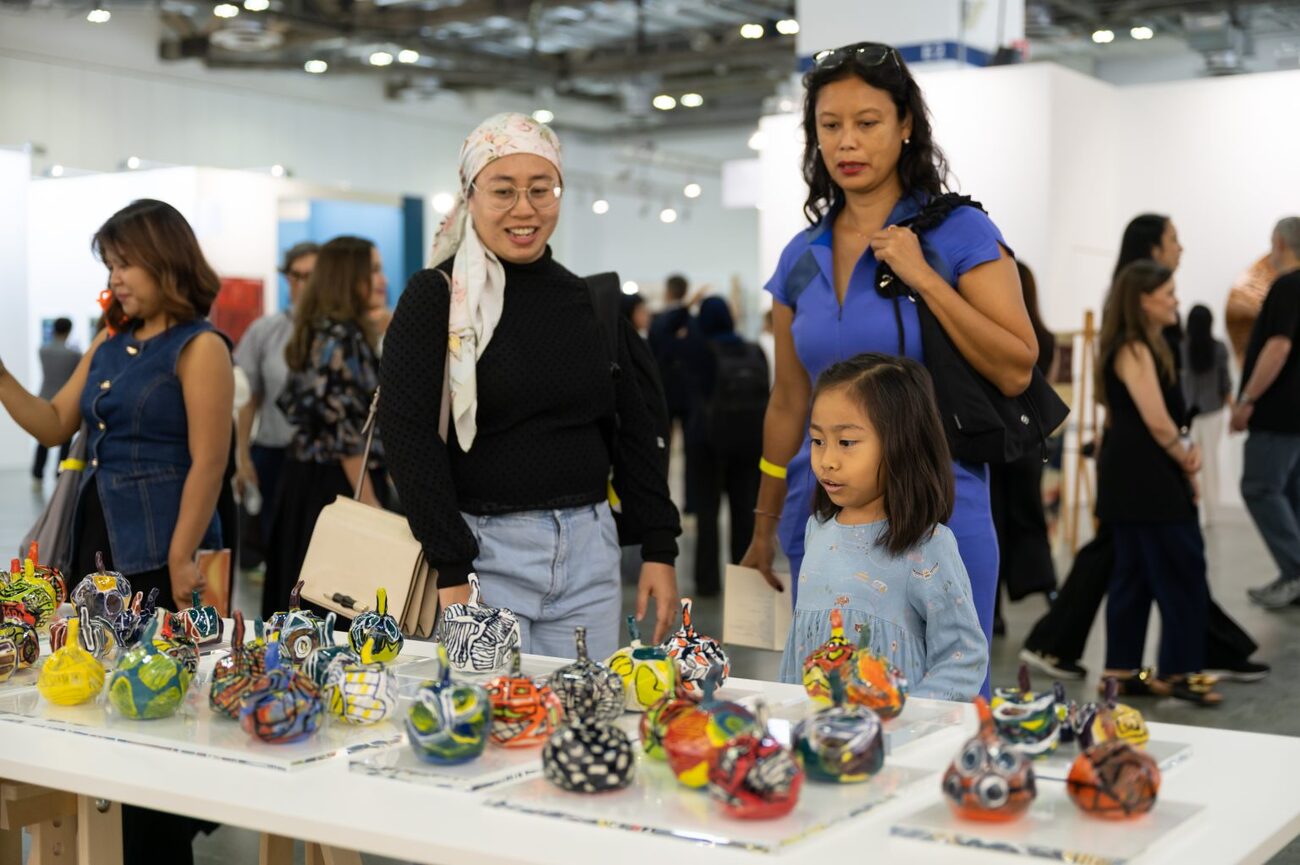
The vernissage at ART SG is not a formality. It offers entry ahead of the general public on opening evening, alongside access to the dedicated VIP lounge, fast-track entry across all sectors, curator-led guided tours, and dining privileges at selected Marina Bay Sands restaurants, including Maison Boulud and Wakuda.
For serious collectors and culturally engaged travellers, this is when the fair is seen at its clearest, before the aisles fill, before the pace changes, and before some of the most significant works are placed.
This is also where the difference between attending the fair and experiencing it properly becomes clear.
Securing vernissage access, and ensuring the surrounding evening is properly arranged, is one of the first things Revigorate confirms when planning a Singapore Art Week itinerary.
Singapore Art Week Museums
and Institutional Programme
ART SG concentrates the commercial activity of Singapore Art Week. The institutional programme running alongside it is where the most critically ambitious work of the week tends to unfold, covering ground the fair does not.
For visitors who want to understand the intellectual and curatorial depth of the region, this is an essential part of the experience.
National
Gallery Singapore
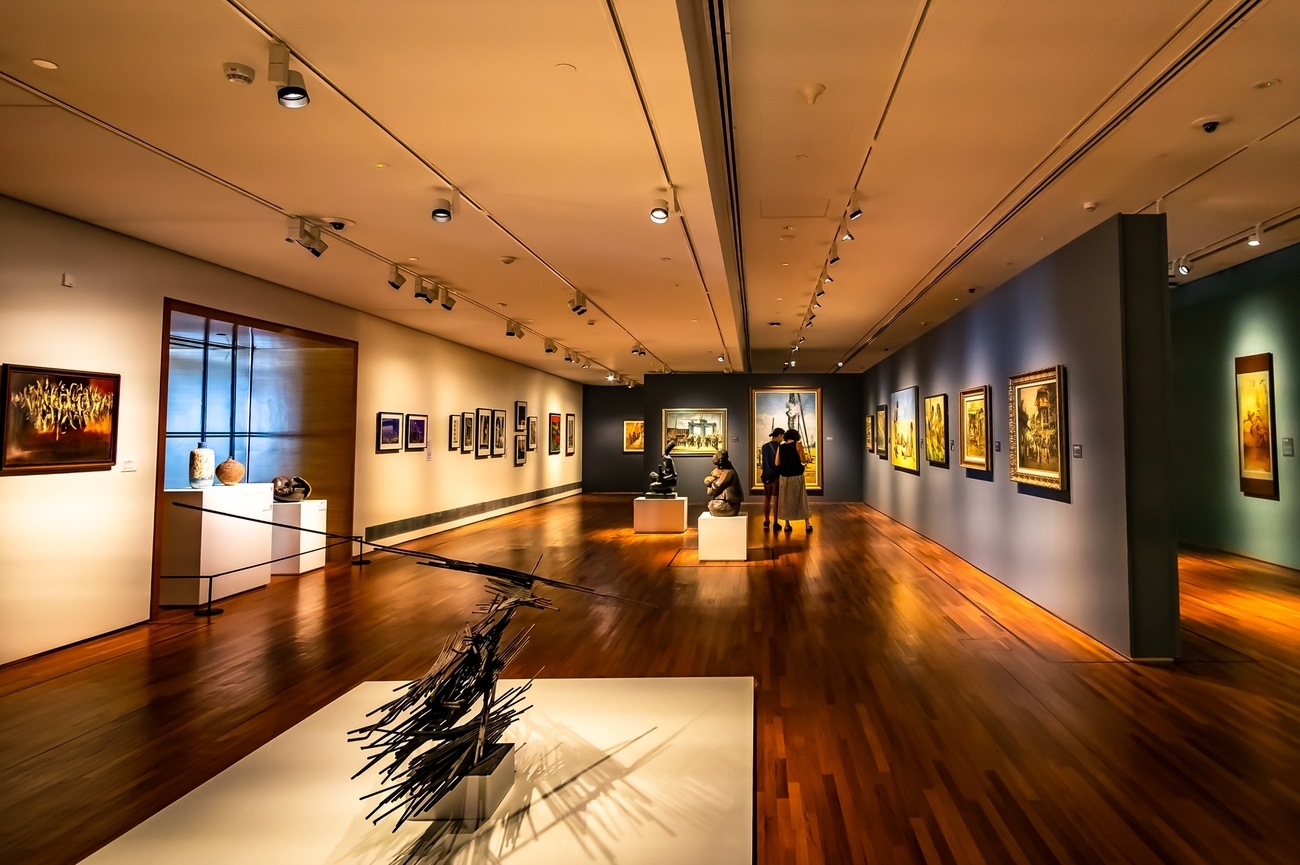
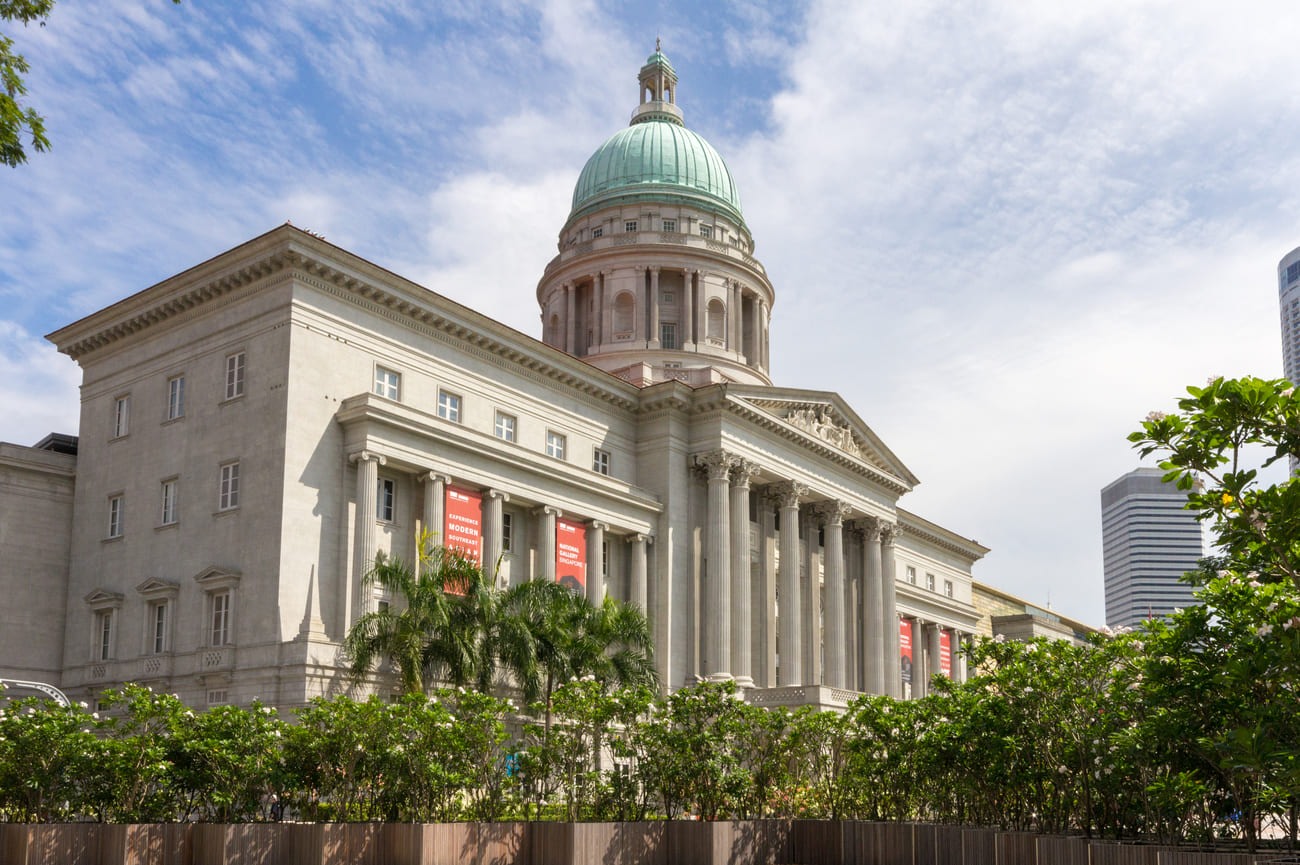
The National Gallery Singapore occupies the restored former Supreme Court and City Hall buildings in the Civic District and holds the world’s largest public collection of Southeast Asian modern and contemporary art. During Singapore Art Week, it acts as the institutional anchor, hosting major exhibitions, the Singapore Art Week Forum, and the annual Light to Night festival.
The Singapore Art Week Forum is a single-day ticketed event that brings together leading figures from the international art world for keynote presentations and panel discussions. The 2026 edition, themed FORCE•FIELDS, featured contributions from art historian Claire Bishop and Venice Biennale artistic director Adriano Pedrosa, alongside a conversation with Singapore artist Amanda Heng, who represented Singapore at the 60th Venice Biennale.
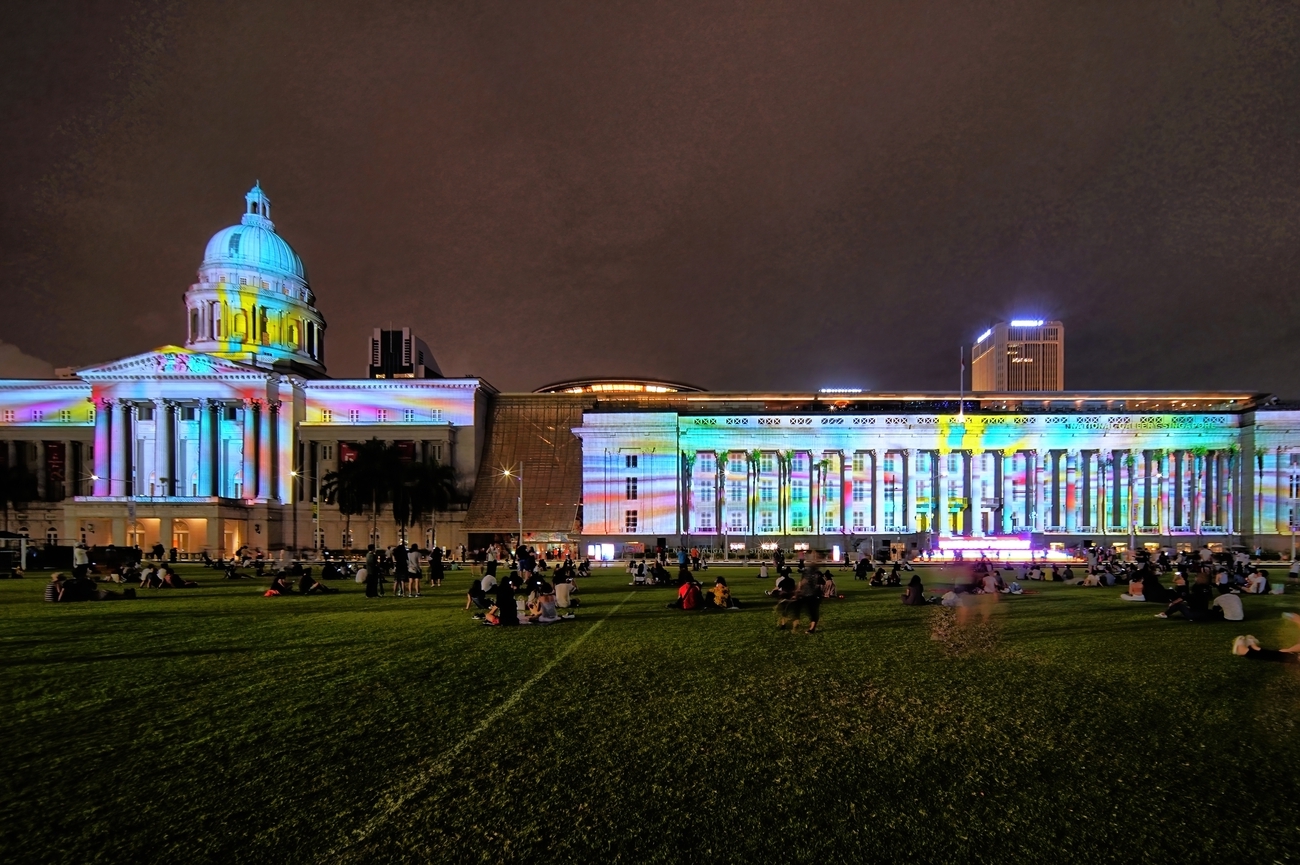
Light to Night Singapore, now in its tenth edition, runs across four weekends in January and transforms the Civic District through large-scale façade projections, outdoor installations, and live performances. The 2026 edition, themed The Power in Us, ran from 9 to 31 January and was organised by the National Gallery in collaboration with the Asian Civilisations Museum, The Arts House, Victoria Theatre and Victoria Concert Hall, and Esplanade.
Experiencing the Civic District during a Light to Night weekend is one of the most visually striking ways to encounter Singapore during Art Week.
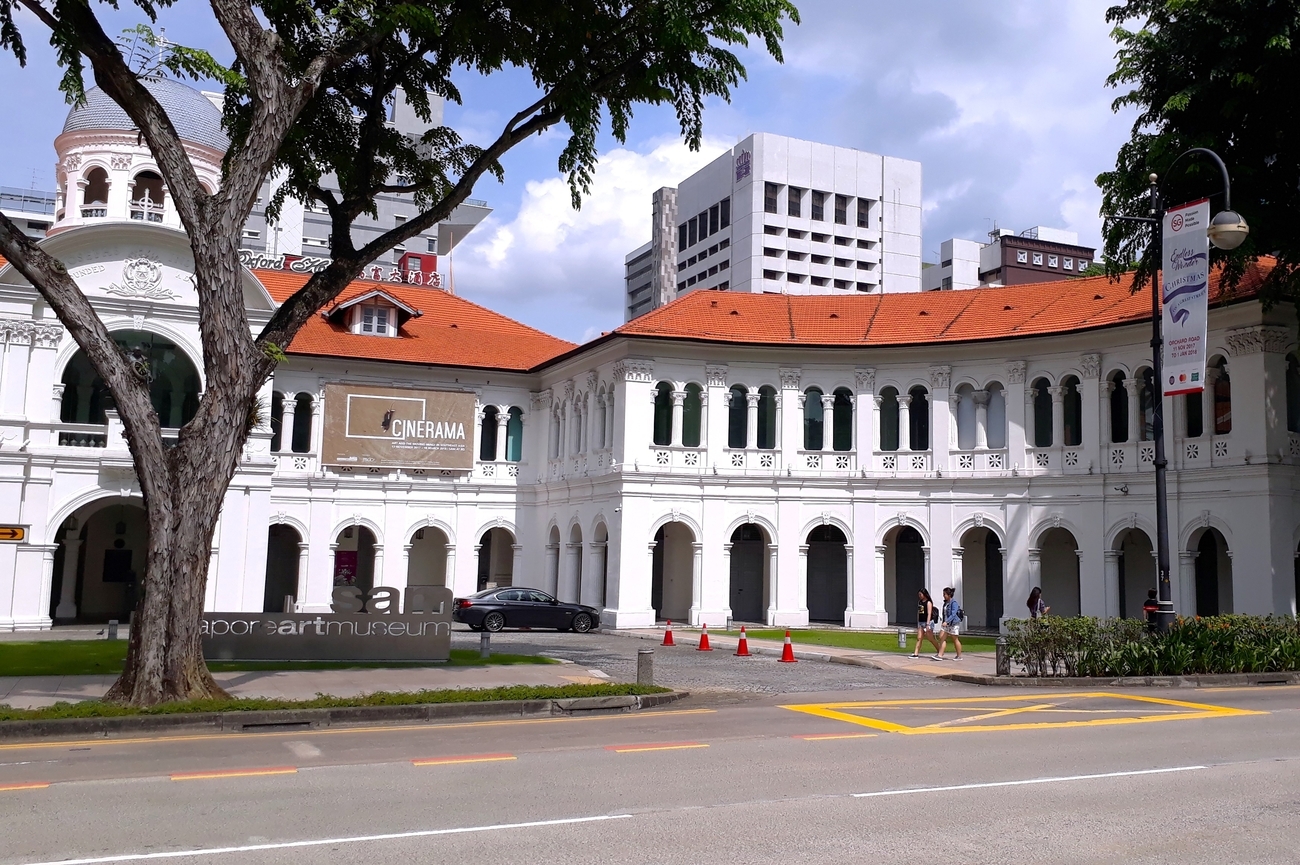
Singapore Art
Museum and the Biennale
Singapore Art Museum anchors the week’s experimental and contemporary programming. It is also the primary institutional home of the Singapore Biennale, which runs concurrently with Art Week and extends the programme well beyond the main circuit.
The 2025 Biennale, pure intention, used SAM’s space at Tanjong Pagar Distripark as its central site, presenting work by artists from across the region in a format that was deliberately durational and unhurried, offering a markedly different rhythm from the pace of the fair.
SAM attracts curators and collectors who have already moved through ART SG and are looking for work outside commercial framing. Its programming during Art Week is consistently where some of the most considered institutional thinking is found.
ArtScience
Museum
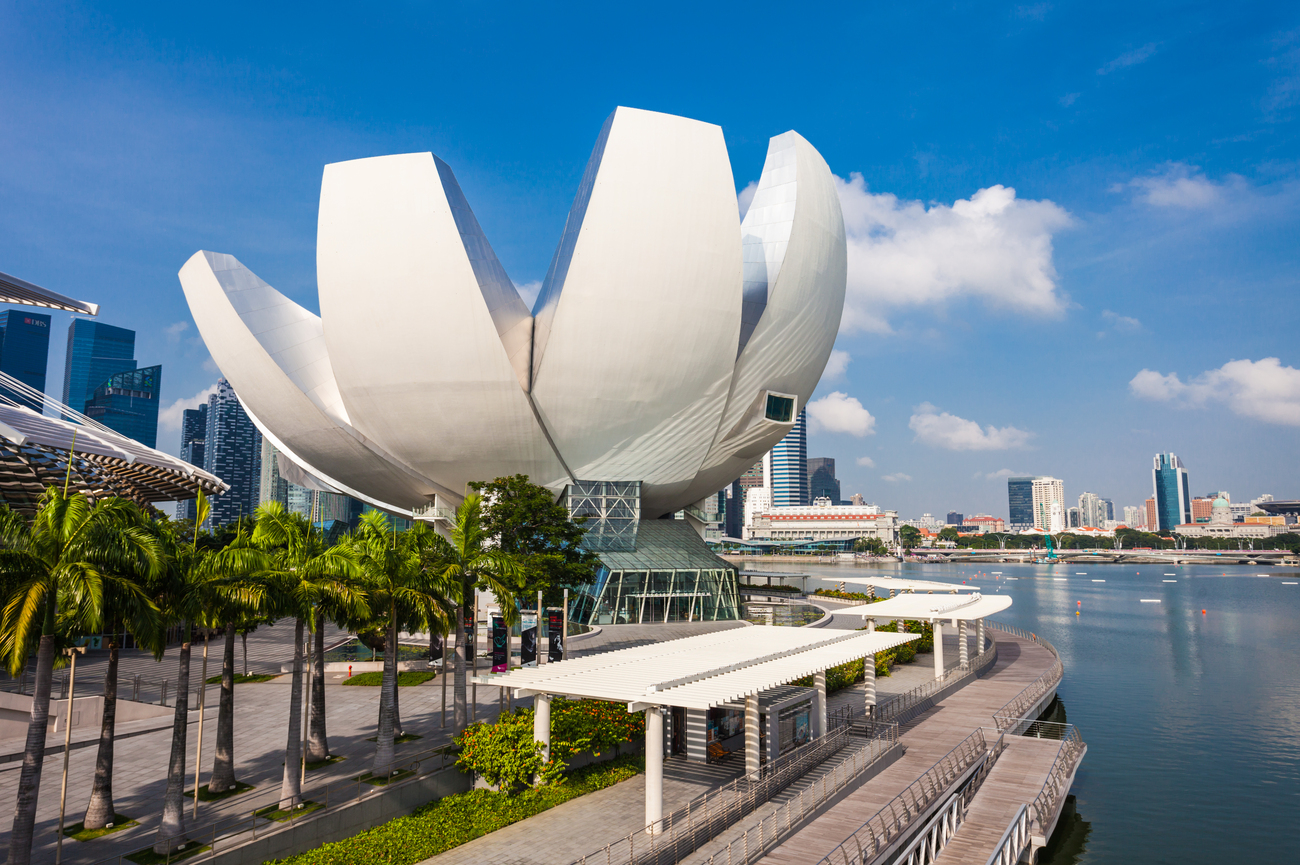
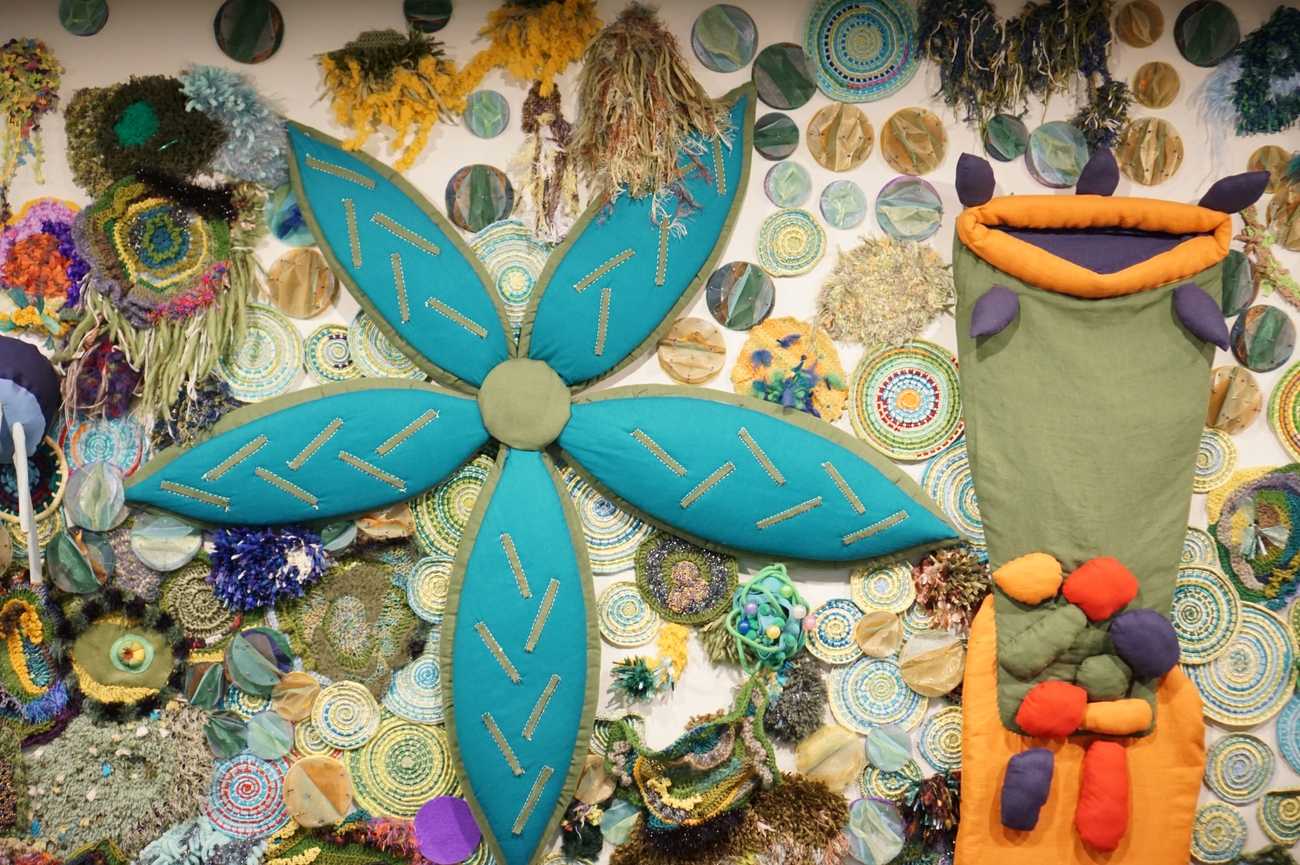
The ArtScience Museum at Marina Bay Sands sits at the intersection of art, science, and technology. During Singapore Art Week, its exhibitions often align with the broader themes of the programme and provide one of the more accessible yet thoughtful entry points into the week.
Its distinctive lotus-shaped architecture, designed by Moshe Safdie, is also one of the most recognisable structures on the waterfront and worth visiting in its own right.
For a detailed breakdown of exhibitions, galleries, and museums worth prioritising during the week, see our guide to Singapore Art Week museums and exhibitions.
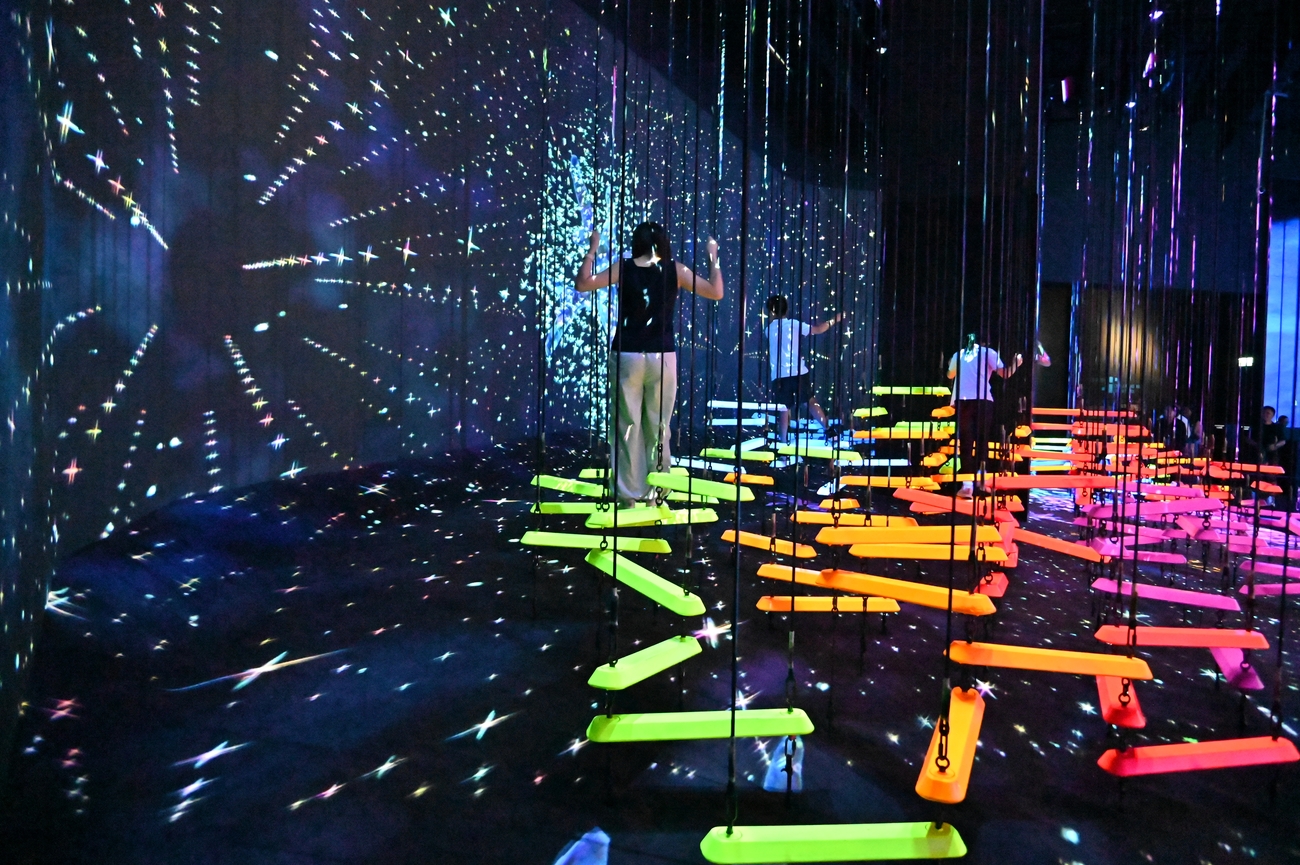
Singapore Art Week Gallery
Districts
The fairs and museums provide the headline programming of Singapore Art Week. The character of the week, its texture, pace, and most memorable conversations, is found in the gallery districts.
These are the parts of the city where the experience becomes more human in scale and more rewarding for visitors who want to move beyond the obvious programme.
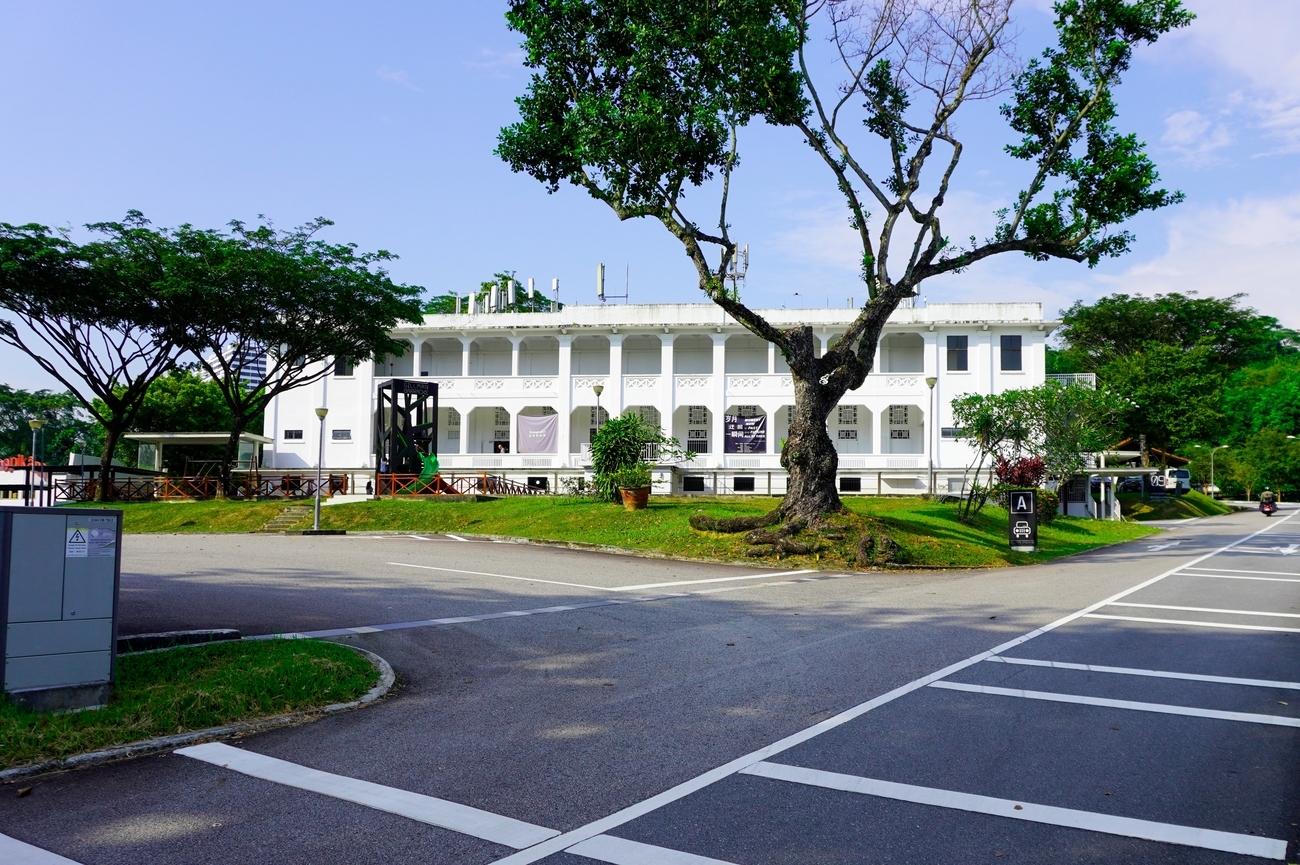
Gillman Barracks
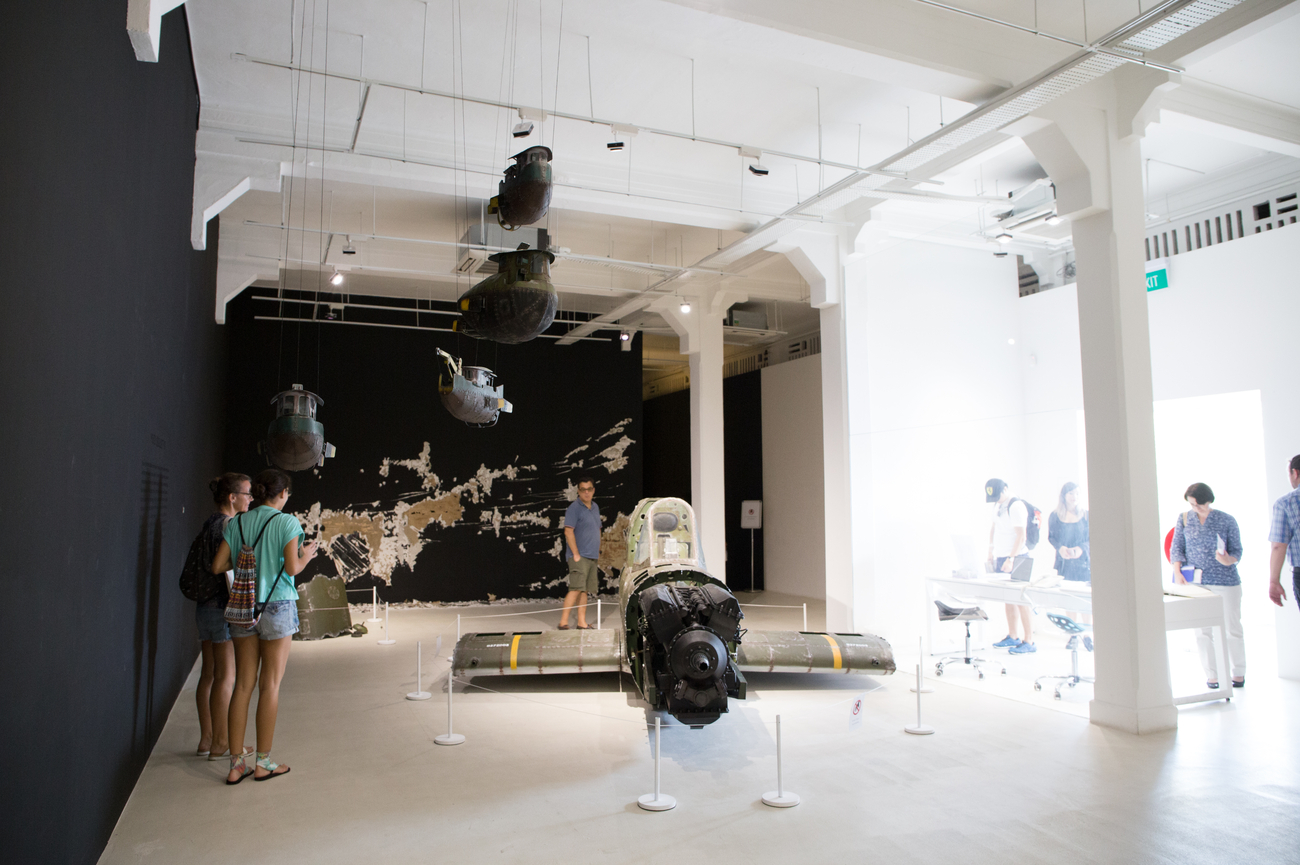
Gillman Barracks, a former British military compound dating from the 1930s, has been reimagined as one of Singapore’s leading gallery destinations. Spread across a cluster of low-rise colonial buildings set among mature tropical greenery, it is home to a mix of international and Singapore-based galleries operating year-round, including Ames Yavuz, ShanghART, and Sullivan+Strumpf.
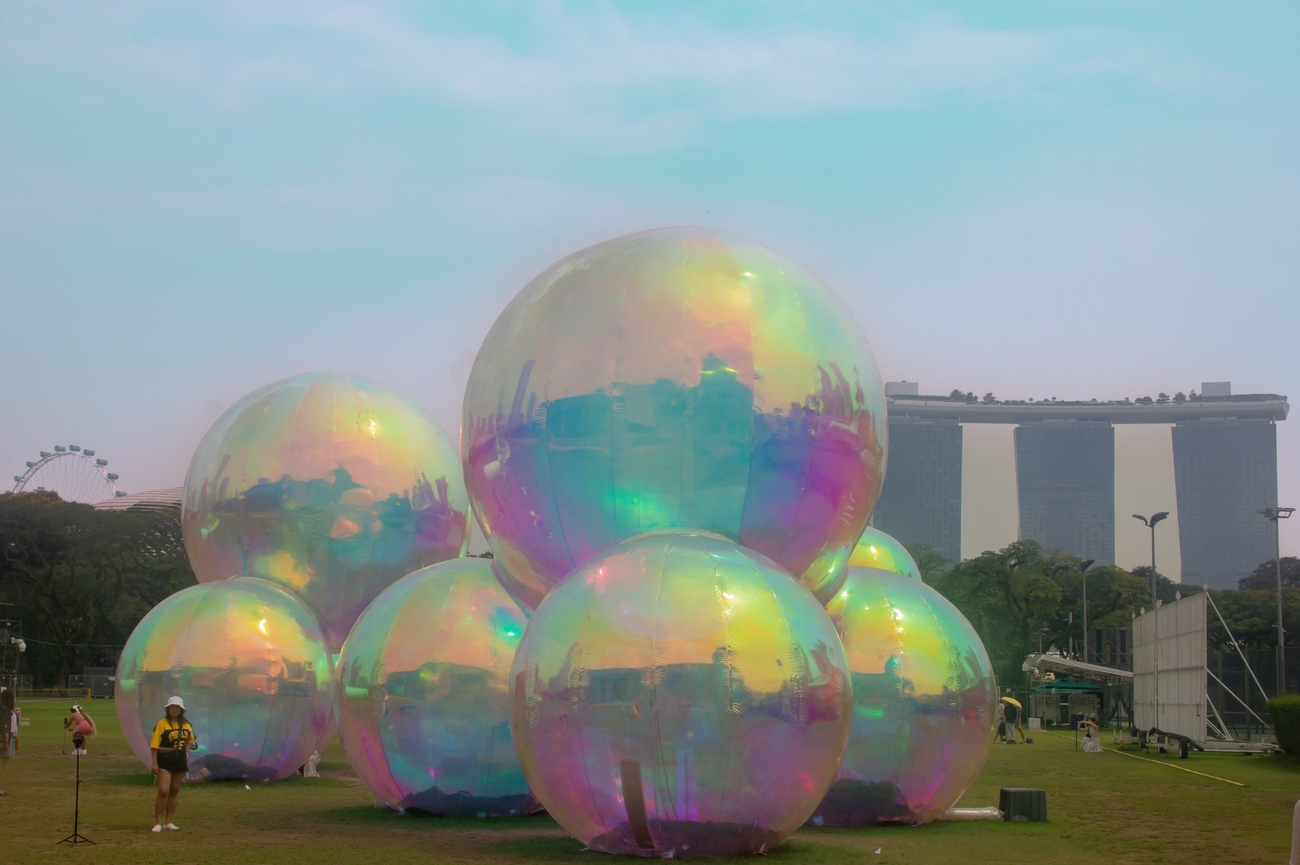
During Singapore Art Week, Gillman Barracks expands far beyond its regular programme. Large-scale public installations appear across the compound, opening nights run through the first weekend, and the outdoor setting becomes part of the experience rather than merely its backdrop. In 2026, the precinct featured ANTZ’s The Last Tree Was a Building, four large inflatable sculptures installed in direct response to the site’s colonial history and ecological setting.
There is a quality to Gillman Barracks that does not translate to the fair floor. The scale is more intimate. Galleries sit beside one another rather than booth beside booth. The work often feels more considered, and the visitors who make their way here during Art Week usually do so with genuine intent. The conversations tend to reflect that.
Tanjong Pagar
Distripark
Tanjong Pagar Distripark is a functioning industrial complex near the port that has become one of the most compelling venues of Singapore Art Week. Its warehouse-scale spaces, freight lifts, and raw concrete interiors give curators room to present work that would be difficult to stage in a conventional gallery setting.
The Distripark serves as a major site for Singapore Art Museum’s Biennale programming. In 2026, it also hosted the debut of Sonic Shaman, Taiwan’s first interdisciplinary sound festival, with experimental music, sound installations, and artist talks involving international participants.
The programming here is usually less commercially oriented and more intellectually demanding, which makes it especially appealing to visitors who have already moved through ART SG and want something with a different kind of depth.
The Civic
District
The Civic District, stretching from the National Gallery towards the waterfront, is where Singapore Art Week becomes most visible at street level. During Light to Night, heritage façades become projection surfaces, public art trails connect institutions, and temporary installations animate the district after dark. Even the riverfront at Boat Quay becomes part of a broader cultural route through the city.
Within this area, the gallery corridor linking the National Gallery, the Asian Civilisations Museum, and the independent spaces of Bras Basah.Bugis is well worth a dedicated morning. Objectifs, the centre for photography and film on Middle Road, remains one of the quieter but more rewarding stops of the week.
For a fuller look at the districts, routes, and gallery spaces worth prioritising, explore our guide to Singapore’s gallery districts during Singapore Art Week.
Singapore Art Week Beyond the Main Programme
Singapore Art Week extends well beyond its fairs and museums. Running alongside the headline events is a parallel programme of printmaking, design, and architecture, often hosted in venues that require more deliberate discovery.
For those who move beyond the main circuit, this expanded ecosystem is where some of the week’s most distinctive experiences are found.
STPI Creative
Workshop and Gallery
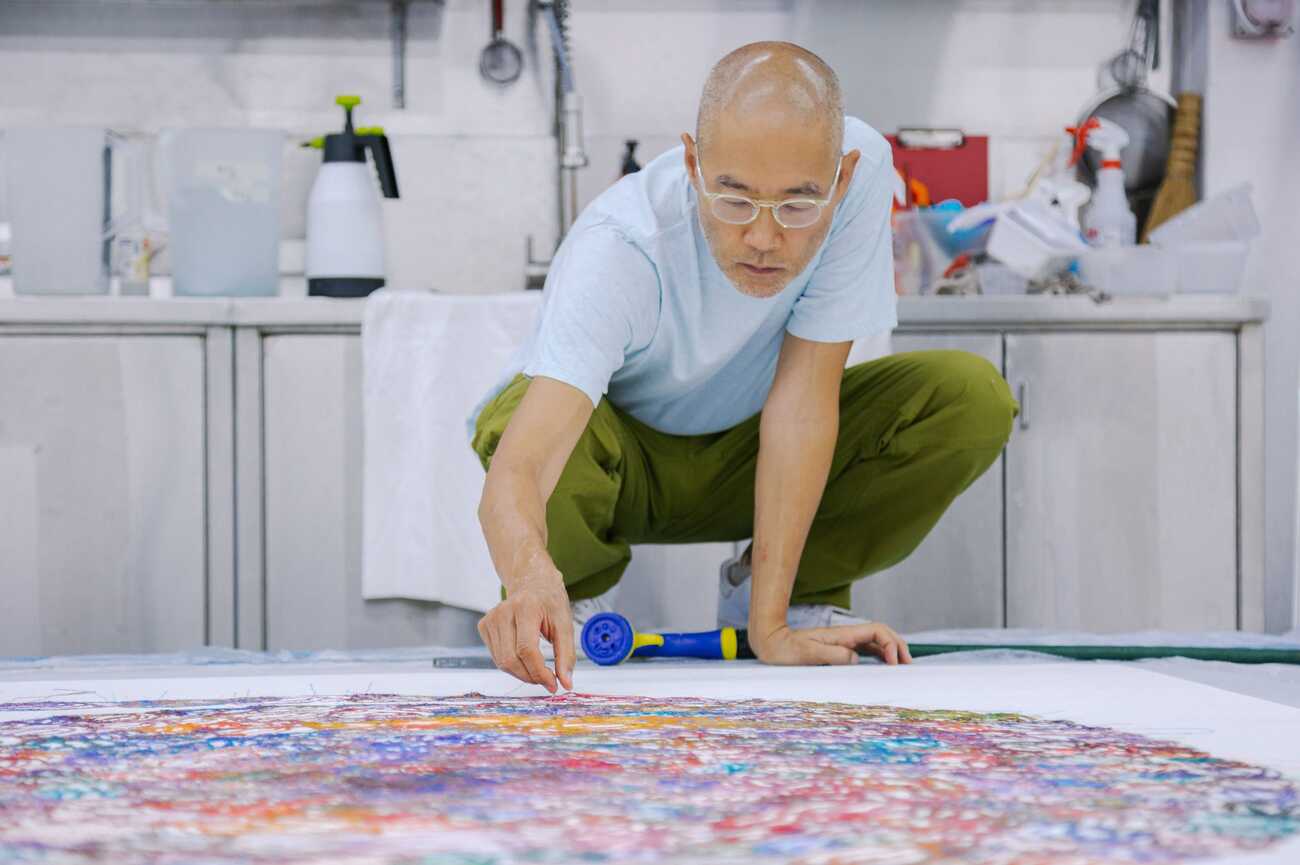
STPI is one of Asia’s leading printmaking studios, and its presence during Singapore Art Week remains one of the week’s most consistently overlooked highlights. The annual Print Show Singapore has developed into a respected satellite event, with the 2026 edition including a symposium titled The Politics of Print, exploring the medium’s renewed relevance within contemporary art markets.
What makes STPI particularly worth visiting is the working studio itself. Editions are produced on site, and the relationship between process and finished work is unusually visible. The scale of certain productions adds a dimension rarely encountered in traditional gallery settings.
It is a quieter stop than ART SG, but often one of the most memorable.
Art Installations in Singapore’s Hotels
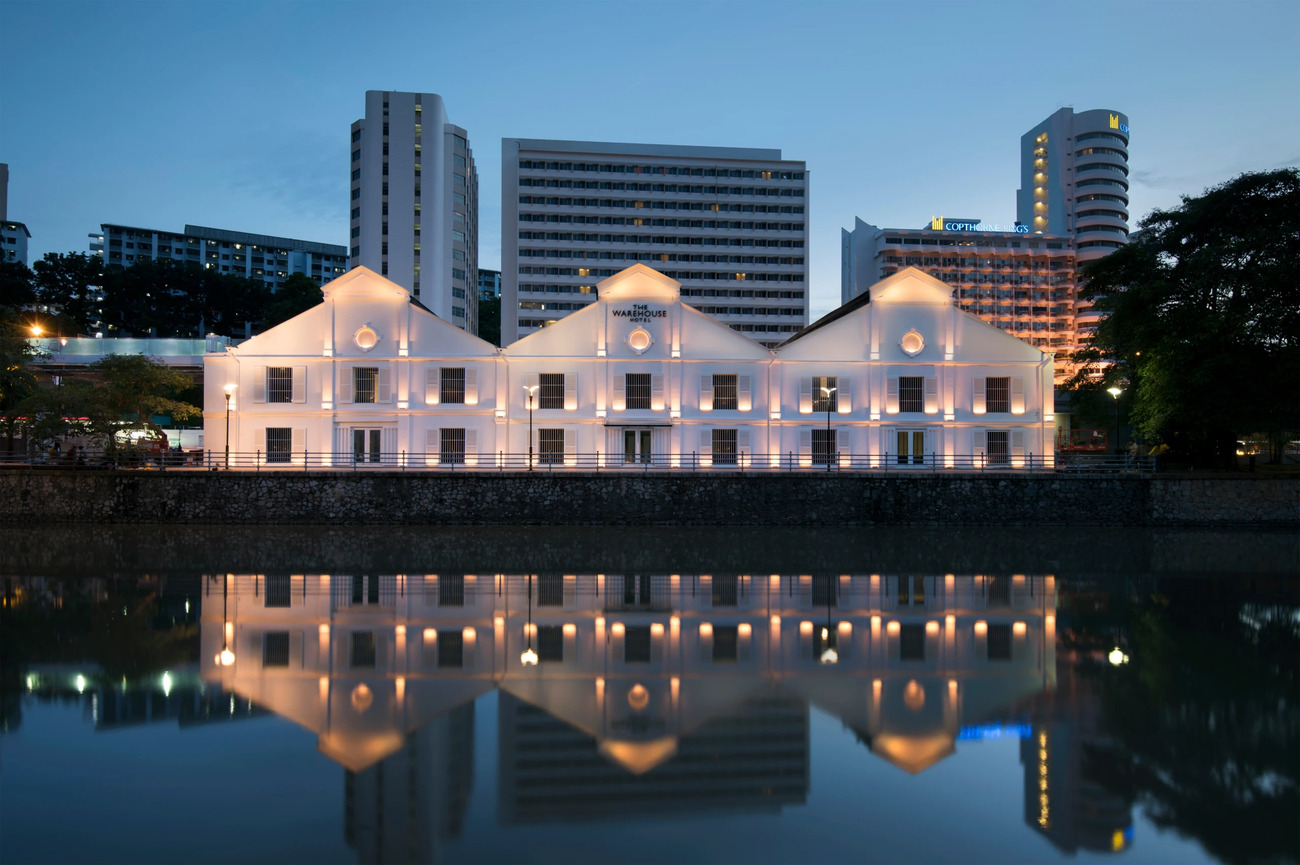
The use of hotel spaces as immersive exhibition environments has become a defining feature of recent Singapore Art Week editions. In 2026, The Warehouse Hotel on Robertson Quay hosted a collaboration between ART SG and Shanghai’s Rockbund Art Museum, transforming its lobby and public areas for Wan Hai Hotel: Singapore Strait. Curated by X Zhu-Nowell, the project featured Southeast Asian artists including Martha Atienza, Stephanie Comilang, and Ho Tzu Nyen.
These activations blur the line between hospitality and exhibition, reflecting the way Singapore’s cultural and luxury sectors increasingly overlap. Choosing the right hotel during Art Week is not only a question of location, but of access to the programme itself.
The Arts and
Design Corridor
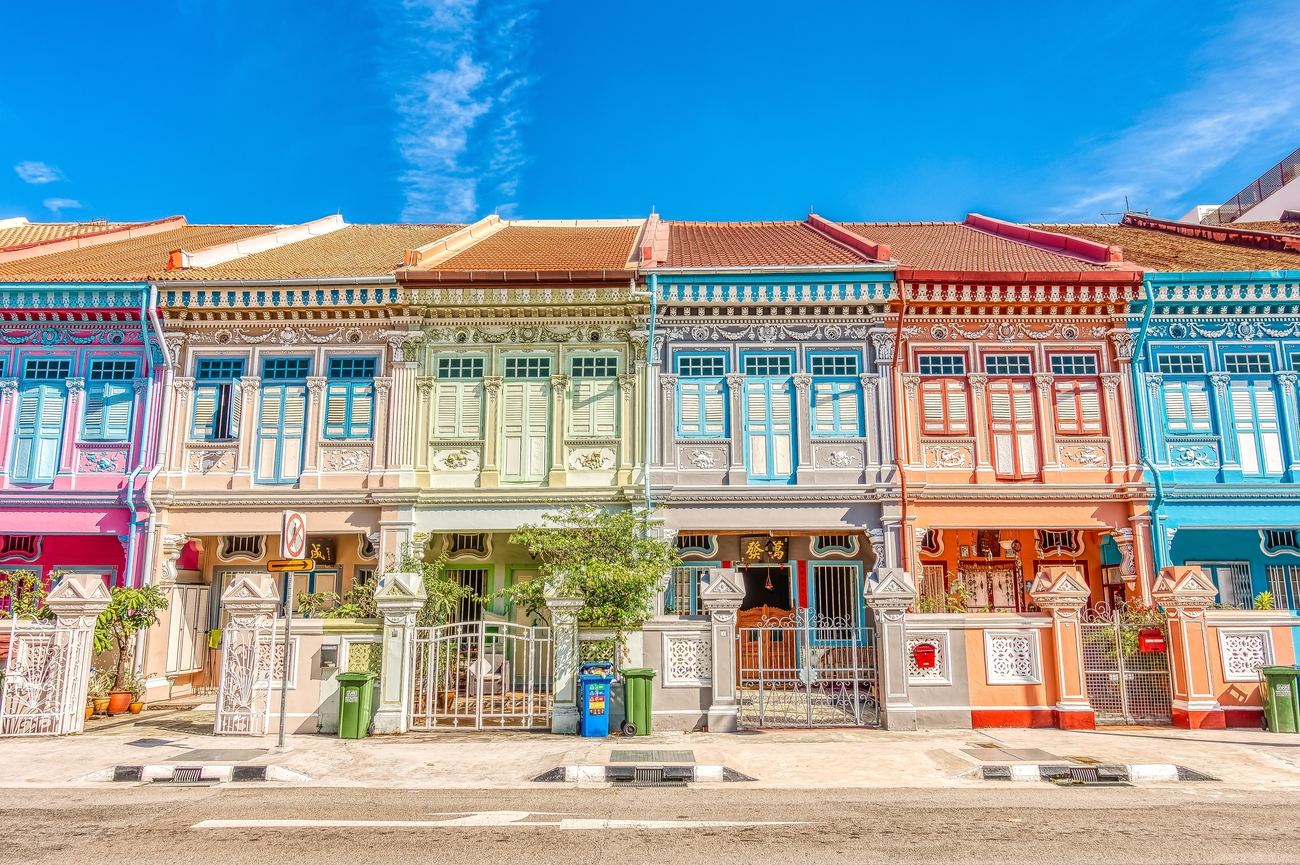
The Arts and Design Corridor runs through Singapore’s historic shophouse districts, linking gallery spaces, design studios, and architecture-focused programming that sits outside the main fair and museum circuit.
It is also one of the most easily missed parts of Singapore Art Week for visitors who have not been directed towards it.
This corridor rewards a different kind of attention. A restored Peranakan shophouse used as a temporary exhibition space can sit comfortably within the same programme as a major presentation at Marina Bay Sands. Both are part of the same week, and moving between them effectively depends on knowing where to look in advance.
For a deeper look at the print, design, and architecture programme, see our guide to Singapore Art Week’s expanded ecosystem.
Planning Singapore Art
Week: What a Well-Structured Visit Requires
Singapore is compact and exceptionally well connected, which creates the impression that Singapore Art Week can be assembled on arrival. It can be, in the same way any unfamiliar city can be navigated without preparation. But the experience available to someone who arrives with the right sequence already in place is materially different from what improvisation produces.
The difference lies in access, timing, and how the week is structured.
Access and Insider Entry Points
The distinction between public access and pre-arranged access becomes significant during Singapore Art Week, even if it is not immediately visible from the outside.
The ART SG VIP vernissage, private gallery openings at Gillman Barracks, curator-led walkthroughs at the National Gallery, and collector preview dinners do not require extraordinary insider status. They do, however, require awareness and confirmation before arrival.
These are the settings where the most meaningful conversations of the week tend to happen. Artists presenting new work, curators discussing exhibitions they have spent months developing, collectors speaking with a level of candour that rarely exists on the public floor. These moments define the experience, and they are not accessible through a standard ticket.
Dining, Restaurants, and Where to Stay
Singapore’s dining scene is world class throughout the year. During Art Week, the city’s most sought-after restaurants fill quickly, from the collector dining circuit at Marina Bay Sands to the smaller reservation-only kitchens in Chinatown, River Valley, and Joo Chiat.
The restaurants worth planning around are rarely those with walk-in availability.
The same applies to accommodation. Properties with the best positioning for the week, whether near the Civic District or with strong access to Marina Bay and Gillman Barracks, are typically secured early by returning Art Week visitors.
Where you stay during Singapore Art Week is not only about comfort, but about proximity, timing, and access to the programme itself.
How to Pace Singapore Art Week
Singapore Art Week spans ten days, but the intensity of the programme is uneven.
The opening weekend carries the highest concentration of access-dependent moments, including the ART SG vernissage, the first Gillman gallery openings, and the initial Biennale events. The second half of the week becomes more measured, with museum and satellite programming allowing for a slower, more considered pace.
A well-planned visit reflects this rhythm.
The Revigorate six-day Singapore Art Week itinerary is structured around it. The opening days focus on access and high-demand events, while the latter part of the week shifts towards the institutional and neighbourhood programme.
Day 1 introduces the Civic District and Light to Night. Day 2 focuses on gallery visits and Gillman Barracks. Day 3 is centred on ART SG and the wider market dialogue. Day 4 explores the Arts and Design Corridor. Day 5 moves into neighbourhood heritage with a closing dinner. Day 6 allows for a more considered final morning before departure.
All transfers are arranged in advance. Restaurant reservations are secured before arrival. Key access, including vernissage entry and gallery opening invitations, is confirmed as part of the itinerary rather than left to chance.
What this removes is friction. What it leaves is the experience itself.
If Singapore Art Week is on your radar for 2027, the Insider Access 6-day itinerary is the right place to begin.
Singapore Art Week and the City Experience
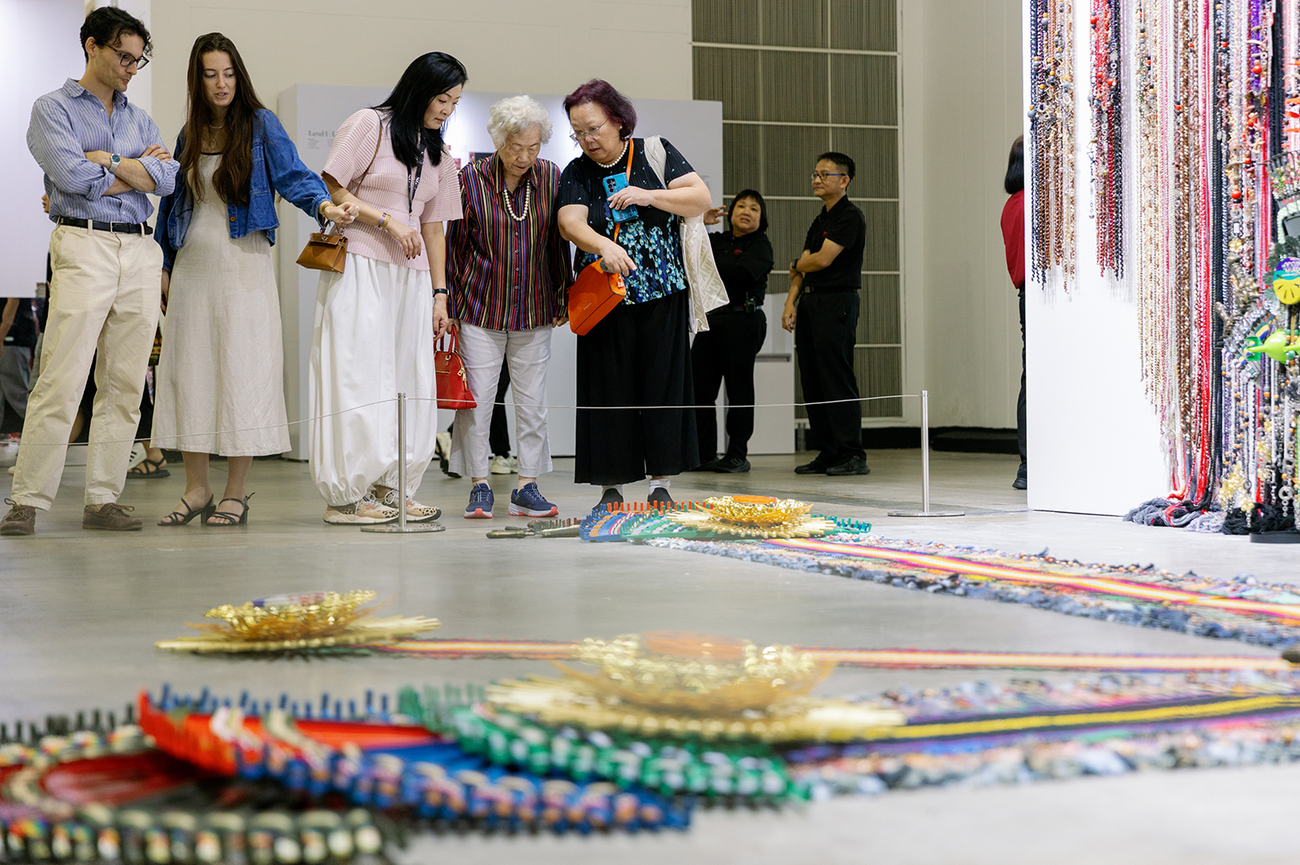
One of the most consistent observations among first-time visitors is how seamlessly Singapore supports the scale of its own programme. The city is designed to operate at a high level, and during Singapore Art Week, its infrastructure, from transport and hospitality to dining and the built environment itself, is fully aligned with the cultural calendar.
This is not simply a backdrop to the week. It is part of the experience.
The Singapore
Biennale
The Singapore Biennale runs concurrently with Art Week and extends the contemporary art conversation beyond the main circuit. Works appear across a range of settings, from shophouses and industrial waterfront sites to multiple institutional venues operating in parallel.
The Biennale introduces a layer of discovery that cannot be replicated within the fair or traditional museum programme. It consistently presents some of the most formally ambitious and conceptually challenging work of the season, rewarding visitors who are willing to move beyond the obvious routes.
Singapore Art Week Evenings
The evenings during Singapore Art Week carry their own distinct rhythm.
Light to Night transforms the Civic District across four weekends, with the National Gallery’s projected façades, outdoor installations along St Andrew’s Road, and the waterfront around the Asian Civilisations Museum creating an atmosphere that does not exist in the city’s regular calendar.
Gallery openings at Gillman Barracks extend into the early evening during the opening weekend, with events flowing into the surrounding outdoor spaces. At the same time, the collector dining circuit, hosted across private dining rooms, hotel restaurants, and gallery settings, becomes the setting for some of the week’s most candid and valuable conversations.
The evenings are not a conclusion to the day. They are an extension of the programme.
Architecture and the Built Environment
The physical context of Singapore Art Week is worth taking seriously. The National Gallery's restoration of the former Supreme Court and City Hall gives the institutional programme a setting that carries genuine historical weight. Gillman Barracks' repurposing of a 1930s military compound provides a different architectural register, one that the galleries and responding artists are clearly aware of. The port-adjacent industrial scale of Tanjong Pagar Distripark, the shophouse corridors of the Arts and Design Corridor, the sleek waterfront urbanism of Marina Bay — Singapore offers a range of spatial contexts that no single fair venue can produce. Visitors who read the city as part of the programme come away with considerably more than those who treat the architecture as backdrop.
Planning Singapore Art Week 2027
Singapore Art Week 2026 has concluded. Dates for the 2027 edition will be confirmed by the National Arts Council and will be updated here as soon as they are announced.
For those considering the week as a serious cultural journey, the planning window opens earlier than most expect. VIP access, preferred hotels, and the most sought-after dining reservations are often secured well before the full public programme is released.
Waiting until the schedule is announced usually means working around what remains. Approaching the week with the right access, pacing, and reservations already in place allows it to be experienced properly.
For travellers looking to experience Singapore Art Week with greater depth and less friction, our Singapore Art Week insider access 6-day itinerary is the right place to begin.


Let us know what you love, where you want to go, and we’ll design a one-of-a-kind adventure you’ll never forget.
Get in touch
Miriam
Travel Specialist

Nina
Travel Specialist

Abigail
Travel Specialist
Frequently Asked Questions
- When does Singapore Art Week take place?
Singapore Art Week takes place every January. The 2026 edition ran from 22 to 31 January, with 2027 dates to be confirmed.
- What is ART SG?
ART SG is Southeast Asia’s leading international contemporary art fair, held at Marina Bay Sands and forming the commercial centre of Singapore Art Week.
- What are the main parts of Singapore Art Week?
Singapore Art Week is structured across three main strands: the commercial fairs such as ART SG, the institutional programme including museums and the Biennale, and the gallery districts with satellite events across the city.
- Do you need VIP access for Singapore Art Week?
VIP access is not required but significantly enhances the experience, offering entry to vernissages, private gallery openings, and curator-led events.
- How many days should you spend at Singapore Art Week?
A well-structured visit typically requires five to six days to properly experience the fair, museums, and gallery districts.
- Which areas are key during Singapore Art Week?
Key areas include Marina Bay for ART SG, the Civic District for museums and Light to Night, Gillman Barracks for gallery openings, and Tanjong Pagar Distripark for Biennale programming.
- How far in advance should Singapore Art Week be planned?
Planning should begin several months in advance, as VIP access, top hotels, and key restaurant reservations are often secured early.
- Can Revigorate arrange a Singapore Art Week itinerary?
Yes. Revigorate can arrange a fully curated Singapore Art Week experience, including VIP access to ART SG, private gallery openings, restaurant reservations, and a structured itinerary designed around the week’s key moments.
Our offices:



Revigorate, Iberian Escapes and Algarve Lifestyle are the registered brand names of APCS Lda . We are a fully authorised travel agency licensed by Turismo de Portugal RNAVT/6867.