Inside Singapore Art Week: Museums, Galleries and Exhibitions to Prioritise

Singapore Art Week does not unfold in a single venue or along a single route.
There is no central entrance, no obvious starting point. Instead, the programme reveals itself in layers across the city: a major exhibition inside one of Singapore’s landmark colonial-era institutions, a Biennale extending into unexpected spaces such as heritage schools and commercial buildings, a world-class art fair at Marina Bay Sands, and private gallery openings within a former British military compound that reward those who know where to go.
Knowing which layer to prioritise, and how to move between them, is what shapes the experience.
For a complete overview of how these three parallel tracks fit together, explore our insider guide to Singapore Art Week.
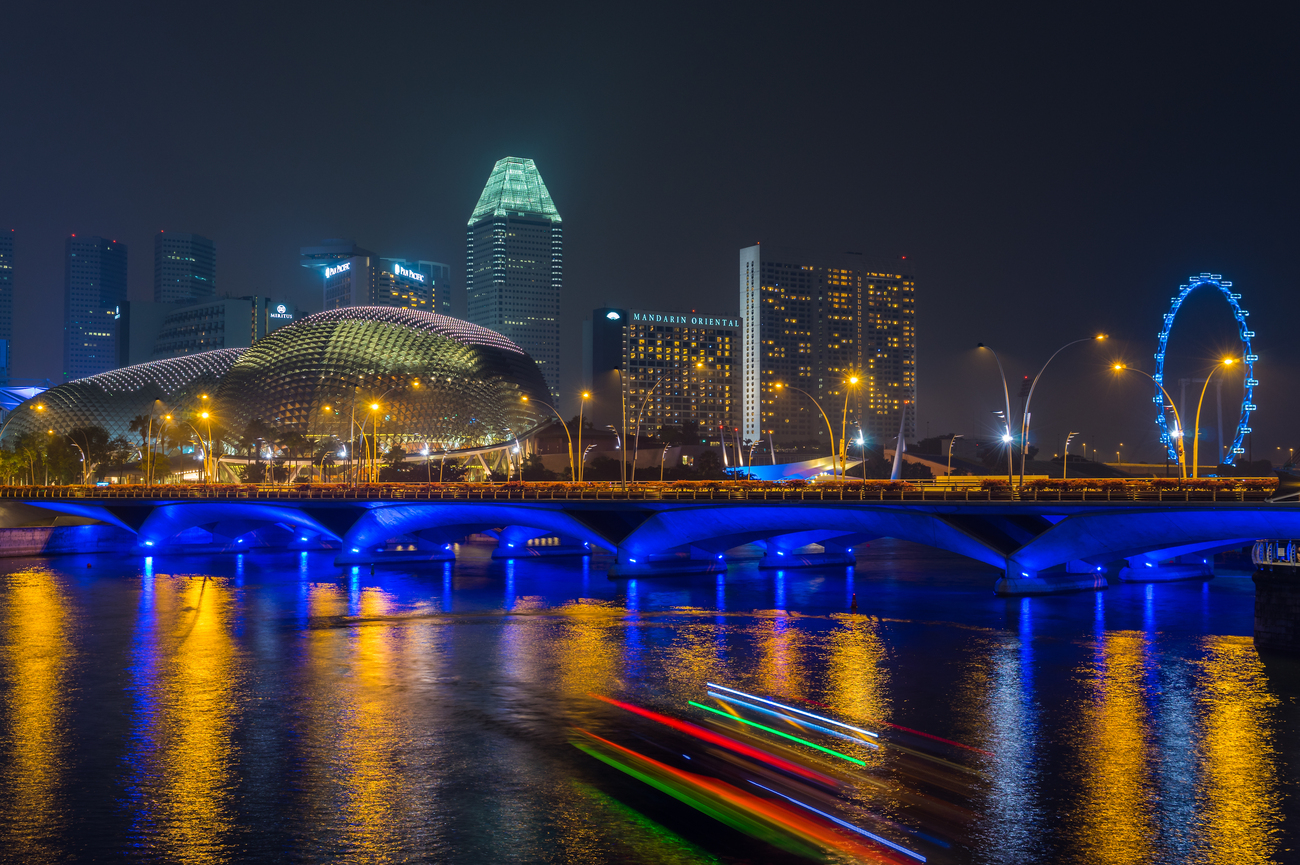
The National Gallery
Singapore: Where Singapore Art Week Finds Its Centre
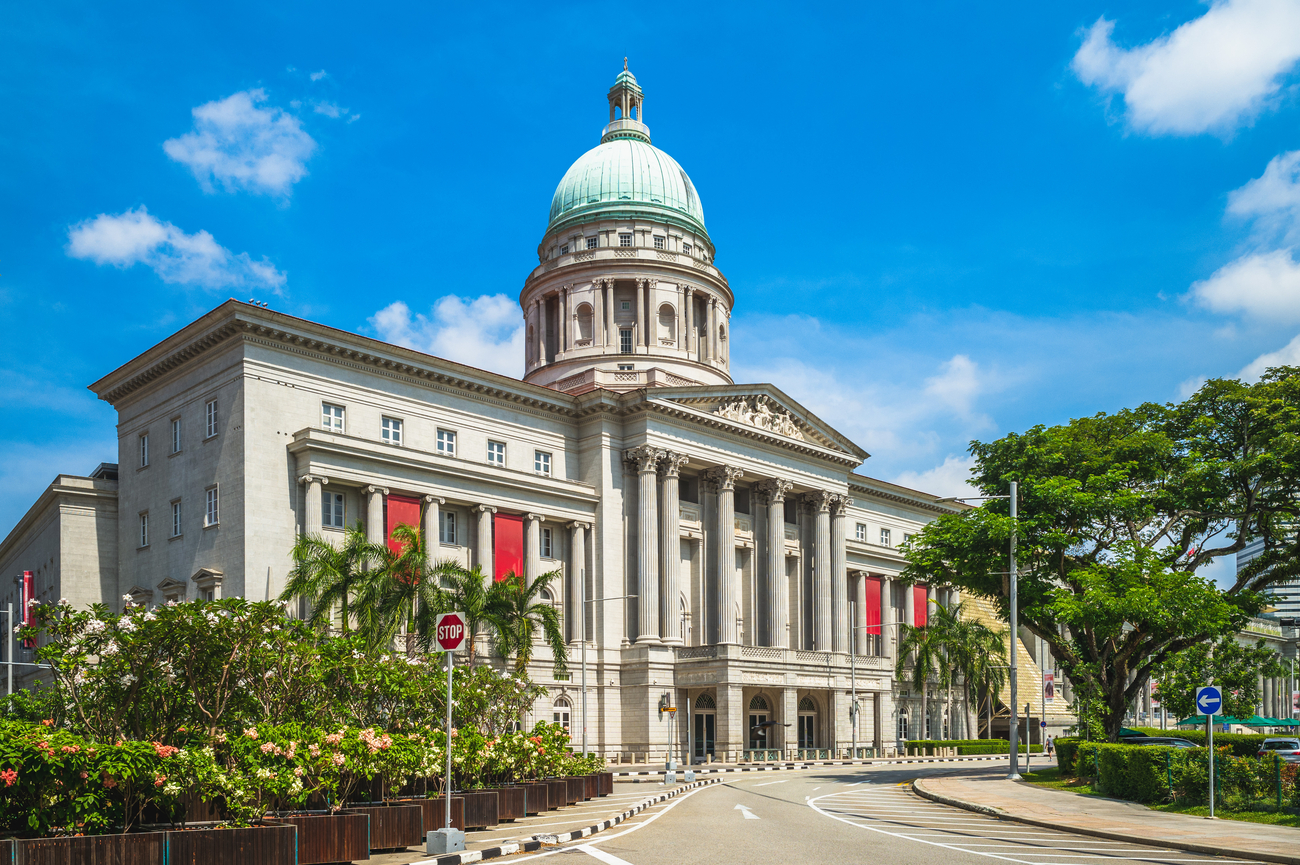
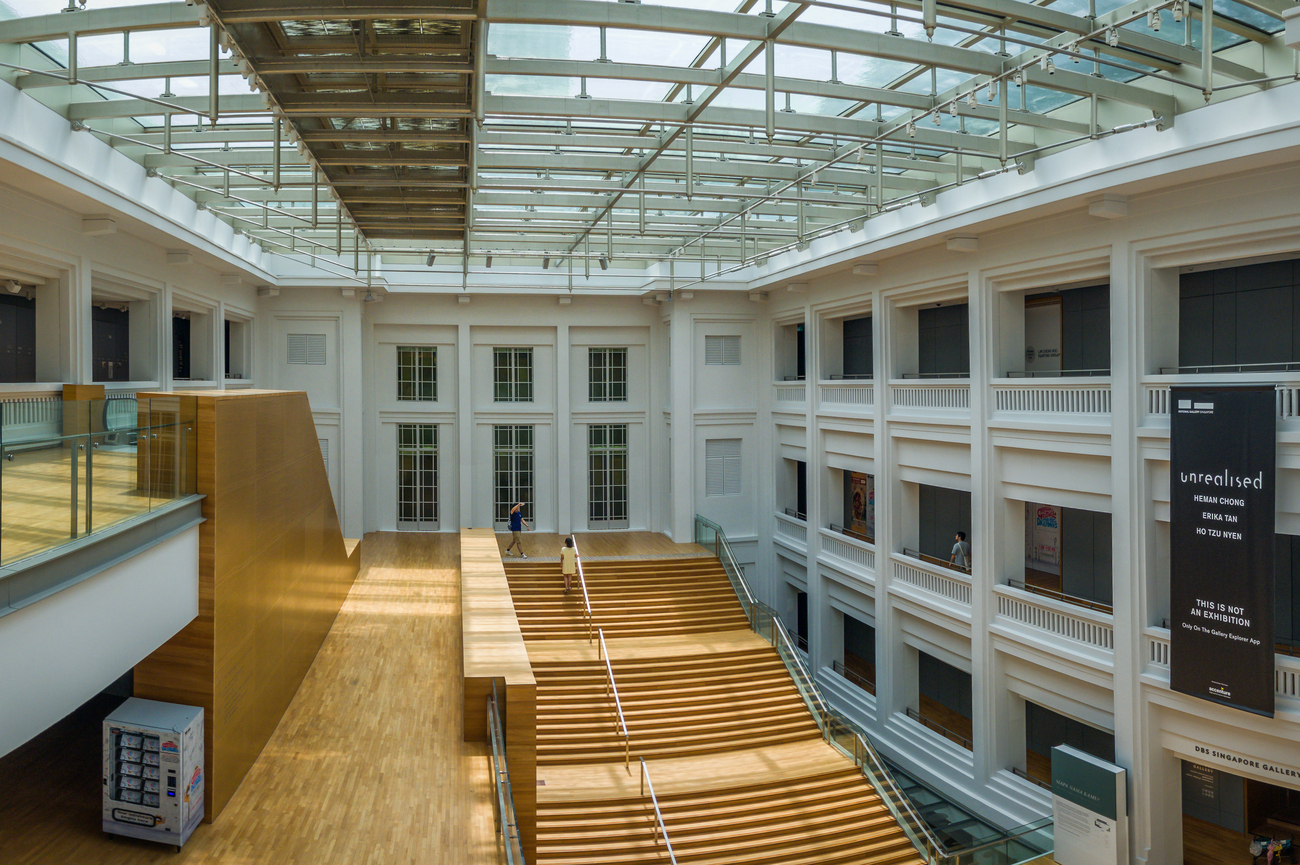
The National Gallery Singapore occupies the restored former Supreme Court and City Hall buildings, two of the finest examples of colonial architecture in Southeast Asia, brought together by a striking covered courtyard that feels both monumental and welcoming. The setting does something few institutions in the region achieve: it gives the art a sense of weight without competing for attention.
The Gallery holds the world’s largest public collection of Southeast Asian modern and contemporary art, and during Singapore Art Week, it anchors the institutional programme with a density of exhibitions and events that rewards more than a single visit.
Fear No Power:
Women Imagining Otherwise
This is one of the most important exhibitions to prioritise during Singapore Art Week 2026. Running from 9 January to 15 November 2026 at the Ngee Ann Kongsi Concourse Gallery, it brings together more than 45 major works and over 110 archival materials by five artists whose practices reshaped artistic and social discourse across Southeast Asia: Amanda Heng (Singapore), Dolorosa Sinaga (Indonesia), Imelda Cajipe Endaya (Philippines), Nirmala Dutt (Malaysia), and Phaptawan Suwannakudt (Thailand).
The exhibition is structured across three interconnected zones. Where the Body Thinks, Worlds Open begins with works grounded in lived experience, exploring the body, memory, domestic space, and artistic inheritance. Refusal and Hope examines how these personal perspectives developed into responses to wider political and environmental conditions. The final section, Imagining Otherwise, traces how each artist’s work extends beyond individual practice into collective action, including the formation of feminist networks and spaces of solidarity.
Phaptawan Suwannakudt’s newly commissioned The Sun’s Spell (2025–2026) opens the exhibition, a multi-panel mural that layers more than five decades of her practice into a single, dense visual narrative. Dolorosa Sinaga’s bronze sculpture Fear No Power (2003), which gives the exhibition its title, anchors its central idea: that power is not only political, but internal, and that resistance can take the form of care.
Entry is free. As one of the longer-running exhibitions in the Gallery’s 2026 programme, it is best approached with time, and ideally more than one visit.
Into the
Modern: Impressionism from the Museum of Fine Arts, Boston
Running until 1 March 2026, this exhibition presented the largest survey of French Impressionism ever staged in Southeast Asia, with more than 100 works by Monet, Manet, Cézanne, Renoir, and Pissarro, in partnership with the Museum of Fine Arts, Boston.
An international loan of this scale is rare in the region. Its presence alongside Fear No Power created a compelling contrast within the same institution: one exhibition re-evaluating regional practices and histories, the other presenting canonical Western modernism at a scale seldom seen in Southeast Asia. Together, they offered a clear sense of the National Gallery operating at the outer edge of its curatorial ambition.
Light to Night
Singapore
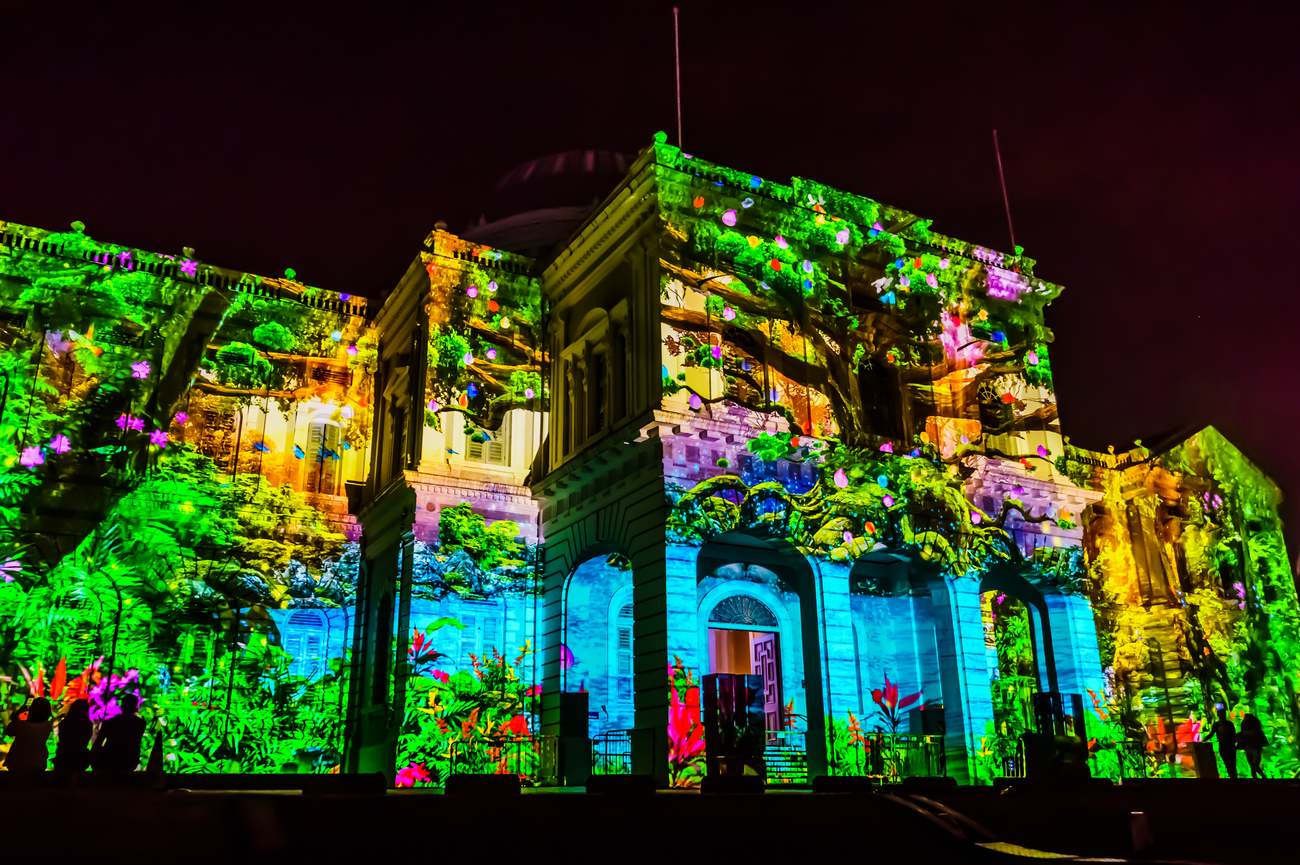
Now in its tenth edition, Light to Night Singapore ran across four weekends in January 2026 under the theme The Power in Us. The National Gallery’s heritage façades become projection surfaces, while the surrounding Civic District activates with outdoor installations, performances, and large-scale light works.
The programme extends beyond the Gallery itself, involving institutions such as the Asian Civilisations Museum, The Arts House, Victoria Theatre and Victoria Concert Hall, and Esplanade, alongside a number of participating venues across the district.
Evenings during Light to Night are among the most visually striking experiences of Singapore Art Week, and they remain open to the public without ticketing.
Singapore Art Museum and the Biennale: The Experimental Layer
The eighth edition of the Singapore Biennale, commissioned by the National Arts Council and organised by Singapore Art Museum, ran from 31 October 2025 to 29 March 2026, placing Singapore Art Week at its midpoint, when all venues were fully active.
Curated by Hsu Fang-Tze, Selene Yap, Duncan Bass, and Ong Puay Khim, the Biennale was built around the theme pure intention, a phrase drawn from Singapore’s history of deliberate urban planning. The idea creates a productive tension: what happens when intention meets the lived complexity of a city and its histories?
This question unfolded across more than 80 artists and over 30 new commissions, presented in venues ranging from SAM at Tanjong Pagar Distripark to Lucky Plaza, the former Raffles Girls’ School at 20 Anderson Road, the Rail Corridor, Wessex Estate, and Tanglin Halt.
SAM’s primary space at Tanjong Pagar Distripark is where the Biennale’s curatorial structure is most clearly expressed.
Several works stand out. Young-jun Tak’s Love Was Taught Last Friday (2025), a single-channel video commission, explores the body as a choreographic extension through the work of woodcarvers and the collaborative movements of choreographer Christopher House and his former students. Eisa Jocson’s karaoke installation at Lucky Plaza, developed in collaboration with migrant workers’ organisation H.O.M.E., transforms a utilitarian shopping environment into a space of political resonance. Kate Newby’s A Line Through Time (2025), a series of ceramic drain tiles running 30 metres along the Rail Corridor, leaves a lasting impression not through scale, but through quiet persistence.
Admission to SAM at Tanjong Pagar Distripark is ticketed. Other Biennale venues across the city are free and open to the public.
What Singapore Art Museum Rewards
Visitors who arrive at SAM after spending time at ART SG tend to gain the most from it. The two operate on different frequencies. The fair is commercial, concentrated, and immediate. SAM is slower, more experimental, and less concerned with instant clarity.
Experiencing both reveals something essential about Singapore Art Week: it is one of the few art events where these two registers exist side by side, and where moving between them is part of the experience itself.
ART SG: The Fair in Full
ART SG 2026 opens at scale. More than 100 galleries from over 30 countries and territories fill the Sands Expo and Convention Centre at Marina Bay Sands as the fair enters its fourth edition, presented by founding and lead partner UBS.
That scale is real. But for a serious visitor, the value of ART SG lies less in its size than in how it is structured, and the access that structure allows.
The Three ART
SG Sectors
GALLERIES brings together established international and regional names across the main exhibition floor. The 2026 edition included White Cube, Thaddaeus Ropac, neugerriemschneider, Galerie Gisela Capitain, Annely Juda Fine Art, and Goodman Gallery, alongside leading Asian galleries such as Ames Yavuz, Richard Koh Fine Art, ShanghART, and STPI.
FOCUS is where some of the most formally ambitious programming appears. Galleries present thematic, room-scale proposals rather than standard booths, creating space for more considered and immersive presentations.
FUTURES highlights emerging and mid-career artists, with a particular focus on Southeast Asian practices. The 2026 edition introduced the ART SG Futures Prize, presented by UBS, awarding USD 10,000 to the most outstanding artist in this sector.
S.E.A. Focus
at ART SG
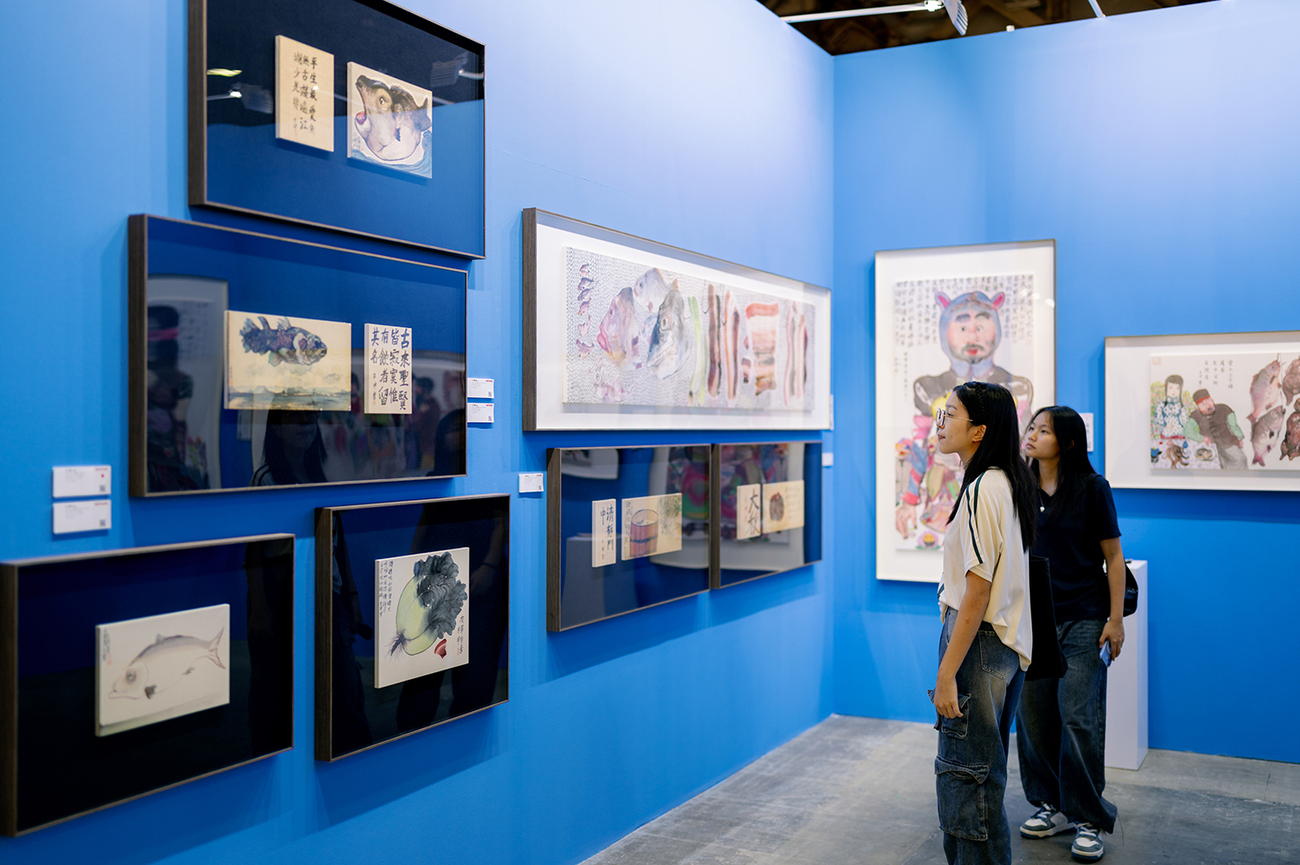
For the first time in its eight-year history, S.E.A. Focus was presented within ART SG rather than as a standalone event. Curated by John Z.W. Tung under the theme The Humane Agency, it positioned Southeast Asian artists as agents of care, compassion, and ethical imagination.
Participating galleries included Silverlens, The Drawing Room, ISA Art Gallery, Gajah Gallery, Gallery VER, and Mizuma Gallery, among others.
This integration marked one of the most significant structural shifts in the fair’s recent evolution. A single ticket now provides access to both the fair’s international commercial breadth and one of the region’s most focused curatorial platforms for Southeast Asian contemporary art.
Performance Art at ART SG
A dedicated Performance Art sector was introduced in 2026, curated by X Zhu-Nowell, Executive Director and Chief Curator of Rockbund Art Museum Shanghai.
This addition shifts the rhythm of the fair. It slows the experience, introducing durational and embodied encounters that the booth format cannot offer. For engaged visitors, this is often where some of the most unexpected and memorable work appears.
The Vernissage
and Why It Changes the Experience
The VIP Preview and Vernissage, held on 22 January, opened the fair a full day ahead of the general public. Premium pass holders gained access to the VIP lounge, fast-track entry, small-group curator-led tours, and dining privileges at selected Marina Bay Sands restaurants.
This is the version of ART SG where the most significant works are still available, where conversations are more direct, and where the structure of the fair is easiest to navigate.
Attending on a general admission day is a fundamentally different experience. The floor is more crowded, key works have often already been placed, and the curated dimension of the programme is less accessible.
For visitors who want to experience ART SG properly, the vernissage is the correct entry point.
This is also where the difference between attending the fair and experiencing it properly becomes clear.
Securing access in advance, before passes sell out, is not optional. It is one of the decisions that determines whether the fair fully rewards the trip.
This is one of the access points confirmed in advance as part of the Singapore Art Week insider access itinerary, alongside the other moments in the week where preparation makes a material difference.
The Commercial Gallery Scene: Beyond ART SG
The galleries operating outside ART SG, particularly at Gillman Barracks and across the Tanjong Pagar and Civic District areas, present some of the most substantive commercial programming of Singapore Art Week. For many visitors, this is where the week becomes more focused, more conversational, and often more rewarding.
A selection of exhibitions from the 2026 edition illustrates the level of depth available.

Ames Yavuz:
What Binds Me to This Land
Running through mid-February 2026, this group exhibition brought together Srijon Chowdhury, Cian Dayrit, Tada Hengsapkul, Natalie Sasi Organ, and Nadia Waheed in an exploration of belonging, land, and political memory. Working across painting, textiles, and installation, the exhibition achieved a level of coherence and political clarity that is not always present in commercial group shows.
Gajah Gallery:
30 Years — A Retrospective
Held from 23 January to 28 February 2026, this anniversary exhibition traced three decades of Southeast Asian artistic exchange at one of the region’s most established galleries. Works by Affandi, Yunizar, Chua Ek Kay, Suzann Victor, and Bagyi Aung Soe were presented across two sections, Archives and Artists in Focus. It was one of the most historically grounded and context-rich exhibitions of the Art Week period.
Sullivan+Strumpf:
Dawn Ng — The Earth Laughs in Flowers
Presented at the Singapore Repertory Theatre rather than the gallery’s own space, this exhibition allowed twelve large-format works from Dawn Ng’s Into Air series to be shown at a scale that would not have been possible at Gillman Barracks. Created from pigment and earth suspended in ice, then fractured and mounted onto wooden panels, the works evolve over time. The exhibition ran from 22 January to 1 February 2026.
The Pierre
Lorinet Collection: Ibrahim Mahama — Digging Stars
Marking the Southeast Asian debut of Ghanaian artist Ibrahim Mahama, this exhibition presented a wide range of his practice, from large-scale textile works to collages, photography, and video. The work addresses global systems of labour, trade, and collective memory. Curated by Clémentine de la Féronnière and Francesca Migliorati, it ran from 16 January to 8 February 2026 and was among the most internationally discussed presentations of the Art Week period.
The gallery districts that host these exhibitions, particularly Gillman Barracks and Tanjong Pagar, are explored in more detail in our guide to Singapore’s gallery districts during Singapore Art Week.
ArtScience Museum: The Technology Dimension
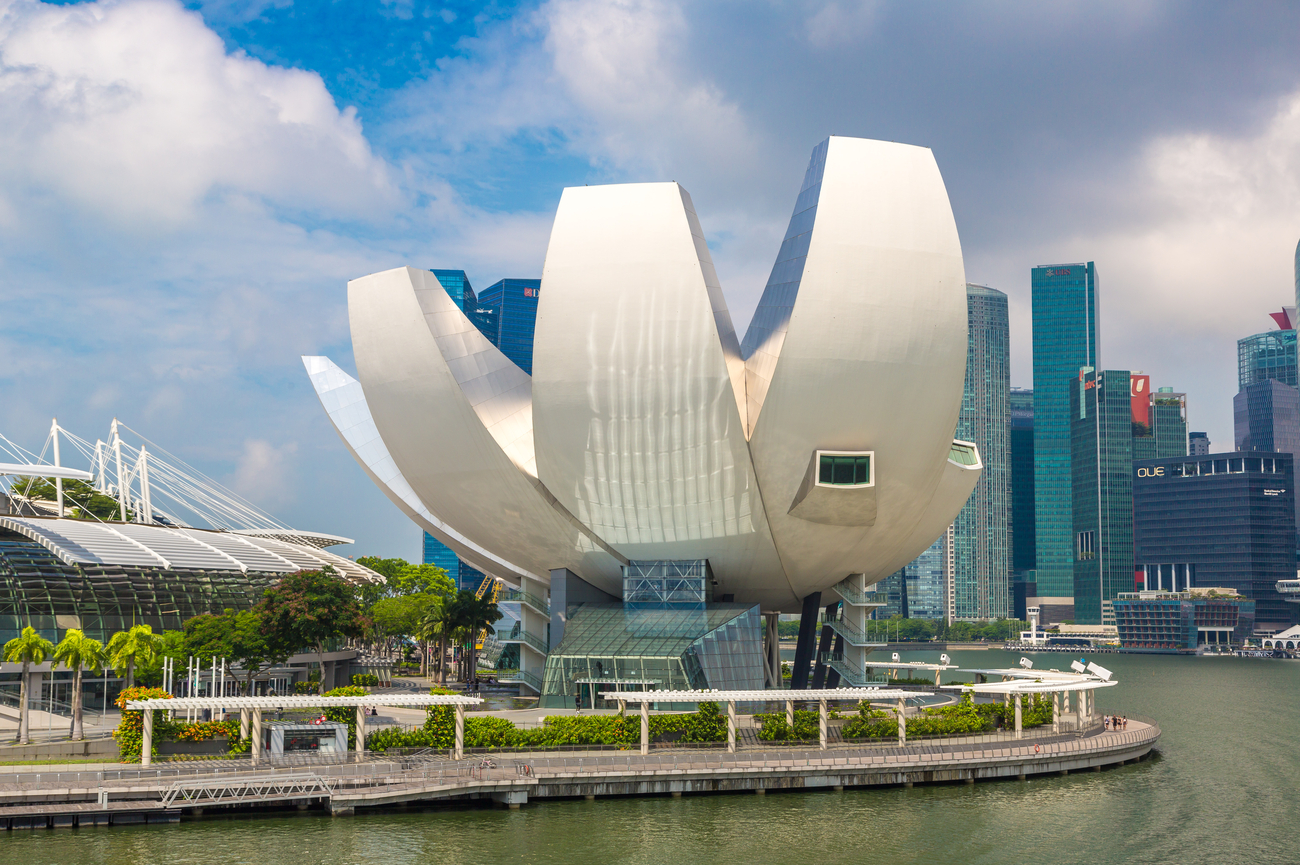
The ArtScience Museum at Marina Bay Sands adds a distinct institutional layer to Singapore Art Week, positioned at the intersection of art, science, and technology, and housed within Moshe Safdie’s striking lotus-shaped building on the waterfront.
- Lawrence Lek: Running from 23 January to 19 April 2026, this solo exhibition examined the entanglement of humans and machines through video game aesthetics, speculative fiction, and AI-generated environments. Lek is one of the most critically discussed artists working at this intersection, and the ArtScience Museum provided a setting that matched the scale and ambition of his practice.
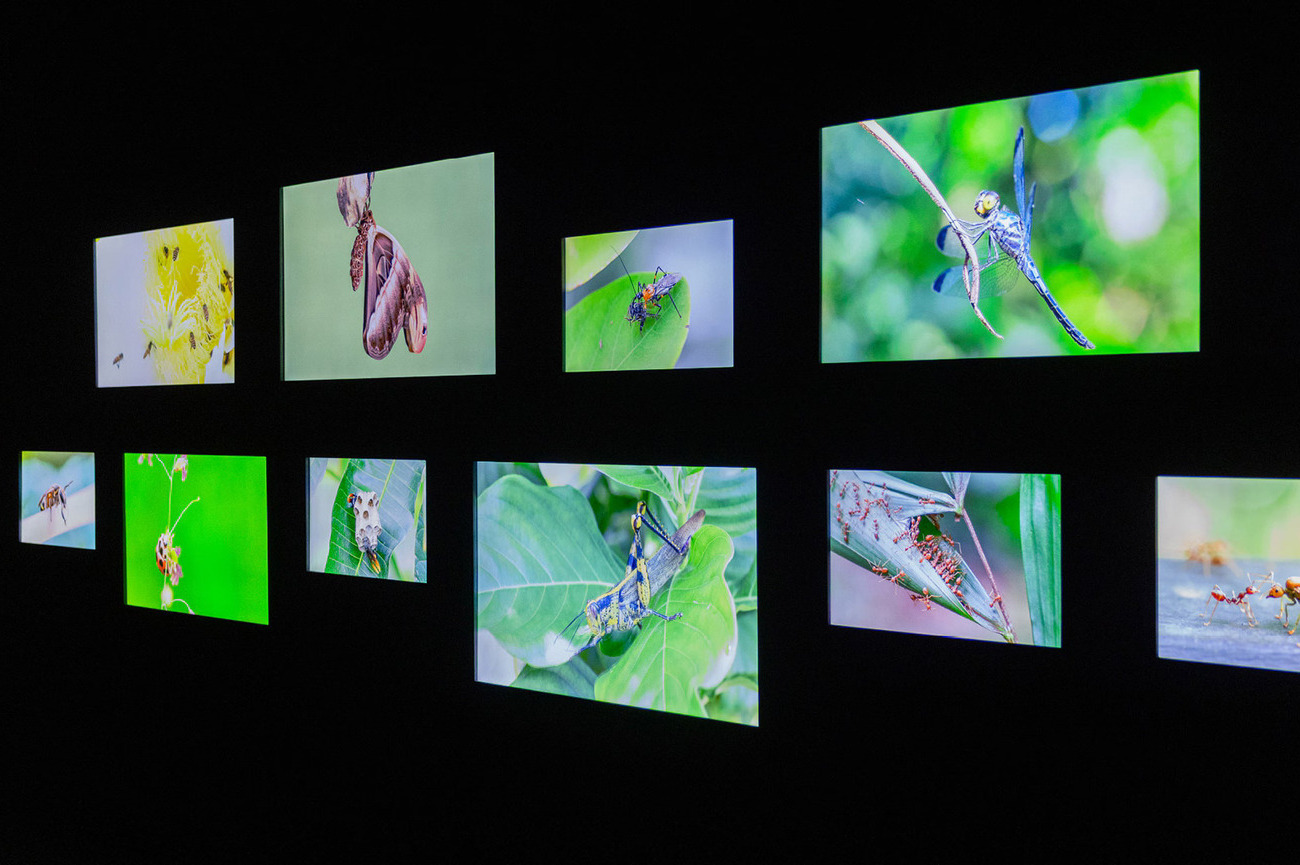
- Levon Biss: Microsculpture. Running from 17 January to 22 April 2026, Microsculpture presented large-format macro photography of microscopic insects from Oxford University’s natural history collection. The technical precision is extraordinary. Structures invisible to the naked eye are rendered at monumental scale, revealing forms that feel almost sculptural. It offered a compelling counterpoint to the more conceptual programming unfolding elsewhere across the city.
The museum’s location within the Marina Bay Sands complex makes it a natural addition to an ART SG day, bringing together two very different exhibition experiences within a short walk of one another.
The Satellite and Independent Programme
Singapore Art Week extends well beyond its headline institutions. The satellite and independent programme, spanning nonprofit spaces, photography centres, foundation-led exhibitions, and artist-run initiatives, adds a layer of texture that the fair and major museums cannot provide.
Tanoto Art Foundation
The Tanoto Art Foundation launched its Singapore programme during Art Week with Rituals of Perception, an exhibition bringing together twenty-three international artists around questions of presence, tactile attention, and the body’s rhythms in an age of digital acceleration. Running through 1 March 2026, it introduced an important new institutional voice into Singapore’s contemporary art landscape.
Objectifs Centre for Photography and Film
Located on Middle Road, Objectifs remains one of Singapore’s most rigorous spaces for photography and moving image. During Art Week, it presented In Our Own Frame, running through March 2026. Easily paired with a morning in the Civic District, it is consistently one of the most rewarding and least crowded stops of the week.
STPI Creative Workshop and Gallery
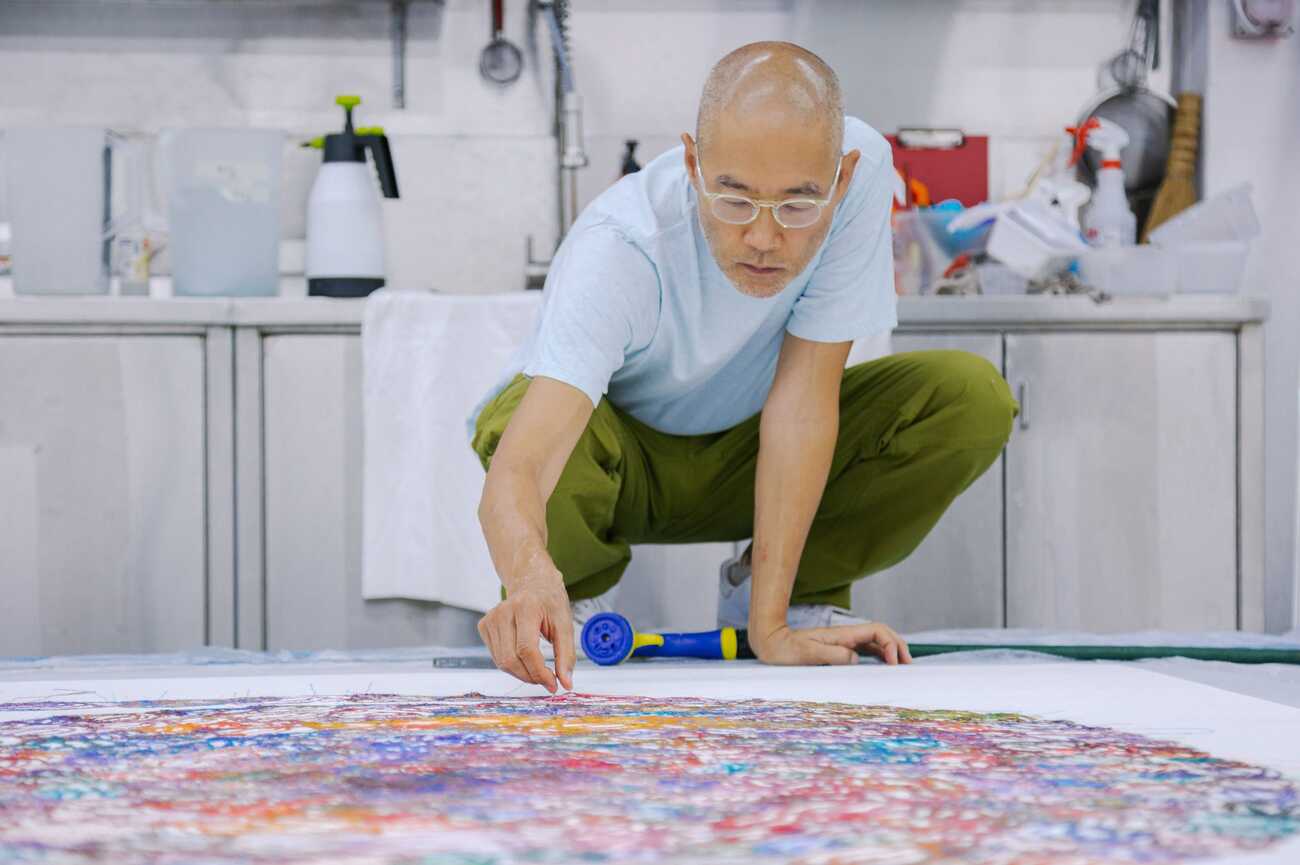
The print dimension of Singapore Art Week is substantial enough to deserve dedicated attention. STPI Creative Workshop and Gallery stages The Print Show Singapore annually during the week, and the working studio itself is worth visiting as a destination.
For a fuller look at STPI and the wider architecture, print, and design programme, see our guide to Singapore Art Week’s expanded ecosystem.
Access and What It Changes
Reading about Singapore Art Week and experiencing it with the right access already in place are two very different things. The Singapore Art Week Forum, where Claire Bishop and Adriano Pedrosa delivered keynote talks during the 2026 edition, is ticketed and fills early. The ART SG vernissage has limited pass availability. Gallery openings at Gillman Barracks depend on knowing the schedule in advance. The Biennale’s more adventurous satellite sites, from Lucky Plaza and the Rail Corridor to the former Raffles Girls’ School, are not always clearly signposted and are far easier to experience well with proper preparation.
Our travel experts build each Singapore Art Week itinerary around this access layer, confirming vernissage entry, Forum tickets, priority restaurant reservations, and gallery opening invitations before the journey begins. The result is a week in which the logistics are already resolved, leaving space for the programme itself.
Singapore Art Week 2026 has concluded. Dates for the 2027 edition will be confirmed by the National Arts Council and will be updated here once announced. Planning for the next edition, including access and accommodation, begins well before the full programme is released. Our six-day Insider Access itinerary is where that conversation begins.
Experiencing Singapore Art Week With the Right Access
Singapore Art Week rewards curiosity. But it rewards preparation even more.
The city’s most compelling exhibitions rarely sit behind a single ticket desk or within a single museum corridor. They unfold across neighbourhoods, private galleries, temporary Biennale sites, institutional programmes, collector previews, and invitation-only openings that shape the rhythm of the week for those who know where to be.
The difference is subtle but unmistakable. Conversations with curators before a room fills. Gallery openings where artists are present rather than represented only by wall text. The ART SG vernissage while the fair still carries the energy of discovery rather than the pace of a crowded public day. Even something as simple as having dinner reservations secured within easy reach of the evening programme changes the experience entirely.
If Singapore Art Week is on your radar for next year, the Insider Access itinerary is where the conversation begins.


Let us know what you love, where you want to go, and we’ll design a one-of-a-kind adventure you’ll never forget.
Get in touch
Miriam
Travel Specialist

Nina
Travel Specialist
Abigail
Travel Specialist
Frequently Asked Questions
- What are the main highlights of Singapore Art Week?
The main highlights include ART SG at Marina Bay Sands, exhibitions at the National Gallery Singapore, the Singapore Biennale, and gallery programming at Gillman Barracks and Tanjong Pagar Distripark.
- Which museum should I prioritise during Singapore Art Week?
The National Gallery Singapore is one of the key institutions to prioritise, offering major exhibitions, the Singapore Art Week Forum, and Light to Night festival programming.
- What is ART SG and why is it important?
ART SG is Southeast Asia’s leading contemporary art fair, bringing together over 100 international galleries and forming the commercial centre of Singapore Art Week.
- Is the Singapore Biennale part of Singapore Art Week?
Yes, the Singapore Biennale runs alongside Singapore Art Week, presenting experimental and large-scale contemporary art across multiple venues in the city.
- What gallery districts should I visit during Singapore Art Week?
Gillman Barracks, Tanjong Pagar Distripark, and parts of the Civic District are among the most important gallery and exhibition areas to prioritise during Singapore Art Week.
- Do I need tickets for Singapore Art Week events?
Some events such as ART SG, the Singapore Art Week Forum, and selected museum exhibitions require tickets, while many gallery shows, public installations, and satellite venues are free to visit.
- When should I start planning for Singapore Art Week?
Planning should begin well before the full public programme is released, especially if you want VIP fair access, preferred hotels, restaurant reservations, and a well-structured itinerary.
- How can Revigorate help with a Singapore Art Week trip?
Revigorate can arrange a Singapore Art Week journey with priority access, curated scheduling, preferred accommodation, dining reservations, and a seamless itinerary built around the week’s key exhibitions, galleries, and events.
Our offices:



Revigorate, Iberian Escapes and Algarve Lifestyle are the registered brand names of APCS Lda . We are a fully authorised travel agency licensed by Turismo de Portugal RNAVT/6867.
In the event of a dispute, the consumer may refer to: RAL - Centros de Arbitragem
Avª. 5 de Outubro, nº. 55, R/C Dtº. 8000-075 Faro, Portugal | Tel: +351 289 823 135 *
* national landline call
E-mail: info@consumoalgarve.pt| www.consumidoronline.pt | Mon to Fri: 9:00 - 13:00 / 14:00 - 17:00