Ngong Ping, the Big Buddha & Po Lin Monastery: Lantau Island’s Spiritual Heart
Hong Kong moves at speed. It is the city’s defining texture, the quality every visitor absorbs within hours of arrival. Even the harbour views seem to move quickly.
Ngong Ping does not.
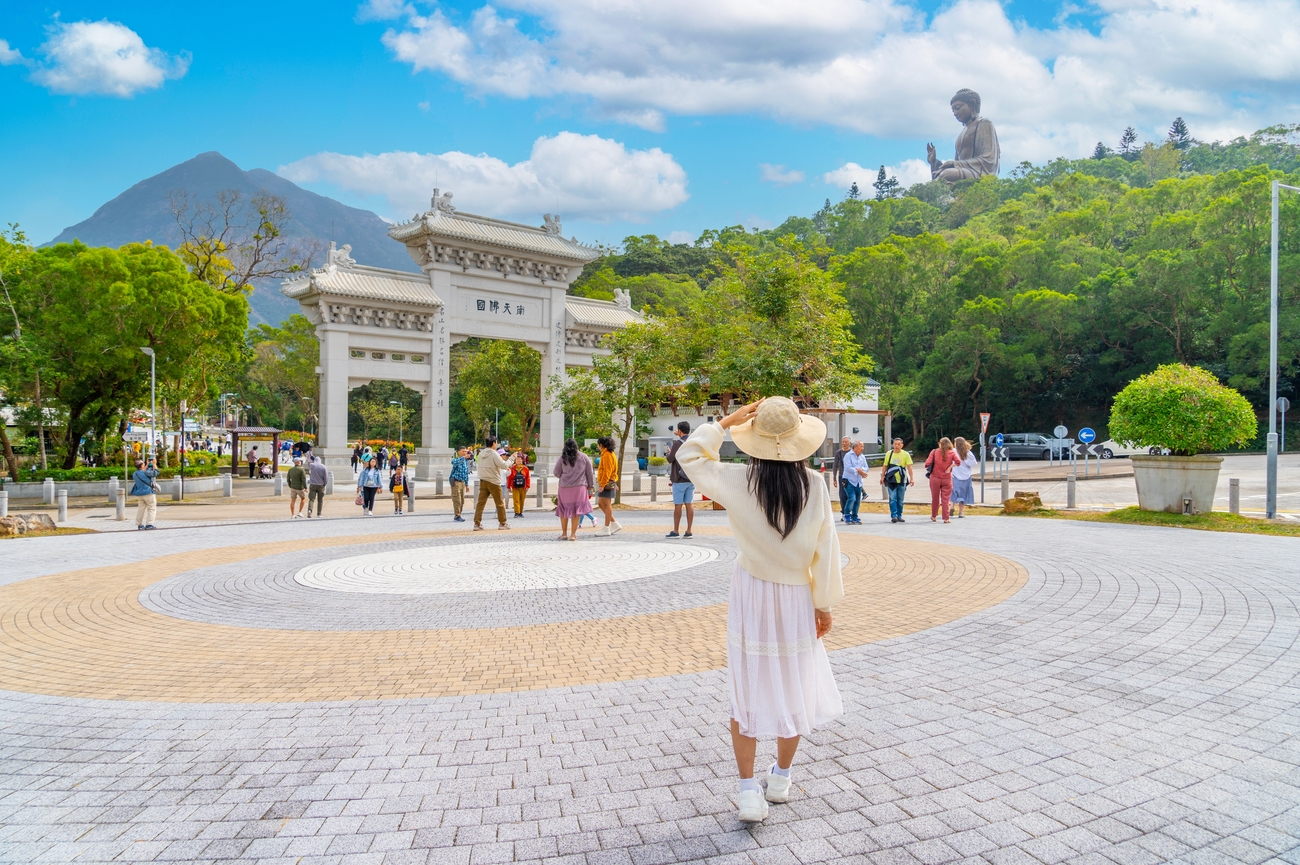
At 520 metres on the Lantau plateau, with the Tian Tan Buddha seated at its centre and incense from Po Lin Monastery drifting across the courtyard on the mountain air, the pace changes completely. Not because it is a tourist site, but because the altitude, the bronze, and 119 years of monastic practice make it feel like a different world.
What you make of that change depends entirely on how the day is arranged.
A day at Ngong Ping is the spiritual centrepiece of a week on Lantau. Our Lantau Island travel guide shows how the rest of the island fits around it.
When to Visit Ngong Ping
The cable car opens at 10:00 on weekdays and 9:00 at weekends. The first departure of the day is always the quietest. By 11:00, organised tour groups from city hotels are usually arriving in much greater numbers. By midday on a weekend in October, there is often already a queue for the 268 steps leading up to the Buddha’s base platform.
None of this makes Ngong Ping less worth visiting. It simply makes timing more important here than it is at almost any other major site in Hong Kong.
Ngong Ping at 10:15 on a Tuesday is a very specific experience. Incense from Po Lin Monastery drifts across a courtyard that is not yet crowded. The upper platform of the Tian Tan Buddha still has space to stand quietly at the railing and look out towards the South China Sea. The Wisdom Path behind the monastery is often empty until later in the morning. These conditions are not accidental. They come from arriving at the right time on the right day, which is exactly the sort of logistical detail a well-structured itinerary takes care of for you.
The Ngong Ping 360 Cable Car
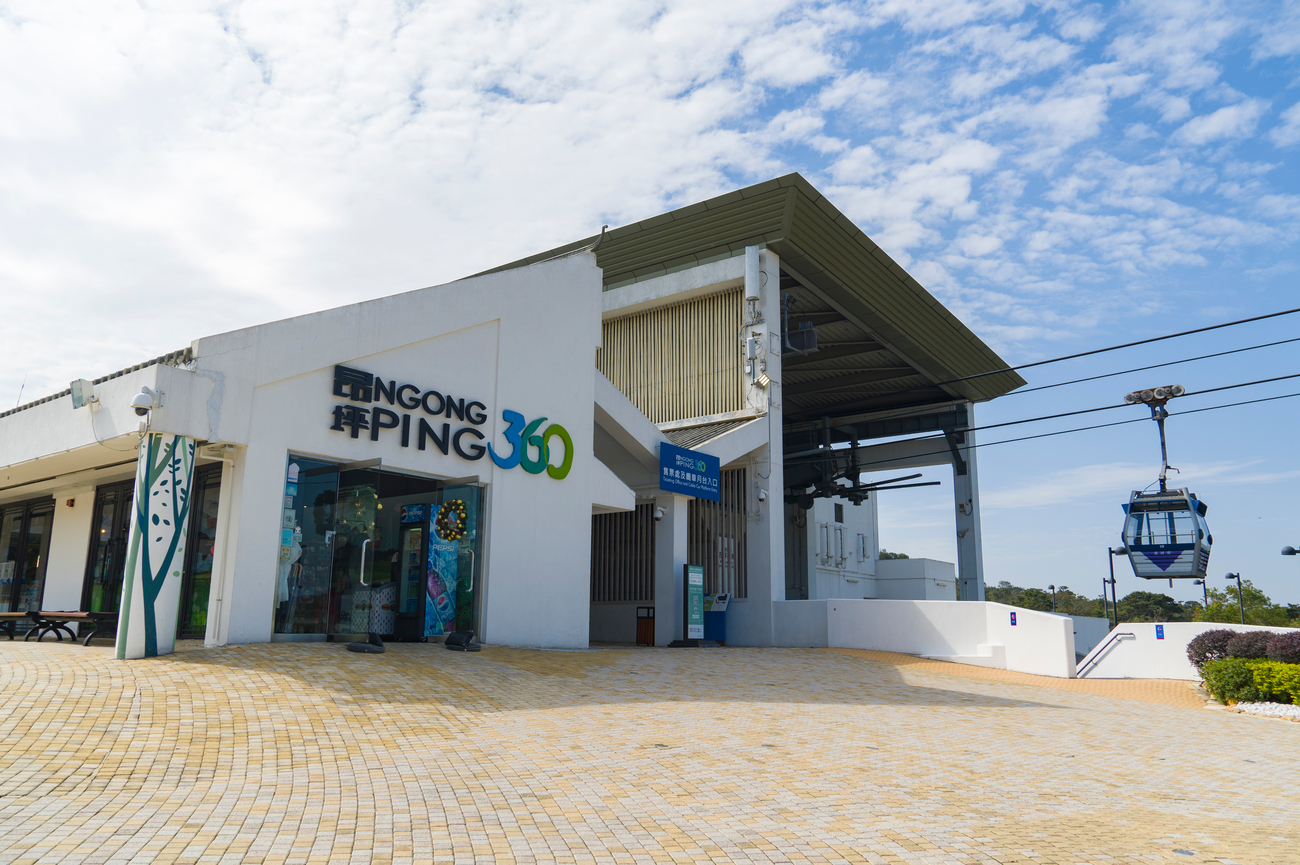
The cable car journey to Ngong Ping is part of the experience, not simply the way you get there. It sets the tone for everything that follows.
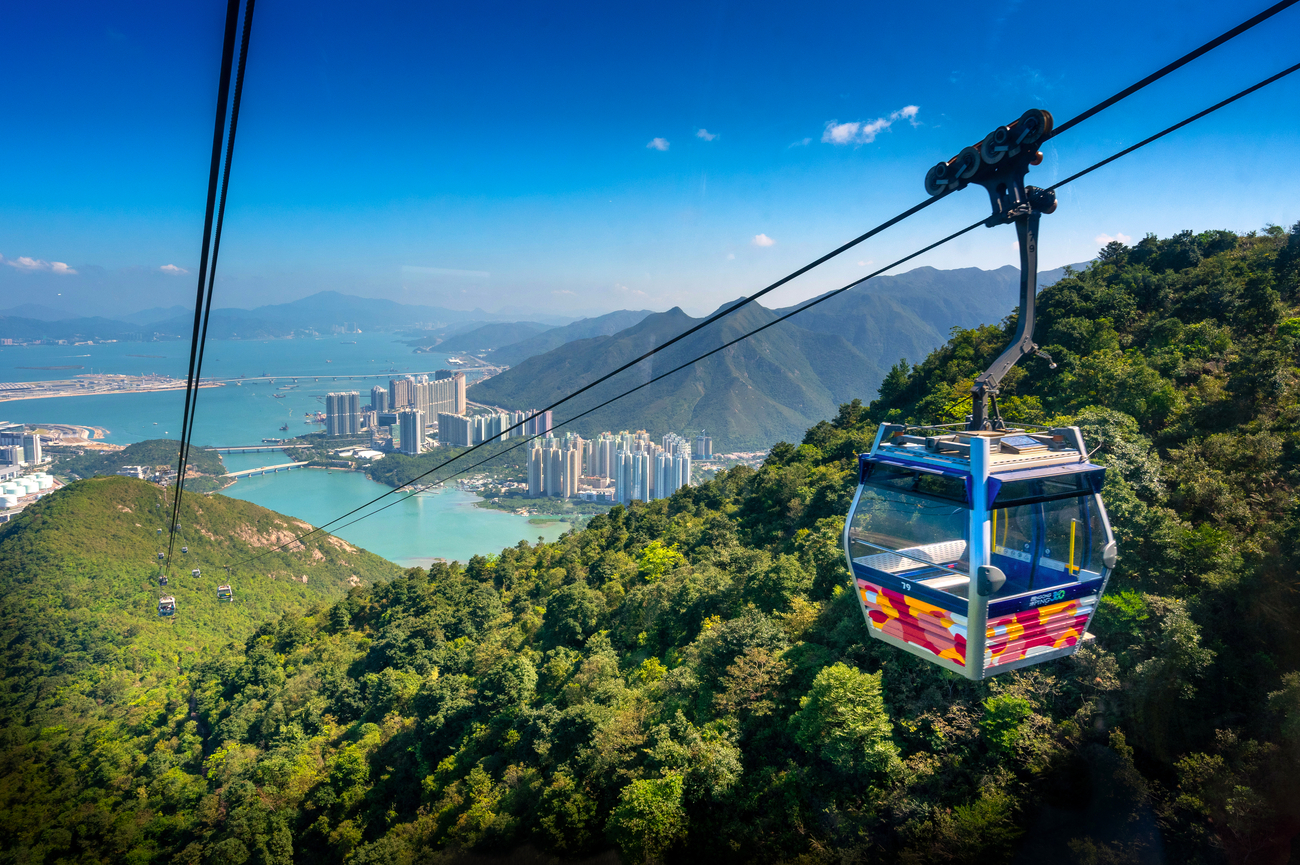
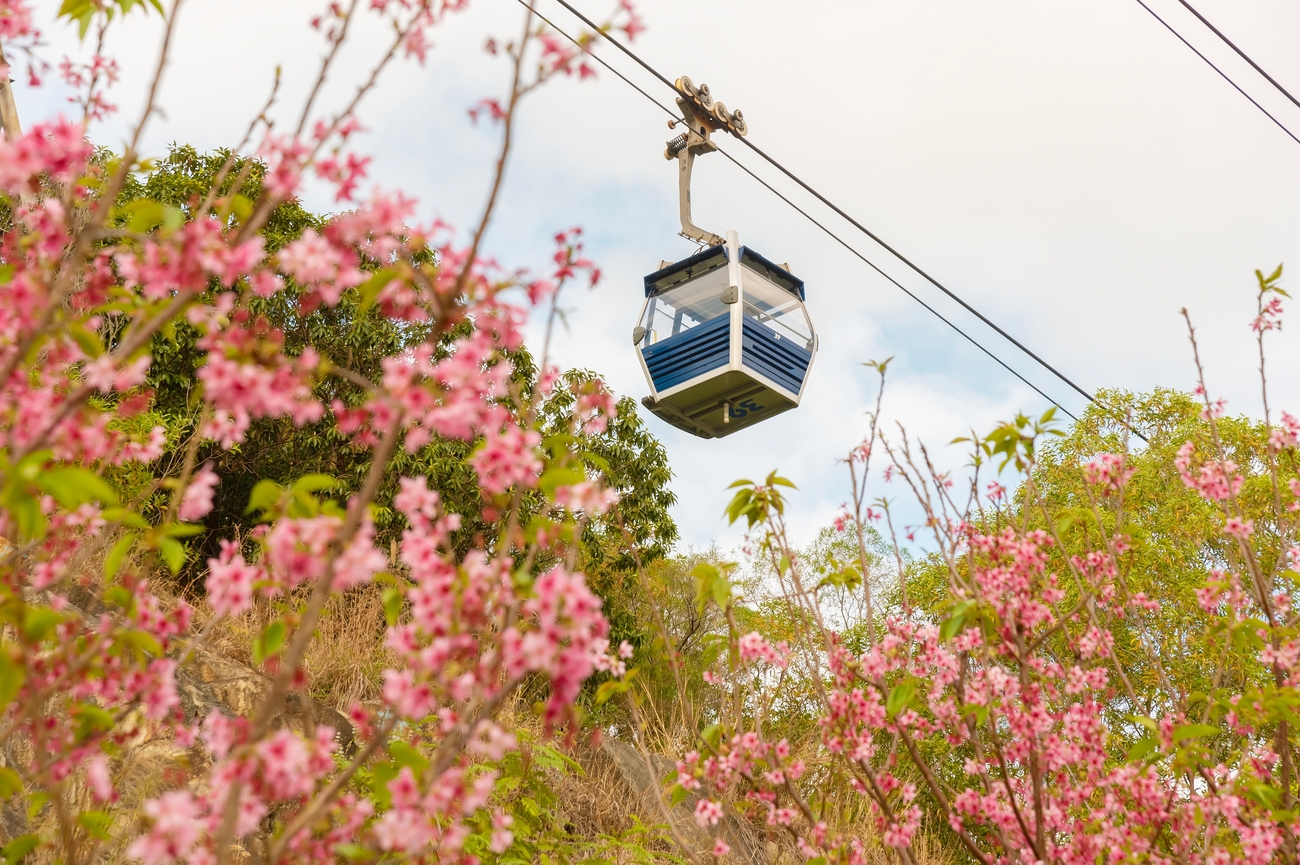
The ride covers 5.7 kilometres from Tung Chung to the plateau and takes around 25 minutes. Along the way, the route crosses Tung Chung Bay, passes above the angle station on Airport Island, turns 60 degrees towards North Lantau, and rises over forested ridgelines towards the high ground. In the opening stretch, you look directly across towards Hong Kong International Airport and the Hong Kong-Zhuhai-Macao Bridge, the world’s longest sea-crossing bridge, extending 55 kilometres across the Pearl River estuary. In the final minutes, the Tian Tan Buddha appears above the treeline for the first time.
The choice of cabin matters more than most standard guides suggest.
Standard Cabin
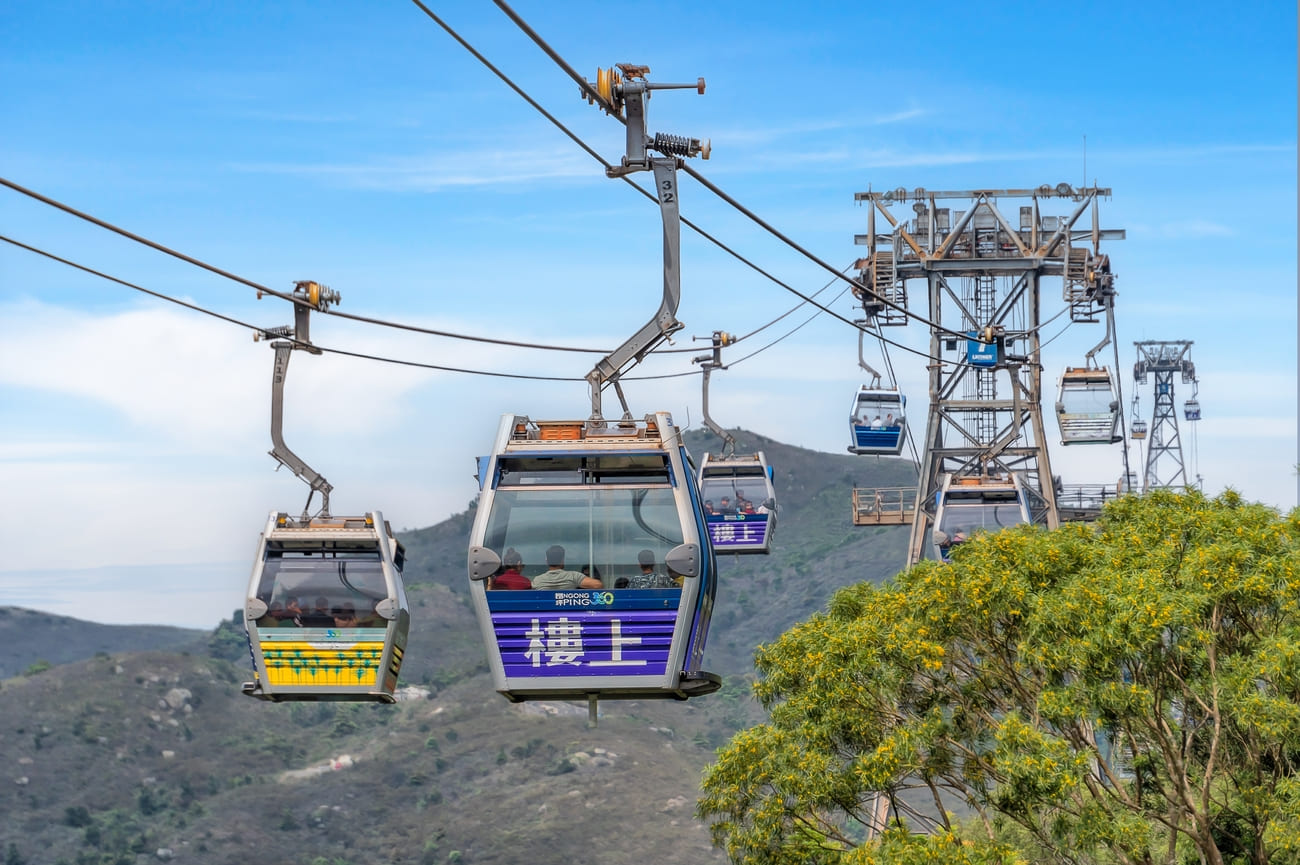
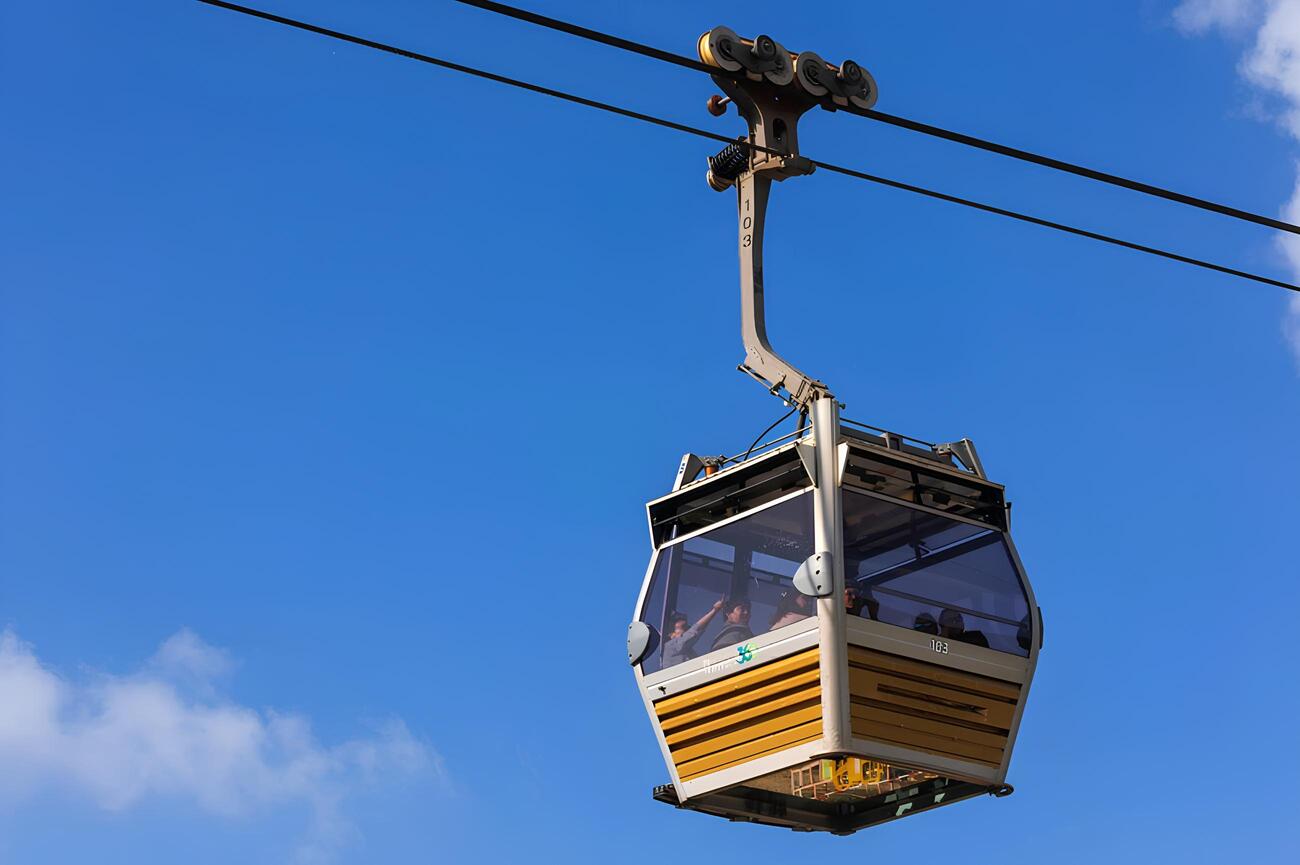
This is the classic option, enclosed, comfortable, and windowed on all sides. It seats up to eight passengers, and the views are excellent throughout. For families with young children, or for anyone less comfortable with heights, it is the most straightforward choice.
Crystal Cabin
This cabin has glass floor panels beneath your feet. At HK$240 per adult for a single journey, it offers a more dramatic version of the crossing. The section over the bay, where the cable hangs above open water, is where the premium makes most sense. The drop is unmistakable, and so is the view straight down to the sea.
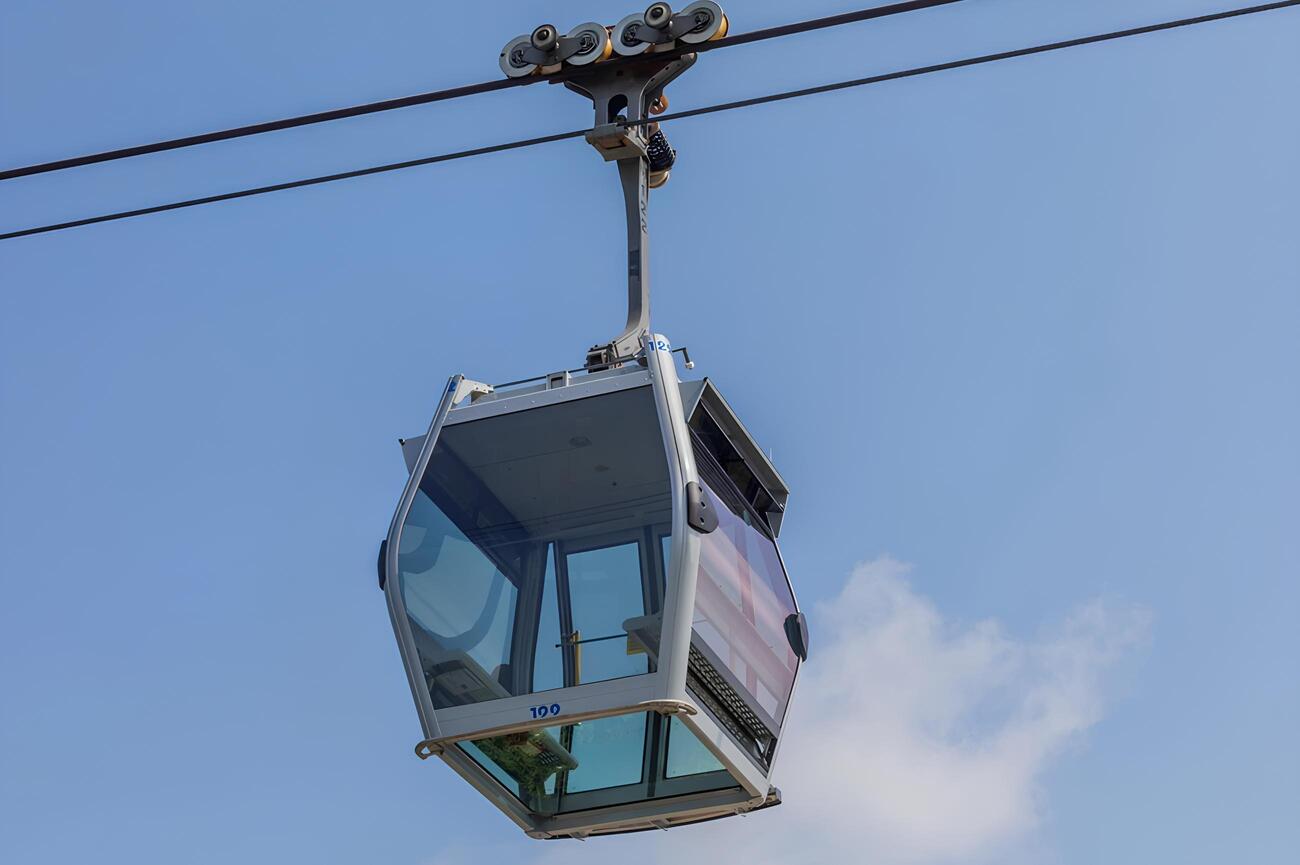
Crystal+ Cabin
This is the newest and most premium option, manufactured in France and Italy, with floor-to-ceiling transparent glass on every side and more than 80 per cent visibility. At HK$545 round trip per adult, it is limited to ten passengers per cabin and departs every thirty minutes. In practice, it feels like a near-private gondola with the most open aerial view available on Lantau. For a curated group experience, it is the best choice.
Revigorate books the Crystal+ cabin as part of the Day 3 itinerary, with priority boarding arranged so guests reach the plateau before the main crowds arrive. The difference between boarding at opening time in a pre-arranged private cabin and joining the general queue forty minutes later is the difference between arriving to quiet and arriving to noise.
Tian Tan Buddha: What to See and Why It Matters
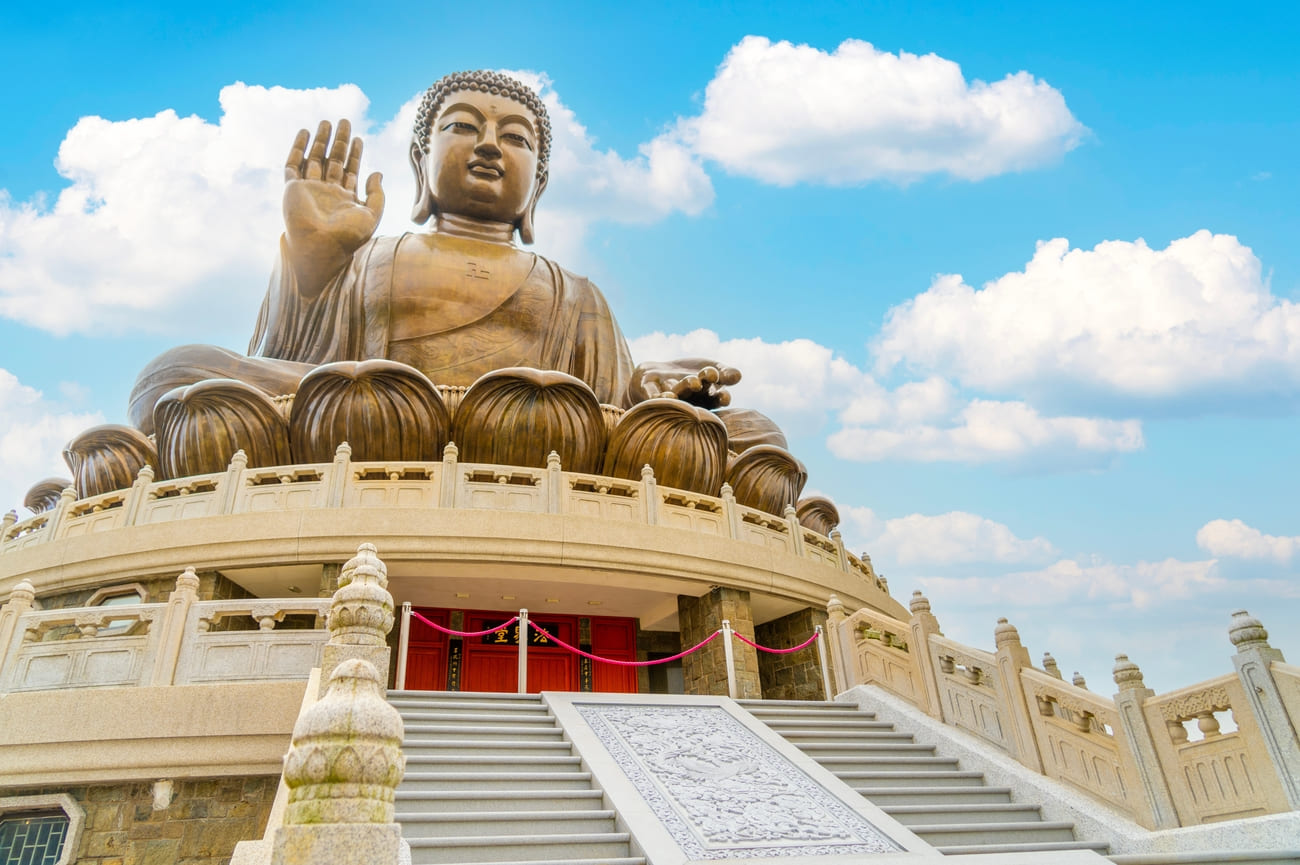
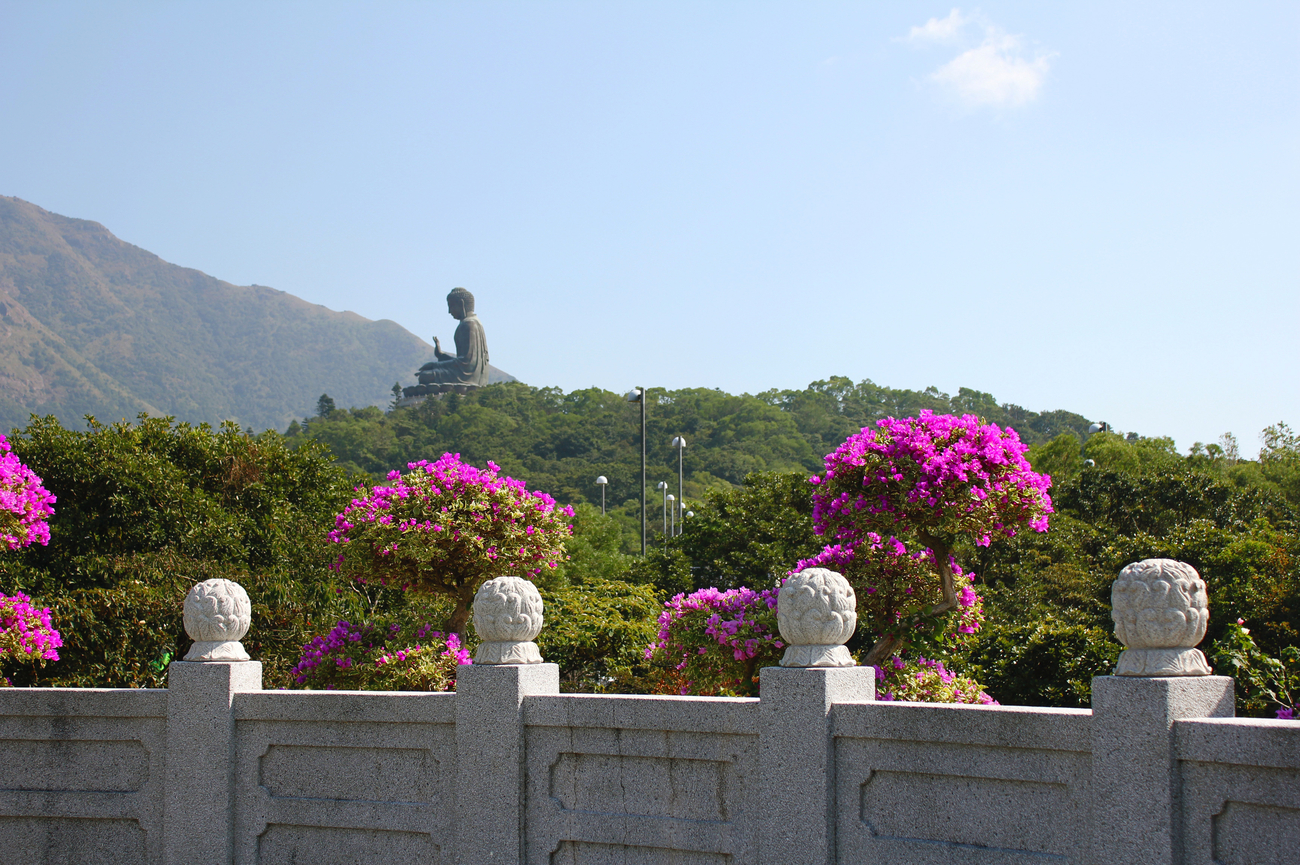
The Tian Tan Buddha is cast in bronze, stands 34 metres tall, weighs 250 tonnes, and was assembled from 202 individual pieces. Construction began in 1981, and the statue opened in December 1993 after twelve years of work. It was commissioned and designed by Po Lin Monastery itself.
Its orientation is deliberate. The figure faces north towards Beijing, a traditional Buddhist choice that directs its gaze outward over all people rather than inward towards the monastery below.
What Surrounds
It
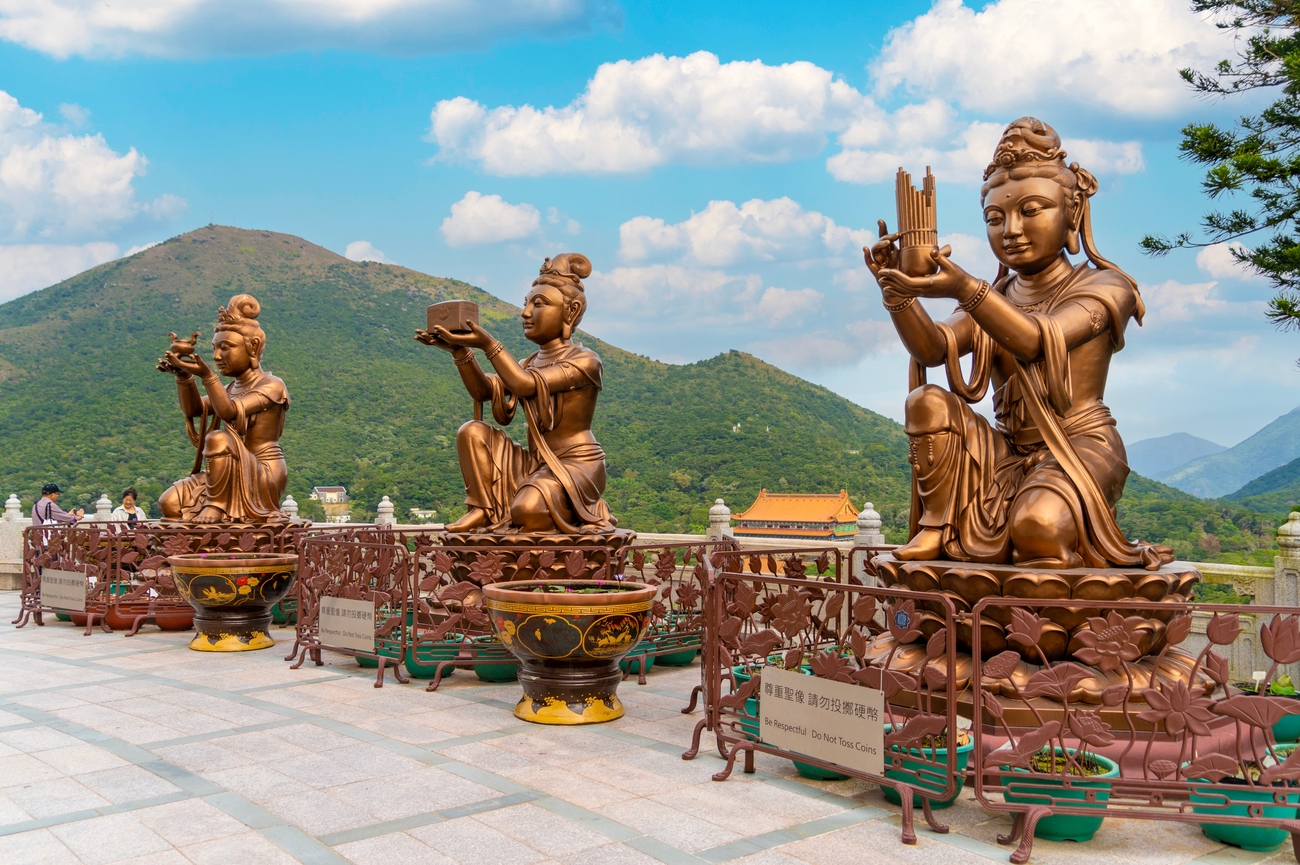
Six bronze Bodhisattva figures stand at the base of the lotus throne. Each represents one of the Paramita virtues:
- Wisdom
- Meditation
- Willpower
- Patience
- Generosity
- Morality
Without context, many visitors simply see six decorative statues. With a private guide, the symbolism becomes legible, and the design of the Big Buddha begins to make coherent sense.
The Climb
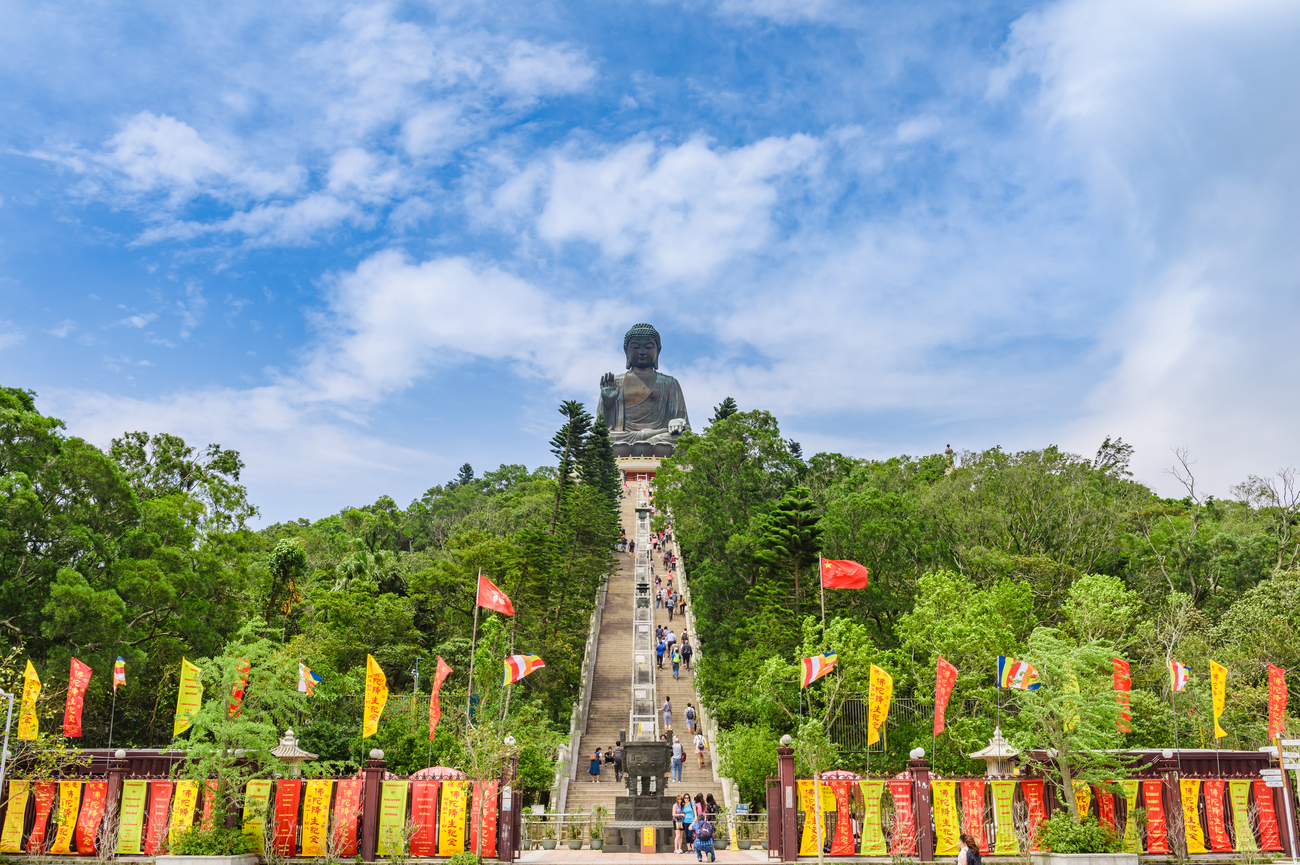
The climb to the upper platform is 268 steps and usually takes around ten to fifteen minutes at a comfortable pace.
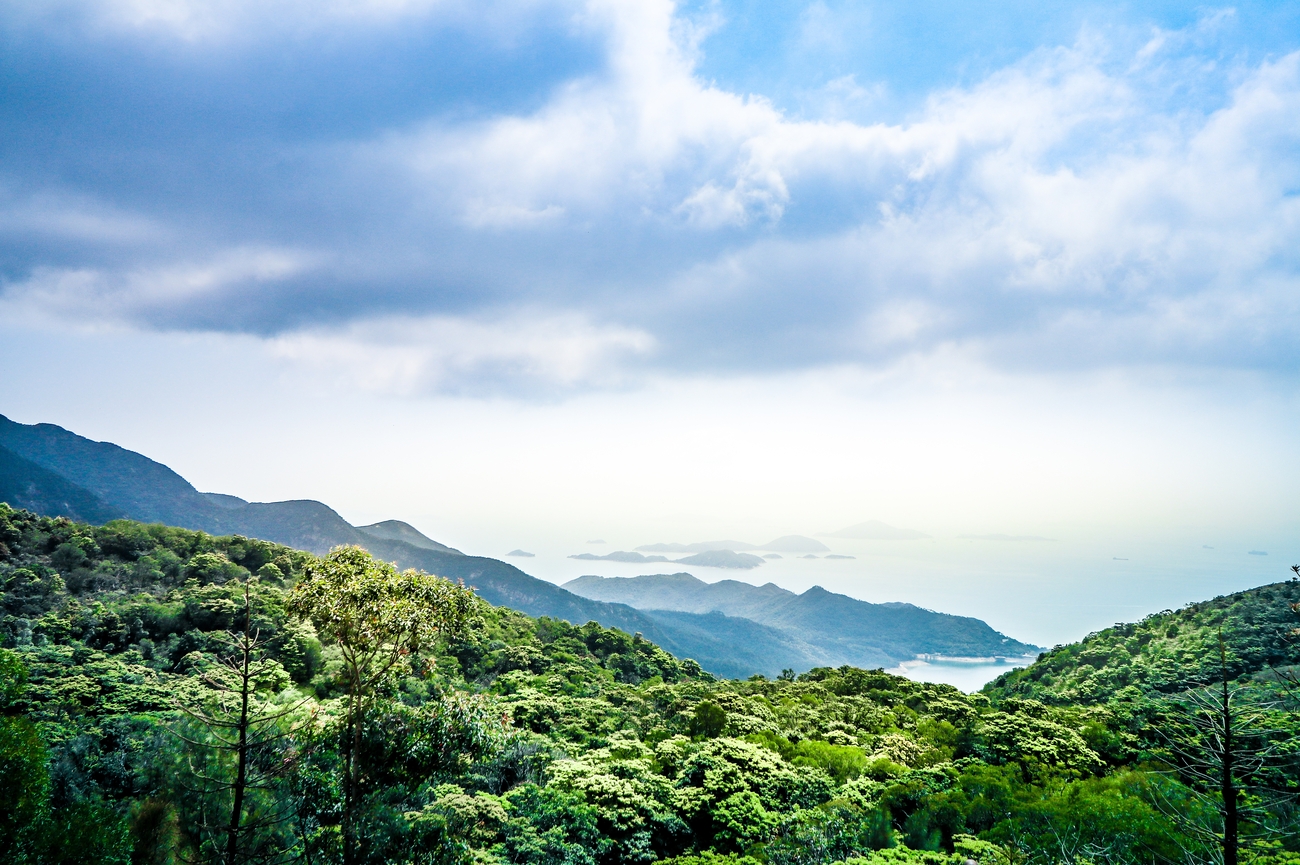
The reason to make it is the view from the top. The monastery complex sits directly below, the plateau opens out behind it, and on a clear day the South China Sea stretches beyond. It is only from here that the scale of the statue in relation to its landscape becomes fully clear. From ground level, you see a large statue. From the platform, you begin to understand what it was built to do.
Inside the
Pedestal
Inside the lotus throne is a three-storey exhibition hall containing Buddhist relics, sutras, and cultural artefacts. Entry is included with a vegetarian set meal ticket from Po Lin Monastery’s dining hall, which is one more reason to treat the two sites as a single planned visit rather than two separate stops.
Po Lin Monastery Complex
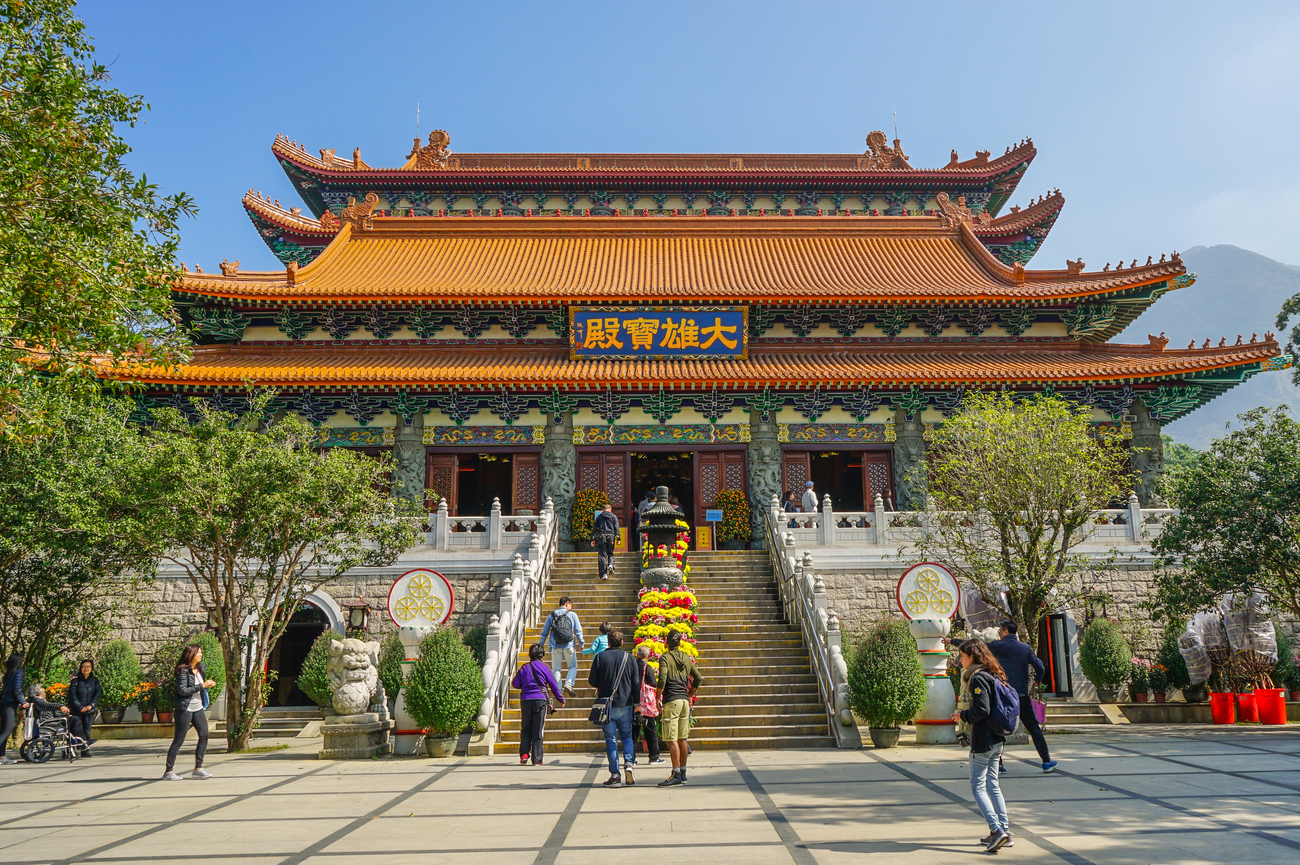
Po Lin Monastery was founded in 1906 by three Ch’an, or Zen, monks from Jiangsu Province, who built a small stone house on the plateau for Buddhist practice. In 1924, it was renamed Po Lin, meaning “Precious Lotus”. In Buddhist iconography, the lotus represents purity, a flower that rises clean from muddy water. The name is deliberate.
The complex is arranged symmetrically along a central axis, with the Main Shrine Hall of Buddha, the Grand Hall of Ten Thousand Buddhas, the bell and drum towers, and the meditation and sangha halls all laid out in an architectural style influenced by the Song, Ming, and Qing dynasties. It remains a working monastery, with monks still in residence. In the morning, before visitor numbers begin to build, the sound of chanting and the scent of incense are part of the experience.
At the entrance, the Hall of Skanda Bodhisattva is where the Maitreya Buddha, the jovial, open-handed figure seen at many Chinese Buddhist temples, greets arrivals. The Four Heavenly Kings stand on either side, each associated with one of the cardinal directions. With the right guide, ten minutes in this entrance hall becomes an introduction to the symbolism and cosmology of the whole complex.
The Vegetarian Dining Hall
This is a meal worth planning the day around, not simply as a gesture towards local culture, but as one of Lantau’s most distinctive dining experiences. The set menu includes multiple dishes prepared by the monastery kitchen and served in a dining hall that has been feeding pilgrims and visitors since the early twentieth century.
Opening hours are 11:30 to 16:30 from Monday to Friday, excluding public holidays, and 11:30 to 19:00 on Saturdays, Sundays, and public holidays. The meal ticket also includes entry to the exhibition hall inside the pedestal of the Tian Tan Buddha.
The most natural sequence is simple : monastery complex in the morning, the Buddha ascent before the queues build, lunch at 11:30, then the Wisdom Path in the early afternoon. That rhythm depends on reaching the plateau by 10:00, which is exactly why cable car timing is more important than it first appears.
Our Lantau holiday package Day 3 is built around this sequence, with the Crystal+ cabin at opening, a certified local guide through the monastery and the Buddha, the vegetarian lunch already arranged, and the afternoon left open. The guide is what turns the visit from a sightseeing stop into something far more meaningful.
Ready to see how the full week fits together? View the Lantau Itinerary.
The Wisdom Path: What Most Visitors Miss
The Wisdom Path lies ten to fifteen minutes on foot from the base of the Buddha steps. It is signposted as soon as you descend and remains open at all hours.
It is also one of the parts of Ngong Ping that most visitors miss completely.
The Meaning Behind the Wisdom Path
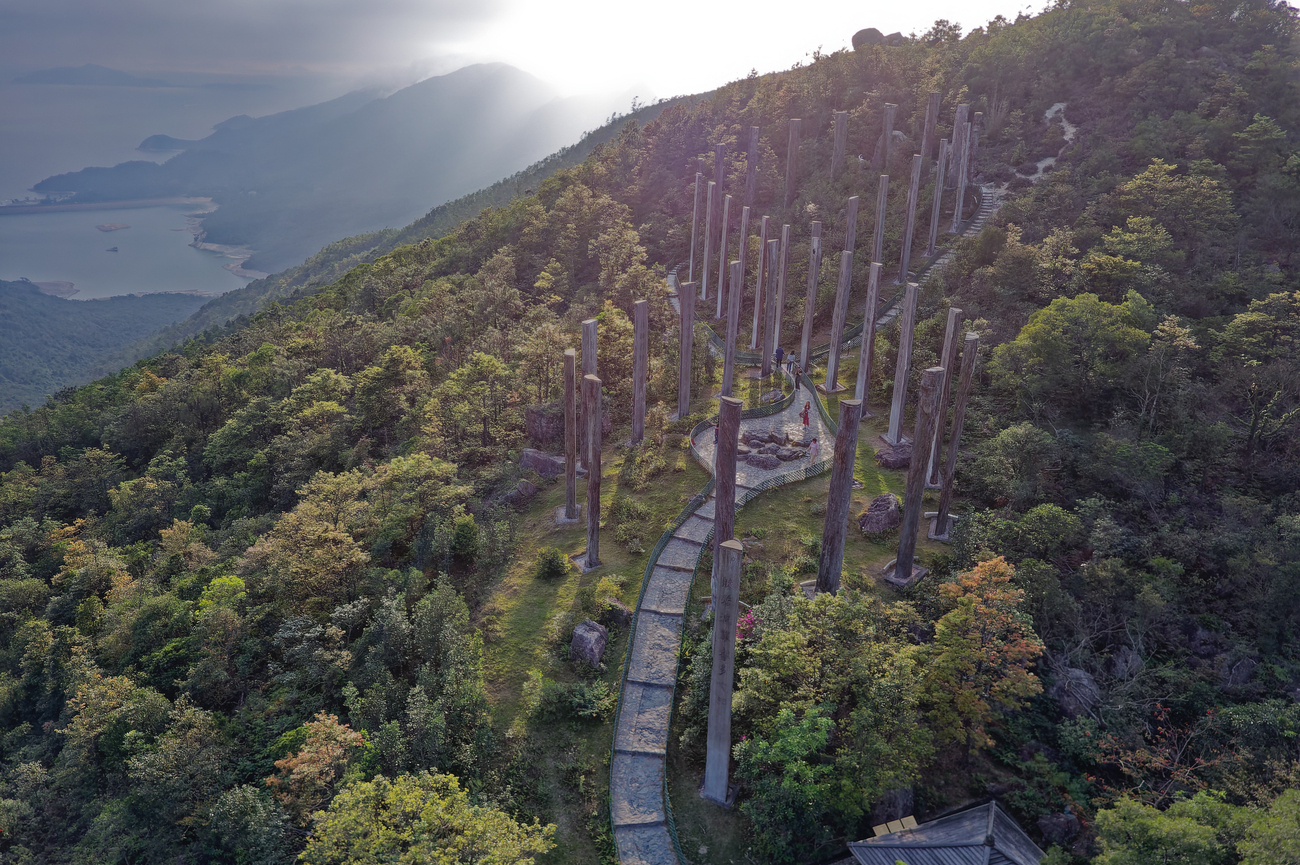
The path consists of thirty-eight wooden columns arranged in a figure-eight on the hillside above the village, each inscribed with a verse from the Heart Sutra in classical Chinese calligraphy by the renowned scholar and calligrapher Jao Tsung-I.
The layout is deliberate. The figure eight represents infinity. The tallest column, the one that stands out because it bears no inscription at all, was left blank intentionally. It represents śūnyatā, the Buddhist concept of emptiness, understood not as loss, but as clarity. The absence is the meaning.
Why the Wisdom Path Is Best Visited Last
By the time you reach the Wisdom Path, you have already moved through the monastery, climbed the 268 steps to the Buddha, and sat down for lunch. The morning has built towards this point.
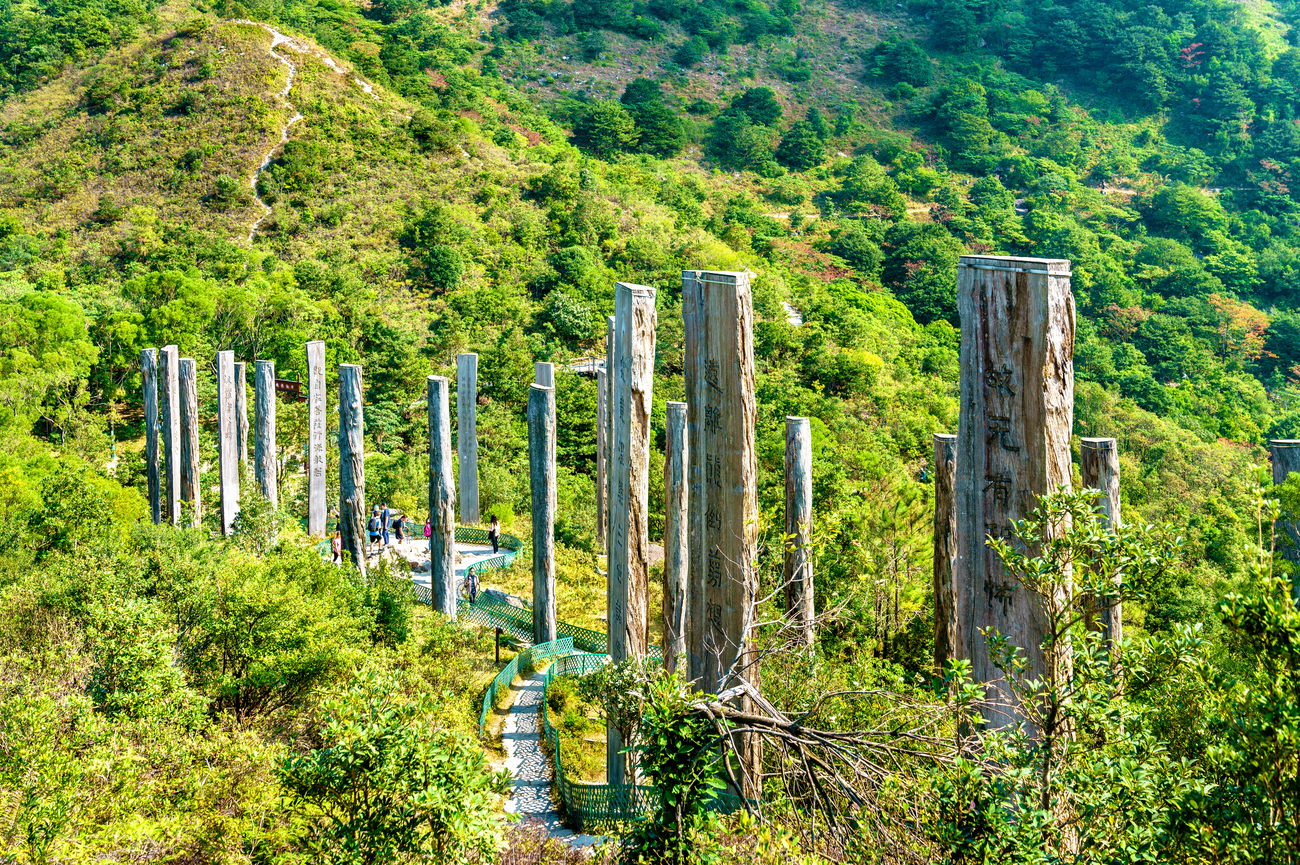
The Wisdom Path asks you to slow down once more. The route follows a natural slope, rising gently towards the upper end. From there, Lantau Peak stands directly above you, while the plateau opens out below. It is the view that makes sense of the whole morning, the one place from which you can see where you have been and understand its scale.
That perspective is the reason the path belongs here.
Why Most Visitors Miss It
Most day-trippers are working around a cable car return schedule. When time becomes tight, the Wisdom Path is usually the first part of the visit to be dropped.
A privately arranged day removes that pressure. The return remains flexible, and the path gets the twenty minutes it deserves. It sounds like a small detail, but it is often the difference between a morning that feels complete and one that ends slightly unfinished.
How to Structure
the Day
Ngong Ping is made up of four main elements, and the order in which you experience them shapes the day.
- 10:00 - Cable car departure (Crystal+ cabin). Cable car departure in the Crystal+ cabin. The 25-minute journey brings you to the plateau before the organised tour groups begin arriving in volume. On a weekday, the first cabin of the day offers the quietest ascent.
- 10:30 - The monastery complex. Po Lin Monastery. Begin at the entrance gate and move through the halls in sequence. This is the best time for the morning atmosphere of incense, chanting, and relative quiet. Allow 30 to 45 minutes.
- 11:15 - The Buddha ascent. Climb the 268 steps while the upper platform is still relatively clear. Take in the view from the top, the six Bodhisattvas, and the exhibition hall inside the pedestal. Allow 45 minutes to one hour.
- 11:30 - Vegetarian lunch. The dining hall opens at 11:30. This is not just a stop between sights, but a key part of the experience. Allow 45 minutes to one hour.
- 13:00 - The Wisdom Path. The slower pace after lunch suits this walk well. The figure-eight layout on the hillside, the view up to Lantau Peak, and the blank column all make sense at this point in the day. Allow 20 to 30 minutes.
- 14:00 - Cable car descent. The afternoon light across Tung Chung Bay is different from the morning ascent, with the airport and the bridge visible again. It is a return worth slowing down for.
A south coast afternoon at Pui O or Cheung Sha can follow a Ngong Ping morning if a private car is arranged from the plateau. This is how Day 3 works in the Revigorate itinerary, a spiritual morning followed by a coastal afternoon, with no unnecessary logistical friction between the two.
The south coast, its beaches, and the distinct character of each stretch are covered in our post on Lantau Island beaches and coastline.
When to Visit
Ngong Ping
October to December
This is the best time to visit. Skies are generally clear, temperatures usually sit between 18°C and 24°C, and the silvergrass on the surrounding hillsides reaches full colour in October. On a clear autumn morning, the view from the Buddha’s upper platform across the South China Sea is the version of Ngong Ping most worth planning around. At this time of year, the plateau feels at its most visually complete.

January to March
This period is dry, cool, and often offers some of the best visibility of the year. In winter, the plateau has a stillness that the warmer months rarely match. There are also fewer international visitors than in October. On a clear weekday in February, Ngong Ping feels about as quiet as it ever does.
April to May
Spring remains a comfortable time to visit, although occasional mist in April can soften or obscure the longer views. The monastery gardens are at their most lush, and for travellers who cannot come in autumn, this remains a reliable window.
June to September
This is typhoon season. Cable car services are suspended when Signal 3 is raised or above, with no fixed timetable for reopening. The 268-step climb also becomes much more demanding in 32°C heat and 80 per cent humidity. Early morning visits are still manageable, but the risk of disruption is real. Any itinerary travelling in these months should build in genuine flexibility around the Ngong Ping day.
Getting There and
Practical Notes
From Discovery Bay
The hotel shuttle from Auberge Discovery Bay to Tung Chung takes around 15 to 20 minutes. From there, the cable car terminal is a two-minute walk from MTR Exit B. A private car from Discovery Bay to Tung Chung can also be arranged through the hotel concierge, which is useful if you prefer not to rely on the shuttle timetable.
Operating Hours and Closures
Ngong Ping 360 operates from 10:00 to 18:00 on weekdays, and from 9:00 to 18:30 on weekends and public holidays. Scheduled maintenance closures usually take place in March and September each year, with dates published in advance on the official Ngong Ping 360 website. The Wisdom Path was under refurbishment from June 2025, so its current status should be confirmed before planning the day.
The Guide Question
Ngong Ping is one of the places on Lantau where a certified local guide makes the greatest difference to the experience. The Buddhist iconography throughout the monastery complex, the symbolism of the six Bodhisattvas, the architectural relationship between the monastery and the Buddha, and the meaning of the Heart Sutra inscribed along the Wisdom Path are all visible, but not immediately legible without context. A two-hour guided visit creates a very different morning from a self-guided one, and it is usually the version people remember most clearly afterwards.
The best accommodation base for a Ngong Ping day, and how Discovery Bay positions you well for both the morning cable car and a south coast afternoon, is covered in our post on where to stay on Lantau Island.
Why the
Wisdom Path Stays With You
It is not always the Buddha that stays with you, though it fully earns its scale. Nor is it only the monastery, though the morning incense lingers in the memory. More often, what returns later, on the flight home or a few days afterwards, is the tallest column on the Wisdom Path and what it says by saying nothing at all.
That is what a well-arranged morning at Ngong Ping can do. It leaves you with something to carry away.
Revigorate designs this day from the first cable car to the flexible return, with a guide who makes the symbolism legible and a programme that does not cut the Wisdom Path short to catch a bus.
Build this into your Lantau itinerary.


Let us know what you love, where you want to go, and we’ll design a one-of-a-kind adventure you’ll never forget.
Get in touch
Miriam
Travel Specialist

Nina
Travel Specialist

Abigail
Travel Specialist
Frequently Asked Questions
-
What is Ngong Ping and why is it important on Lantau Island?
Ngong Ping is a high-altitude plateau on Lantau Island, home to the Tian Tan Buddha, Po Lin Monastery, and the Wisdom Path. It is one of Hong Kong’s most important cultural and spiritual sites.
-
What is the best time to visit Ngong Ping and the Big Buddha?
The best time to visit is early morning, ideally at opening time. Weekdays are quieter than weekends, and arriving before 11:00 helps avoid large tour groups and queues.
-
How long does the Ngong Ping 360 cable car take?
The Ngong Ping 360 cable car journey takes around 25 minutes, covering 5.7 kilometres from Tung Chung to the Ngong Ping plateau with panoramic views along the way.
-
What is the difference between Standard, Crystal and Crystal+ cabins?
Standard cabins are enclosed and comfortable, Crystal cabins feature a glass floor, and Crystal+ cabins offer near 360-degree transparency with a more premium, spacious experience and limited capacity.
-
How many steps are there to the Tian Tan Buddha?
There are 268 steps leading to the Tian Tan Buddha platform. The climb typically takes 10 to 15 minutes at a comfortable pace.
-
Is entry to the Big Buddha free?
Access to the Buddha platform is free. Entry to the exhibition halls inside the pedestal is included with a vegetarian meal ticket from Po Lin Monastery.
-
What is included in the Po Lin Monastery vegetarian meal?
The vegetarian meal is a set menu prepared by the monastery kitchen, served in the dining hall, and includes multiple traditional dishes. It also grants access to the Buddha’s exhibition hall.
-
What is the Wisdom Path and is it worth visiting?
The Wisdom Path is a hillside installation of 38 wooden columns inscribed with the Heart Sutra. It is one of the most peaceful and reflective parts of Ngong Ping and is well worth visiting.
-
How should you structure a visit to Ngong Ping?
The ideal sequence is cable car arrival early in the morning, visit Po Lin Monastery, climb the Buddha, have lunch at the monastery dining hall, and finish with the Wisdom Path in the early afternoon.
-
How does Revigorate plan a Ngong Ping and Lantau Island trip, and what is included?
We design your Lantau journey around your pace and priorities, combining private transfers, guided visits to Ngong Ping, pre-arranged tickets, dining, and seamless logistics. Every detail is handled so the day flows naturally without time pressure.
Our offices:



Revigorate, Iberian Escapes and Algarve Lifestyle are the registered brand names of APCS Lda . We are a fully authorised travel agency licensed by Turismo de Portugal RNAVT/6867.
In the event of a dispute, the consumer may refer to: RAL - Centros de Arbitragem
Avª. 5 de Outubro, nº. 55, R/C Dtº. 8000-075 Faro, Portugal | Tel: +351 289 823 135 *
* national landline call
E-mail: info@consumoalgarve.pt| www.consumidoronline.pt | Mon to Fri: 9:00 - 13:00 / 14:00 - 17:00