Golden Eagle Silk Road Express
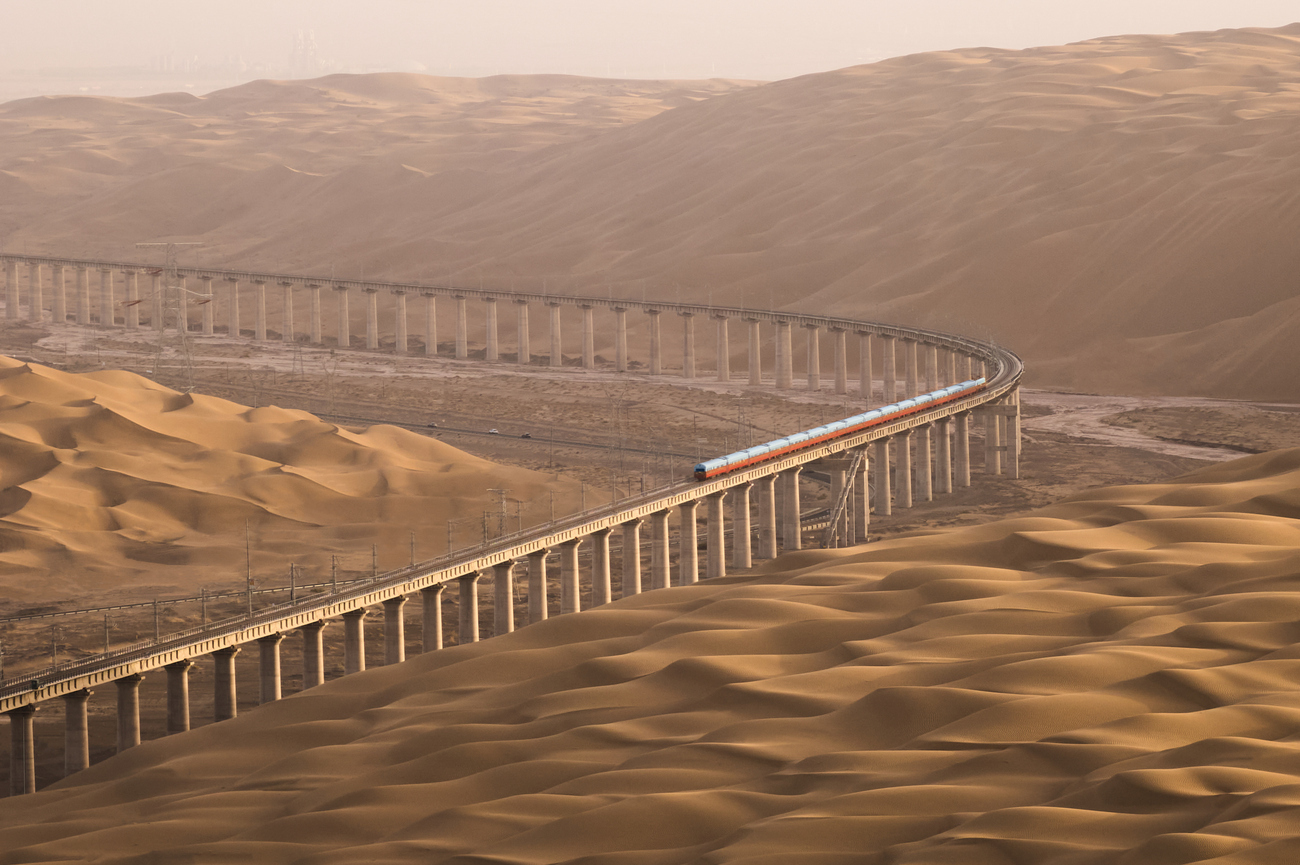
Some journeys are defined by the destinations you visit. Others stay with you because of the experience of the journey itself. The Golden Eagle Silk Road Express is more than simply a train journey, it is an immersive way to experience the ancient Silk Road, travelling through imperial capitals, remote desert towns, mountain plateaus, and historic trading cities that once connected East and West.
Along the way, you’ll experience the romance of classic rail travel combined with the comfort and service of a modern luxury train. Panoramic landscapes unfold outside your window, while carefully curated cultural experiences bring the history, traditions, and atmosphere of the Silk Road to life throughout the journey.
Golden Eagle Silk Road Express
Carriages

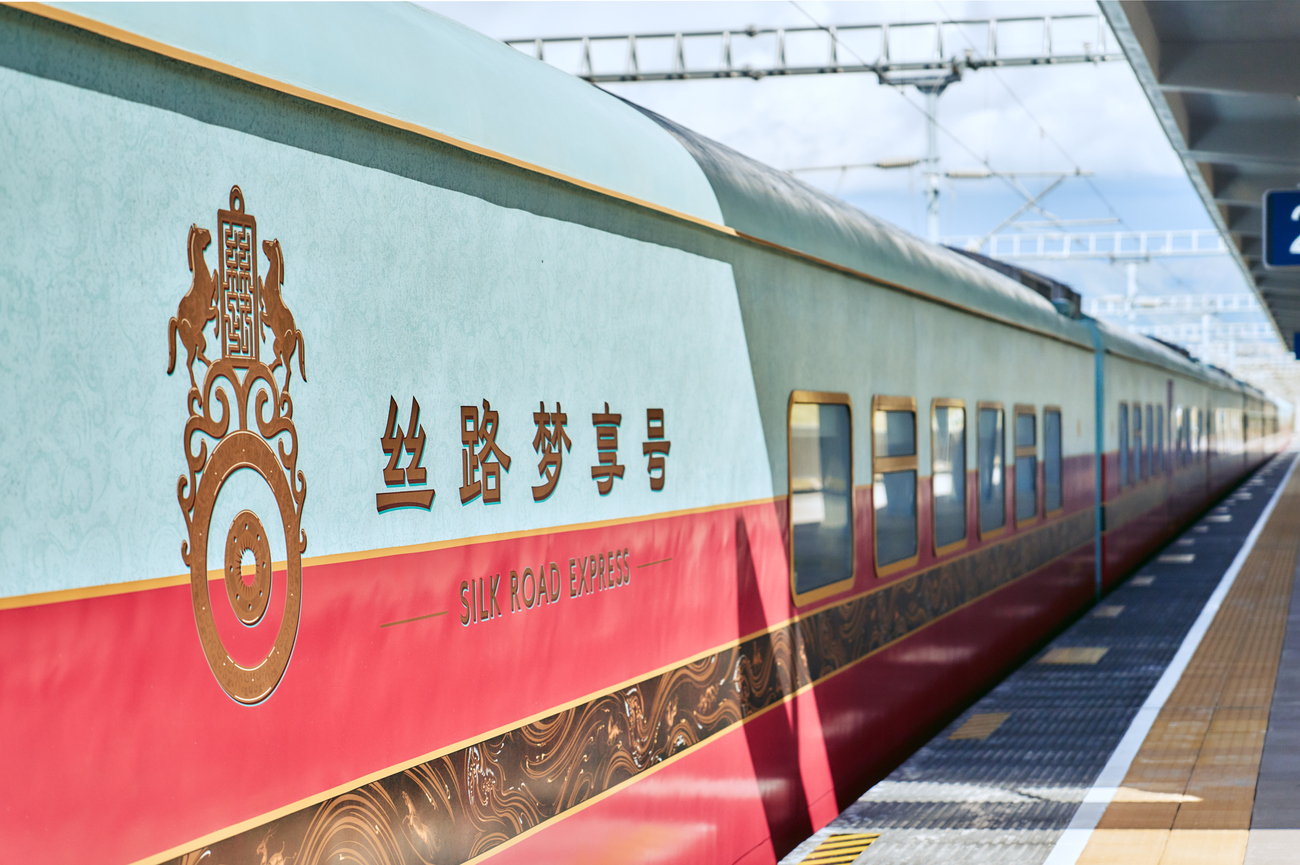
Travel across the landscapes and ancient cultures of the Silk Road while enjoying the comfort of the Golden Eagle Silk Road Express. The train combines elegant accommodation, refined dining, and panoramic sightseeing as you journey through some of Central Asia and western China’s most historic regions.
Observation Car
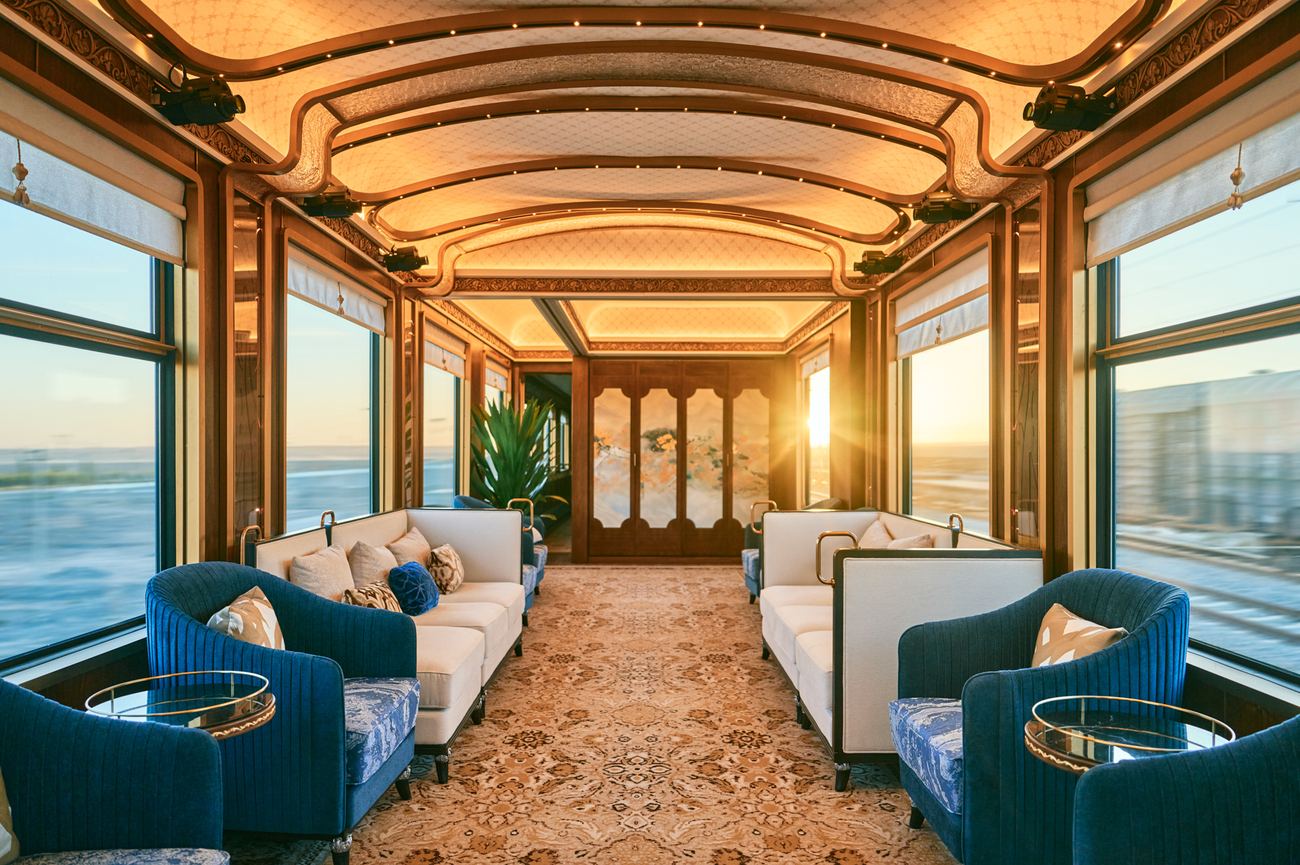
Designed to bring you closer to the landscapes of the Silk Road through its wide 270 degree panoramic windows. From morning light to sunset, you can relax and watch the scenery gradually change as the train travels across mountains, deserts, and historic regions. Inside, the carriage features warm lighting, detailed woodwork, and design elements inspired by ancient Chang’an and the Silk Road. The layout is also flexible, with partitions that can create a more private lounge area for small groups or quieter conversations during the trip.
Bar & Lounge Car
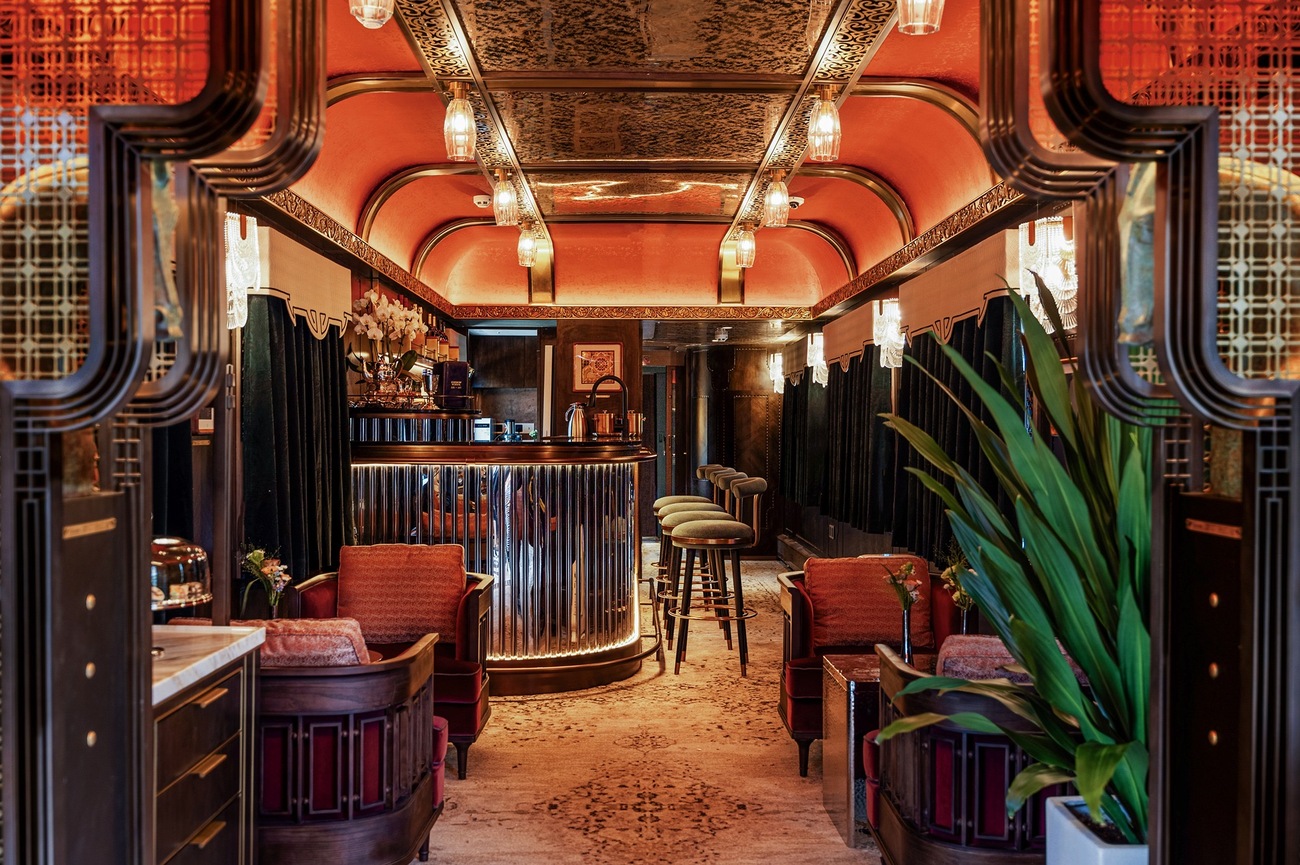
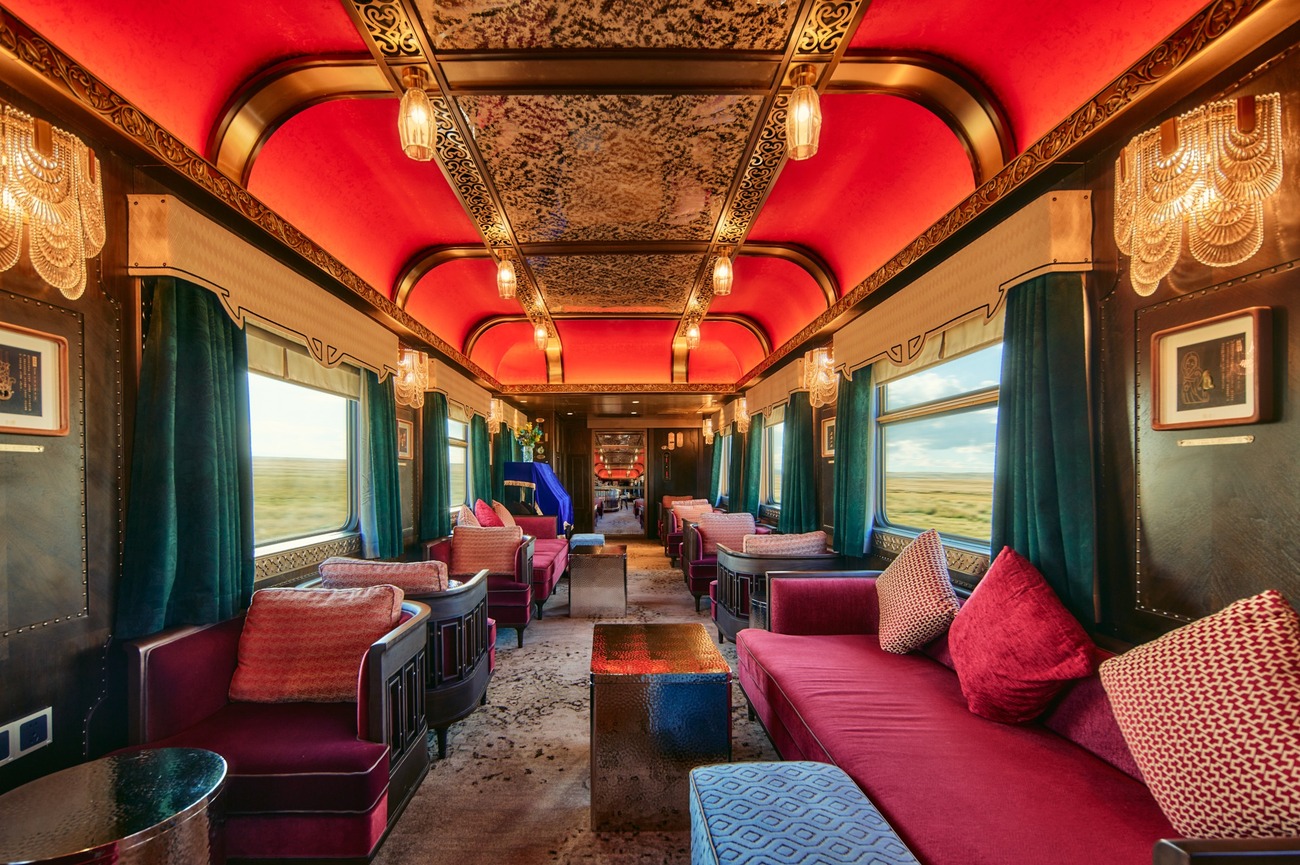
The social heart of the train, designed to capture the elegance and romance of classic rail travel. Inside, you’ll find dark wood interiors, velvet armchairs, and refined design details that create a warm and timeless atmosphere. The entrance itself is inspired by the curved shape of traditional Han Dynasty chariots. At the centre of the lounge is a Bösendorfer piano, where a resident pianist often performs during evening cocktail hours. It’s a relaxing space to enjoy a drink, unwind after the day’s excursions, and spend time with your fellow travelers as the landscapes continue to pass outside the windows.
Superior Cabins
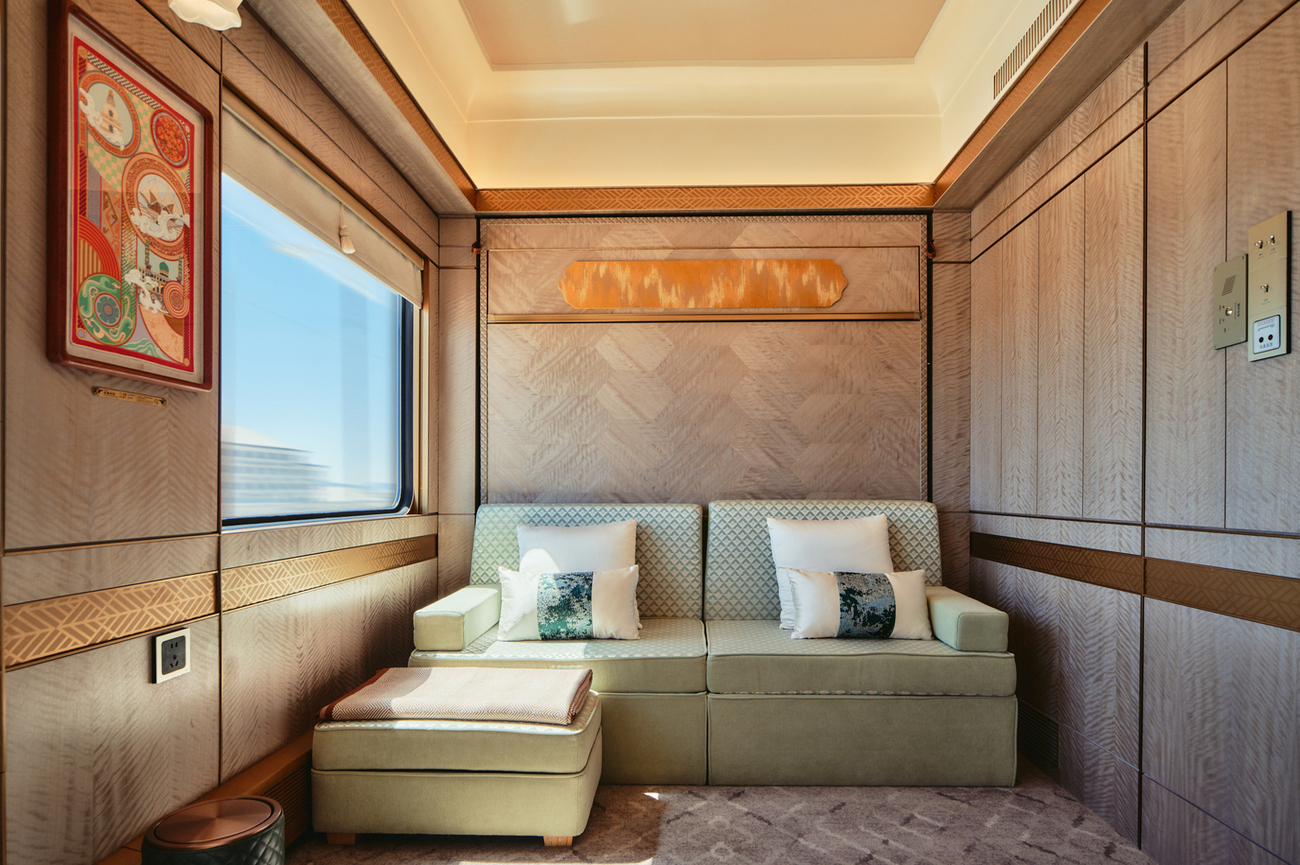
A comfortable and elegant private retreat aboard the Golden Eagle Silk Road Express, offering around 11 square metres of thoughtfully designed space. During the day, the cabin features two comfortable sofas where you can relax while watching the scenery pass by. In the evening, the space is transformed by the onboard stewards into your choice of either twin beds or a large double bed for a restful night’s sleep. In-room features include adjustable air conditioning, heating, a built-in humidifier, minibar, personal safe, and full length wardrobe. Each cabin also comes with a private bathroom featuring a full shower and a smart TOTO toilet, as well as premium amenities such as Dyson hairdryers and luxury toiletries from brands like Bvlgari and Aesop.
Han Dynasty Suite
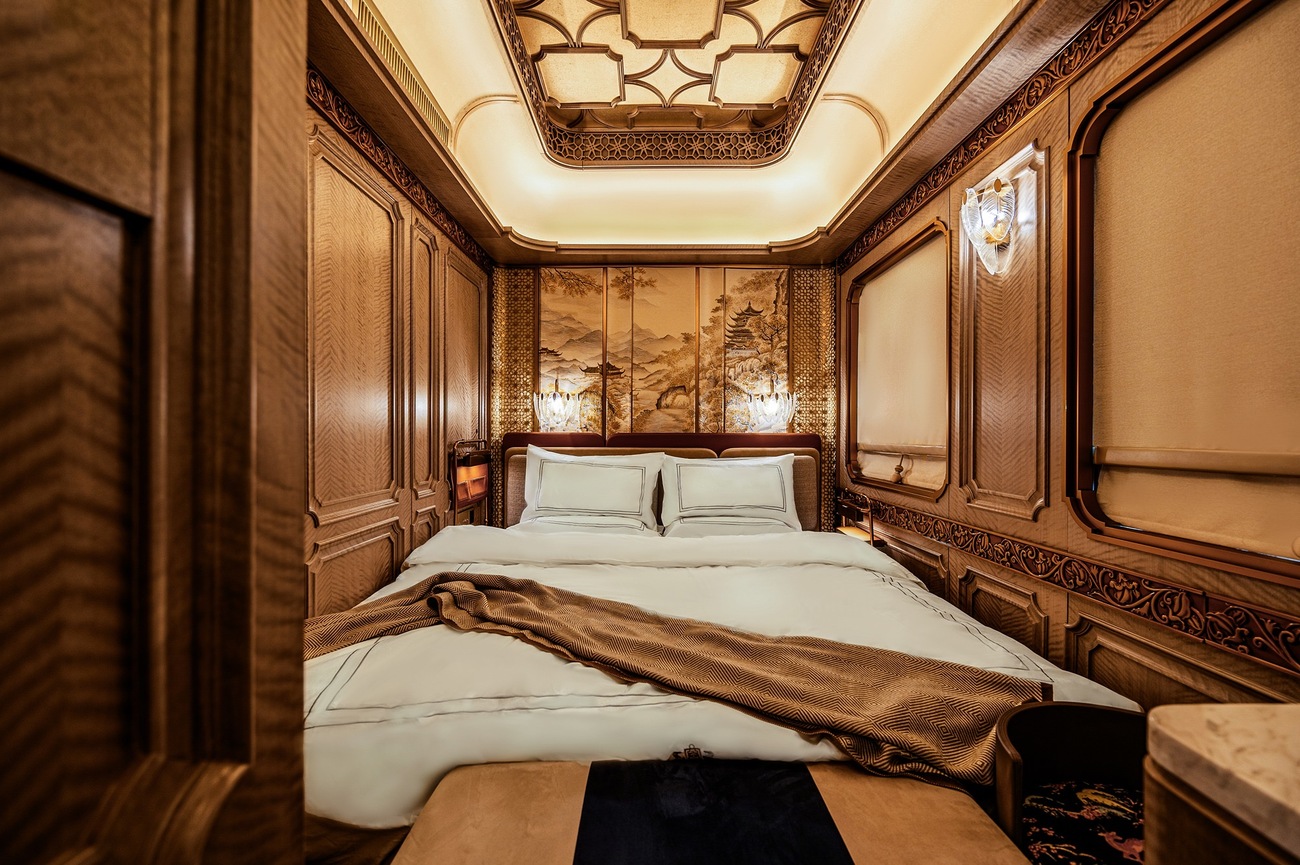
The most luxurious accommodation aboard the Golden Eagle Silk Road Express, offering a spacious 22.2 square metre private suite. Inside, you’ll find a large double bed, a separate living area with a sofa, a dressing table, and even a dining table for private in-cabin meals. The layout is designed to feel more like a luxury hotel suite than a traditional train cabin. The spacious ensuite bathroom includes a bathtub, shower, and double sinks, while premium amenities such as a Dyson hairdryer, smart toilet, minibar, and full-length wardrobe add to the overall comfort of the experience.
In many destinations along the journey, Han Dynasty Suite guests also receive additional privileges such as private guides and chauffeured car services for excursions. Depending on local guide availability, some transfers may be shared with other suite guests. Laundry services and hotel room upgrades, when available, are also included as part of the experience.
Restaurant Car
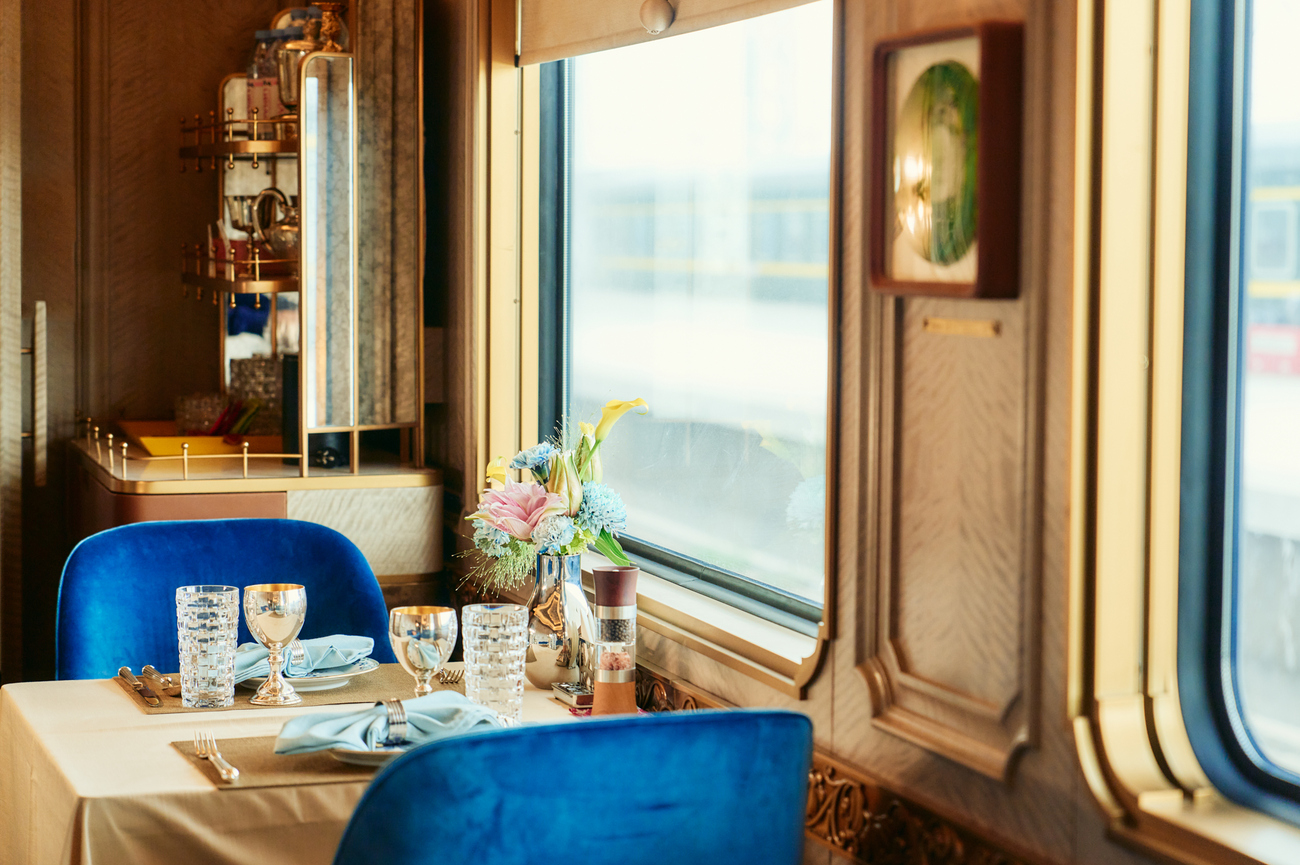
Dining aboard the train is designed to feel just as memorable as the journey itself. The train features two beautifully designed restaurant cars, both created by the internationally renowned design firm Hirsch Bedner Associates (HBA). The Western-style restaurant car offers a refined yet welcoming atmosphere, ideal for shared meals and longer conversations with fellow travelers. With attentive steward service and classic silver-service dining. For a quieter and more intimate setting, the Chinese-style restaurant car features comfortable booth seating and interiors inspired by the Silk Road. Here, you can enjoy regional dishes carefully prepared by the onboard chefs while surrounded by an elegant atmosphere.
Golden Eagle Silk Road Express
Journeys
Experience unforgettable rail journeys that take you far beyond the usual travel routes, across remote landscapes, historic cities, and some of the world’s most remarkable regions.
The Grand Silk Road (22 days)
Route: Beijing - Xi’an - Dunhuang - Golmud - Hotan - Kashgar - Almaty - Lake Issyk Kul - Bishkek - Tashkent - Khiva - Nukus- Bukhara - Dushanbe - Shahrisabz - Samarkand - Margilan - Rishtan - Kokand - Tashkent
Day 1-3 –
Beijing
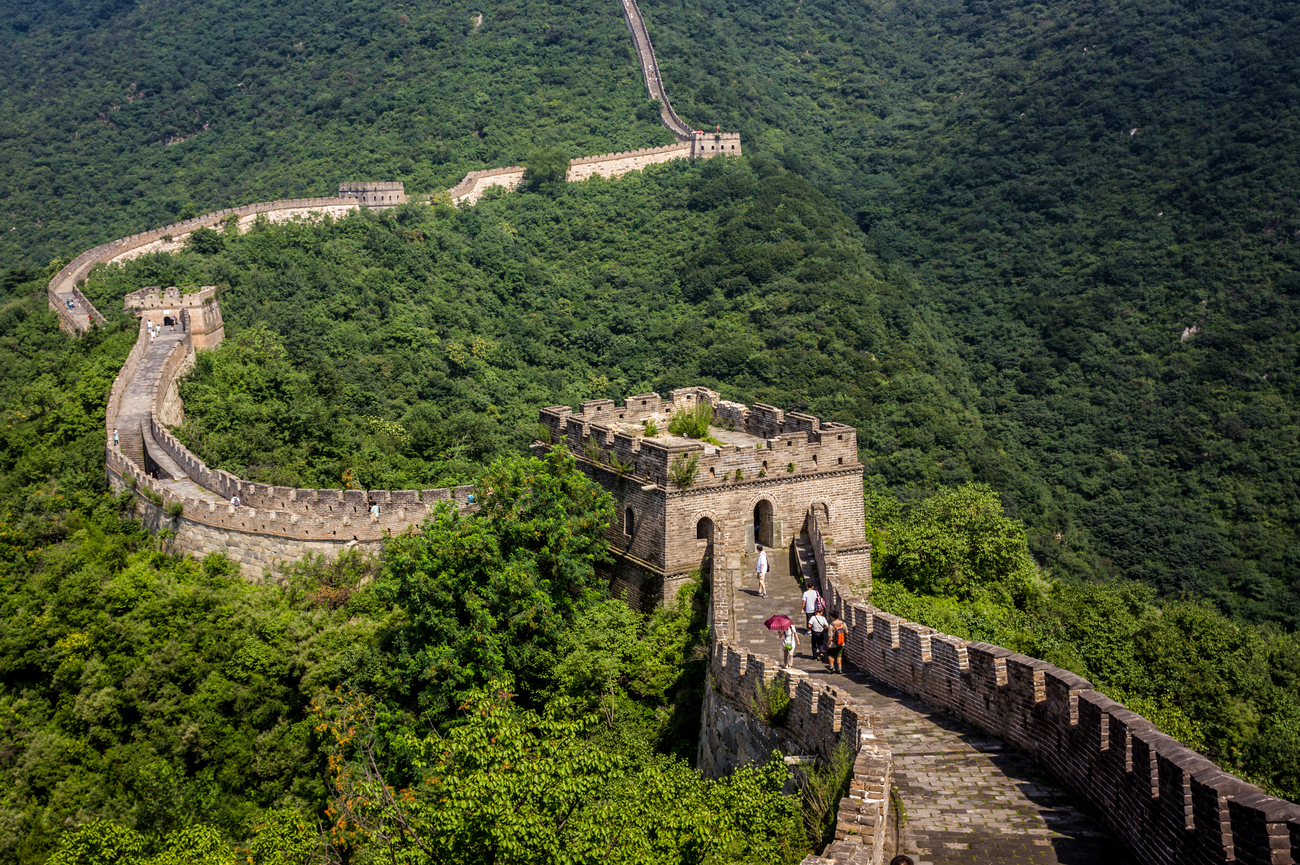
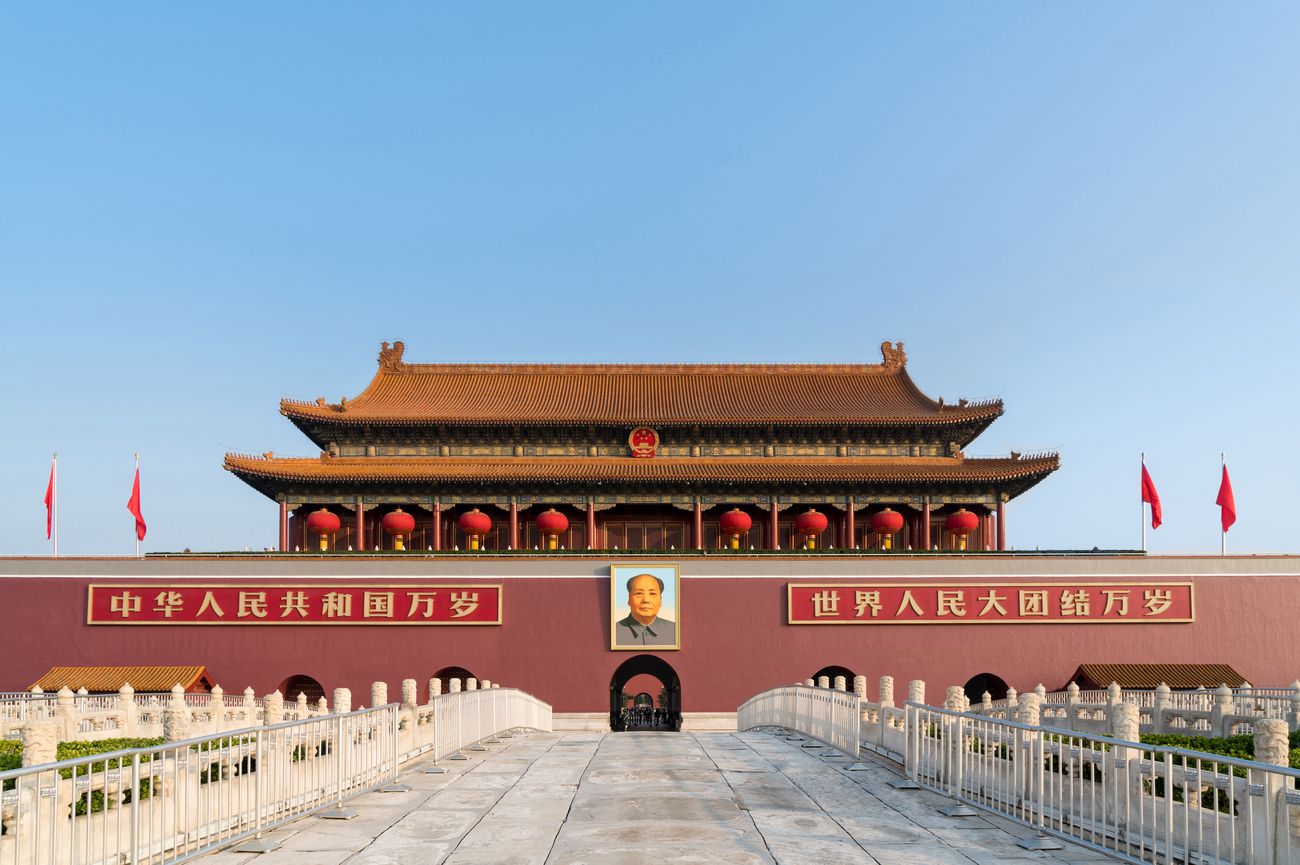
Your journey begins in Beijing, where you’ll stay at the Four Seasons Hotel and meet your fellow travelers during a welcome dinner before the adventure officially begins. Over the next few days, you’ll explore both the ancient and modern sides of China’s capital. Visit iconic landmarks such as the Great Wall at Badaling, the Forbidden City, Tiananmen Square, and the Summer Palace, while also seeing contemporary highlights like the CCTV Tower and the Olympic Village.
Along the way, you’ll get a taste of the flavours of northern China through traditional Peking duck dinners and other cultural experiences that help introduce the atmosphere of the region. The journey then transitions from city exploration to luxury rail travel as you board the Golden Eagle Silk Road Express for the first time and settle into life onboard as the train begins its westward journey.
Day 4-8 –
Xi’an - Dunhuang - Golmud - Hotan
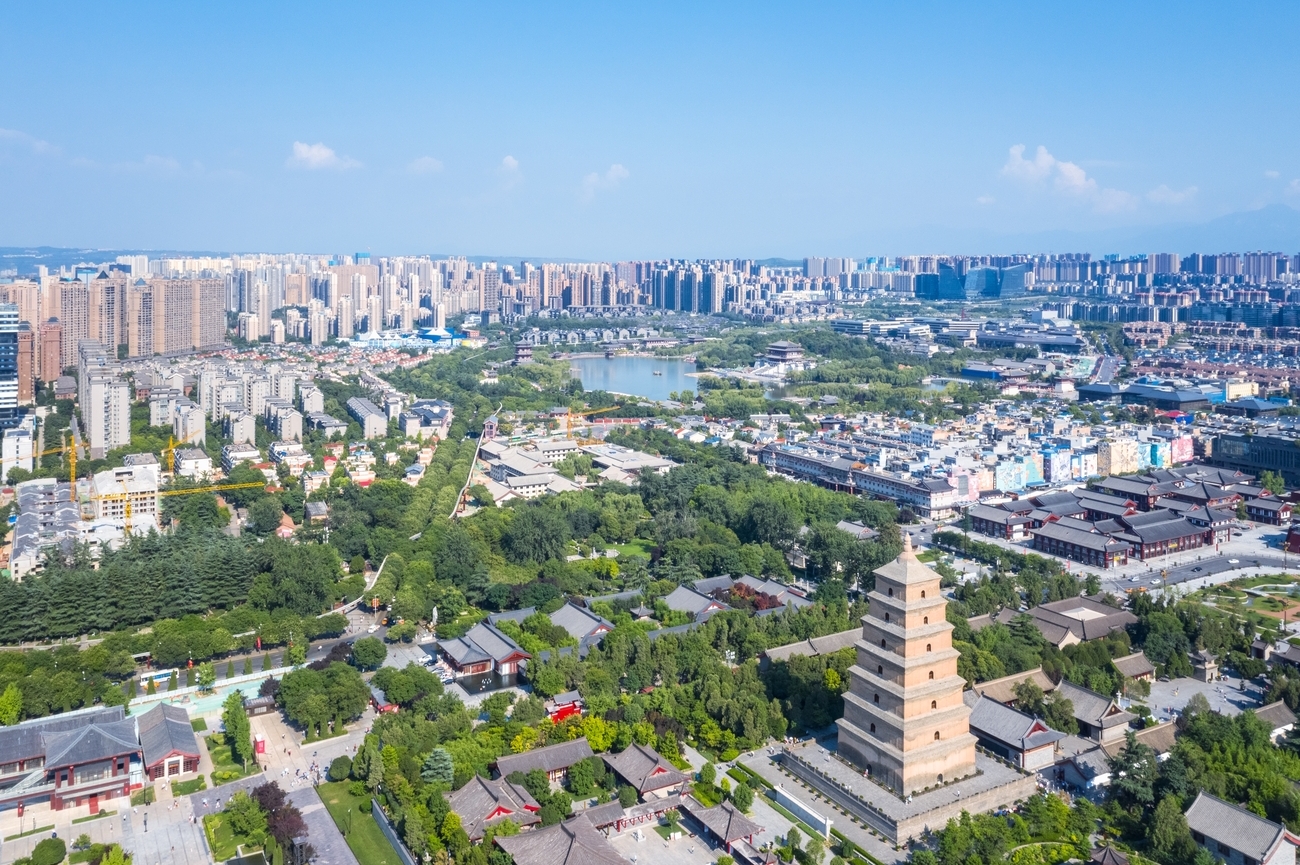
As the journey continues westward, your first major stop is Xi’an, the ancient starting point of the Silk Road. Here, you’ll explore the famous Terracotta Warriors, walk along the historic city walls, and wander through the lively Muslim Quarter. In the evening, you’ll experience traditional Tang Dynasty music and cuisine. Between destinations, life onboard the train becomes part of the experience itself. Long stretches across China’s vast landscapes give you time to relax in the Observation Car, enjoy sumptuous meals, and settle into the slower rhythm of luxury rail travel as the scenery gradually changes from modern cities to desert landscapes.
In Dunhuang, you’ll enter the heart of the old Silk Road corridor. Explore the UNESCO-listed Mogao Caves, ride camels through the Gobi Desert, and witness the striking beauty of Crescent Lake hidden among towering dunes. Further west, stops like Golmud and Hotan reveal a quieter and more remote side of the Silk Road. Along the way, you’ll learn about the region’s history through local experiences, visit salt lakes and artisan workshops, and discover traditional silk and carpet making practices that have continued for generations.
Day 9-10
– Kashgar - Almaty
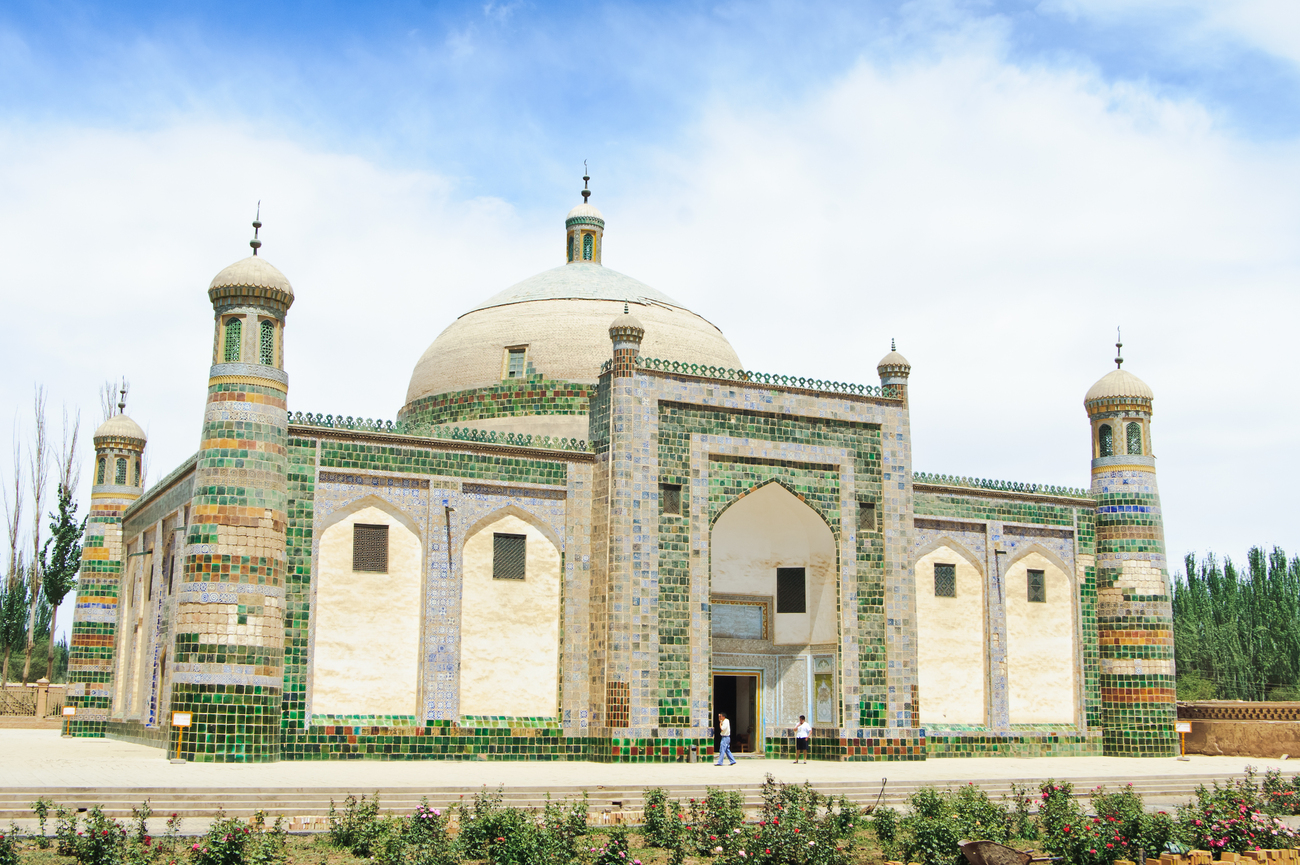
The final stop in China is Kashgar, one of the Silk Road’s most historic trading cities. Here, you’ll explore the atmospheric old town, visit the Apak Khoja Tomb, and experience the strong Uyghur cultural influence that gives the city its distinct character. From Kashgar, the journey continues into Central Asia with a private charter flight to Almaty, Kazakhstan’s elegant city set against the backdrop of the Tien Shan Mountains.
In Almaty, wide boulevards, Soviet-era architecture, and mountain scenery create a completely different atmosphere from western China. It’s here that you board the iconic Golden Eagle private train, beginning the next stage of your Silk Road journey through Central Asia.
Day 11-12
– Lake Issyk - Bishkek
This part of the journey introduces you to Kyrgyzstan and the traditions of the Central Asian steppe. At Lake Issyk-Kul, surrounded by snow-capped mountains, you’ll experience a private cultural festival featuring traditional nomadic games, eagle hunting demonstrations, music, dance, and local craftsmanship. It offers a glimpse into the heritage and daily life of the highland communities.
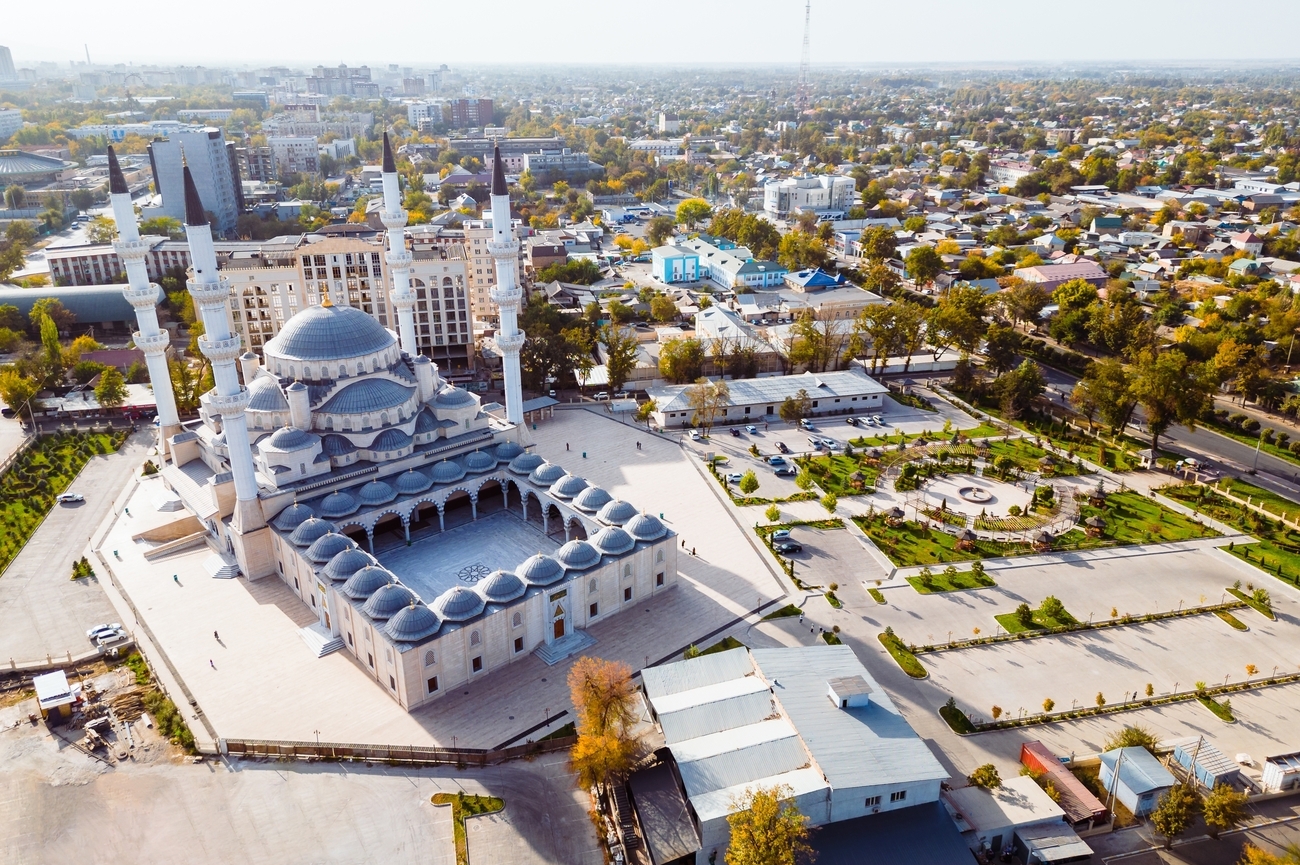
The journey then continues to Bishkek, the capital of Kyrgyzstan. Once an important Silk Road caravan stop, the city today blends Soviet-era architecture, wide public squares, and green parks that reflect the country’s layered history and cultural identity.
Day 13-18
– Tashkent - Khiva - Nukus - Bukhara - Dushanbe - Shahrisabz
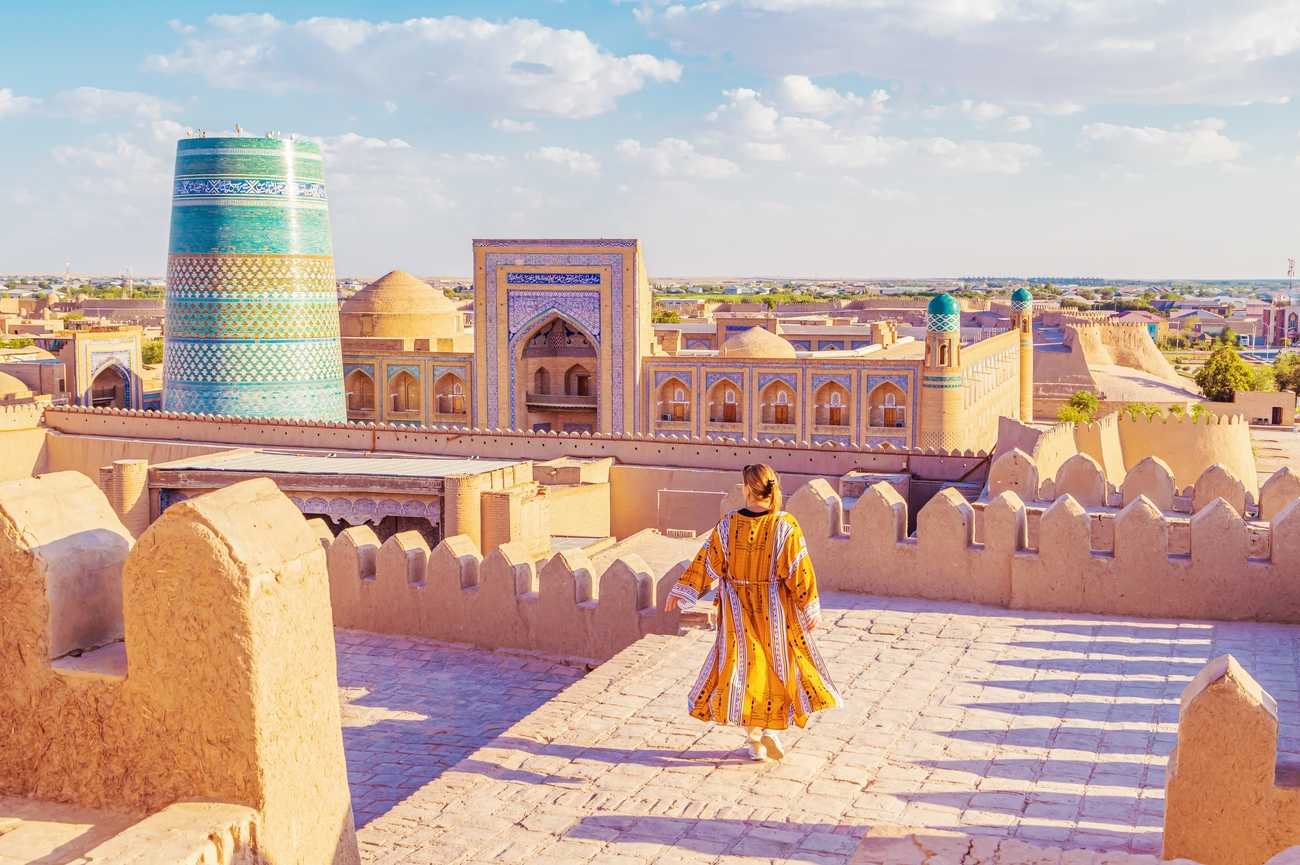
As the journey continues into Uzbekistan, you’ll explore some of the Silk Road’s most iconic and historic cities. In Tashkent, modern Soviet-era buildings stand alongside traditional neighbourhoods and important Islamic landmarks, offering a mix of old and new Central Asia. From there, the route travels to Khiva, where ancient walls, minarets, bazaars, and madrassas create one of the most atmospheric Silk Road settings in the region. Walking through the old city feels like stepping back in time.
The scenery changes again in Nukus, surrounded by remote desert landscapes and home to the famous Savitsky Museum, known for its remarkable collection of avant-garde art. In Bukhara, you’ll discover grand mosques, historic trading domes, and the impressive Ark Fortress before briefly crossing into Tajikistan to visit Dushanbe and the ornate Kohi Navruz Palace. The journey then continues to Shahrisabz, believed to be the birthplace of Amir Timur, where monumental Timurid architecture and the remains of the once-grand Ak-Saray Palace reflect the power of the Silk Road empires.
Day 19-22
– Samarkand - Margilan - Rishtan - Kokand - Tashkent
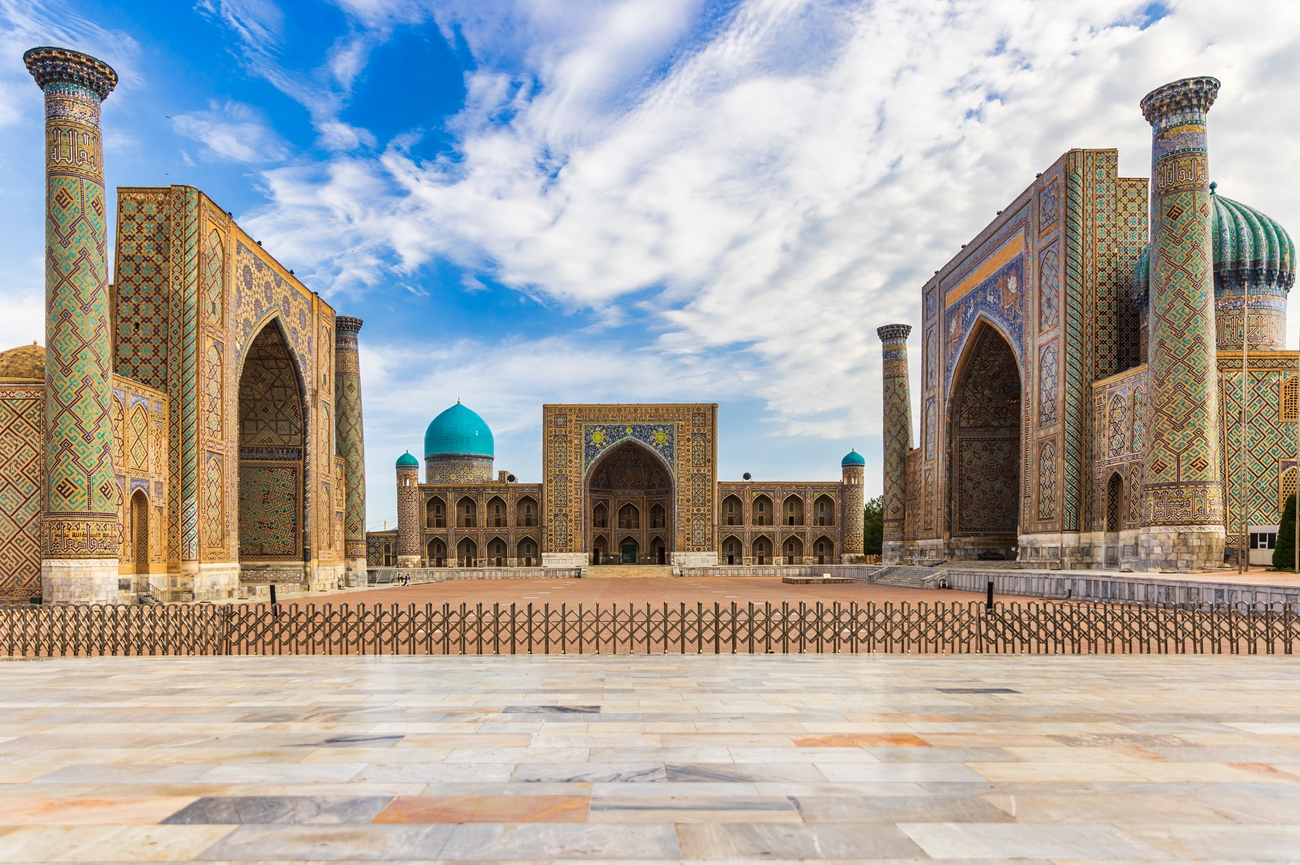
The last leg of the journey focuses on Samarkand, one of the most legendary cities of the Silk Road. Here, you’ll explore some of Central Asia’s most impressive Islamic architecture and historic landmarks, including Registan Square, Bibi Khanum Mosque, Ulugbek Observatory, and the Shakh-i-Zinda necropolis. One of the highlights is a private evening light show at Registan Square, creating a memorable final experience in the heart of the ancient city.
As the train continues through the fertile Fergana Valley, the journey shifts toward the region’s long standing craft traditions. In Margilan, you’ll witness traditional silk weaving techniques that have been passed down for generations, while Rishtan is known for its beautifully crafted ceramics.
The expedition concludes in Kokand before returning to Tashkent for a farewell dinner and final overnight stay. After breakfast the next morning, your Grand Silk Road journey comes to an end with transfers to the airport for your onward travels.
Ancient China by Private Train (12 days)
Route: Beijing - Xi’an - Dunhuang - Golmud - Hotan - Kashgar - Turpan - Urumqi
Day 1-3 –
Beijing
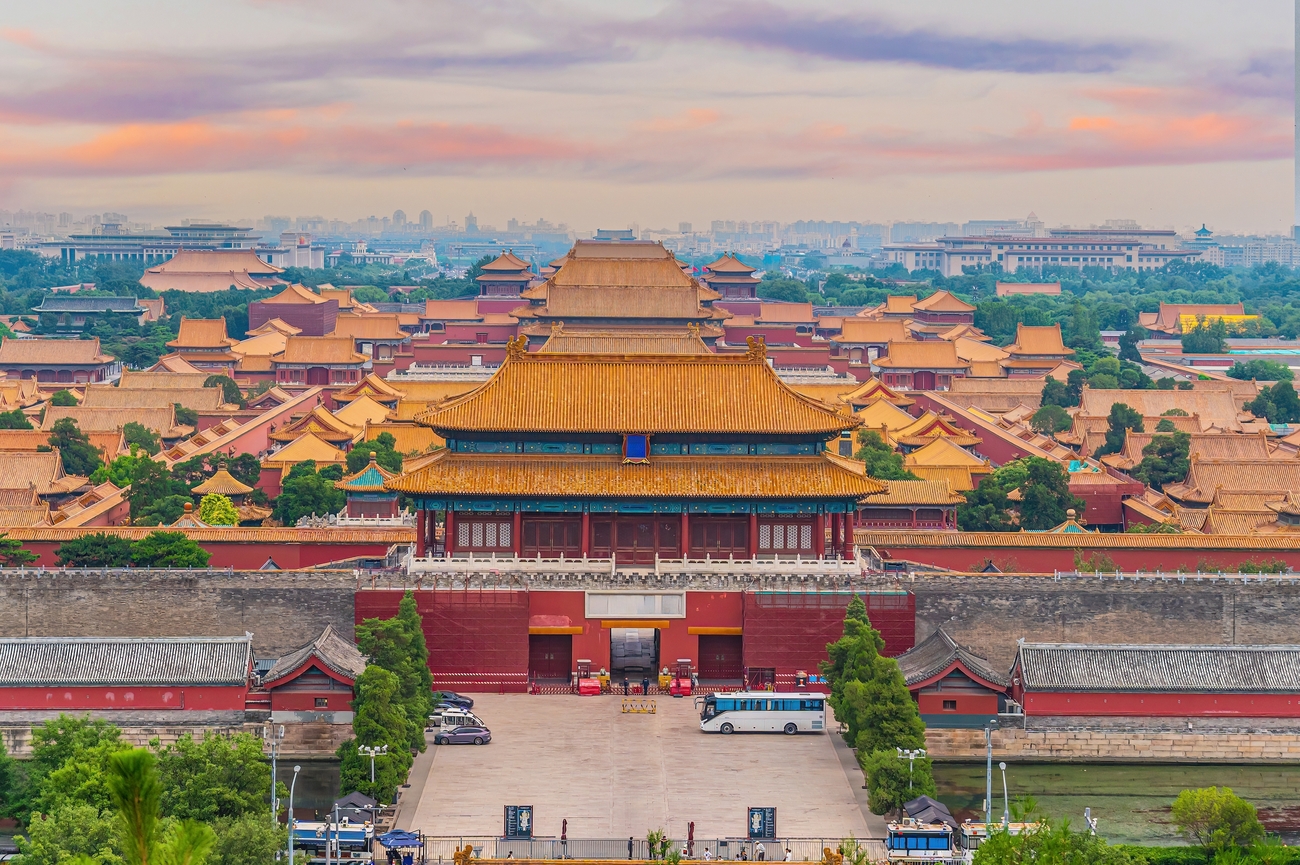
Your journey begins in Beijing with a stay at the Four Seasons Hotel, where you’ll meet fellow travelers during a welcome dinner before the adventure across China begins. Over the next few days, you’ll experience both the ancient and modern sides of the capital. Walk along the Great Wall at Badaling with views over the surrounding mountains, then explore historic landmarks such as the Forbidden City, Tiananmen Square, and the Summer Palace. You’ll also see modern Beijing through places like the Olympic Village, the Bird’s Nest Stadium, and the CCTV Tower.
The evenings bring refined dining experiences, including Beijing’s famous Peking duck, before the excitement of boarding the Golden Eagle Silk Road Express for the first time. As you settle into your private cabin and the train slowly departs the capital, the Silk Road journey officially begins.
Day 4-5 –
Xi’an
The first major stop is Xi’an, the ancient eastern gateway of the Silk Road and one of China’s most historic capitals. While here, you’ll explore the city’s ancient walls, visit the Great Mosque, and see the famous Terracotta Army, where thousands of life-sized warriors built to guard China’s First Emperor. In the evening, the journey continues with a Tang Dynasty inspired dinner accompanied by traditional music and dance, giving you a glimpse into the grandeur of imperial China.
As the train travels further west, the pace of the journey begins to slow. Long stretches aboard the Golden Eagle Silk Road Express give you time to relax in the Observation Car, enjoy the changing scenery outside your window, and settle into the rhythm of luxury rail travel.

Day 6-7 –
Dunhuang - Golmud
Crossing deeper into China’s remote western frontier, you’ll arrive in Dunhuang, one of the Silk Road’s most significant historic and spiritual centres.
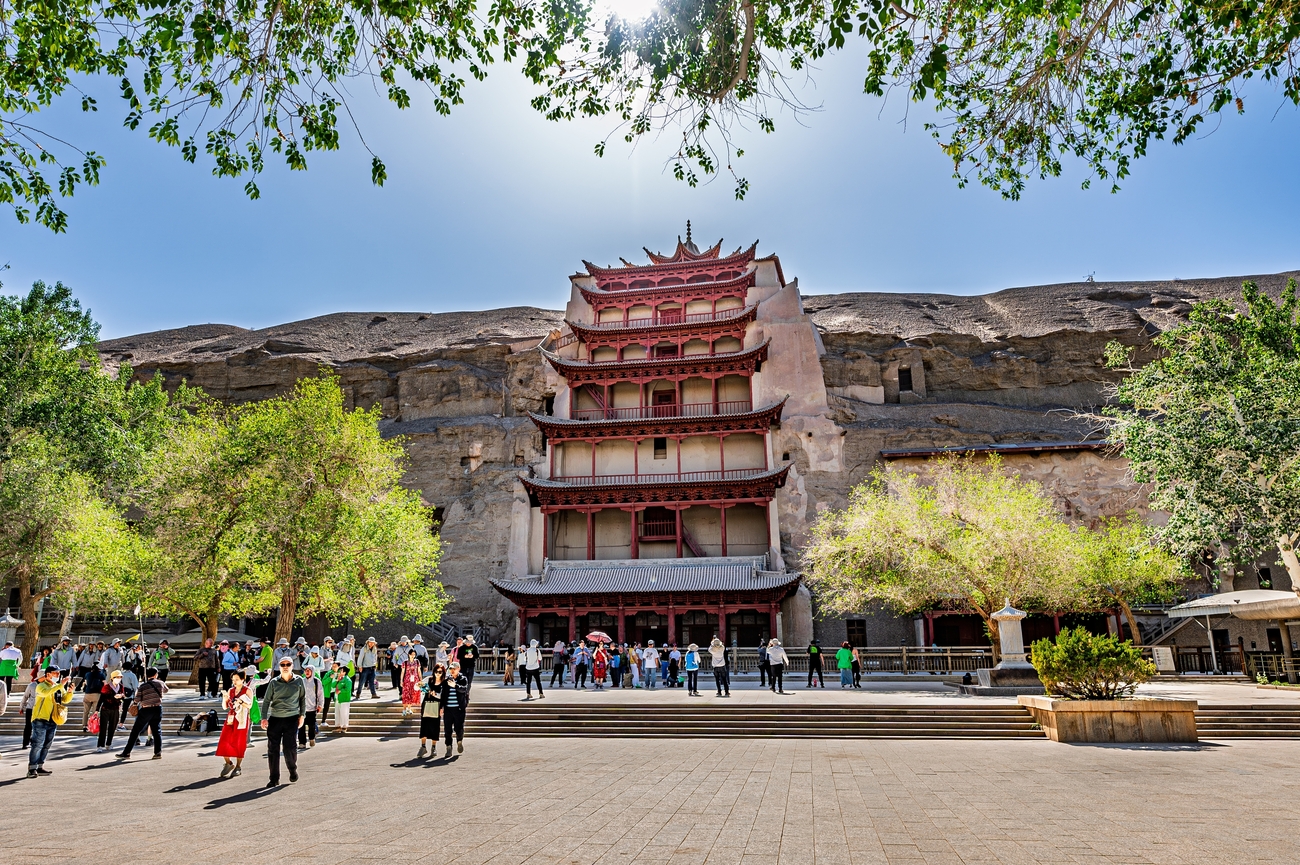
Here, you’ll visit the famous Mogao Caves, often called the “Cave of a Thousand Buddhas,” where centuries-old Buddhist murals, statues, and sacred artwork are hidden along the cliffs of the Gobi Desert. Traditional local music performances add to the atmosphere before the experience continues outdoors with a camel ride across the dunes toward the peaceful Crescent Lake oasis.
In Golmud, the journey turns toward the history and geography of the Silk Road itself. Explore the unbelievable scenery of Chaerhan Salt Lake or spend time discovering more of the city while learning about the ancient trade routes that once connected China with Central Asia and beyond.
Day 8-9 –
Hotan - Kashgar
In Hotan, you’ll discover one of the Silk Road’s historic centres of trade and craftsmanship. Visits to traditional silk and carpet workshops offer a closer look at weaving techniques that have been passed down through generations, while an evening visit to Yotkan Ancient City reveals more about the region’s Buddhist history and trading heritage.
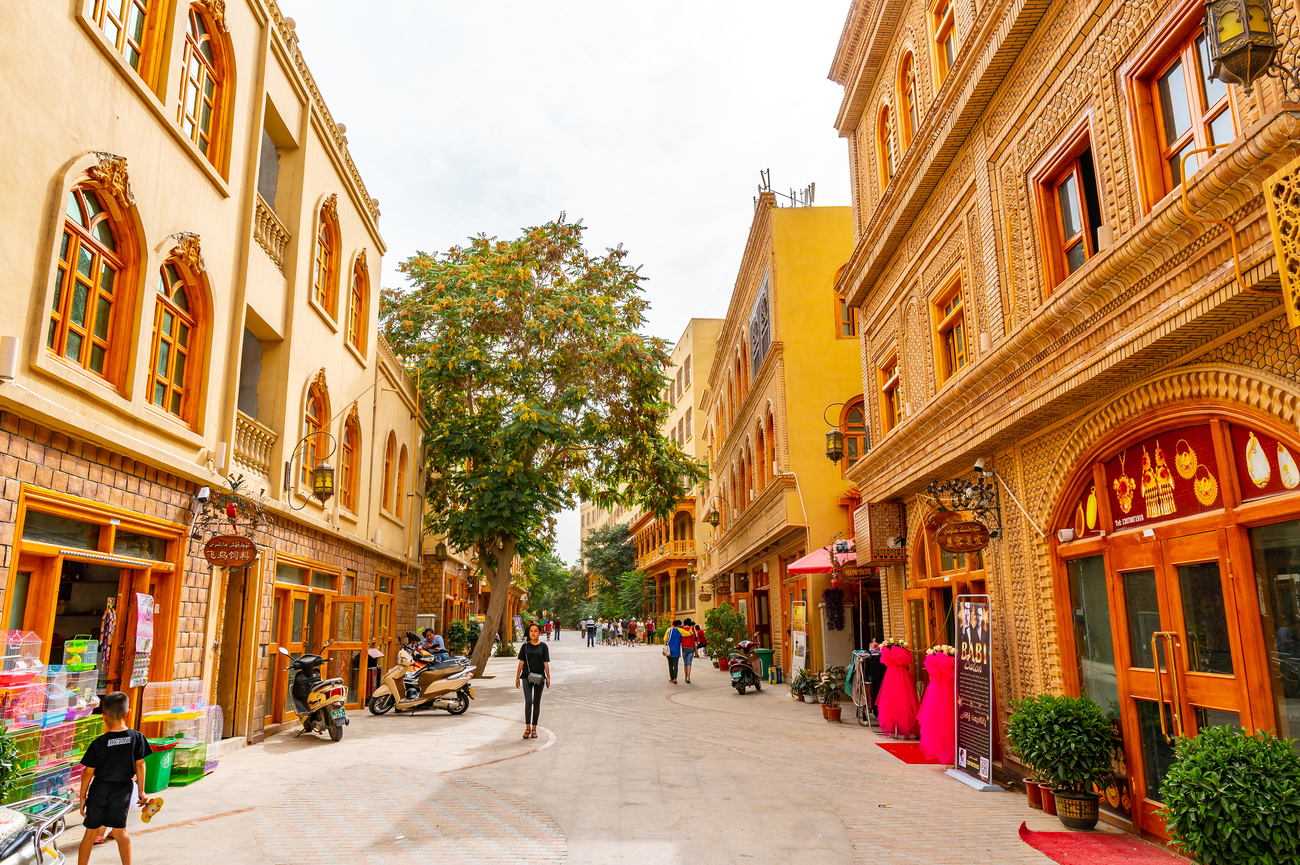
The journey then continues to Kashgar, one of the Silk Road’s most iconic crossroads cities. Here, Islamic architecture, Uyghur culture, and ancient neighbourhoods create an atmosphere unlike anywhere else along the route. While exploring the city, you’ll visit the Apak Khoja Tomb, wander through the old town, and experience the flavours of local Uyghur cuisine before the journey continues deeper into western China.
Day 10-12
– Turpan - Urumqi
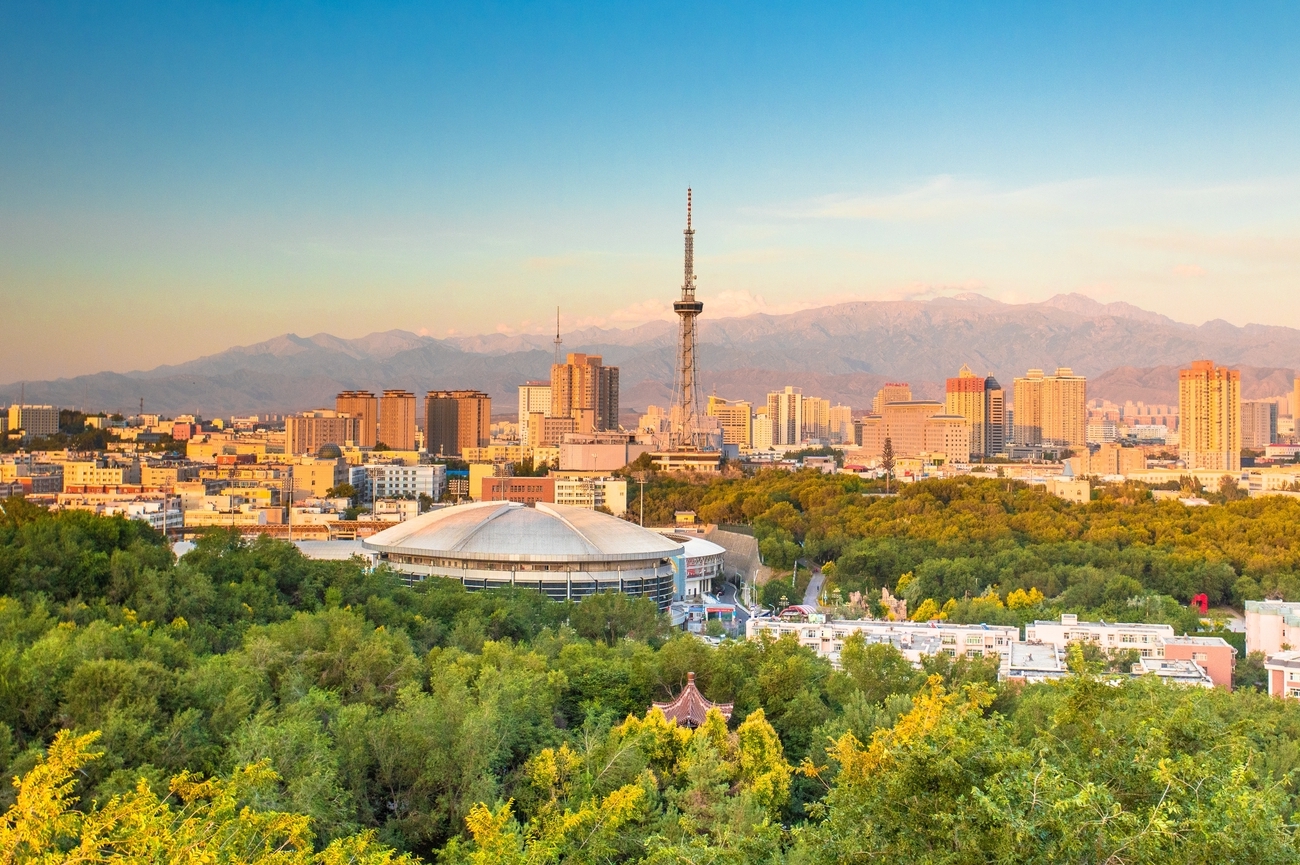
The final part of the journey explores Turpan and Urumqi, where the Silk Road’s desert landscapes and ancient oasis settlements are the main destinations. In Turpan, you’ll explore the ruins of Gaochang and Jiaohe, once thriving Silk Road settlements that connected traders, cultures, and religions for centuries. You’ll also learn about the remarkable Karez irrigation system, an ancient engineering network that allowed communities to survive in one of China’s driest regions.
As the rail journey comes to an end, a farewell dinner aboard the Golden Eagle Silk Road Express offers one final evening to enjoy life onboard before arriving in Urumqi, Xinjiang’s modern capital. After a final overnight stay, the journey concludes with airport transfers, leaving you with lasting memories of Silk Road cities, desert landscapes, and the cultures that shaped this historic route.
Imperial China (12 days)
Route: Xi’an - Luoyang - Beijing - Shanghai - Jingdezhen - Yichang - Chengdu - Guilin - Hong Kong
Day 1-4 – Xi’an - Luoyang - Beijing
Your journey begins in Xi’an, one of China’s oldest imperial capitals and the starting point of the Silk Road. After settling into the Ritz-Carlton, you’ll be welcomed with a Tang Dynasty inspired dinner that introduces the culture and atmosphere of the journey ahead.
In Xi’an, you’ll explore layers of ancient Chinese history, from the impressive city walls and Muslim Quarter to the world-famous Terracotta Warriors, which have guarded the tomb of China’s First Emperor for more than 2,000 years.
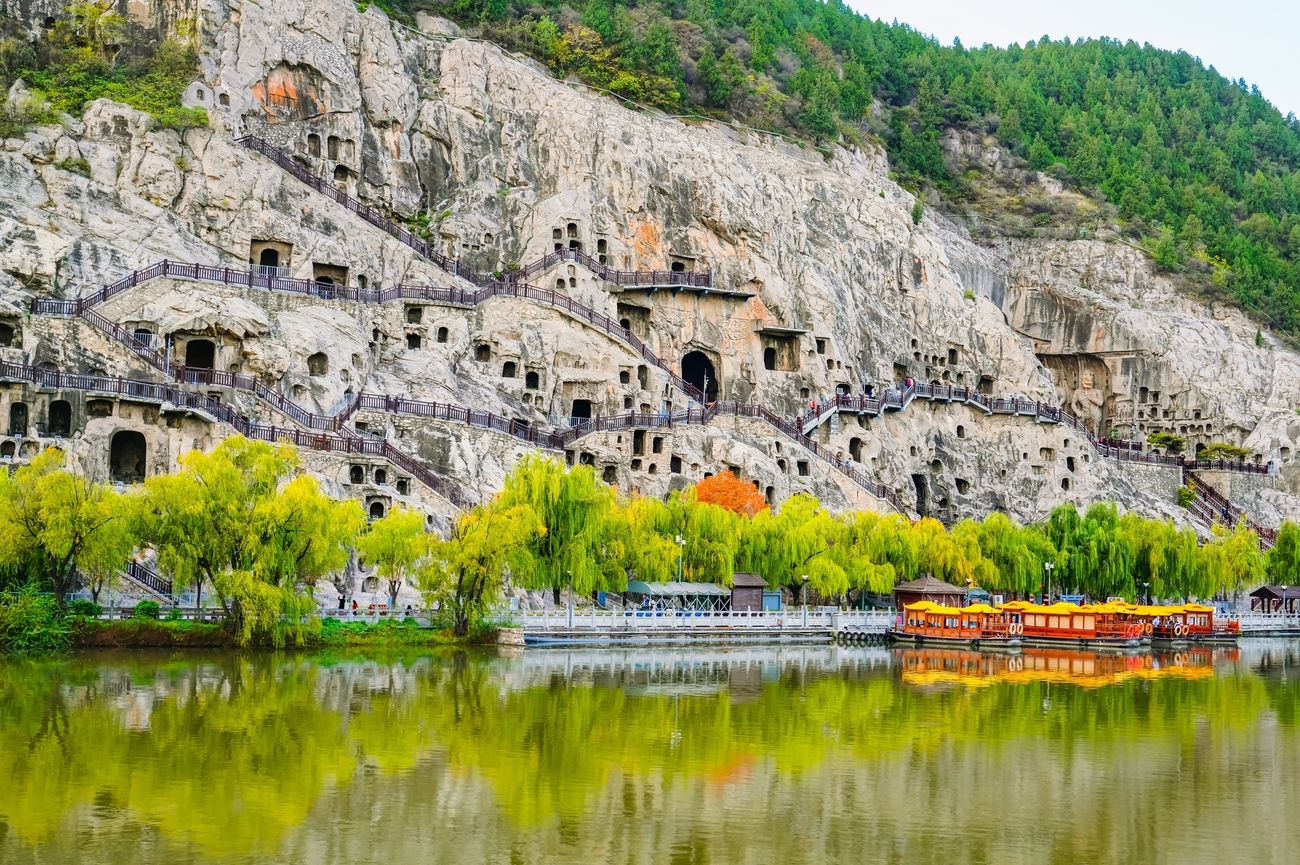
From here, the Golden Eagle Silk Road Express travels eastward, the route continues through Luoyang, where you’ll visit the Longmen Grottoes and Shaolin Temple revealing China’s Buddhist and martial arts traditions.
The journey then reaches Beijing, where imperial landmarks and modern architecture exist side by side. Walk along the Great Wall at Badaling, explore the Forbidden City and Summer Palace, or discover contemporary icons such as the Bird’s Nest Stadium and CCTV Tower before continuing onward aboard the train.
Day 5-6 –
Shanghai - Jingdezhen
As the journey continues south, the focus shifts from China’s ancient capitals to its modern and artistic cities.
In Shanghai, you’ll experience one of the world’s most impressive skylines from the Shanghai Tower before joining a private yacht cruise along the Huangpu River. Along the waterfront, the historic architecture of the Bund stands in sharp contrast to the futuristic skyscrapers of Pudong, creating one of China’s most iconic city views.
The journey then continues to Jingdezhen, China’s famous porcelain capital. Here, visits to ceramic museums and traditional kiln workshops offer a closer look at the craftsmanship behind centuries of Chinese porcelain making. You’ll also have the chance to take part in hands-on pottery experiences guided by local artisans.

Day 7-8 –
Yichang - Chengdu
The next part of the journey focuses on China’s dramatic landscapes and cultural highlights.
In Yichang, you’ll board a private Yangtze River cruise, passing the impressive Three Gorges Dam and Gezhouba Dam while taking in the surrounding mountain scenery. The experience combines peaceful river views with some of China’s most ambitious engineering projects.
The journey then continues to Chengdu, where Sichuan culture comes into focus. At the Chengdu Research Base of Giant Panda Breeding, you’ll see giant pandas in bamboo-filled surroundings before ending the day with a traditional Sichuan Opera performance, famous for its dramatic face changing acts. Between destinations, time aboard the Golden Eagle Silk Road Express becomes part of the experience itself. You can relax in the Observation Car, enjoy fine dining, or settle into your cabin as you watch the landscapes continue to unfold outside your window.

Day 9-12
– Guilin - Hong Kong
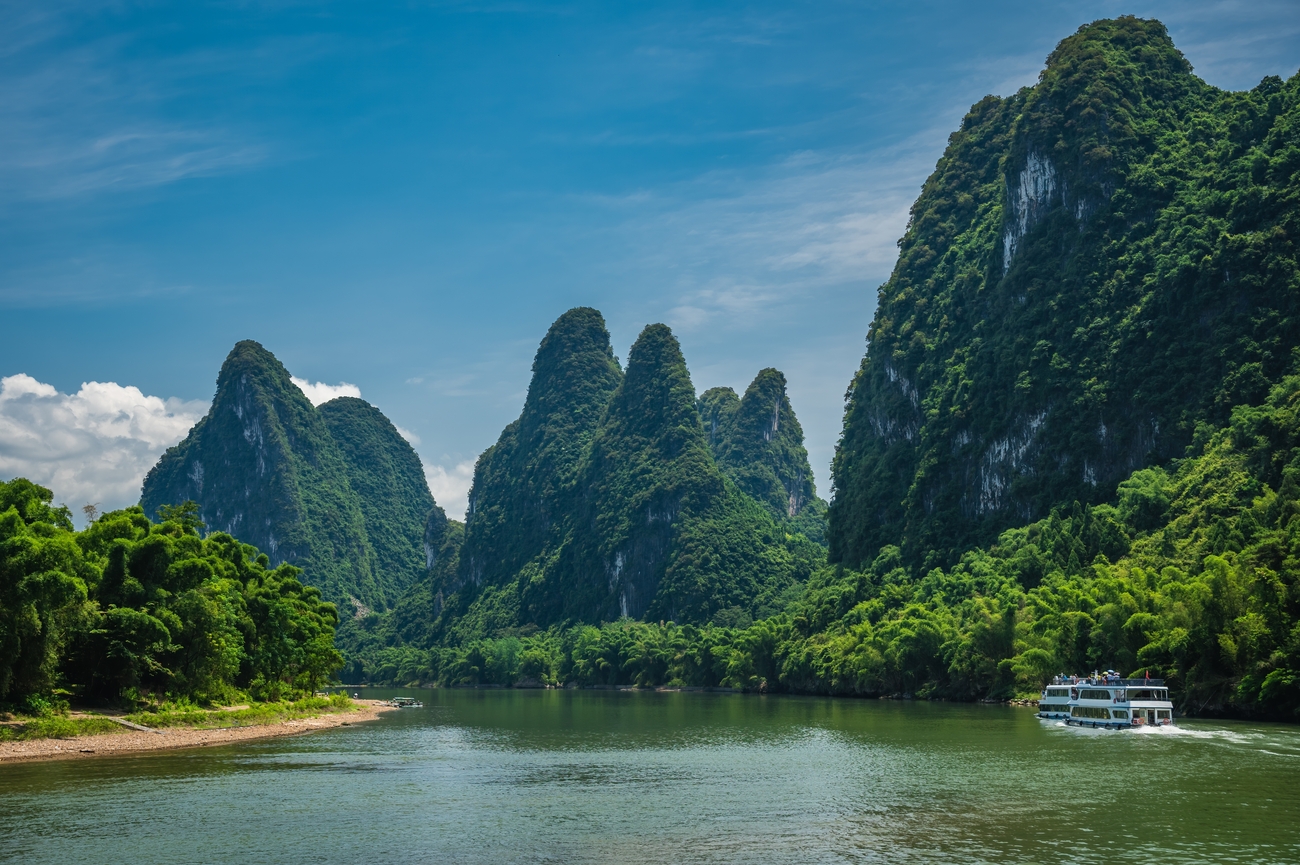
Travel through some of southern China’s most beautiful landscapes. In Guilin, you’ll cruise along the Li River, surrounded by the region’s famous limestone karst mountains, quiet villages, and green countryside that have inspired Chinese artists and poets for generations. The experience continues into Yangshuo, where a sunset boat ride introduces you to the traditional practice of cormorant fishing against a backdrop of misty mountain peaks.
The peaceful landscapes around Guilin and Yangshuo reveal a quieter and more rural side of China. If you’d like to explore more of this region, similar landscapes and cultural experiences can also be found on the China Rivers & Terraces: Beijing, Xi’an, Guilin & Shanghai journey.
As the Golden Eagle Silk Road Express makes its final journey south, the trip concludes in Hong Kong, a city where eastern and western influences, tradition and modernity, come together. You’ll have time to explore the skyline, harbourfront, and lively neighbourhoods before gathering for a farewell dinner to reflect on the journey across China. The following morning, private airport transfers mark the end of the experience, leaving you with lasting memories of historic cities, river landscapes, cultural traditions, and life aboard the Golden Eagle Silk Road Express.
A Voyage to The Roof of The World (13 days)
Route: Beijing - Luoyang - Xi’an - Chengdu - Xining - Dunhuang - Lhasa
Day 1-3 –
Beijing
Your journey begins in Beijing, where you’ll stay at the elegant Four Seasons Hotel before joining a welcome dinner to mark the start of the adventure across China and Tibet. Over the next few days, you’ll experience both the ancient and modern sides of the capital. Walk along the Great Wall at Badaling with stunning mountain views, then explore iconic landmarks such as the Forbidden City, Tiananmen Square, and the Summer Palace. You can also discover modern Beijing through sites like the Olympic Village, CCTV Tower, and the National Museum.
The journey then turns into luxury rail travel as you board the Golden Eagle Silk Road Express, settling into your cabin and panoramic observation spaces while the train begins its westward journey across China.
Day 4-5 –
Luoyang - Xi’an
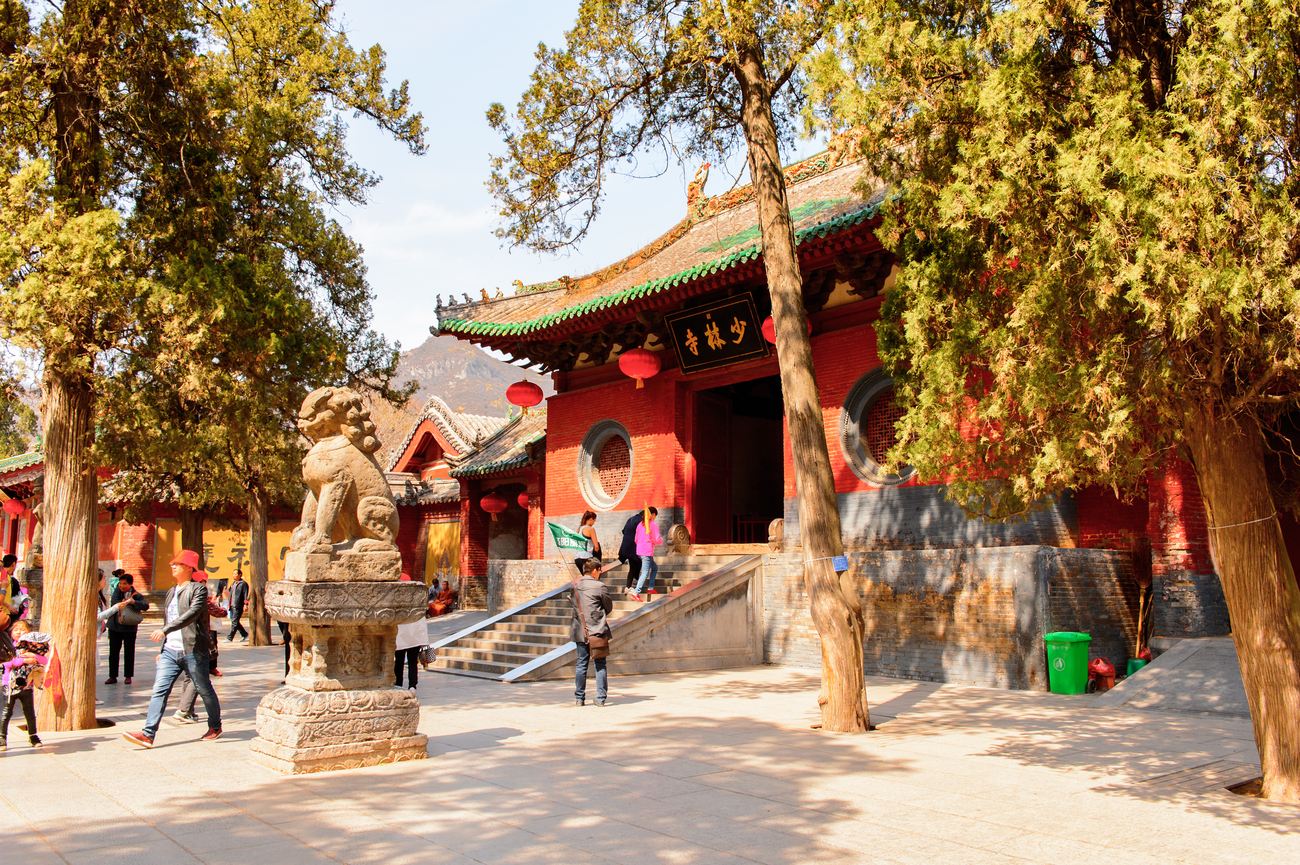
Travelling through one of the oldest regions of Chinese civilisation, the journey first arrives in Luoyang, one of China’s ancient capitals. Here, you’ll visit the Longmen Grottoes, where thousands of Buddhist carvings are etched into limestone cliffs, and explore the famous Shaolin Temple, known as the birthplace of Zen Buddhism and Kung Fu.
The route then continues to Xi’an, the historic eastern gateway of the Silk Road. While here, you’ll walk along the ancient city walls, explore the old quarters, and see the remarkable Terracotta Warriors, where thousands of life-sized statues were built to guard Emperor Qin Shi Huang. The evenings throughout this part of the journey are centred around cultural experiences, from Tang Dynasty inspired banquets to refined dining aboard the Golden Eagle Silk Road Express.
Day 6-7 –
Chengdu
Arriving in Chengdu, the pace of the journey slows into Sichuan’s relaxed and easygoing atmosphere. Historic streets filled with teahouses and traditional courtyards reveal the city’s old world charm, while an evening at the Sichuan Opera Theatre introduces you to the dramatic art of face-changing performances.
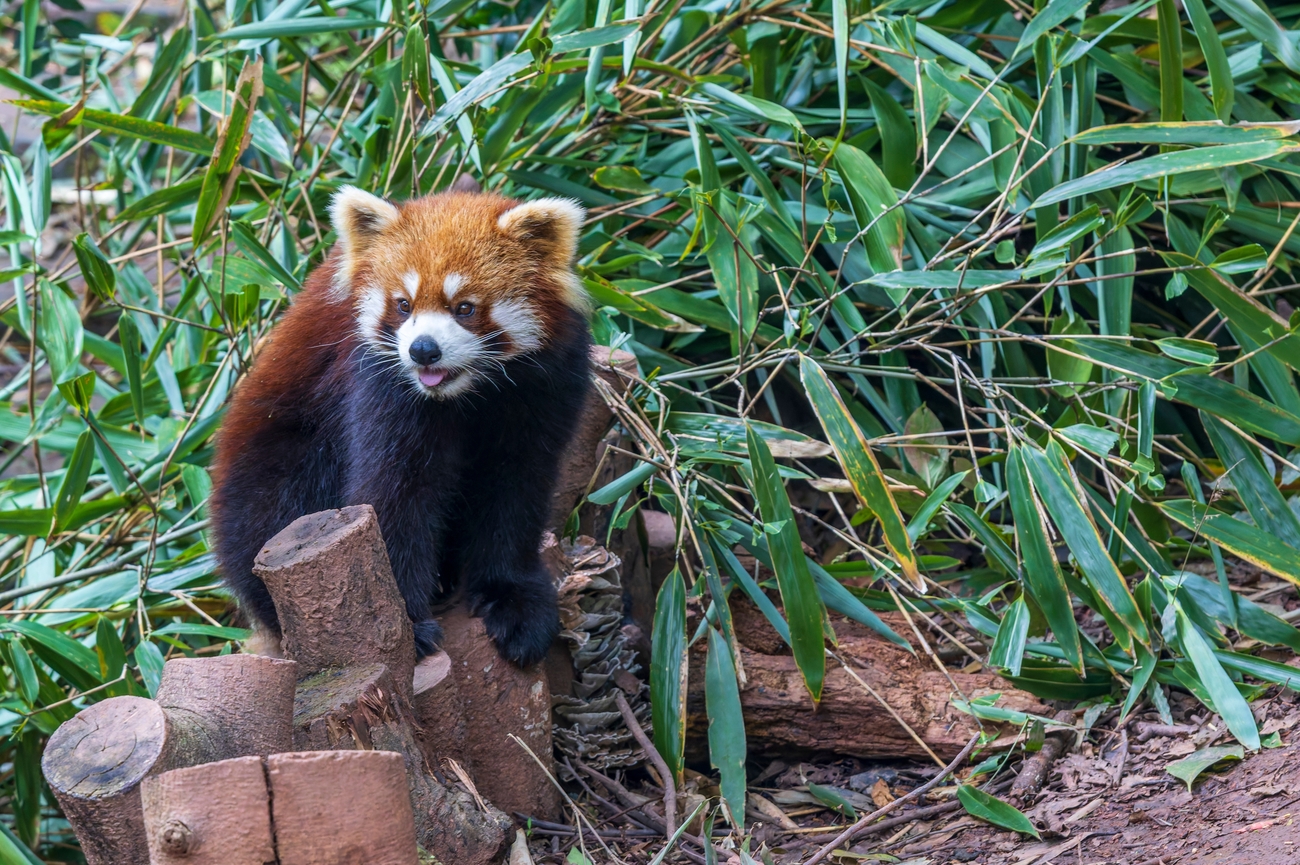
The following day focuses on one of China’s most iconic animals: the giant panda. At the Chengdu Research Base of Giant Panda Breeding, you’ll see pandas living in protected bamboo habitats while learning more about the country’s conservation efforts. Between excursions, life aboard the Golden Eagle Silk Road Express becomes part of the journey itself. Panoramic observation lounges, refined dining, cocktails, and the slow changing scenery outside create a more relaxed and immersive style of travel as the train continues westward across China.
Day 8-9 –
Xining - Dunhuang
As the train climbs onto the Qinghai Plateau, the scenery outside your window changes into wide grasslands, high-altitude landscapes, and remote frontier regions.
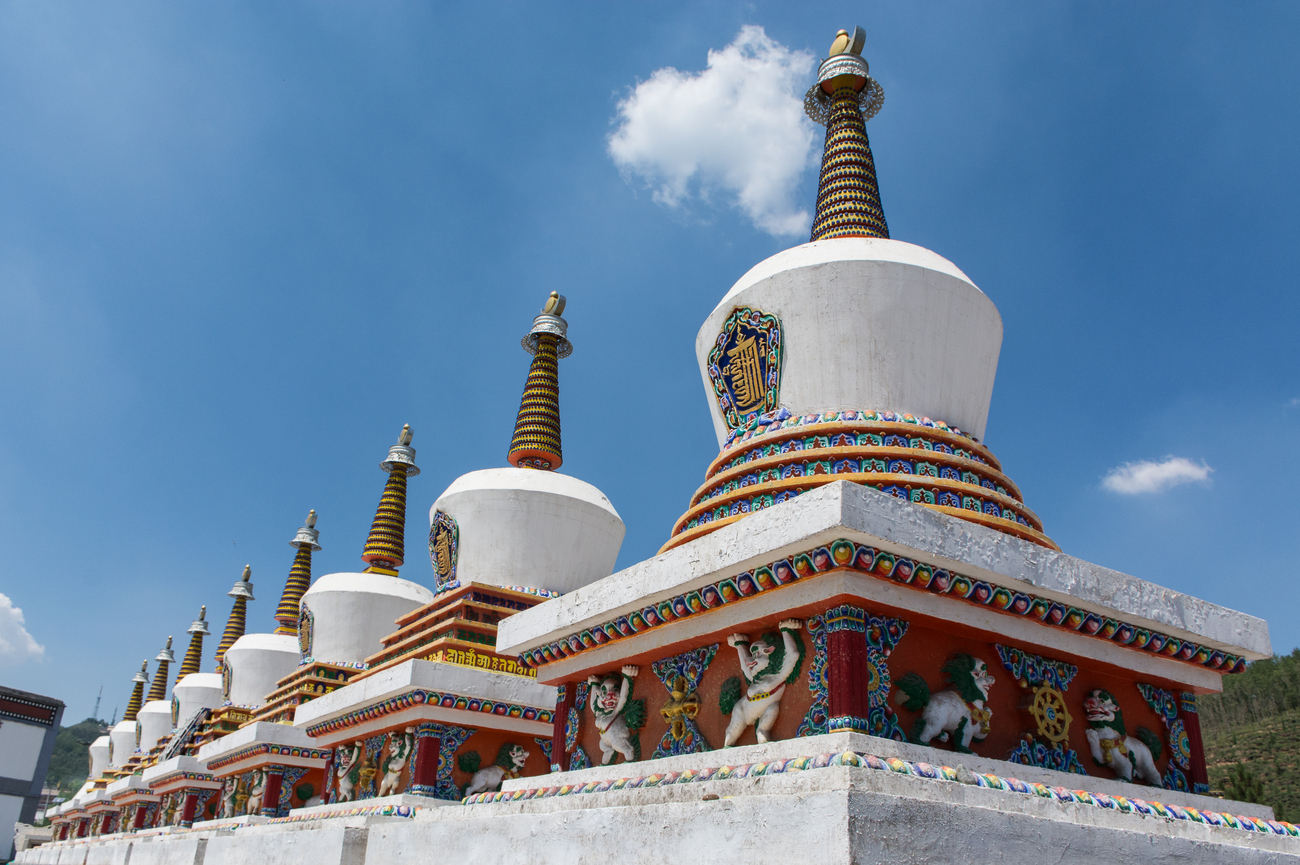
In Xining, you’ll experience Tibetan Buddhist culture at the impressive Kumbum Monastery, known for its golden rooftops, prayer halls, and intricate religious artwork. Visits to local museums and markets also offer a deeper look into Qinghai’s multicultural history and Silk Road connections.
The journey then continues to Dunhuang, one of the Silk Road’s most famous desert cities. Here, you’ll explore the UNESCO-listed Mogao Caves, where centuries of Buddhist art are preserved along the cliffs of the Gobi Desert. Camel rides across the sand dunes and visits to the peaceful Crescent Lake complete one of the most atmospheric and memorable parts of the journey.
Day 10-11
– Lhasa
The journey now shifts from a Silk Road rail expedition into one of the world’s most remarkable high-altitude train experiences aboard the Qinghai-Tibet Railway. Known as the highest railway on Earth, the route travels across vast grasslands, salt lakes, mountain passes, and remote Himalayan landscapes on the way to Tibet. As the train crosses the Tanggula Mountain Pass at more than 16,000 feet, the scenery becomes even more breathtaking and isolated, creating one of the most unforgettable rail journeys in the world.
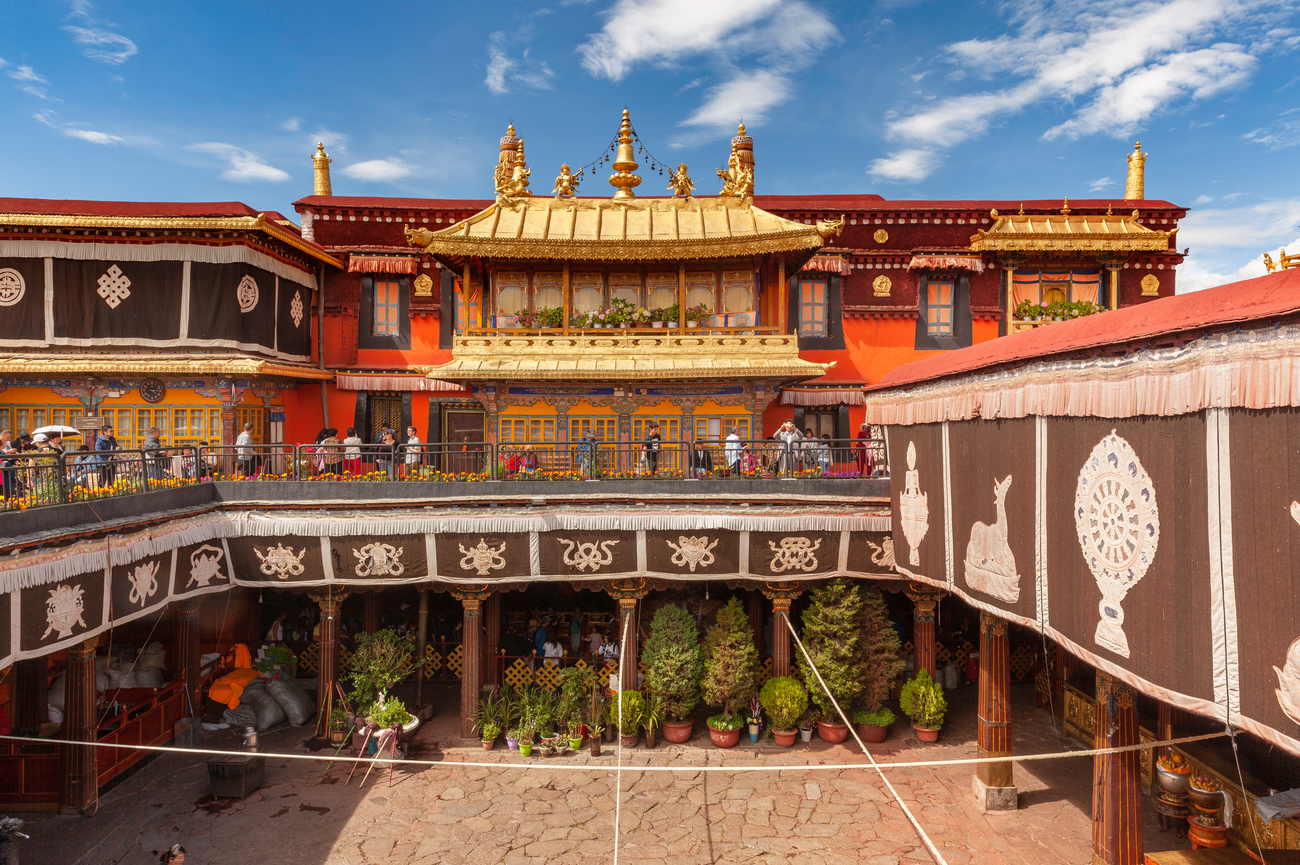
After arriving in Lhasa, you’ll settle into the luxurious St. Regis before beginning to explore Tibet’s spiritual capital. Optional visits to Jokhang Temple and Barkhor Market offer a closer look at Tibetan Buddhist life through prayer rituals, incense-filled courtyards, and lively market streets. Arriving in Lhasa reveals a completely different side of China. If you’d like to explore beyond Lhasa, the Tibet Heritage Route: Lhasa, Tsedang, Gyantse & Shigatse takes you deeper into the monasteries, fortresses, and sacred valleys of the Tibetan plateau for a more immersive journey through the region.
Day 12-13 – Lhasa
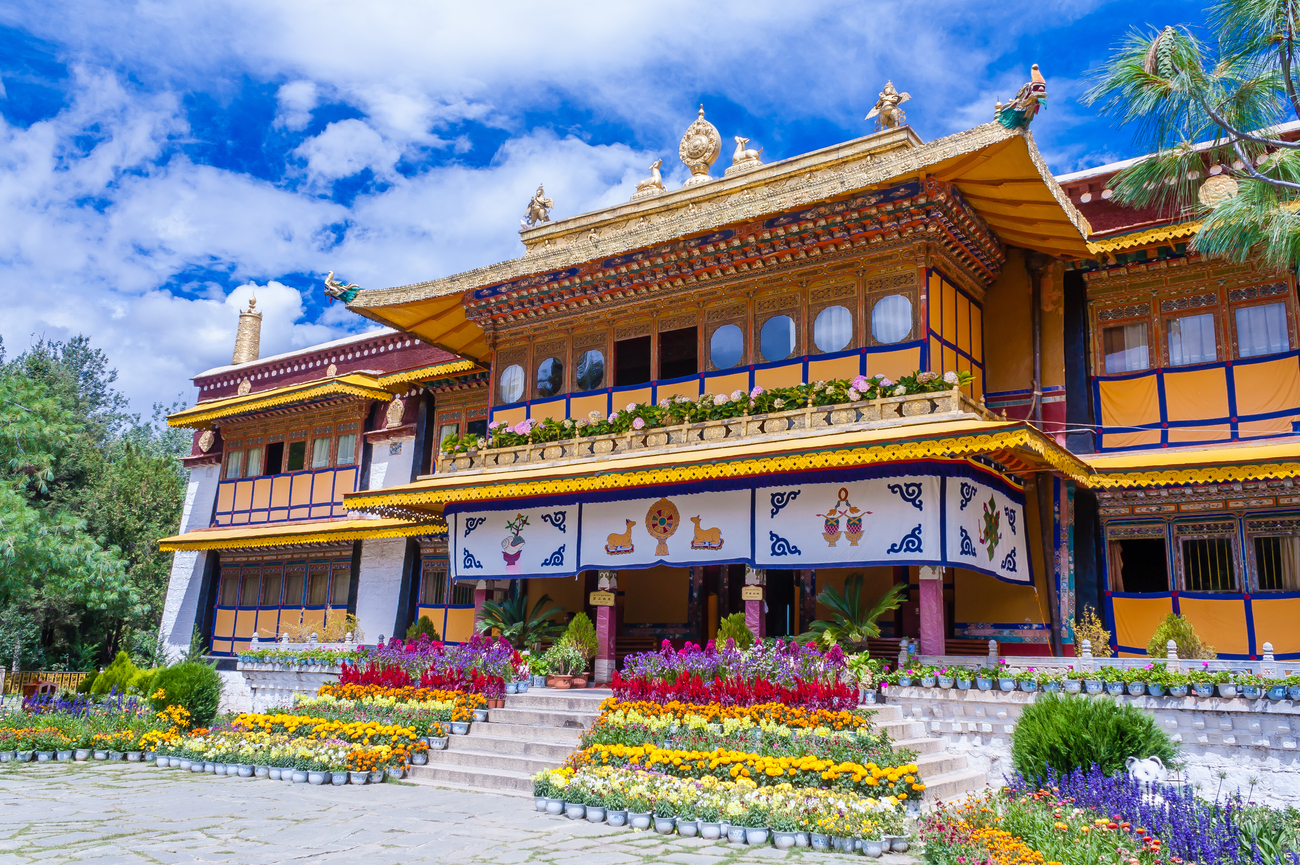
The final part of the journey focuses on Tibet’s most important spiritual and cultural landmarks. At Norbulingka, the former summer residence of the Dalai Lama, peaceful gardens and quiet courtyards offer a glimpse into Tibetan royal life and traditional artistry.
The experience then reaches its highlight at the iconic Potala Palace, whose towering red and white structure rises above the skyline of Lhasa. Inside, you’ll explore ornate chapels, sacred relics, and winding corridors that reveal centuries of Tibetan spiritual and political history. A farewell dinner in Lhasa brings the journey to a close, offering time to reflect on an extraordinary route that has crossed imperial capitals, Silk Road deserts, high mountain plateaus, and the heart of Tibet.
Where to start the Journey
Beijing
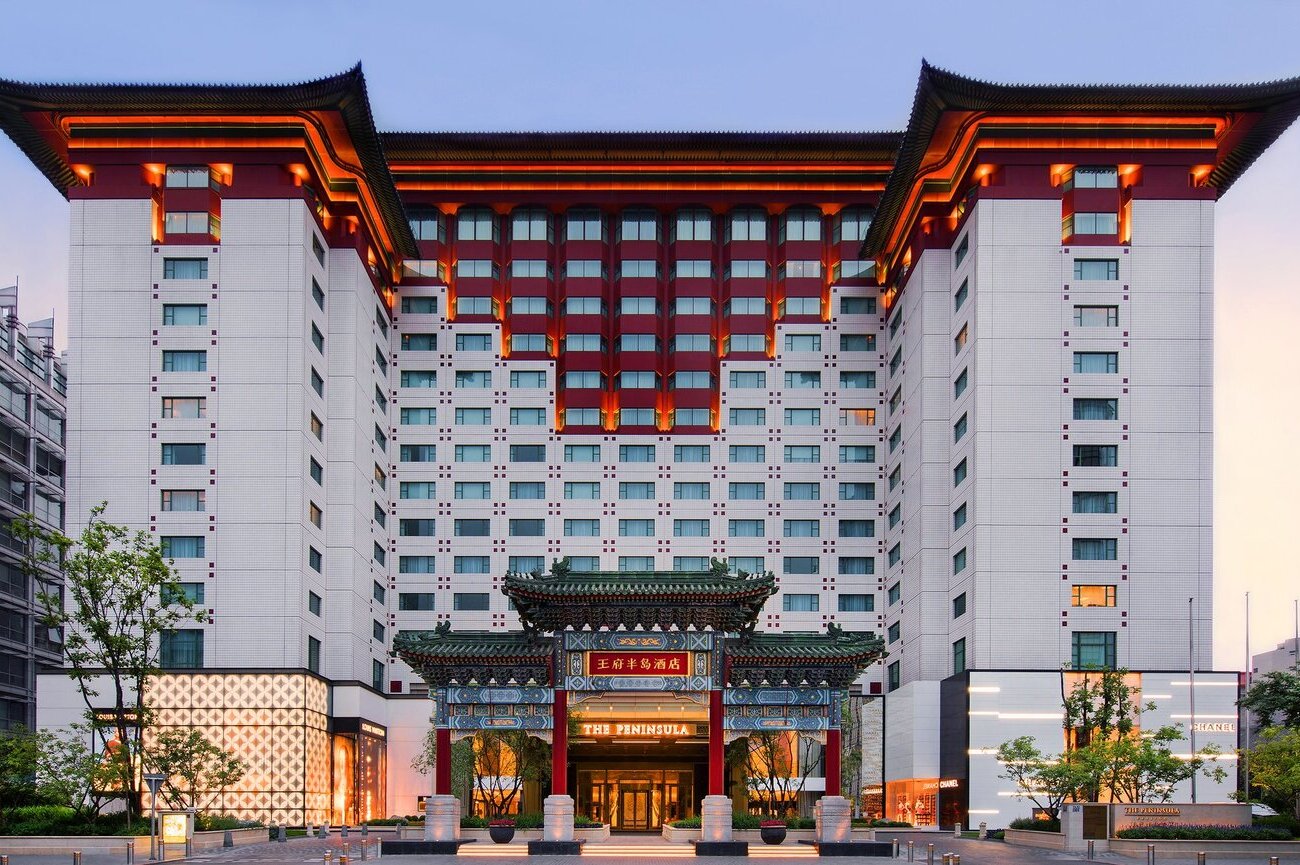
- The Peninsula Beijing: A renowned five-star hotel located on Goldfish Lane, within easy reach of Tiananmen Square and the Forbidden City. It’s known for its spacious suites, starting at around 60 to 65 square metres, with layouts inspired by the elegance and comfort of luxury yachts. Each suite is thoughtfully divided into separate living, dining, and sleeping areas, creating a private and residential feel during your stay. You can also expect generous walk-in wardrobes and dedicated dressing areas.
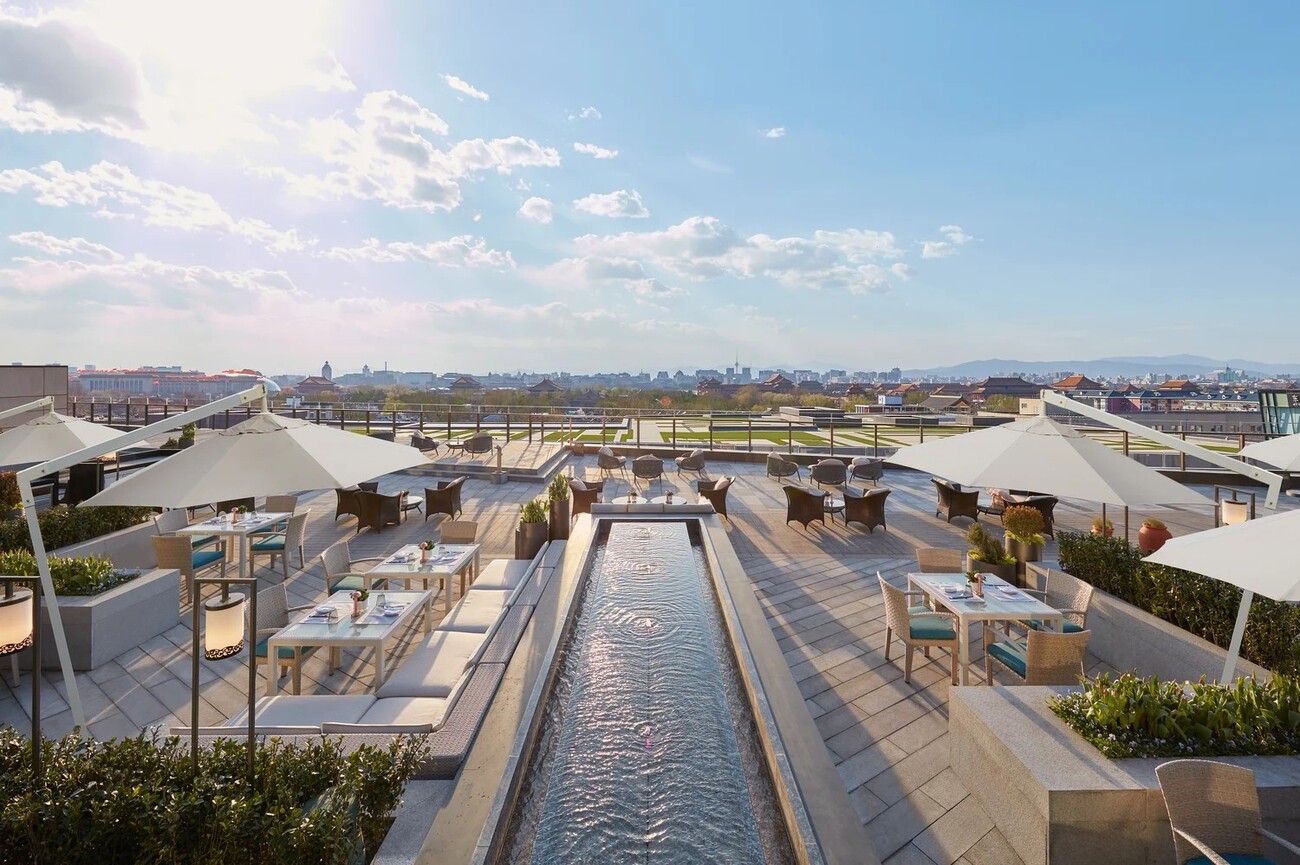
- Mandarin Oriental Wangfujing Beijing: Sits above the luxury WF Central shopping complex in the heart of the city. Its location places you close to some of Beijing’s most important landmarks, including the Forbidden City and Wangfujing district. Many of the spacious rooms and suites feature floor to ceiling windows with impressive sunset views overlooking the rooftops of the Forbidden City. The interiors combine a bright, modern residential feel with subtle touches inspired by China’s imperial history. Inside, you can expect four poster beds with premium bedding, marble bathrooms with heated floors, and luxury details such as Diptyque toiletries and Dyson hairdryers, creating a stay that feels both elegant and comfortable.
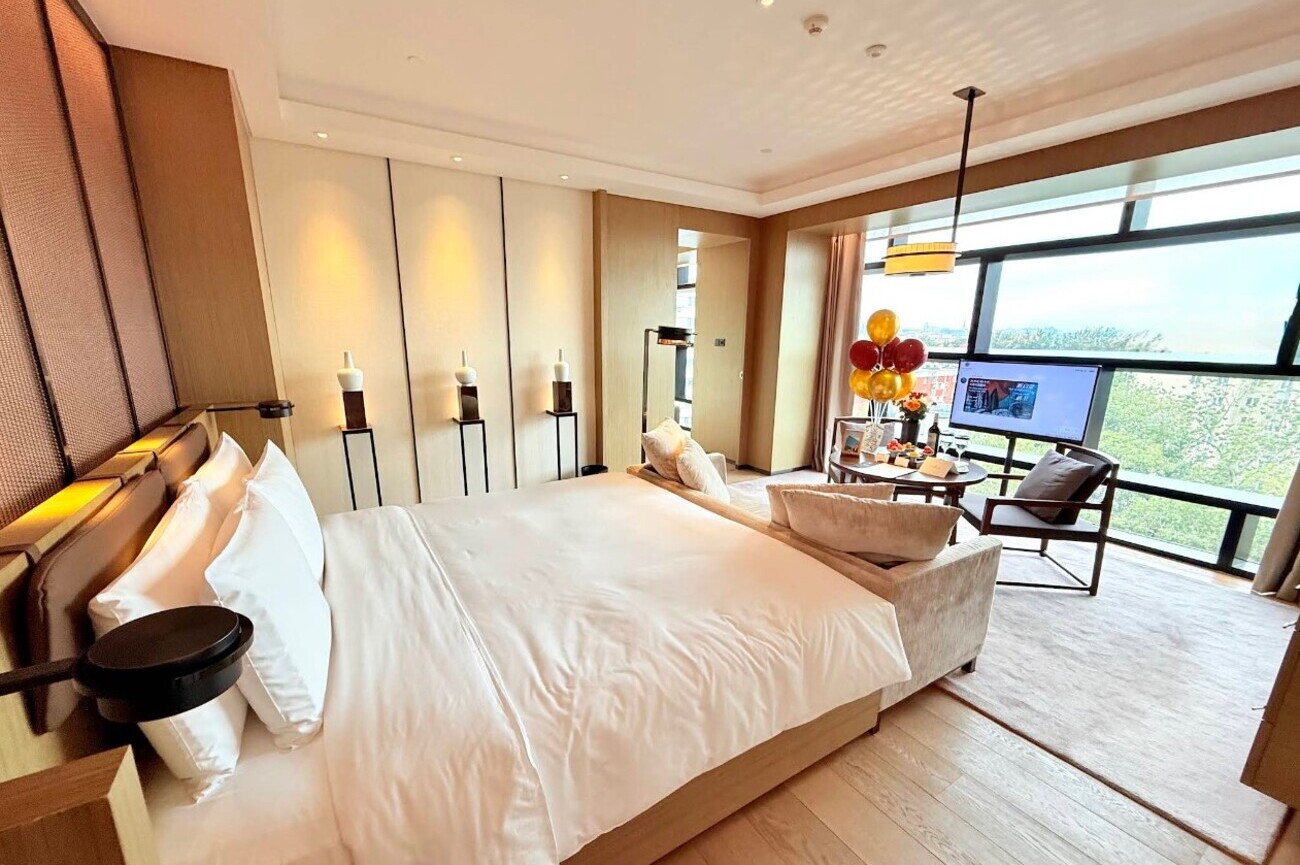
- The PuXuan Hotel and Spa: A modernist, architectural gem designed by acclaimed architect Ole Scheeren. Located near the National Art Museum of China and close to Wangfujing, it places you in the cultural heart of Beijing. The hotel is known for its calm, minimalist design, with rooms featuring handcrafted wood details, natural textures, and a peaceful “urban sanctuary” atmosphere. Many rooms also offer floor-to-ceiling views of the Forbidden City, which you can enjoy directly from your bed or bathtub. One of the hotel’s standout features is its flexible 24-hour check-in and check-out policy, allowing you to enjoy a full stay based on your arrival time rather than a fixed schedule. For travelers boarding the Golden Eagle Silk Road Express, the hotel can also arrange smooth limousine transfers from the hotel directly to Beijing Station.
Tashkent
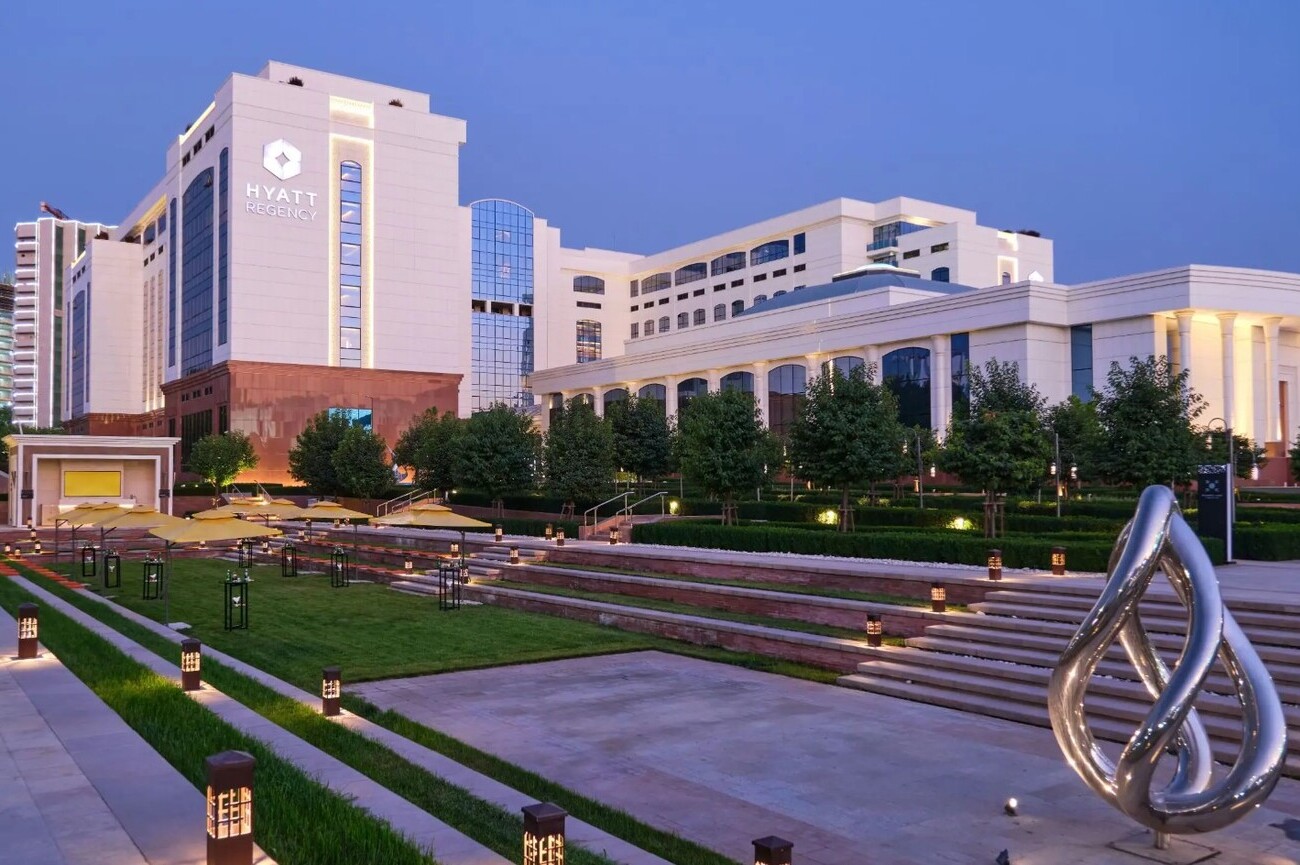
- Hyatt Regency Tashkent: One of Central Asia’s leading luxury hotels, combining modern design with warm Uzbek hospitality. The rooms and suites are spacious and elegant, featuring floor-to-ceiling windows with views of the city, gardens, and nearby landmarks. Inside, you can expect large comfortable beds, marble bathrooms with deep soaking tubs and rainfall showers, along with premium amenities such as L’Occitane toiletries. The hotel also serves as an official pre- and post-journey base for Golden Eagle Luxury Trains, making it especially convenient for rail travelers. Located around 15 minutes from Tashkent Northern Railway Station, the hotel works closely with the train staff to coordinate luggage transfers directly from your room to your cabin onboard. This allows you to enjoy a smooth and stress free transition from the hotel to the train before beginning your Silk Road journey
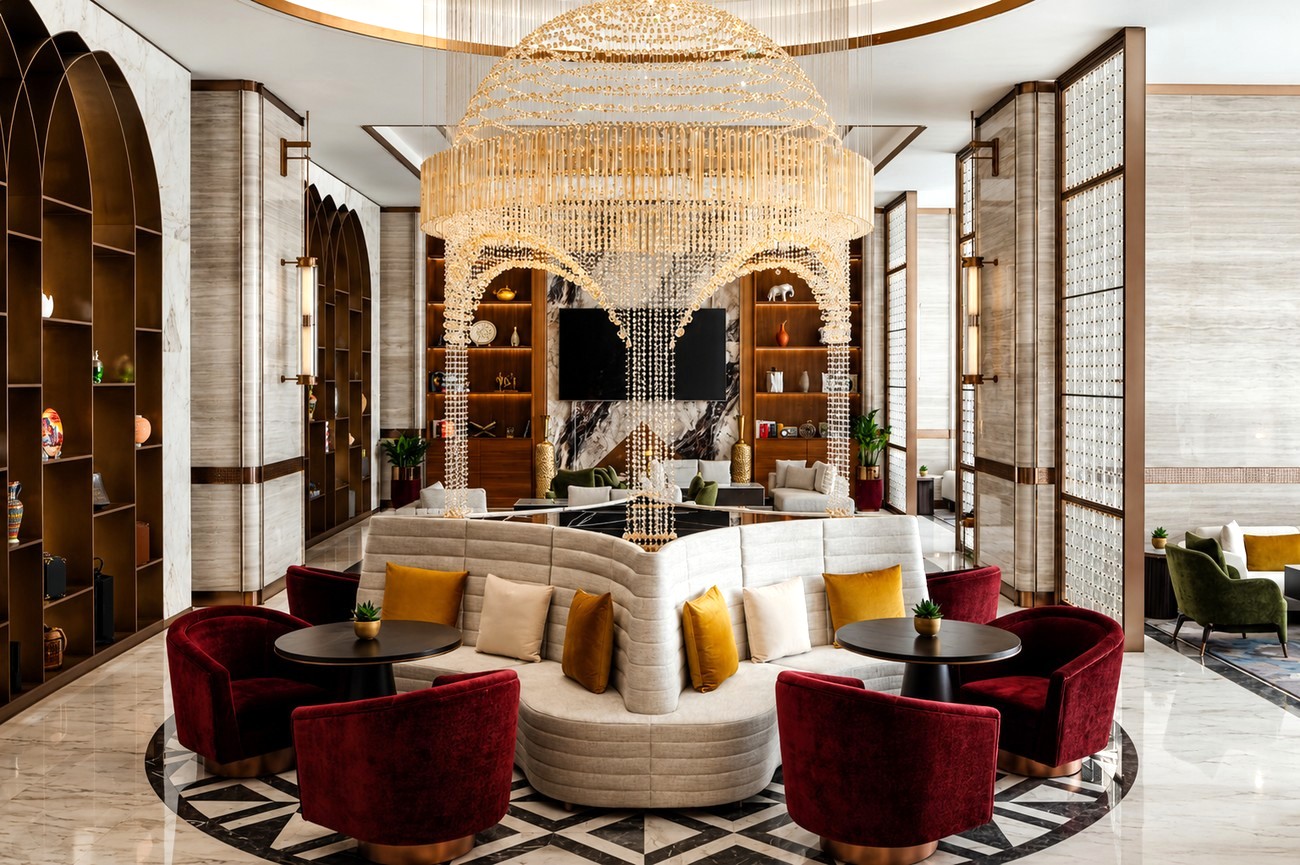
- JW Marriott Tashkent: Connected directly to Tashkent City Mall, one of the city’s main shopping and lifestyle destinations. As the first JW Marriott property in Central Asia, it offers a calm and refined retreat in the heart of the capital. The rooms are spacious and elegantly designed, with many higher-floor rooms offering panoramic views over Tashkent City Park and its evening fountain shows through large floor-to-ceiling windows. You can also expect marble bathrooms, deep soaking tubs, plush beds, and thoughtfully designed interiors that make the stay feel comfortable and sophisticated. Located around 15 minutes from Tashkent Northern Railway Station, the hotel is also well suited for travelers joining the Golden Eagle train journey. The concierge and guest service teams work directly with the train staff to help coordinate smooth luggage transfers and private station transportation for a more seamless travel experience.
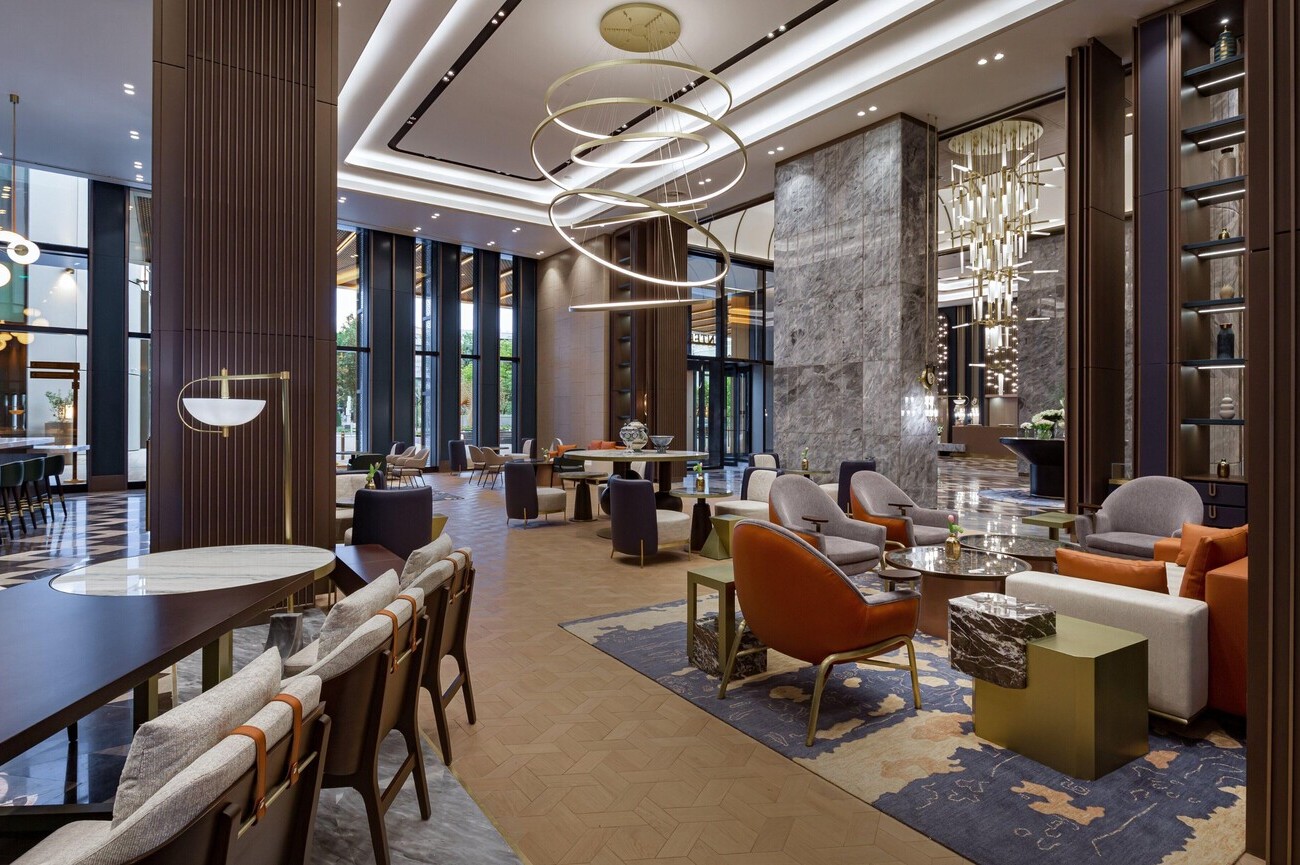
- InterContinental Tashkent by IHG: Located near Amir Temur Square within the prestigious Trilliant Business Park complex. The rooms and suites combine modern minimalist design with elegant details inspired by traditional Uzbek silk patterns and tilework. Large floor-to-ceiling windows bring in plenty of natural light while offering wide views across the Tashkent skyline. One of the hotel’s highlights is the expansive E’quilibrium Wellness Club and Spa, which occupies two full floors and provides a relaxing space to unwind before or after your journey. The hotel is also conveniently located around 10 to 12 minutes from Tashkent Northern Railway Station, making transfers to the Golden Eagle train smooth and convenient.
Urumqi
- Conrad Urumqi: Designed to reflect the region’s role as a crossroads along the ancient Silk Road through a modern and sophisticated style. Here, you’ll arrive through the Sky Lobby on the 37th floor, where large windows and elegant design details create impressive views over the city. The rooms are spacious and richly designed with jewel-toned fabrics, subtle Chinese-inspired details, and natural textures that give the hotel a warm and refined atmosphere. Guests especially praise the comfortable beds and luxurious marble bathrooms, which feature deep soaking tubs, plush robes, and premium bath amenities. To welcome you to Xinjiang, the hotel also offers thoughtful local touches at check-in, including dried fruits, specialty nuts, and the signature Conrad souvenir bear.
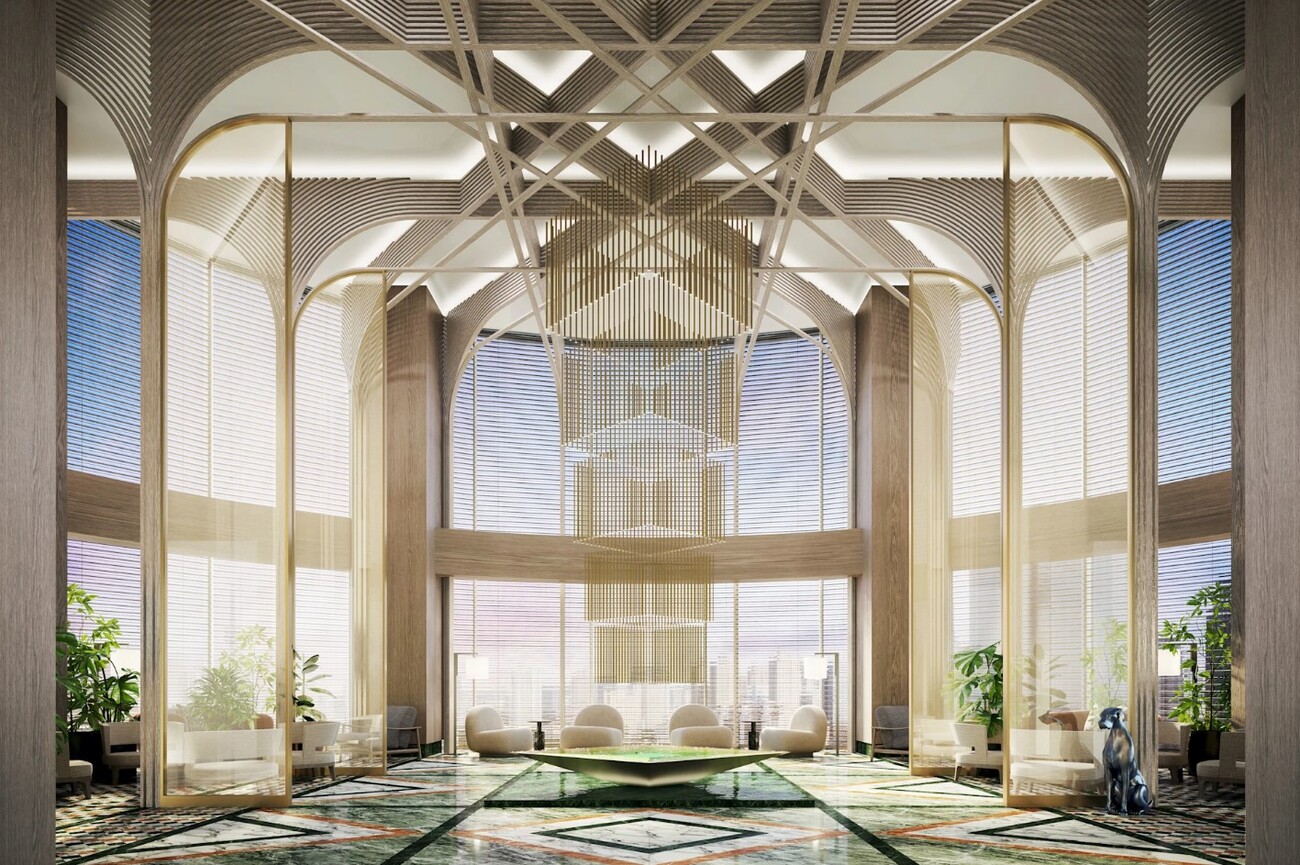
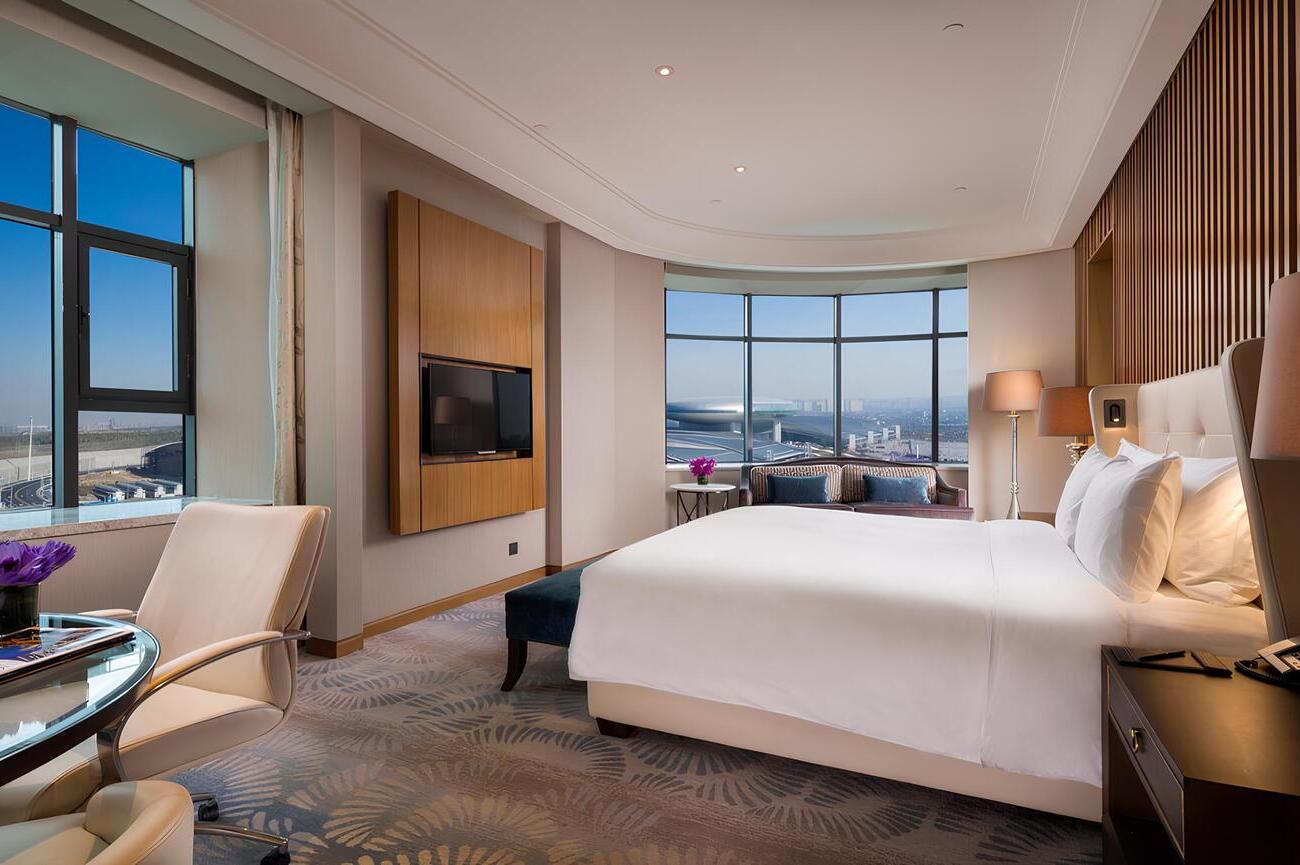
- Hilton Urumqi: Features a combination of modern international comfort with subtle local design touches, creating a relaxing and convenient base in Xinjiang’s capital. The hotel features spacious guest rooms and suites, each designed with comfortable seating areas, workspaces, and plush king or twin beds. The bathrooms are equally generous, with deep soaking tubs, separate walk-in showers, bathrobes, and slippers that help create a more spa-like atmosphere. For travelers joining longer rail itineraries such as the Ancient China Journey or the Grand Silk Road voyage, Urumqi often serves as either the starting point or final destination of the experience, making the hotel a comfortable place to rest before or after the journey.
Xi’an
- Sofitel Legend Peoples Grand Hotel Xi’an: Located within Xi’an’s ancient city walls, it’s one of the city’s most prestigious luxury hotels. Set inside the historic Renmin Dasha complex dating back to 1953, the hotel combines old-world elegance with modern comfort. The spacious suites are designed to feel refined and relaxing, featuring Sofitel’s signature beds with premium linens, goose-down duvets, silk robes, and elegant bathrooms stocked with Hermès toiletries. One of the hotel’s standout features is its personalised butler service. Every guest is assigned a dedicated 24-hour Majordome who can assist with everything from unpacking luggage to arranging customised room services and extra comforts after long flights or train journeys. The hotel is also conveniently located just a short drive from Xi’an Railway Station, making transfers to and from the Golden Eagle Silk Road Express smooth and stress-free.
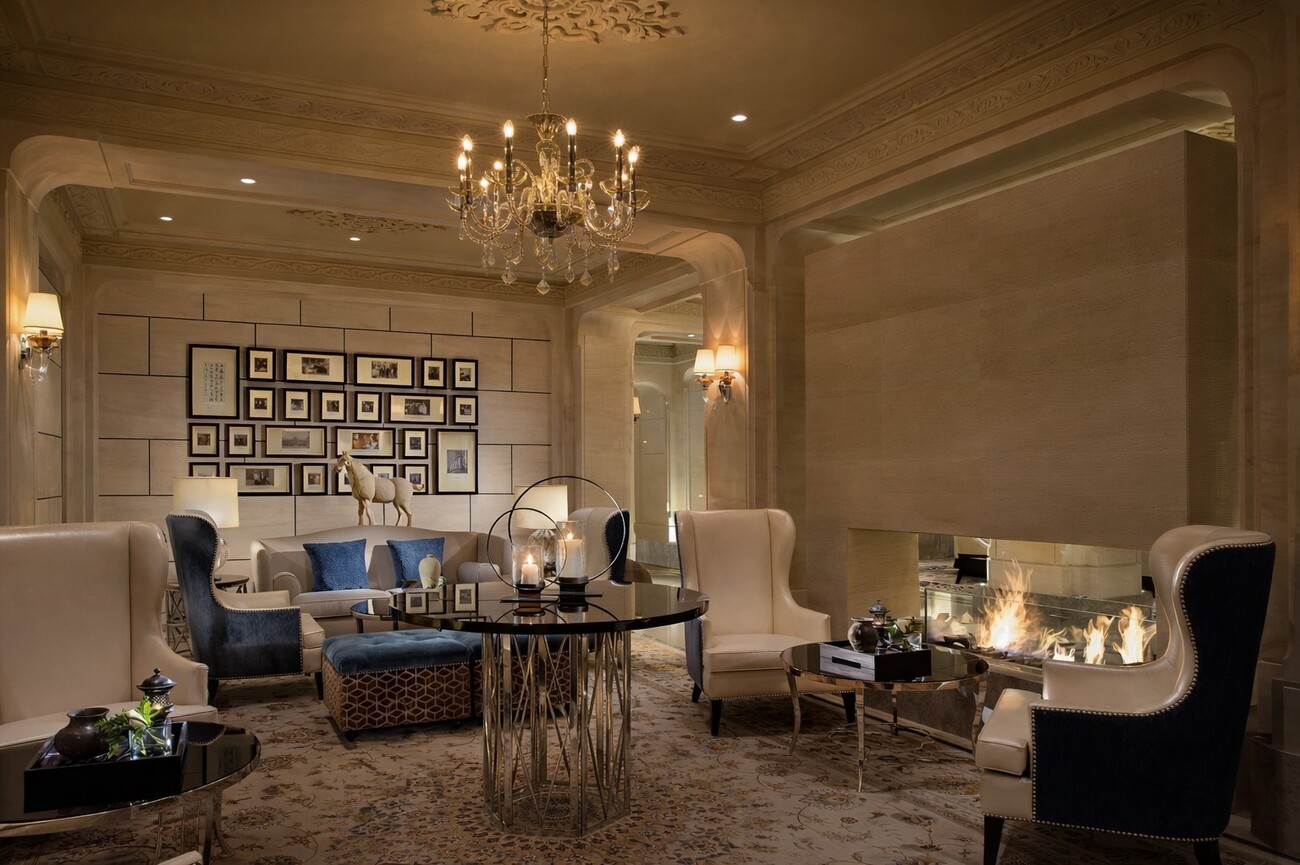
- Hualuxe Xi’an Tanghua: Nestled in the heart of Xi’an’s cultural Qujiang district, masterfully designed by renowned architect Zhang Jinqiu, the property blends traditional Chinese architecture with peaceful garden landscapes, creating a calm and atmospheric retreat in the city. The rooms and suites feature classic Chinese-inspired interiors with modern comforts, including tea sets with loose-leaf teas, walk-in wardrobes, pillow menus, and marble bathrooms with premium amenities such as Dyson hairdryers. Some upgraded rooms also offer direct views of the nearby Giant Wild Goose Pagoda.
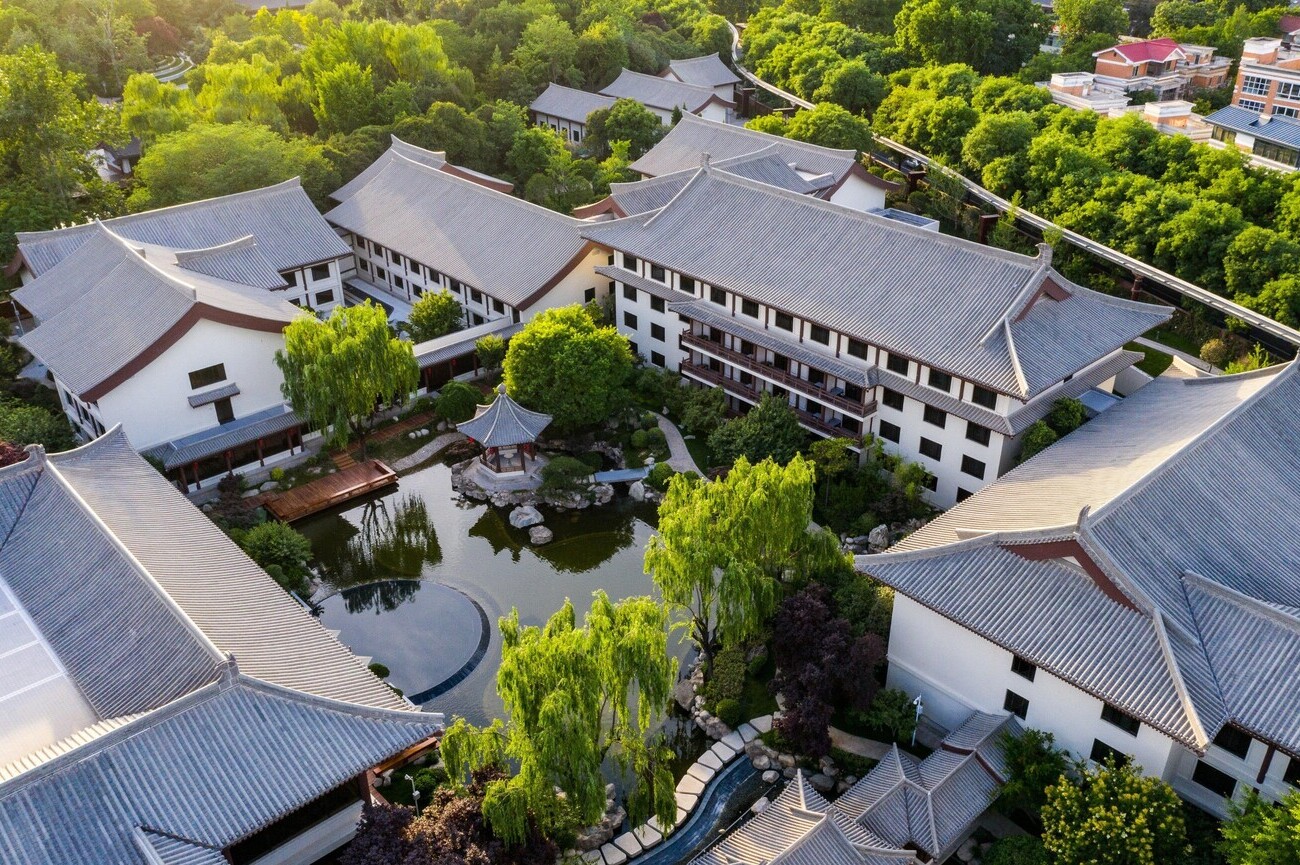
- The Ritz-Carlton Xi’an: Known as one of the city’s leading luxury hotels, offering highly attentive service and a calm, refined atmosphere in the heart of Xi’an. The rooms are spacious and elegantly designed, featuring curated artwork, plush beds, soundproofed interiors, and large marble bathrooms with soaking tubs, rain showers, and double vanities. Every detail is designed to create a comfortable and restful stay while exploring the city. The hotel is also conveniently located around 20 minutes from Xi’an’s main railway stations.
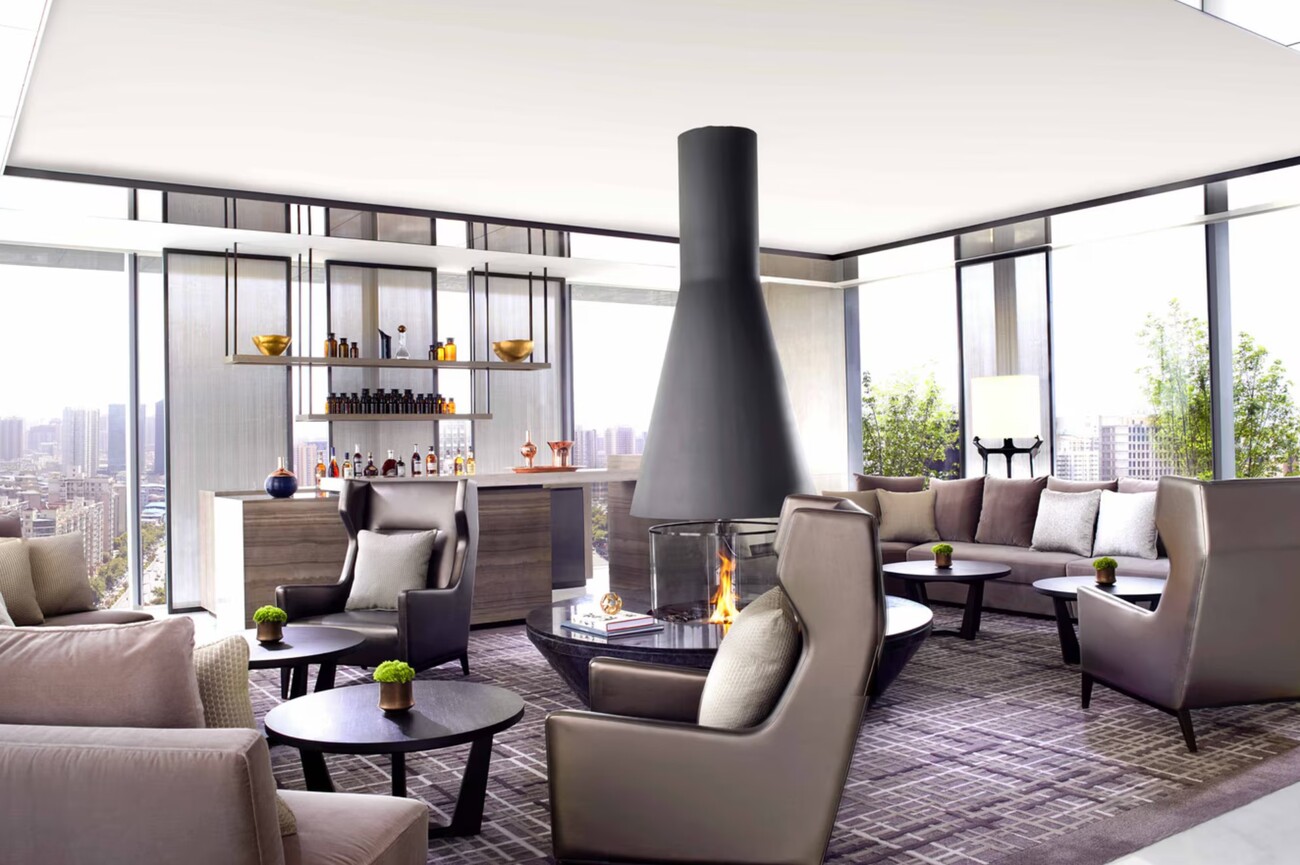
Hong Kong
- The Peninsula Hong Kong: One of Hong Kong’s most iconic luxury hotels, first opened in 1928 and long regarded as the “Grande Dame of the Far East.” The rooms and suites are designed with the refined practicality of luxury yachts, featuring elegant interiors, marble bathrooms, and deep soaking bathtubs for a more relaxing stay. Modern technology is seamlessly integrated throughout the rooms, with bedside touch panels allowing you to control lighting, temperature, and other room features with ease. Located close to West Kowloon Station, the hotel is especially convenient for travelers joining the Golden Eagle rail journey.
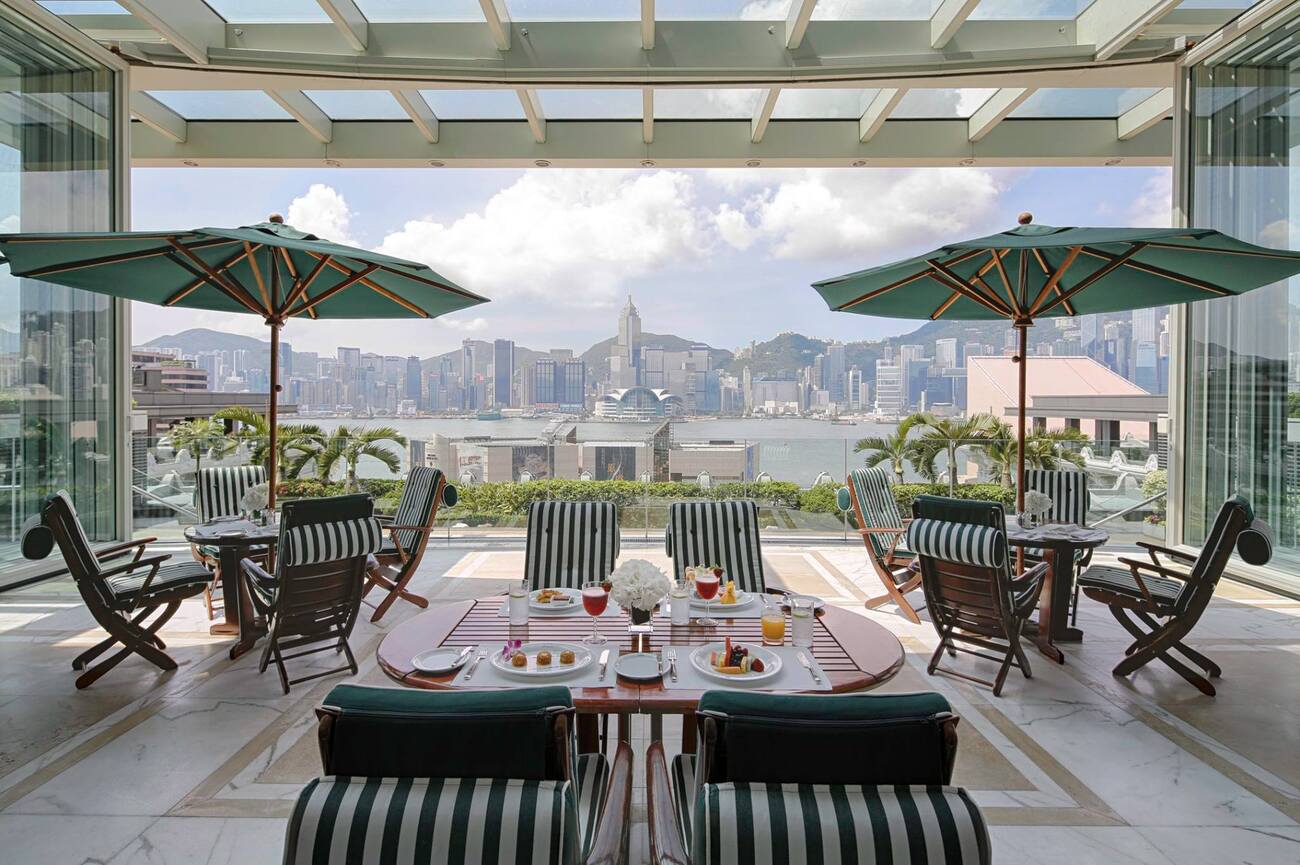
- Rosewood Hong Kong: A towering, 65-story landmark located along the Tsim Sha Tsui waterfront in Kowloon, at the heart of the Victoria Dockside arts and cultural district. Widely regarded as one of the world’s leading hotels, it combines contemporary design with the warm atmosphere of a private residence. The rooms are among the most spacious in Hong Kong, with many featuring floor-to-ceiling windows overlooking Victoria Harbour and the Hong Kong skyline. Interiors include curated artwork, elegant marble bathrooms, deep soaking bathtubs, and twin vanities designed for comfort and relaxation. Located just a short drive from West Kowloon Station, the hotel is especially convenient for travelers joining the Golden Eagle rail journey.
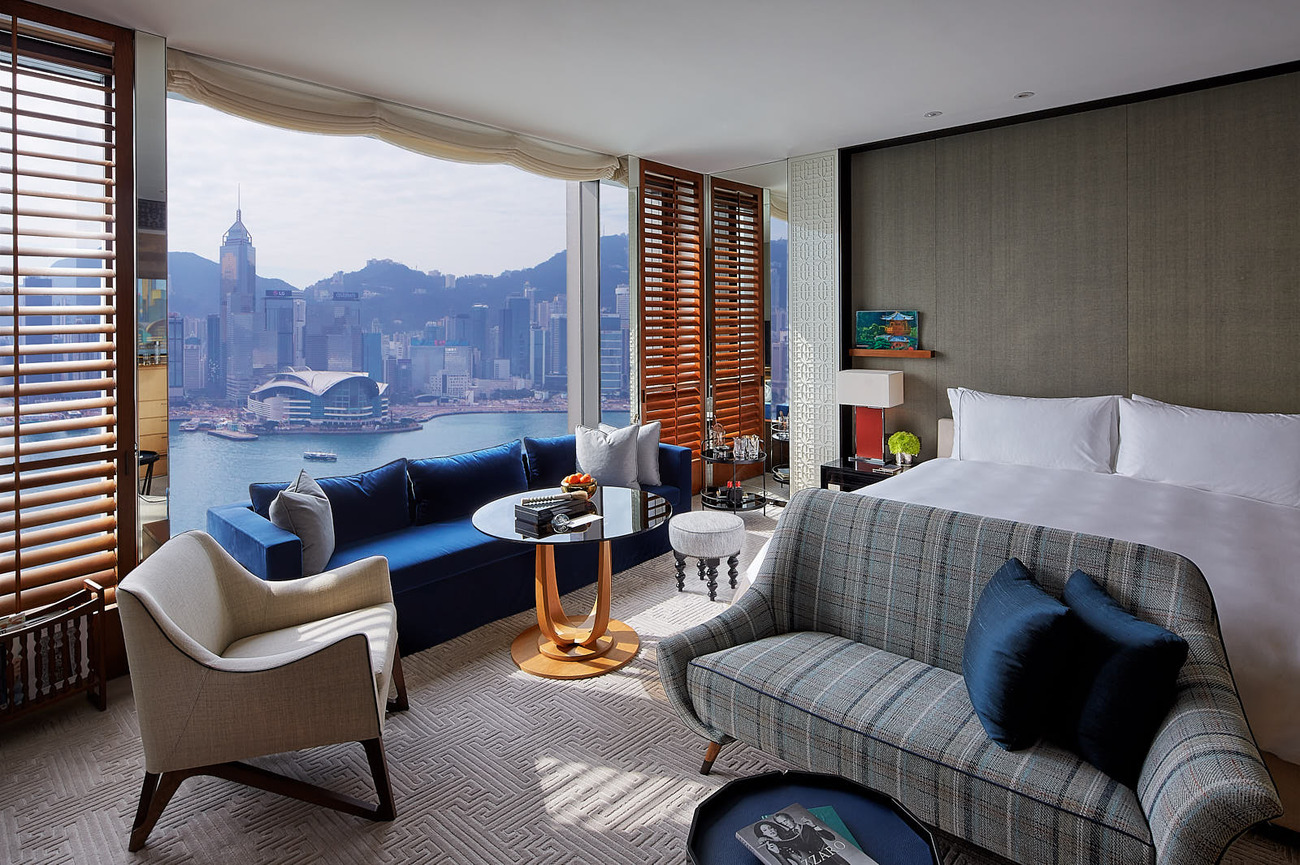
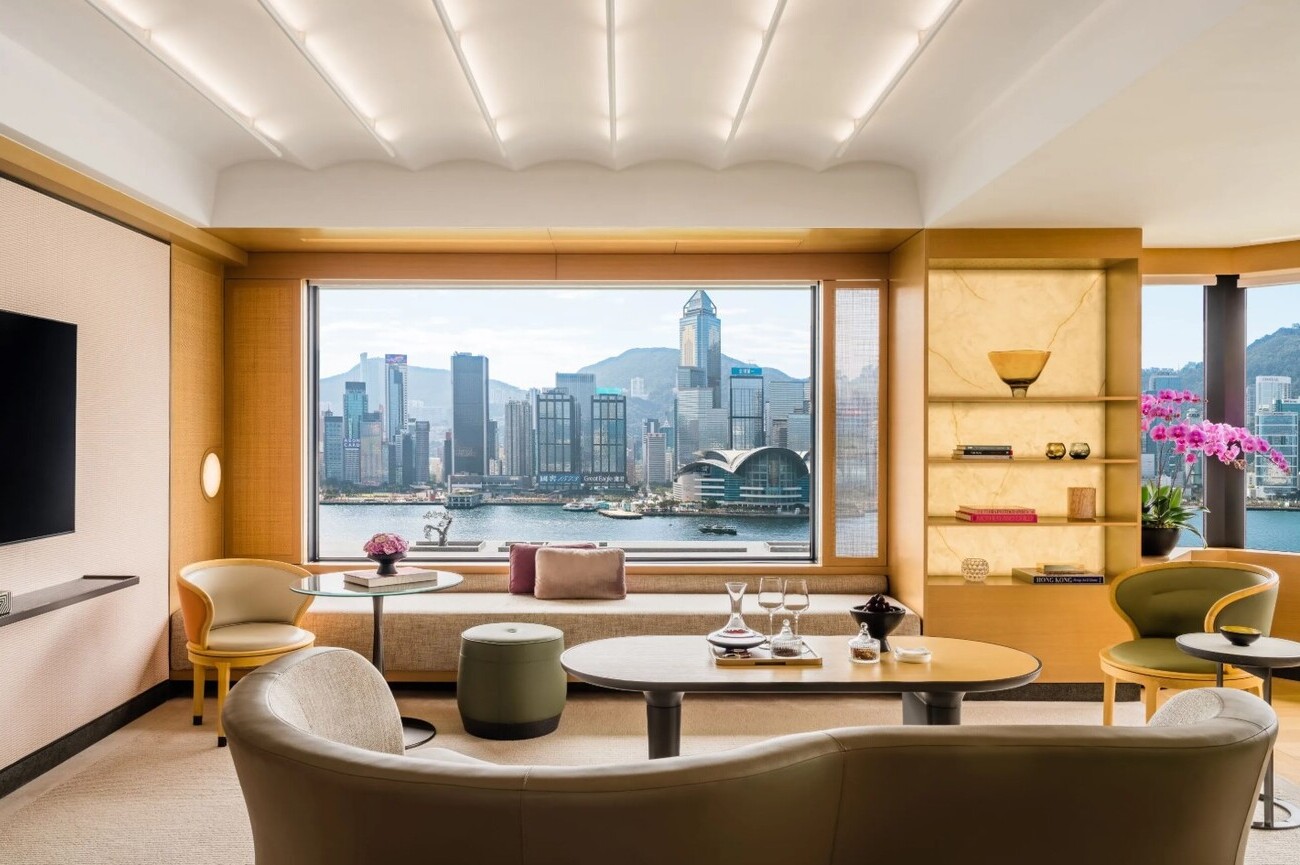
- Regent Hong Kong: located right on the edge of the Tsim Sha Tsui waterfront in Kowloon. Originally opened in 1980, the property recently completed the most extensive, multi-year transformation in its history. Reimagined by visionary Hong Kong-born architect Chi Wing Lo, the building balances majestic, discreet Asian minimalism with a premier harborfront location. The hotel stands practically on top of the water, offering completely uninterrupted views of Victoria Harbour and the glittering Hong Kong Island skyline.
Lhasa
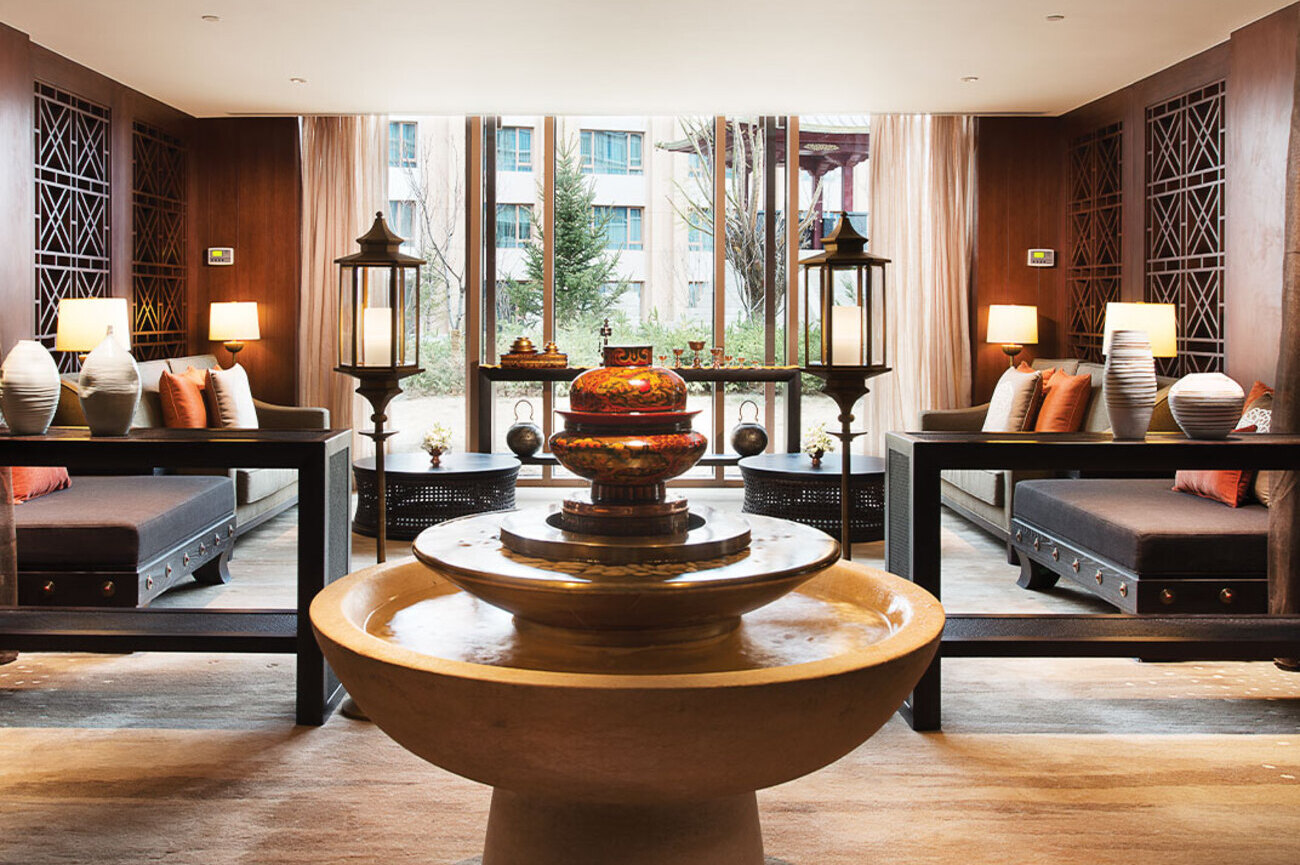
- The St. Regis Lhasa Resort: One of the world’s highest luxury hotels, designed to reflect the beauty and atmosphere of traditional Tibetan architecture. Low-rise buildings, dark wood interiors, stone details, and red pillars give the resort a strong connection to local culture while maintaining the refined service the St. Regis brand is known for. Many rooms and suites feature large windows with direct views of the iconic Potala Palace rising above Lhasa. To help you adjust to Tibet’s high altitude, rooms are also equipped with oxygen support systems and humidifiers for a more comfortable and restful stay. Located around 15 to 20 minutes from Lhasa Railway Station, the resort is well suited for travelers continuing their rail journey.
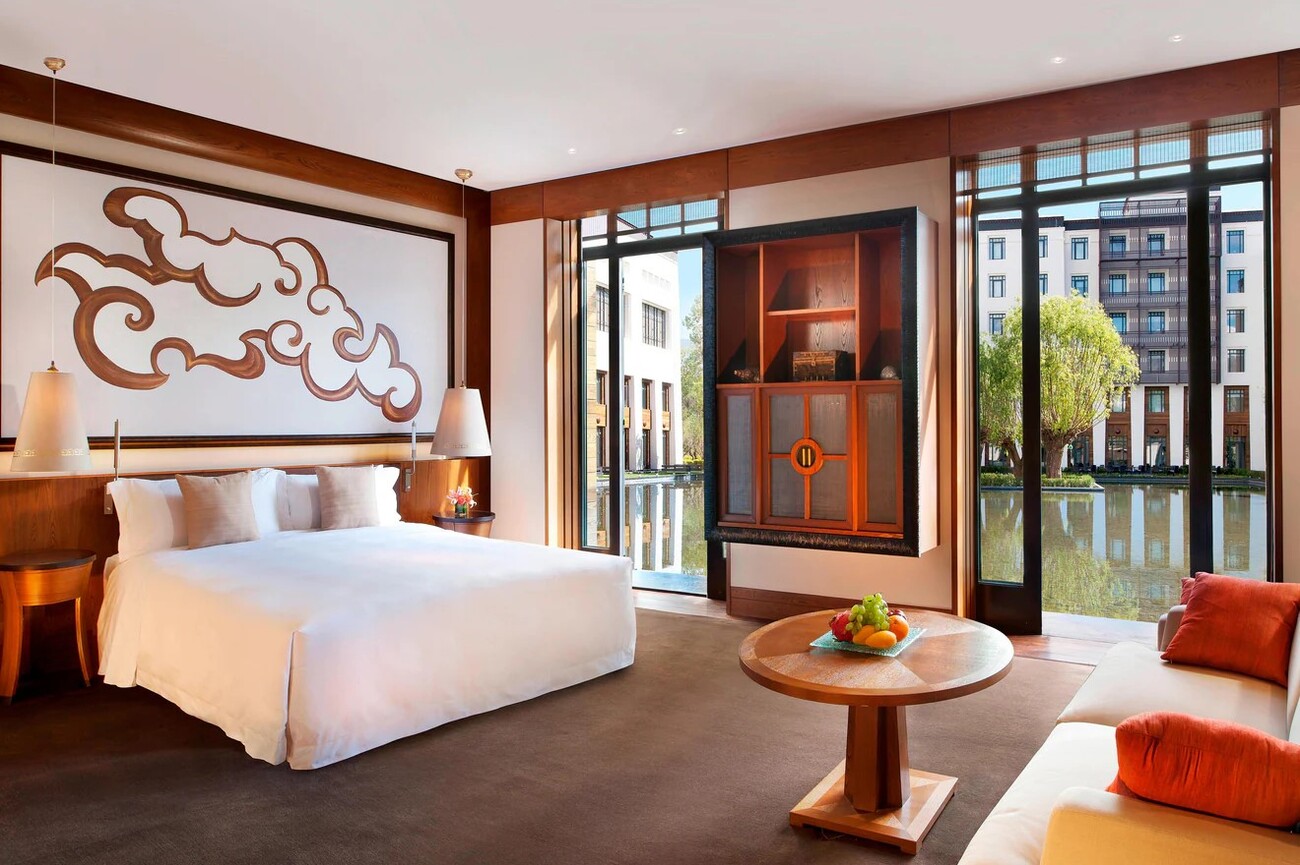
- Shangri-La Lhasa: Situated just a 7-minute drive from the iconic Potala Palace and Norbulingka (the traditional summer palace of the Dalai Lamas), Shangri-La Lhasa offers a refined and comfortable base in the heart of Tibet’s capital. The hotel’s design draws heavily from traditional Tibetan culture, with architectural details inspired by Tibetan pavilions, locally woven fabrics, and chandeliers designed to resemble prayer wheels. The atmosphere feels elegant and connected to the region’s heritage. The rooms are spacious and designed for relaxation, while the Horizon Club Potala View rooms feature floor-to-ceiling windows overlooking the Potala Palace across the Lhasa valley. Because Lhasa sits at a high altitude, the hotel also provides a dedicated 24-hour oxygen lounge where you can rest, enjoy herbal tea, and acclimate more comfortably to the thinner mountain air.
Where to eat along the Journey
Where to eat in Beijing
- Xin Rong Ji: Holds the prestigious distinction of three MICHELIN stars. The restaurant is known for its refined seafood-focused cuisine, using exceptionally fresh ingredients sourced daily from the East China Sea. The cooking style is intentionally simple and precise, allowing the natural flavours of the ingredients to stand out rather than relying on heavy seasoning. One of the restaurant’s signature dishes is the braised wild yellow croaker served with handmade rice cakes. The fish is slow cooked until tender and paired with rich savoury sauce and chewy rice cakes that absorb the flavours beautifully. Another standout is the deep fried hairtail fish, known for its crisp golden exterior and surprisingly delicate, juicy texture inside.
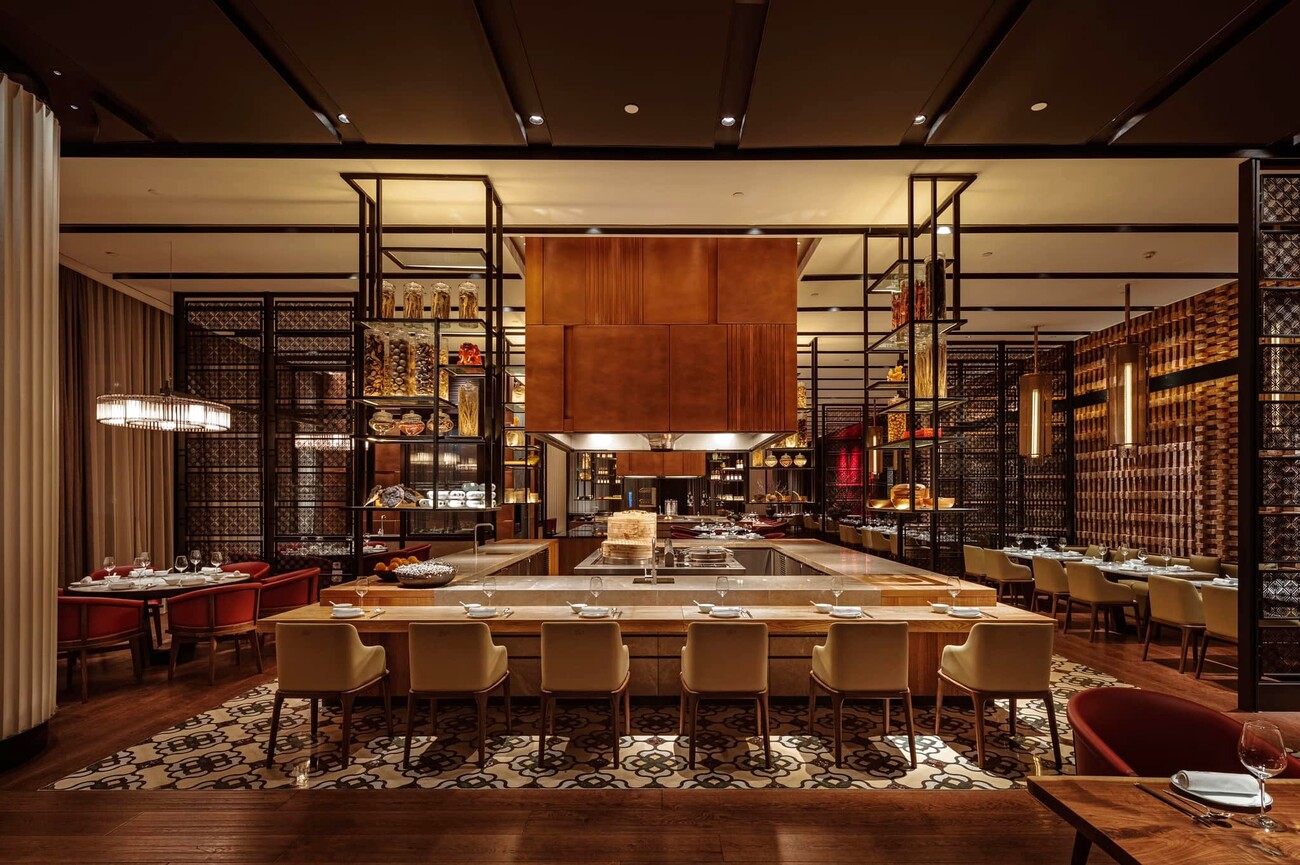
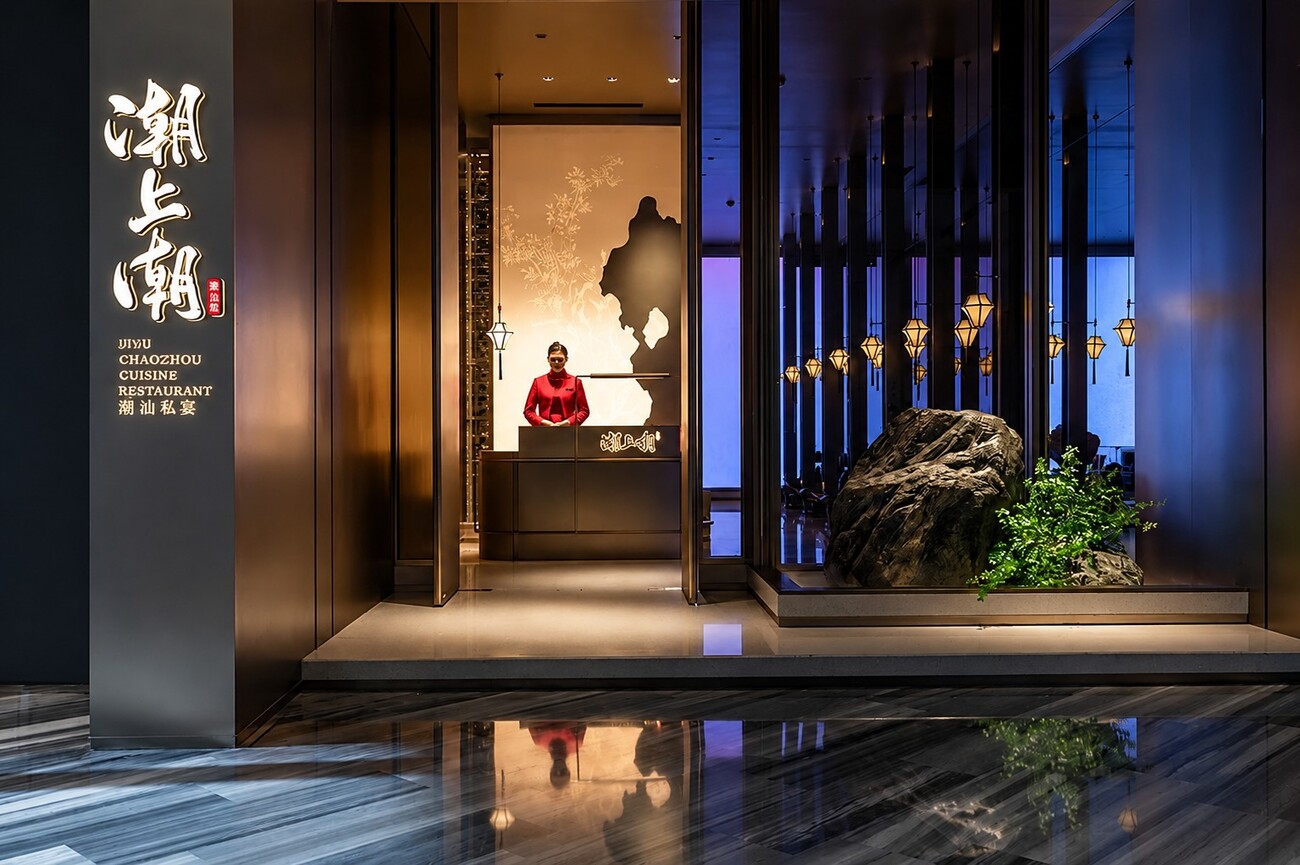
- Chao Shang Chao: Located in Beijing’s Central Business District near the CCTV Headquarters, it’s one of the city’s most respected fine dining restaurants, known for its refined interpretation of Teochew cuisine. Led by acclaimed Chef Cheung, the restaurant focuses on delicate flavours, precise cooking techniques, and beautifully balanced dishes that highlight the elegance of Chaoshan culinary traditions. One of the signature dishes is the braised fish maw with 30 year aged dried radish. The fish maw is slowly simmered until soft and rich in texture, absorbing the deep savoury and slightly sweet flavours of the aged radish.
- King’s Joy: Hidden within a traditional hutong beside Beijing’s famous Lama Temple, King’s Joy is one of the world’s most celebrated plant-based fine dining restaurants, holding two MICHELIN stars and a MICHELIN Green Star. Set inside a beautifully restored courtyard estate, the restaurant combines traditional Chinese architecture with a calm, modern atmosphere filled with natural light and quiet elegance. King’s Joy serves carefully crafted multi-course vegetarian tasting menus, with 100% vegan options also available upon request. The dishes are highly artistic and seasonal, showing how plant based cuisine can be both refined and deeply connected to Chinese culinary traditions.
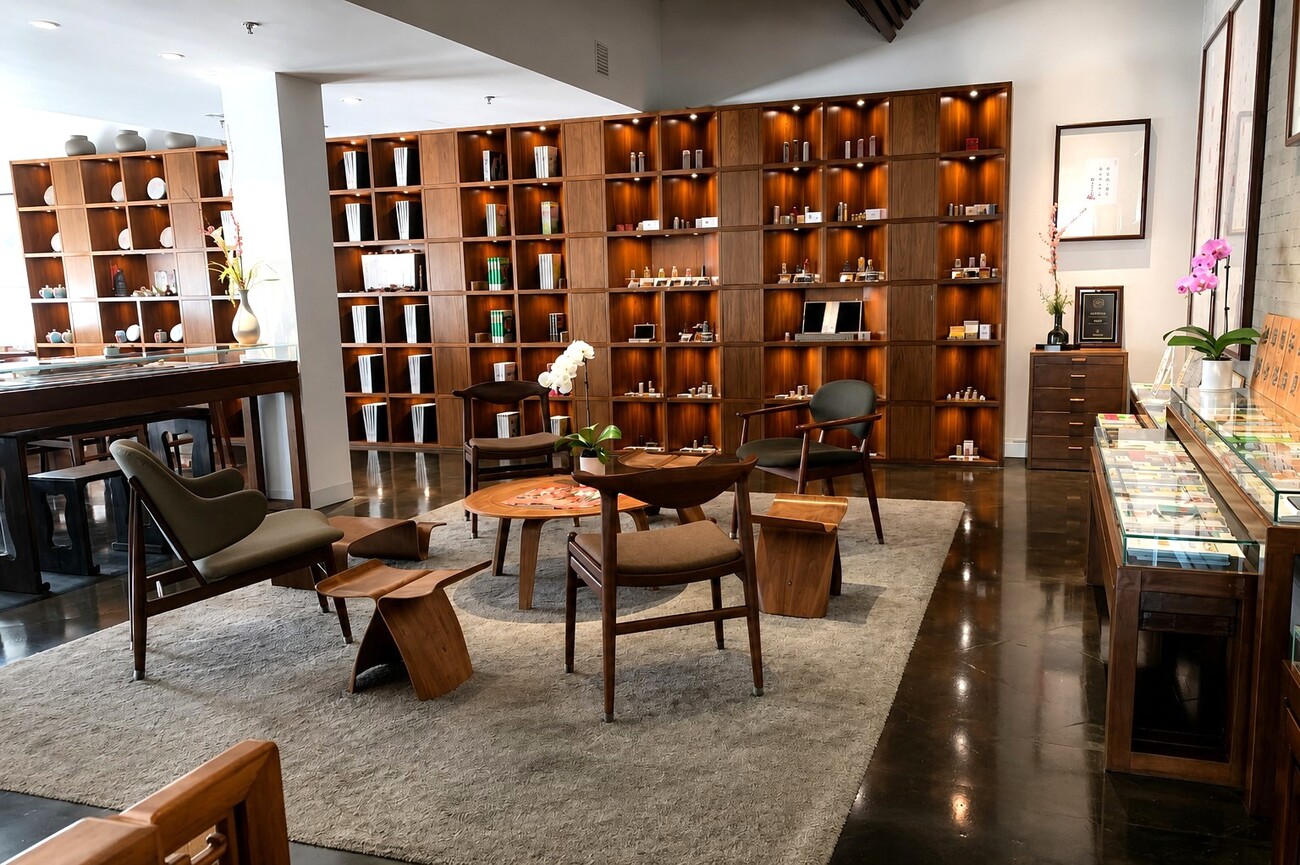
Where to eat in Tashkent
- Ember & Embar: One of Tashkent’s leading upscale dining destinations. The venue is divided into two spaces: Ember, the elegant indoor restaurant, and Embar, the rooftop terrace bar with panoramic sunset views over the Tashkent skyline and the distant Chimgan Mountains. The menu is known for its premium grilled meats, especially dry-aged steaks and ribeye cuts cooked over open charcoal flames for a rich, smoky flavour. The restaurant also serves high-quality Japanese dishes, including fresh sashimi and flame-seared sushi rolls prepared with a more modern touch. Whether you visit for dinner or sunset drinks, the combination of skyline views, polished atmosphere, and refined cuisine makes it a memorable stop while in Tashkent.
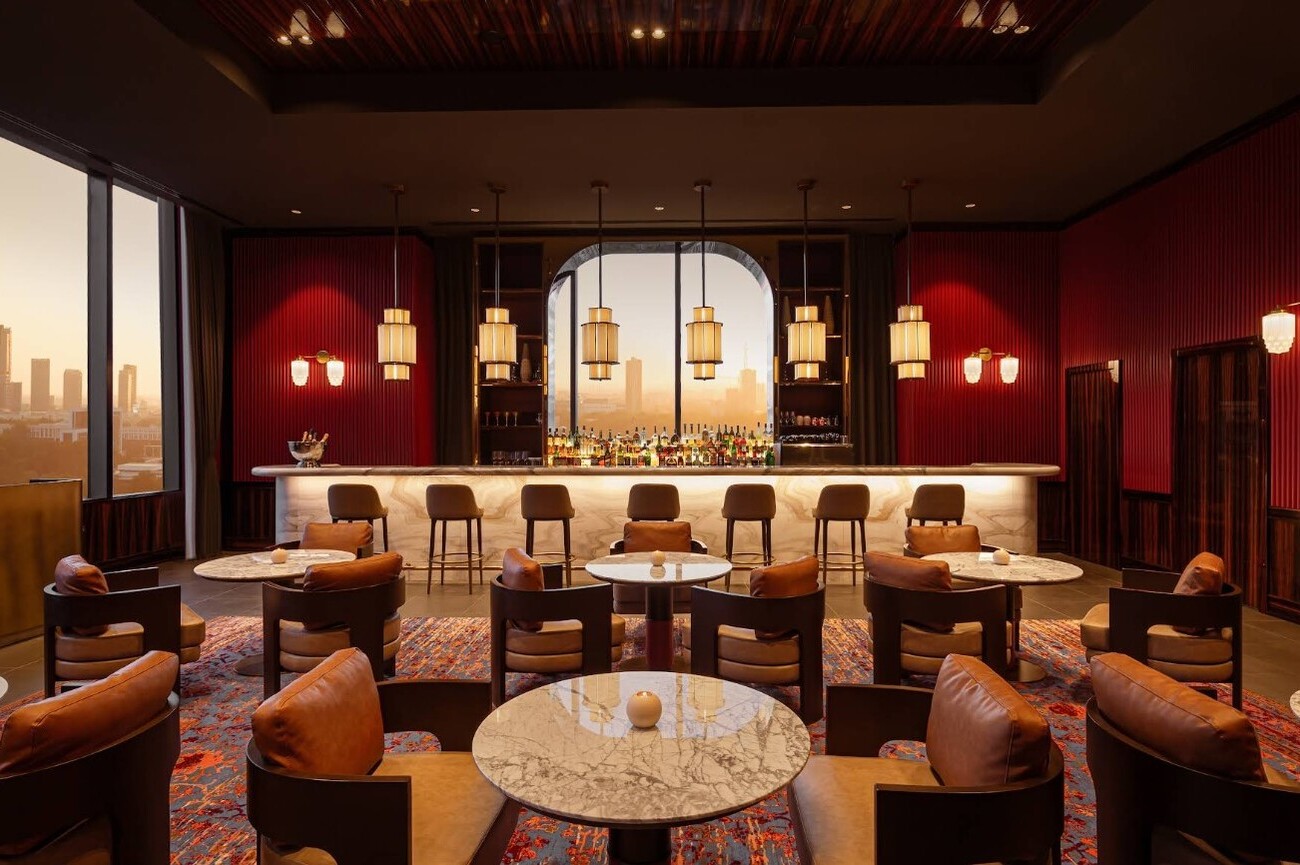
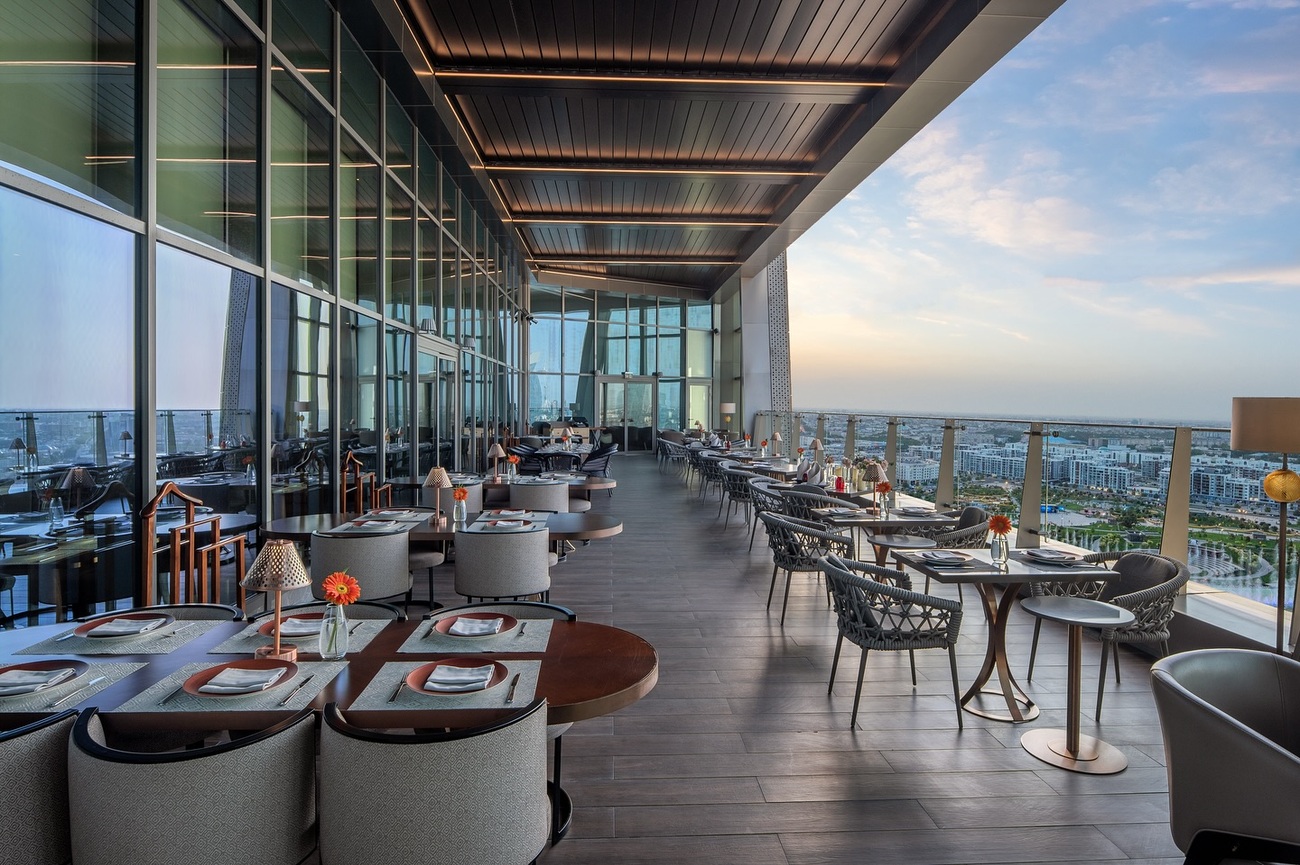
- City 21 Pan Asian Restaurant & Lounge: Located on the 21st floor of the Hilton Tashkent City, City 21 is one of the highest and most stylish dining venues in Uzbekistan’s capital. The restaurant combines an elegant indoor dining space, a sophisticated cocktail bar, and a rooftop terrace with stunning views over Tashkent City Park and its famous musical fountains. The menu focuses on Pan-Asian cuisine, with highlights including rich beef rendang, flavourful curries, and wok-fried specialties such as Kung Pao Chicken and Indonesian nasi goreng prepared with aromatic house-made sauces.
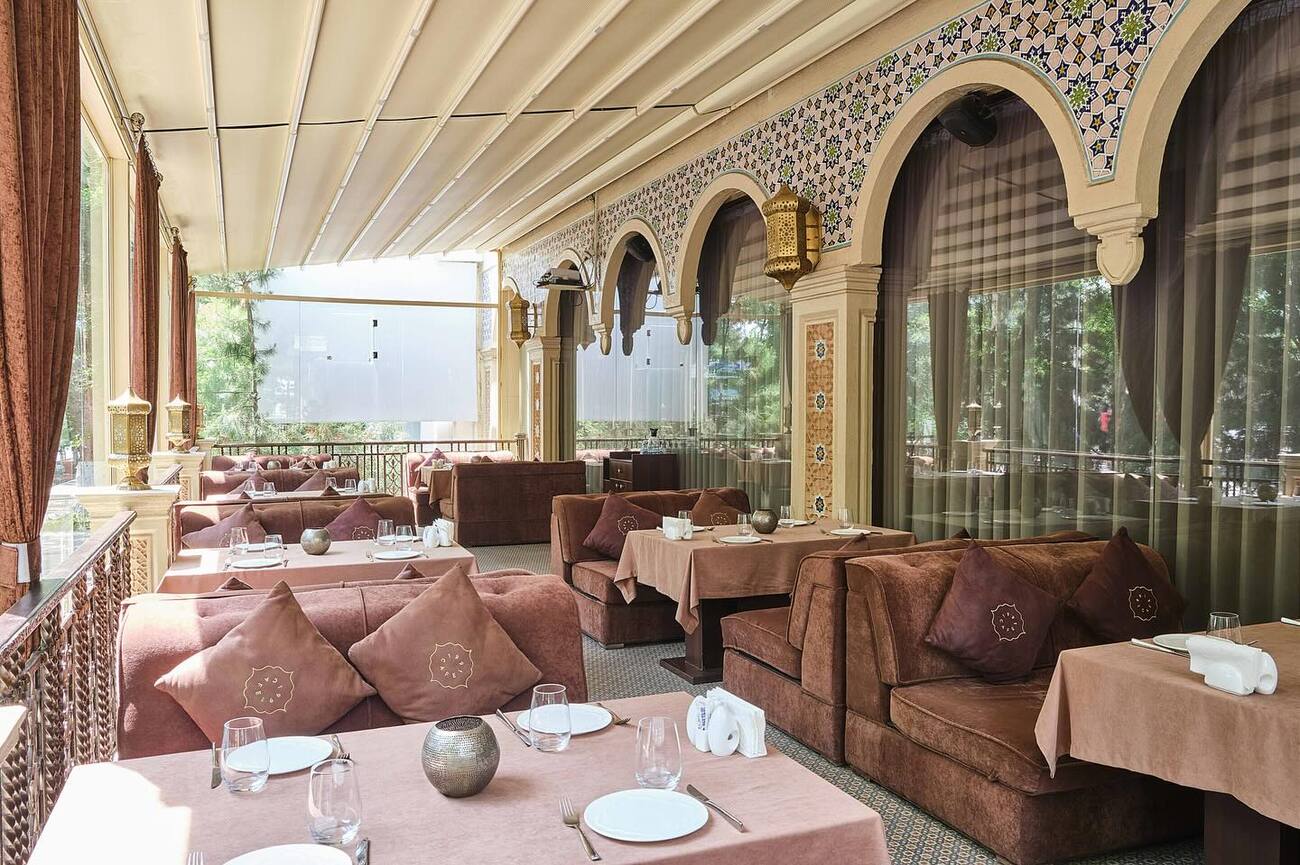
- Cafe 1991: Known for combining modern style with traditional Uzbek flavours. The menu combines Uzbek cuisine with Middle Eastern and Lebanese influences, creating dishes that feel familiar and refined. Highlights include the restaurant’s signature lamb plov, made with tender lamb, fragrant rice, raisins, and yellow carrots prepared in a lighter and more balanced style than traditional versions. Their gourmet samosa pastries are also popular, with its flaky, puff-pastry pockets baked to a shatteringly crisp golden crust, stuffed with seasoned, premium hand chopped meats or savory local fillings.
Where to eat in Urumqi
- Silk Road’s Promise (Si Lu You Yue): A modern restaurant that reimagines traditional Xinjiang and northwestern Chinese cuisine in a more refined and contemporary setting. Inside, the restaurant features elegant interiors and a large projection wall displaying cinematic landscapes of Xinjiang, creating an atmosphere that connects the dining experience to the region’s scenery and culture. The menu takes familiar regional street foods and presents them in more creative ways using premium ingredients and modern plating. Popular dishes include baked samsa pastries filled with seasoned crayfish, offering a more upscale twist on the classic Silk Road snack. For dessert, the honey fig yogurt cold cake is a favourite, combining sweet glutinous rice, creamy local yogurt, and a rich mango-inspired sauce.
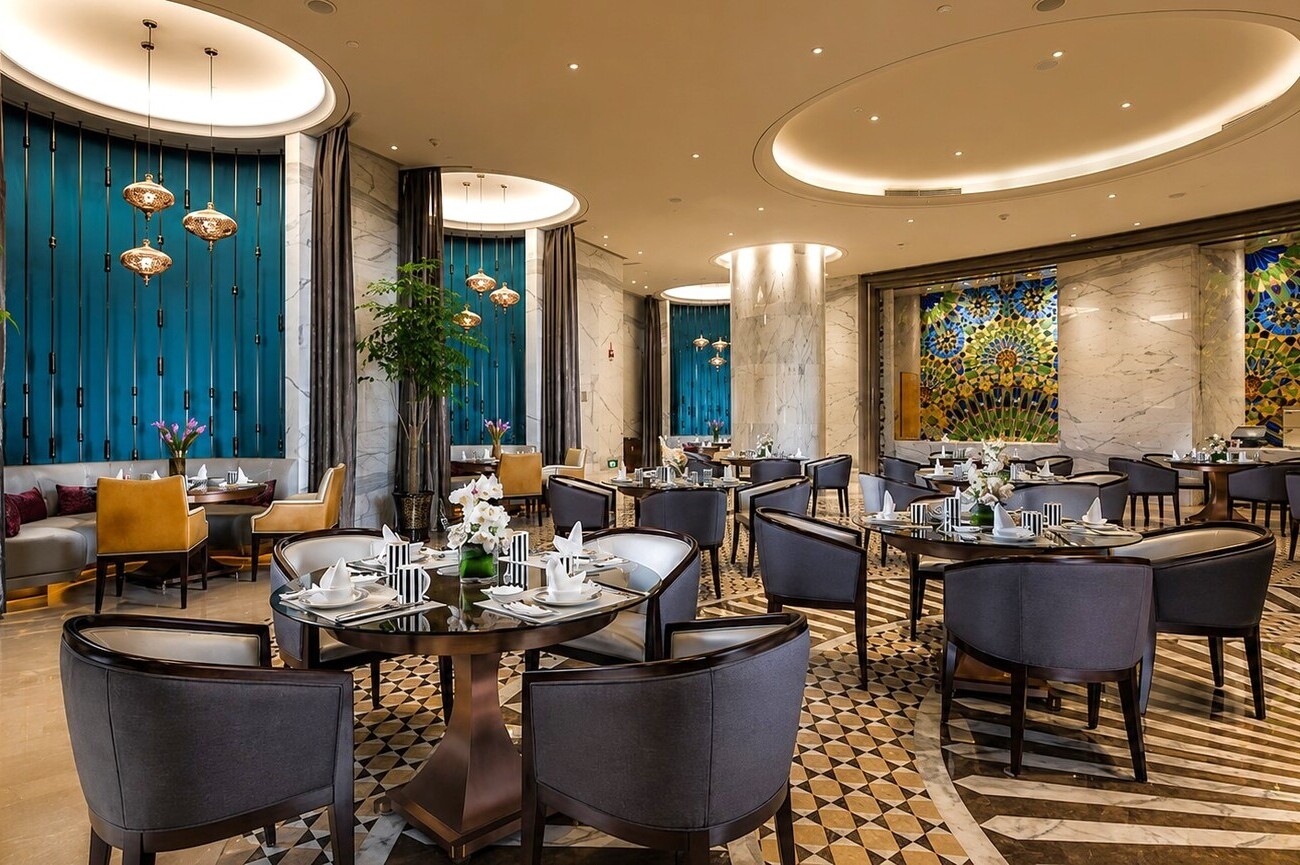
- Xia Gazi (Mingyuan Branch): One of Urumqi’s most popular local restaurants, known for its lively atmosphere, generous portions, and authentic Uyghur cuisine. The restaurant features large communal dining halls decorated with regional design elements, and in the evenings, traditional Uyghur music and dance performances add to the energetic atmosphere. Dining here feels as much like a cultural experience as it does a meal. The menu focuses on hearty, shareable dishes made with bold regional flavours. One of the most popular choices is the signature lamb ribs, which are slow-cooked until tender before being lightly crisped and seasoned with local cumin and salt. Another favourite is the house-made yogurt, served in traditional bowls with raisins, peanuts, and sesame seeds for a balance of creamy, sweet, and savoury flavours.
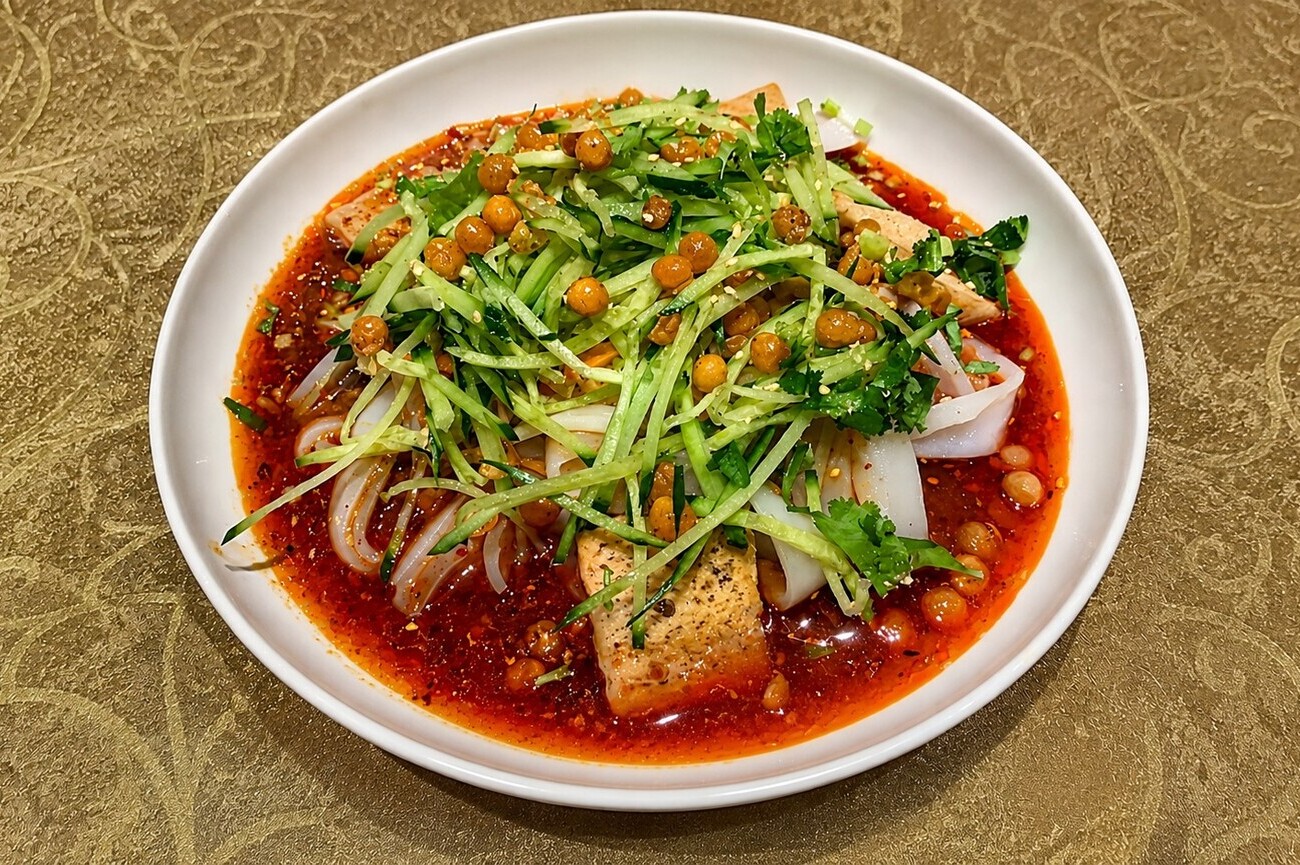
- Ma Feng Hua Xinjiang: Widely known for its authentic Xinjiang comfort food and long-standing reputation for traditional cooking. The restaurant specialises in large, shareable dishes filled with bold regional flavours, making it a popular choice for both locals and travelers wanting an authentic taste of Xinjiang cuisine. Its most famous dish is the legendary Big Plate Chicken (Dapanji), a rich and spicy chicken stew served with potatoes and peppers. One of the highlights comes at the end of the meal, when servers add wide hand pulled noodles directly into the remaining sauce so they can absorb the savoury flavours. Another standout is the clay pot lamb, where tender grassland mutton is slow cooked until it becomes soft and full of flavour. If you want to experience hearty and traditional Xinjiang cuisine in a lively local setting, Ma Feng Hua offers one of the city’s most memorable dining experiences
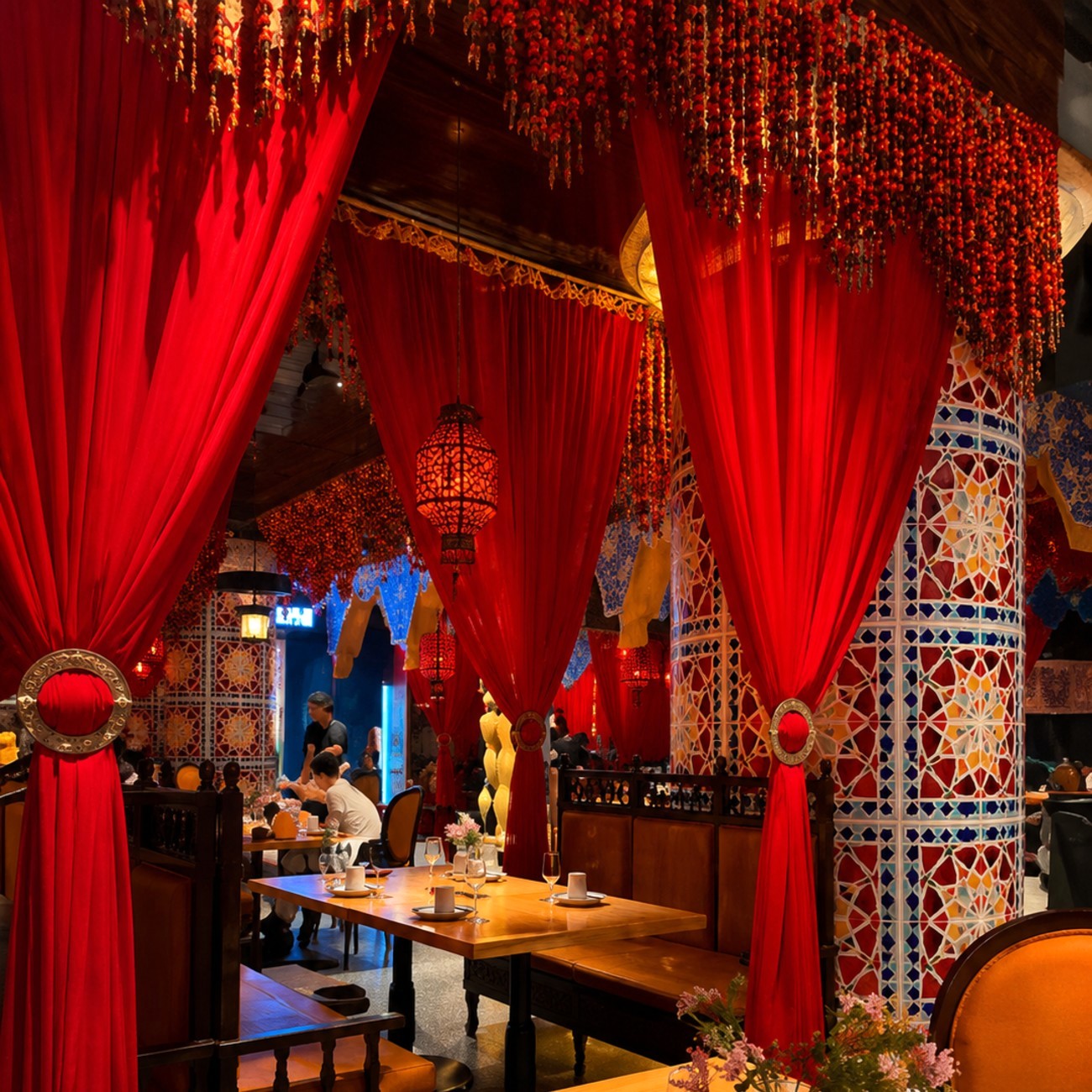
Where to eat in Xi’an
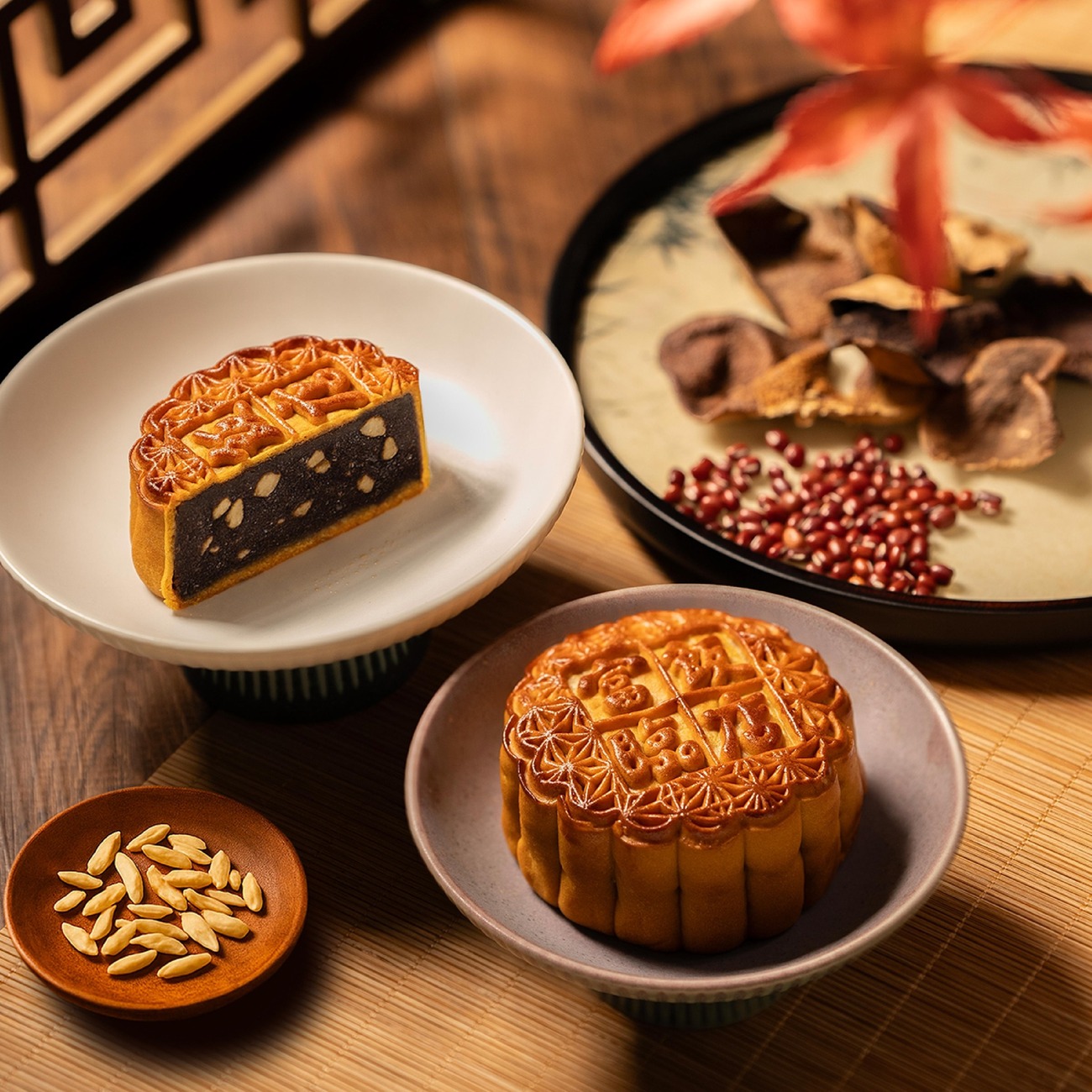
- Cai Feng Lou Restaurant: Located inside HUALUXE Xi’an Tanghua near the Grand Tang Mall, it’s an award-winning fine dining restaurant known for its refined Cantonese cuisine with subtle local Shaanxi influences. The restaurant takes its name from the mythical “Cai Feng” bird, a symbol of elegance and prosperity in Chinese culture. Led by experienced master chefs, the kitchen focuses on premium ingredients and carefully balanced flavours. Signature dishes include the honey glazed char siu, made with tender pork and a rich sweet savory glaze, as well as the restaurant’s popular crispy skin pigeon, known for its delicate crispy skin and juicy meat.
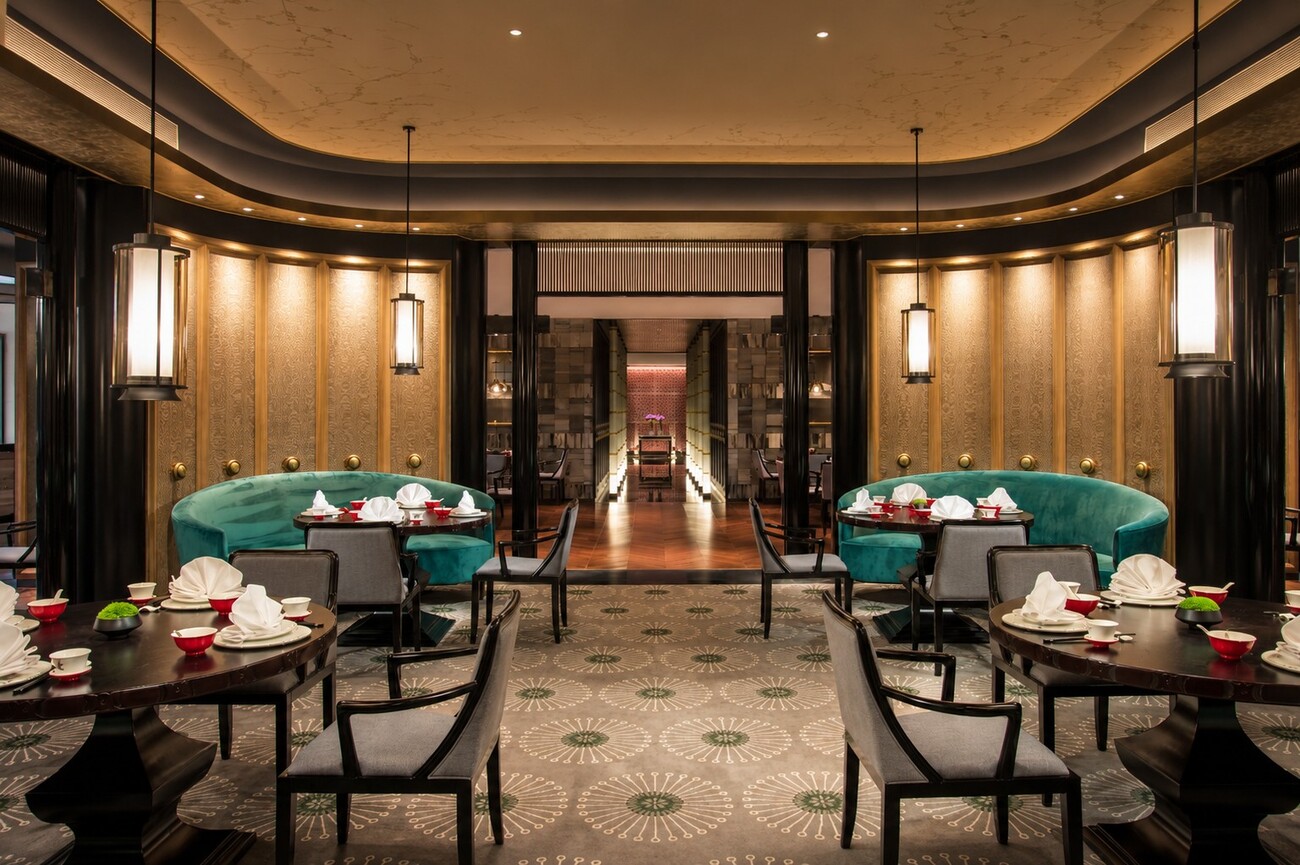
- YEN at W Xi’an: A stylish fine dining restaurant known for its modern take on Cantonese and Huaiyang cuisine. The restaurant combines refined cooking techniques with fresh regional ingredients and subtle Shaanxi influences. One of the highlights is the restaurant’s signature Peking roast duck, which is carved tableside and served with crisp skin, delicate pancakes, and modern accompaniments. The presentation itself becomes part of the dining experience. Another favourite is the artisanal dim sum selection, featuring freshly made dumplings filled with premium ingredients such as black truffle, shrimp, and wild mushrooms.
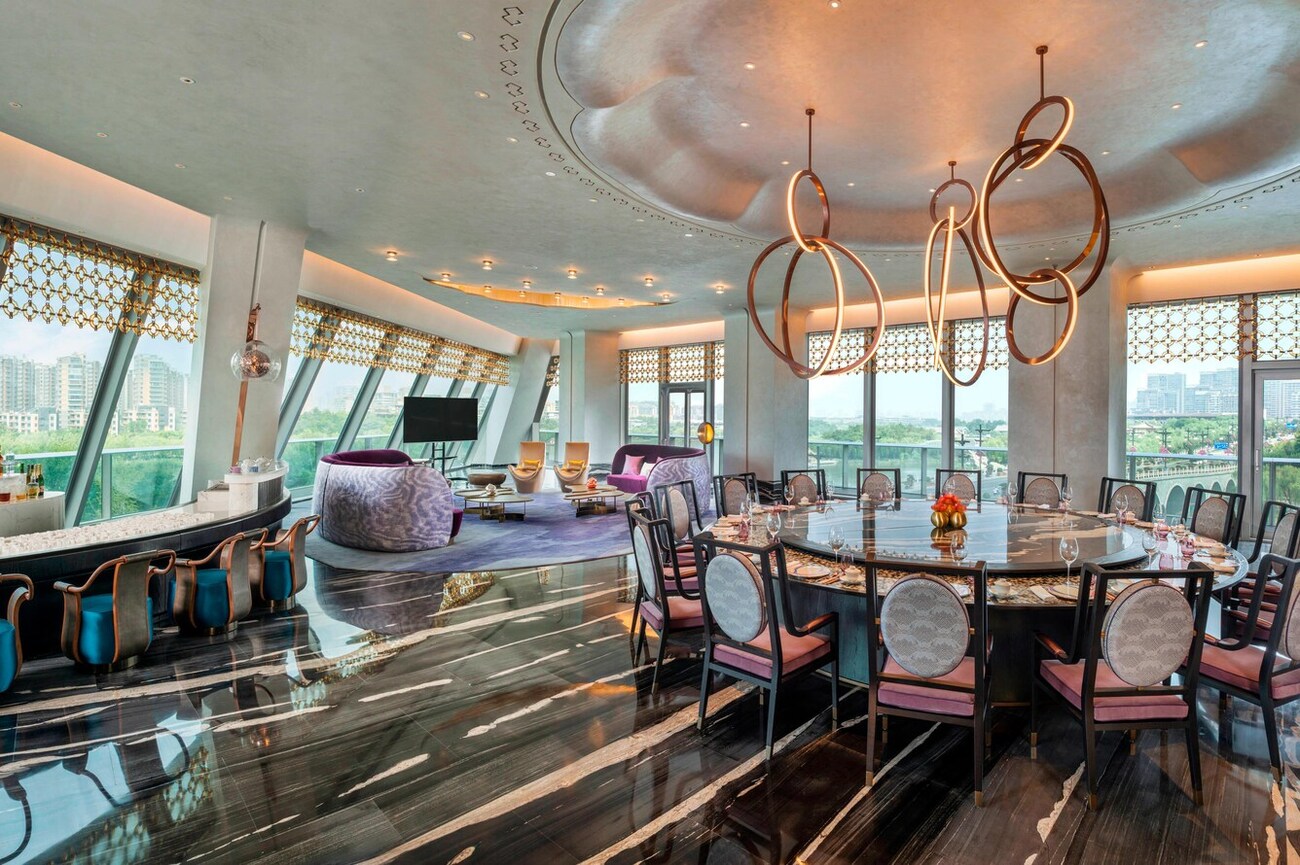
- Club Chang An Xi’an: One of the city’s leading fine dining restaurants, known for its modern and creative interpretation of traditional Shaanxi cuisine. The interiors feature a dramatic, cinematic design with dark wood tones, soft lighting, and contemporary accents that give the restaurant a stylish and immersive atmosphere. The menu reimagines classic northwestern Chinese dishes using refined presentation and premium ingredients. One of the highlights is the Chang’an Jiuding Plate, a beautifully arranged selection of handmade Shaanxi-style dim sum and cold appetisers that showcase a variety of local flavours and textures. Another signature dish is the Golden Eight-Liang Gourd Chicken, a traditional Shaanxi specialty prepared until the skin becomes crisp and golden while the meat remains tender and juicy inside.
Where to eat in Hong Kong
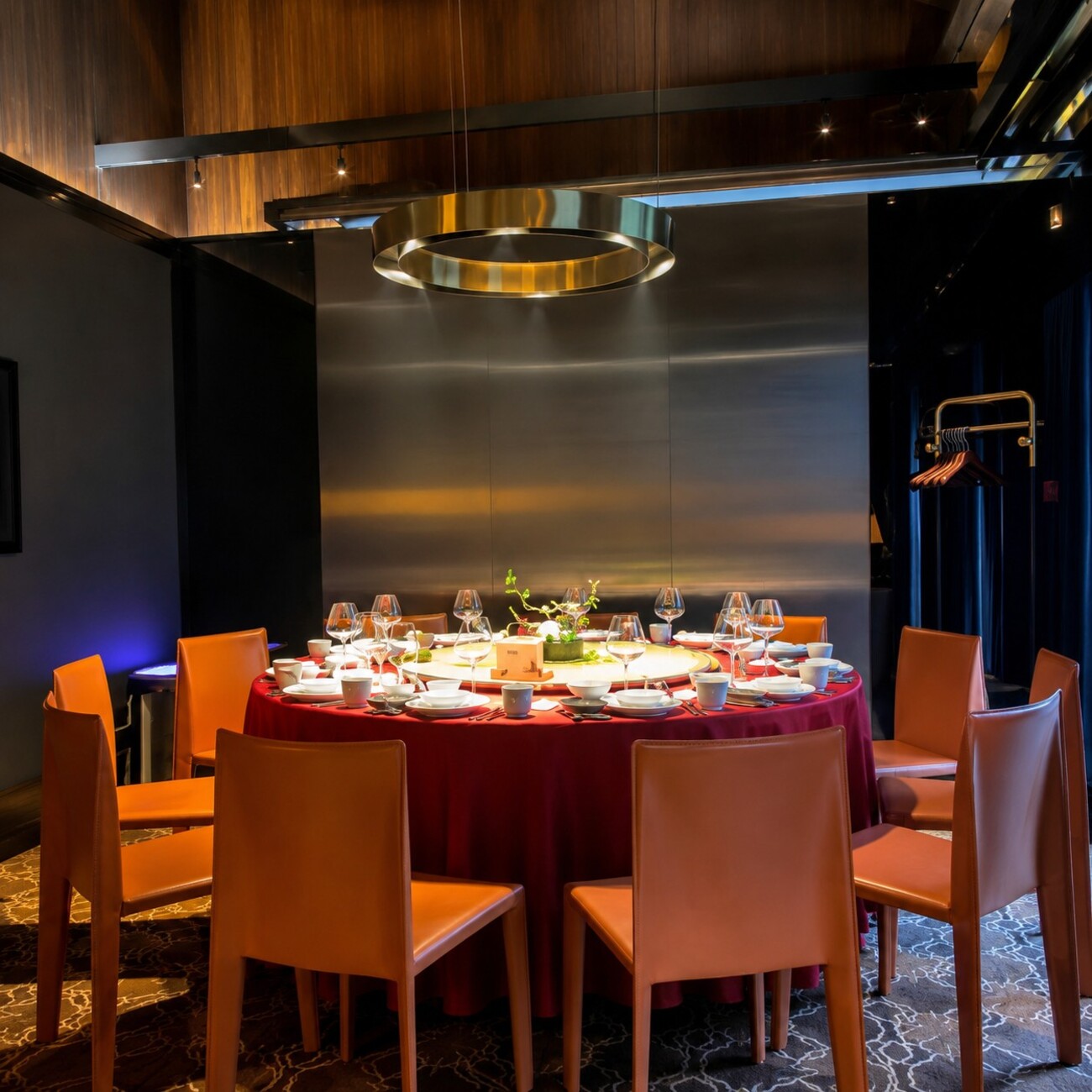
- Forum Restaurant: Situated in Hong Kong’s Causeway Bay district, it’s one of the city’s most famous fine dining destinations, holding the prestigious distinction of three MICHELIN stars. Founded by the legendary Chef Yeung Koon-yat, known internationally as the “Abalone King,” the restaurant is especially celebrated for its masterful Cantonese cuisine. The restaurant’s signature dish is the famous “Ah Yat” braised abalone. Premium Japanese abalone is slowly simmered for days in a deeply rich broth made from pork bones, chicken, and Jinhua ham until it becomes exceptionally tender and full of flavour. Another standout dish is the Ah Yat fried rice, cooked at high heat with scallions, Jinhua ham, and the savoury abalone sauce, giving every grain of rice a rich umami flavour.
- Amber: Led by Chef Richard Ekkebus, the restaurant holds three MICHELIN stars and a MICHELIN Green Star, and is known for its modern French cuisine with a lighter and more sustainable approach. The menus are completely dairy-free, lower in saturated fats, and built around carefully sourced seasonal ingredients from around the world. The interior features soft gold tones and flowing contemporary design that creates a refined but welcoming atmosphere. Amber serves multi-course tasting menus that focus on precision, balance, and presentation. One of the restaurant’s signature dishes combines sea urchin, lobster, cauliflower, and caviar in a delicate layered presentation, and another standout dish features perfectly cooked blue lobster paired with seasonal squash and a rich lobster reduction.
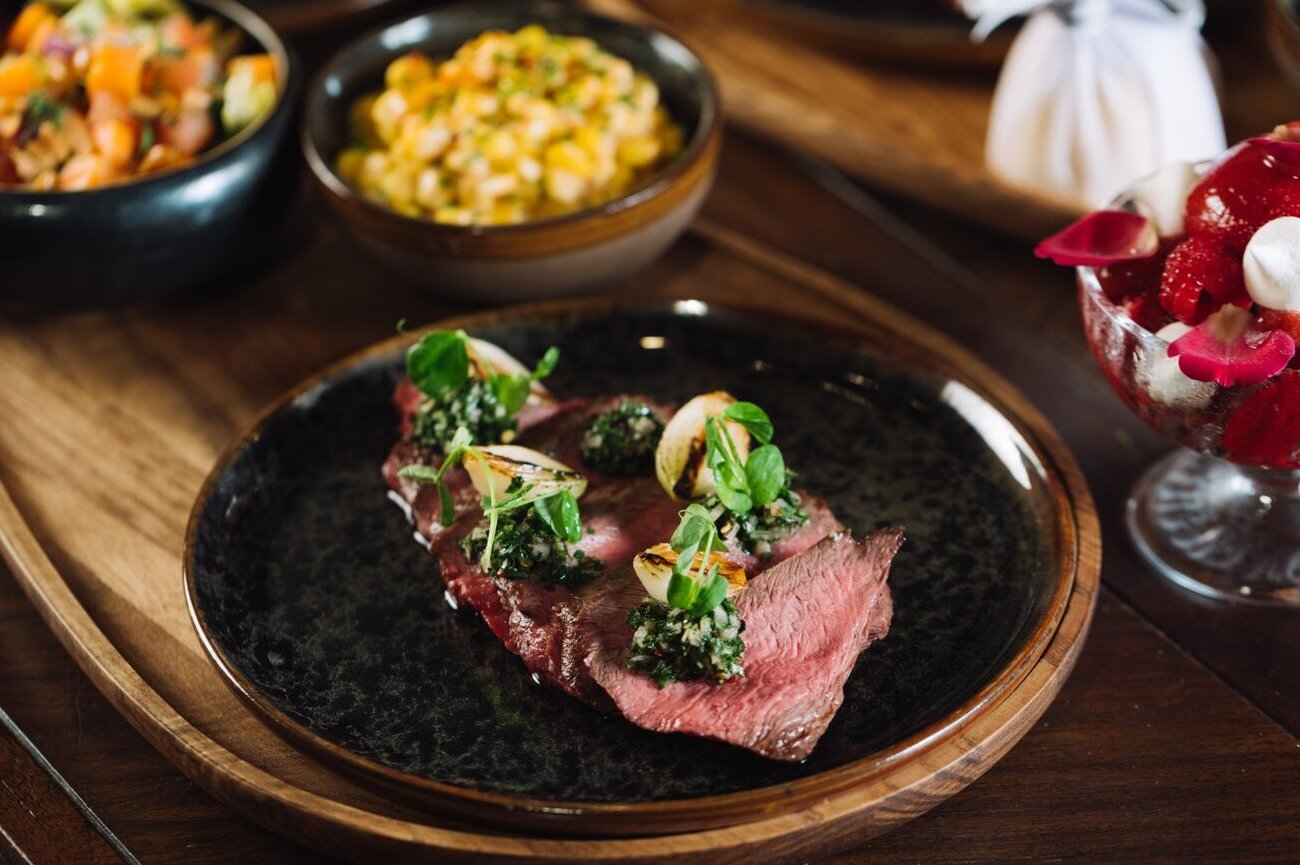
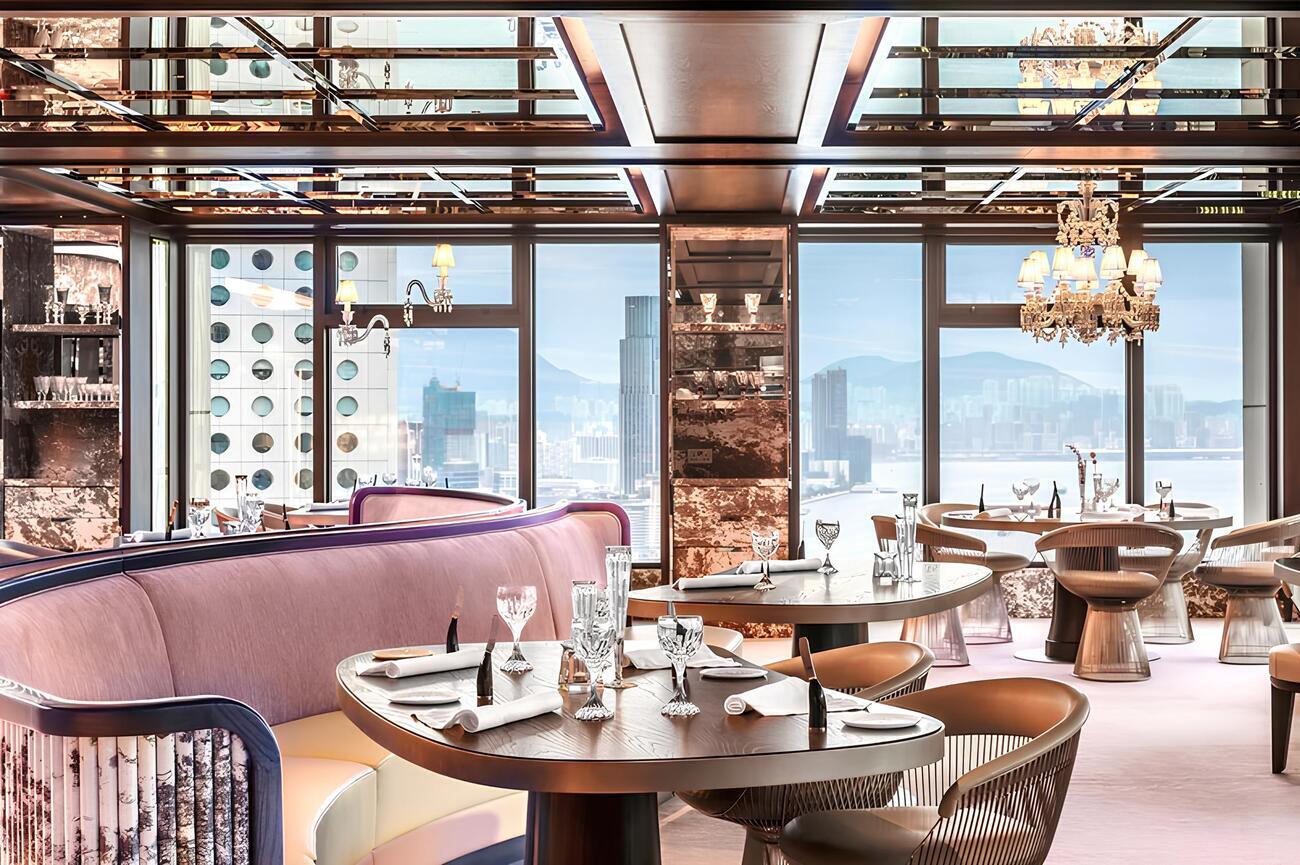
- Cristal Room by Anne-Sophie Pic: A two MICHELIN starred French fine dining masterpiece located on the 44th floor of The Landmark in Hong Kong’s Central district. Created in collaboration with renowned chef Anne-Sophie Pic and the luxury crystal house Baccarat. The restaurant’s interiors are elegant, featuring crystal-inspired details, mirrored surfaces, and a chandelier centerpiece that creates a refined and intimate atmosphere. You can choose from carefully curated tasting menus or selected à la carte dishes. One of the restaurant’s signature creations is the Les Berlingots pasta, filled with aged Comté cheese and aromatic peppers. Another highlight pairs Yunnan matsutake mushrooms with fresh abalone for a dish that balances French refinement with regional Asian flavours.
Where to eat in Lhasa
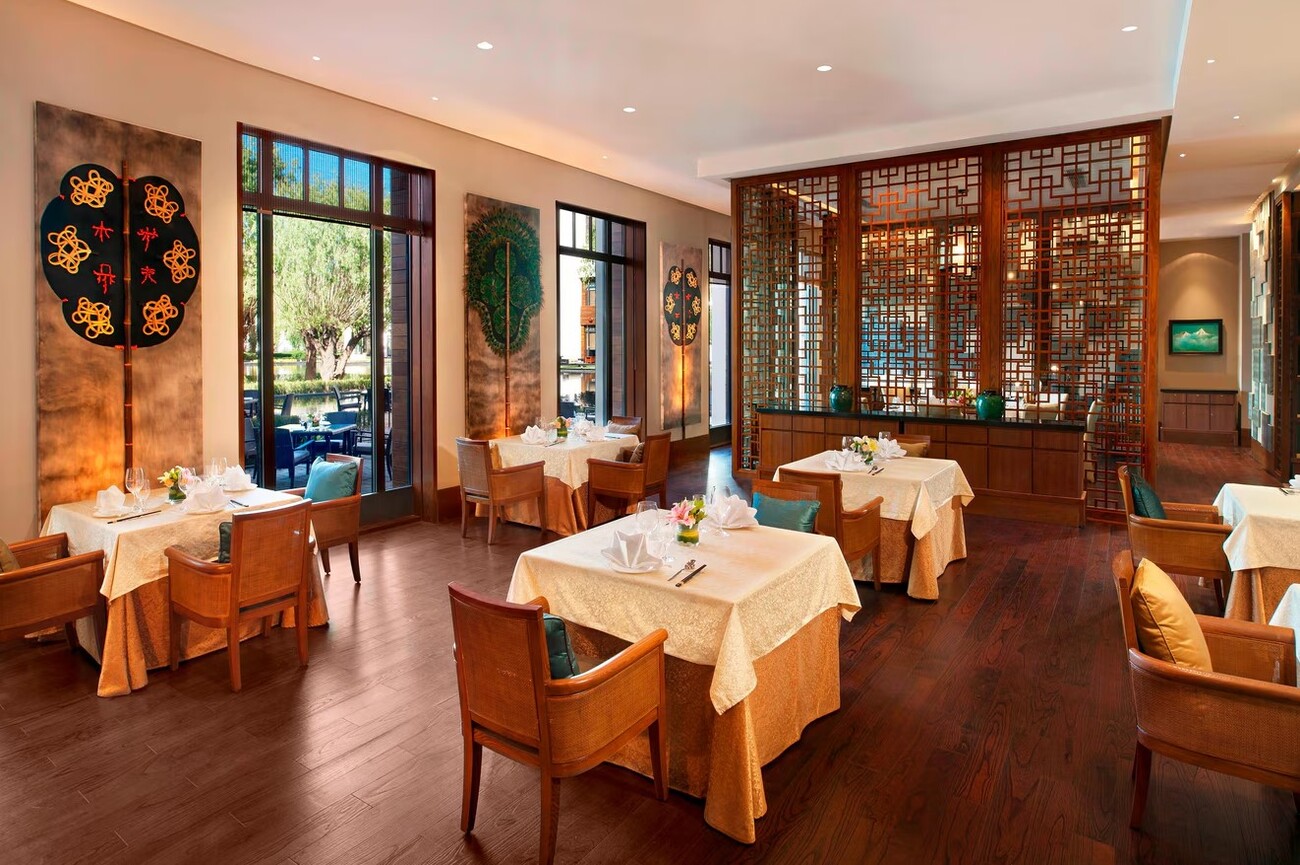
- Yan Ting at St. Regis Lhasa: Located on the ground floor of the palatial The St. Regis Lhasa Resort. The menu combines several regional Chinese cuisines (including Cantonese, Sichuan, and Hunan dishes) alongside carefully prepared Tibetan specialties. Because of Lhasa’s unique high-altitude environment, many dishes also incorporate locally sourced ingredients from the Tibetan plateau. One of the restaurant’s standout seasonal dishes features freshly harvested matsutake mushrooms and Tibetan cordyceps slow-simmered into a rich and aromatic soup that highlights the flavours of the region.
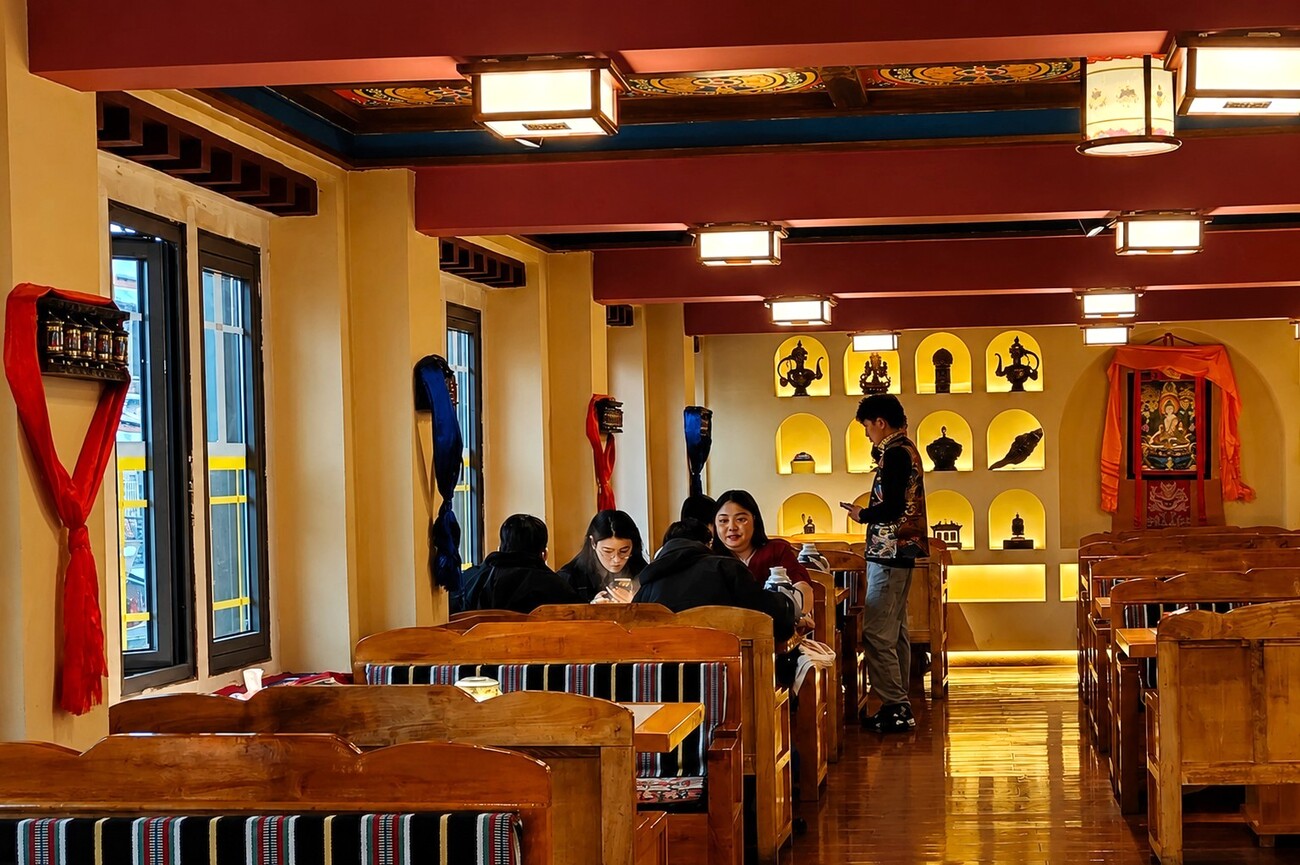
- Xue Yu Tian Cun Tibetan Restaurant is a popular local restaurant in Lhasa known for its traditional Tibetan dishes and hearty hot pots. The menu showcases regional plateau cuisine made with local ingredients, including yak specialities and warming soups suited to Tibet's high-altitude climate. One of the most popular dishes associated with the region is Tibetan stone pot chicken, a nourishing broth slow-cooked with free-range chicken, mushrooms, herbs, and medicinal ingredients in a traditional stone vessel. The restaurant offers visitors an opportunity to experience authentic Tibetan flavours in a relaxed local setting.
Explore more of China
with our Tailored Journeys
If you’d like to continue exploring China without the hassle of organising every detail yourself, we offer a collection of thoughtfully designed journeys that make travelling easy and rewarding.
For a classic introduction to China’s most iconic destinations, China First Time Classic: Beijing, Xi’an & Shanghai offers a well rounded journey through the country’s major cultural and historical highlights. You can also explore more extensively with The Grand Tour of China: Beijing to Shanghai, which connects many of China’s most celebrated cities and landmarks in one seamless itinerary.
If you’d prefer to experience China in greater depth, China Panda & Peaks: Beijing, Xi’an, Chengdu, Mt Emei & Shanghai focuses on Sichuan’s rich culture, giant pandas, Buddhist heritage, and spectacular mountain landscapes.
Following the Silk
Road by Rail
The Golden Eagle Silk Road Express is more than a luxury train journey. It is a slower, more meaningful way to experience distance, history and landscape, revealing the Silk Road not as one route, but as a collection of worlds shaped and connected over centuries.
Experience the Golden Eagle Silk Road Express with Revigorate, or travel further with our curated itineraries across Asia. Contact us to begin planning your journey.

Let us know what you love, where you want to go, and we’ll design a one-of-a-kind adventure you’ll never forget.
Get in touch
Miriam
Travel Specialist

Nina
Travel Specialist

Abigail
Travel Specialist
Our offices:



Revigorate, Iberian Escapes and Algarve Lifestyle are the registered brand names of APCS Lda . We are a fully authorised travel agency licensed by Turismo de Portugal RNAVT/6867.
In the event of a dispute, the consumer may refer to: RAL - Centros de Arbitragem
Avª. 5 de Outubro, nº. 55, R/C Dtº. 8000-075 Faro, Portugal | Tel: +351 289 823 135 *
* national landline call
E-mail: info@consumoalgarve.pt| www.consumidoronline.pt | Mon to Fri: 9:00 - 13:00 / 14:00 - 17:00