Hong Kong Horse Racing Guide: Happy Valley, Sha Tin and Turf Culture
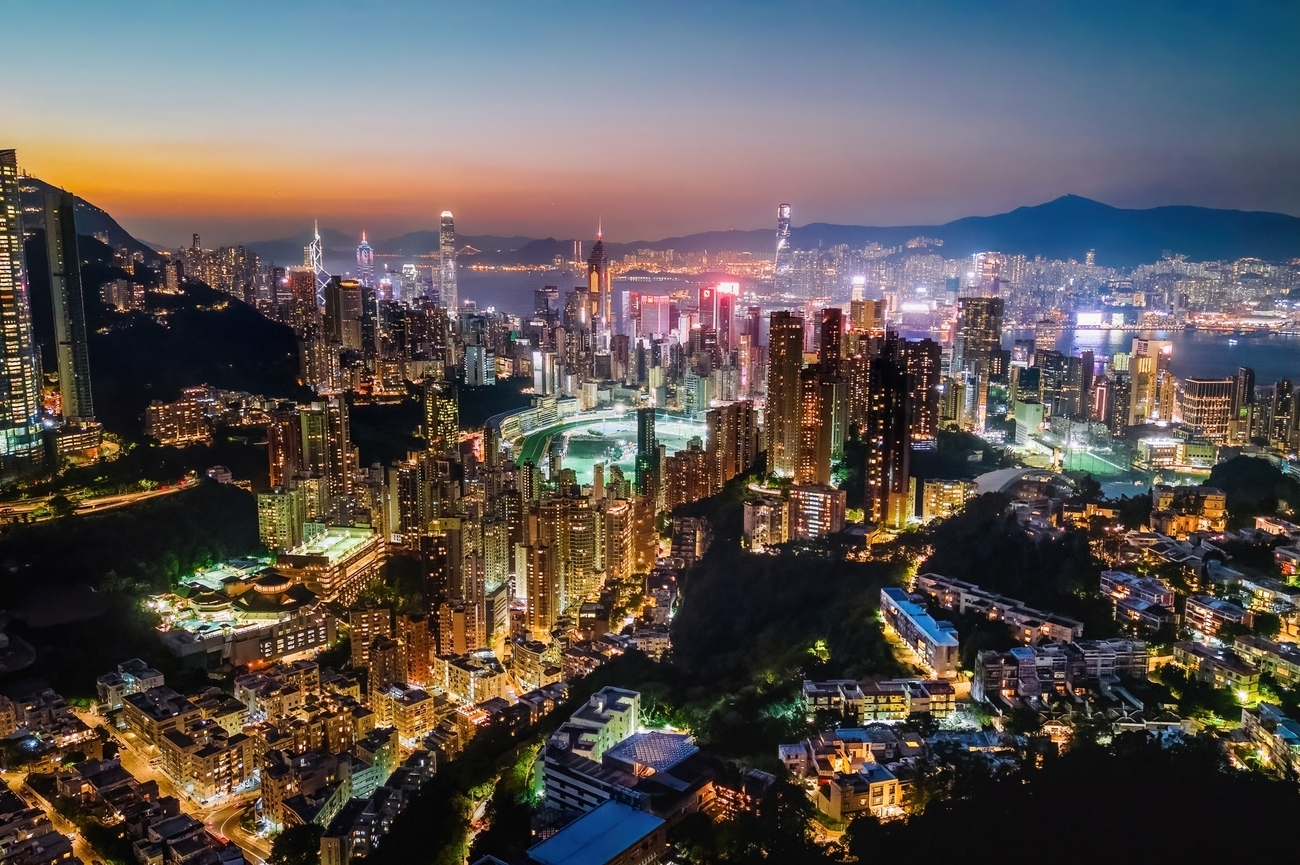
The gate clangs. Eight horses break into a valley ringed by thirty-storey towers, and on the forty-first floor of a building on Broadwood Road, a woman lowers her chopsticks to watch. Below her, sixty thousand people hold the same breath. The three-year-old in the number four silks has just moved wide.
This Hong Kong horse racing guide does not begin with fixtures or dates, because racing in Hong Kong is not simply a schedule, it is part of the city’s identity. What happens here is older, deeper and more culturally embedded than most racing destinations in the world.
Horse racing in Hong Kong has shaped the city itself. It funded hospitals, universities and major cultural institutions. Today, it remains one of the most influential sporting ecosystems globally. Each December at Sha Tin Racecourse, the LONGINES Hong Kong International Races bring together the world’s best horses for four Group 1 contests worth a combined HK$130 million, making it the richest day of turf racing anywhere.
The contrast defines the experience. Wednesday nights at Happy Valley deliver fast-paced, floodlit racing in the heart of the city. Sunday afternoons at Sha Tin present a global stage where elite competition meets refined hospitality. Together, they form one of the most complete horse racing experiences in the world.
Travellers who understand this do not arrive unprepared. The evenings that matter, the Sundays worth flying for, and the hospitality tiers where the experience truly lives are arranged well in advance. Those looking to experience Hong Kong racing at its highest level typically build their trip around a fully curated Hong Kong horse racing itinerary.
Horse Racing Runs Through Hong Kong's
Civic DNA
Horse racing in Hong Kong began in 1846 on a strip of reclaimed swampland drained specifically for the sport. That strip is now Happy Valley Racecourse. Within a generation, the colonial administration, merchant houses and military garrison had built their social calendars around the meetings. Almost two centuries later, that connection between racing and city life remains unusually strong.
The Hong Kong Jockey Club is unlike almost any other sporting institution in the world. It is Hong Kong’s largest single taxpayer and one of its most important community benefactors, supporting education, elderly care, medical research and cultural institutions at significant scale. In this sense, Hong Kong’s racecourses are not simply venues. They are part of the city’s civic infrastructure.
That influence reaches further than many visitors realise. Hospitals carrying the Club’s name, public parks, medical research funding, and cultural sponsorships linked to M+ and the Hong Kong Palace Museum all reflect the Club’s role in shaping modern Hong Kong.
This changes what it means to attend a race meeting. A Wednesday evening at Happy Valley is not just night racing in the city, it is a weekly civic ritual. A December Sunday at Sha Tin is not simply a major sporting fixture, it is one of the most prestigious afternoons in international horse racing.
Happy
Valley on Race Night
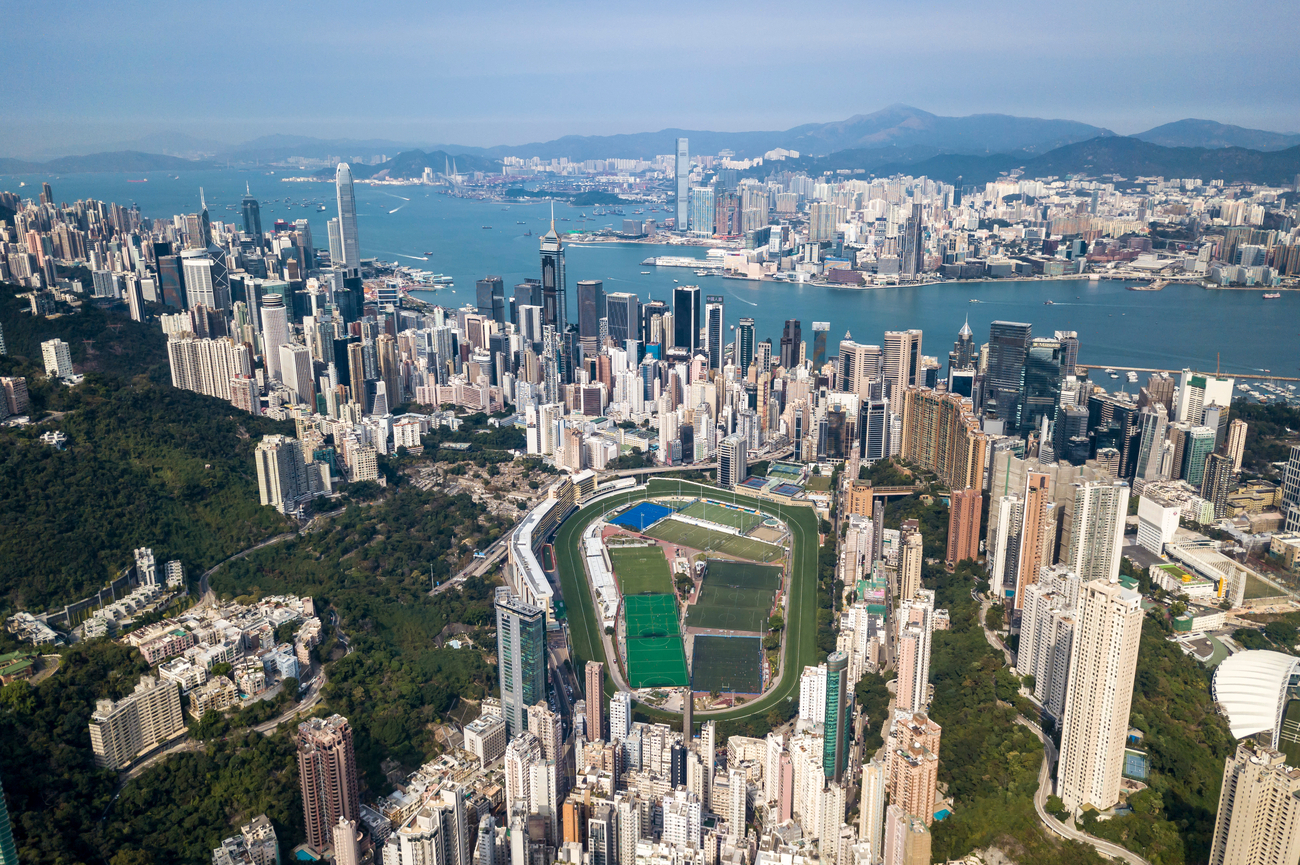
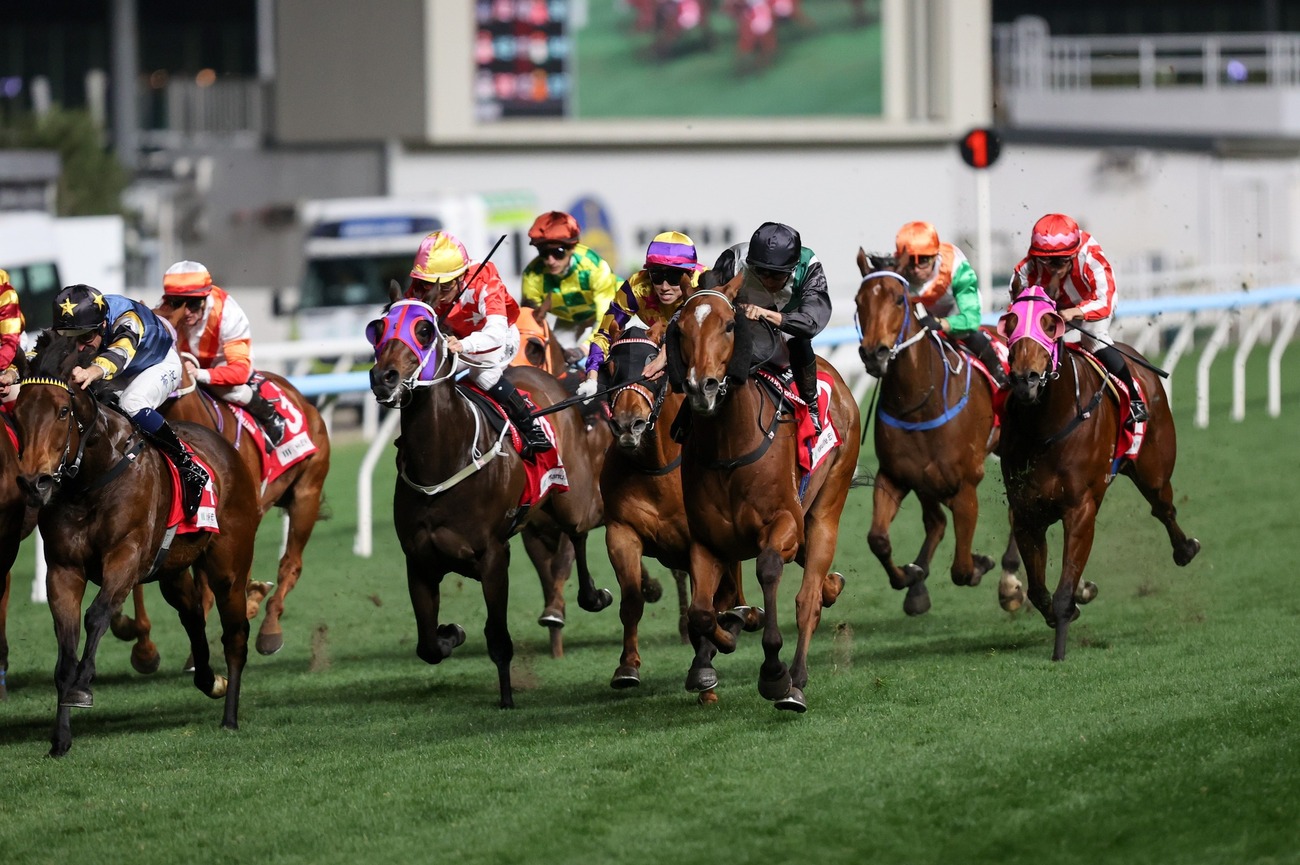
Happy Valley Racecourse is the smaller and more urban of Hong Kong’s two racecourses. Set in the heart of Hong Kong Island, its turf track sits at the floor of a valley surrounded by residential towers. On Wednesday race nights, the course is floodlit from 5:15pm, with the first race usually starting at 7:15pm.
By eight o’clock, the grandstand carries the compressed electricity of a major sporting final, except the setting is pure Hong Kong: thoroughbreds under floodlights, office workers arriving from Central, Admiralty, Wan Chai and Causeway Bay, and apartment towers rising above the track.
The Happy Wednesday
Programme
The Happy Wednesday programme gives Happy Valley night racing its distinctive social energy. A live band plays across the Beer Garden stage, street performers move through the public areas, and themed cultural evenings run throughout the racing season.
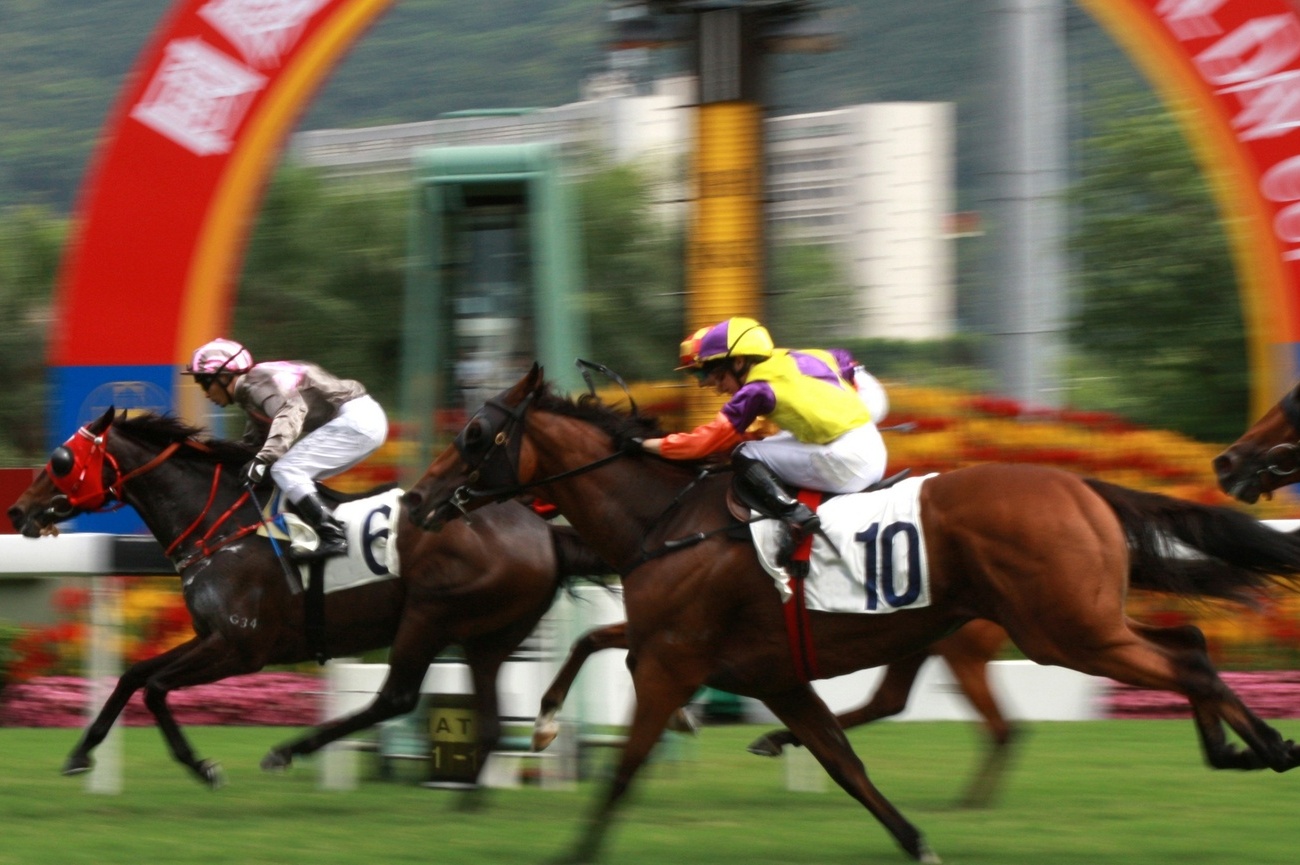
Beneath the entertainment, the racing remains serious. A typical Happy Valley race night features eight or nine races, from Class 1 to Class 5, with prize money high enough to keep the competition sharp and the form book meaningful.
Where to Watch From at
Happy Valley
Where you sit at Happy Valley changes the evening completely. The Beer Garden and public stands offer the atmosphere at its loudest and least filtered. For travellers seeking a more refined experience, the better options include Adrenaline, Stable Bend Terrace, The Gallery, Vantage and the upper-tier private boxes.
Adrenaline offers finish-line views, tapas and a lounge-bar atmosphere. The Gallery integrates dinner with the racing. Vantage sits higher still, with premium hospitality, tasting menus and wine pairings. At the top of the experience, private boxes provide the most exclusive way to enjoy Happy Valley night racing.
Public admission gives you the sport. The upper tiers give you the event.
Why Happy Valley Rewards
Return Visits
Happy Valley is the kind of evening that brings travellers back to Hong Kong. The rhythm is unusually compressed: eight races in three hours, with dinner, drinks, music and racing all interlocking in one setting.
No other major racing destination offers quite the same combination. Meydan has night racing, but it sits outside Dubai’s urban centre. Happy Valley is embedded in the commercial heart of Hong Kong, which is why the experience feels impossible to replicate.
For a deeper look at the enclosures, dress codes and race-night rhythm, read our full guide to Happy Valley night racing.
Sha
Tin Racecourse and the Course That Hosts the World
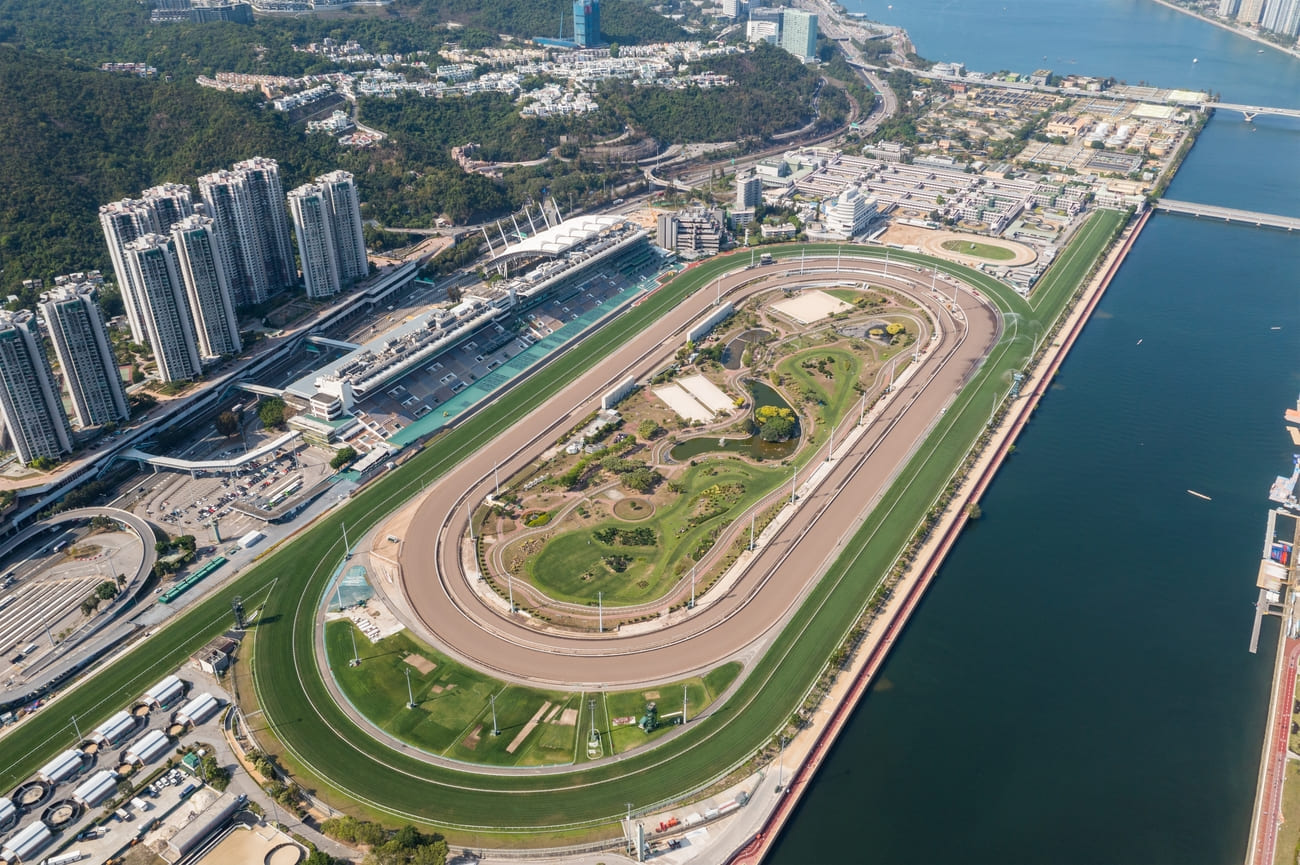
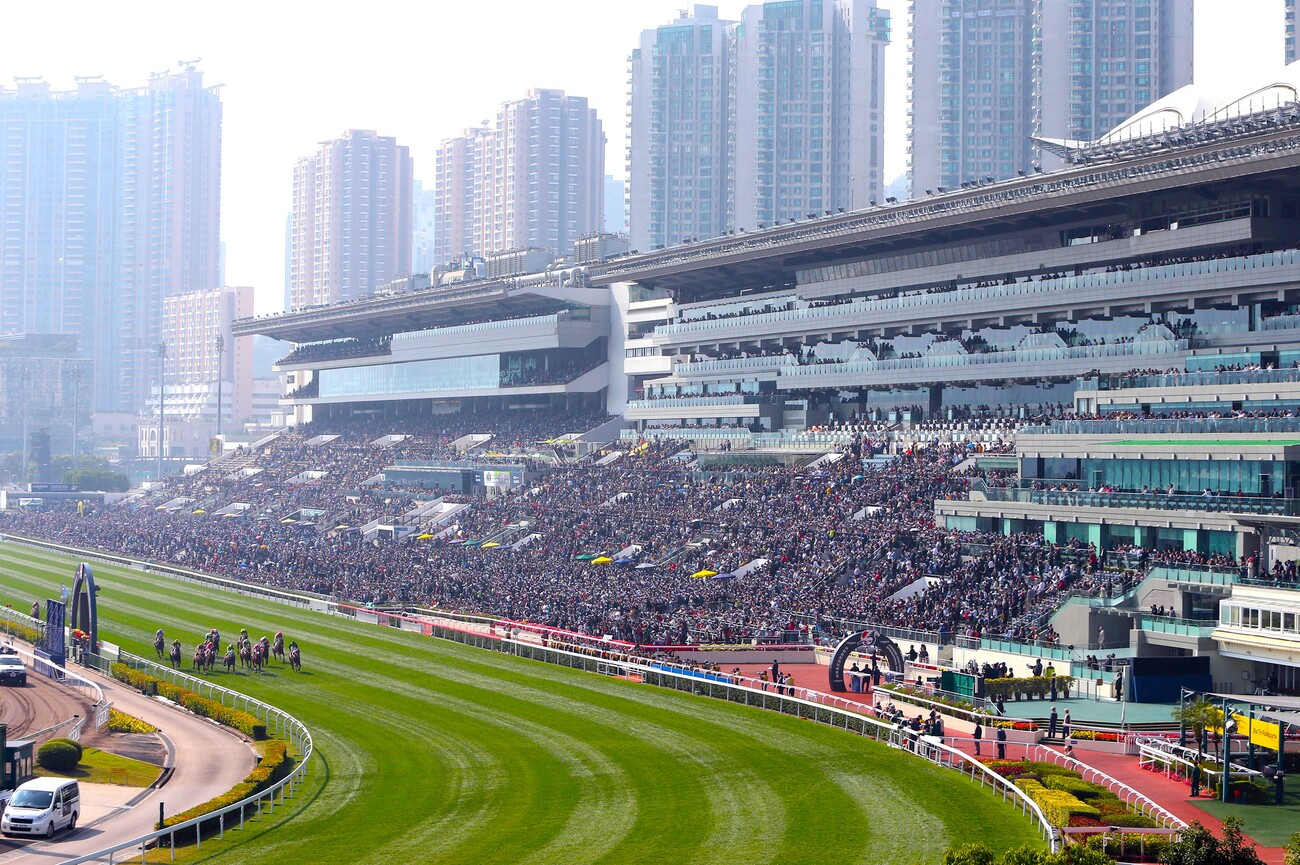
Sha Tin Racecourse is the larger of Hong Kong’s two racecourses and the city’s main stage for international racing. Located in the New Territories, it sits around 30 to 40 minutes by private car from Central, or can be reached by MTR on the East Rail line via Racecourse Station, which opens only on fixture days.
Built in 1978, Sha Tin was designed from the beginning for world-class racing. It has a wider turf track, a longer home straight, grandstand capacity above 80,000, and the scale required to host the major races Hong Kong would later establish as the Turf World Championships. When the world’s best horses come to Hong Kong, they come to Sha Tin.
Champions Connection and
Gensō Eki
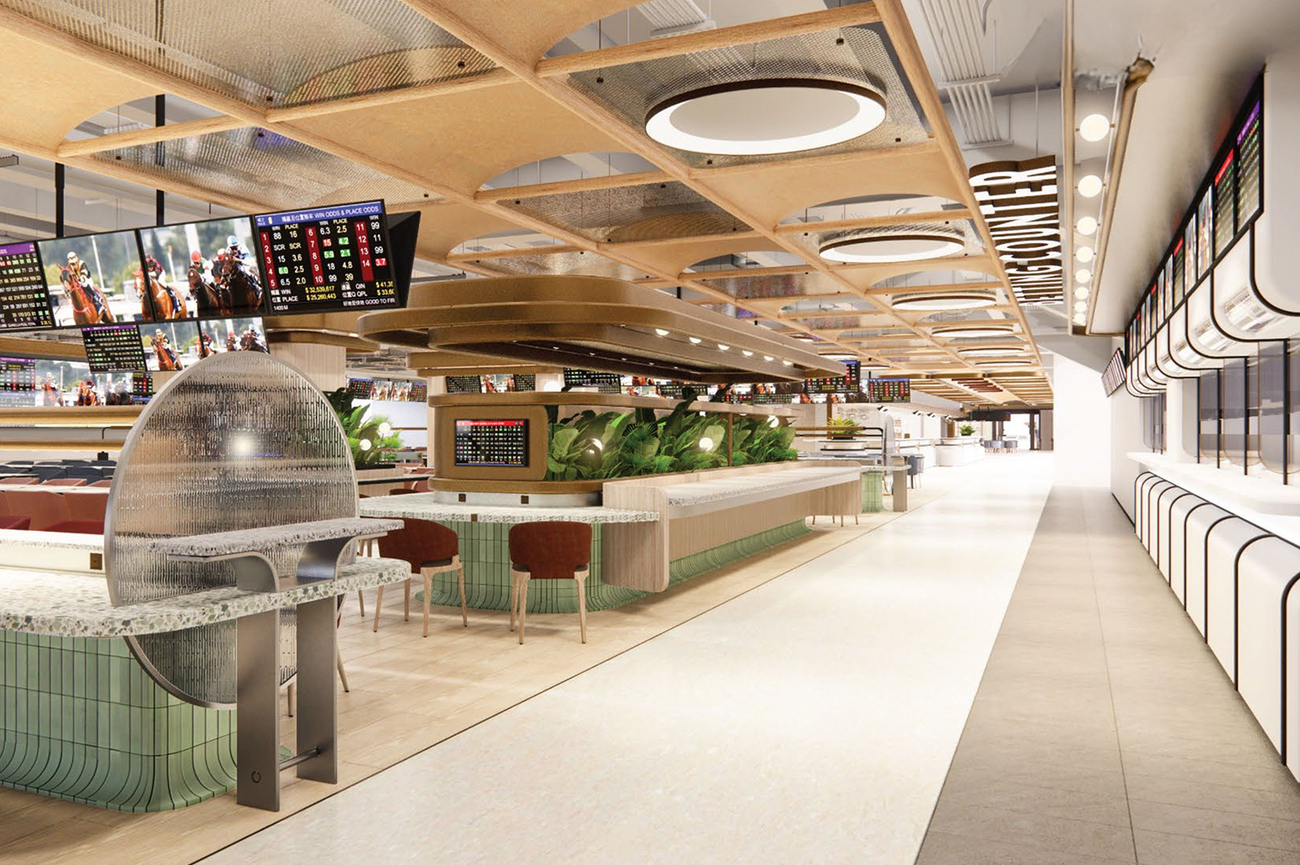
The 2025/26 season introduced two major additions to the Sha Tin Racecourse experience. Champions Connection, the arrival hub at Grandstand II, now greets racegoers as they step off the MTR with animated thoroughbred displays, interactive jockey lockers, a lifelike robotic horse and Hong Kong street-food kiosks.
The aim is clear: the walk from station to grandstand is no longer just an arrival route. It has become part of the race-day experience, especially for first-time visitors attending a major fixture.
Behind it sits Gensō Eki, a four-storey racing, dining and entertainment venue. It includes Fudo Town food hall, an Izakaya restaurant and digital racing experiences. Because Gensō Eki also operates on non-race days, it reflects the Hong Kong Jockey Club’s wider move to position Sha Tin as a year-round lifestyle destination.
Penfold Park and the Sha
Tin Infield
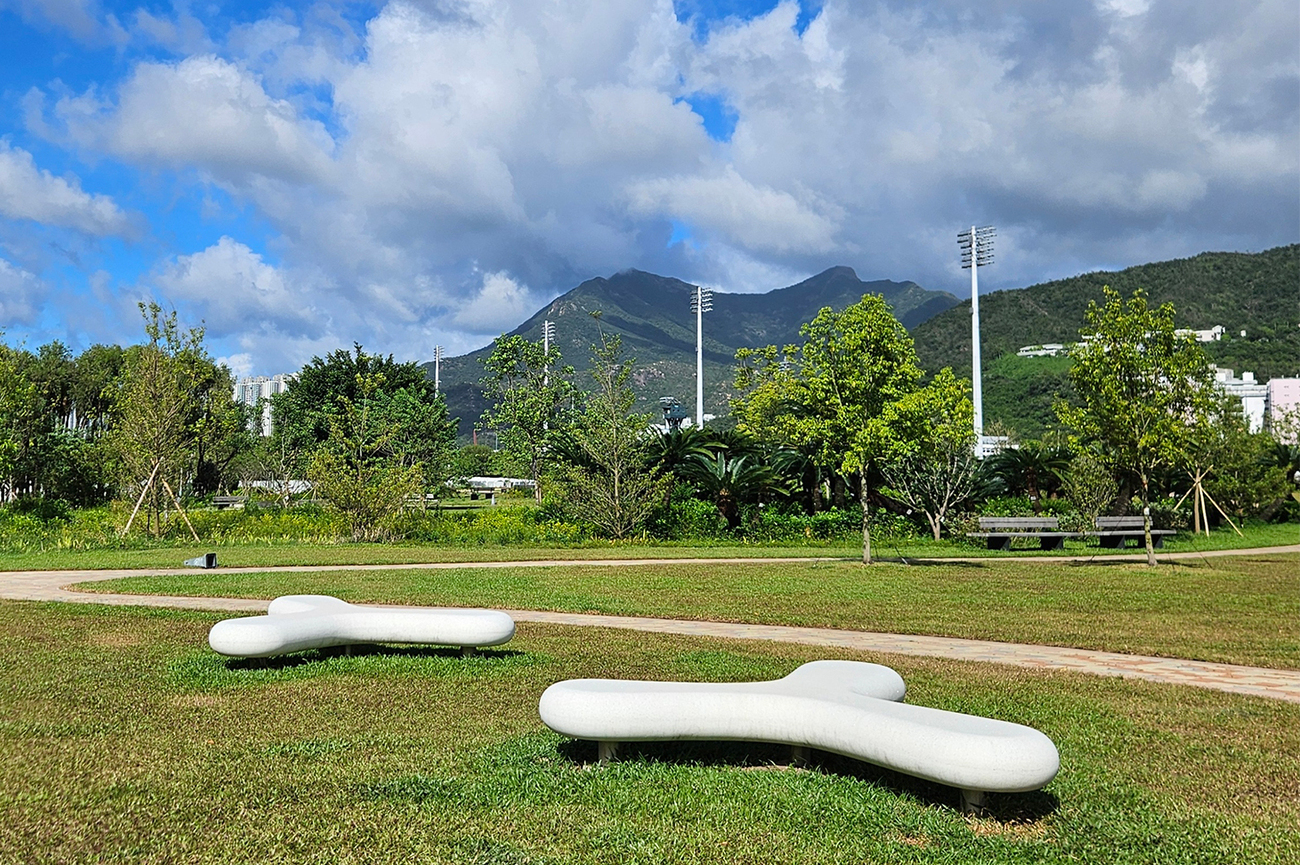
Inside the Sha Tin Racecourse infield is Penfold Park, which reopened fully in January 2026 after a major refurbishment. Pony World, a family-oriented attraction within Penfold Park, opened in April 2026.
For luxury travellers, these additions are not necessarily the centre of the visit, but they add useful depth, especially for families arriving earlier in the day. They also distinguish Sha Tin from almost every other major international racecourse, turning its infield into a civic and recreational space rather than unused race-day land.
What a Sha Tin Sunday
Feels Like
A typical Sunday at Sha Tin runs from around 12:25pm through to the late afternoon, with ten or eleven races across the card. The pace is more formal and unhurried than a Happy Valley Wednesday. There is more time between races, more movement between the Parade Ring, grandstands and hospitality areas, and a much larger crowd spread across a broader venue.
The best Sha Tin racecourse experience rewards travellers who arrive early, settle into the right hospitality tier, study the race card and treat the afternoon as the event itself. This is not racing squeezed between other sightseeing. It is the centrepiece of the day.
For a fuller look at the major race days, hospitality tiers and how to structure a proper Sunday at Sha Tin, read our complete Sha Tin Racecourse guide.

The
LONGINES Hong Kong International Races
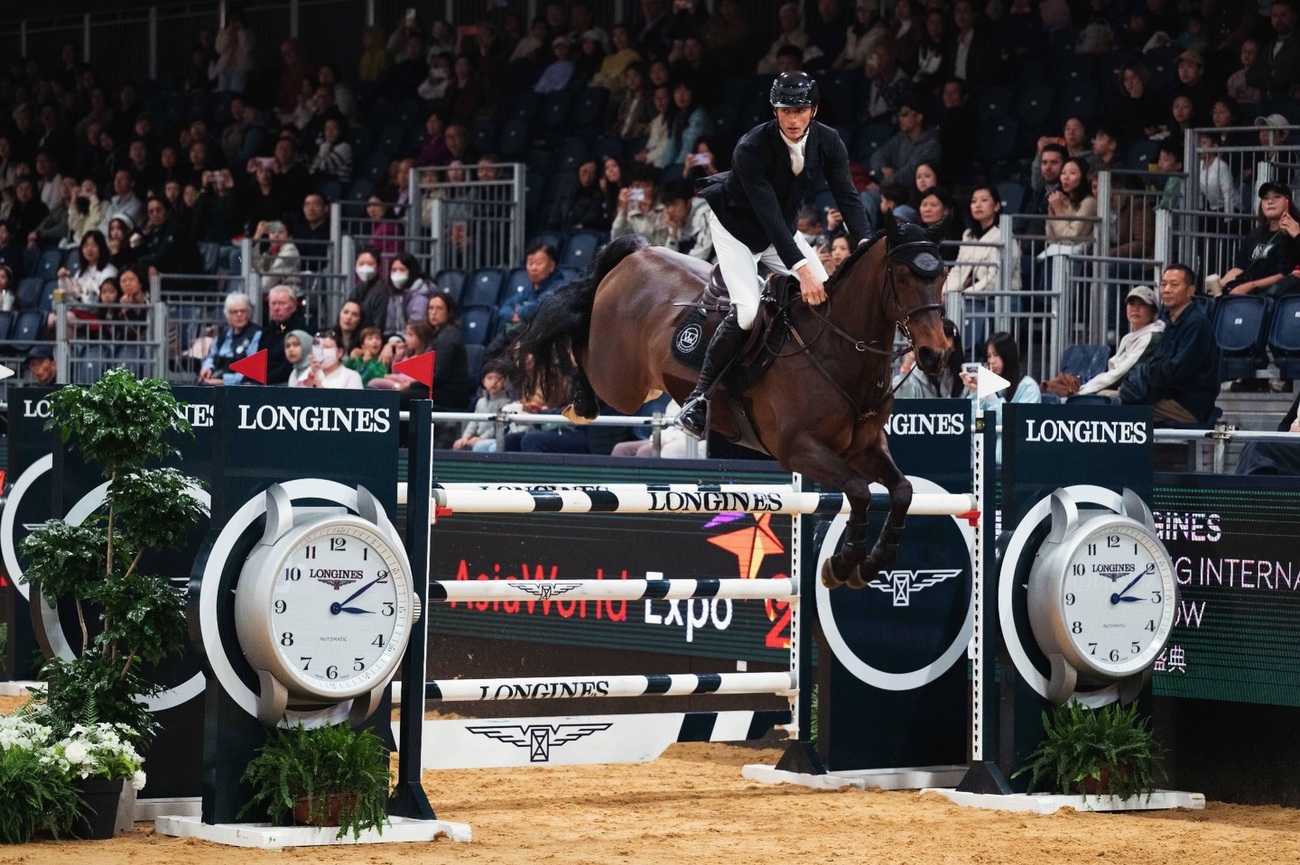
The LONGINES Hong Kong International Races are the centrepiece of the global racing calendar and the primary reason Hong Kong racing commands international attention. Held on one Sunday each December at Sha Tin Racecourse, the event brings together elite horses, trainers and jockeys from across five continents.
Four Group 1 races take place on a single afternoon, with a combined purse of HK$130 million at the 2025 running, making it the richest day of turf racing in the world. The next edition is scheduled for Sunday, 13 December 2026.
The Four Group 1 Races
The race card builds steadily through the afternoon, each contest increasing in prestige and prize money.
- Hong Kong Vase, 2400m, HK$26 million
- Hong Kong Sprint, 1200m, HK$28 million
- Hong Kong Mile, 1600m, HK$36 million
- Hong Kong Cup, 2000m, HK$40 million
The structure creates a rare viewing experience where the entire afternoon carries Group 1 significance. The conditions at Sha Tin in December tend to favour horses arriving in peak form from European and Japanese campaigns, which is why the meeting consistently attracts such depth of competition.
The Horses That Define HKIR
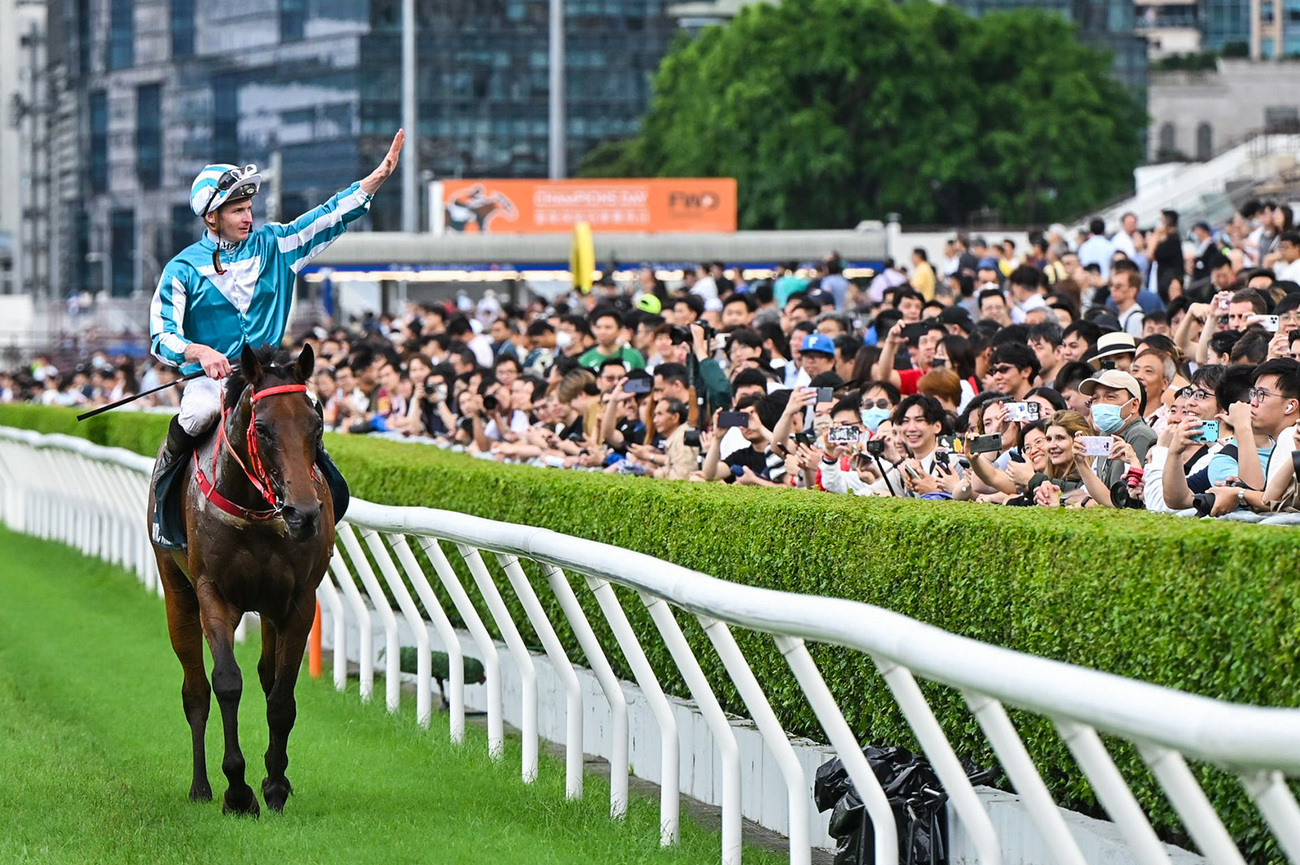
The calibre of runners is what sets the LONGINES Hong Kong International Races apart. Romantic Warrior, Hong Kong’s leading middle-distance horse, secured his fourth consecutive Hong Kong Cup victory in 2025, a record unlikely to be matched soon. He is now a ten-time Group 1 winner across multiple jurisdictions.
Ka Ying Rising, widely regarded as the world’s fastest sprinter on current form, won The Everest in Australia in 2025 and contested the Hong Kong Sprint the same season. Voyage Bubble, one of only two Triple Crown winners in Hong Kong history, has become a consistent presence in the Cup and Mile.
These are the horses that draw global attention and fill the Parade Ring. Their presence is also why premium hospitality and upper-tier access sell out months in advance.
The international depth is equally important. The 2025 running attracted 185 nominations across the four races, including 70 individual Group 1 winners from Japan, France, Ireland, Britain, Australia, the United Arab Emirates, Bahrain and Qatar. Few race meetings deliver this level of genuine international competition.
The International Jockeys'
Championship
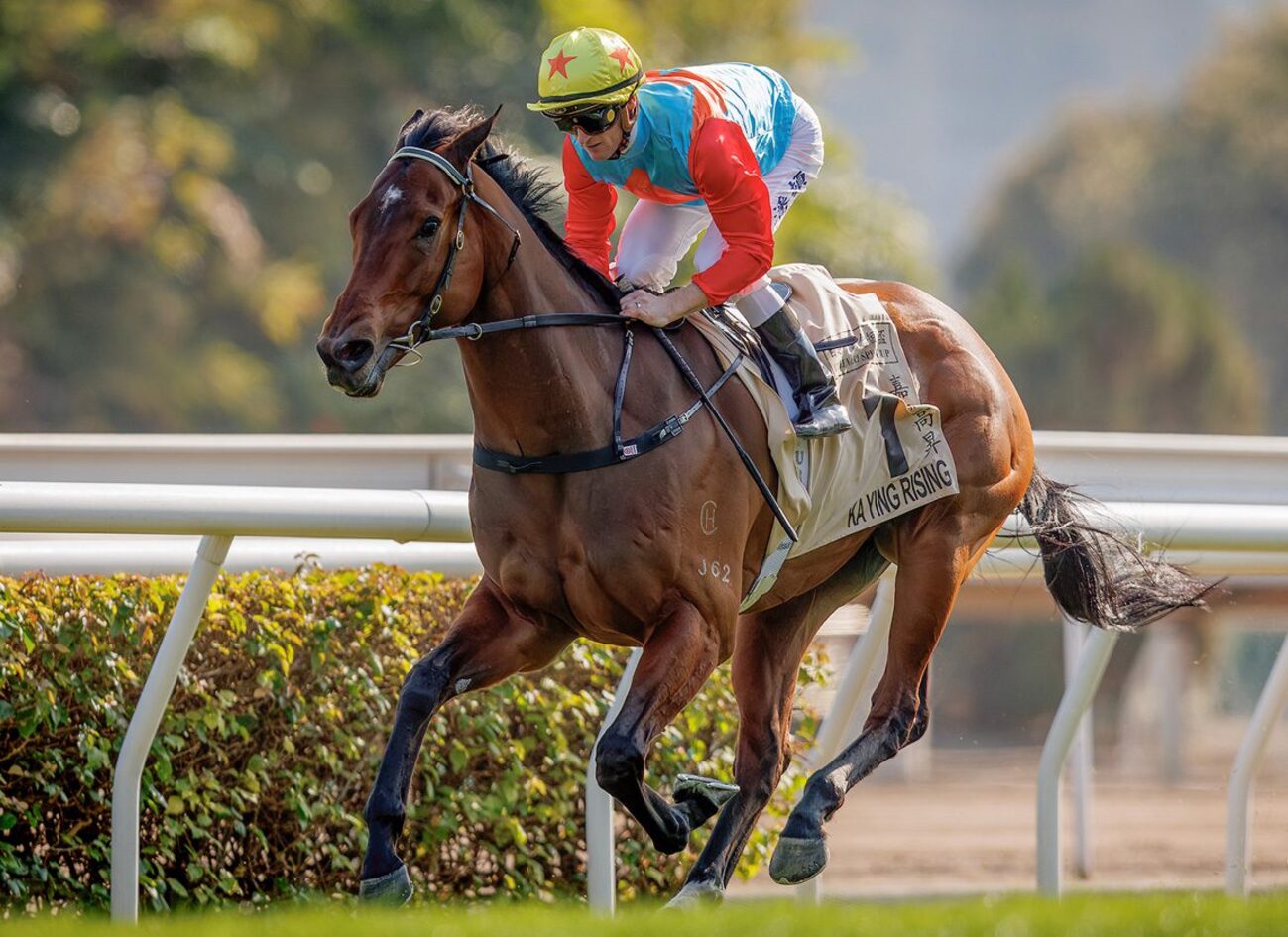
Four nights before HKIR, Happy Valley hosts the LONGINES International Jockeys’ Championship. The 2026 edition is scheduled for Wednesday, 9 December.
This event brings together the world’s leading jockeys for a four-race competition, with points awarded across the evening and the title going to the highest scorer. The concentration of riding talent makes it one of the most competitive and compelling nights in global racing.
For travellers, the International Jockeys’ Championship and HKIR together form a single, highly focused seven-day window. The typical structure includes the IJC on Wednesday, followed by a lighter schedule on Thursday, cultural and dining experiences on Friday and Saturday, and HKIR on Sunday.
This is the week around which experienced travellers build their Hong Kong horse racing itinerary, and it is also when access to premium hospitality becomes most competitive.
Hong
Kong Racing Hospitality, Access and Enclosure Tiers
One of the most common misconceptions about Hong Kong horse racing is that access is simply a ticketing decision. It is not. General admission to a standard Wednesday at Happy Valley costs around HK$10. What defines the experience is not entry, but the enclosure tier, the level of service, and the hospitality environment.
Understanding the
Enclosure Structure
Both Happy Valley and Sha Tin operate a clearly tiered structure.
- Public admission and the Beer Garden form the base
- Reserved seating and restaurant floors sit above
- Members’ enclosures require sponsorship for access
- Hospitality suites and premium lounges follow
- Private boxes sit at the highest level
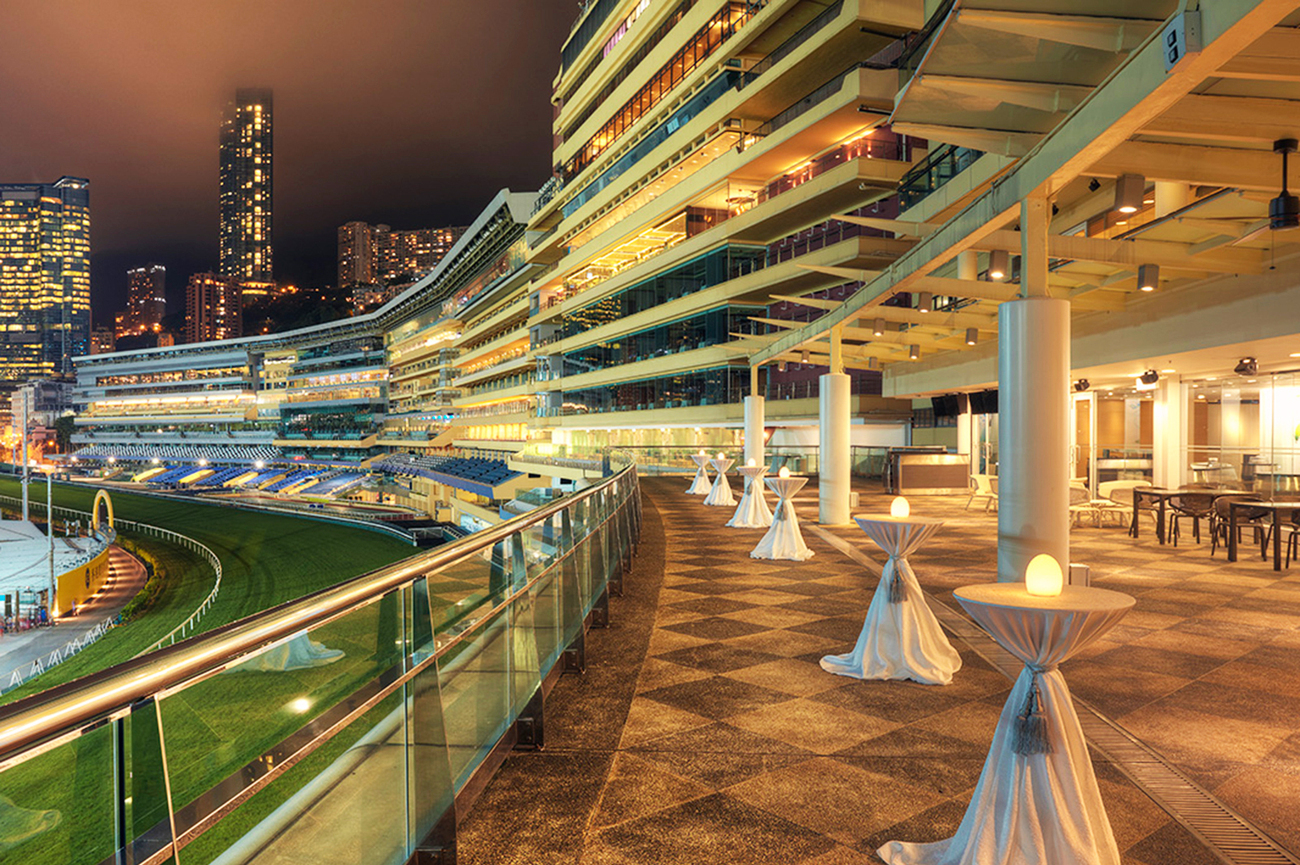
At Sha Tin, Champion Circle remains one of the few upper-tier venues accessible to non-members with advance reservation, offering panoramic views over the Parade Ring and track. At Happy Valley, Vantage provides a comparable premium hospitality experience.
Availability at these levels is limited and typically fills well in advance for major race meetings.
What Upper-Tier
Hospitality Includes
Upper-tier hospitality at Hong Kong racecourses operates at a standard comparable to Royal Ascot or Flemington.
Guests can expect:
- Multi-course dining integrated with the race schedule
- Curated wine programmes linked to global racing regions
- Full table service throughout the event
- Race-card briefings and televised race coverage
The overall quality is consistently high and often exceeds comparable experiences in Europe and Australia, while typically remaining more accessible in pricing.
Dress Code and Social
Atmosphere
Dress varies significantly by enclosure and fixture.
Public areas at Happy Valley on a standard Wednesday are relaxed, with office wear, casual clothing and trainers common. In contrast, premium areas such as private boxes, Vantage and Members’ enclosures require a more refined standard.
- Jackets and collared shirts for men
- Polished daywear or evening attire for women
- Smart footwear required
For major fixtures such as the LONGINES Hong Kong International Races, the Hong Kong Derby, FWD Champions Day and the International Jockeys’ Championship, the overall dress standard across the racecourse becomes noticeably more formal.
Why Access Requires
Advanced Planning
Here is the practical reality that rarely gets said directly. Private boxes, hospitality suites, Vantage packages and premium admission for headline Hong Kong racing fixtures routinely sell out weeks, and often months, in advance.
Members’ guest access requires sponsorship through the Hong Kong Jockey Club’s international channels. For travellers who want the experience at the tier described above, arranging it independently on arrival is not viable. This is the clearest argument for commissioning a travel specialist rather than booking from scratch.
At Revigorate, our five-day Hong Kong racing itinerary places a confirmed hospitality tier at both racecourses, with transfers, race-card consultations and restaurant bookings pre-arranged. The value is measurable, and arguably the single sharpest return on hiring a specialist for a trip like this.
Beyond
the Track: Racing Heritage and Hong Kong’s Design Districts
One reason a five-day Hong Kong racing itinerary works better than a three-day visit is that the sport connects naturally to two other parts of the city affluent travellers value: racing heritage and contemporary design culture.
The connection is both geographical and thematic. Happy Valley explains where the sport began. Central, Sheung Wan, PMQ, Tai Kwun and M+ show how modern Hong Kong continues to reinterpret its own history.

The Hong Kong Racing
Museum
The Hong Kong Racing Museum at Happy Valley is small, carefully curated and free to enter. Its collection includes pre-war photographs, historic trophies, displays on Hong Kong’s great horses, and sections covering the Hong Kong Jockey Club’s charitable work and jockey lineage.
An hour here before a Wednesday race meeting gives travellers enough context to follow the card more intelligently. By the time you walk back into the grandstand, the names, silks, trainers and families behind the sport begin to feel connected rather than abstract.
Wong Nai Chung and the
Happy Valley Neighbourhood
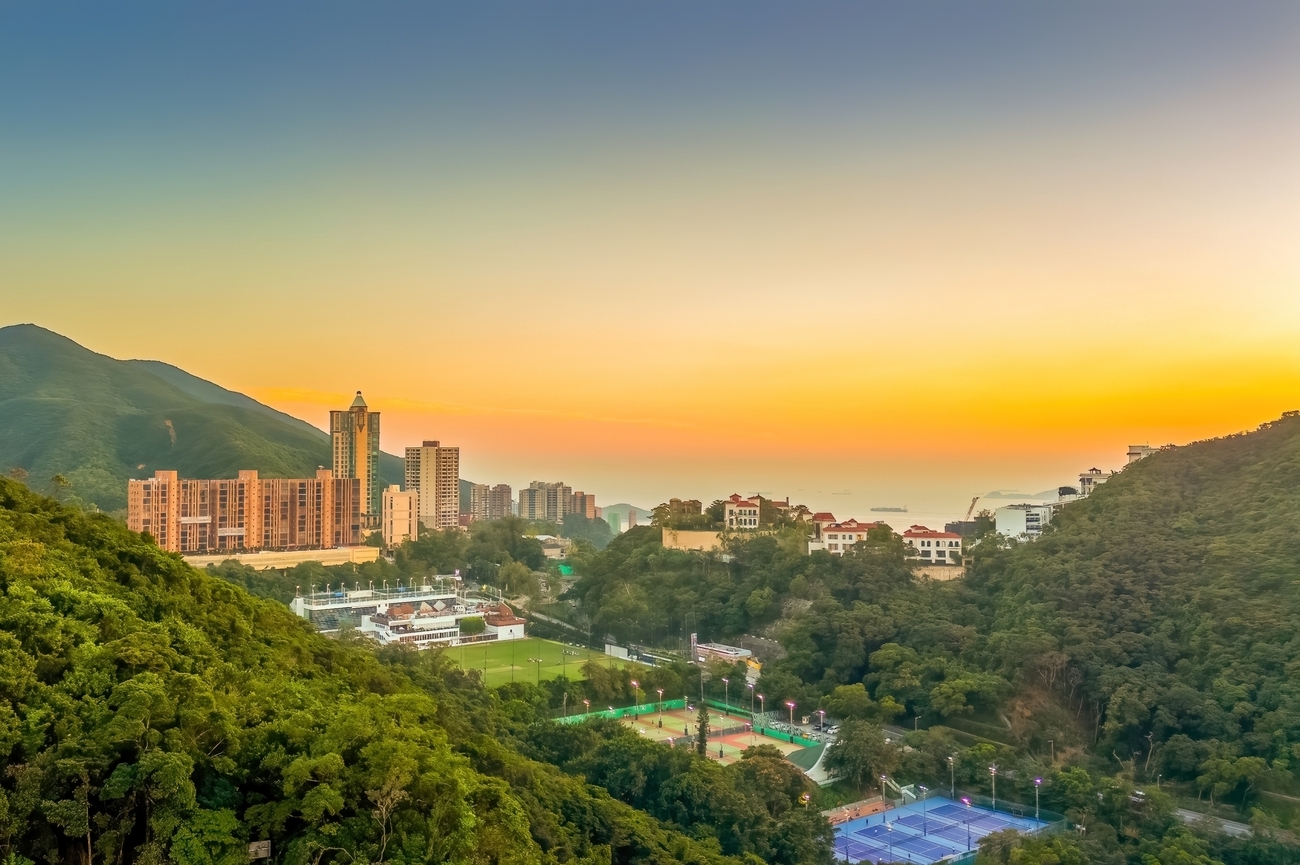
The streets around Happy Valley carry their own quiet racing heritage. Wong Nai Chung Road, pre-war apartment blocks, the colonial-era clubhouses of the Craigengower Cricket Club and the Hong Kong Football Club, and the incense-heavy lanes around Lin Fa Kung Street all help place the racecourse inside the city that grew around it.
A morning walk through this part of Hong Kong Island gives useful context before returning for the evening meeting. Happy Valley is not isolated from the neighbourhood. It is part of its rhythm.
The Pivot Into Hong Kong's
Creative Quarters
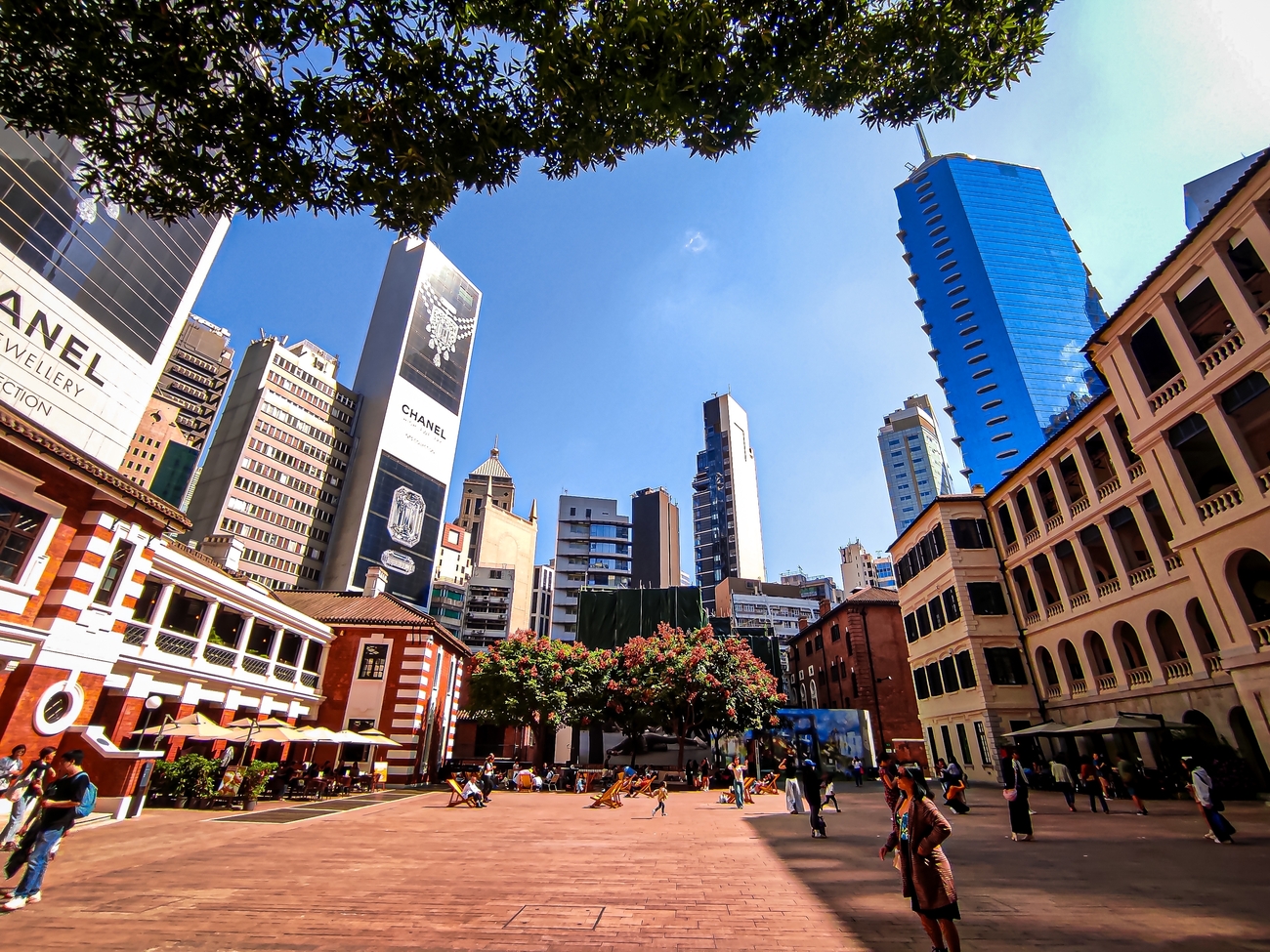
A well-planned racing trip should also move into Hong Kong’s contemporary cultural districts. PMQ in Soho, set inside the former Police Married Quarters, has become a design and craft hub. Tai Kwun, the restored former Central Police Station, now houses galleries, restaurants and heritage exhibitions. M+ on the West Kowloon waterfront is one of Asia’s major contemporary art museums, while Sheung Wan offers a quieter network of galleries and independent creative spaces.
This is where the itinerary widens beyond racing. Hong Kong’s racing tradition, colonial architecture, post-1997 identity and contemporary design culture are all part of the same story. Reading the city through both the racecourse and the gallery district gives travellers a much fuller understanding of Hong Kong.
For travellers who want to extend that wider city context, our Things to Do in Hong Kong guide explores the cultural landmarks, harbour views, museums, neighbourhoods and dining experiences that can sit naturally around a racing-focused trip.

Dining
Inside a Hong Kong Race Day
Dining at a Hong Kong race meeting is part of the experience, not a pause from it. The Hong Kong Jockey Club has invested heavily in racecourse dining over recent seasons, and the range is far broader than many first-time visitors expect.
Happy Valley, The Gallery
and adrenaline offer two different styles of race-night dining
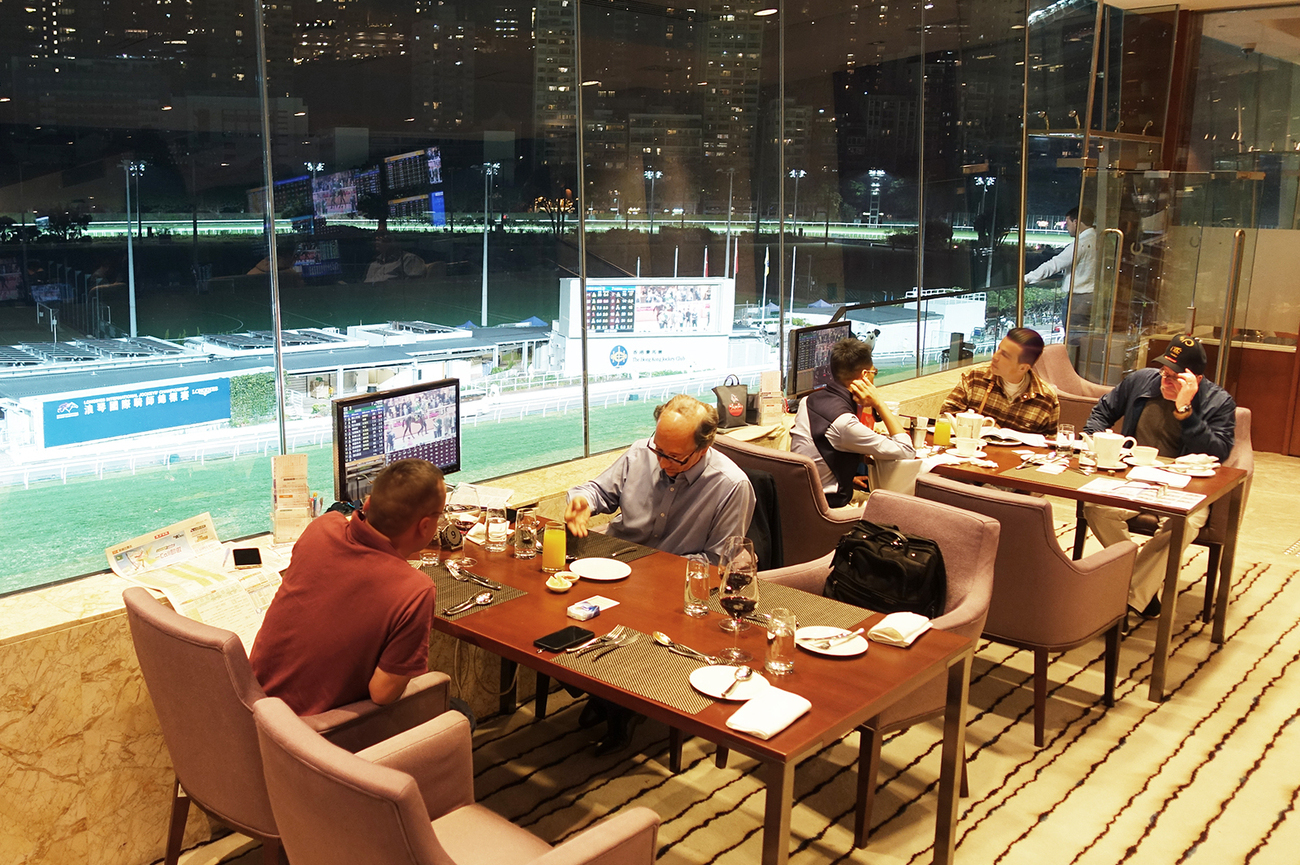
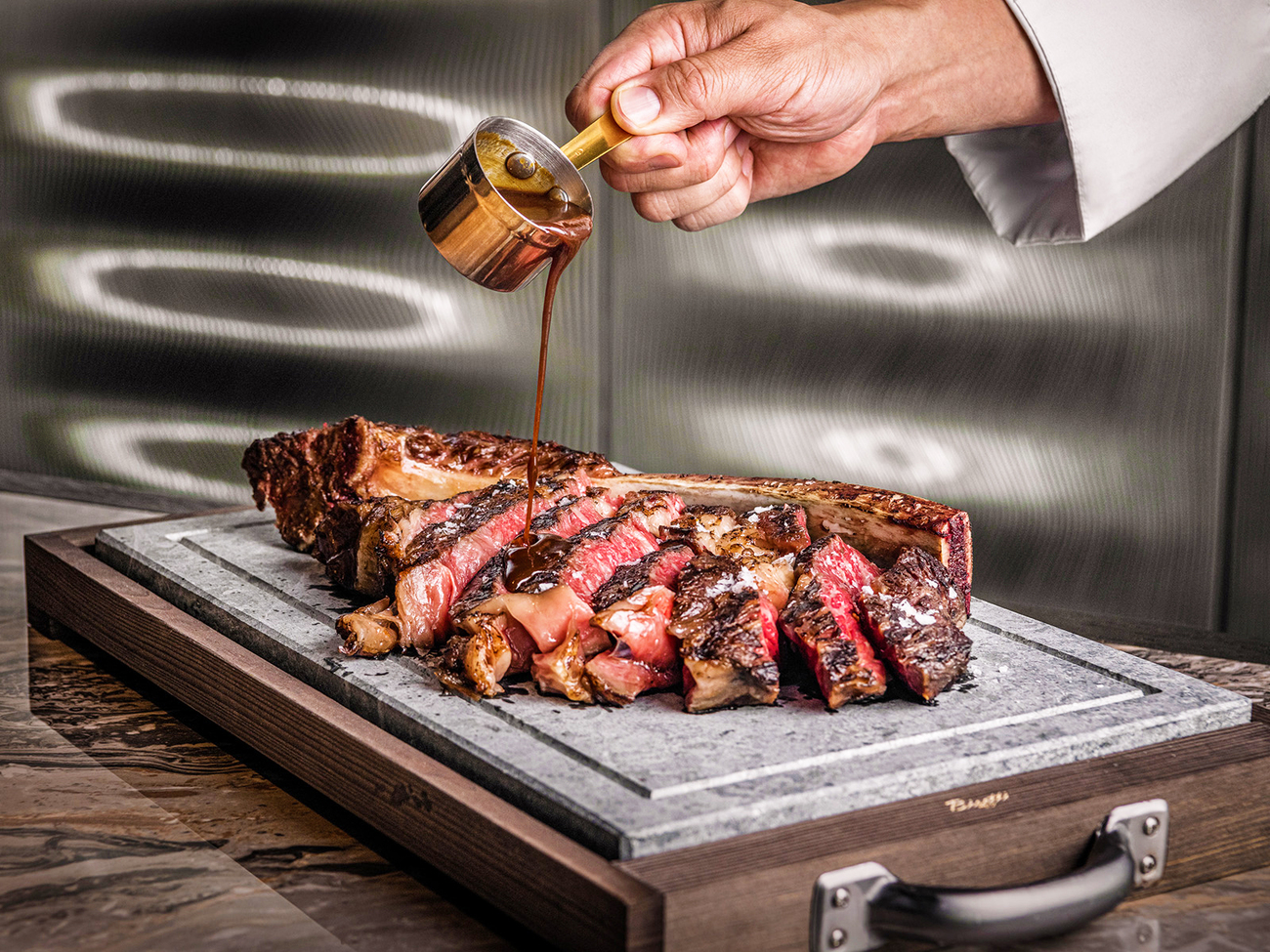
The Gallery is closer to a full dining experience, with live race views and Racing Specialists available for consultation during the evening. Adrenaline feels brighter and more social, with tapas, race-inspired cocktails and finish-line views.
Above both sits Vantage, the premium hospitality lounge, with curated cocktails, handpicked wines and a fuller hospitality programme. At private-box level, catering is built around the party, with menus, service rhythm and wine selections shaped around the evening.
Dining at Sha Tin
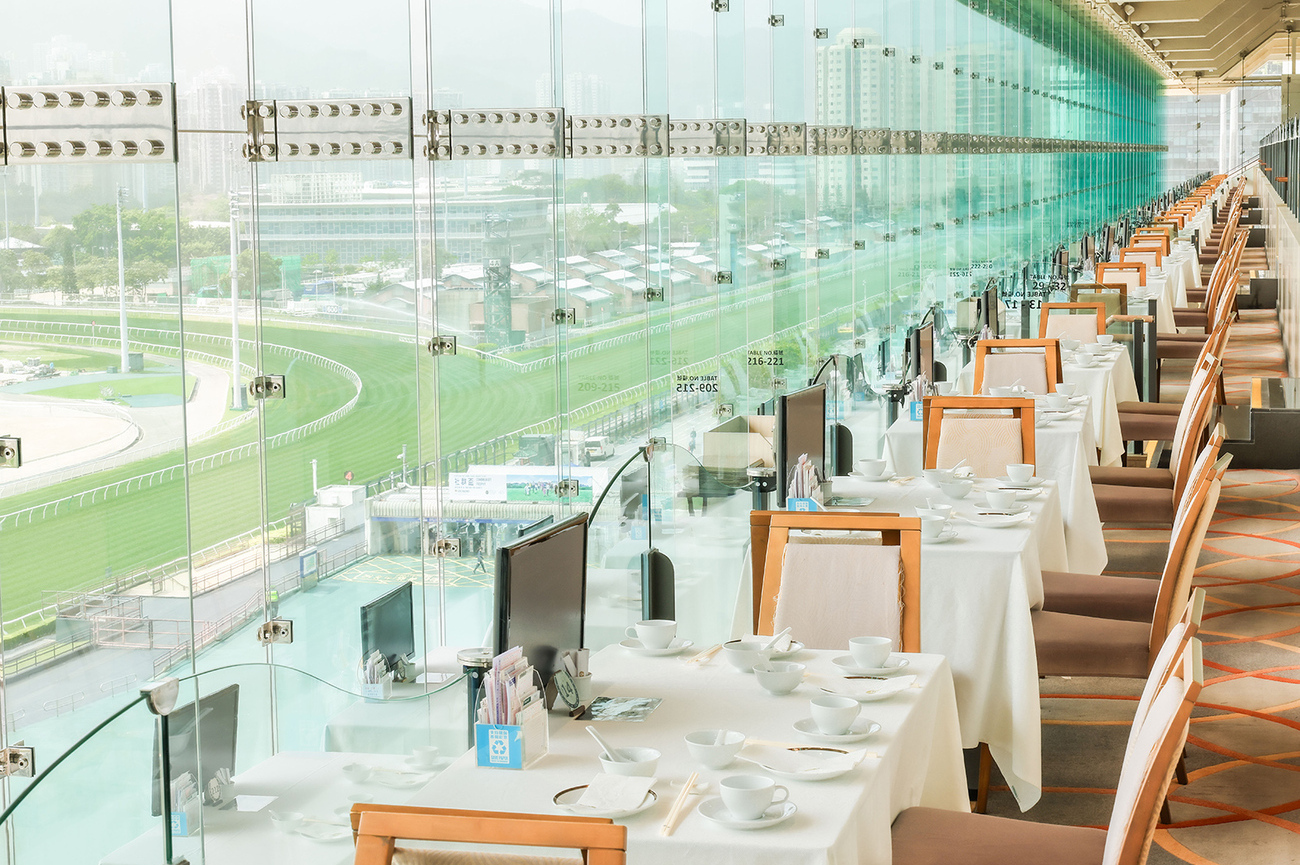
At Sha Tin, Champion Circle is one of the strongest choices for first-time visitors seeking an elevated race-day experience, with panoramic views across the Parade Ring and track.
Fudo Town at Gensō Eki offers a more casual food-hall setting for fast between-race dining, while the Izakaya inside Gensō Eki provides a Japanese-inspired dining option with its own atmosphere. Pak Sing, the Chinese restaurant inside the public enclosure, adds floor-to-ceiling track views and a strong Cantonese menu.
Dining Beyond the Racecourses
A properly planned Hong Kong racing itinerary should extend its dining into the city itself.
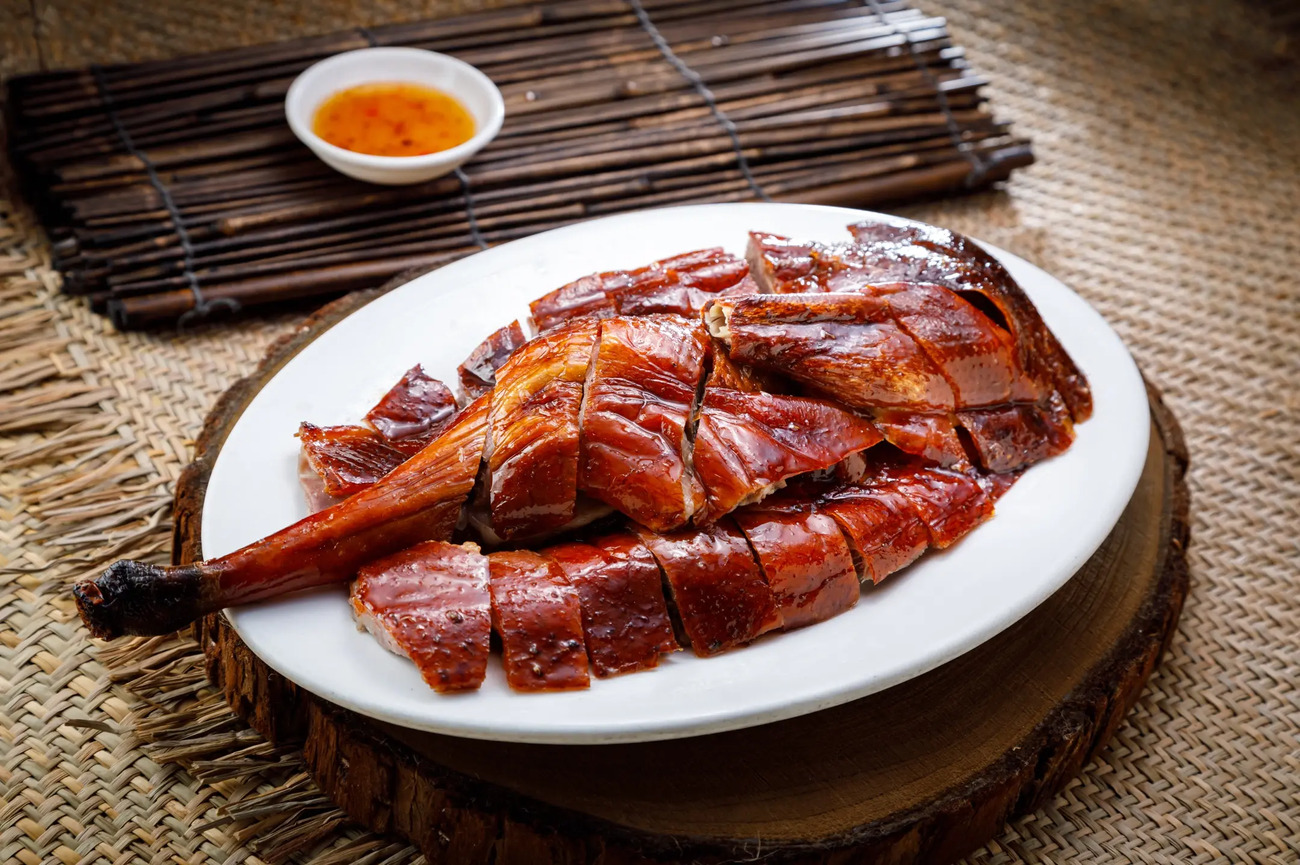
The Chairman in Sheung Wan offers Cantonese cuisine at the highest level. Belon, also in Sheung Wan, brings refined French cooking into the same district. Yat Lok is ideal for a Michelin-starred roast-goose lunch, while Salisterra at The Upper House works well for a quieter welcome evening.
This is why a five-day Hong Kong racing trip works better than a quick visit. The racing and the dining interleave naturally, turning the journey into a complete cultural and culinary experience rather than a single race meeting.
Why
Hong Kong Racing Belongs Among the City’s Most Luxurious Experiences
Hong Kong racing deserves to sit alongside the city’s better-known luxury experiences: Michelin-starred dining, skyline hotels, private tailoring, Art Basel week and high-level cultural access.
The setting alone is unmatched. No other world city combines a floodlit urban racecourse in its commercial centre with a Group 1 international racecourse less than an hour away. Happy Valley gives travellers the city at full intensity. Sha Tin gives them global racing prestige.
The sport itself is genuinely elite, with horses such as Romantic Warrior placing Hong Kong among the leading racing jurisdictions in the world. The hospitality infrastructure holds its own against Royal Ascot and Flemington, while the Hong Kong Jockey Club’s civic role gives the experience a depth that commercial sporting venues rarely carry.
The final advantage is sequencing. Racing connects naturally with Hong Kong’s dining, hotel, art and design culture, which means the trip feels integrated rather than forced.
For travellers who want the full case before planning a December visit, our companion piece sets out 12 reasons why horse racing is one of Hong Kong’s most luxurious cultural experiences.
Planning
a Hong Kong Luxury Racing Itinerary
The argument this Hong Kong horse racing guide builds toward is that the sport deserves a trip structured around it, not a two-hour detour added to a standard Central-based holiday.
Five days is the right length for travellers who want to experience both racecourses properly, with the wider city framed around the racing. This is the sequencing that works.
Day 1: Arrival and The
Upper House
Arrive at Hong Kong International Airport in the morning, followed by a private transfer to The Upper House in Pacific Place. The first evening should be simple and elegant, designed to anchor the trip in Central without asking too much of the traveller.
Salisterra works well for dinner, or Café Gray Deluxe for something lighter. A Hong Kong luxury racing itinerary only delivers its full value if the traveller begins rested.

Day 2: Happy Valley on
Race Night
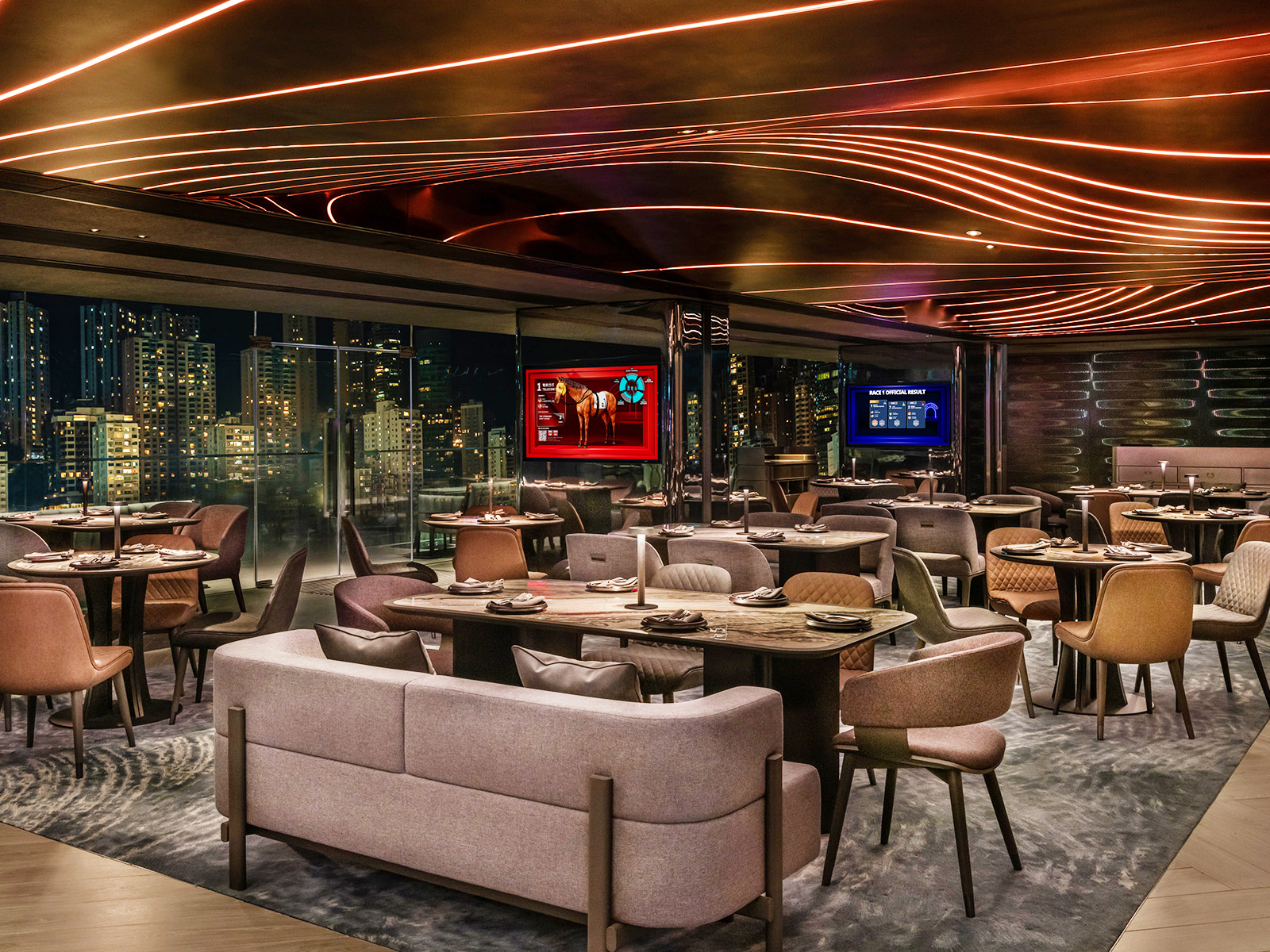
A private transfer brings guests to Happy Valley in the late afternoon. Hospitality should be pre-arranged inside Vantage or a private box, with a race-card briefing on arrival covering the evening’s key runners, trainers and likely tactics.
Dinner is integrated with the racing, followed by a nightcap at one of Central’s cocktail rooms on the way back to the hotel.
Day 3: Sha Tin on Race Day
Day 3 begins later, with a private car or MTR journey to Sha Tin for the Sunday programme. Hospitality should be arranged in Champion Circle or an upper-tier suite.
From the hospitality floors, the finishing stretch carries a different quality than it does from the public enclosures. The gaps between races allow time to visit the Parade Ring, watch the horses being saddled, assess the going and return to the table without rushing.
This is the day the trip shifts from the weeknight electricity of Happy Valley to the formal atmosphere of Sha Tin. That contrast is the reason both racecourses belong in the same itinerary.
Day 4: Racing Heritage to
Design Districts
The morning begins at the Hong Kong Racing Museum at Happy Valley. The afternoon moves into Hong Kong’s design districts, including Soho, PMQ and Tai Kwun.
Dinner should be somewhere considered, such as Belon or The Chairman in Sheung Wan. This is the day racing meets the city it has helped shape.
Day 5: Departure
The final day should remain unhurried. A leisurely morning, final shopping at Pacific Place or along Des Voeux Road, and a private transfer back to Hong Kong International Airport close the itinerary smoothly.
Our concierge team at Revigorate arranges each element in advance of arrival: the hospitality tier at each racecourse, race-card consultations, private transfers and restaurant bookings at the right dates. The practical value is significant, especially compared with the effort of assembling the same trip independently from multiple counterparties.
The View From the
Forty-First Floor
The last race goes off at ten to eleven. By midnight, the floodlights dim and the valley settles into its weeknight quiet. Somewhere across Central, the jockey who rode the winner is ordering his first drink of the evening. The woman on the forty-first floor has closed her window. She will watch again next Wednesday, as her mother did before her.
A week in Hong Kong works best when it is built into the city rather than added onto it. The December fixtures, the long Sunday at Sha Tin, the heritage walks and the late dinner at The Chairman stop being separate items on a list and become a flow. That shift is what separates travellers who return for a second December from those who do not.
That flow is our work.
By the time your flight lands, the fixtures are booked, the enclosures are reserved, the tables are held and the transfers are confirmed. All that remains is to decide which race you want to watch from the balcony.
Start planning your Hong Kong luxury racing itinerary today.


Let us know what you love, where you want to go, and we’ll design a one-of-a-kind adventure you’ll never forget.
Get in touch
Miriam
Travel Specialist

Nina
Travel Specialist

Abigail
Travel Specialist
Frequently Asked Questions
-
When is the best time of year to visit Hong Kong for horse racing?
The peak period is December, when the LONGINES International Jockeys' Championship and the LONGINES Hong Kong International Races attract many of the world's leading horses, jockeys and trainers.
-
Can overseas visitors place bets at Hong Kong racecourses?
Yes. Visitors who meet the Hong Kong Jockey Club's eligibility requirements can place bets at the racecourse. Valid identification may be required and local regulations apply.
-
Are Hong Kong racecourses suitable for travellers who are not horse racing fans?
Yes. Many visitors attend for the atmosphere, dining, architecture, entertainment and social experience, even if they have little prior knowledge of horse racing.
-
Can families visit Hong Kong racecourses?
Certain areas and facilities are family-friendly, particularly around Sha Tin Racecourse and Penfold Park. Visitors should check current admission policies and age restrictions before attending.
-
Do Hong Kong racecourses offer English-language information?
Yes. Race cards, signage, hospitality services and racing information are widely available in English, making the experience accessible for international visitors.
-
Can Revigorate arrange exclusive horse racing experiences in Hong Kong?
Yes. Revigorate can arrange racecourse hospitality, premium seating, private transfers, luxury accommodation, restaurant reservations and bespoke Hong Kong itineraries tailored to individual interests.
Our offices:



Revigorate, Iberian Escapes and Algarve Lifestyle are the registered brand names of APCS Lda . We are a fully authorised travel agency licensed by Turismo de Portugal RNAVT/6867.
In the event of a dispute, the consumer may refer to: RAL - Centros de Arbitragem
Avª. 5 de Outubro, nº. 55, R/C Dtº. 8000-075 Faro, Portugal | Tel: +351 289 823 135 *
* national landline call
E-mail: info@consumoalgarve.pt| www.consumidoronline.pt | Mon to Fri: 9:00 - 13:00 / 14:00 - 17:00