12 Reasons Why Horse Racing Is One of Hong Kong’s Most Luxurious Cultural Experiences
Royal Ascot has the Berkshire countryside. Flemington has the Maribyrnong. Longchamp has the Bois de Boulogne. Hong Kong has a thirty-storey apartment tower casting its shadow over the home straight, and a Sunday in December that brings horses from five continents to one grandstand.
The sport’s traditional capitals have heritage. Hong Kong offers something rarer.
What follows is twelve reasons why Hong Kong has earned its place among the world’s great racing destinations. Each reason stands on its own. Together, they explain why travellers who could attend any major racing carnival continue to return to Hong Kong.
For broader context, our Hong Kong horse racing guide explains how Happy Valley, Sha Tin and the Hong Kong Jockey Club combine to create one of the world’s most distinctive racing cultures.
The Sundays and Wednesdays worth planning for are arranged well in advance, not assembled on arrival. Our five-day Hong Kong racing itinerary is designed for exactly that.
1. The Setting at Happy Valley Has No
Equivalent on Earth
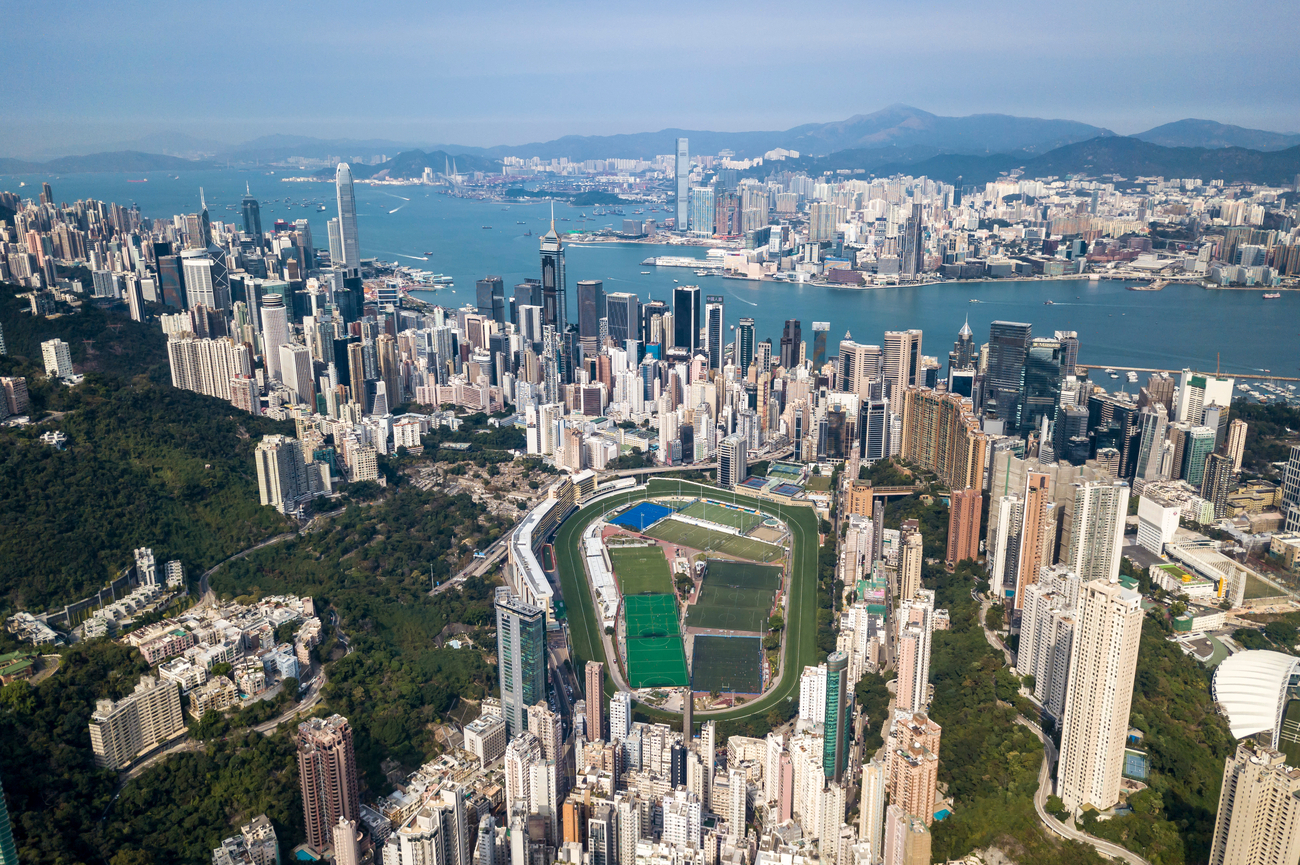
There is no other major racecourse in the world that sits at the floor of a valley ringed by thirty-storey residential towers, with a turf track running beneath balconies where someone is hanging laundry.
Royal Ascot has the Berkshire countryside. Flemington has the Maribyrnong River. Longchamp has the Bois de Boulogne. Happy Valley has the city itself, pressed against the rail on every side.
An evening inside that valley is not comparable to any other racing experience at this level. The setting alone justifies the journey, and our Hong Kong horse racing guide explains why Happy Valley sits at the centre of the city’s racing culture.
That geography has consequences. Visitors who attend Wednesday racing in Hong Kong often struggle to describe what they have seen to people who only know traditional racecourses. The closest international comparison, Thursday night racing at Meydan, sits inside a desert suburb. Happy Valley sits inside Causeway Bay. The difference is precisely what people fly in to experience.
2. Sha Tin Hosts the Richest Single
Day of Turf Racing on Earth
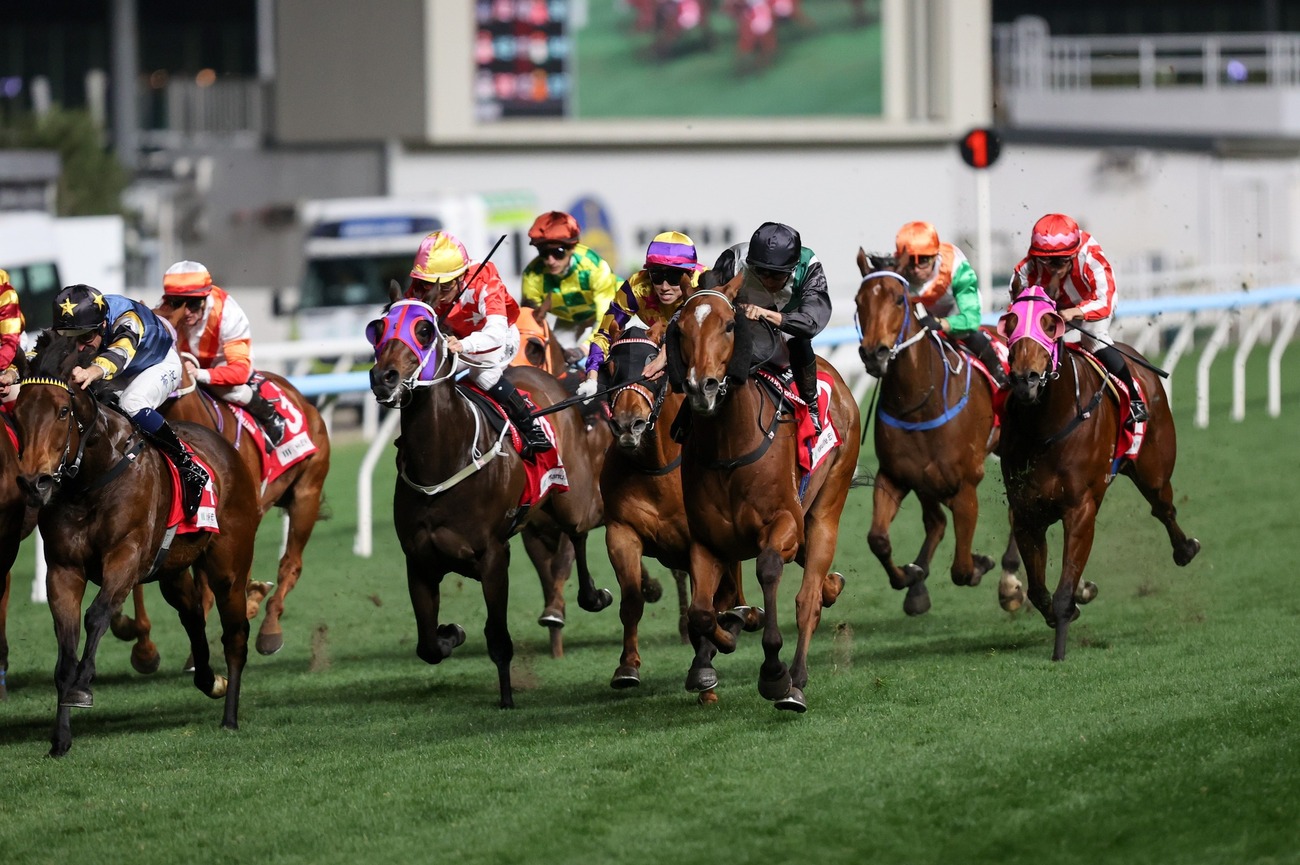
On the second Sunday of December, Sha Tin hosts the four LONGINES Hong Kong International Group 1 races, with combined prize money of HK$130 million, approximately £12.9 million or US$16.7 million.
The 2025 running attracted 185 nominations, including 70 individual Group 1 winners, with horses arriving from Japan, France, Ireland, Britain, Australia, the UAE, Bahrain and Qatar. The 2026 edition is scheduled for Sunday, 13 December.
The depth of competition is what makes the day extraordinary. Hong Kong racing prestige does not rest on one famous race in the way the Kentucky Derby anchors Churchill Downs or the Gold Cup anchors Royal Ascot. It rests on a four-race afternoon where every contest is a Group 1, every purse exceeds HK$25 million, and every race carries international significance.
The structure produces a different kind of viewing experience. The afternoon builds rather than peaks, with each race carrying the weight that elsewhere only the headline event would hold.
For travellers who want to understand the full Sha Tin race-day experience, our Sha Tin Racecourse guide explains the course, hospitality tiers and major fixtures in detail.
3. The Hong Kong-Trained Horses Are
World-Class
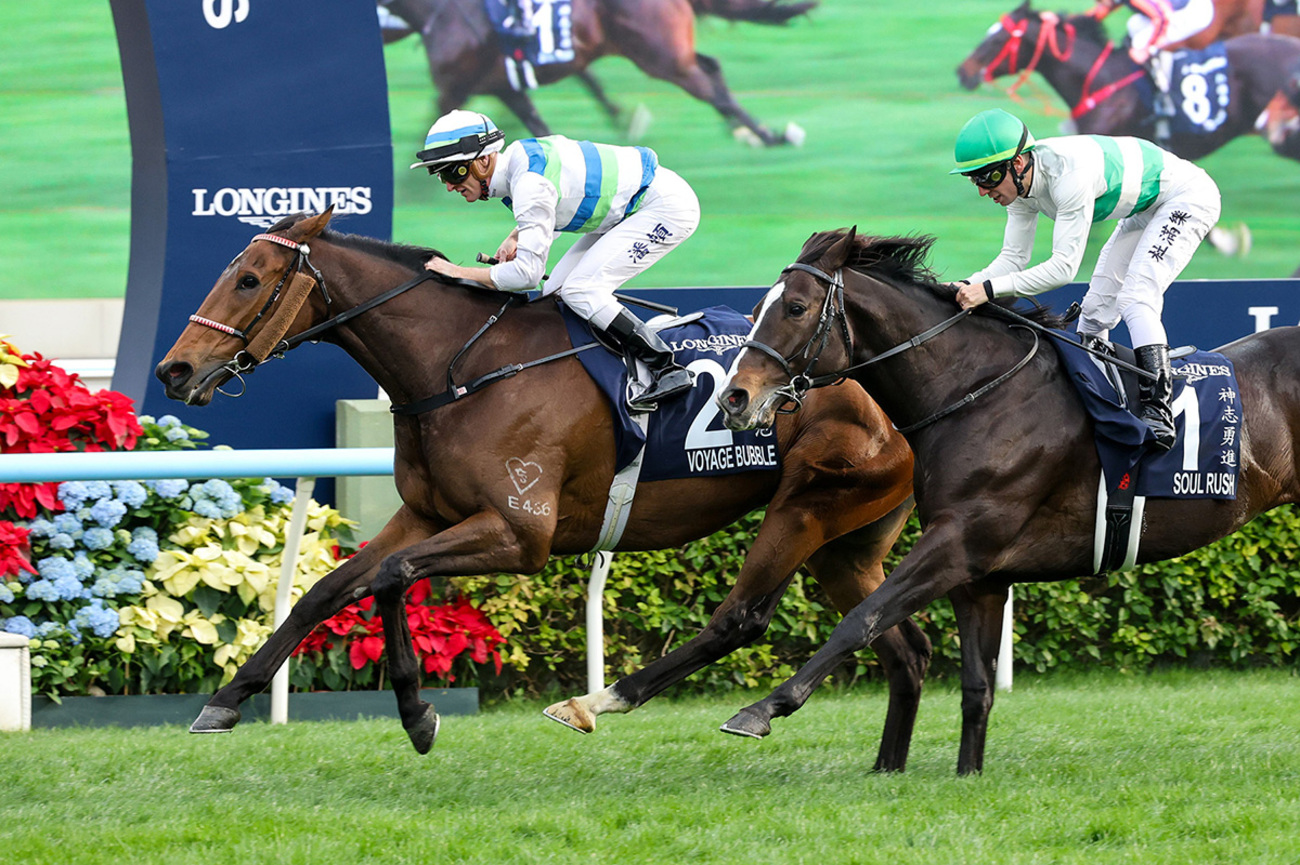
Hong Kong-trained horses now sit among the best in world racing. Romantic Warrior won his fourth consecutive LONGINES Hong Kong Cup in 2025, a record likely to stand for a generation. He is now a ten-time Group 1 winner across Hong Kong, Australia and Japan.
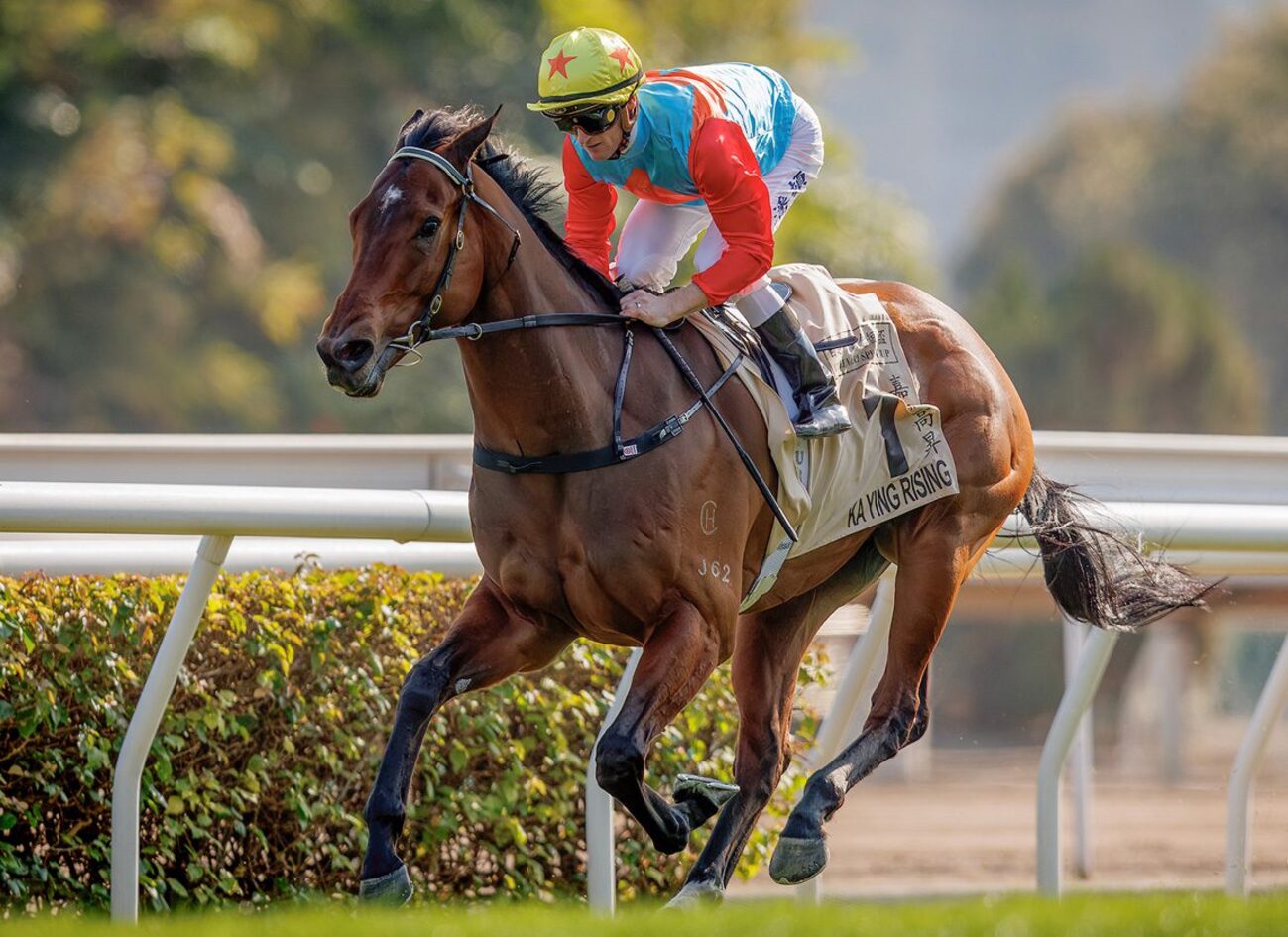
Ka Ying Rising, judged the world’s fastest sprinter on current form, won The Everest in Australia in 2025 and contested the Hong Kong Sprint the same December. Voyage Bubble became only the second Triple Crown winner in Hong Kong racing history.
For serious racing travellers, the chance to see horses of this calibre on their home ground is a reason to visit in itself.
The point goes beyond the headline names. Hong Kong’s depth in middle-distance and sprinting categories now exceeds what many established racing nations can field outside their biggest meetings. A standard Sunday at Sha Tin can feature Group-class horses in Class 1 handicaps.
That is part of why informed visitors leave Hong Kong with the same conclusion: the standard of racing has risen beyond what conventional tourist coverage has yet recognised.
4. The Hong Kong Jockey Club Is a
Civic Institution, Not a Commercial Sport
The Hong Kong Jockey Club is not simply a racing operator. It is one of Hong Kong’s most important civic institutions, the city’s largest single taxpayer and its most significant community benefactor.
Its charitable work has supported hospitals, universities, elderly care, medical research, the Hong Kong Palace Museum, M+ exhibition programming and a wide range of cultural and public-interest projects.
That institutional role changes the nature of a Hong Kong racing experience. Visitors are not just attending a sport. They are entering an organisation that has helped shape the civic life of one of Asia’s most important cities for almost two centuries.
This is why Hong Kong Jockey Club hospitality reads differently. A private box at Happy Valley, a Vantage evening, or a Champion Circle table at Sha Tin is not merely a commercial transaction with a leisure venue. It is hospitality delivered by an institution with genuine civic weight.
For travellers who recognise that distinction, the experience carries a quieter depth than comparable hospitality at purely commercial racing venues elsewhere in the world.
5. Hospitality at Both Courses Rivals
Royal Ascot and Flemington
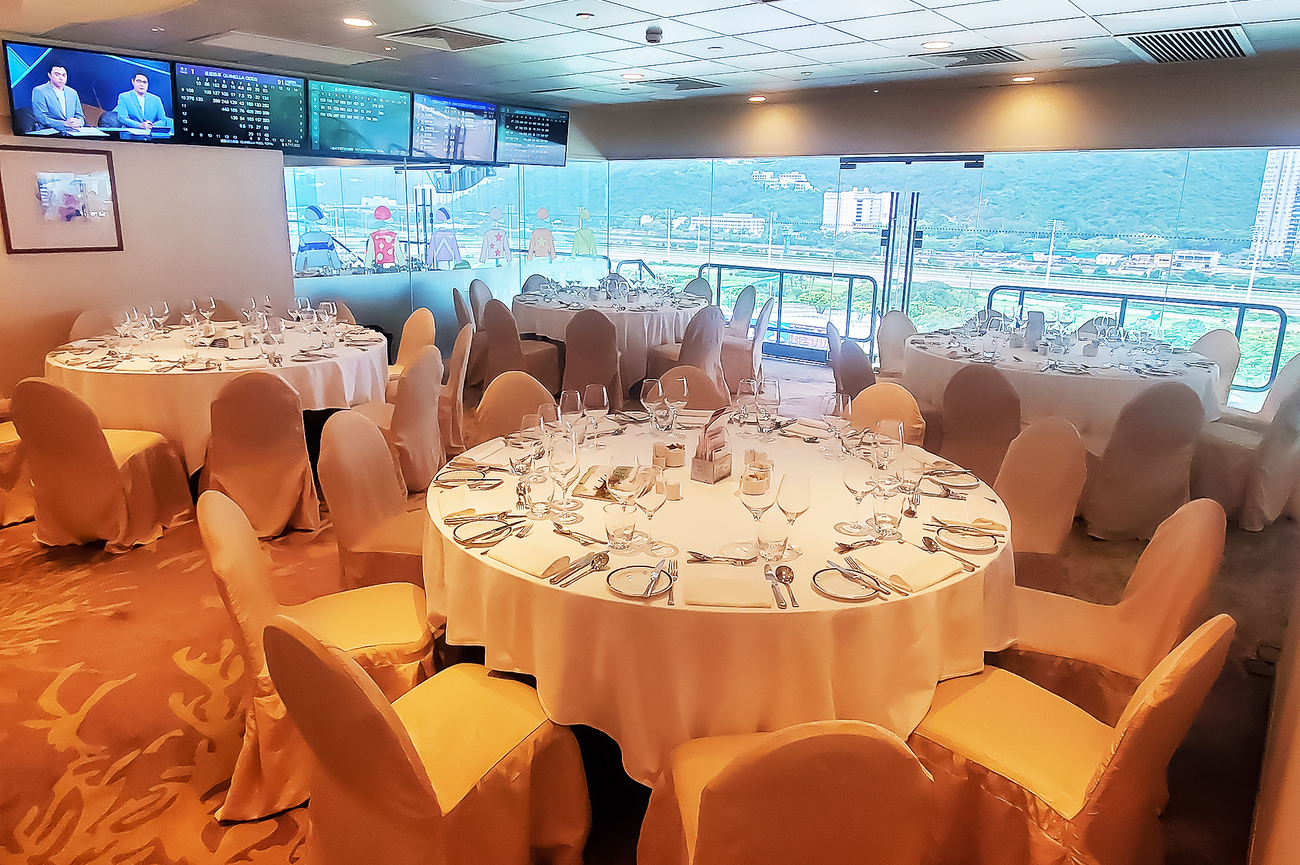
Upper-tier hospitality at HKIR, the BMW Hong Kong Derby, FWD Champions Day and the LONGINES International Jockeys’ Championship operates at a standard comparable to Royal Ascot’s Queen Anne Enclosure or Flemington’s Birdcage.
Expect tasting-menu dining curated around the race card, wine programmes shaped by the Hong Kong Jockey Club’s international racing partnerships, Racing Specialists briefing tables between courses, and private boxes with dedicated catering and bespoke menus.
The hospitality often feels sharper because it is considered rather than transactional. Pricing also tends to sit below comparable British and Australian tiers, which gives Hong Kong a meaningful advantage for luxury sports travellers.
This places Hong Kong inside a rare category of luxury sports tourism. Royal Ascot’s Royal Enclosure can require long lead times. Flemington’s Birdcage is heavily relationship-driven. Saratoga’s clubhouse culture is built on generations of access. Hong Kong’s upper-tier hospitality can be more accessible for travellers with the right specialist arrangements, which is a genuine structural advantage.
6. The Two-Course Calendar Allows Two
Tones in One Trip
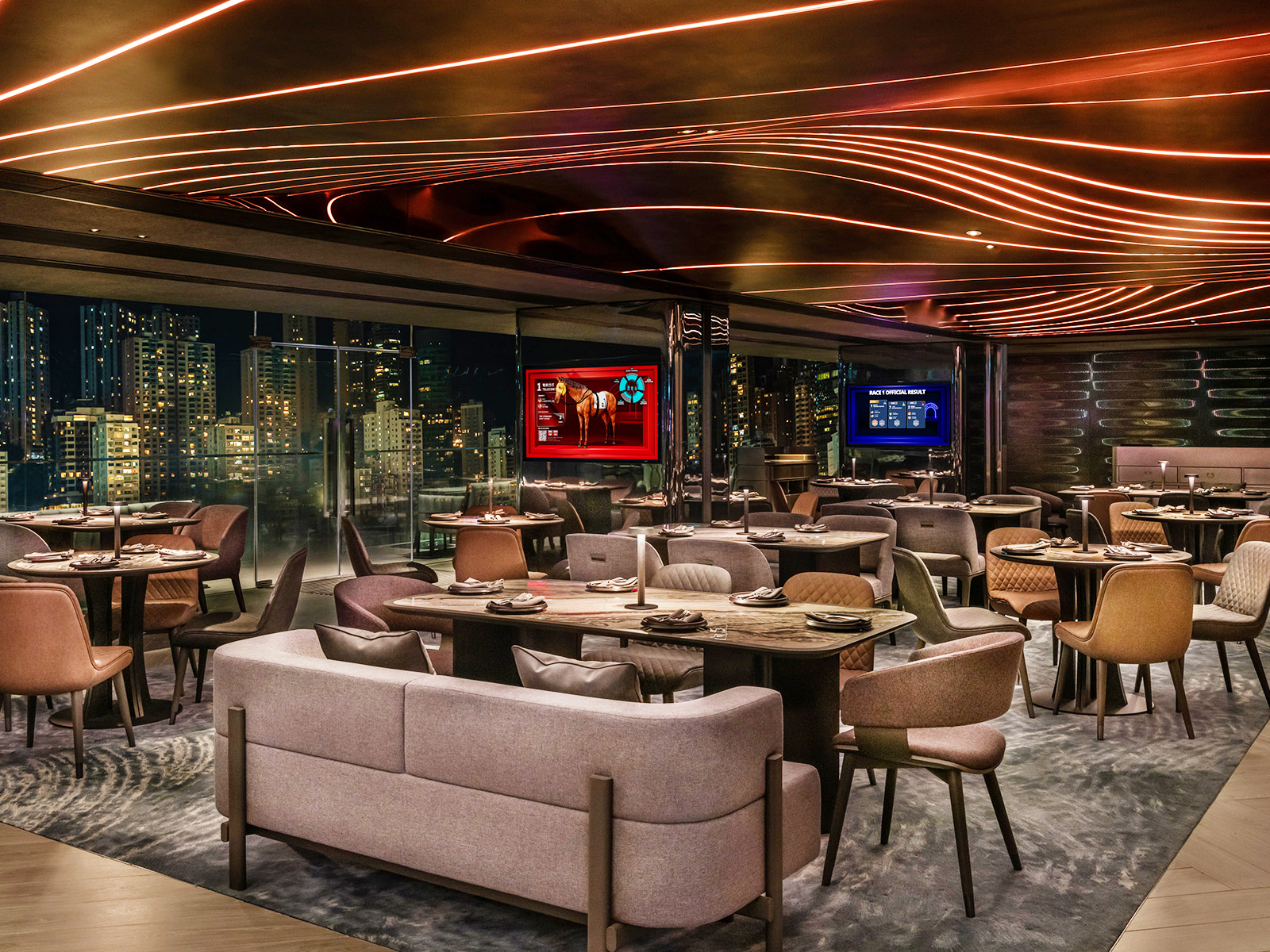
Hong Kong is one of the few major racing jurisdictions where travellers can experience a Wednesday night fixture and a Sunday afternoon fixture at the same elite standard.
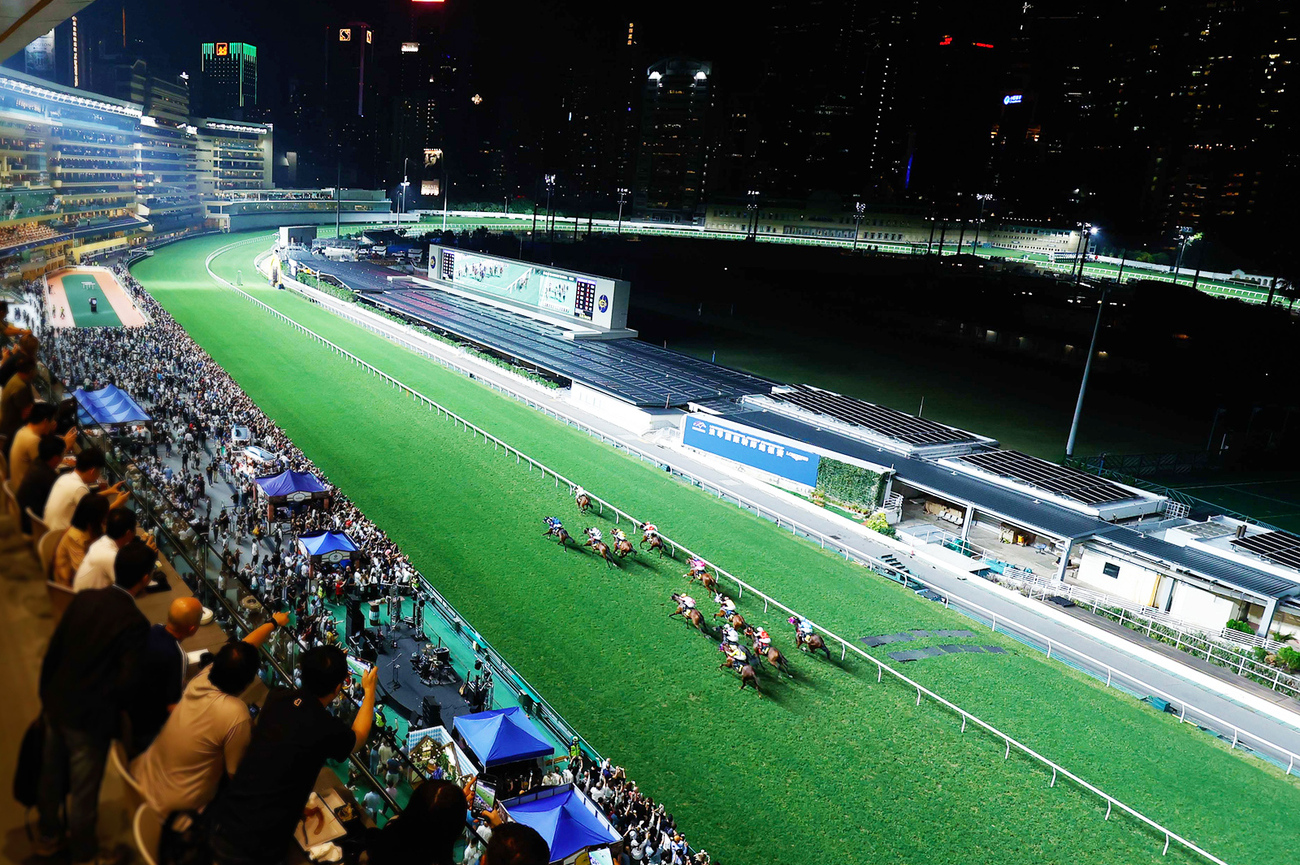
Happy Valley delivers the urban, floodlit, weeknight tradition. Sha Tin delivers the formal Sunday afternoon at international stakes level. An HKIR Sunday at Sha Tin, four nights after the IJC at Happy Valley, creates one of the sharpest seven-day windows in any racing traveller’s calendar.
That contrast is what makes the trip worth structuring properly. Wednesday at Happy Valley is about urban energy, compressed timing and the carnival atmosphere of Happy Wednesday. Sunday at Sha Tin is about international ceremony, formal afternoon dressing, Group 1 racing and trophy presentations on the track.
Both are essential. Either one alone gives an incomplete view of Hong Kong racing. Together, they explain what makes the city’s racing culture so difficult to replicate.

7. The HK$14 Billion Master Plan Is
Reshaping Both Courses
The Hong Kong Jockey Club’s Racecourse Master Plan represents HK$14 billion in committed and planned investment across Happy Valley and Sha Tin, approximately £1.39 billion or US$1.79 billion. HK$10 billion has already been spent, with a further HK$4 billion earmarked for the next phase.
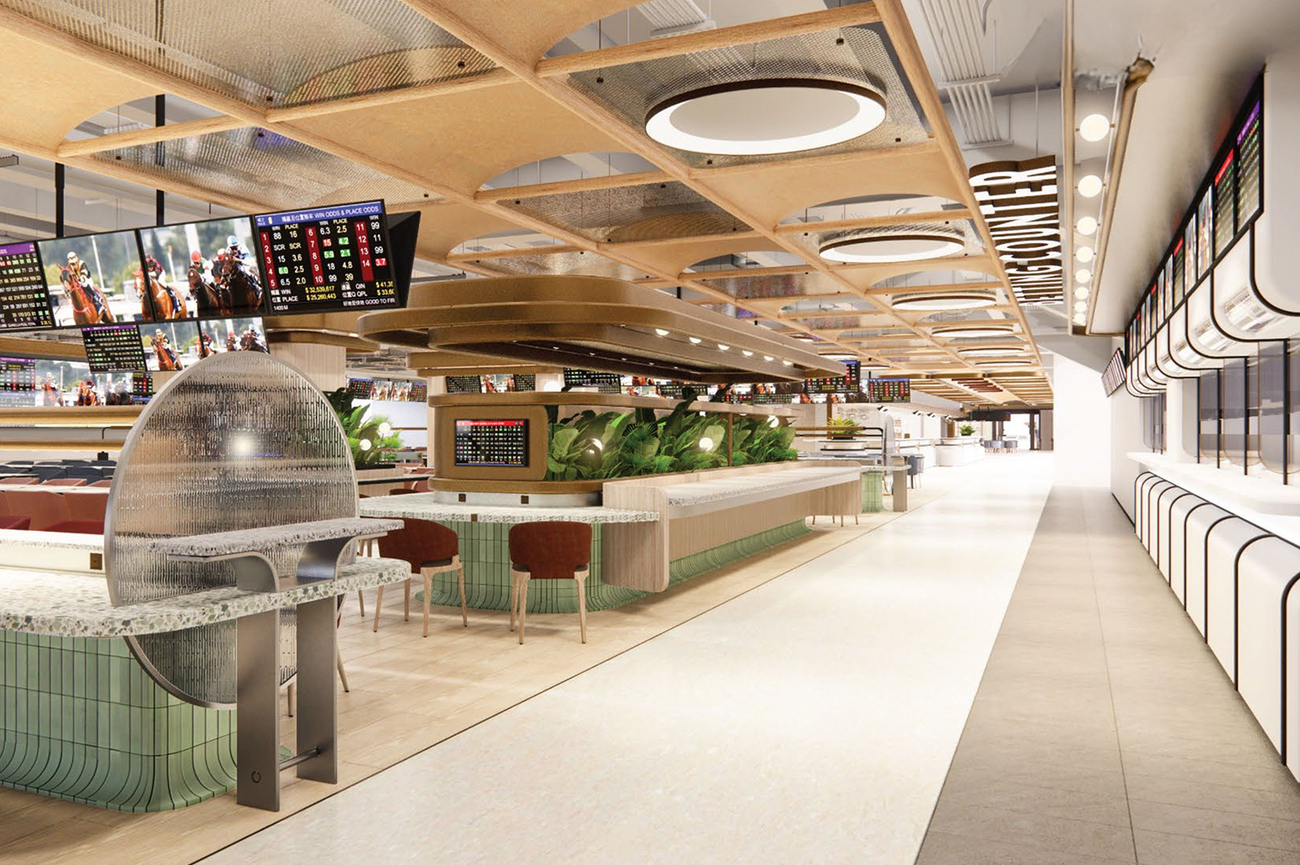
The 2025/26 season opened with major additions at Sha Tin, including Champions Connection, the immersive arrival hub for racegoers arriving from the MTR, and Gensō Eki, the four-storey digital racing and dining venue.
The transformation has continued. Penfold Park reopened in January 2026 after a comprehensive renovation, while Pony World launched inside the infield in April 2026. A visitor arriving for the 2026/27 season is walking into one of the most heavily upgraded racing infrastructures in the world.
The investment matters because many established racing institutions are managing decline, flat attendance or ageing infrastructure. Hong Kong is doing the opposite. It is investing aggressively in the next generation of the sport, giving travellers a racecourse experience that feels current, ambitious and globally significant.
8. The Pageantry of HKIR Day Is
Cinematic
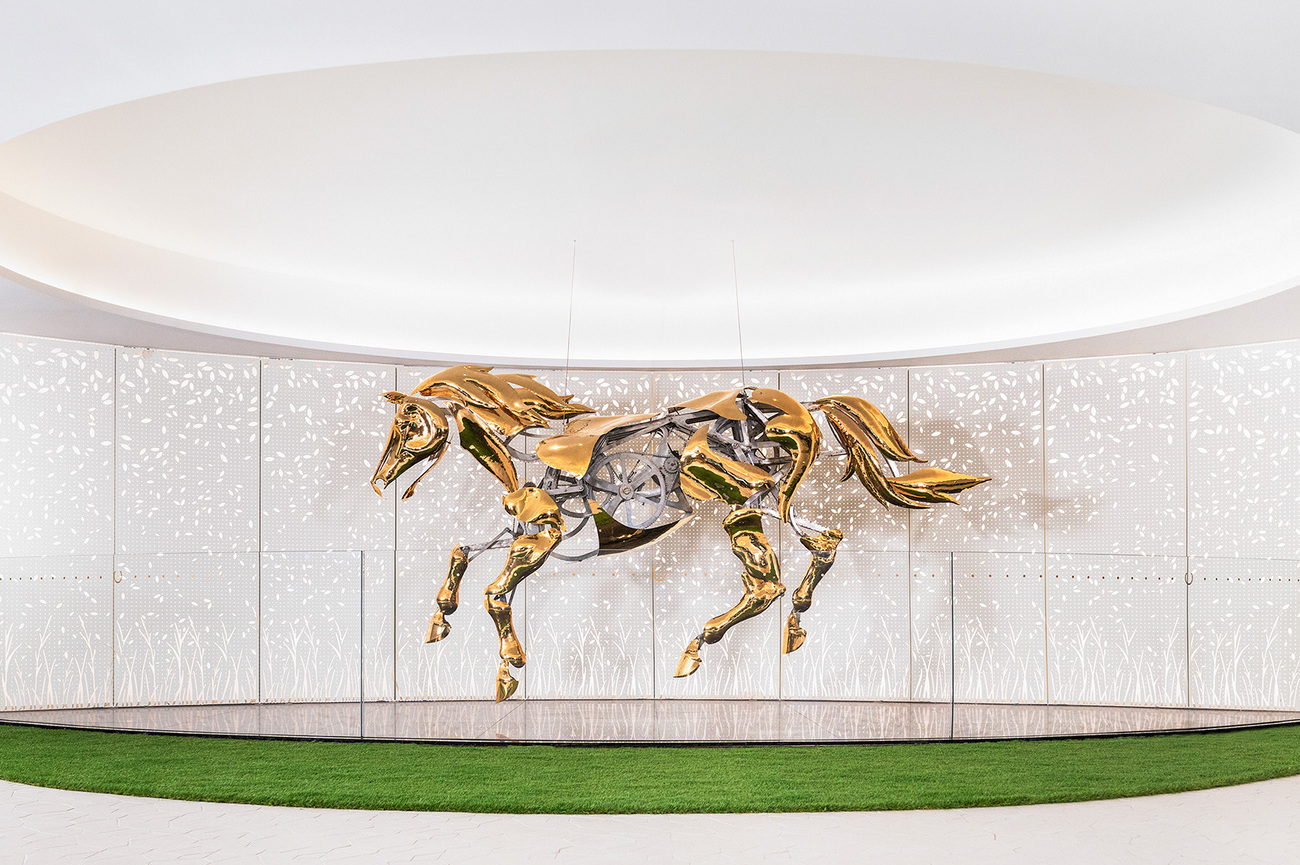
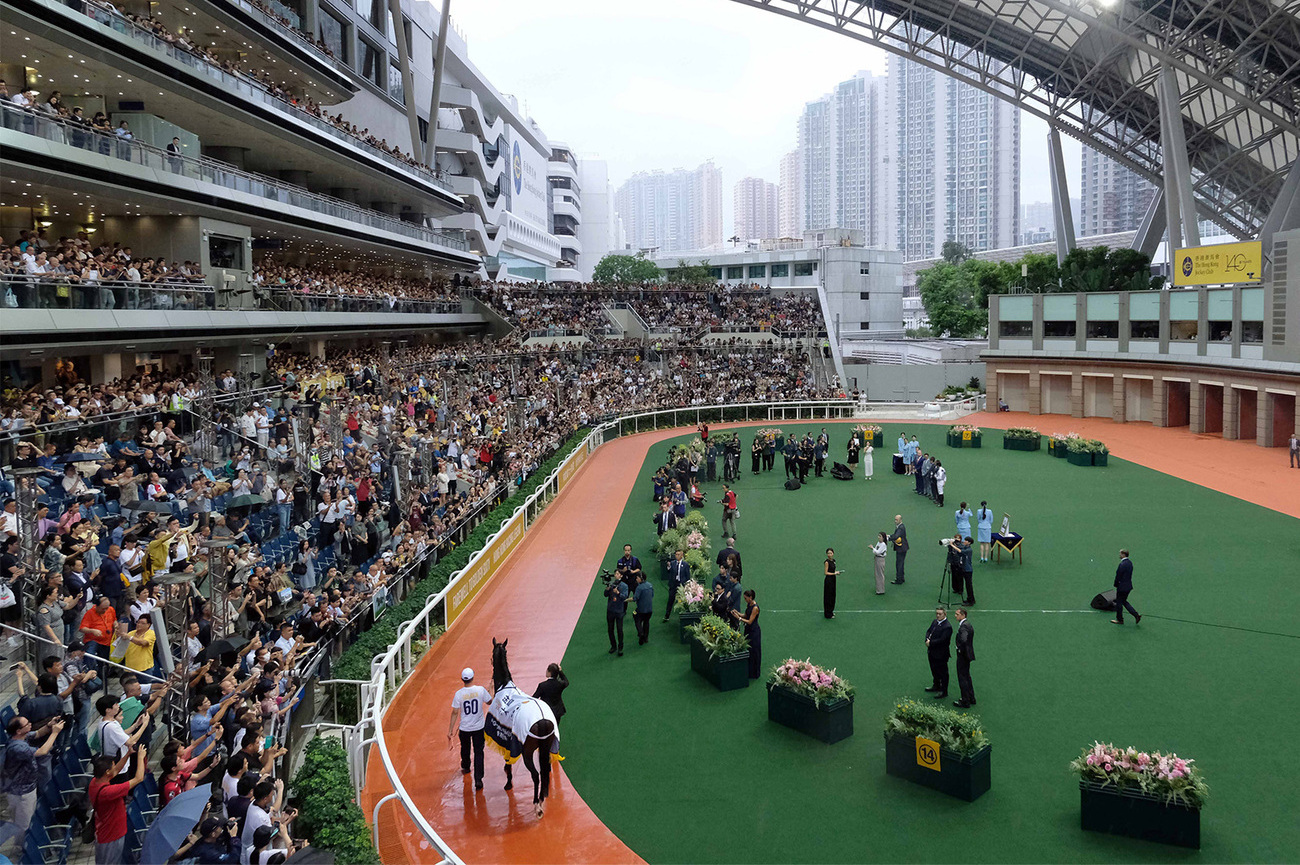
HKIR Sunday opens with the Parade Ring ceremony at around 11:10am, where the visiting jockeys are introduced to the crowd. A pre-race music performance usually follows, setting the tone before the first race.
The ceremony continues throughout the afternoon. Trophy presentations happen on the track itself, LONGINES watches are handed to winning owners and jockeys, and the crowd gathers against the rail of the Winner’s Enclosure after each major race.
The day carries genuine ceremonial weight. It asks visitors to dress properly, arrive on time and treat the afternoon as more than a sporting event.
Dress is part of the pageantry. Women in the upper enclosures wear considered daywear, often with hats or headpieces. Men arrive in tailored suits with pocket squares. The photography is heavier than at any other fixture in the calendar.
By late afternoon, when the December light softens over the grandstand and the Hong Kong Cup trophy is lifted on the track, the visual register sits alongside Royal Ascot’s major days or the Caulfield Cup carnival in Melbourne. The visiting traveller is part of the picture, not just a witness to it.
9. Dining is Built in to the Race-Day
Experience
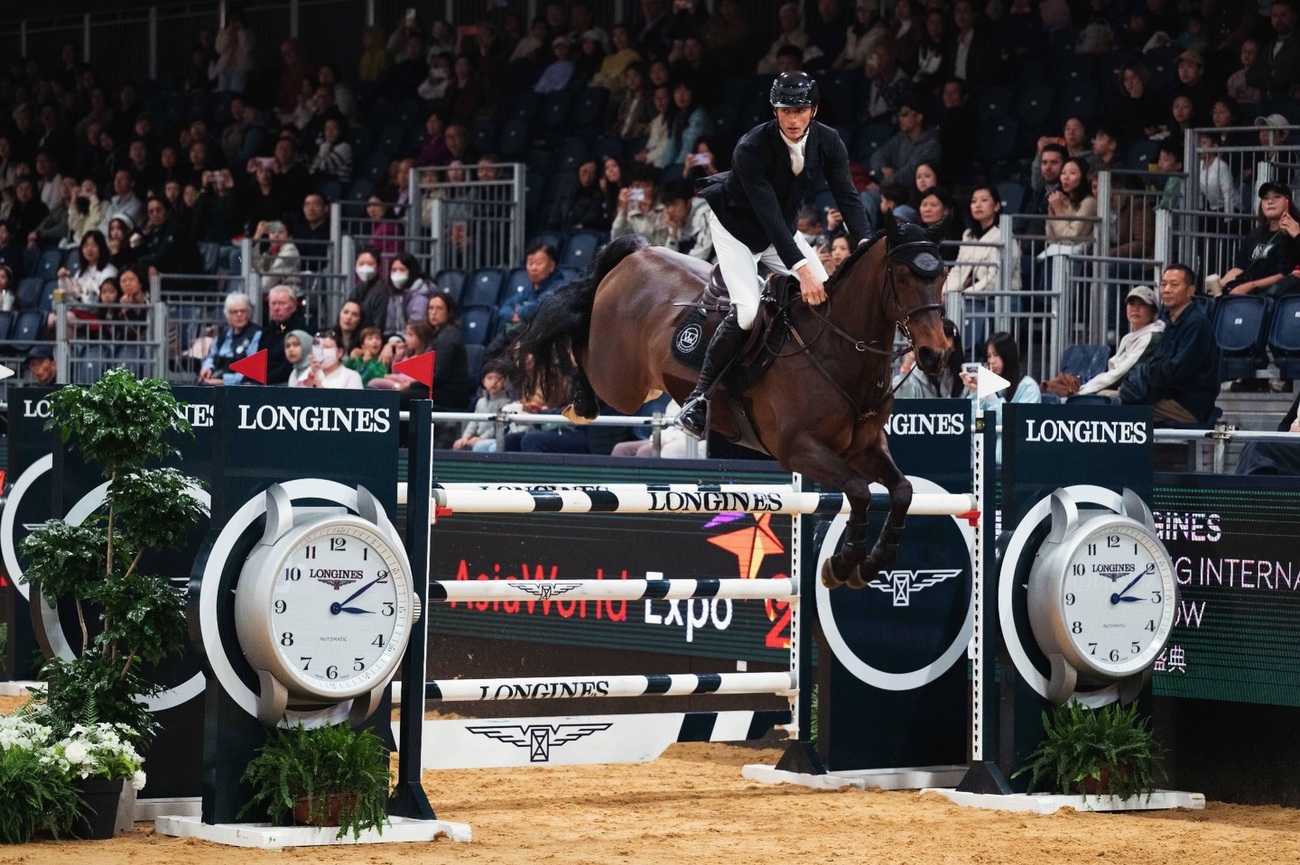
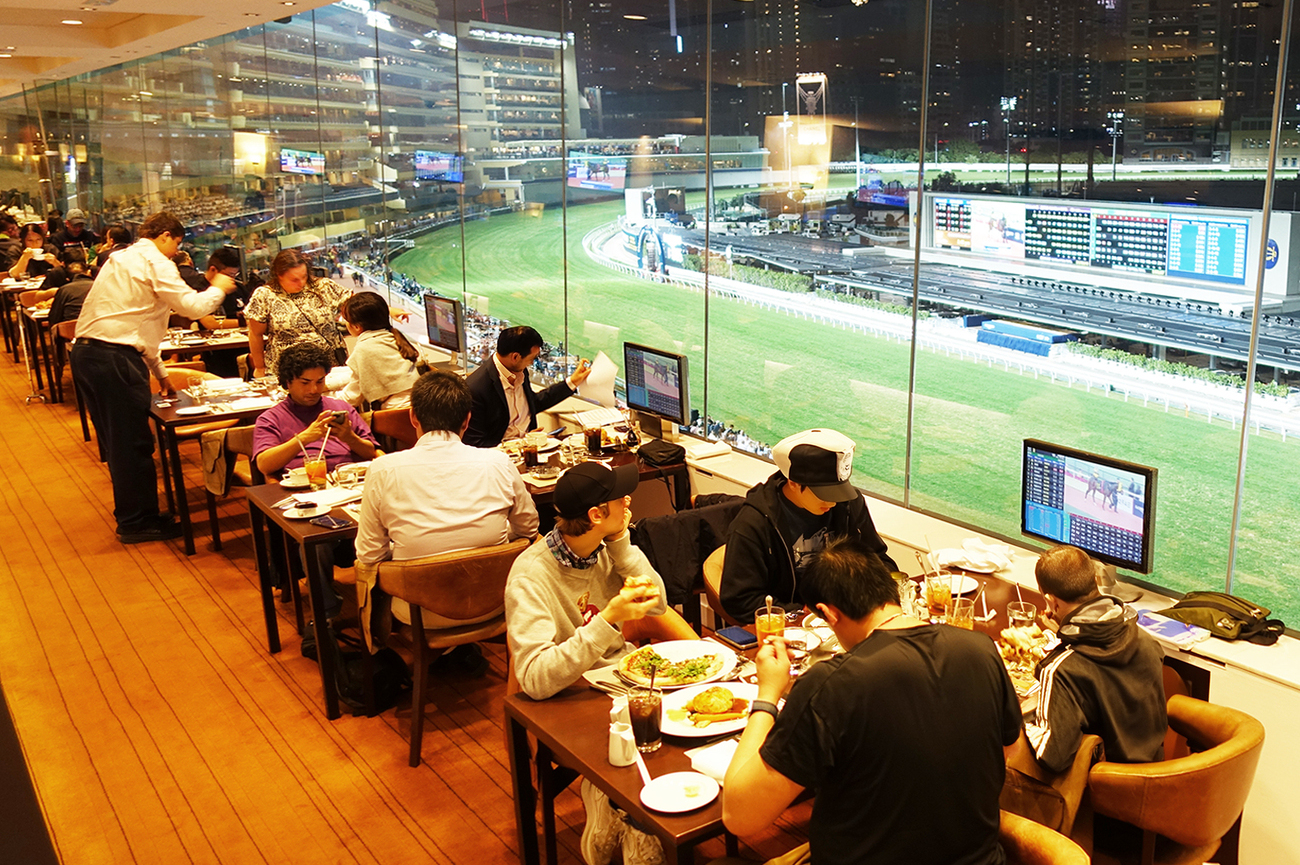
The meals at a Hong Kong racing fixture are part of the architecture of the day, not an interruption from it.
At Happy Valley, The Gallery offers panoramic dining, adrenaline brings a tapas-and-cocktails register, and Vantage and the private boxes operate at the top of the hospitality range.
At Sha Tin, Champion Circle overlooks the Parade Ring with full Cantonese and modern Western menus. Pak Sing serves serious Cantonese cooking inside the public enclosure, while Gensō Eki houses Fudo Town food hall and the Izakaya restaurant inside its four-storey venue.
The Hong Kong Jockey Club’s catering operation has the depth and seriousness of a luxury hotel group, applied across the racing calendar.
The wine programme deserves its own mention. Vantage and the private boxes pour from lists shaped by the Club’s international racing partnerships, giving the cellar more range than a standard Hong Kong restaurant list. Margaret River reds, Yarra Valley chardonnays, Champagne houses with long sponsorship relationships and specific Burgundy allocations all sit naturally within the programme.
For guests who pay attention to wine, a Hong Kong racing fixture can be quietly exceptional in ways few racecourses manage.
10. The Trip Connects Naturally to Hong
Kong’s Wider Cultural Life
A Hong Kong racing visit does not exist in isolation. It connects naturally to the city’s wider cultural, design and dining scene.
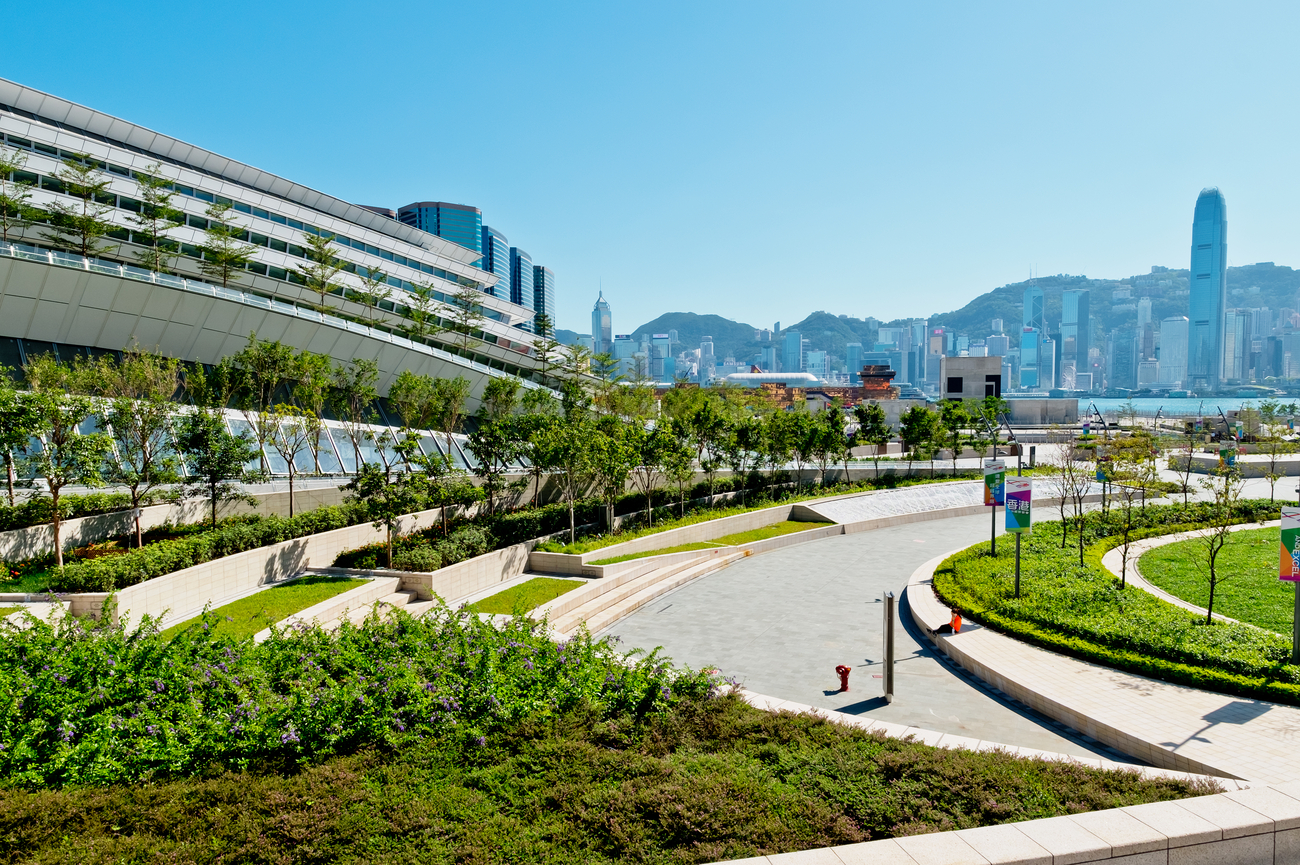
M+ on the West Kowloon waterfront brings contemporary Asian art into the itinerary. Tai Kwun in Central adds restored heritage galleries. PMQ in Soho introduces design and craft. Sheung Wan gives the trip quieter gallery streets and some of the city’s most considered dining.
The Chairman, Belon, Yat Lok, Salisterra and the wider Michelin density of Central and Sheung Wan all sit easily around a racing schedule.
This is what makes a properly sequenced five-day Hong Kong racing itinerary work so well. A morning at M+ pairs naturally with a Sunday afternoon at Sha Tin. A late dinner at The Chairman fits cleanly after a Wednesday evening at Happy Valley.
The trip does not have to choose between racing and the city’s other cultural layers. They reinforce each other, giving travellers a fuller reading of Hong Kong than either would offer alone.
11. The Trainers and Jockeys Are the
Best in the World
The trainers working through any Hong Kong racing season include John Size, Caspar Fownes, Francis Lui, Danny Shum and Pierre Ng, one of the rising names of the current generation.
The jockey roster is equally strong. Joao Moreira, Zac Purton, James McDonald, Hugh Bowman, Vincent Ho, Ryan Moore, William Buick, Christophe Soumillon and Yuga Kawada all sit within the wider orbit of Hong Kong’s racing calendar.
On an ordinary Wednesday or Sunday, the combined depth of trainers and jockeys in Hong Kong exceeds what many national jurisdictions can field outside their biggest Group 1 racedays.
That quality is what holds the entire Hong Kong horse racing luxury experience together. The setting and hospitality would not stand alone without the sport underneath them.
This depth of talent is deliberate. Trainer licences are limited and competitive. Jockey contracts are highly sought after. The Hong Kong Jockey Club attracts elite international riders for full seasons, not just guest appearances, meaning visitors at standard fixtures are often watching one of the strongest concentrations of riding talent in the sport.
Hong Kong racing cannot be replicated elsewhere because the talent density itself cannot be replicated.
12. Access Is the Hard Part
Premium hospitality at HKIR, the International Jockeys’ Championship, the Hong Kong Derby and the QEII Cup books out months ahead.
Members’ guest access runs through sponsorship from existing Members. Private boxes at Vantage, Champion Circle tables, hospitality suites and certain reserved restaurants inside the public enclosures can all sell out well in advance for major fixtures.
Independent arrival and same-day ticketing are not viable strategies for the level of experience luxury travellers expect.
This is the strongest argument for using a specialist to arrange a Hong Kong racing visit. The value is not simply convenience. It is access, timing, relationships and the ability to place the traveller inside the right room before the public window has narrowed.
There is a wider point worth naming. Much of the luxury travel market has spent the past decade manufacturing exclusivity through limited-room hotels, capped tasting menus and private-island positioning. Hong Kong racing does not need to invent scarcity. Its scarcity is structural.
The Hong Kong Jockey Club has a limited membership base. The Members’ Stand has fixed capacity. Private boxes are limited in number. HKIR hospitality fills with owners, breeders, corporate partners and international racing guests well before many travellers even start planning.
A traveller arriving through the right specialist relationship is, in effect, walking into a closed room. That is the texture of genuine luxury travel, distinct from its commercialised approximations.
The Twelve Together
Each of the twelve reasons stands on its own. Together, they describe a category of luxury travel that very few places in the world still produce.
A globally elite sport. A genuinely civic institution. Hospitality at the standard of the great traditional racing capitals. Two distinct fixture rhythms within the same week. A jurisdiction reshaping itself through HK$14 billion of committed and planned investment. And a calendar centred on a December afternoon that pulls horses, owners, breeders and jockeys from five continents into a single grandstand.
Hong Kong has produced a racing experience that does not need to argue for itself. It only needs to be entered correctly.
The hospitality tier matters. The week of travel matters. The shape of the surrounding days matters. The detail in how the trip is built is what separates the visitors who return for a second December from those who do not.
The honest measure of any luxury travel category is whether the people who understand it at the highest level keep returning. In Hong Kong racing, they do.
Twelve reasons. One conversation that has been running for almost two centuries, refreshed each Sunday afternoon at Sha Tin and each Wednesday evening at Happy Valley.
Begin yours with Revigorate’s Hong Kong Horse Racing Itinerary.


Let us know what you love, where you want to go, and we’ll design a one-of-a-kind adventure you’ll never forget.
Get in touch
Miriam
Travel Specialist

Nina
Travel Specialist

Abigail
Travel Specialist
Our offices:



Revigorate, Iberian Escapes and Algarve Lifestyle are the registered brand names of APCS Lda . We are a fully authorised travel agency licensed by Turismo de Portugal RNAVT/6867.
In the event of a dispute, the consumer may refer to: RAL - Centros de Arbitragem
Avª. 5 de Outubro, nº. 55, R/C Dtº. 8000-075 Faro, Portugal | Tel: +351 289 823 135 *
* national landline call
E-mail: info@consumoalgarve.pt| www.consumidoronline.pt | Mon to Fri: 9:00 - 13:00 / 14:00 - 17:00