Hong Kong Fine Dining with a Harbour View: The Tables Worth the
Journey
Hong Kong has never been humble about what it puts on a plate.
The city holds more Michelin stars per square kilometre than almost anywhere on earth, earned across a culinary landscape that does not resolve into a single tradition. Cantonese technique refined over centuries sits alongside French kitchens sourcing oysters from Brittany and wagyu from Saga Prefecture. A dim sum lunch at two Michelin stars moves easily into a seven-course French tasting menu without either feeling like a concession to the other.
Hong Kong has taken global culinary ambition, applied its own standards to it, and kept what meets them.
The 2025 Michelin Guide awarded stars to 76 restaurants in the city. This guide focuses on the tables where that level of cooking meets a direct view of the harbour, and why the order in which you experience them matters as much as the reservations themselves.
The broader picture of the harbour and everything it holds is covered in our main Victoria Harbour guide. Here, the focus remains on the table.
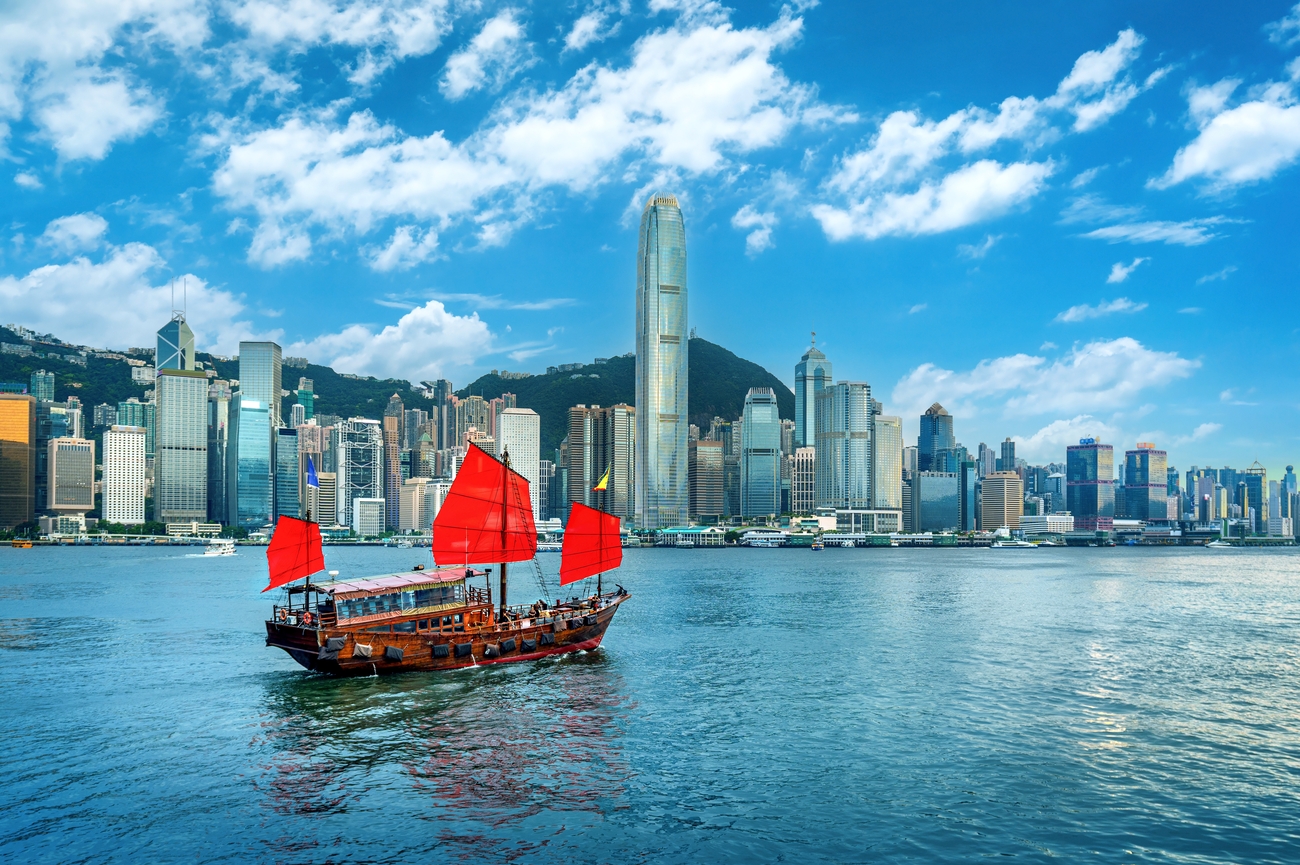
Why the View Matters
Fine dining often treats the view as secondary, something offered in compensation when the cooking cannot carry the full weight of the evening.
In Hong Kong, the opposite is true.
The Michelin-starred tables with harbour views earned their reputations on the plate. The view is not a substitute for quality. It extends it.
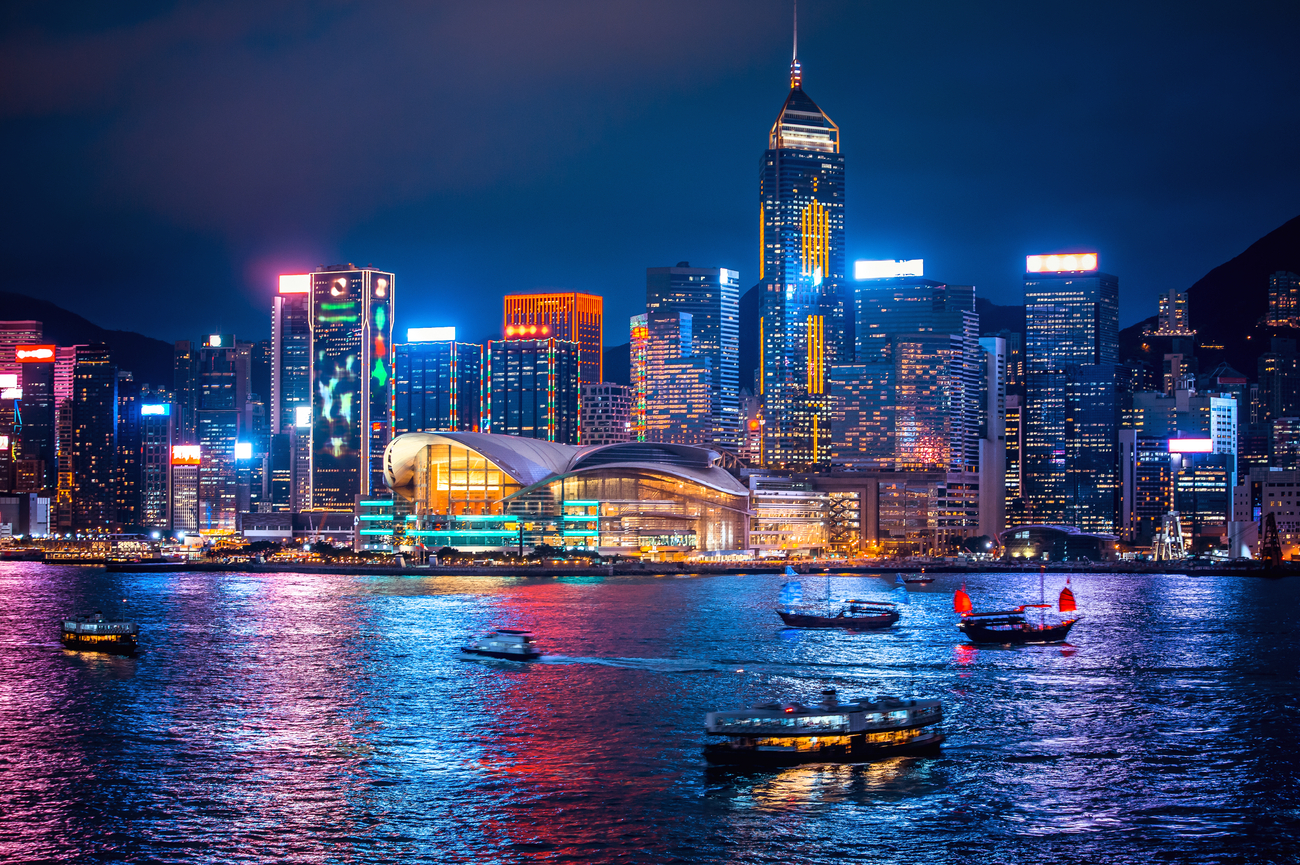
A long dinner at Caprice with the water lit below and the Kowloon skyline across the channel is not the same meal experienced in an enclosed room with the same food and the same service. The view changes the pacing of the evening. It keeps the experience open rather than contained. The courses arrive at the same rhythm, but the spaces between them feel different when the harbour is part of what you are there to see.
On our six-day Victoria Harbour itinerary, the dining sequence is not arranged by star rating alone. It is shaped by what each table adds to the day around it. Felix on the 28th floor of The Peninsula on the first evening, because that view introduces the harbour at full scale. Lung King Heen at lunch the following day, because the perspective from the IFC complex in Central reads completely differently from the Kowloon-facing view of the night before.
The geography is the curriculum. The food is exceptional throughout. The order is what makes it a coherent experience.
Three Michelin Stars, Two Perspectives
Two of Hong Kong’s three-Michelin-star restaurants define the upper limit of fine dining in the city. One looks directly across Victoria Harbour. The other turns inward, focusing entirely on the plate. Together, they show how different a three-star experience can be.
Caprice, Four Seasons Hotel Hong Kong
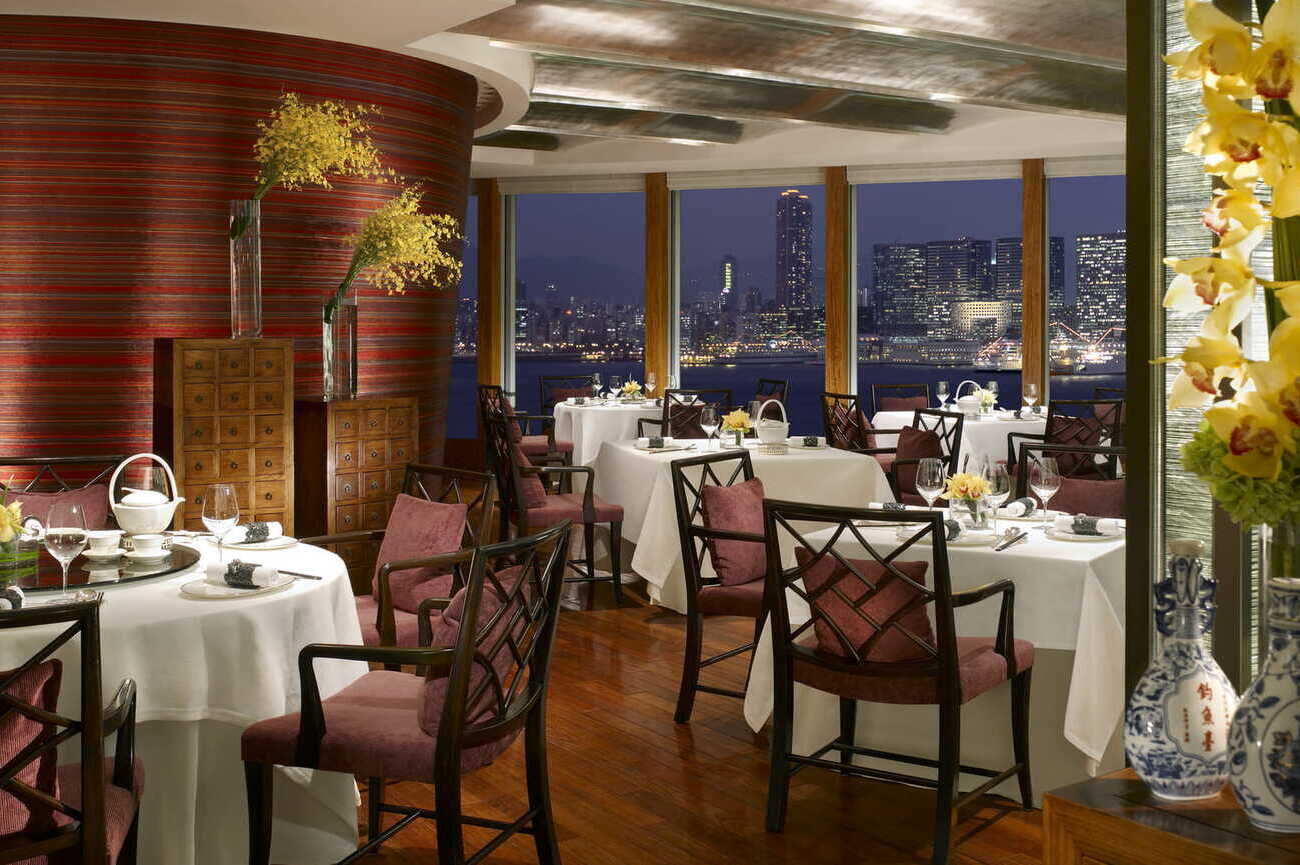
Chef Guillaume Galliot has been at Caprice long enough that his cooking no longer feels as though it is performing for the room. It belongs to it. The sixth floor of the Four Seasons faces directly across the channel to the Kowloon skyline, and the kitchen has spent six consecutive years holding three Michelin stars against that backdrop without the view ever doing the work for it. The food carries its own weight.
Three Michelin stars for the sixth consecutive year as of the 2025 Guide, and ranked No. 18 on Asia’s 50 Best Restaurants 2025.
Classical French technique, globally informed, with sourcing that reflects the level: Brittany blue lobster, Saga beef, Gillardeau oysters, Oscietra caviar.
Located on the sixth floor of the Four Seasons in Central, with panoramic windows facing directly across Victoria Harbour. The view is constant.
Prix-fixe menus only. Four or five courses at lunch, seven-course options at dinner.
Reservations should be made several weeks in advance for evening tables, particularly for harbour-facing seating.
Amber, The Landmark Mandarin Oriental
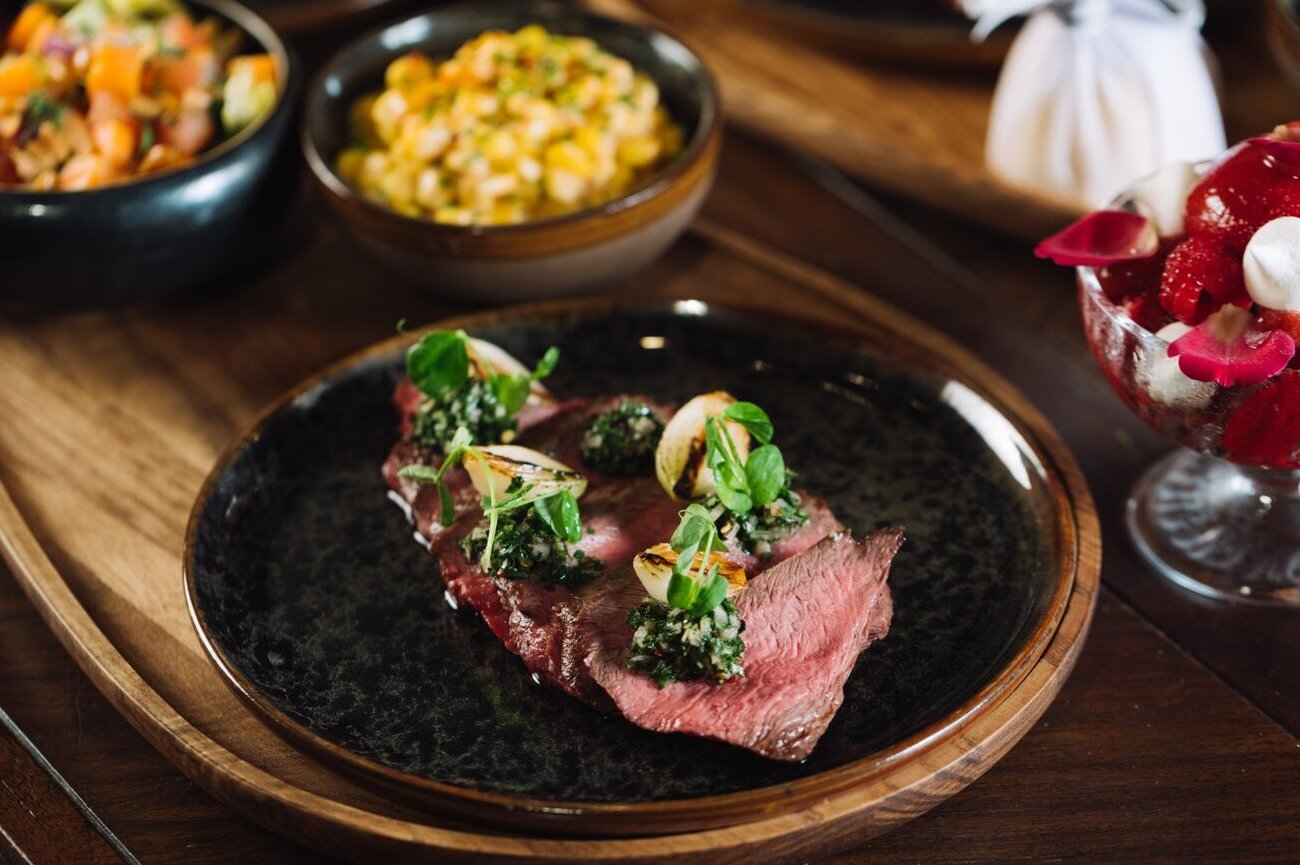
Richard Ekkebus spent sixteen years at two Michelin stars before the 2025 Guide gave him three, which tells you something about the kind of kitchen he runs. Not one that chases recognition. One that eliminates dairy and gluten from its French menus not as a marketing position but as a creative discipline, and then spends twenty years proving the discipline was right. The seventh floor of the Landmark Mandarin Oriental is where that argument has been made, quietly and consistently, since 2005.
Richard Ekkebus spent sixteen years at two Michelin stars before being awarded a third, which reflects the kind of kitchen he runs. Not one that follows trends, but one that refines a position over time.
Amber removes dairy and gluten from its French menus as a discipline rather than a statement, and builds its identity around that constraint. The result is a style of cooking that feels precise rather than restricted.
Three Michelin stars in the 2025 Guide, alongside a Michelin Green Star for its sustainability approach.
Located within the Landmark Mandarin Oriental in Central, with no harbour view. The focus here is entirely on the room, the kitchen, and the philosophy behind it.
Tasting menus form the core of the experience, with pricing and availability varying by season.
Two Michelin Stars Above the Harbour
Altitude changes the harbour. At ground level, it is wide and immediate. At 102 floors, it becomes vast and almost abstract. These two restaurants sit at different points on that spectrum, and both are worth understanding on their own terms.
Lung King Heen, Four Seasons Hotel Hong Kong
The name translates as “view of the dragon”. It was the first Chinese restaurant anywhere to hold three Michelin stars, a distinction it maintained for fourteen consecutive years before its recent adjustment to two. Chef Chan Yan Tak remains in the kitchen. The harbour remains outside the window. The dim sum remains the reason people plan their trips around a lunch reservation.
Located within the Four Seasons in Central, the dining room faces directly across Victoria Harbour toward the Kowloon skyline. The cooking is refined Cantonese, built around dim sum, seafood, and roasted meats. The whole abalone puff with diced chicken and the barbecued suckling pig are among the dishes most consistently associated with the experience.
Lunch is the natural time to visit, particularly for dim sum, and reservations should be made well in advance.
Tin Lung Heen, The Ritz-Carlton Hong Kong
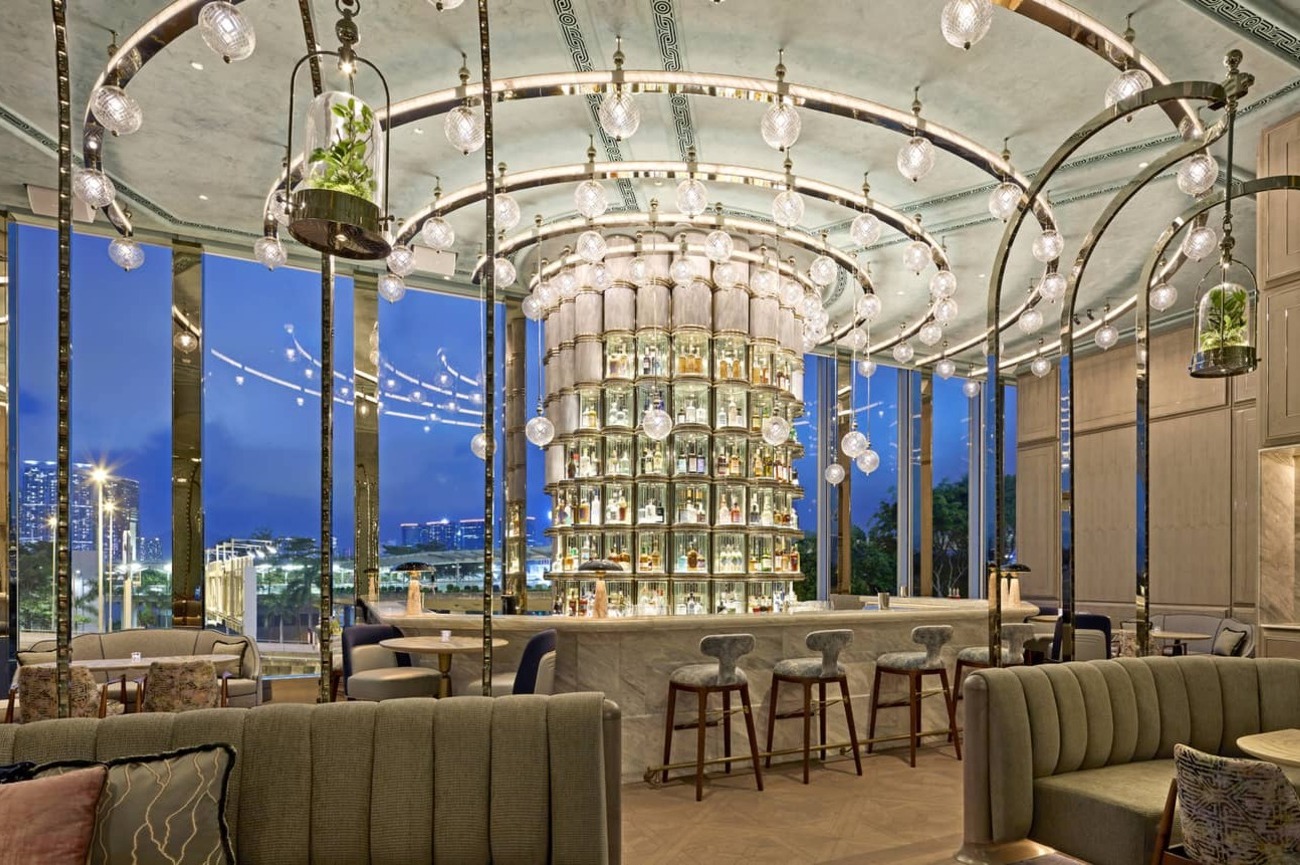
At 484 metres, the harbour reads differently. Not better or worse than it does from the promenade, but fundamentally changed by altitude. The city below loses its density and becomes ordered, almost diagrammatic.
Tin Lung Heen sits on the 102nd floor of the ICC in West Kowloon and holds two Michelin stars. The Cantonese kitchen is precise and consistent, with dim sum, seasonal specialties, and roasted meats forming the core of the menu. The Iberico char siu is the dish most often associated with the restaurant among returning guests.
From this height, the harbour appears narrower, the skyline more controlled, and the city itself easier to read. It is a distinct perspective, and one that complements rather than replaces the view from the water or the promenade.
A morning at M+ followed by lunch at Tin Lung Heen creates one of the most coherent sequences in West Kowloon, moving from contemporary art into Cantonese fine dining above the harbour.
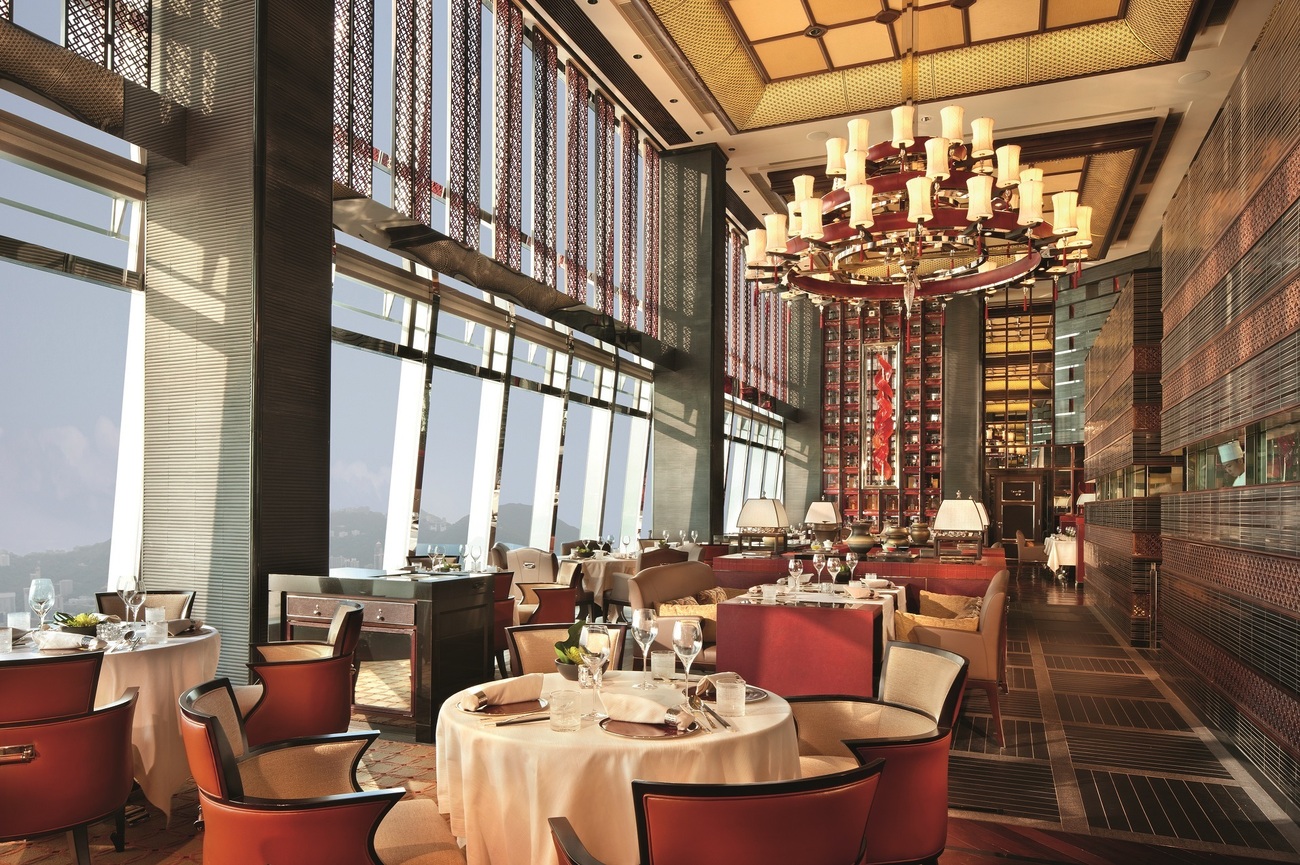
One Star, and the Weight of Decades
Not every table in Hong Kong’s upper dining tier built its reputation recently. Gaddi’s has been setting the standard for longer than most of its competition has existed. That history is not nostalgia. It is continuity.
Gaddi’s, The Peninsula Hong Kong
Opened in 1953, Gaddi’s is Hong Kong’s first fine-dining restaurant. The room has hosted heads of state, long before most of the city’s current dining landscape was established. Chef Anne-Sophie Nicolas, the first woman to lead the kitchen, works within that history rather than against it. The dining room remains defined by Paris crystal chandeliers, a 1670 Chinese coromandel screen, and a level of formality that has not softened over time.
The cooking is classical French. The pressed duck, prepared à la presse at the table, and the soufflé, long established as the restaurant’s signature dessert, remain central to the experience. The wine cellar is one of the most extensive in Hong Kong.
Gaddi’s does not face the harbour. What it offers instead is something different: the accumulated weight of decades at the top of the city’s dining hierarchy.
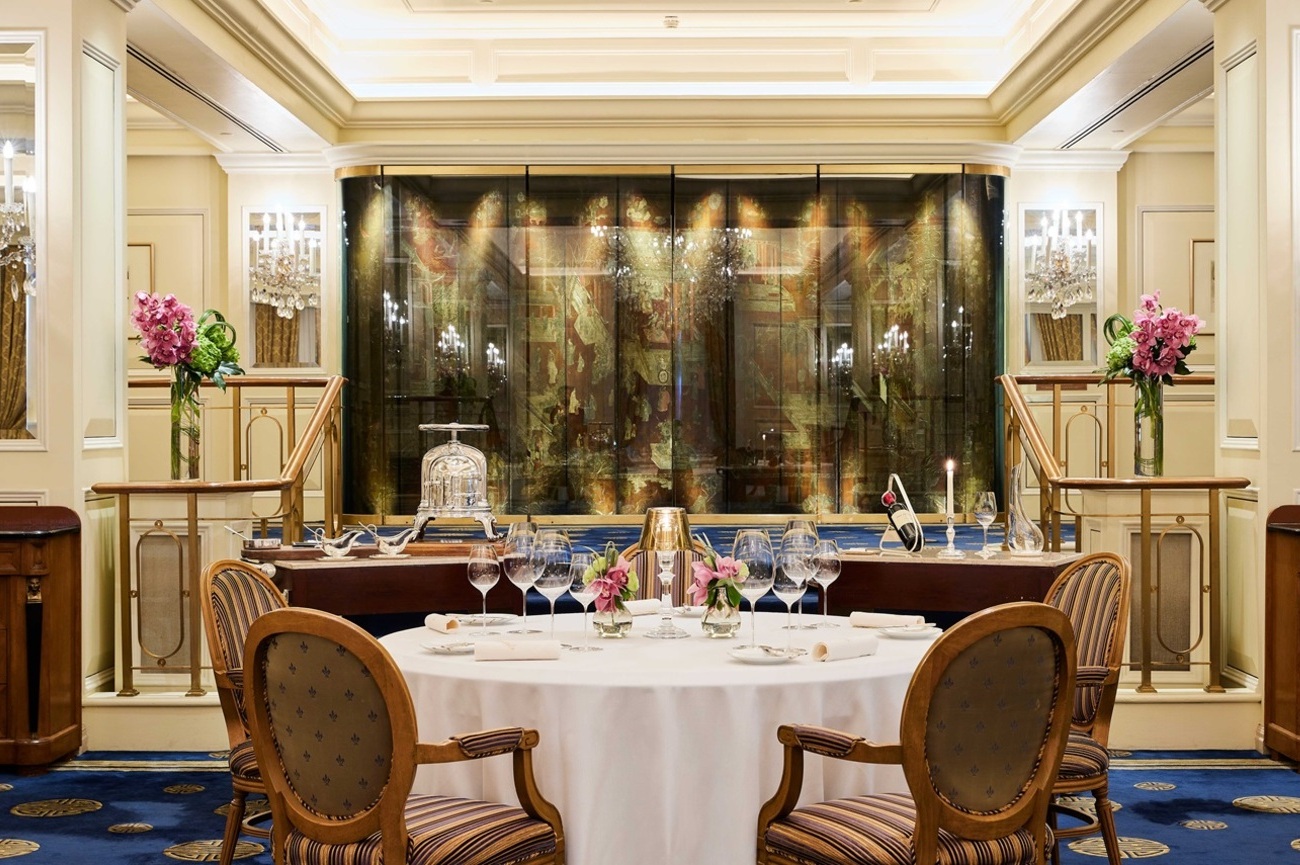
Felix, The Peninsula Hong Kong
Felix operates on a different register. Designed by Philippe Starck in 1994, the room has not needed reinvention. The 28th floor of The Peninsula tower looks directly across the harbour toward Hong Kong Island, with floor-to-ceiling windows that make the skyline part of the experience.
The kitchen, led by Chef de Cuisine Henry Wong, delivers modern European cuisine with enough substance to support the setting. The view, however, remains the defining element.
As an opening dinner, Felix serves a specific purpose. From this height, the harbour becomes legible. The scale of the channel, the relationship between Kowloon and Hong Kong Island, and the structure of the skyline are all immediately clear. What might take several days to understand at ground level is visible in a single evening.
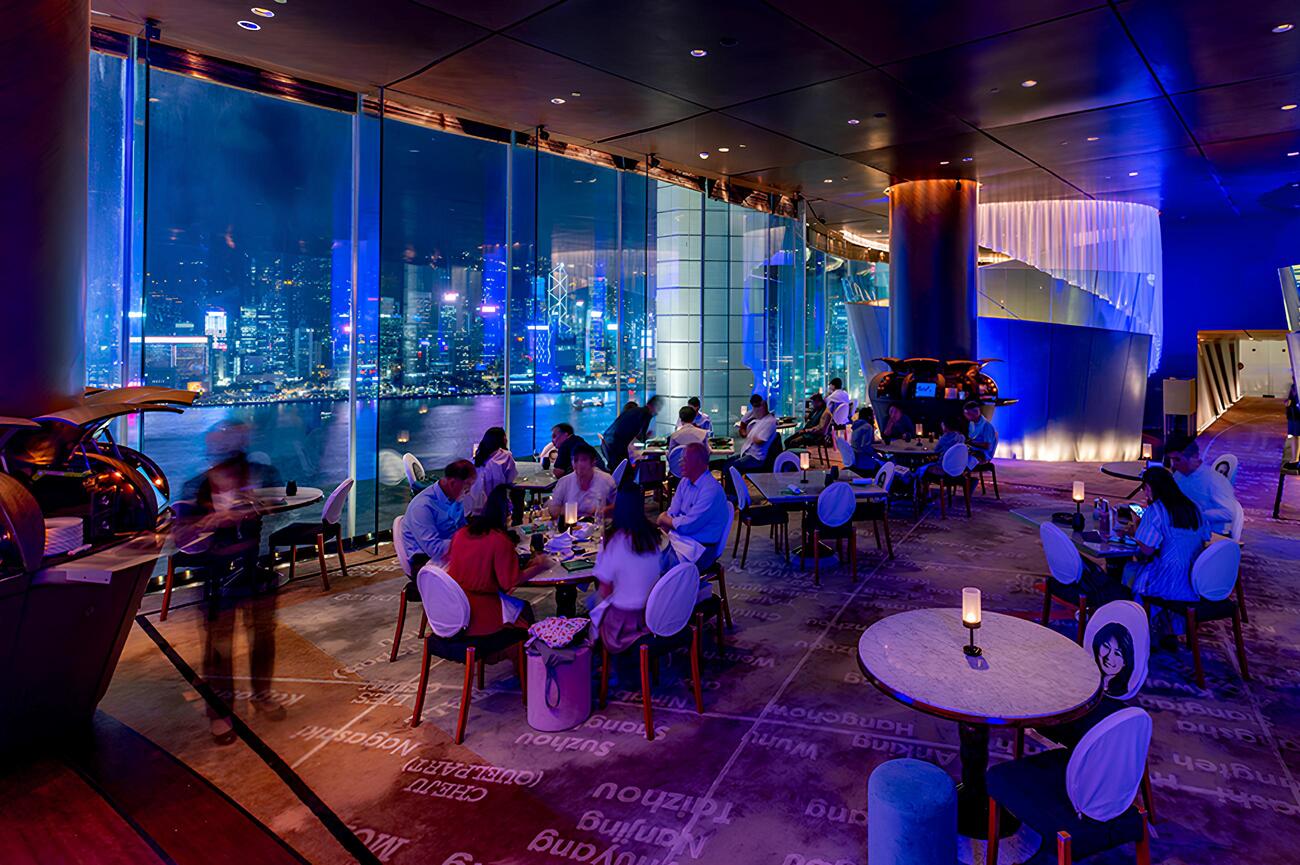
The Table That Has Never Needed a Star
Some restaurants build a following that makes star ratings largely irrelevant. Hutong is one of them. The food is serious. The view is unquestionable. The room is one of the most distinctive in Tsim Sha Tsui. None of that depends on external validation.
Hutong, H Zentre, Tsim Sha Tsui
Hutong relocated from its original One Peking Road address to H Zentre without losing what made it successful. The panoramic view across Victoria Harbour remains. The Northern Chinese kitchen retains its intensity. The interiors, red lanterns, carved wood, and a sense of theatre, still define the room before the first dish arrives.
The cooking is bold and consistent. Dishes such as the crispy soft-shell crab and Peking duck have become closely associated with the restaurant, while the weekend brunch offers a more relaxed entry point into the menu.
The setting plays an equal role. Floor-to-ceiling views across the harbour place the Hong Kong Island skyline directly in front of the table, making this one of the most visually complete dining experiences in the city.
Hutong is part of the Aqua Restaurant Group, which also operates the Aqua Luna. The pairing of a harbour cruise with dinner here creates one of the more coherent evenings available in Hong Kong, moving from the water to the skyline without breaking the rhythm of the experience.
The full detail on the Aqua Luna and the harbour experience by water is covered in our guide.
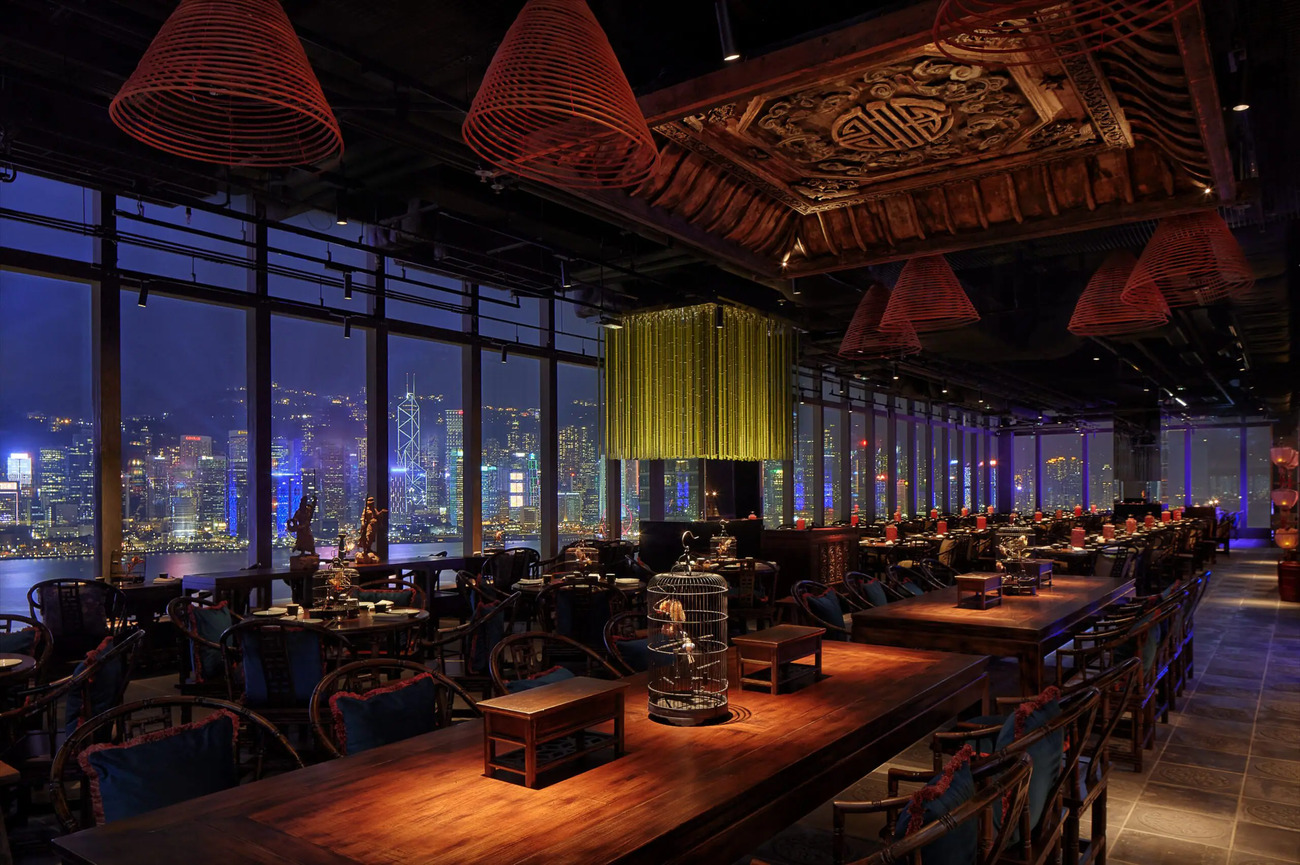
How the Reservations Actually Work
The difficulty is not finding these restaurants. Every table in this guide is well known. The challenge is coordinating them across six days in a sequence that works geographically, tonally, and in terms of what each meal follows and precedes.
A three-Michelin-star dinner lands differently when the afternoon before it has been properly paced. A dim sum lunch at altitude reads differently when the morning has been spent on the West Kowloon waterfront rather than moving between appointments.
What matters most is timing and order. The most sought-after tables, particularly Caprice and Lung King Heen, require advance planning, often several weeks ahead, especially for evening reservations and specific seating requests. Weekend services, particularly for dim sum at Lung King Heen and Tin Lung Heen, are consistently the most competitive, while weekday bookings allow for more flexibility.
Gaddi’s, Felix, and Hutong are comparatively more accessible, but still benefit from advance planning, particularly when the aim is to secure the right table rather than simply any table.
This is where the structure of the itinerary matters. When each reservation is confirmed in advance and placed within a sequence that makes sense, the experience moves without friction from one part of the day to the next.
Our six-day Victoria Harbour itinerary brings these tables together in that way, with each reservation arranged before arrival and positioned where it belongs within the broader experience.
Where the Week Ends
Hong Kong has a way of making you forget where you were before it.
By the end of a week at these tables, the harbour has changed colour outside the window more than once, and each kitchen has made its case in its own way. You leave full in a sense that has very little to do with portion size. The city gets into you. The food is one of the ways it does.
Six days. Seven tables. Every reservation confirmed before you arrive.
Taste Hong Kong in the way it deserves to be experienced. Explore the full itinerary here.


Let us know what you love, where you want to go, and we’ll design a one-of-a-kind adventure you’ll never forget.
Get in touch
Miriam
Travel Specialist

Nina
Travel Specialist
Abigail
Travel Specialist
Frequently Asked Questions
-
Which Michelin-star restaurants in Hong Kong offer harbour views?
Michelin-star restaurants in Hong Kong with harbour views include Caprice, Lung King Heen, and Tin Lung Heen. Each offers a different perspective across Victoria Harbour, from waterfront dining to panoramic views at altitude.
-
What is the best fine dining restaurant in Hong Kong with a view?
Caprice at the Four Seasons Hotel is widely considered one of the best fine dining restaurants in Hong Kong with a harbour view, holding three Michelin stars and offering classical French cuisine alongside panoramic views of Victoria Harbour.
-
When should you book Michelin-star restaurants in Hong Kong?
Michelin-star restaurants in Hong Kong should be booked several weeks in advance, especially for evening reservations and harbour-facing tables. Weekend services and dim sum lunches at restaurants like Lung King Heen are particularly competitive.
-
Is it worth choosing a restaurant in Hong Kong for the view?
Yes, in Hong Kong the view enhances the dining experience rather than replacing quality. Restaurants with harbour views combine world-class cuisine with changing perspectives of the skyline, making the overall experience more complete.
-
How does Revigorate plan a fine dining experience in Hong Kong?
Revigorate arranges restaurant reservations as part of the wider journey, not as a standalone booking service. We place each table within the overall itinerary, considering location, timing, pace, and the flow of each day so the dining experiences feel fully integrated into your time in Hong Kong.
Our offices:



Revigorate, Iberian Escapes and Algarve Lifestyle are the registered brand names of APCS Lda . We are a fully authorised travel agency licensed by Turismo de Portugal RNAVT/6867.
In the event of a dispute, the consumer may refer to: RAL - Centros de Arbitragem
Avª. 5 de Outubro, nº. 55, R/C Dtº. 8000-075 Faro, Portugal | Tel: +351 289 823 135 *
* national landline call
E-mail: info@consumoalgarve.pt| www.consumidoronline.pt | Mon to Fri: 9:00 - 13:00 / 14:00 - 17:00