10 Reasons Hong Kong Works for Families When It’s Done Right
The children are already ahead of you.
That is how it begins. You arrive, the air carrying salt, heat and something cooking somewhere above the street, and before you have taken it in, your children already have.
They do not analyse it. They recognise it.
Hong Kong does not present itself as a typical family destination. There is no single headline attraction. No obvious centre. What it offers instead is concentration: quality, density and a sequence of experiences that quickly build into something memorable.
It is a city that reveals itself through movement.
These are the ten reasons it works so well for families, and why those who get the most out of it rarely leave anything to chance.
If you want to see how these pieces come together across a full week, start with our Hong Kong family travel guide.
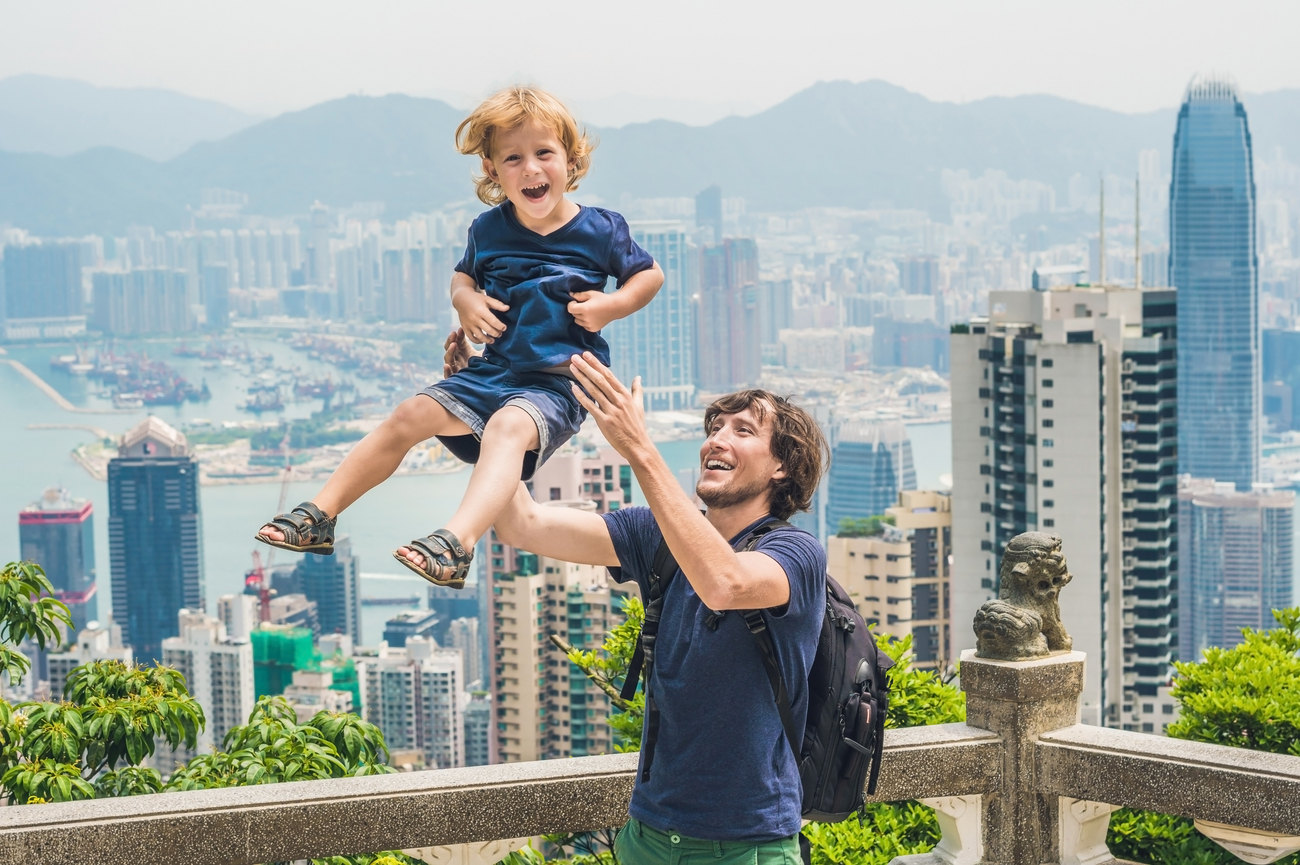
1. The City Is Smaller Than It Looks, and Children Feel That Immediately
Families who travel with children know the exhaustion of a city that is simply too spread out. Too much time in transit. Too much waiting between experiences. Too many moments when a child who was fine twenty minutes earlier suddenly is not.
Hong Kong removes much of that.
From Central, Hong Kong Disneyland on Lantau is around 35 minutes by private transfer. Ocean Park is closer. The Star Ferry to Tsim Sha Tsui takes ten minutes. The Peak Tram departs from Garden Road, just a short distance away.
What matters is not the individual timing. It is what those timings create.
The city’s major experiences sit close enough together for a family itinerary to feel spacious rather than compressed. Less of the trip is spent getting somewhere. More of it is spent actually being there.
That changes the emotional quality of the week.
Children stay engaged because they are not losing energy in transit. Parents feel less pressure because each day has room to breathe. In practical terms, Hong Kong is one of the easiest major cities in Asia to structure well for families.
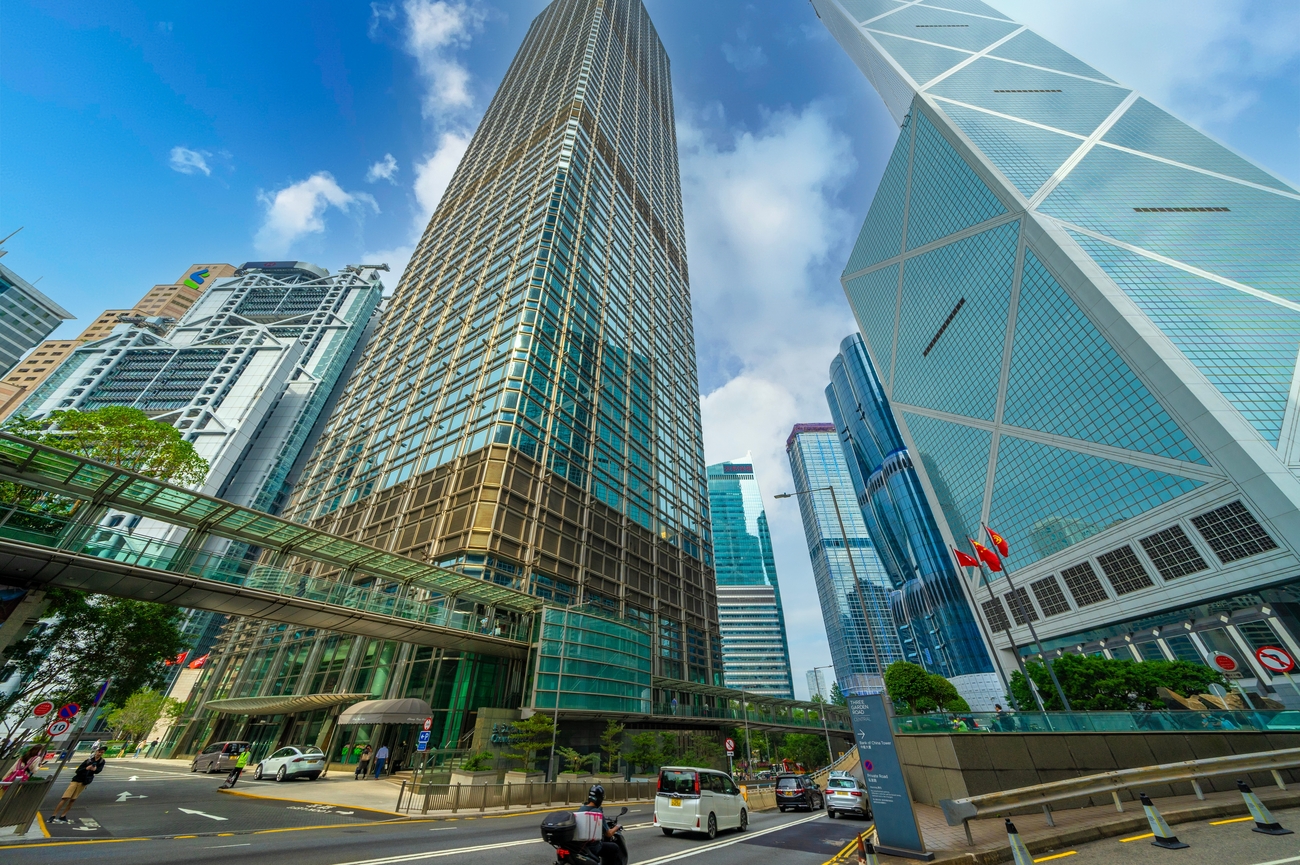
2.
A Good Arrival Changes the Entire Trip
Hong Kong International Airport is efficient by design. The layout is clear, immigration usually moves quickly, and the airport handles high volume without feeling chaotic.
That is only the starting point.
What shapes the arrival properly is everything that happens next. A private transfer waiting at the kerb. Confirmed child seating already in place. No taxi queue. No discussion at the rank. No uncertainty over whether the vehicle actually fits the family.
From there, the line should be direct. Airport to hotel. Driver to lobby. Check-in already understood.
For families with young children, the first two hours in a new city set the tone for everything that follows. Arrive tired, delayed, and disorganised, and the trip begins under pressure. Arrive smoothly into a hotel that is ready for you, with priority check-in and a room prepared regardless of arrival time, and the trip begins exactly as it should.
Hong Kong can deliver that kind of arrival very well.
The difference is whether it was arranged before the flight even departed.
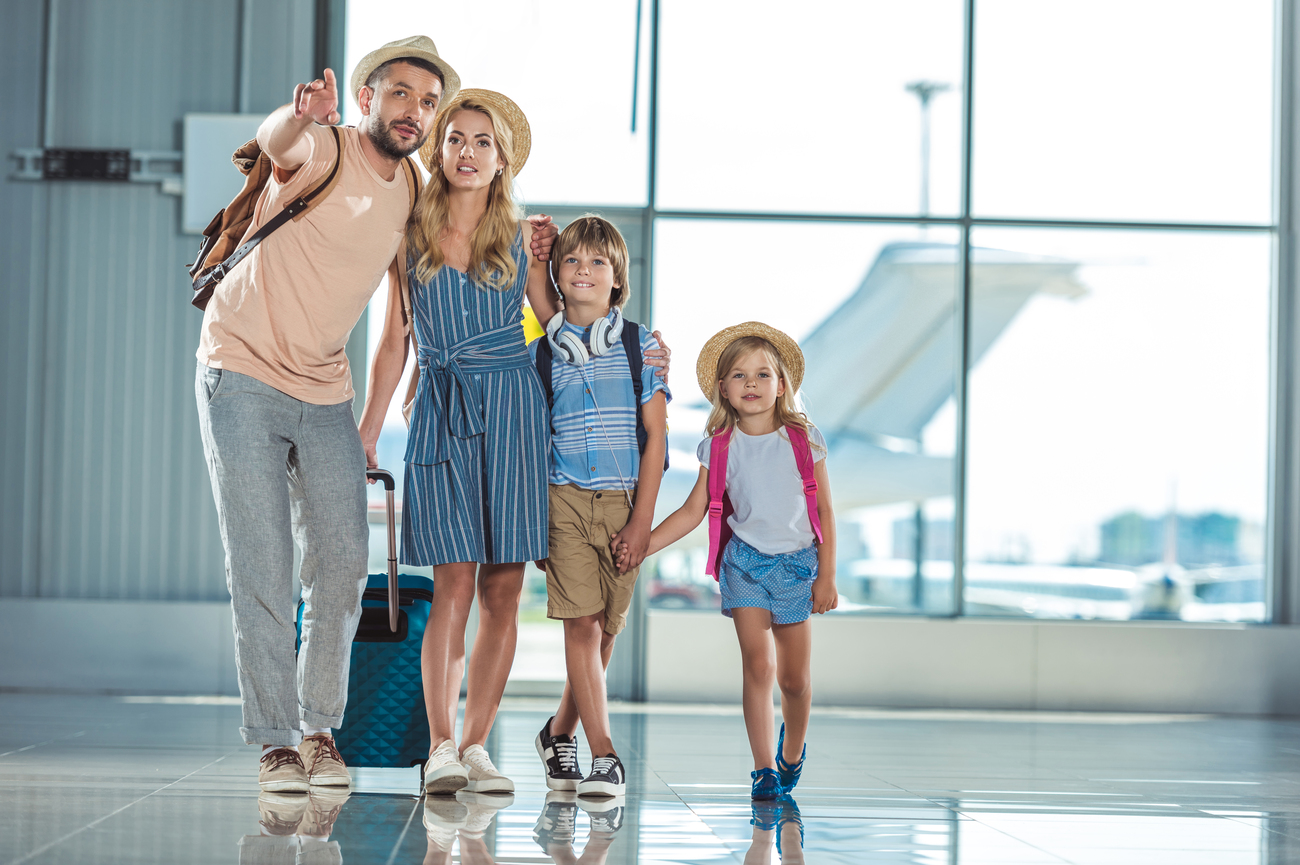
3. The City Is Easy to Navigate in
English
English is widely used across Hong Kong’s hotels, transport system, restaurants, and major attractions. Street signs are bilingual. MTR announcements are given in Cantonese, Mandarin, and English. Menus, concierge teams, attraction staff, and most transport touchpoints are easy to navigate without friction.
That matters far more for families than it does for solo travellers.
When communication is difficult, parents carry the pressure first, but children feel it quickly. The energy of the trip shifts. Simple moments begin to take more effort than they should.
Hong Kong removes much of that strain.
Families can move through the city without constantly translating it. Attention stays on the experience itself rather than on working out how to access it.
For visitors arriving from Europe, North America, or Australia, Hong Kong feels more immediately readable than most major cities in Asia, and that changes the trip from the very beginning.
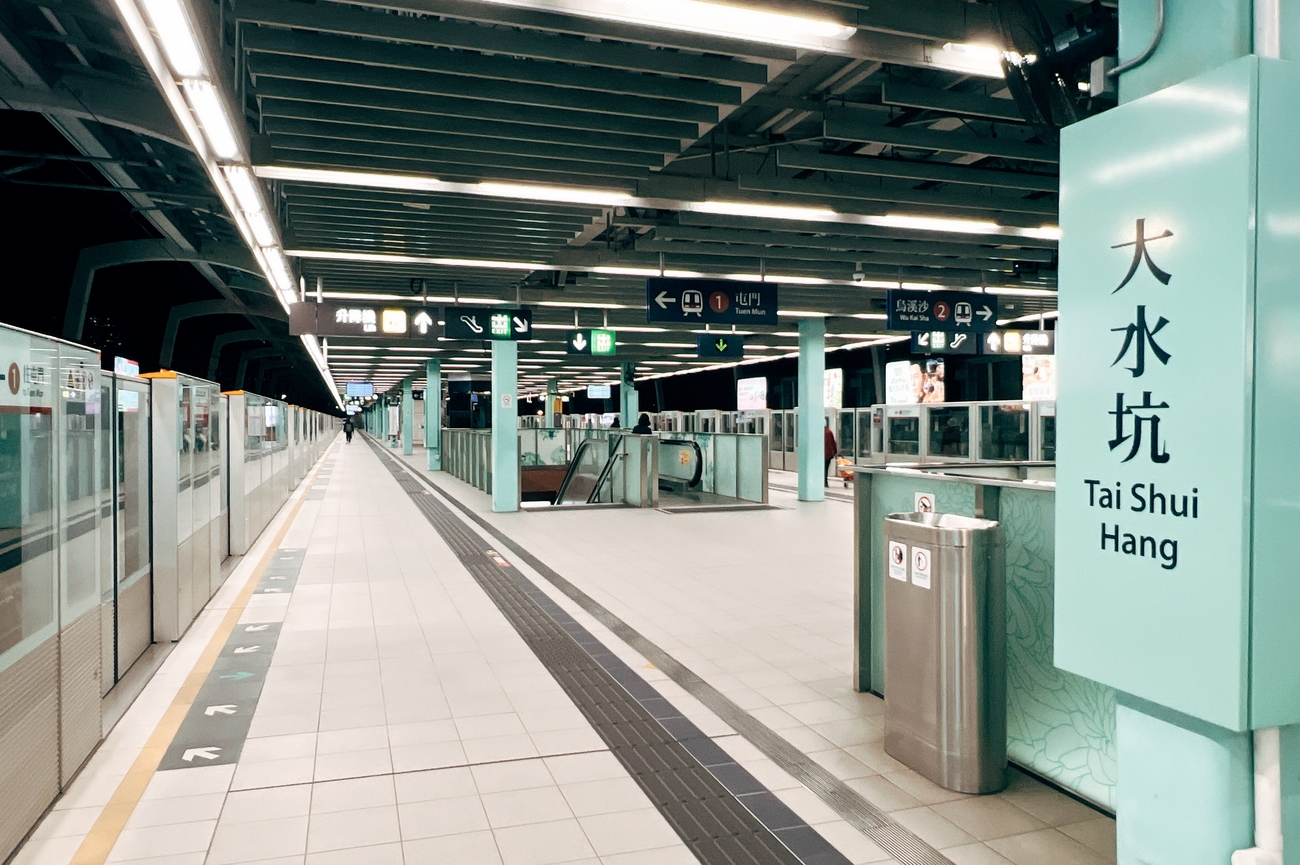
4. Hong Kong Disneyland Is Better Than
Most Families Expect
The Size Argument, Correctly Understood
Hong Kong Disneyland is smaller than California, Florida, and Tokyo. That gets cited as a weakness. For family-friendly Hong Kong travel at the luxury level, it is precisely the opposite. The park is navigable in a single day without the attrition that accompanies larger parks. Children do not exhaust themselves in transit between lands. The concentration of quality per square metre is higher because the park was built to depth rather than width.
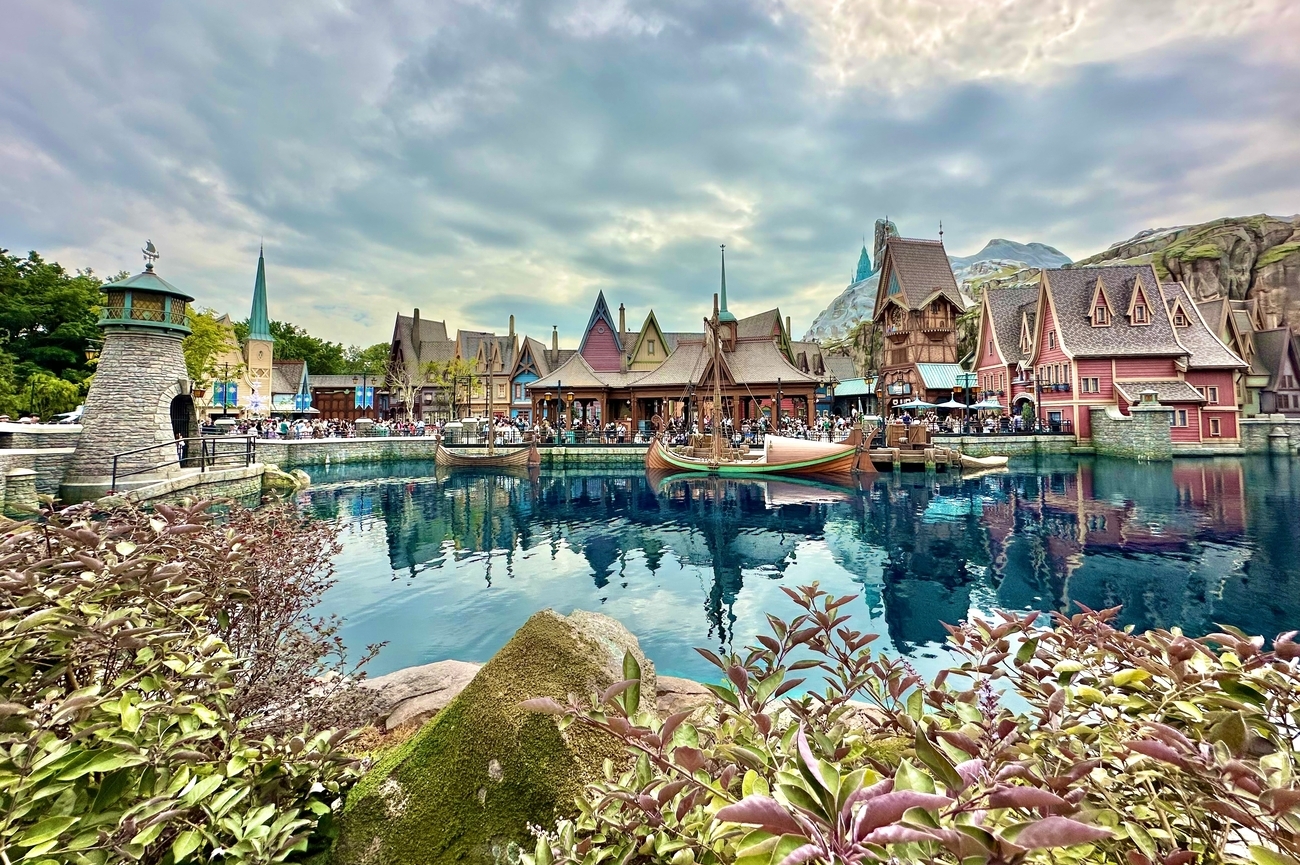
The current attraction roster is genuinely strong. World of Frozen, which opened in November 2023 as the world's first and largest Frozen-themed land, was built entirely for Hong Kong: the music, the architecture, the character placement. It cannot be experienced at any other Disney park on earth. Mystic Manor, the trackless dark ride that has been operating since 2013, is considered by Disney park enthusiasts to be among the finest dark rides the company has ever built. Big Grizzly Mountain Runaway Mine Cars is a proper thrill coaster with unexpected backward sections. Hyperspace Mountain and Iron Man Experience anchor the Marvel offering in Tomorrowland.
Premier
Access: The Structural Decision
Hong Kong Disneyland is smaller than the parks in California, Florida, and Tokyo. That is often seen as a disadvantage.
For families, it is the opposite.
The park can be experienced in a single day without the fatigue that larger parks create. Distances are shorter. Movement is easier. Children do not lose energy getting from one area to another. More of the day is spent inside the attractions themselves.
The quality of what is there is also stronger than expected.
World of Frozen, opened in 2023, is the first and largest Frozen-themed land in any Disney park. It was built specifically for Hong Kong and cannot be experienced in the same way elsewhere.
Mystic Manor remains one of the most highly regarded Disney rides globally. A trackless dark ride with no height restriction, it works across the full family age range.
Big Grizzly Mountain Runaway Mine Cars adds a proper thrill element, while Hyperspace Mountain and Iron Man Experience complete the core experience for older children and adults.
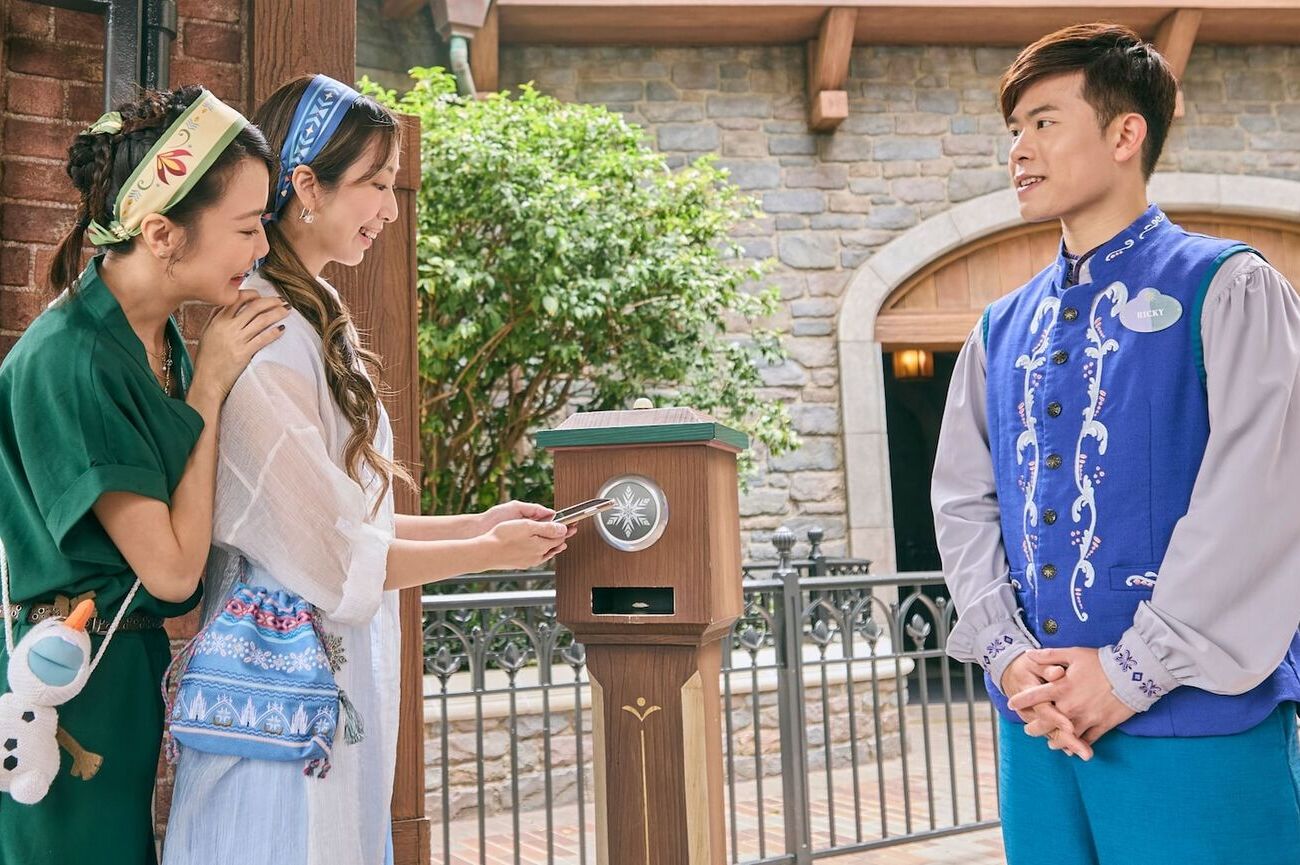
The decision that defines the day is Disney Premier Access.
This is the park’s paid priority system. The 8-attraction bundle starts from HK$429 per person. On busy days, Frozen Ever After can reach 60 to 90-minute queues. With Premier Access, it becomes a walk-in.
The same applies across the major rides.
The Momentous bundle, from HK$659, includes reserved viewing for the nighttime spectacular, combining drones, projection mapping, fountains, and fireworks. For families staying through the evening, it is the correct option.
These passes sell out during peak periods and are best secured in advance.
How to structure the day properly, which attractions to prioritise, and how Premier Access should be used at different ages is covered in Hong Kong Disneyland with kids: an insider’s guide to VIP access.
5. Ocean Park Is More Than a Theme
Park
Ocean Park sits in Aberdeen on Hong Kong Island, around 20 minutes from Central by private transfer.
It is not just a theme park. It is a conservation park, a large-scale aquarium, and a multi-zone experience connected by cable car.
The cable car crossing between the Waterfront and the Summit takes around ten minutes over open water above the South China Sea. This is not simply transport. It is one of the defining views of the day.
The Grand Aquarium operates at a different scale from most comparable attractions. More than 5,000 marine animals across over 400 species are housed within a 52-million-litre dome. Walk-through tunnels place visitors inside shark and ray environments in a way that feels immersive rather than observational.
Neptune’s Restaurant sits alongside the aquarium, with full-height glass looking directly into the water. It is the kind of setting children remember long after the meal itself.
The panda programme is what sets Ocean Park apart.
Six giant pandas are currently in residence. Ying Ying and Le Le are the established pair. Jia Jia and De De, their cubs, were born at the park in August 2024. An An and Ke Ke arrived in 2024 and are located at the Hong Kong Jockey Club Sichuan Treasures exhibit.
Giant Panda Adventure runs from 10am to 4:30pm, with timings adjusted around the cubs’ care schedule. Earlier access is always better.
For children who have only seen pandas in books or on screens, this is a completely different experience. Close, real, and far more engaging than expected.
It is one of the moments of the week that families tend to remember long after the trip ends.

6. Dining
Works for the Whole Family
In Hong Kong, dinner does not have to become a compromise once children are part of the trip.
That matters.
At the luxury level, the city allows families to eat very well without turning every meal into a negotiation between what adults want and what children will accept. Good dining and family practicality can exist in the same place, on the same evening, and often at the same table.
That says something important about Hong Kong.
It is a city with a serious food culture, but also one with the hospitality depth to make that culture accessible to families. Precision, service, and detail are not reserved for adults-only dining rooms. They carry through the broader experience.
Several of the city’s best-known restaurants accommodate children well. Caprice at the Four Seasons combines three Michelin stars with panoramic Victoria Harbour views and a level of service that understands family dining properly. Louise also works well, with age policies that make it realistic for families who want to dine at a high level without leaving children entirely outside the plan.
Beyond the Michelin-starred rooms, Hong Kong is especially strong because of its wider dining culture.
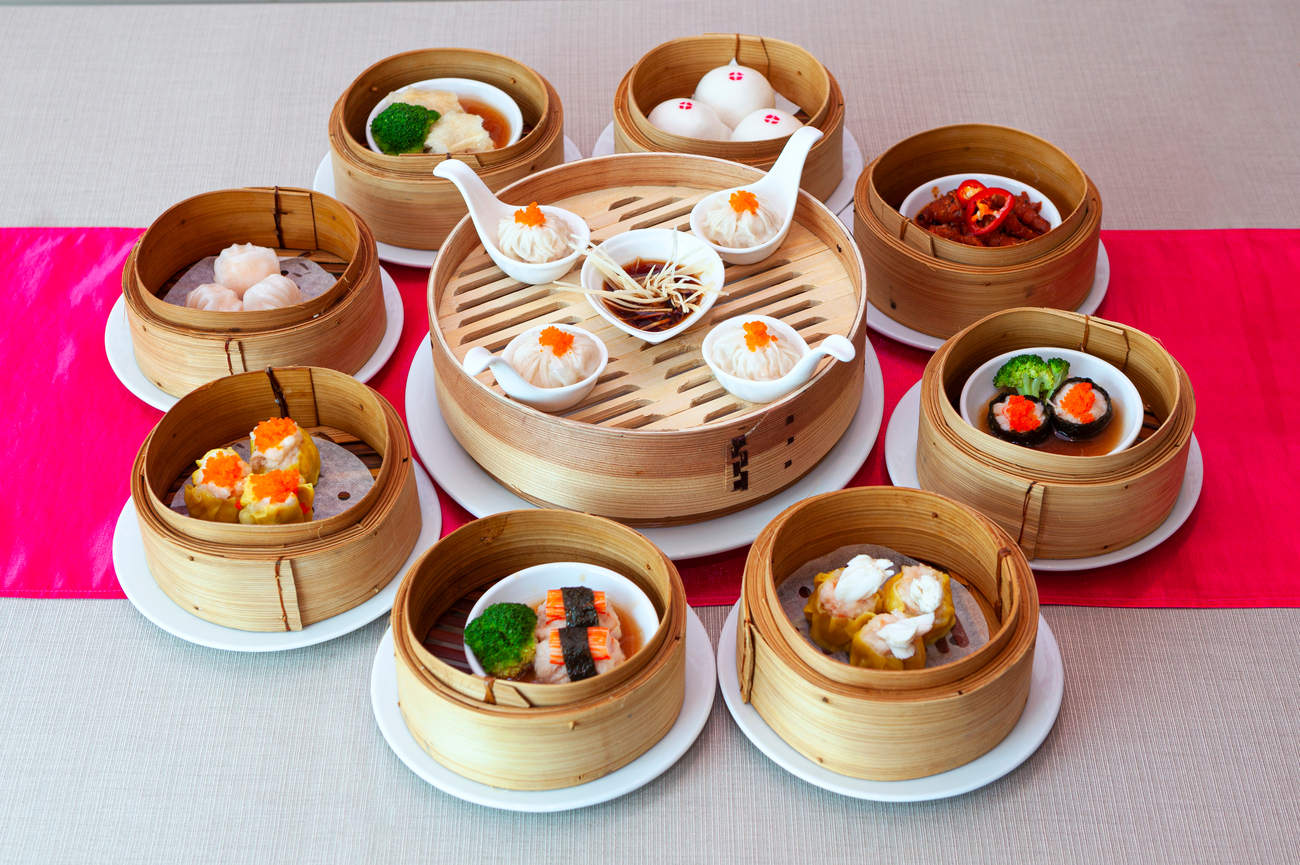
Dim sum is one of the easiest luxury-city food traditions for children to enjoy naturally. Har gow, siu mai, egg tarts, and turnip cake are tactile, recognisable, and easy to engage with even before children understand them as part of a deeper food culture. Families can move between heritage tea houses, polished dining rooms, and Michelin-recommended restaurants without losing that sense of accessibility.
That is the real advantage.
In Hong Kong, parents do not have to lower their dining standards in order to make meals work for children. Both can happen together, and that is rarer than it should be.
7. Victoria
Harbour Feels Different from the Water
The Star Ferry has been crossing Victoria Harbour between Central and Tsim Sha Tsui since 1888. The journey takes around ten minutes, but what it changes is your relationship with the city.
From the harbourfront, the skyline is something you look at.
From the ferry, you are inside it.
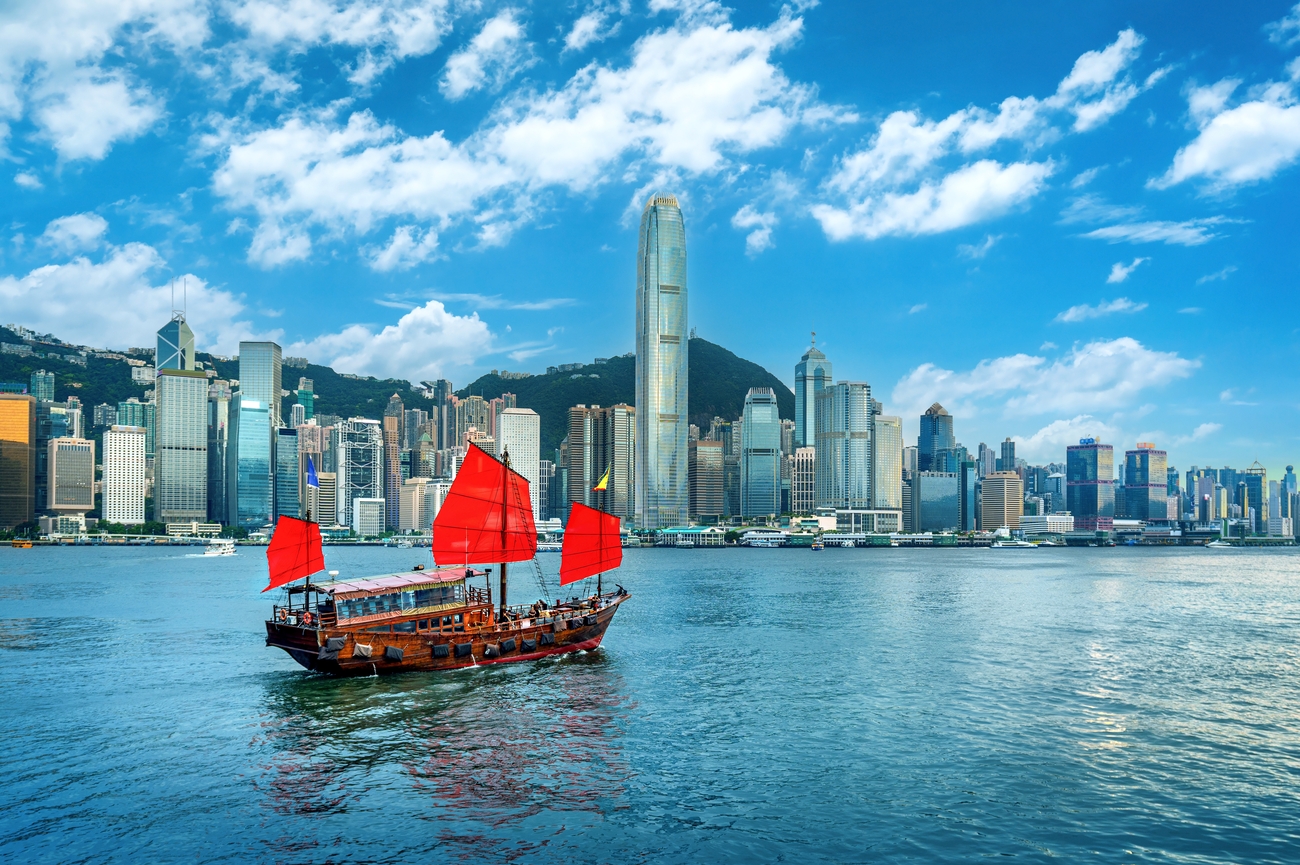
The towers of Central rise directly from the water, with Hong Kong Island behind them and Kowloon stretching away on the opposite side. It is the most recognisable view in the city, but it carries more weight from the water than it ever does from the shore.
Children feel that immediately.
After seeing the skyline from the hotel, from the promenade, or from the Peak, the ferry crossing gives it a different scale. It becomes real in a new way. At dusk, just before the buildings light up and the colour changes across the harbour, it becomes one of the defining moments of the week.
The Kowloon side adds its own rhythm to the experience.
The Avenue of Stars runs along the Tsim Sha Tsui waterfront, tracing Hong Kong’s film history through figures such as Bruce Lee and Jackie Chan. For children who recognise those names, it becomes a point of connection. For everyone else, the promenade still works because the harbour does most of the work on its own.
At 8pm each night, the Symphony of Lights begins across both sides of Victoria Harbour. Lasers and building lights move in sequence across the skyline, free to watch and requiring nothing beyond good timing.
That is part of what makes this evening work so well for families.
No tickets. No queue. No effort beyond being there.
The full harbour day, including the Star Ferry, the Space Museum, and how to structure it properly for families, is covered in Hong Kong harbour icons kids actually love: ferries, space and skyline views.
8. Victoria
Peak Helps Children Understand the City
The Peak Tram climbs to Victoria Peak in around seven minutes, but for children it feels like much more than transport.
The gradient is steep enough to make the journey exciting in its own right. As the tram rises, buildings appear to lean and the city seems to shift around them. Children often experience it first as a ride and only afterwards as a way of reaching the summit.
That is part of what makes it work so well.
At the top, Peak Tower adds another layer to the experience. Madame Tussauds Hong Kong brings together figures from Hollywood, Asian cinema, sport, and public life in a format that works across a wide age range. The Sky Terrace 428 then changes the scale completely, with 360-degree views from 428 metres above sea level.
Together, these elements give children something more than a viewpoint.
They give them a sense of how Hong Kong is actually arranged.
The Peak Tram has been operating since 1888, the same year the Star Ferry first began crossing Victoria Harbour. Those two experiences, still running more than a century later, give the city a historical continuity that children often notice more than adults expect.

9. The
Space Museum Is Better Than Most Families Expect
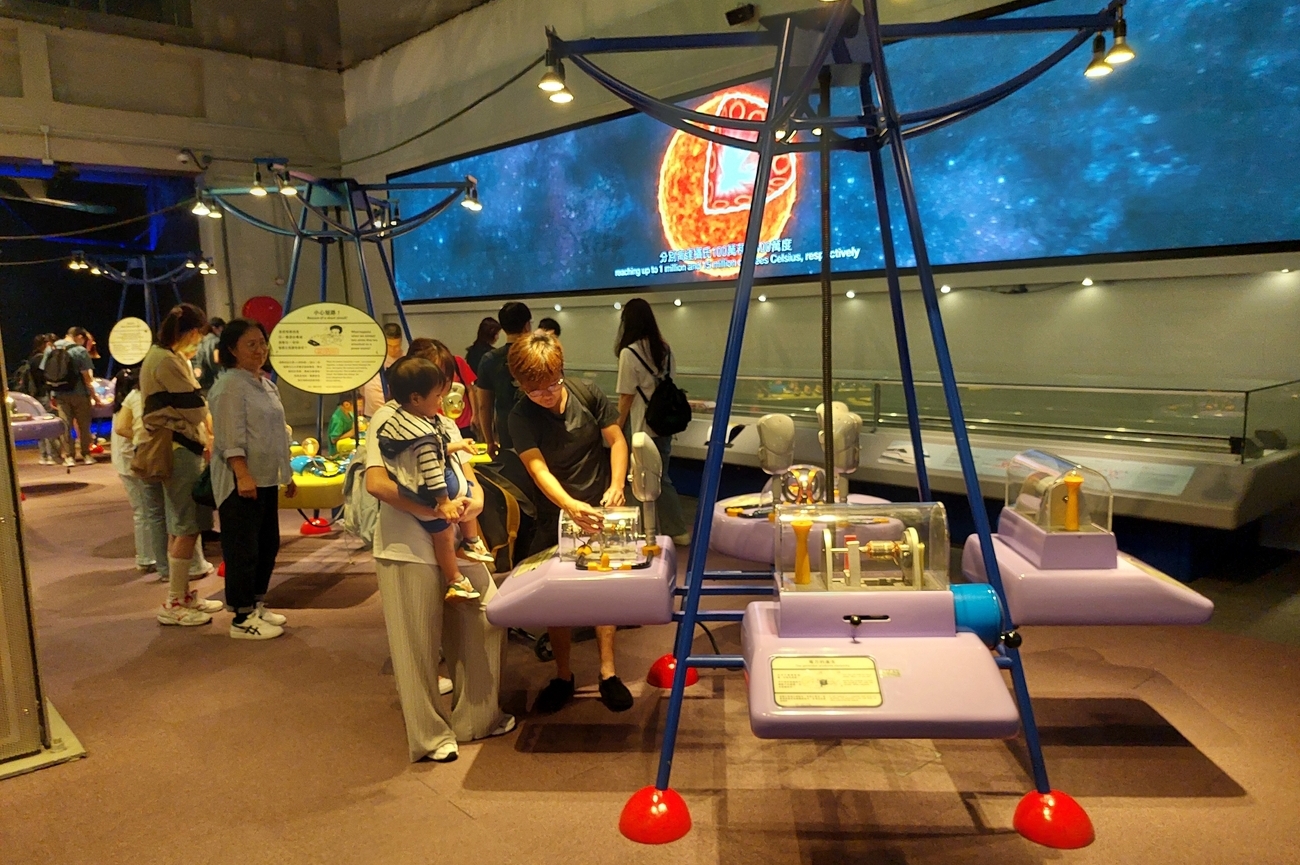
The Hong Kong Space Museum sits on the Tsim Sha Tsui waterfront, directly beside the Avenue of Stars. Its white dome is immediately recognisable, but what matters is what happens inside.
This is a proper science and astronomy museum, not a children’s attraction dressed up as one.
Hands-on exhibits cover space exploration, planetary science, and the wider structure of the universe. Planetarium shows run throughout the day, and the dome experience is exactly the kind of thing children respond to immediately and then talk about later, often well outside the context of the trip itself.
Its location makes it even stronger.
The museum fits naturally into the harbour day without adding any logistical weight. Star Ferry from Central. Waterfront walk. Space Museum. Lunch at Aqua. Peak Tram later in the day. Multiple experiences, one coherent route, and no need for additional transport between them.
That is part of why it works so well.
It is also one of the most overlooked family attractions in Hong Kong. Which is precisely why it deserves a place here.
Families who include it often come away treating it as an unexpected highlight, and children tend to remember it far more vividly than most adults expect.
10. Every
Family Trip Needs Space to Breathe
The final evening of the flex day returns to the harbourfront. The same promenade as the first night, now familiar enough to feel like it belongs to the family.
A Hong Kong family itinerary that fills every hour of every day is usually trying too hard.
The flex day matters because it gives the trip room to settle. It is not an empty day. It is the point where the experience begins to feel less structured and more personal.
That changes the week more than most families expect.
By this stage, some want one more experience on the water. Some want something hands-on. Others want a slower afternoon without losing the shape of the trip.
That is exactly why this day belongs in the itinerary.
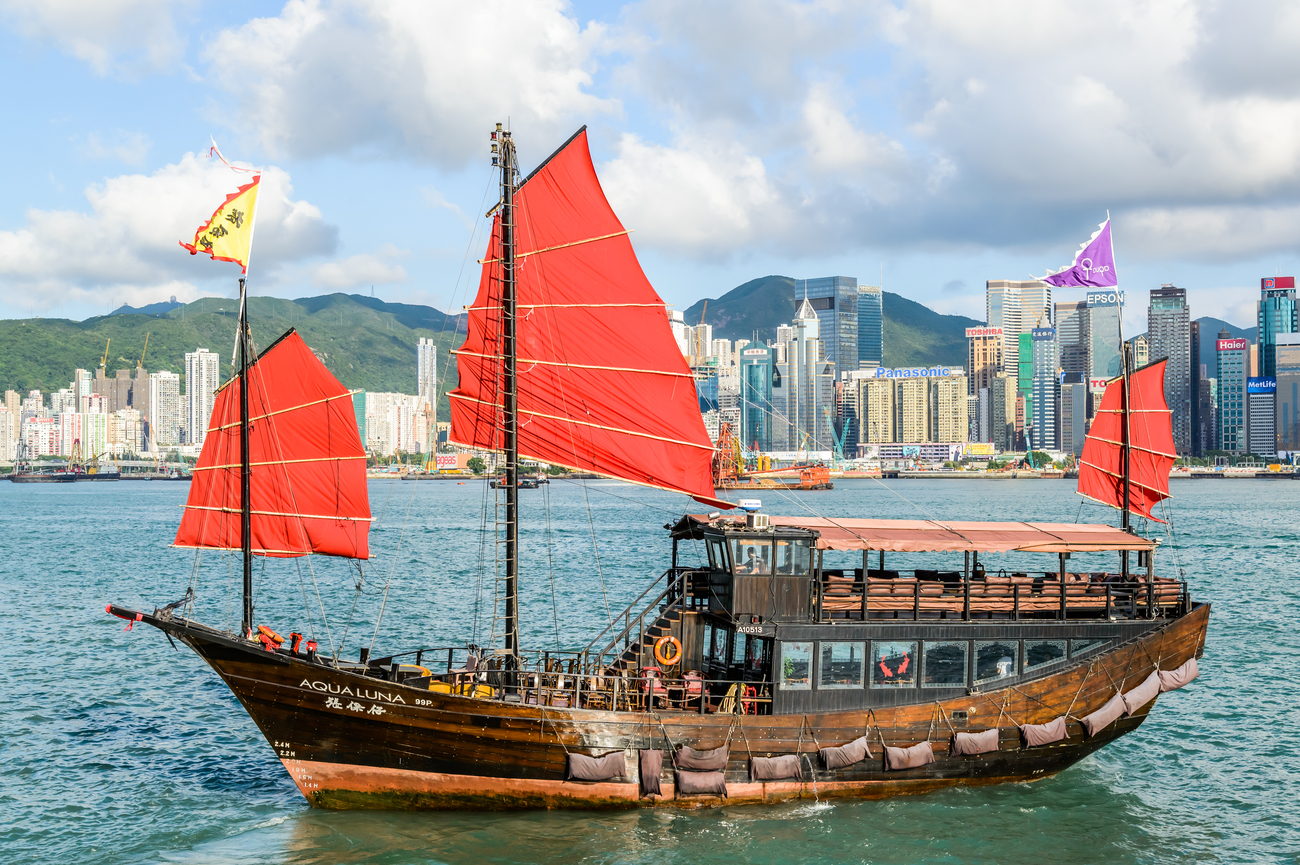
A private junk boat cruise on Victoria Harbour offers one of the city’s most distinctive experiences. A traditional wooden vessel moving across the water with the Central skyline behind it feels unmistakably Hong Kong.
A dim sum-making class gives children something active, local, and memorable. It is one of the few moments of the week where they are making part of the experience rather than simply enjoying it.
Concierge-supported shopping at IFC keeps the day easy. The mall sits beside the Four Seasons, and with the right guidance it stays enjoyable rather than becoming logistical.
A spa afternoon at the Four Seasons works equally well. While adults use the treatment rooms overlooking Victoria Harbour, children can stay in the pools without the day feeling split.
By evening, the trip returns to the harbourfront.
The same promenade that introduced the city on the first night now feels different. Familiar. Easier. Less like part of Hong Kong, more like part of the family’s own week.
What
These Ten Reasons Have in Common
None of them happen by accident.
Seeing the pandas at the right time. Using Premier Access properly at Hong Kong Disneyland. Securing Caprice with babysitting arranged for the same evening. Taking the Star Ferry when the light is exactly right. These details are decided well before the family lands.
That is the difference.
The families who leave Hong Kong saying it exceeded every expectation are usually the ones who arrived with nothing left to organise.
That is the version of the city worth having.
Our luxe family harbour retreat is built around exactly this. Six days in Hong Kong, paced for how families actually move through the city, with each part of the experience already thought through.
Tell us when you would like to travel.


Let us know what you love, where you want to go, and we’ll design a one-of-a-kind adventure you’ll never forget.
Get in touch
Miriam
Travel Specialist

Nina
Travel Specialist

Abigail
Travel Specialist
Frequently Asked Questions
-
Is Hong Kong a good destination for families with children?
Yes, Hong Kong works exceptionally well for families due to its compact layout, efficient transport, world-class attractions like Disneyland and Ocean Park, and a strong mix of culture, dining, and outdoor experiences.
-
How many days do you need in Hong Kong with kids?
A 5 to 6-day itinerary is ideal for families, allowing time for Disneyland, Ocean Park, Victoria Peak, the harbourfront, and a more flexible day without rushing between experiences.
-
Is Hong Kong Disneyland worth visiting with children?
Yes, Hong Kong Disneyland is particularly well suited for families because of its manageable size, shorter distances between attractions, and unique experiences such as World of Frozen and Mystic Manor.
-
What are the best family-friendly experiences in Hong Kong?
Top experiences include the Star Ferry across Victoria Harbour, visiting pandas at Ocean Park, riding the Peak Tram, exploring the Space Museum, and enjoying dim sum in family-friendly restaurants.
-
Can Revigorate plan a fully tailored family trip to Hong Kong?
Yes, Revigorate designs fully tailored Hong Kong family itineraries, including private transfers, priority attraction access, dining reservations, and concierge-level planning so every part of the trip is arranged in advance.
Our offices:



Revigorate, Iberian Escapes and Algarve Lifestyle are the registered brand names of APCS Lda . We are a fully authorised travel agency licensed by Turismo de Portugal RNAVT/6867.
In the event of a dispute, the consumer may refer to: RAL - Centros de Arbitragem
Avª. 5 de Outubro, nº. 55, R/C Dtº. 8000-075 Faro, Portugal | Tel: +351 289 823 135 *
* national landline call
E-mail: info@consumoalgarve.pt| www.consumidoronline.pt | Mon to Fri: 9:00 - 13:00 / 14:00 - 17:00