Siargao Island Hopping Guide: Guyam, Naked & Daku Islands

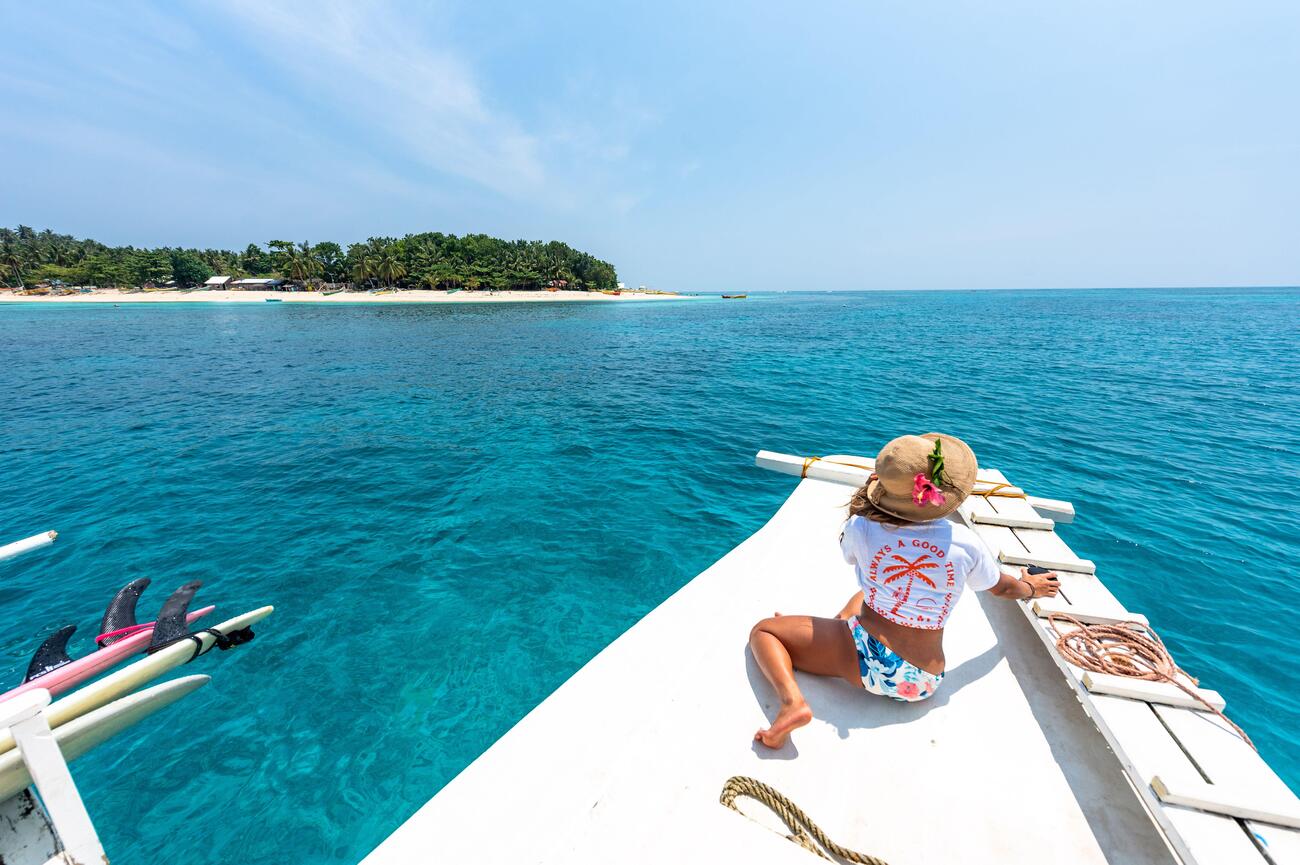
Few experiences capture Siargao’s coastline quite like the classic Siargao island hopping tour. You will glide across turquoise water on a traditional Filipino bangka, salt in the air, sun on your skin, and three wildly different islands waiting just offshore.
What makes this route so memorable is the contrast. In a single day, you move from a tiny palm-fringed islet to a minimalist white sandbar, then on to a larger local island where lunch often means freshly grilled seafood served right on the beach. It is simple, beautiful, and exactly the kind of escape travellers picture when they imagine the Philippines.
This guide explains what to expect at Guyam, Naked and Daku Islands, how to time your day well, and how to enjoy the route without feeling rushed. For wider context, including where to stay, when to visit and what else to do on the island, see The Complete Siargao Travel Guide.
Overview:
The Famous Siargao Three-Island Tour
What is the Three-Island Tour?
The classic Siargao route typically follows Guyam, then Naked Island, then Daku, a well-established loop that makes the most of the distances and conditions offshore. Most trips depart in the morning, often between 9 and 10, and return to the mainland in the early afternoon, leaving you with the rest of the day free.Expect the experience to take around four to six hours, depending on sea conditions and how long you choose to spend at each stop. Some travellers keep it short and photo-led, while others take a slower pace, swim properly, snorkel, and enjoy time on the sand without rushing.A standard booking usually includes the private boat, fuel, life jackets and a local captain or guide, along with any island or environmental fees required for entry.
Group Tours vs. Private Charters
Group tours are the more budget-friendly option and can be a good fit if you enjoy a social atmosphere. You will share the boat with other travellers and follow a fixed schedule, which means you move on when the group is ready and you visit each stop for a set amount of time.
Private charters offer a more flexible and comfortable way to experience the three islands. You can adjust timings, stay longer where you want to swim or snorkel, and plan the route around light, tides and sea conditions. This option is especially popular with families, couples and travellers who value privacy and a slower pace.
Prefer a more exclusive experience? Our private island hopping programme includes dedicated boats, flexible scheduling and beachside picnics designed around your pace. Explore the 4-Day Siargao Private Island-Hopping and Surf Escape for a seamless island day with everything arranged.
Island 1: Guyam Island, A Picture-Perfect Palm Paradise
What Makes Guyam Island Siargao Special
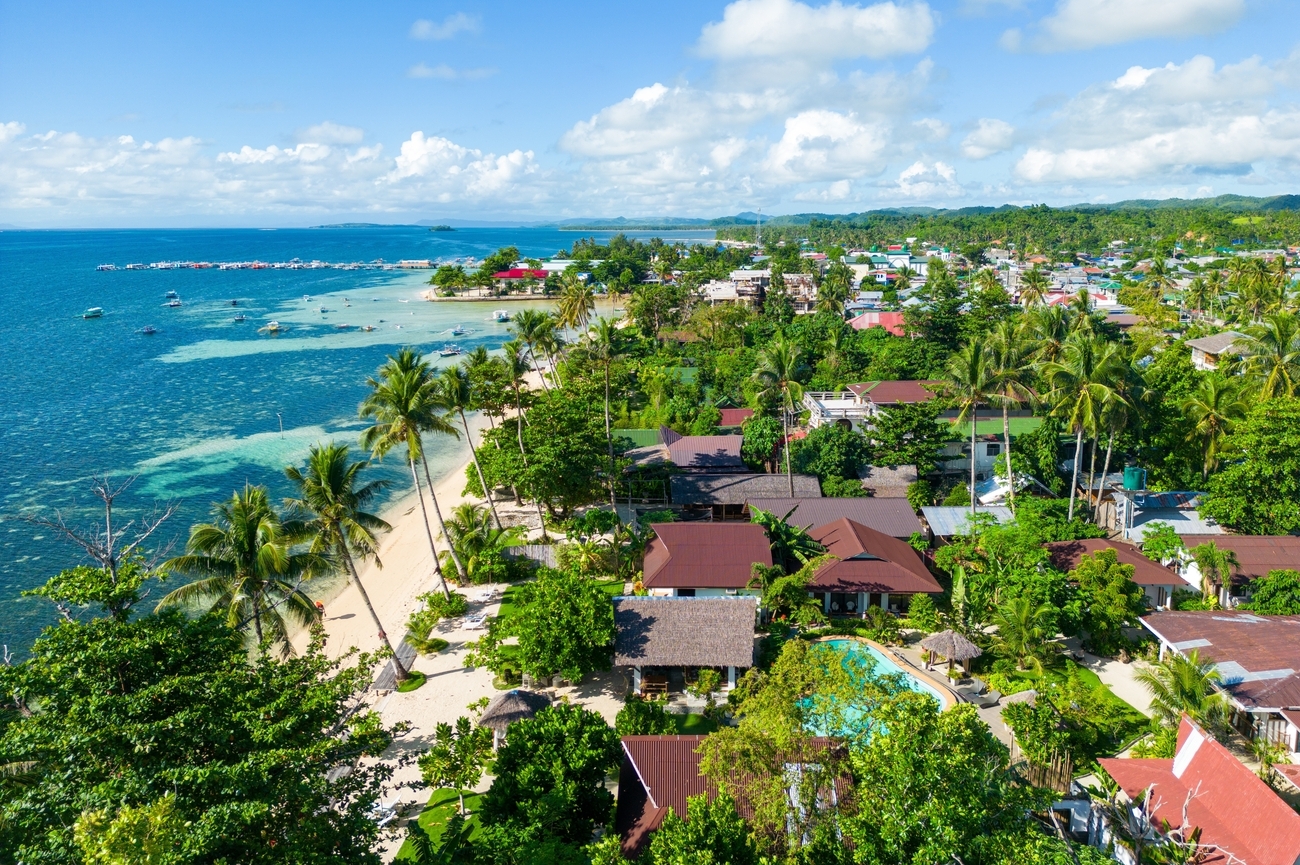
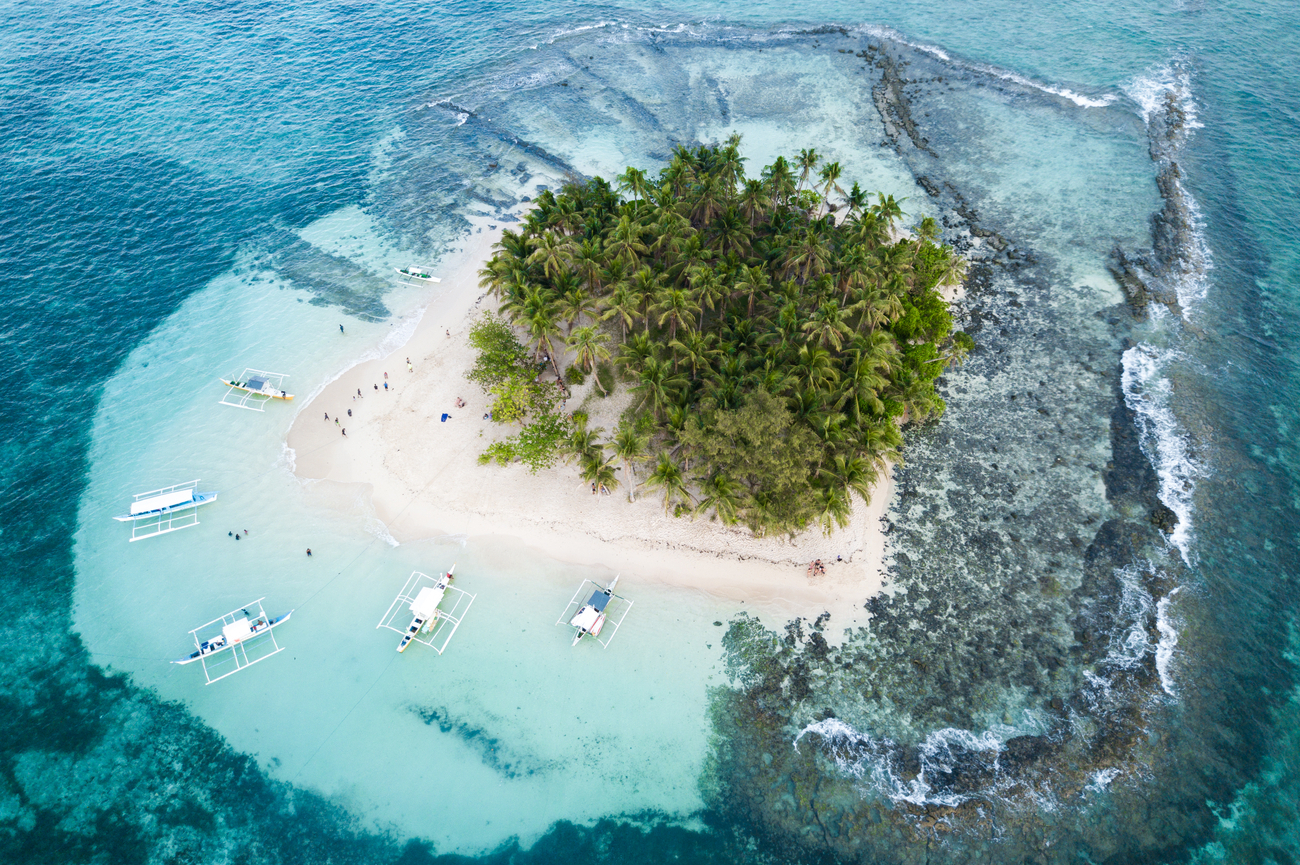
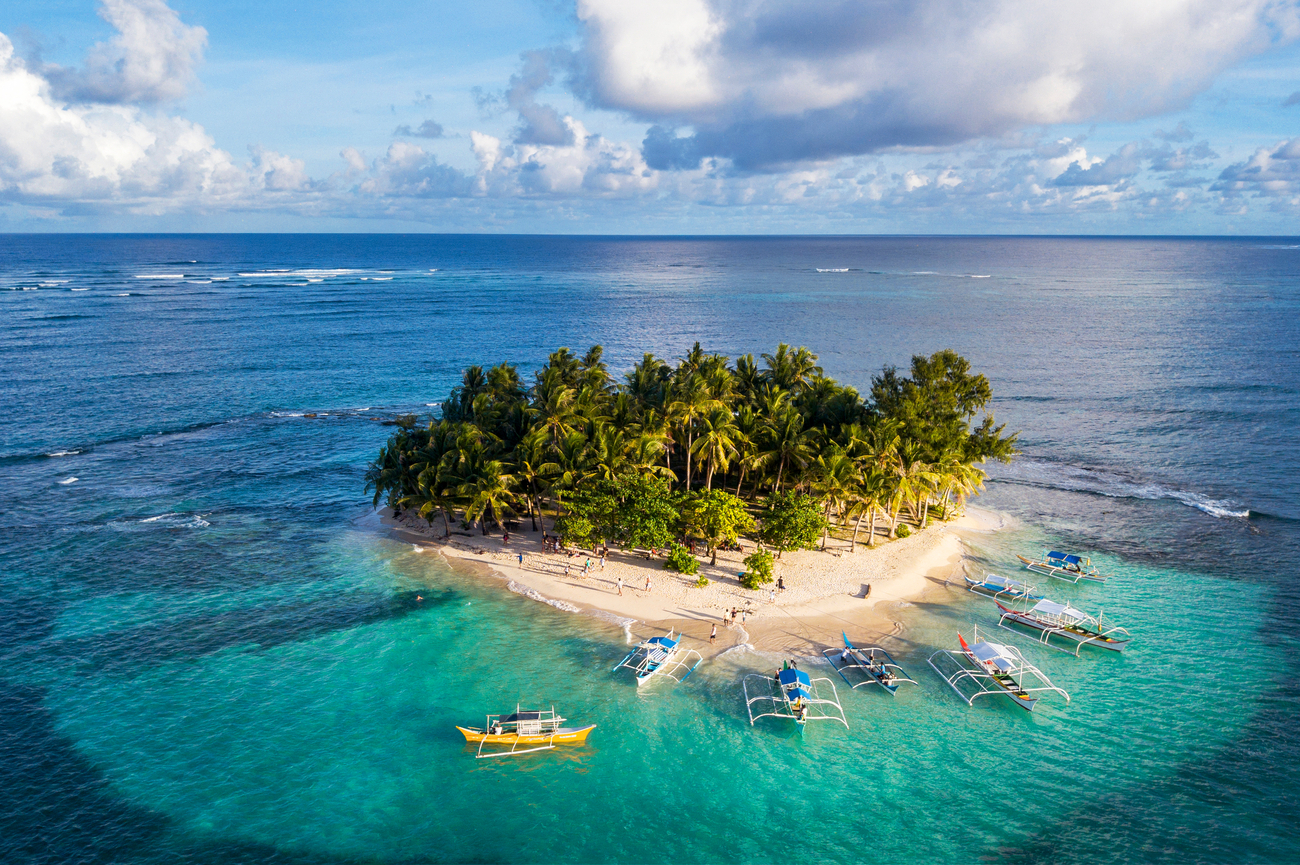
Guyam Island is the definition of postcard Siargao. Tiny, palm-covered and effortlessly beautiful, it is ringed by soft white sand and surrounded by clear, shallow water where you can often spot small fish from the boat before you even step ashore.The island is so compact you can walk around it in just a few minutes, yet it delivers everything you want from a tropical stop. There is shade beneath the coconut palms, calm turquoise water for an easy swim, and coral patches that make it a satisfying place to snorkel when visibility is good. Most of all, it feels peaceful, the kind of place that encourages you to slow down and enjoy the simplicity of being on a small island in the middle of the sea.Yes, it is perfect for photos, but the real appeal is how quickly it pulls you into the moment
What to Do on
Guyam Island
- Swimming is the obvious first move. The water is warm and clear, and it stays shallow enough to feel relaxed while still being fun. Snorkelling around the edges can reveal coral patches and tropical fish. Bring your own mask and snorkel, or rent gear in General Luna before your tour.
- Beach lounging under the palms is genuinely the main event. Find a shaded spot, relax with a cold drink you bring with you, and enjoy the simplicity, there are usually no vendors on the island.
- Photography is effortless here. Wide shots capture the palms and bright water, and if you are using a drone, you can get beautiful overhead views of the island’s shape and reef tones.
- There is a small rock ledge on one side that some visitors use for jumping when conditions are calm. Keep it cautious, check the water depth, and avoid it if the sea is rough.
Snorkeling at
Guyam
Snorkelling around Guyam is often a pleasant surprise. Despite the island’s popularity, the reef edges can still be lively, a sign that local stewardship and daily habits have helped protect these waters. Expect to see small reef fish moving through coral patches, and occasionally larger visitors passing through.
Visibility is typically at its best in the drier months, especially from March to May, when calmer seas make the water clearer and conditions more comfortable for longer swims. On a good day, you can see several metres down, which makes even a short snorkel feel rewarding.
If you are not travelling with your own mask and snorkel, gear is easy to rent in General Luna before you head out.
Best Time to
Visit Guyam
- Early morning arrivals (9 to 10 AM) mean fewer crowds and better light for photos. The tour boats start rolling in around mid-morning, so getting there on the earlier side gives you more space to spread out.
- Weekends and Philippine holidays bring local tourists in bigger numbers, which is great for the island's economy but means more people in your photos. Midweek visits are quieter if that matters to you.
- Tide-wise, mid to high tide is best for swimming. Low tide exposes more of the reef, which is cool to see but makes getting in and out of the water a bit trickier.
Guyam Island Tips
- There are no facilities here. No bathrooms, no shops, no fresh water.
- Bring everything you need: water, snacks, reef-safe sunscreen, and a dry bag for your phone and valuables.
- Respect the environment, this place stays beautiful only if visitors treat it carefully.
- Take all your rubbish with you.
- Do not stand on or touch coral.
- Leave nothing behind except footprints.
Island 2: Naked Island, The Minimalist Sandbar
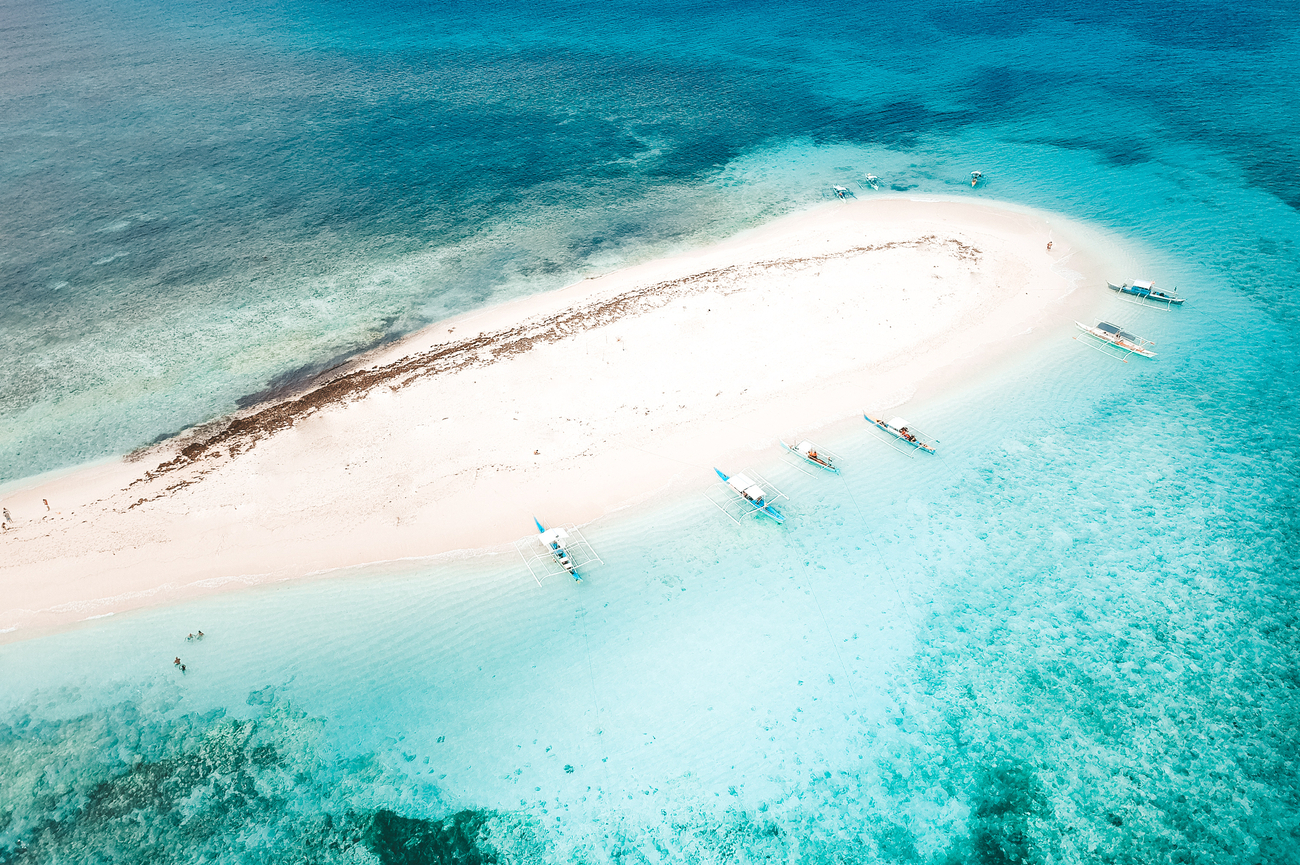
Naked Island is exactly what the name suggests, a pure white sandbar in the middle of the sea with no trees, no buildings and no shade. Just soft sand and uninterrupted, 360-degree views where turquoise water meets open sky.
The sandbar changes shape with the tides, so it can feel slightly different every time you visit. Some days it appears as a long, narrow strip, other days it widens into a broader stretch of sand, which is part of its charm.
Because it is completely exposed, plan for strong sun. Bring protection, water and a hat, there is nowhere to hide once you step off the boat.
What to Do on
Naked Island
- Sunbathing is the main event. Lay out a towel, enjoy the minimalist beach setting, and pace yourself as there is no shade.
- Bring a frisbee or volleyball if you have one. The flat, open sand is ideal, and some groups share equipment.
- Photography is excellent here. The clean sandbar lines and bright water make strong compositions, especially in softer early or late light.
- Shell spotting along the shoreline can be surprisingly calming, just look, do not take anything that appears to be a living shell.
- Sometimes the best plan is simply to pause and take it in, the space, the sea breeze, and the feeling of being far from everything.
Important
Naked Island Considerations
- There is no shade. Bring an umbrella if you have one.
- Bring a hat and wear it.
- A long-sleeve rash guard protects better than relying on sunscreen alone, though you still need to apply and reapply.
- No facilities, no bathrooms, no vendors, no cold drinks. Plan ahead.
- Bring plenty of water, the heat dehydrates faster than you think.
- Sun exposure is intense. Apply reef-safe sunscreen before you arrive and reapply regularly.
- Tide timing matters. The sandbar is usually largest from low to mid tide, and can feel much smaller at high tide.
Photography
Tips
- Aerial and drone shots work brilliantly here. The contrast between white sand and blue water is striking from above. Make sure you follow local drone rules and fly considerately around other people.
- Golden hour, early morning or late afternoon, adds warmth and softness to what can otherwise look very bright and harsh in midday sun.
- Minimalist compositions suit the setting. Clean lines, simple subjects and plenty of negative space work naturally on Naked Island.
Island 3: Daku Island – The Local Culture & Culinary Stop
Daku Island is often the most memorable stop on the three island circuit. The name translates as “big” in the local language, and while it is certainly larger than Guyam and Naked Island, the real appeal is the atmosphere. With a working fishing community on the island, Daku feels lived-in and grounded, offering a glimpse of everyday island life beyond the uninhabited sandbars.
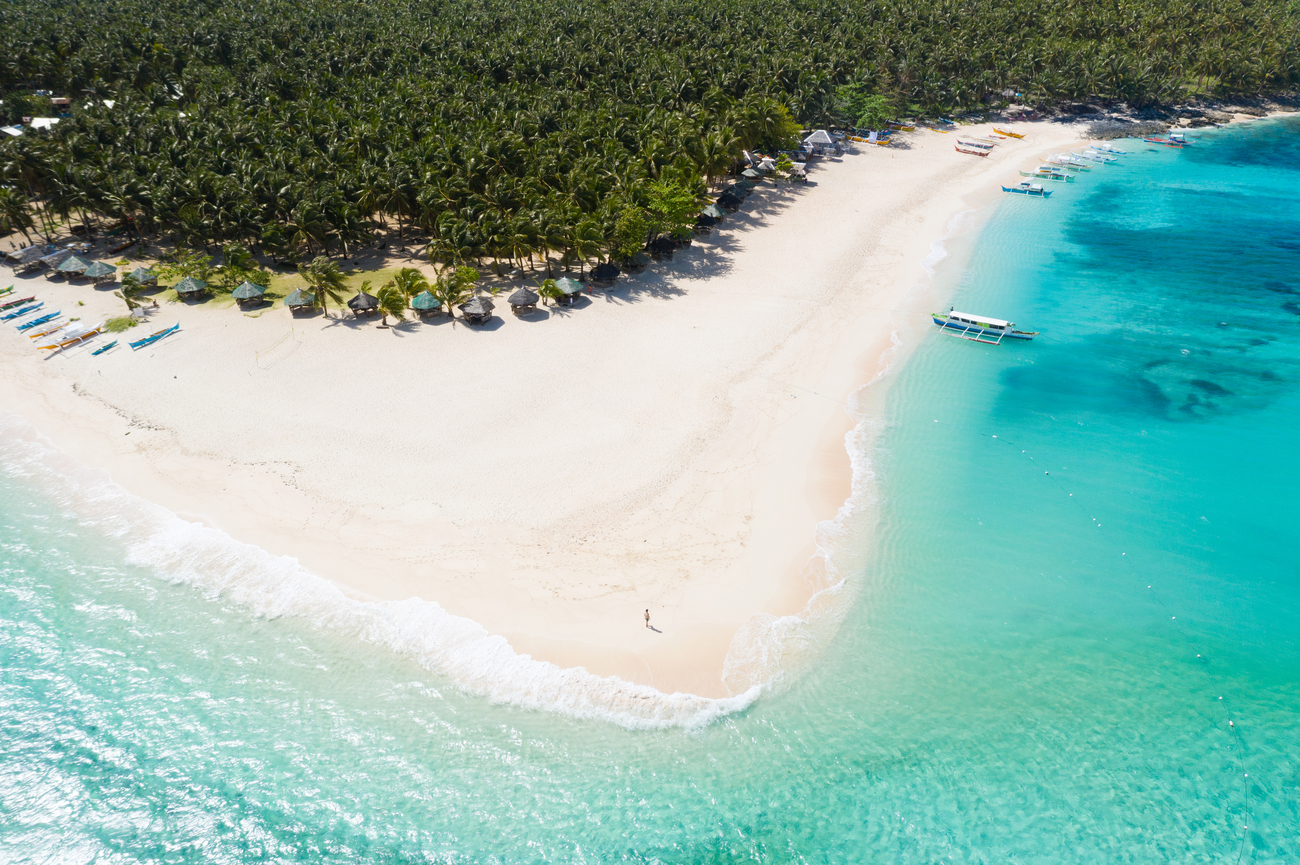
This is also the most common place for lunch. It is where many tours stop to eat, stretch out and slow the pace for a while. The beach is long and open, so it rarely feels cramped, and the shallow water makes it easy to swim, wade or simply relax for as long as you like. Compared to the first two stops, Daku is less about the deserted island fantasy and more about the warmth and rhythm of a real community.
What to Do on
Daku Island
- Fresh seafood lunch is the highlight for many visitors. Beachside grills often cook the day’s catch right in front of you, fish, squid and prawns seasoned simply with salt, pepper and calamansi.
- Beach games tend to happen naturally. Volleyball is common, locals and visitors often join in together, and the atmosphere feels easy and inclusive.
- Swimming here is usually calmer and more family-friendly, with shallower water and a gentler entry, making it comfortable for children and relaxed for parents.
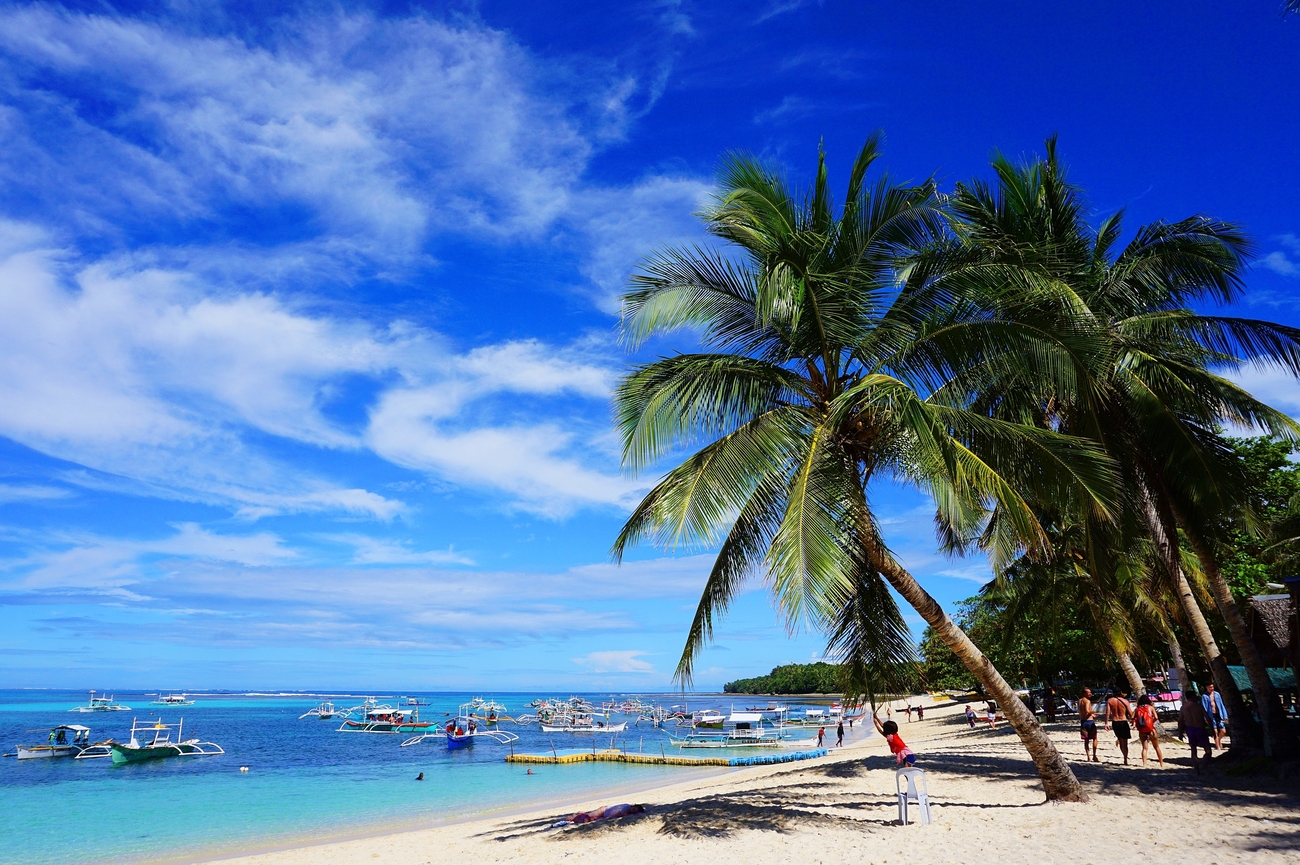
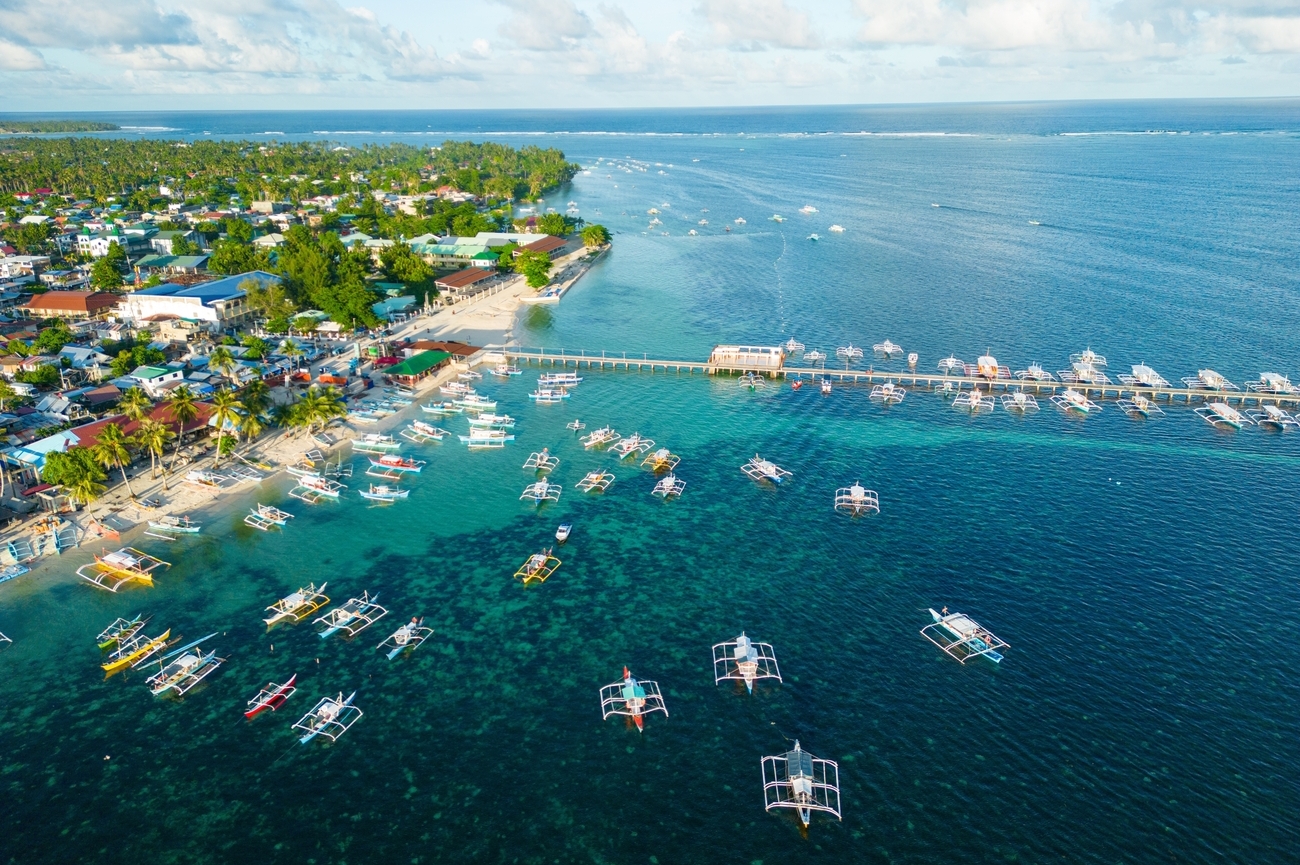
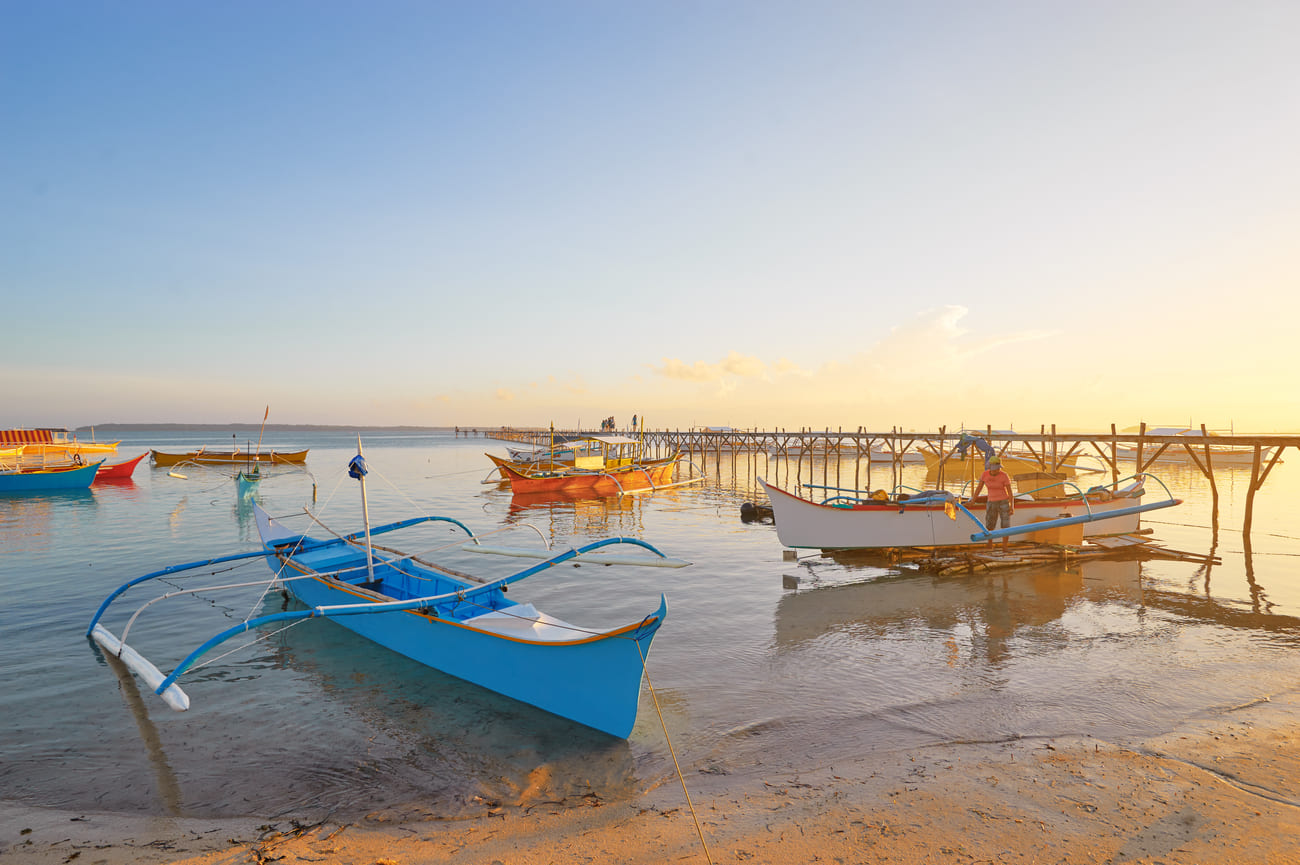
- A short walk through the village offers a glimpse of daily island life. Fishing boats line the shore, nets are repaired in the shade, and children play along the sand, a real community existing alongside tourism.
- Hammock time under the coconut trees is also worth doing. After lunch, it is one of the simplest ways to slow down and enjoy the setting.
- If you want to buy something small, local vendors often sell handmade crafts, shell jewellery and woven items, a good way to support the community directly.
Food &
Dining on Daku Island
Beachside restaurants and simple food stalls usually prepare the fresh catch over charcoal grills. A typical lunch includes grilled seafood, steamed white rice, sometimes pancit, and generous portions of tropical fruit such as mango and pineapple.
Vegetarian options are available but more limited. If you do not eat seafood, it is best to inform your tour operator in advance so arrangements can be made. Expect rice, vegetables, possibly pancit and fruit as part of the alternative meal.
Sipping fresh coconut water straight from the shell while sitting on the sand is one of the simplest and most memorable island moments.
Cultural
Experience
Daku’s small fishing community is friendly and welcoming. People are accustomed to visitors, yet the atmosphere still feels warm and genuine. If you take the time to engage respectfully, you may find simple opportunities to learn about everyday island life beyond the beach.
Local artisans often sell handmade crafts and shell jewellery that make meaningful souvenirs, and buying directly supports the people who create them.
Respect is noticed and appreciated. Ask before photographing people, especially children. A smile and a simple “pwede po?” can go a long way. When walking through the village area, dress modestly and keep the tone quiet and considerate.
Daku Island
Tips
- Budget extra for lunch if it is not included in your package. The seafood is part of the experience and supports the local community.
- Bring cash, as card payments are not available on the island. Withdraw what you need in General Luna before departure.
- Support local vendors where possible, whether that means buying a handmade bracelet or fresh coconut water. Small purchases make a real difference.
If you are staying overnight, see our Where to Stay in Siargao guide for resort options close to the main boat departure points.
How to Book Your Siargao
Island Hopping Tour
Booking the three island circuit is straightforward, and the best approach depends on how you like to travel.
The seamless route is to book through your resort. Many properties work with trusted local boatmen and can arrange timings, pick-up and logistics with minimal effort on your side.
If you are staying in General Luna, you can also book in town. Tour operators are easy to find, and it is often possible to arrange a trip for the following day, especially outside peak periods.
If you prefer to plan digitally, platforms such as Klook or Viator can work well, particularly if you want to read reviews and confirm details in advance.
For a more independent approach, you can go directly to the pier and speak with boat operators. This can be flexible and sometimes better value, but you may need to negotiate and accept a more informal process.
You can absolutely organise this yourself, but group trips often mean fixed timings, shared boats and less control over crowd levels. If you want a smoother, more private version with flexible pacing and smart timing, explore our 4-Day Siargao Private Island-Hopping and Surf Escape, designed to prioritise comfort, quieter moments and seamless logistics, with alternatives ready if weather shifts.
What's
Typically Included
Standard tours usually include the boat, fuel and a local captain. Life jackets and island entrance fees are often included too, but it is worth confirming in advance so you are not paying unexpectedly at each stop. Many mid-range tours also include lunch on Daku Island, and some provide snorkelling gear, though you may still prefer to bring your own mask and snorkel for comfort and fit.
What to Bring
Do not overpack, but bring the essentials. Reef-safe sunscreen and a proper dry bag are non-negotiable, as you will be in strong sun and on and off the boat all day.
Pack a towel, a hat that stays secure in the wind, and your own snorkel mask if you care about fit and comfort. Bring more water than you think you will need, plus a few simple snacks, and carry enough cash for coconuts, lunch add-ons or small souvenirs on the islands.
If you want to capture the day properly, an underwater phone pouch or a GoPro is well worth bringing.
Private
vs. Joiner Tours
A joiner tour simply means a shared group tour. Instead of booking the entire boat, you reserve individual seats and join other travellers for the day. These tours follow a fixed schedule and set route, making them a cost-effective and social way to visit Guyam, Naked and Daku in one trip. You share the boat, split the costs, and move according to the group’s timing.
A private tour, by contrast, means the boat is exclusively yours. You control the pace, adjust how long you stay at each island, and time your visits around tides, light or crowd levels. It is typically more comfortable and flexible, especially for couples, families or anyone who prefers a quieter experience.
If you value privacy and the freedom to shape the day around your preferences, our 4-Day Siargao Private Island-Hopping and Surf Escape builds in that flexibility, with seamless logistics and a more curated approach throughout.
Best Time for Island
Hopping in Siargao
Seasonal Considerations
The dry season, from March through October, generally offers the best conditions for Siargao island hopping, with calmer seas, clearer skies and better water visibility, making it the most reliable time to plan a boat day.
The wet season, from November through February, brings a higher chance of afternoon showers and occasionally rough seas. Tours can still run, but they are more weather-dependent and may be cancelled for safety when conditions shift.
Peak season typically falls in March to May and again in December and January, when demand is highest. Expect busier beaches, fuller boats and higher prices for accommodation and tours.
For a quieter balance, June through August often sits in a sweet spot, with good weather, fewer visitors and slightly better value.
Daily Timing
Morning departures, usually around 9 to 10, are the best option for most travellers. Light is softer for photos, seas are often calmer before afternoon winds build, and the islands feel less crowded. Most operators default to morning start times for good reason.
Afternoon tours do run, but they are typically hotter and can feel busier as boats overlap while morning trips finish up. Naked Island, in particular, can be uncomfortable under strong midday sun.
If you have any choice, avoid departures between 11 and 2 when Naked Island is part of your route. With no shade and peak sun intensity, it is the least enjoyable window to be on a fully exposed sandbar.
Weather &
Sea Conditions
Check the forecast before you book. PAGASA, the Philippine Atmospheric, Geophysical and Astronomical Services Administration, is the best reference for local weather updates.
If seas are rough, tours may be cancelled, and that is exactly what you want. Safety comes first, and reputable operators will not take risks just to keep a schedule.
Beyond the Big Three:
Other Island Hopping Options
Sugba Lagoon
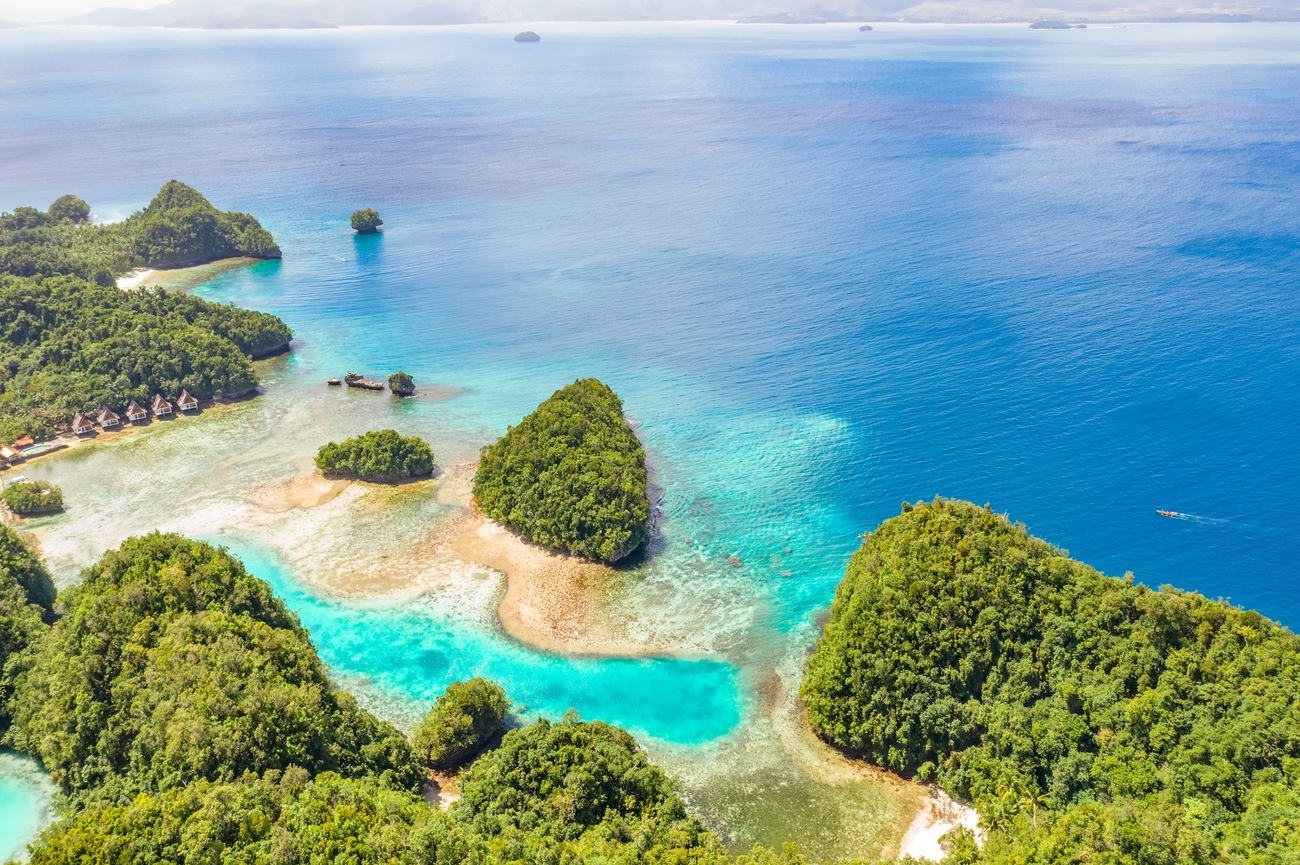
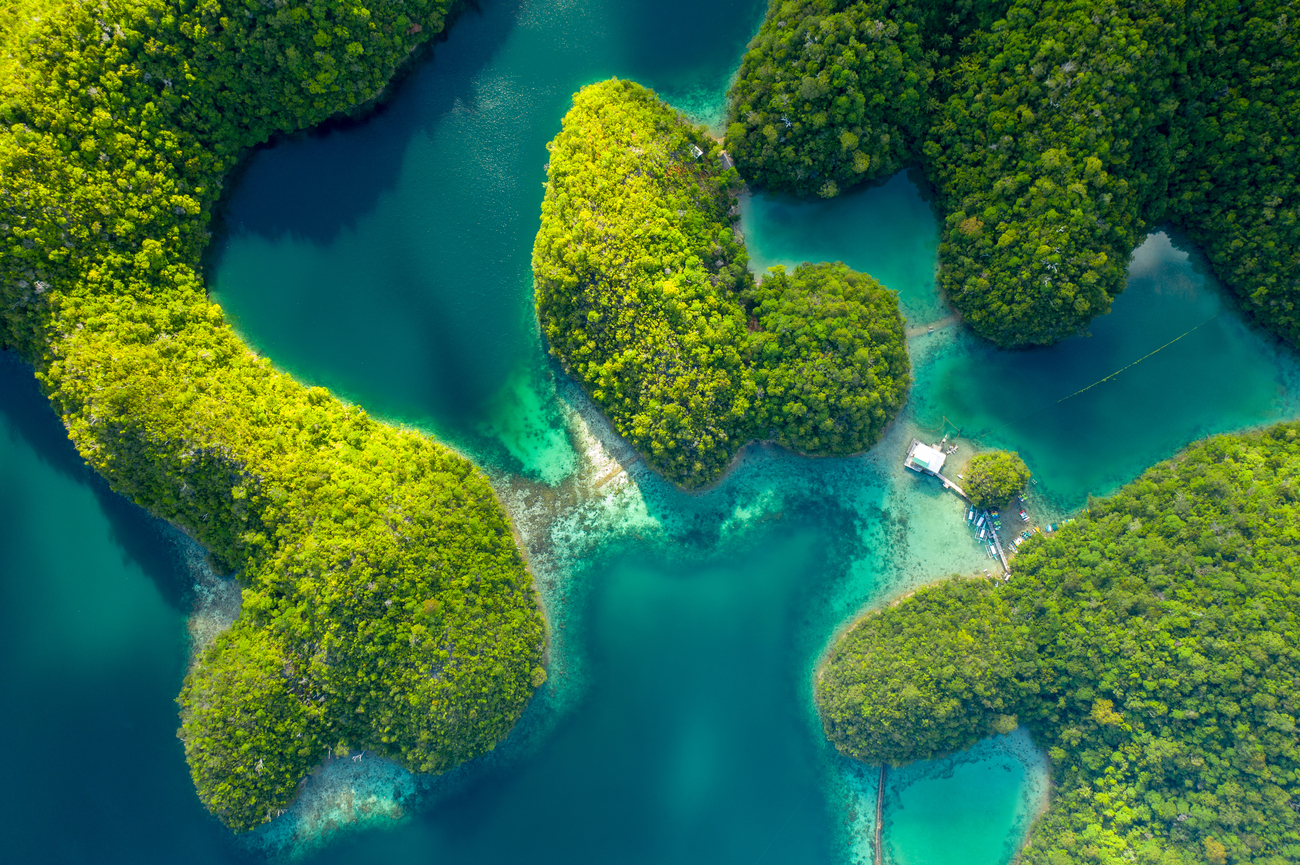
Sugba Lagoon is a calm, glassy stretch of water with striking colours, surrounded by mangroves and dramatic scenery. It is ideal for swimming, paddleboarding and kayaking, with optional jump points for those who want a bit more adrenaline. This experience is typically booked separately from the three island tour as it requires a longer journey and a different route, and it is often priced higher, but it is a strong choice if you want something beyond the standard circuit.
Sohoton
Cove
Sohoton Cove is a full-day adventure through limestone landscapes, hidden lagoons and cave systems. Many tours also include the jellyfish sanctuary, where conditions can allow you to swim alongside stingless jellyfish. It feels more exploratory than the quick offshore island stops and is best for travellers who want a more immersive nature experience.
Kawhagan
Sandbar (Corregidor Island)
Kawhagan Sandbar offers the same clean, minimalist sandbar appeal as Naked Island, often with fewer people. It is a great alternative if you want that white sand and blue water contrast in a quieter setting. With a private charter, it can sometimes be added as an extended stop alongside other islands, depending on timing and sea conditions.
Custom
Multi-Island Tours
Private charters allow you to build a day around what you actually want to do, whether that means skipping one of the standard islands, adding a quieter sandbar, or prioritising snorkelling and scenic stops. If you want a more complete plan that connects these options into a multi-day trip, see our The Complete Siargao Travel Guide 2026.
Responsible Island
Hopping: Environmental & Cultural Tips
Protecting Siargao's Marine Environment
Protecting Siargao’s marine environment starts with the basics. Use reef-safe sunscreen and avoid formulas that contain chemicals such as oxybenzone and octinoxate, which are widely associated with coral harm. If you want to be extra cautious, choose mineral-based options and cover up with a rash guard so you rely less on reapplication.
Treat the reef with real care. Never touch or stand on coral, even light contact can damage living reef structures, and it can also cause cuts that become infected. Just as important, take everything back with you. Pack your rubbish out, even small items like bottle caps and snack wrappers, and reduce single-use plastics where you can by bringing a reusable bottle and skipping plastic bags.
Wildlife should stay wild. Do not feed fish or any animals you see along the way, as it disrupts natural behaviour and the local ecosystem.
Local organisations and community efforts help protect these waters. The least we can do as visitors is travel lightly, follow guidance, and leave each island exactly as we found it.
Respecting
Local Communities
If you want to photograph local residents, ask first. A quick, polite request shows respect, and it also helps keep interactions genuinely friendly rather than transactional.
Support local businesses on Daku Island whenever you can. Buying crafts directly from artisans and eating at family-run food stalls keeps tourism income in the community. If service is good, tipping is always appreciated.
Be mindful of noise. You are visiting someone’s home, not just a backdrop for a day trip. Keep music at a reasonable level, avoid shouting across the beach, and follow any local guidance.
Dress modestly when walking through village areas. Swimwear is fine on the beach, but it is considerate to add a shirt or cover-up when you are away from the shoreline.
Finally, remember the people who make the day run smoothly. Boat crews and guides work long hours in heat and sun, and a tip is a simple way to acknowledge good service.
Sustainable
Tourism Practices
We all want these islands to stay this beautiful. One of the simplest ways to help is to book with operators who take reef protection seriously. The best ones are usually happy to explain what they are doing, whether that is reducing single-use plastics, following no-touch reef practices, or supporting local conservation rules.
If your resort or a nearby community group is running a beach clean-up, joining for even thirty minutes is an easy way to give something back. And the more you learn about Siargao’s marine life, the more naturally you will protect it, turning a simple swim into a more meaningful experience.
Island
Hopping Photography Guide
Best Shots at Each Island
If you want to come back with genuinely varied photos, each stop has its own visual style. Guyam delivers the classic tropical look, use palm silhouettes against the sky, frame the sea through the trees for a peek-through effect, and, if you are flying a drone, capture the top-down view that shows the island’s compact shape and reef tones. Naked Island is made for minimalism, focus on the contrast of white sand against deep blue water, footprints across untouched sand, and wide-angle compositions that emphasise space and isolation. On Daku, shift your attention to detail and culture, photograph the lunch spread, the grills, the shoreline scenes and daily island life, and if you are photographing people, ask first, it is both respectful and usually welcomed.
Photography
Gear Recommendations
A waterproof phone case or an action camera will protect your gear during boat rides and swims, and an underwater-capable camera is ideal if you want snorkelling shots as fish often stay close and visibility can be excellent in calm conditions. A drone can add standout aerial perspectives if you are confident flying and follow local rules. If you are shooting with a camera system, a polarising filter is a simple upgrade that reduces glare off the water and helps colours look cleaner and richer.
Golden Hour
Magic
Golden hour is when Siargao island hopping looks its best on camera. Sunrise departures give you soft, warm light that makes the water and sand glow, and they usually come with fewer crowds at each stop. Sunset tours can also deliver beautiful colour, but they are less common because most operators run morning schedules, so it is typically something to request through a private charter. Midday light is the most challenging, with harsh glare and strong shadows, so either lean into high-contrast compositions or wait for cloud cover to soften the scene.
Hop
Between Paradise Islands
The three island tour remains Siargao’s signature experience for good reason. Guyam delivers that classic palm-fringed tropical setting. Naked Island offers a striking, minimalist sandbar unlike anywhere else on the route. Daku brings a sense of community, local life and some of the freshest grilled seafood you will eat during your stay.
Seeing all three in one day gives you a fuller understanding of Siargao’s character, from uninhabited beauty to lived-in island culture. It is a day shaped by natural scenery rather than heavy commercialisation, and when timed well, it still feels refreshingly genuine.
Choose the format that suits your travel style. A shared group tour is cost-effective and social. A private charter offers flexibility, control over timing and a quieter pace. Both reach the same islands, the difference lies in how you want to experience them.
You’re Meant to Experience Siargao
You are meant to experience Siargao properly. Planning independently works until you realise the best boat operators do not advertise online, the best hidden beaches depend on tide timing, and some “private” tours still mean sharing a boat with strangers.
We handle the details most travellers miss, the quieter departure windows, the best route for the day’s sea conditions, and which surf breaks match your level based on swell direction and tide. Small choices, like leaving for Naked Island at 6:30 instead of 9:00, can change the entire feel of the day.
Explore our 4-Day Siargao Private Island-Hopping and Surf Escape and let us take care of every detail while you focus on the island itself.
The islands are waiting, the water is clear, and your best travel moments are often the ones that happen between destinations.
Frequently Asked Questions
-
What is the Siargao Three-Island Tour?
The Siargao Three-Island Tour is the island’s most popular boat trip, taking visitors to Guyam Island, Naked Island and Daku Island in a single outing. Each stop offers a very different experience, from palm-fringed tropical scenery to an exposed sandbar and a larger island with a local community and beachside lunch spots.
-
How long does the Siargao island hopping tour take?
Most three-island tours take around half a day, usually between four and six hours depending on sea conditions, your departure time and how long you choose to stay at each stop. Many travellers leave in the morning and return by early afternoon, which still leaves time to enjoy the rest of the day in Siargao.
-
What is special about Guyam Island?
Guyam Island is known for its classic tropical beauty, with coconut palms, white sand and clear shallow water all packed into a very small island. It feels peaceful, photogenic and easy to enjoy, whether you want to swim, snorkel or simply relax under the trees for a while.
-
Why is Naked Island called Naked Island?
Naked Island is called Naked Island because it is a bare sandbar with no trees, no buildings and no natural shade. Its appeal lies in its simplicity, with nothing but bright white sand, open sky and surrounding blue water creating one of the most striking landscapes on the Siargao island hopping route.
-
What can you do on Daku Island?
Daku Island is usually the most relaxed and social stop on the tour. Travellers often come here for a freshly prepared seafood lunch, an easy swim, a walk through the local village or simply time under the coconut trees. Unlike the other two islands, Daku also gives you a sense of everyday island life.
-
Is a private island hopping tour in Siargao better than a group tour?
A private tour is usually better for travellers who want flexibility, comfort and a quieter pace. It allows you to stay longer where you want, avoid feeling rushed and shape the day around your interests. Group tours are more budget-friendly and social, but they follow fixed timings and shared decisions.
-
What should I bring for island hopping in Siargao?
It is best to bring reef-safe sunscreen, a hat, swimwear, a towel, plenty of water and a dry bag for your valuables. Many travellers also bring their own snorkel mask for comfort, plus cash for lunch, drinks or small local purchases on Daku Island.
-
Why book a Siargao island hopping itinerary with Revigorate?
Revigorate creates tailor-made Siargao itineraries that go beyond simply booking a boat. We design each journey around comfort, timing and local insight, helping you enjoy the islands at a slower and more rewarding pace, with seamless logistics and experiences shaped around how you actually want to travel.
Our offices:




Revigorate, Iberian Escapes and Algarve Lifestyle are the registered brand names of APCS Lda . We are a fully authorised travel agency licensed by Turismo de Portugal RNAVT/6867.
In the event of a dispute, the consumer may refer to: RAL - Centros de Arbitragem
Avª. 5 de Outubro, nº. 55, R/C Dtº. 8000-075 Faro, Portugal | Tel: +351 289 823 135 *
* national landline call
E-mail: info@consumoalgarve.pt| www.consumidoronline.pt | Mon to Fri: 9:00 - 13:00 / 14:00 - 17:00