Imperial Hong Kong: Unveiling the City’s Rich Cultural, Artistic, and Historical Heritage
Hong Kong's history is intricately woven, not neatly separated.
You experience it all at once, often within a single block. A grand neoclassical façade facing the harbor, a temple filled with incense just a few streets away, and a market that has operated under the same principles for over a century. This richness defines Hong Kong's cultural heritage travel, demanding more attention than time.
In neighborhoods like Central and Sheung Wan, Hong Kong's history remains vivid. Colonial institutions, built to project imperial authority, continue in active use, while Chinese merchant networks, temples, and community halls thrive, maintaining their original purposes. Institutions such as Tai Kwun and the Hong Kong Palace Museum carry forward this narrative, blending traditional heritage with dynamic, modern-day interpretations.
This guide takes you through this layered landscape with precision and insight. If you seek a well-curated experience, seamlessly connecting culture, art, and history, explore the 4-day Hong Kong imperial heritage itinerary: culture, art and history for a thoughtfully structured journey through the city’s most storied locations.
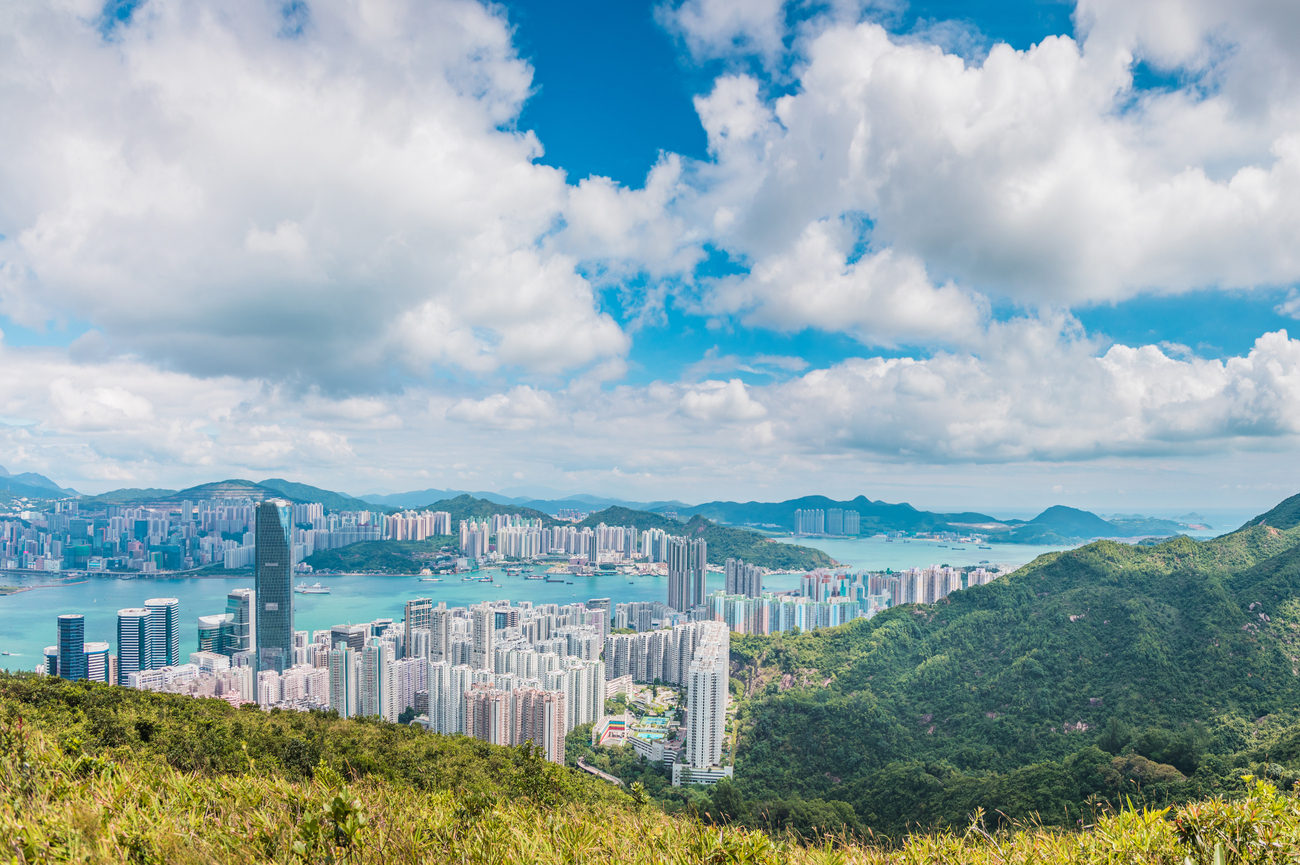
Hong Kong's Dual Legacy: Colonial and Chinese Civilizations in the
Same City
The first thing to understand about Hong Kong is that it has never been a single, unified project. For 155 years, two parallel civilizations, each with its own institutional logic, architecture, and understanding of what a city was for, coexisted on the same small island without fully merging. The results of this coexistence are still visible today, often in the same streets, just meters apart.
The Colonial Legacy of Central
The British built for permanence, choosing the most recognizable civic architecture available to them. Neoclassical granite, Ionic columns, and Gothic Revival styles for their places of worship. The Victorian radial prison design, imported from contemporary penal theory, shaped the landscape. These were not mere functional choices; they were carefully positioned on the Mid-Levels hillside to convey authority over the harbor and the commerce below.
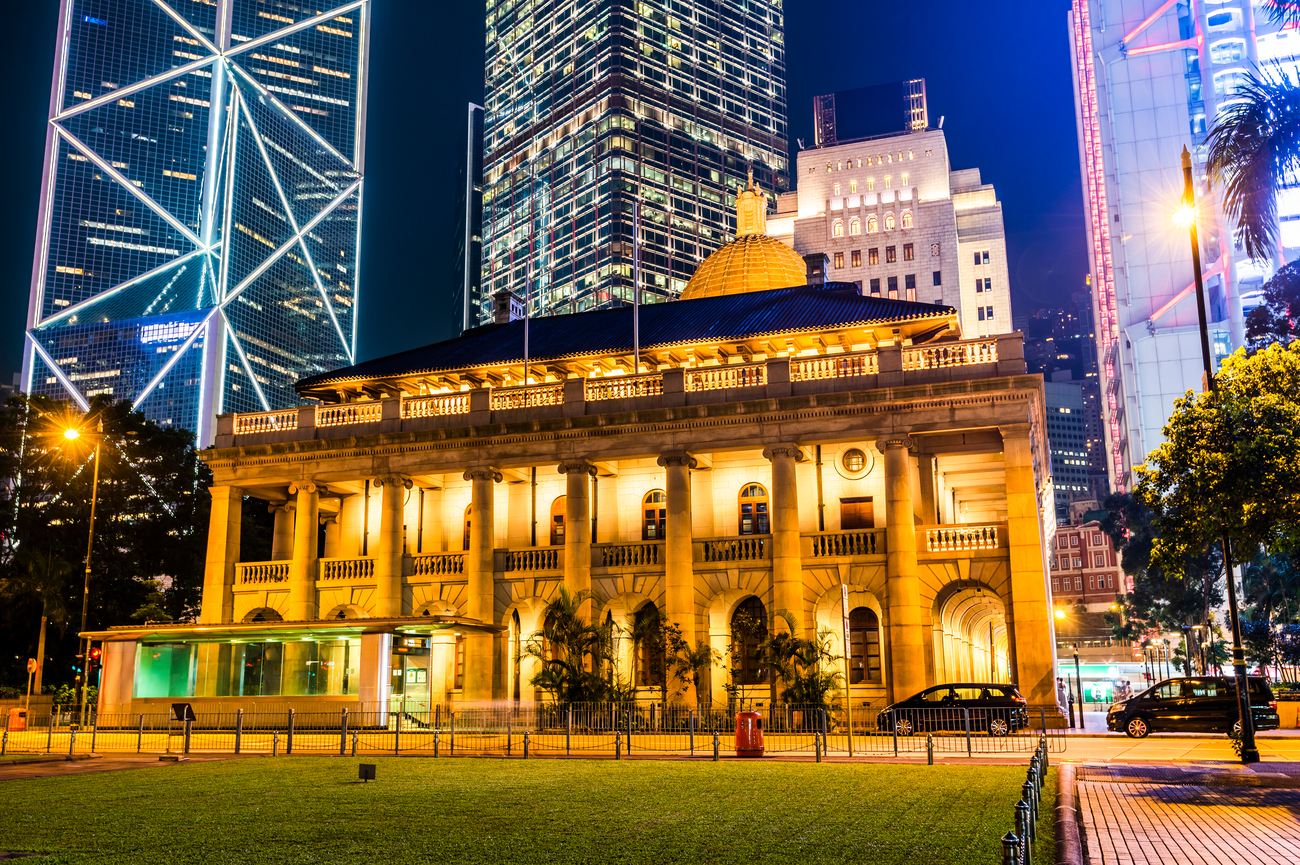
The Former Legislative Council Building on Jackson Road, completed in 1912 by Sir Aston Webb and Ingress Bell—architects behind Buckingham Palace’s eastern façade—is the purest expression of this. Its rooftop statue of Themis, Ionic colonnades, and strategic placement on newly reclaimed land were all deliberate choices. It now houses the Court of Final Appeal under a constitutional order that the original architects could never have imagined. The stone doesn't differentiate between past and present—the tension is built into its very structure.
St. John's Cathedral, consecrated in 1847, is just two minutes uphill. Its Gothic Revival design, while fitting for a subtropical city, prioritizes symbolic legibility over climate considerations. Inside, a war memorial records the names of men who died defending an empire that no longer exists. These subtle details transform a building from mere heritage into living history.
The Counter-Narrative in Sheung Wan
The Chinese merchant community did not wait for the colonial administration to provide what it needed. It built its own institutions—funded by commerce, governed by its social logic—with the same deliberate intent that the British applied to their courthouse on the hillside.
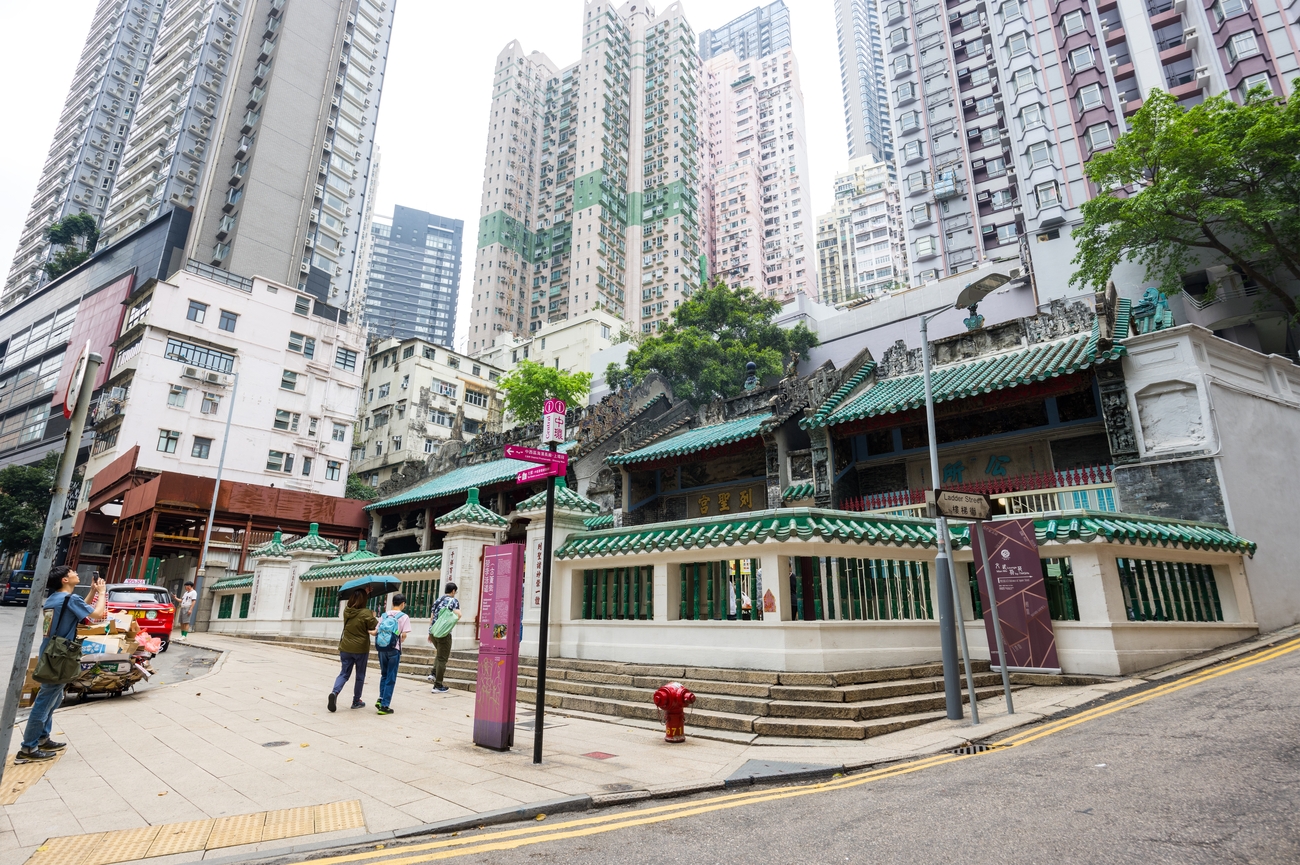
Man Mo Temple, located at 124-126 Hollywood Road, is the clearest surviving expression of this. Built between 1847 and 1862 by wealthy Cantonese merchants, the compound served as a Taoist shrine, a community court, and a civic hall. The rightmost block, Kung Sor, was where disputes were resolved, petitions drafted, and community affairs conducted. The oaths sworn here were legally recognized by colonial courts, as they had no better alternative for reaching the community they governed at arm's length.
The economic engine behind this community ran through the medicine streets. Ko Shing Street and Des Voeux Road West, home to Hong Kong's dried seafood and medicinal herb markets, have operated continuously since the 1870s. The revenue from these trades funded Tung Wah Hospital, which opened in 1872 to provide the Chinese community with medical services that the colonial administration had not supplied. Hong Kong's parallel Chinese social infrastructure was systematically organized, financed, and architecturally expressed.
Two Civilizations Coexisting in Plain Sight
Both these projects—colonial and Chinese—are still legible today. This unique intersection is what makes Hong Kong’s cultural heritage truly remarkable. It is not just the individual monuments, but the proximity of these competing civilizations, unresolved and still readable in the same streets.
The full depth of this colonial-Chinese tension, on the ground in Central and Sheung Wan, is covered in our companion piece, Sheung Wan & Tai Ping Shan: medicine streets, temples & the origins of Hong Kong society.
Tai Kwun, Where Colonial Power Was Built to Last
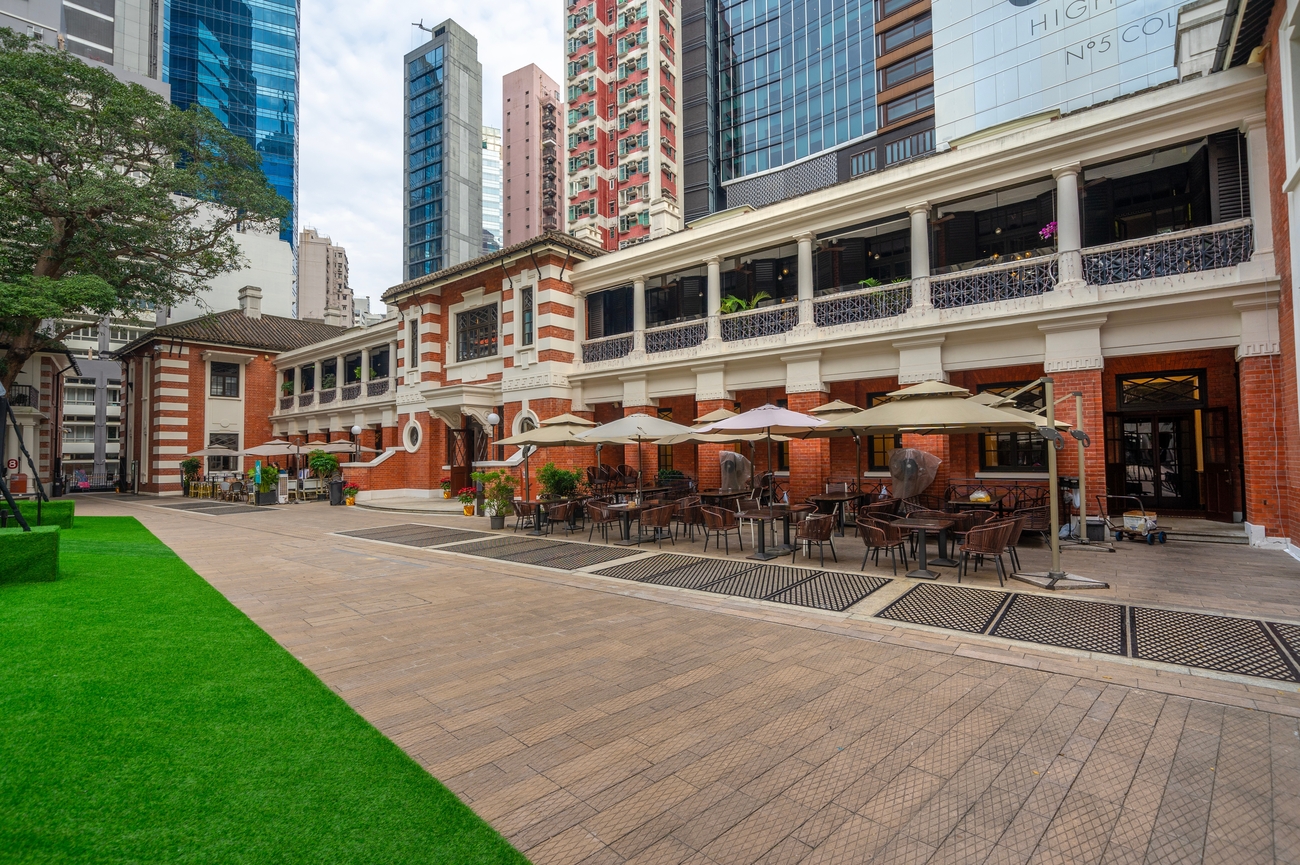
At 10 Hollywood Road in Central, Tai Kwun is where Hong Kong’s colonial inheritance becomes most visible, and most complex. The compound, formerly the Central Police Station, Central Magistracy, and Victoria Prison, reopened in 2018 as a heritage and arts centre after a decade of restoration. In 2019, it received the UNESCO Asia-Pacific Heritage Conservation Award for Excellence.
What matters most about Tai Kwun is not the award, but the fact that its adaptive reuse never diluted what the compound originally was. Victoria Prison was the longest continuously operating carceral institution in colonial Asia. The Magistracy was designed, in the language of its own heritage documentation, to project the authority and stability of the colonial legal system. Even the cell dimensions in the heritage blocks remain unchanged.
The Parade Ground still reads unmistakably as a parade ground. The prison yard still reads as a prison yard. That is the intelligence of the restoration. The architecture has been preserved as evidence in its own right, while the contemporary cultural programme sits alongside it rather than attempting to overwrite it.
Tai Kwun Contemporary and Why It Rewards a Longer Visit
Tai Kwun Contemporary operates across JC Contemporary and F Hall, offering more than 1,500 square metres of museum-standard gallery space within the 19th-century compound. Its year-round programme takes a research-led approach, connecting Hong Kong’s urban history with wider global conversations in contemporary art.
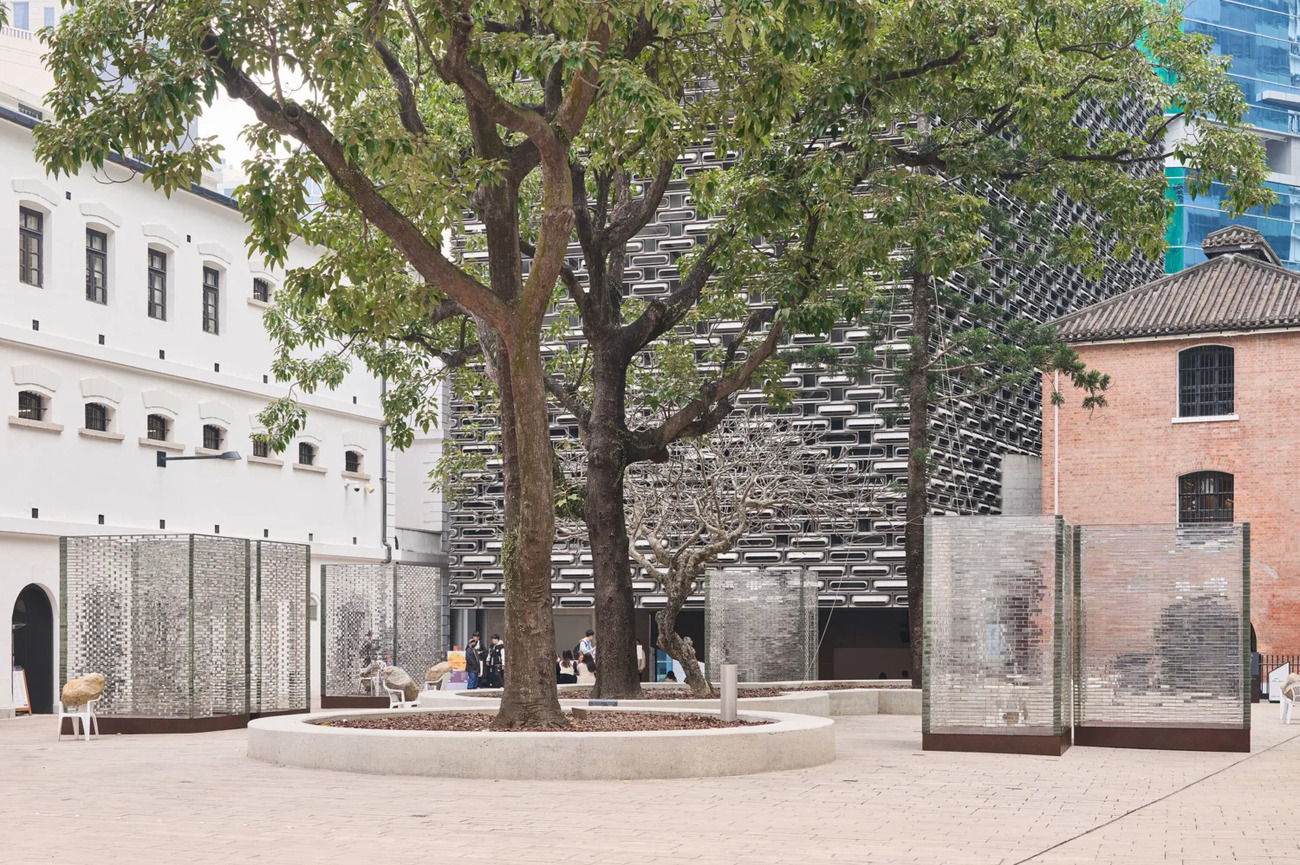
Alicja Kwade’s site-specific installation Waiting Pavilions occupies the Prison Yard and is confirmed on view until late 2026. Commissioned for this exact location, the work engages directly with the compound’s carceral past. It is the kind of installation that only fully works where it stands, and it shows why Tai Kwun deserves more than a brief visit.
- Tai Kwun heritage site: 16 colonial-era buildings, free general entry
- Tai Kwun Contemporary: more than 1,500 square metres of gallery space across JC Contemporary and F Hall
- Waiting Pavilions by Alicja Kwade: site-specific installation, Prison Yard, on view until late 2026
- Madame Fu Grand Café Chinois: occupies the entire third floor of the Barrack Block, with seven rooms, a verandah overlooking the Parade Ground, and contemporary Cantonese cuisine
The full story of the compound, what each building was designed to do, how the heritage and contemporary programmes interact, and what a guided visit reveals beyond a solo walk-through, is explored in Central & Tai Kwun: understanding colonial power in the heart of Hong Kong.
Hong Kong has been writing its complicated history in plain sight for more than 180 years. Learning how to read it is the whole point.
Hollywood Road
and the Market for Imperial China
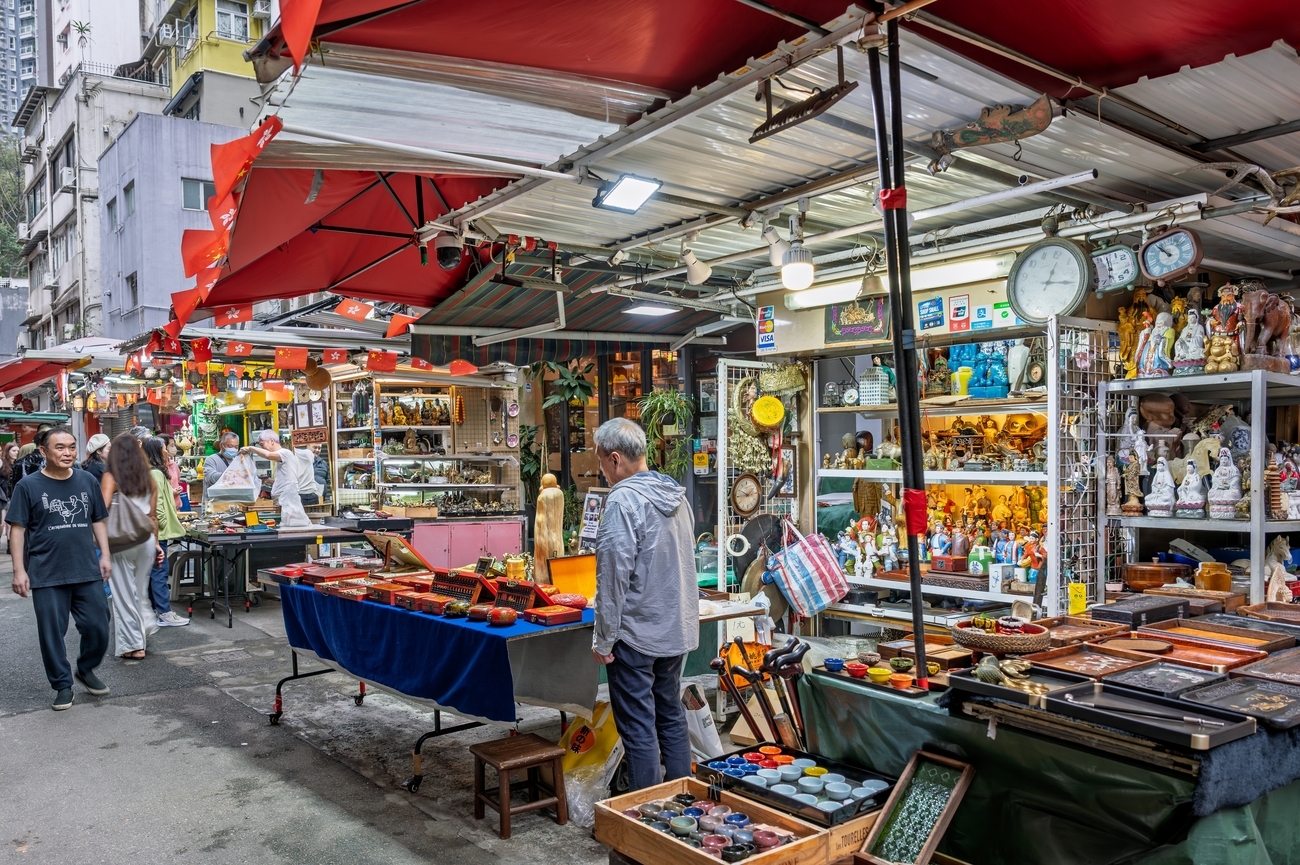
Hollywood Road was the second street built in colonial Hong Kong and the first to be completed. Originally located near the shoreline, it evolved into an antique market almost by chance. Foreign merchants and sailors sold Chinese goods to dealers who had already established themselves in the new colony, and the trade gradually grew into a significant industry.
By the mid-20th century, it had become one of the world’s primary markets for Chinese antiquities. During China’s Cultural Revolution, when the government sought foreign currency, Ming furniture and Qing lacquerware passed through Hong Kong in large quantities. The 1980 Sotheby’s auction of the Edward T. Chow collection, partly sourced from Hollywood Road, realized HK$20.1 million—setting a record and establishing Hong Kong as the global hub for trading Chinese antiquities.
Rising rents have since reduced the number of galleries, but what remains is still significant:
- Liang Yi Museum, 181 Hollywood Road: A private institution housing one of the world’s finest collections of Ming and Qing dynasty huanghuali and zitan furniture, founded in the 1980s by financier Peter Fung with pieces purchased on this very street. Four floors, by appointment only.
- The remaining galleries tend to focus on serious collections—Qing ceramics, Tang tomb figures, and scholar’s objects. The distinction between authentic pieces and antique-style reproductions requires an informed eye.Cat Street (Upper Lascar Row), running parallel below: curios, vintage objects, jade trinkets. A different register, a different kind of looking.
- Cat Street (Upper Lascar Row), running parallel below: A different kind of market, offering curios, vintage objects, jade trinkets, and more.
Hollywood Road holds significance because it is where the material culture of the Qing imperial court—furniture, ceramics, and carved jade—first entered the international market.
Walking this street is, in a sense, walking through the history of how Chinese imperial aesthetics were dispersed, valued, and ultimately reclaimed.
Temples, Faith,
and the Syncretic City
Hong Kong’s relationship with faith has never been doctrinally simple. Cantonese popular religion has allowed Taoist, Buddhist, and Confucian elements to coexist and overlap for centuries, creating a spiritual culture that resists the clean denominational categories that many Western visitors expect.
Man Mo Temple’s Duality
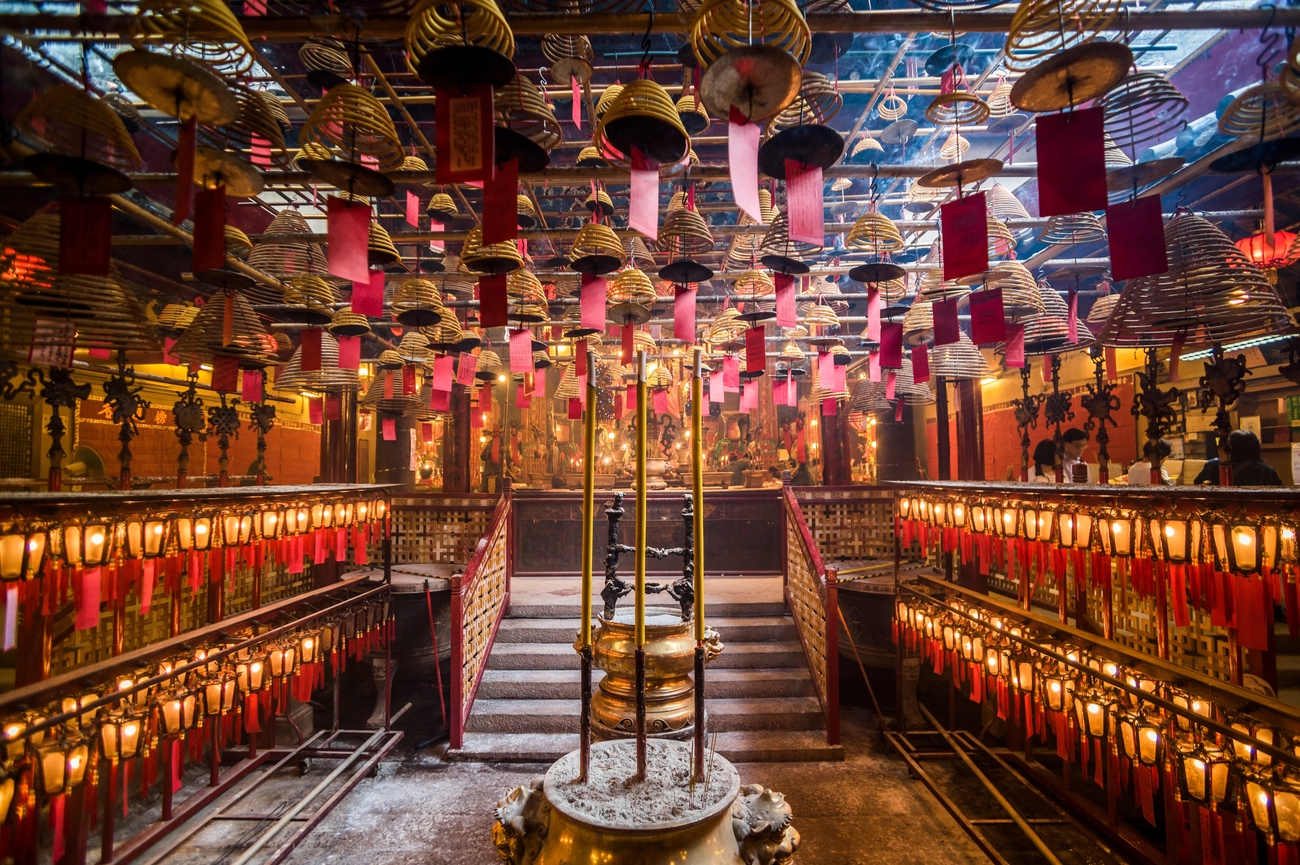
Man Mo Temple exemplifies this duality perfectly. Man Cheong, the God of Literature and patron of civil examinations, shares the altar with Mo Tai, the God of Martial Arts. This balance of literary and martial virtues, a Confucian ideal, is expressed through Taoist worship, all within a building funded by merchant pragmatism. It is all of these things at once, yet none of them in isolation.
Wong Tai Sin and the Three Teachings
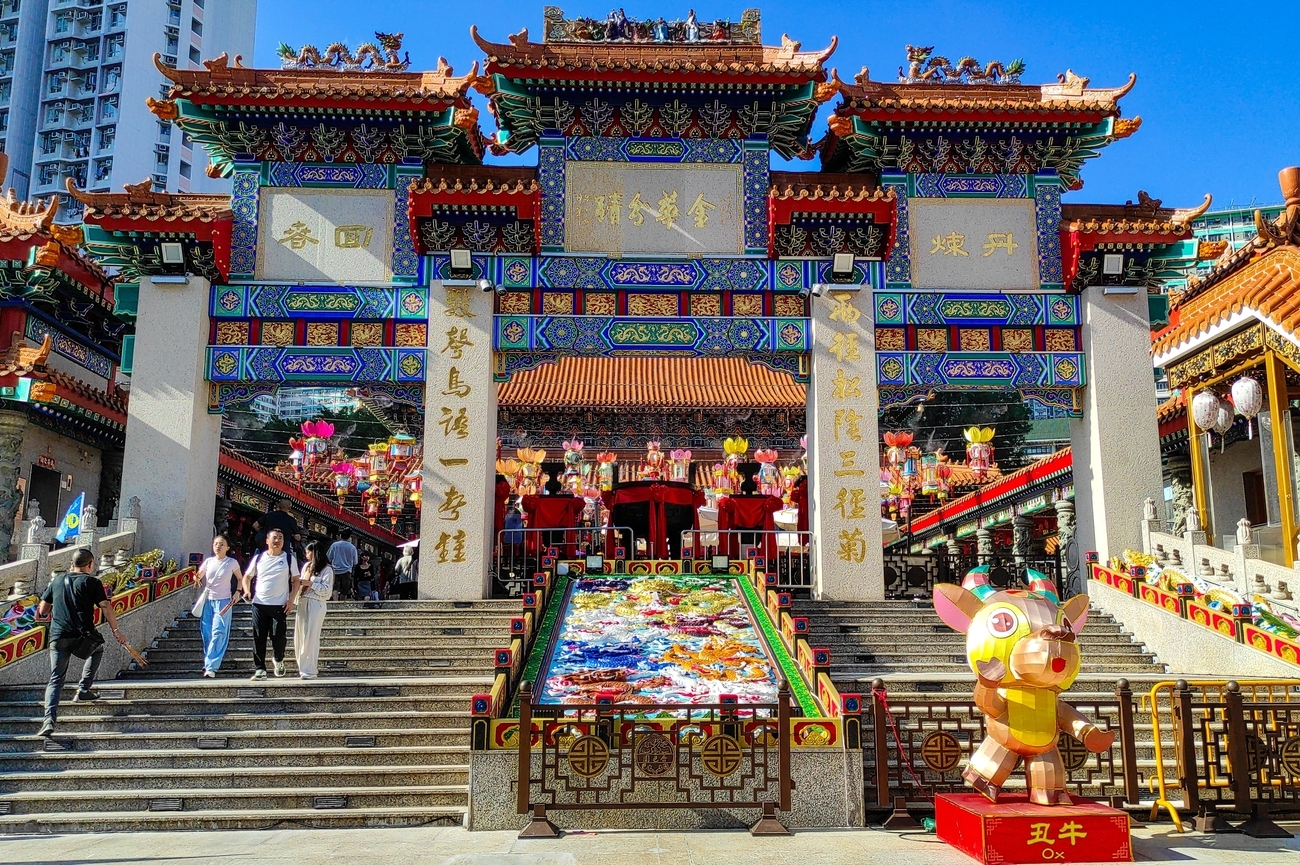
The Sik Sik Yuen Wong Tai Sin Temple in north Kowloon, established in 1921, takes this syncretic tradition to its fullest institutional expression. The 18,000 square-meter compound is nominally Taoist, dedicated to Wong Tai Sin, a fourth-century shepherd from Zhejiang who achieved immortality after forty years of practice. However, its Three Saints Hall houses Patriarch Lü Dongbin for Taoism, Bodhisattva Guanyin for Buddhism, and Lord Guan for Confucianism, all venerated simultaneously. The philosophy inscribed on the hall is San Jiao—three teachings, one respect.
The kau cim fortune-telling practice, where bamboo sticks are shaken in a cylinder until one falls and is exchanged for an interpretation by the temple’s soothsayers, attracts millions each year. This active devotional ritual is consulted for serious decisions—career, health, marriage. The stalls outside the main gate fill with those seeking guidance. This is not tourism; it is a deep-rooted spiritual practice.
The compound’s architecture encodes the five Chinese geomantic elements into its physical layout: the Bronze Pavilion represents Metal, the Scripture Hall represents Wood, the Yuk Yik Fountain represents Water, the Yue Heung Pavilion represents Fire, and the Earth Wall represents Earth. Nothing here is purely decorative; everything has purpose.
Chi Lin Nunnery: A Tang Dynasty Revival
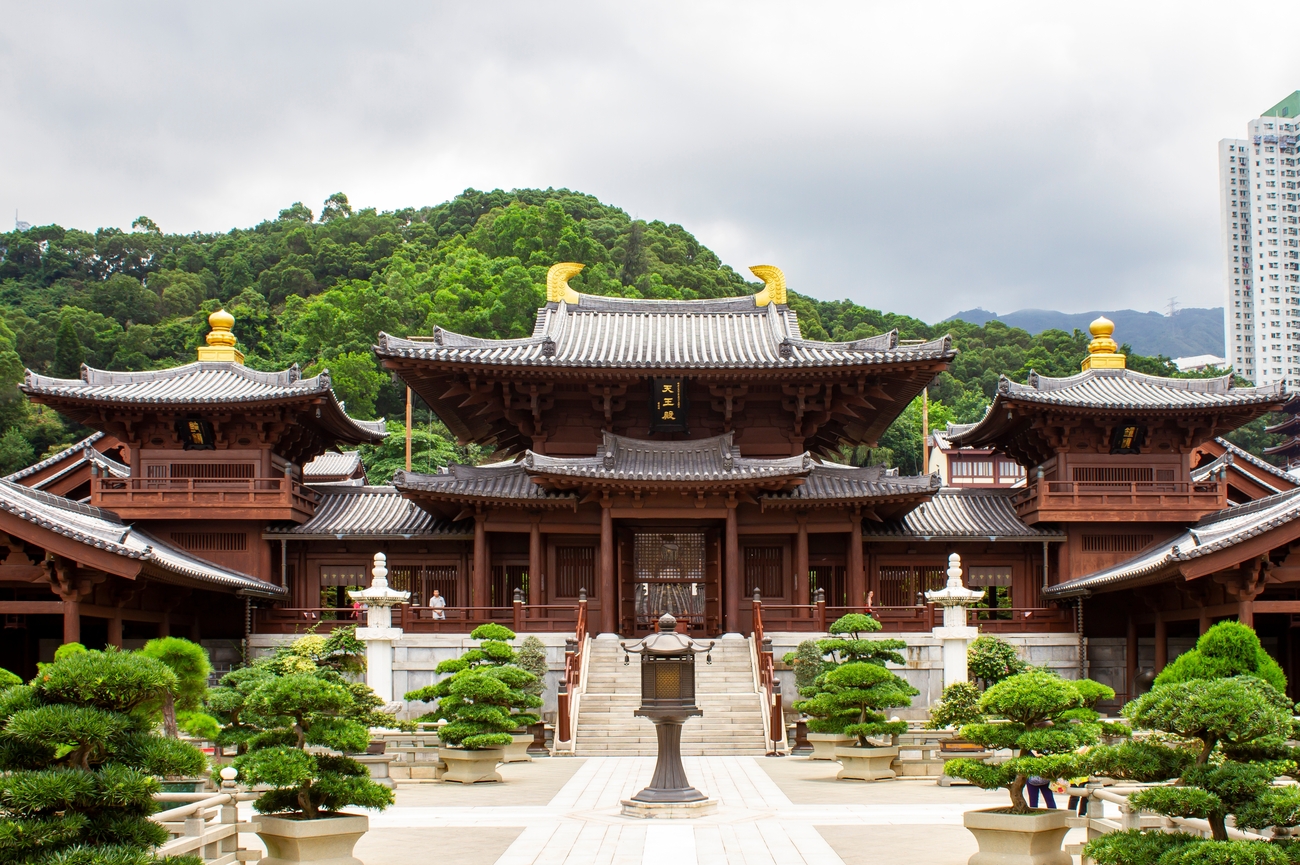
Chi Lin Nunnery in Diamond Hill is a different kind of statement. Constructed in 1998 using Tang Dynasty architectural principles derived from the 11th-century Yingzao Fashi building treatise, this nunnery uses traditional timber joinery—without metal nails. It is not a restoration; it is a new building made in an old language.
The spatial logic of Tang Dynasty religious architecture—proportions of column to bracket to roof, the relationship between covered corridors and open courtyards, the positioning of the lotus pond relative to the main hall—cannot be captured by photographs or displayed in a museum. Chi Lin is one of the few places in the world where you can walk through and truly experience it.
Nan Lian Garden, adjacent to the nunnery and free to enter, follows the same principles in classical garden design: rockery, pavilions, and a stream laid according to Tang Dynasty garden theory. The vegetarian restaurant within the nunnery serves a fixed menu that complements its setting perfectly.
The Hong Kong
Palace Museum and What It Chooses to Communicate
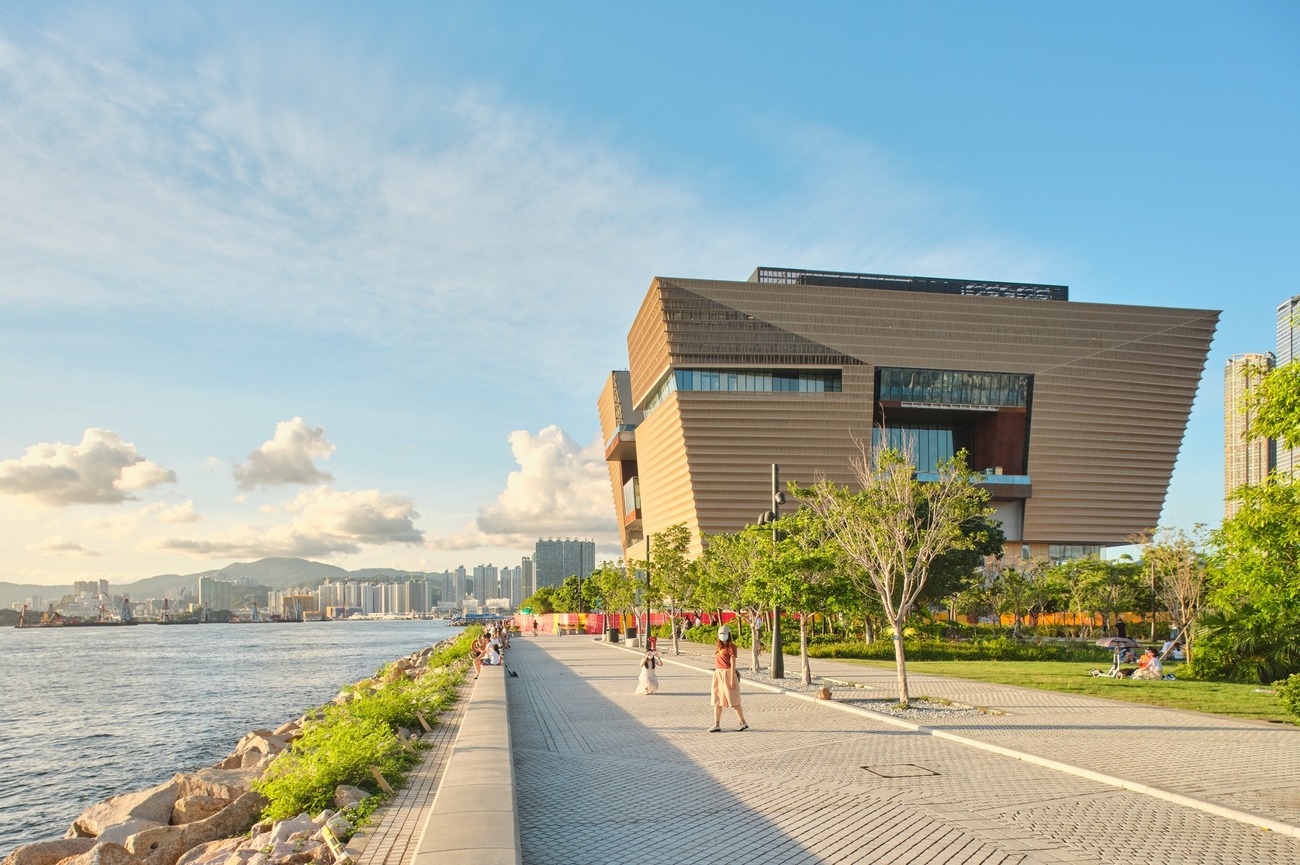
The Hong Kong Palace Museum opened in the West Kowloon Cultural District in July 2022. Its nine galleries feature a rotating selection of over 1,500 loan objects from the Palace Museum in Beijing, including 223 grade-one national treasures as of January 2025. To fully appreciate the museum, it is essential to understand what it aims to convey and how it differs from the Beijing institution from which it draws.
The Palace Museum in Beijing portrays the Forbidden City as the seat of Chinese imperial power. In contrast, the Hong Kong Palace Museum presents Chinese imperial culture in dialogue with world civilization. Director Louis Ng has described the institution’s role as leveraging Hong Kong’s position as an East-meets-West cultural hub, which shapes the selection of objects, how they are framed, and the questions the galleries pose. Here, the Qing court is presented comparatively, rather than with reverence.
Permanent Galleries Worth Visiting
- Gallery 1 — Entering the the Forbidden City: Architecture, Collection, and Heritage: Over 100 objects contextualizing the Forbidden City’s layout and dynastic logic. The gallery is regularly updated with new loans from Beijing.
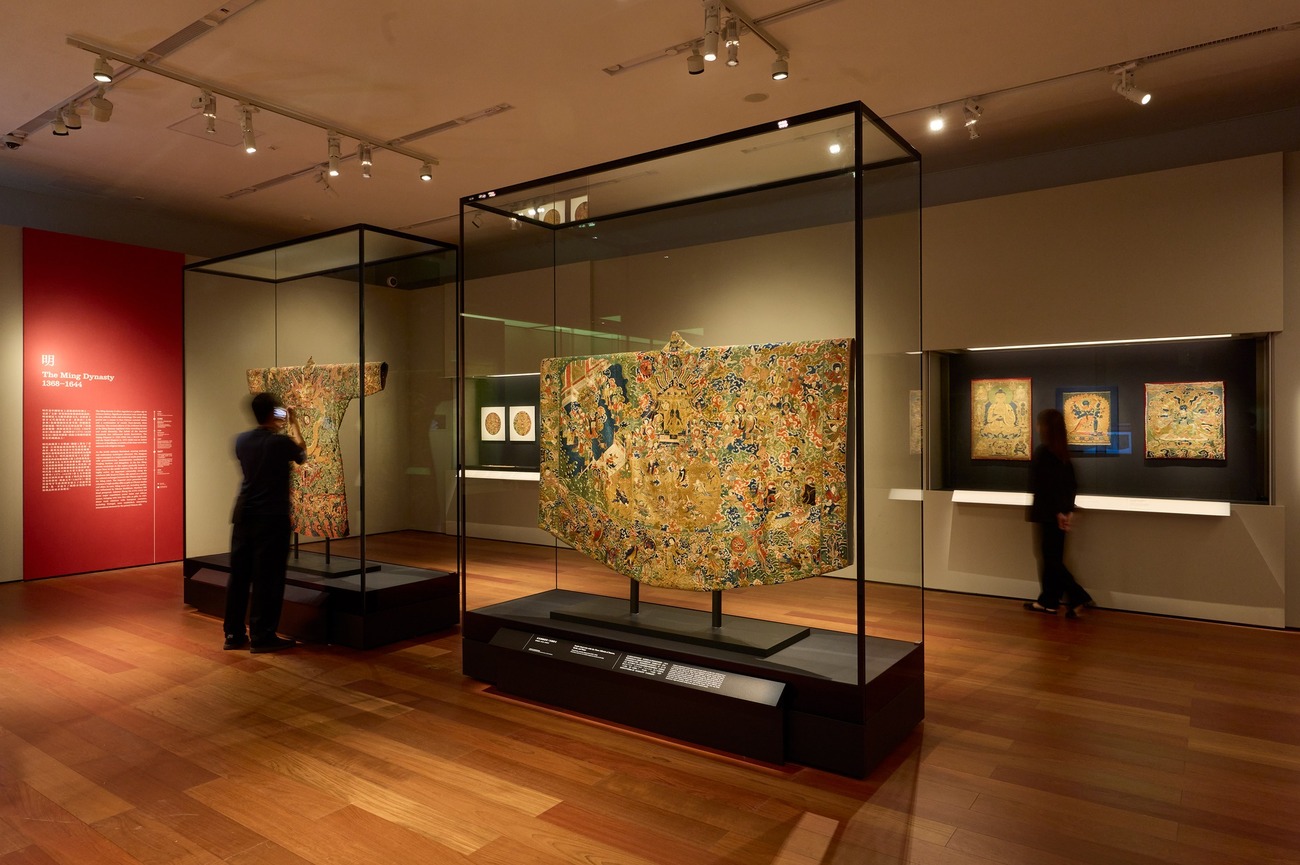
- Gallery 2 — From Dawn to Dusk: Life and Art in the Forbidden City: More than 300 treasures representing a single day in 18th-century Qing imperial life, from the emperor’s morning rituals to his evening customs. This is the most visceral gallery in the museum.
- Gallery 5 — The Quest for Originality: Contemporary Design and Traditional Craft in Dialogue: Palace Museum objects are placed in direct conversation with Hong Kong contemporary design. The discomfort of the juxtaposition is intentional.
2026 Programme Highlights
- The Art of Armaments — Qing Dynasty Military Collection from The Palace Museum (Gallery 4, from January 2026): 190 artefacts, including 18 grade-one national treasures. Among them is a Qianlong-period replica of the helmet associated with the dynasty's founder, Nurhaci. This is the first large-scale Qing military exhibition in Hong Kong in recent years.
- Ancient Egypt Unveiled: Treasures from Egyptian Museums (Gallery 9, through August 2026): 250 works from seven Egyptian museums, including new Saqqara finds. Over 75,000 visitors have attended since its November 2025 opening. Its presence alongside the Qing galleries embodies the museum's mandate for a cultural dialogue between civilizations.
- Heavenly Horses: Masterpieces from the Palace Museum (Gallery 4, from March 2026): Horse-themed paintings from the Yuan dynasty to the 20th century, examining the dialogue between imperial and literati traditions.
The museum is situated within the West Kowloon Cultural District, alongside M+, the museum for visual culture that opened in November 2021 in Herzog & de Meuron's building. The two institutions are just a five-minute walk apart. Together, they represent Hong Kong’s most concentrated statement about what its cultural institutions aim to be: serious, internationally engaged, and far more than a regional extension of any single cultural authority.
What the Palace Museum’s permanent galleries reveal about Qing court symbolism, imperial aesthetics, and how they connect to what you see on Hollywood Road and at Chi Lin Nunnery is discussed in Imperial China in Hong Kong: palace museum, Qing court symbolism & Chinese aesthetics.
A privately guided visit to the Hong Kong Palace Museum is part of the Revigorate 4-day Hong Kong imperial heritage itinerary, with context on the loan hierarchy and curatorial logic provided before you enter.
Yau Ma Tei:
Unreconstructed
Yau Ma Tei is not a heritage district. This distinction is important. A heritage district is one that has been identified, curated, and optimized for the visitor experience in ways that often smooth down the raw, original character worth preserving. Yau Ma Tei, however, is a working neighborhood in north Kowloon, where the essence of Hong Kong's Chinese civic life has endured, untouched by gentrification or museumification.
- The Tin Hau Temple complex on Public Square Street: This collection of five temples, dating from the 1870s, is managed by a charitable trust independent of the government. The morning worshippers who arrive before the tourist crowds are the ones who keep this place culturally significant.
- The Jade Market beneath the Gascoigne Road flyover (open since 1984): Here, nephrite and jadeite—two distinct stones both referred to as jade in English, but with entirely different histories and values in Chinese material culture—are sold. Arriving with the knowledge of their differences enhances the experience.
- Yau Ma Tei Theatre, 62 Temple Street: An Edwardian building opened in 1930, now a Cantonese opera venue. The architecture still serves its original purpose of housing live performances. The facade, visible from the street, is the first element worth noticing.
The neighborhood does not perform its history for you. This is exactly why it belongs in this itinerary, its history is alive, unrefined, and real.

Culinary
Heritage: The Heart of Hong Kong’s Cultural Legacy
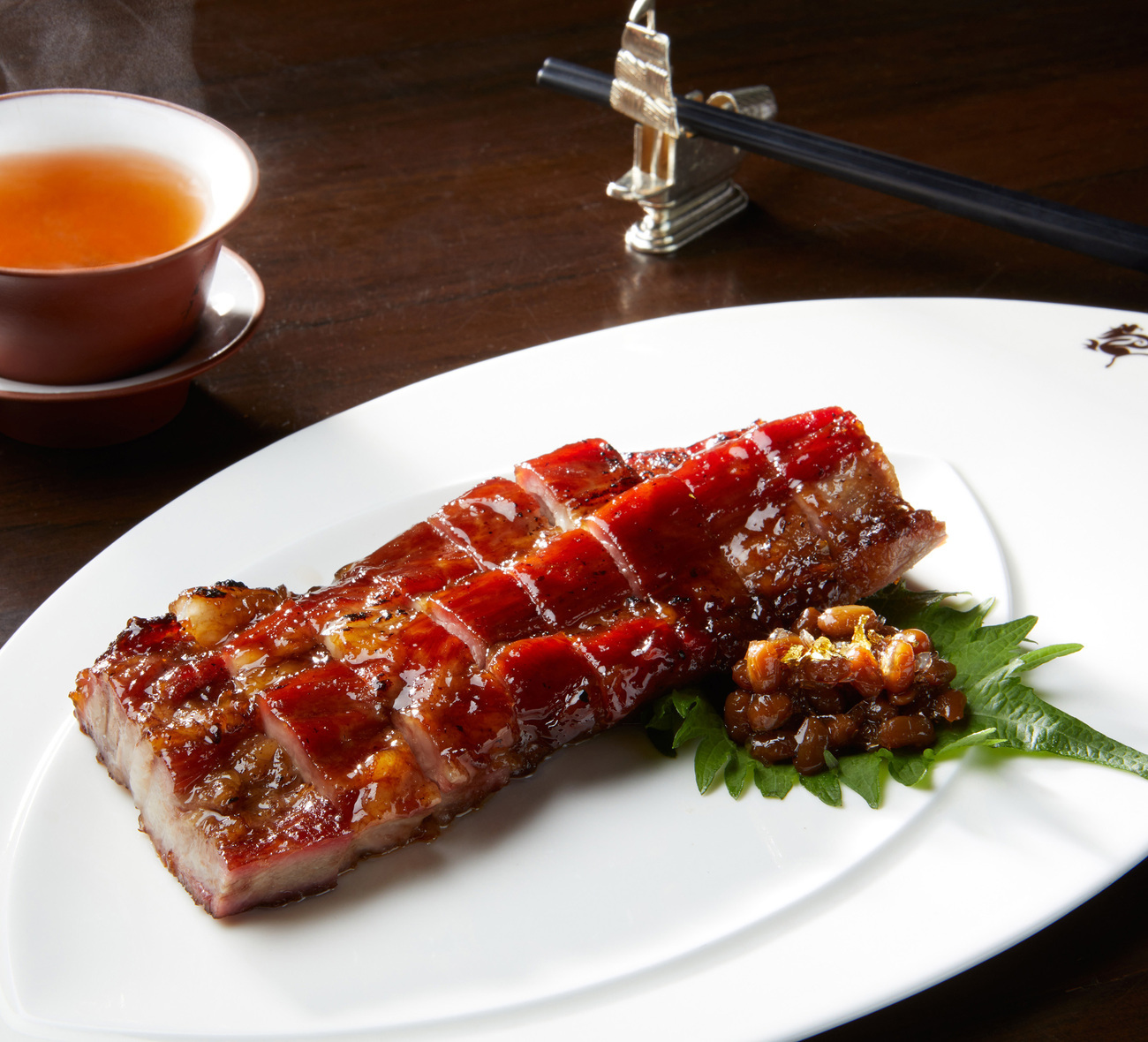
The restaurants that define a serious Hong Kong cultural heritage journey are not merely additions to a cultural program. Cantonese cuisine has a longer, more technically sophisticated, and better-documented history than almost any culinary tradition in the world. To dine at the right places here is to experience the layers of history that architecture and museums cannot quite capture.
Luk Yu Tea House
Established in 1933 on Stanley Street in Central, Luk Yu is currently the oldest restaurant in Hong Kong. The mahogany panelling, stained glass windows, ceiling fans, and the first floor, informally reserved for regulars, all reflect its original interior, preserved because the clientele it serves has never needed anything to change. The pu-erh tea is aged in-house for over fifteen years, and the dim sum is ordered on a printed form in red ink.
Named after the Tang Dynasty poet Lu Yu, who wrote the world's first comprehensive treatise on tea, the restaurant’s history stretches beyond its founding. Dining here, after a day spent in Central’s colonial heart, offers a tangible connection to the Cantonese cultural tradition that coexisted with British governance for 155 years.
Madame Fu at Tai Kwun
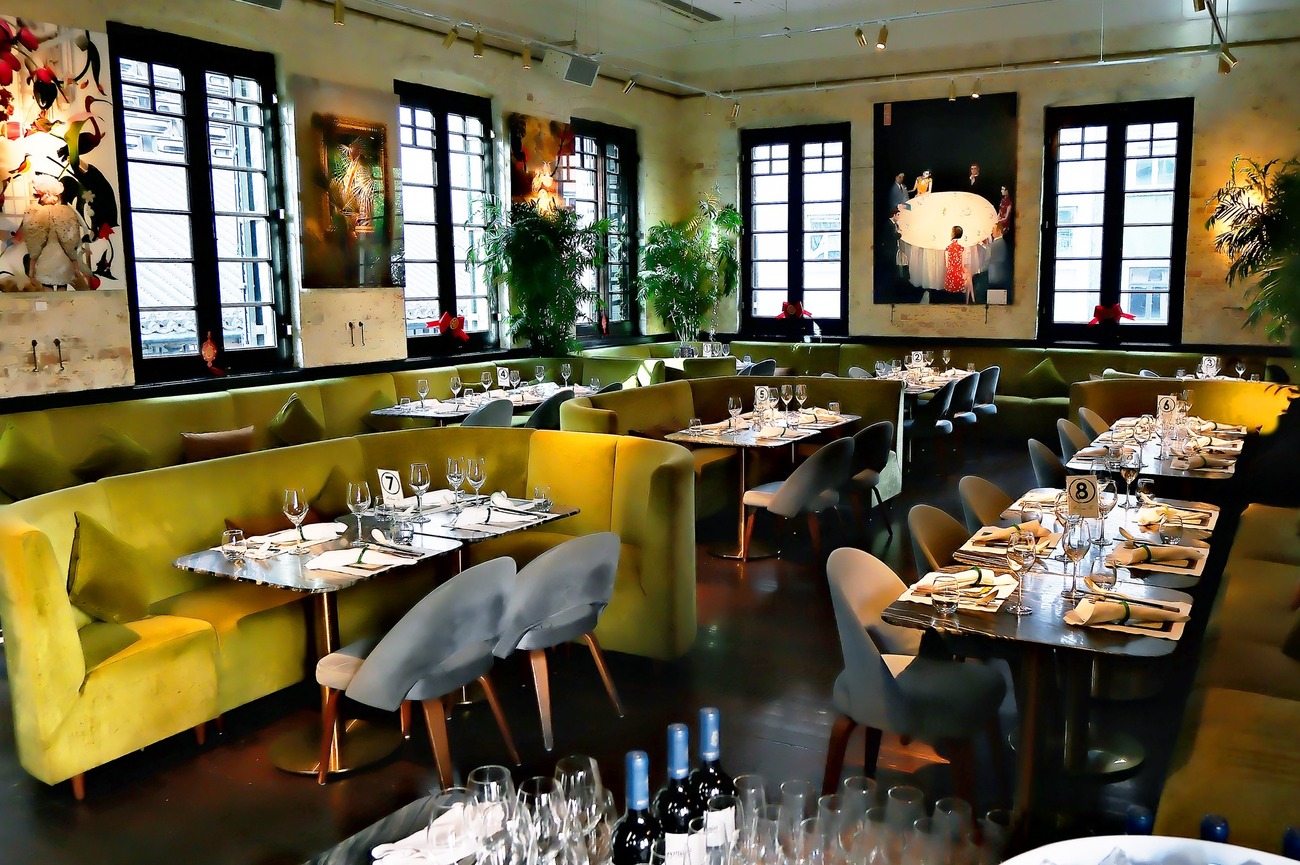
Madame Fu occupies the entire third floor of Tai Kwun's Barrack Block, spanning 8,000 square feet across seven rooms, all accessible from a wraparound verandah overlooking the Parade Ground. The combination of a contemporary Cantonese menu with the European grand café aesthetic is intentional. Dining here, at the end of a day exploring the compound’s heritage spaces, enriches the experience with cultural depth that enhances both the setting and the meal.
Spring Moon at The Peninsula
Spring Moon, located in The Peninsula Hong Kong on Salisbury Road, Tsim Sha Tsui, represents an entirely different level of Cantonese fine dining. Having been hosting prestigious meals since the Peninsula’s opening in 1928, the cuisine is rooted in classical Cantonese traditions. It is not experimental, but executed at a level only possible through decades of institutional continuity and an expert kitchen. The room itself speaks volumes before the food even arrives.
Where to Stay: Luxury
Meets Cultural Immersion at The Upper House
The question of where to stay in Hong Kong is often treated as separate from the cultural itinerary. However, it need not be. The Upper House, located at 88 Queensway, Admiralty, and ranked 10th on The World's 50 Best Hotels , offers a seamless blend of luxury and accessibility to cultural landmarks. Designed by Hong Kong architect André Fu, the hotel features 117 rooms, each starting at 70 square meters—making it the largest standard room size in the city’s five-star tier. With in-room check-in and no registration desk, your experience is designed to be as effortless as possible. A complimentary hotel car is available to enhance your stay.
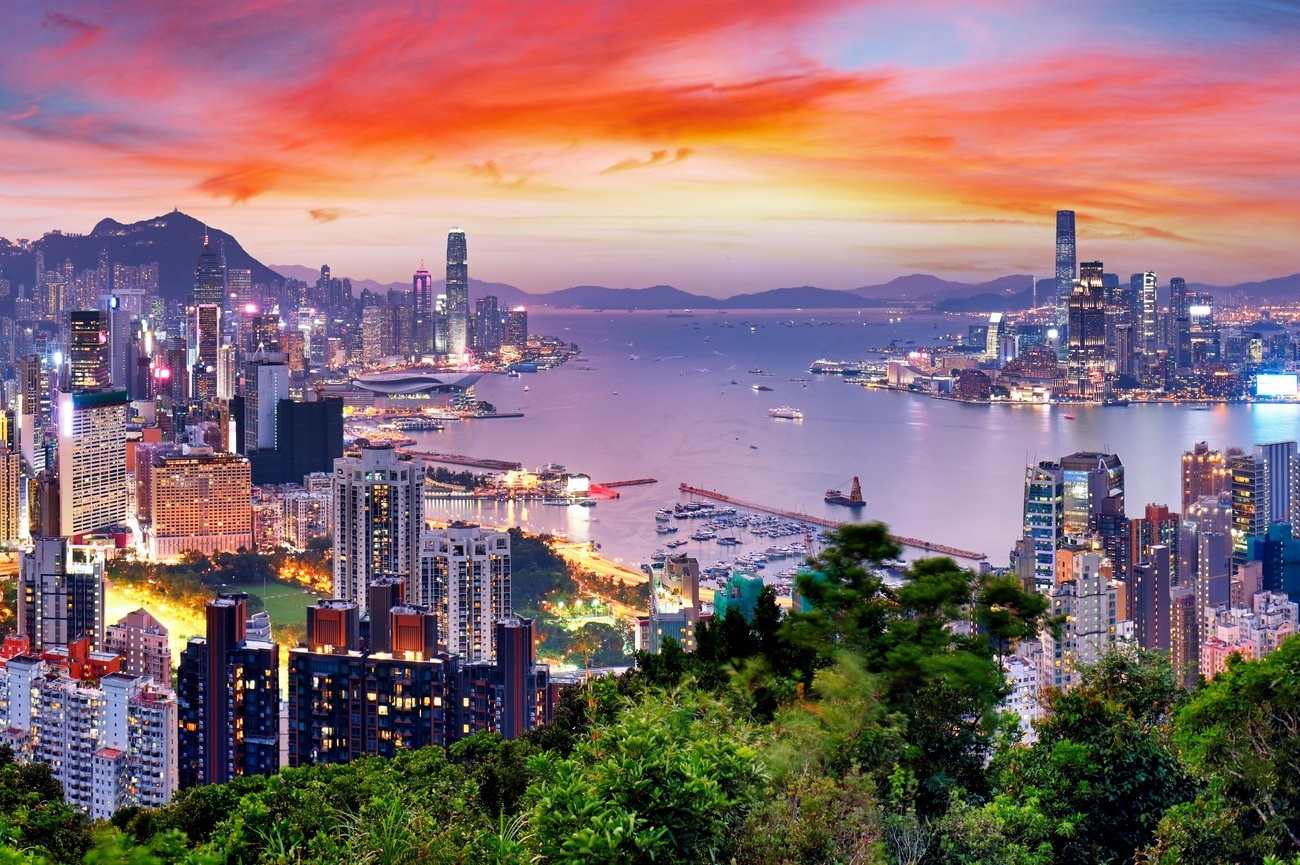
Admiralty is centrally located, sitting at the heart of the itinerary described in this guide. Central is easily reachable on foot, while Sheung Wan is just three minutes away via the MTR. The Hong Kong Palace Museum and Chi Lin Nunnery are only eight to twelve minutes further. The Upper House's location ensures that traveling between the city’s cultural landmarks is swift and seamless, allowing you to focus on exploration rather than logistics.
Salisterra, located on the 49th floor, offers Mediterranean coastal cuisine curated by Michelin-starred culinary advisor Chef Ricardo Chaneton of MONO. The space, designed by André Fu, features panoramic views of Victoria Harbour—a perfect setting to decompress after a day of cultural immersion. Enjoy Josper-grilled dishes, handcrafted pasta, and an after-dinner drink at the Green Room bar. The spectacular view of the harbour at this height lingers long after the meal.
The Upper House, Admiralty, serves as the base property for the Revigorate 4-day Hong Kong imperial heritage itinerary, offering VIP arrival, private transfers, guided access to every site, and pre-reserved dining throughout your stay.

Read It While You’re Still Inside It
By the end of a stay, Hong Kong tends to divide visitors into two groups: those who saw a great deal, and those who understood what they were seeing.
The difference is rarely about effort. It comes down to how the city is approached. Walk into Tai Kwun without context, and it registers as a well-restored heritage site. Step into the Hong Kong Palace Museum on a separate day, and it reads as a self-contained institution. Both impressions are accurate, but incomplete. The connection between them is where the true depth lies, and that connection is easy to miss if the experience is pieced together separately.
Hong Kong cultural heritage travel rewards alignment. When locations are sequenced with purpose and interpreted in relation to one another, the city becomes coherent in real time. You don’t need to revisit it mentally weeks later. It resolves while you are still immersed in it.
That level of clarity is difficult to achieve independently, especially within a limited timeframe. Access, timing, and interpretation all play significant roles, each influencing the next.
The 4-day Hong Kong imperial heritage itinerary: culture, art, and history is designed to handle these variables seamlessly. With private guiding, secured entry, and a carefully planned route through Central, Sheung Wan, and West Kowloon, the experience unfolds without interruption.


Let us know what you love, where you want to go, and we’ll design a one-of-a-kind adventure you’ll never forget.
Get in touch
Miriam
Travel Specialist

Nina
Travel Specialist
Abigail
Travel Specialist
Frequently Asked Questions
-
What is the best way to explore Hong Kong’s cultural heritage?
The most effective way is to explore Central, Sheung Wan, and West Kowloon together, where colonial institutions, Chinese temples, and modern museums can be understood in relation to one another.
-
Why is Hong Kong’s heritage considered unique?
Hong Kong’s heritage is defined by the coexistence of British colonial systems and Chinese merchant-led institutions, both of which developed independently and remain visible in the same urban landscape.
-
Is the Hong Kong Palace Museum worth visiting?
Yes, the Hong Kong Palace Museum offers a unique perspective by presenting Chinese imperial culture in dialogue with global civilisations, with over 1,500 objects on rotating display.
-
What is Tai Kwun and why is it important?
Tai Kwun is a restored colonial-era compound combining a former police station, magistracy, and prison. It now functions as a heritage and arts centre while preserving its original architectural purpose.
-
Which areas show traditional Chinese culture in Hong Kong?
Sheung Wan, Tai Ping Shan, and Yau Ma Tei are key areas where traditional Chinese temples, markets, and community institutions continue to operate in their original form.
-
How many days do you need to experience Hong Kong’s heritage properly?
A minimum of three to four days is recommended to explore the main cultural districts, museums, temples, and historic sites with enough depth and context.
-
Can the Revigorate Hong Kong heritage itinerary be customised?
Yes. The Revigorate 4-day Hong Kong imperial heritage itinerary can be tailored around your interests, pace, hotel preferences, dining choices, and travel dates. We can also create a completely different Hong Kong itinerary if you prefer another style of journey.
Our offices:



Revigorate, Iberian Escapes and Algarve Lifestyle are the registered brand names of APCS Lda . We are a fully authorised travel agency licensed by Turismo de Portugal RNAVT/6867.
In the event of a dispute, the consumer may refer to: RAL - Centros de Arbitragem
Avª. 5 de Outubro, nº. 55, R/C Dtº. 8000-075 Faro, Portugal | Tel: +351 289 823 135 *
* national landline call
E-mail: info@consumoalgarve.pt| www.consumidoronline.pt | Mon to Fri: 9:00 - 13:00 / 14:00 - 17:00