West Kowloon Cultural District: Hong Kong’s Most Ambitious Square Kilometre
Hong Kong has long been considered stronger at commerce than culture. That reputation is now badly out of date.
The truer version is this: Hong Kong took 40 hectares of reclaimed harbourfront, handed it to Herzog & de Meuron, the Palace Museum in Beijing, and a government with something to prove, and built one of the city’s most compelling reasons to cross to the Kowloon side.
The precinct sits on the western edge of Victoria Harbour, which means everything here faces the water. The art and the skyline occupy the same sightline, and the two remain in constant, unspoken conversation.
If you are planning a visit with the harbour at its centre, our Victoria Harbour guide covers the broader experience across both shorelines. What follows is the district that defines its western edge.
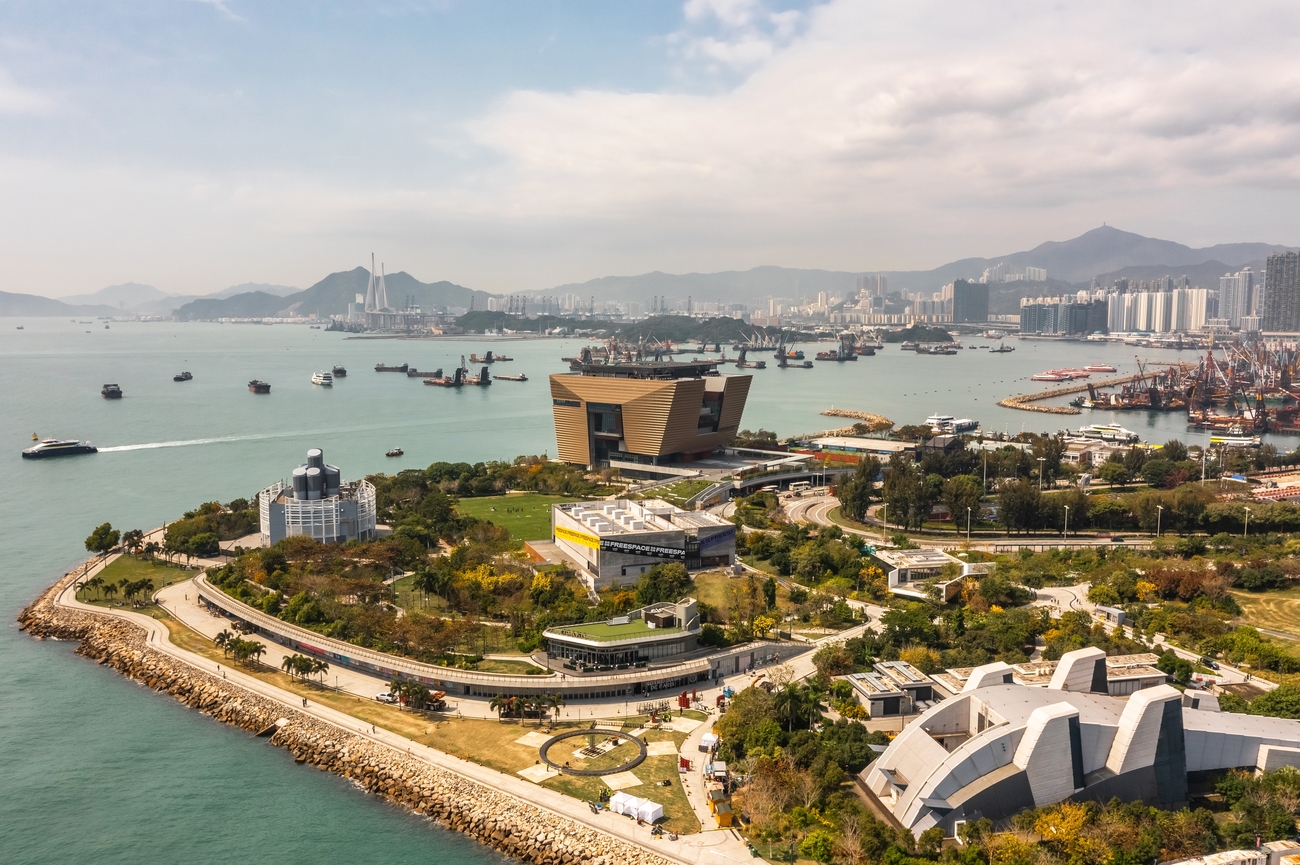
M+: The Museum That Took Hong Kong
Seriously
New York has MoMA. London has Tate Modern. Hong Kong has M+, and the comparison is not flattering to the others in at least one respect: M+ was built from nothing on a harbourfront site, designed by Herzog & de Meuron, and opened with a collection that immediately ranked among the most significant holdings of Asian contemporary art anywhere in the world. It did not inherit an institution. It built one.
The building itself is worth arriving early for. The inverted-T structure spans 65,000 square metres, with its horizontal podium cantilevered above ground level so that you pass beneath it before entering. The LED facade faces the harbour and, at night, transmits moving image works visible from both Kowloon and Hong Kong Island. Above the galleries, the roof garden looks back across the channel toward Central.
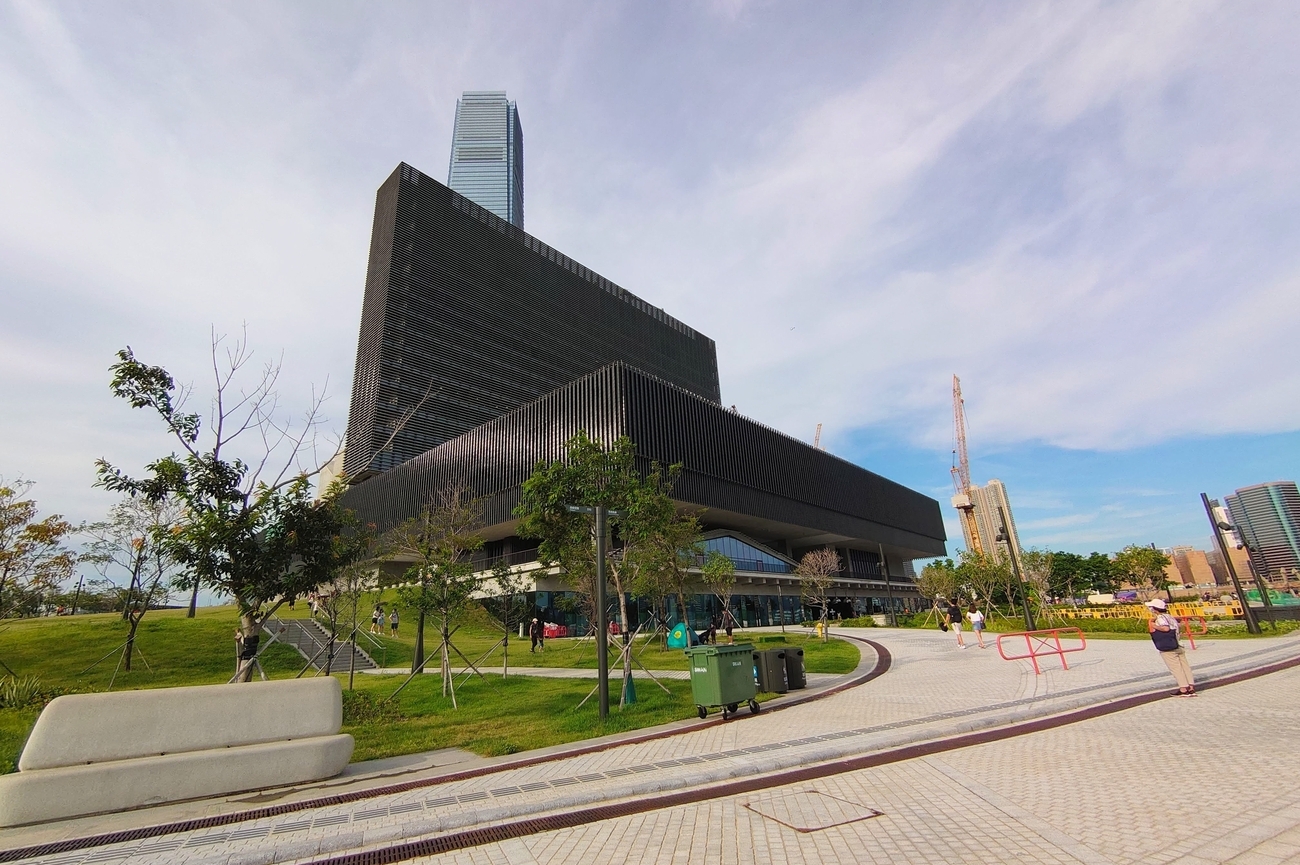
Inside the
Collection
M+ is Asia’s first global museum of contemporary visual culture, spanning visual art, design, architecture, moving image, and Hong Kong visual culture. The distinction matters. This is not a regional museum with a partial international lens. The geographic and cultural emphasis is built into the foundation of the institution itself.
The collection extends across 33 galleries and more than 6,000 objects. The M+ Sigg Collection alone remains one of the most comprehensive public holdings of Chinese contemporary art in existence, covering post-1950s practice across Hong Kong, mainland China, and the wider region. Alongside it sit architectural works by Frank Lloyd Wright and Mies van der Rohe, as well as pieces rooted in Hong Kong’s own visual identity, including the preserved graffiti of Tsang Tsou Choi, the King of Kowloon.
M+ is also a central anchor of Art Basel Hong Kong each March, when exhibition programming intensifies and the museum becomes part of the city’s wider art calendar.
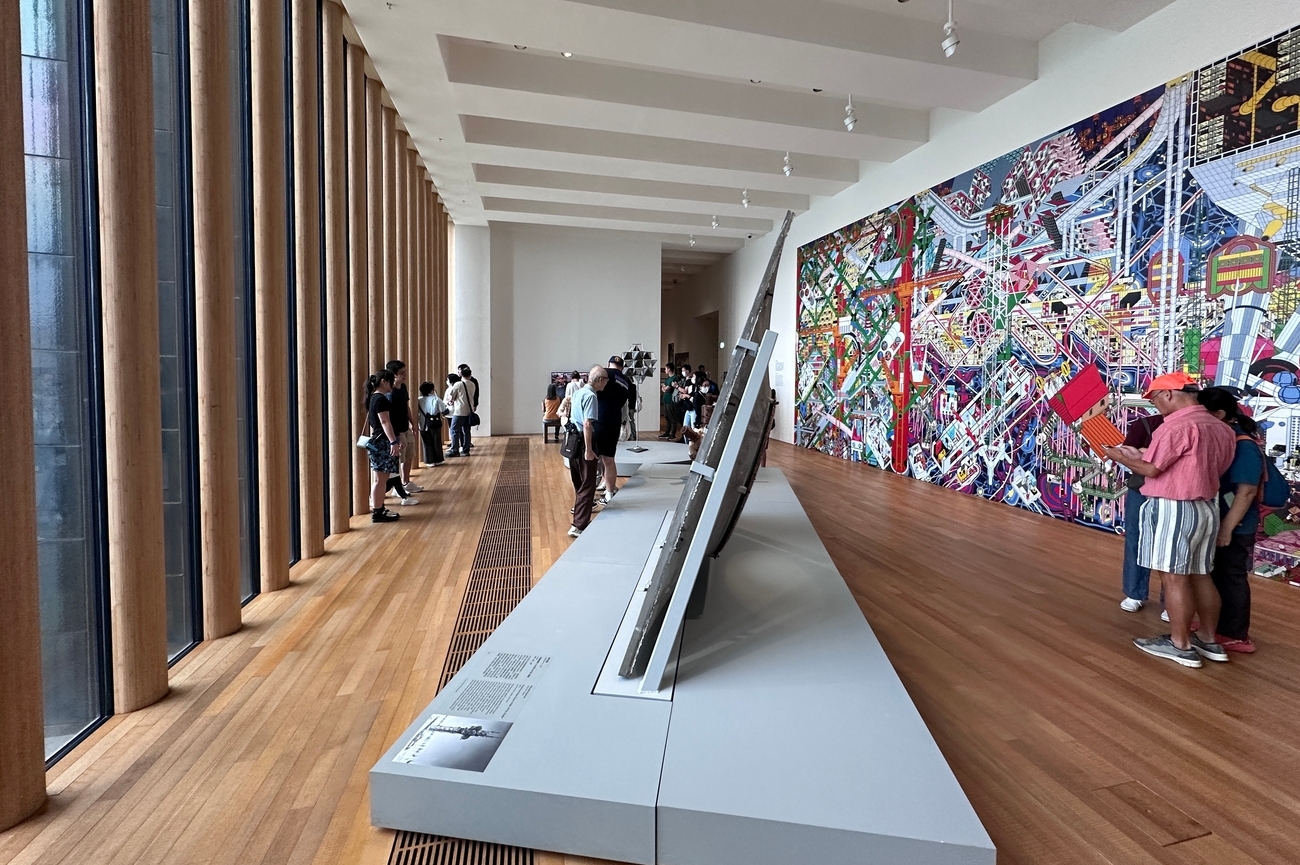
Current
Exhibitions
The long-running M+ Sigg Collection: Inner Worlds continues through June 2027, alongside rotating exhibitions including Robert Rauschenberg and Asia and Chiharu Shiota: Infinite Memory. Programming evolves regularly, and checking current listings before visiting is essential.
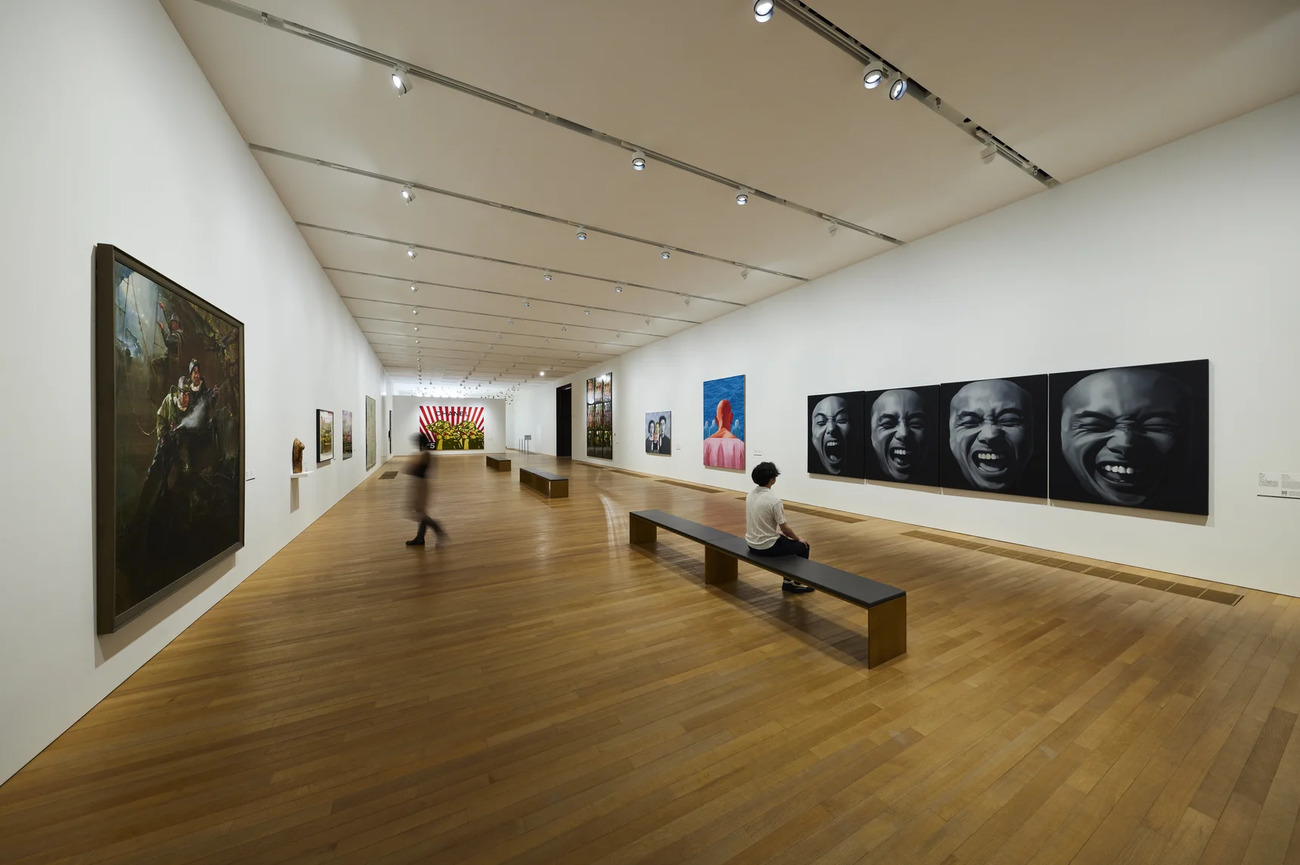
The Roof
Garden and M+ Facade
Both the roof garden and the harbour-facing facade are free to access. The roof garden offers an uninterrupted view across the harbour toward Central, with the IFC towers and Victoria Peak forming the backdrop. The facade, by contrast, is not decorative. It is an active surface, one that has become part of the harbour’s visual language alongside the buildings that participate in the nightly light show.
Practical
Information
Standard admission is HK$190, covering all galleries and special exhibitions. The museum is open Tuesday to Sunday from 10:00 to 19:00 and closed on Mondays. It is located on Museum Drive within the West Kowloon Cultural District, approximately a 10-minute walk from Kowloon Station.
A private guided visit changes the experience entirely. In a collection of this scale, the value lies not in the information on the wall, but in how the collection is navigated. Which works deserve time. Which galleries connect. Which pieces speak directly to Hong Kong’s cultural position.
Our Hong Kong Victoria Harbour itinerary includes M+ with a private guide as part of a day that continues into Michelin-starred Cantonese dining above the harbour at Tin Lung Heen.
Hong Kong Palace Museum: Five Thousand Years on a Harbourfront
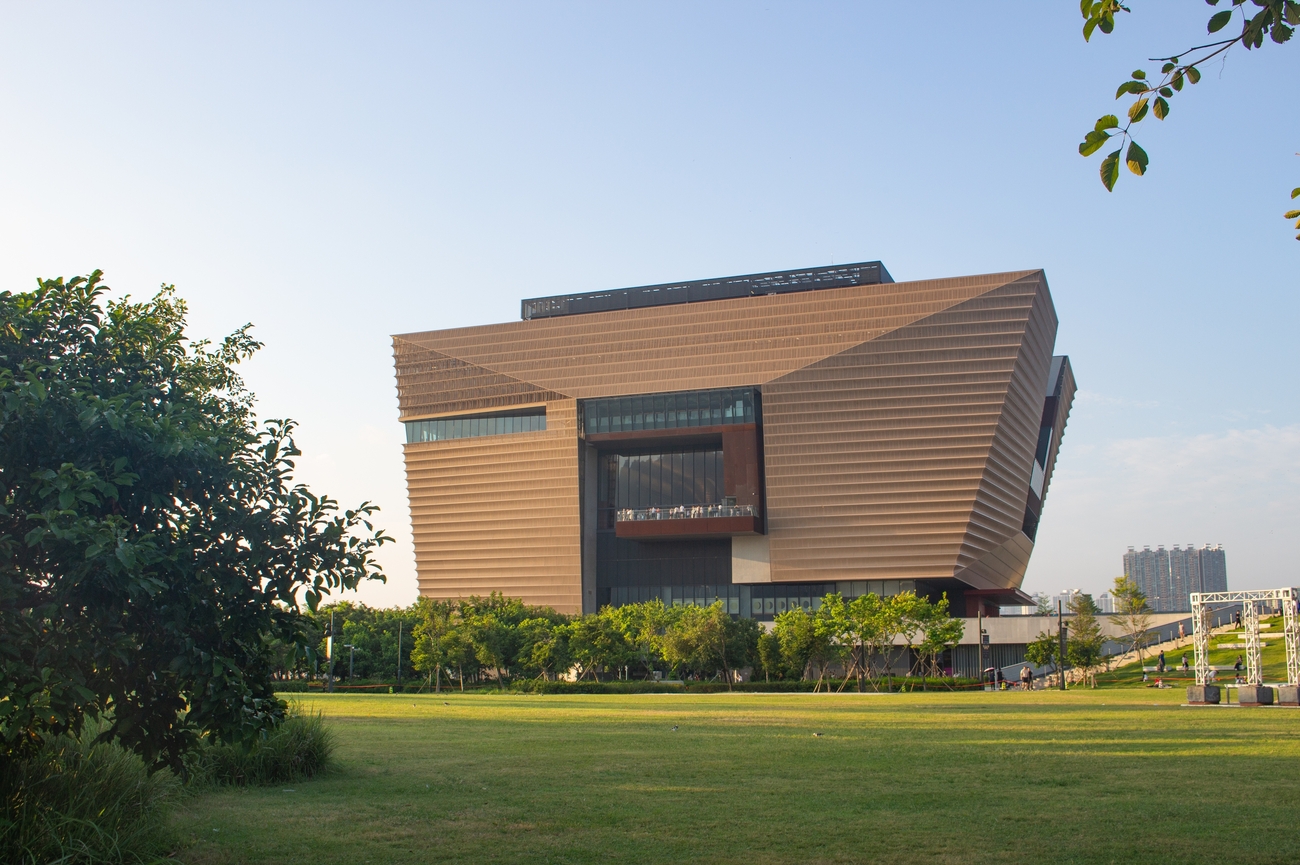
The Hong Kong Palace Museum opened in July 2022 at the western tip of the West Kowloon Cultural District. A collaboration between the West Kowloon Cultural District Authority and the Palace Museum in Beijing, funded by a HK$3.5 billion donation from the Hong Kong Jockey Club Charities Trust, it brings one of the world’s most important imperial collections to the harbour. None of those facts quite prepares you for walking in.
The permanent collection holds more than 900 treasures from the Palace Museum, many displayed in Hong Kong for the first time, and some never shown publicly anywhere before. Alongside it, a rotating exhibition programme has established the museum as one of the most serious temporary exhibition venues in Asia in a remarkably short time.
Current and Upcoming Exhibitions
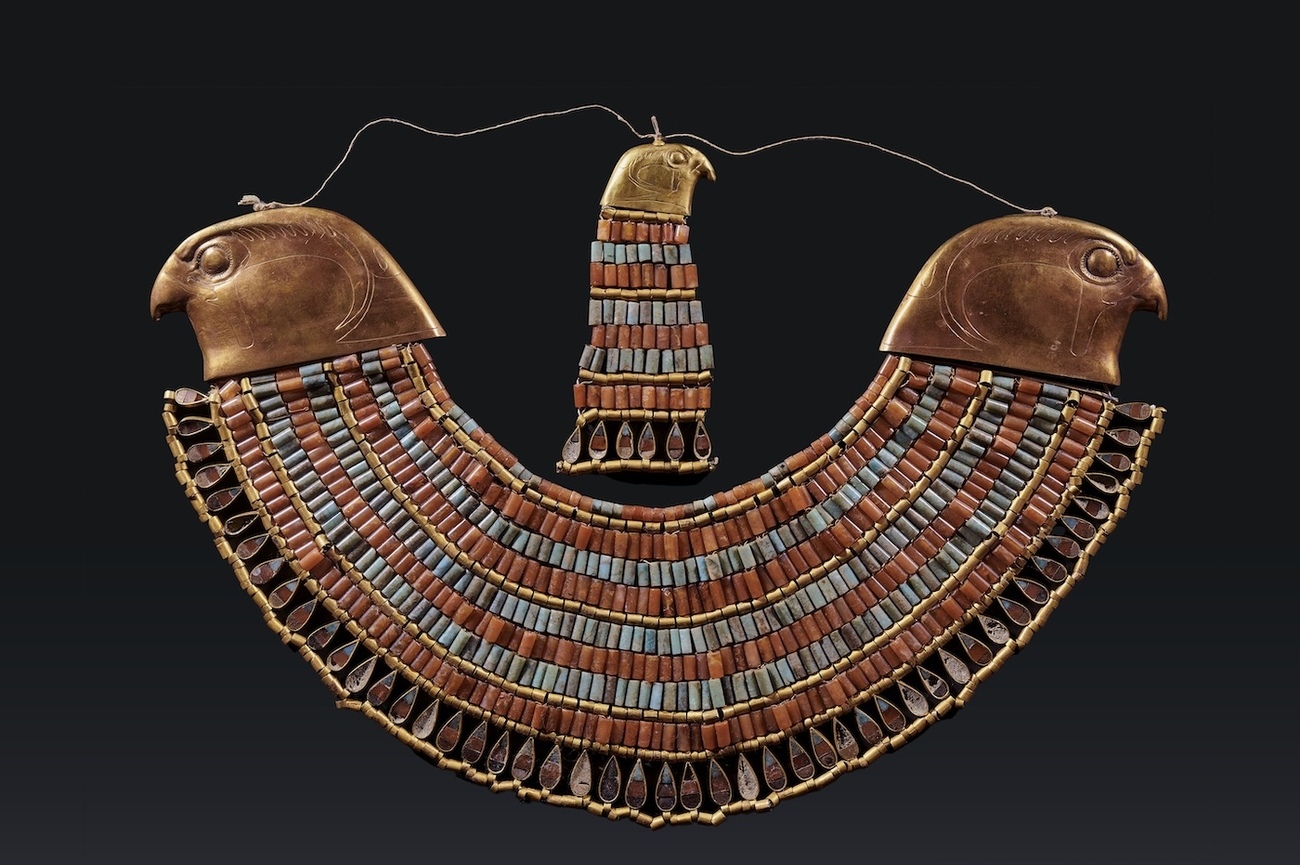
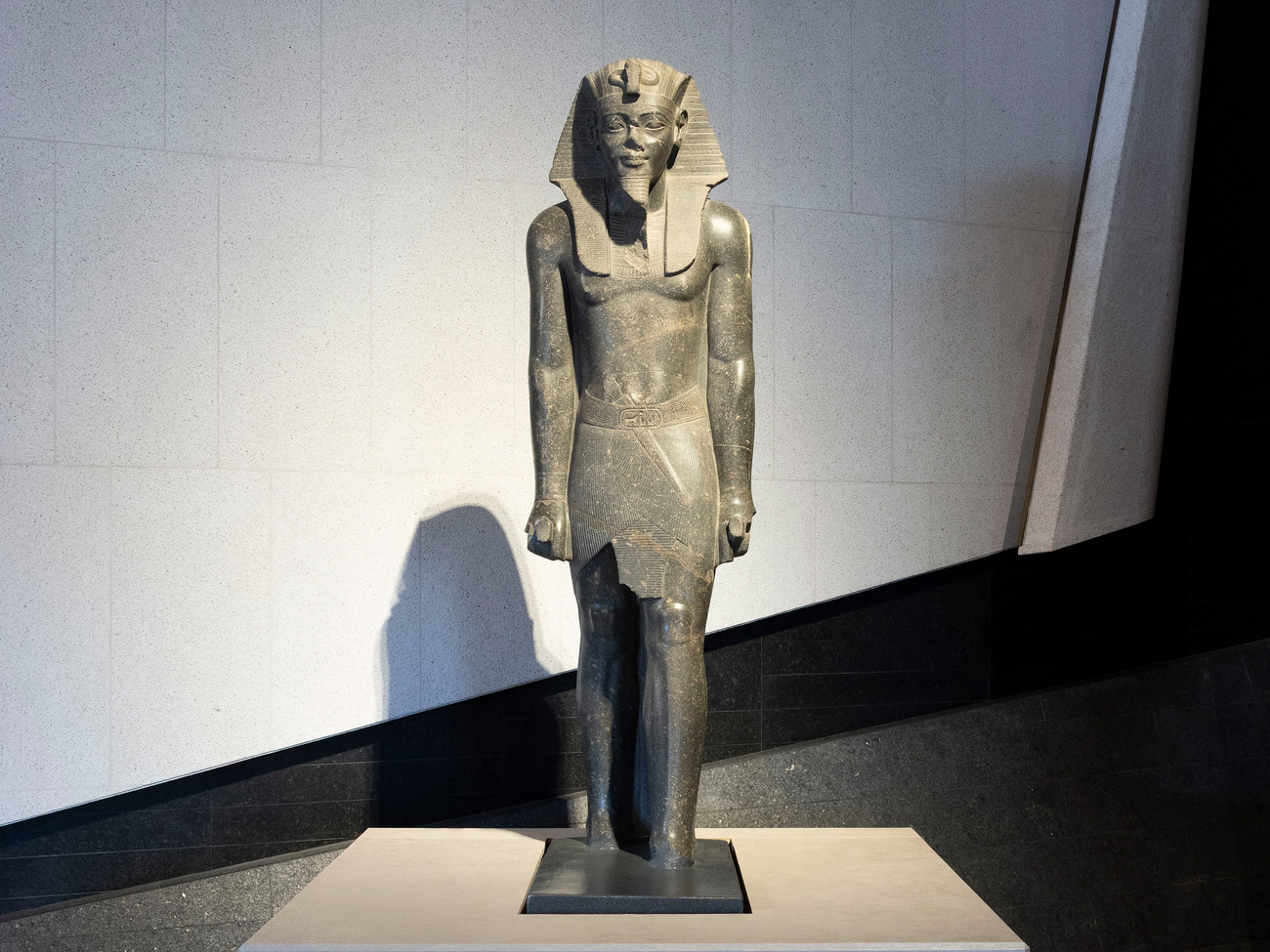
Ancient Egypt Unveiled: Treasures from Egyptian Museums runs from November 2025 to August 2026 and stands as the largest Egyptian exhibition ever held in Hong Kong. Around 250 artefacts from seven institutions, including the Egyptian Museum in Cairo and the Luxor Museum, are presented alongside recent discoveries from Saqqara. It is a destination exhibition in its own right.
Treasures of Global Jewellery from the Metropolitan Museum of Art, scheduled from April to October 2026, will bring approximately 200 pieces spanning 4,000 years and six continents, marking The Met’s first major presentation in the Greater Bay Area.
A History of China in Silk: The Chris Hall Collection, running through April 2026, traces over two millennia of textile craftsmanship, from the Warring States period to the early 20th century, and forms part of a promised gift to the museum.
Visiting
The museum is located on Museum Drive within the West Kowloon Cultural District and is open daily from 10:00 to 20:00, closing on Tuesdays except public holidays. General admission is HK$70, with concessions available, while special exhibition tickets include access to all galleries.
Austin Station on the Tuen Ma Line is the closest MTR stop, with a short walk of approximately five minutes to the entrance.
The Xiqu Centre: An Argument for Slowing Down
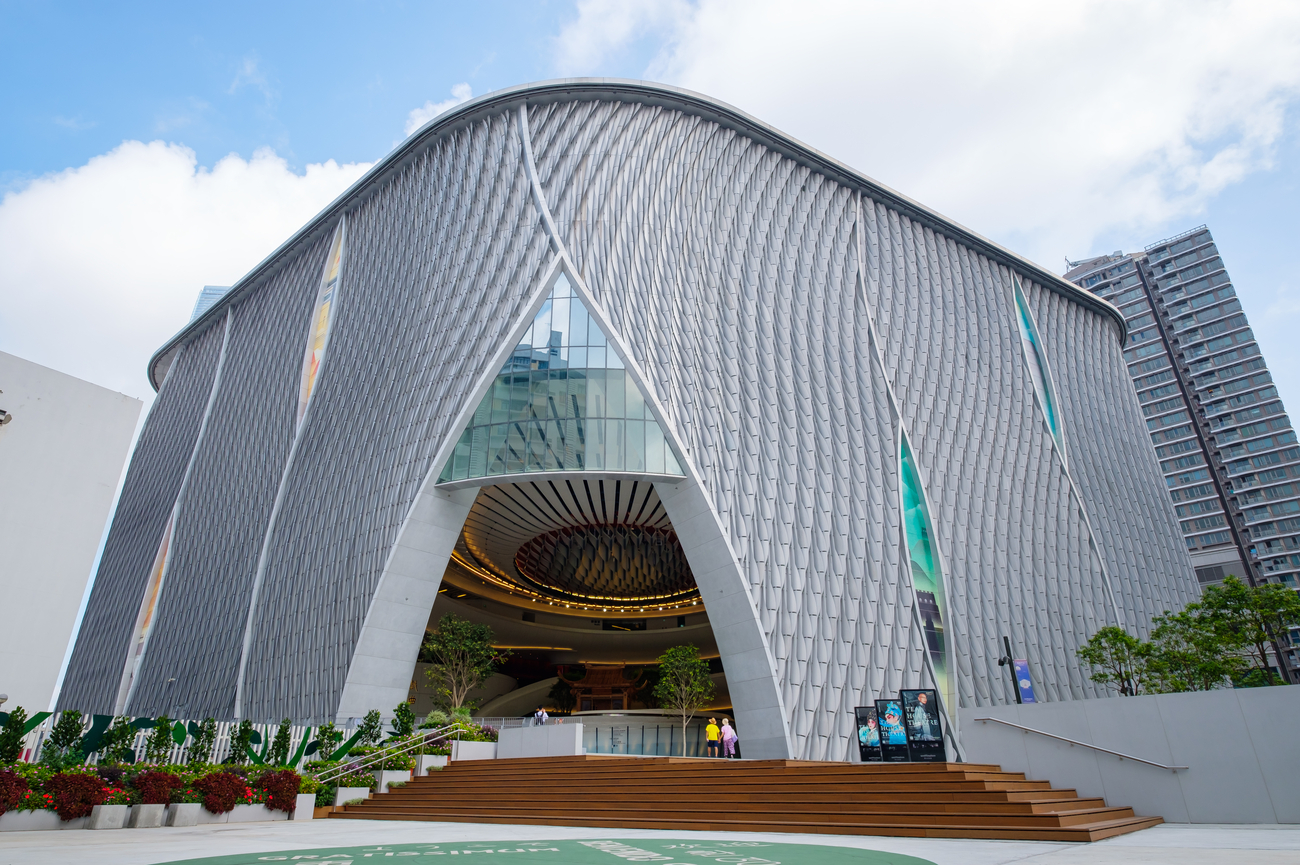
The Xiqu Centre was the first building completed in the West Kowloon Cultural District, opening in 2019 on its eastern edge. The architecture reinterprets the traditional Chinese moongate through a contemporary facade, recognised by Time Magazine as one of the World’s 100 Greatest Places. It is not a building that demands attention. It earns it gradually.
Its purpose is the preservation and development of Cantonese opera and other forms of traditional Chinese theatre. In practice, this is expressed through two performance spaces, each offering a very different experience.
The Grand Theatre seats 1,073 and hosts productions from Hong Kong and mainland troupes, ranging from established classics to new commissions.
The Tea House Theatre, more intimate at 280 seats, is designed in the style of an early 20th-century Hong Kong tea house. The Tea House Theatre Experience offers a 90-minute introduction to Cantonese opera, accompanied by tea and dim sum, with English surtitles throughout. For visitors unfamiliar with the form, it is the most accessible entry point, and one that delivers on that promise without simplifying the art itself.
Guided tours of the building are available in Cantonese, English, and Mandarin, covering the architecture, the history of xiqu, and the technical aspects of performance.
The centre sits on Austin Road West, directly connected to Austin Station, and operates daily from 10:00 to 22:30.
The Art Park and Harbourfront
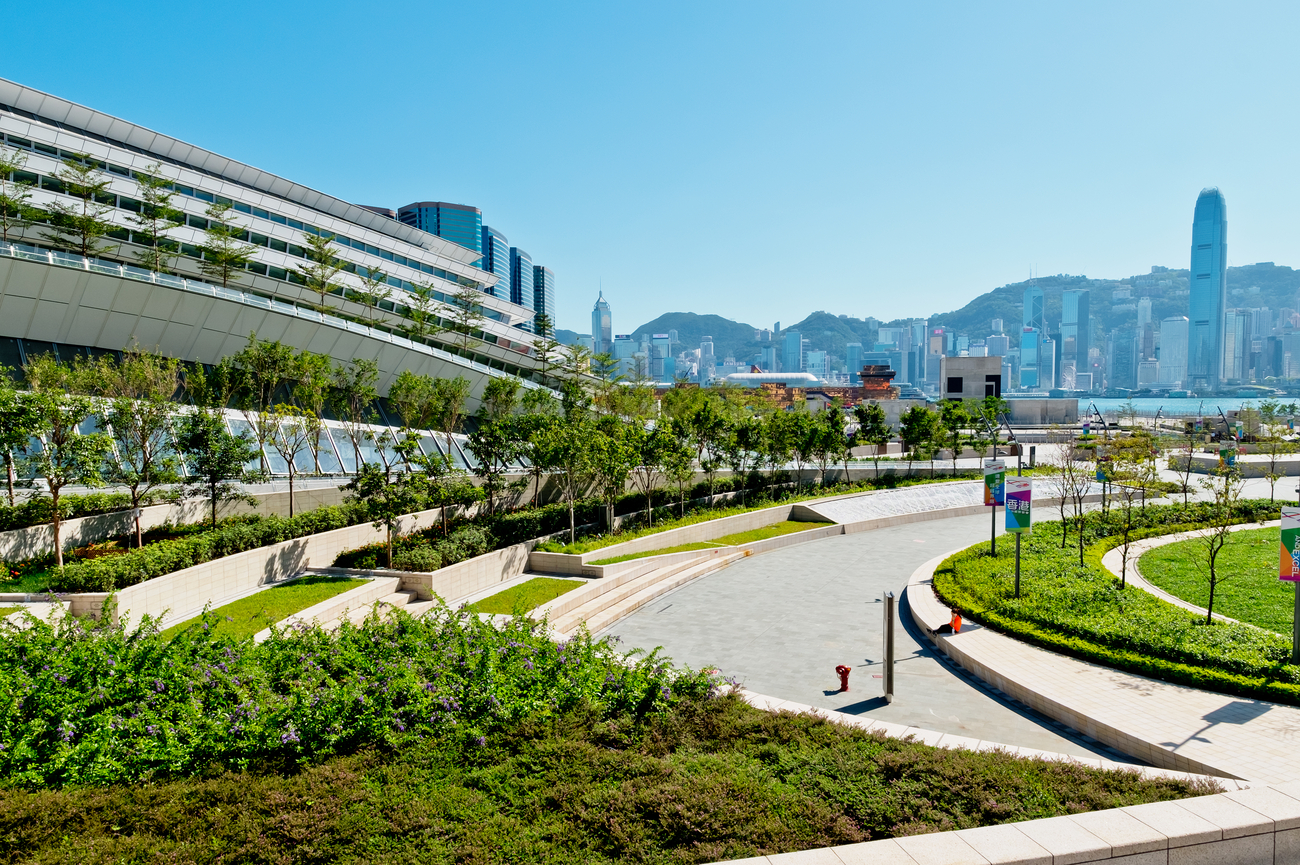
The Art Park forms the open edge of the West Kowloon Cultural District. Eleven hectares of public space and a two-kilometre waterfront promenade run the full length of the precinct, with uninterrupted views across Victoria Harbour toward Central, Victoria Peak, and the ICC tower. It is one of the few places in Kowloon where the city’s density steps back and the water becomes the focus.
Freespace sits within the park as Hong Kong’s centre for contemporary performance. It houses The Box, the city’s largest black box theatre, alongside Lau Bak Livehouse, an intimate venue with regular live music and a full food and drinks offering. Programming spans theatre, dance, and music, with a strong emphasis on emerging local artists alongside international work.
The promenade itself is noticeably quieter than the Tsim Sha Tsui waterfront to the east. It is best used as a transition, after M+, before dinner, or as a late afternoon walk when the light begins to shift across the harbour. SmartBike rental is available, though most visits are best experienced on foot.
Why the District Works Beyond the Art
M+ is often described as a contemporary art museum. That description is accurate, but incomplete. The collection extends far beyond traditional gallery expectations, and that is where most visitors find the experience more engaging than anticipated.
More Than a Museum
The collection spans visual art, design, architecture, and moving image. The Hong Kong visual culture holdings, in particular, trace the city’s aesthetic development through material detail that most institutions would not attempt.
Neon signs recovered from the streets before they were lost. Furniture and domestic interiors from the postwar decades. Film posters, graphic design, and printed material that document the city’s commercial history. Architectural models that show how Hong Kong was imagined before it was built.
For anyone interested in how a city looks and why, the relevance becomes clear quickly.
The Sigg Collection
The Sigg Collection forms a central part of M+, one of the most comprehensive public holdings of Chinese contemporary art anywhere in the world. Donated by Swiss collector Uli Sigg in 2012, it covers post-1950s practice across Hong Kong, mainland China, and the wider region. It is a primary reason the museum draws scholars and collectors internationally.
The Hong Kong Palace Museum
The Hong Kong Palace Museum operates on a different register, but with similar impact. Its permanent collection of imperial treasures is complemented by an ambitious exhibition programme. The current Ancient Egypt exhibition, running through August 2026, brings together 250 artefacts from seven institutions, including pieces not previously shown outside Egypt.
How to Approach It
The West Kowloon Cultural District rewards curiosity more than expertise. An afternoon here does not require preparation or prior knowledge, only time and a willingness to move through the space at a considered pace.
Where to Eat in West Kowloon
The dining scene within the West Kowloon Cultural District has developed quickly and with purpose. It is no longer incidental. There are now clear reasons to plan a meal here as part of the day, rather than leaving the district to find one.
Tin Lung Heen, The Ritz-Carlton
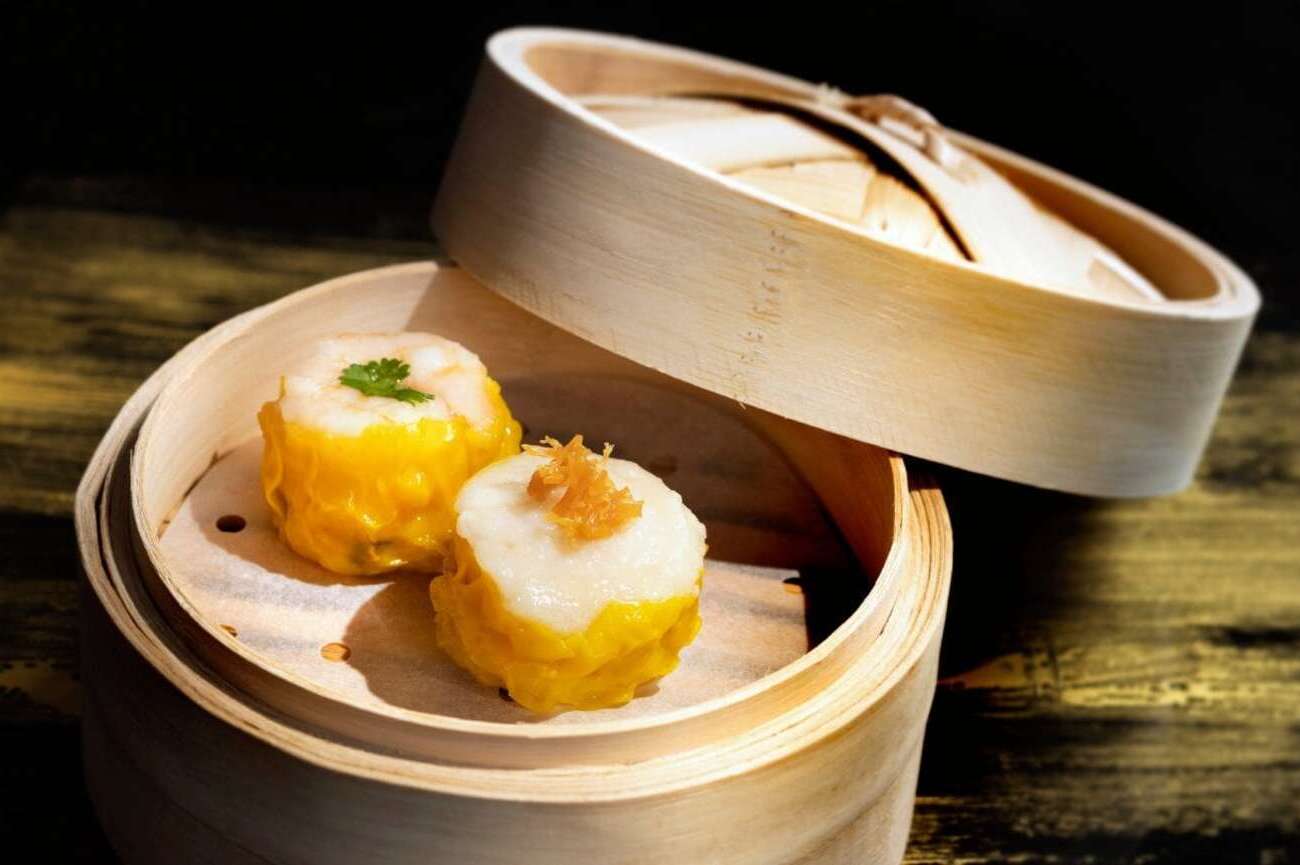
Two Michelin stars in the 2025 Guide. The ICC tower rises 484 metres above West Kowloon, and Tin Lung Heen sits near the top, on the 102nd floor. Refined Cantonese dim sum and seasonal specialties in a room where the harbour is 400 metres below and the horizon is unobstructed in three directions. The Iberico char siu has been the dish most associated with the restaurant for years, and for good reason. Smart casual dress; reservations well in advance.
The full context for Tin Lung Heen, alongside other Michelin-starred harbour-view restaurants, is covered in our guide to Hong Kong fine dining with a harbour view.
Mosu Hong Kong
Located within M+, Mosu is the Hong Kong outpost of the Seoul restaurant recognised at the highest level in Korea. The tasting menu reflects a modern Korean approach, served in a dining room that maintains a direct visual connection to the harbour. The experience is more contained and contemporary than the city’s traditional fine dining rooms, but sits comfortably within the district’s overall identity.
Pano, Art Park
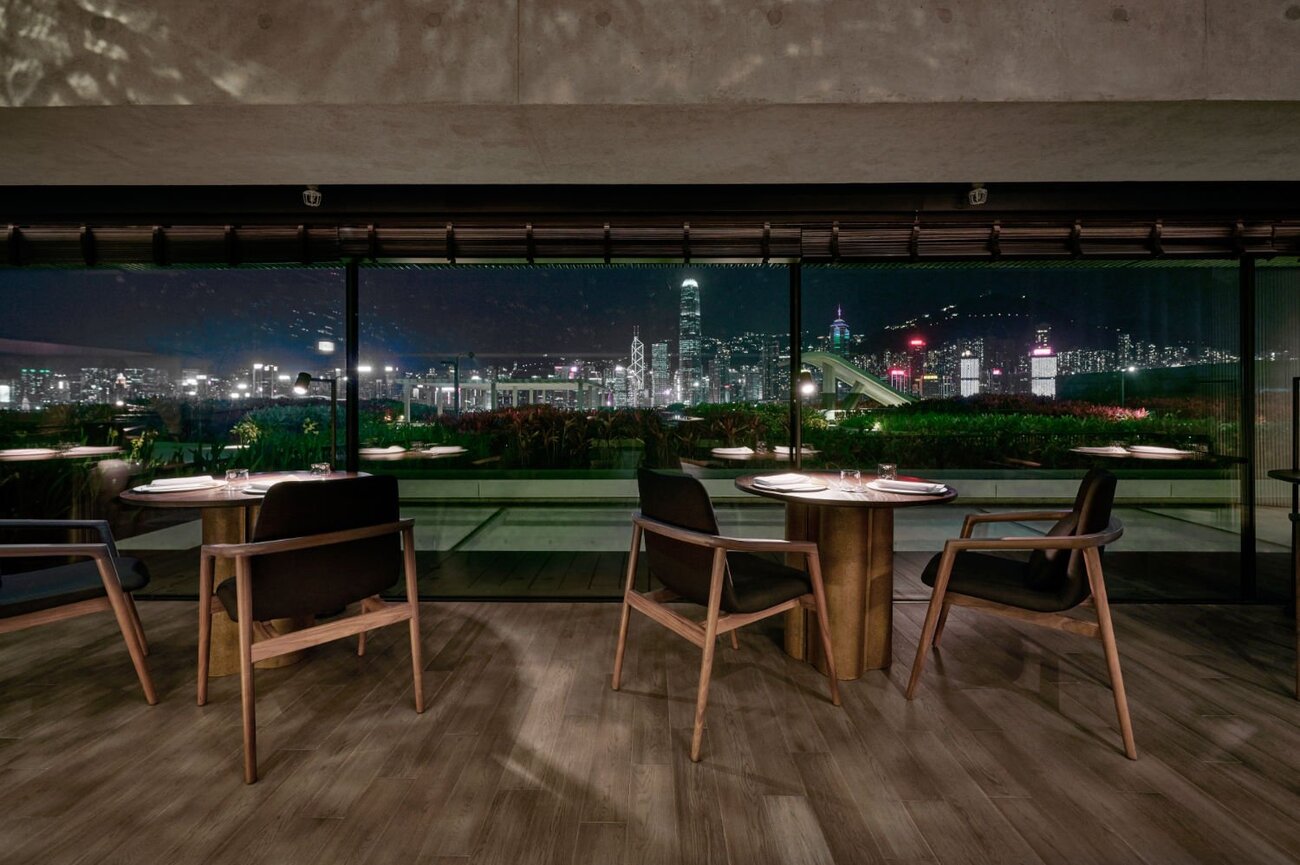
Set within the Art Park, Pano offers French cuisine with an Asian influence and terrace seating overlooking the harbour. It is best positioned as a relaxed lunch or early dinner, particularly when moving between the Palace Museum, M+, and the waterfront.
Getting
There and Getting Around
- For M+ and the ICC: MTR Kowloon Station (Airport Express or Tung Chung Line), exits C1, D1, E4, or E5. Approximately 10 minutes on foot to M+.
- For the Xiqu Centre and Hong Kong Palace Museum: MTR Austin Station (Tuen Ma Line), exit E. Approximately five minutes on foot to either venue.
- By water: Water taxi service runs on weekends and public holidays on a circular route from Tsim Sha Tsui East, Wan Chai, and Central to WestK Quay. The approach from the water is the correct way to arrive if time allows.
- How long to allow: A full day covers M+ and the Palace Museum with time on the promenade and lunch. Half a day is sufficient for a single institution with the walk between.
Why West Kowloon Rewards Time
Four years in, the West Kowloon Cultural District has earned its reputation gradually, exhibition by exhibition, institution by institution, until the accumulated weight of it became impossible to ignore. It is now one of the strongest arguments Hong Kong has made for its own cultural seriousness, set on a harbourfront reclaimed from the sea within living memory.
Start with M+. Continue to the Palace Museum. Walk the promenade in the late afternoon, when the Central skyline catches the last of the light and the ICC rises above the district behind you. Then end at Tin Lung Heen on the 102nd floor, watching the harbour darken below.
We build that kind of day into a six-day Victoria Harbour itinerary where each element is arranged before you land.

Let us know what you love, where you want to go, and we’ll design a one-of-a-kind adventure you’ll never forget.
Get in touch
Miriam
Travel Specialist

Nina
Travel Specialist
Abigail
Travel Specialist
Frequently Asked Questions
-
What is the West Kowloon Cultural District in Hong Kong?
The West Kowloon Cultural District is a 40-hectare arts and cultural precinct on Hong Kong’s harbourfront, home to M+, the Hong Kong Palace Museum, the Xiqu Centre, Art Park, and a waterfront promenade overlooking Victoria Harbour.
-
Is M+ worth visiting in Hong Kong?
Yes, M+ is one of Asia’s most important museums of contemporary visual culture, with over 6,000 works across art, design, architecture, and moving image, including the globally significant Sigg Collection.
-
What can you see at the Hong Kong Palace Museum?
The Hong Kong Palace Museum displays more than 900 imperial treasures from Beijing’s Palace Museum, alongside major rotating exhibitions featuring global collections such as ancient Egyptian artefacts and international jewellery.
-
How much time do you need for West Kowloon Cultural District?
A full day is ideal to explore M+, the Hong Kong Palace Museum, and the harbourfront promenade. Half a day works well if focusing on one institution with time for a waterfront walk.
-
Is West Kowloon Cultural District free to visit?
Yes, the Art Park, harbourfront promenade, and M+ roof garden are free to access. Tickets are required for museum galleries and special exhibitions.
-
Where are the best views in West Kowloon?
The best views are from the M+ roof garden, the Art Park waterfront promenade, and high-rise venues such as Tin Lung Heen, offering uninterrupted perspectives across Victoria Harbour.
-
How do you get to West Kowloon Cultural District?
The district is reached via Kowloon Station for M+ and the ICC, or Austin Station for the Palace Museum and Xiqu Centre. It is also accessible by water taxi from Central and Tsim Sha Tsui.
-
Can Revigorate arrange a curated visit to West Kowloon Cultural District?
Yes, we arrange fully tailored Hong Kong itineraries, including private guided visits to M+, priority access to exhibitions, Michelin-starred dining reservations, and seamless private transfers across the harbour.
Our offices:



Revigorate, Iberian Escapes and Algarve Lifestyle are the registered brand names of APCS Lda . We are a fully authorised travel agency licensed by Turismo de Portugal RNAVT/6867.
In the event of a dispute, the consumer may refer to: RAL - Centros de Arbitragem
Avª. 5 de Outubro, nº. 55, R/C Dtº. 8000-075 Faro, Portugal | Tel: +351 289 823 135 *
* national landline call
E-mail: info@consumoalgarve.pt| www.consumidoronline.pt | Mon to Fri: 9:00 - 13:00 / 14:00 - 17:00