Zen Wellness in Japan: The Ultimate Guide to Onsen Retreats

Entering Japan’s Quiet World of Wellness
Imagine stepping out of a neon city street into a blanket of steam rising from natural hot springs. The sound of vending machines fades. The only thing you hear is water moving over stone. Japan achieves this without trying. It invites you into stillness in the middle of daily life, like the quiet that sits under a busy train station or the peaceful pause before a bowl of tea is served. That balance is what makes Zen wellness in Japan so special.
Here, wellness is not a weekend spa trip. It lives in small habits that people practice every day. A slow walk under cedar trees. A warm soak after sunset. A meal made with seasonal vegetables arranged with care. These are parts of life, not treats. Zen wellness in Japan is about balance. It is nature, ritual, and silence working together through your senses. You find calm not through escape, but through participation.
This guide will help you understand those practices and experience them for yourself. You will learn how onsen bathing restores the mind, how temple stays offer still mornings and quiet meals, and how traditional Japanese healing practices focus on balance instead of quick fixes. You will also learn simple etiquette so you can enter these spaces with respect and ease.
Take a slow breath. Let your shoulders soften. You are about to explore a way of traveling that feels like meditation. Your journey into Zen wellness begins here.
What “Zen Wellness” Really Means in Japan
Zen wellness Japan feels calm on the surface, but its roots go deep into spiritual history and everyday values. It is a way of living that protects balance. People do not chase constant comfort. They create conditions that let peace appear on its own. A warm bath taken the same way every evening. A quiet meal eaten without distraction. Forest walks with slow steps. The goal is to bring the body, mind, and surroundings into harmony. Travelers can join this lifestyle through Japanese wellness traditions based on nature, ritual, and respect.
Origins of Zen in Japanese Daily
Life
Zen entered Japan through Buddhism, but it merged with older beliefs instead of replacing them. Shinto-worship treated mountains, trees, rivers, and even stones as spiritual beings. When Buddhist monks introduced meditation and discipline, the two belief systems blended into a culture that cared for nature as a form of wellness.
Daily life became a ritual. People cleaned spaces to purify the mind. They valued silence because it made the senses sharper. They believed beauty sits in small, ordinary things.
Japan’s approach to cleanliness, etiquette, and community comes from this mix. A bath is never just hot water. It is a cleansing act that prepares you to relax with others. Meals follow the mood of the season because nature guides what should be eaten. Homes reduce clutter so the mind has room to rest. Even today, shrines and temples sit quietly inside crowded cities, which goes to show how ancient wisdom is still part of modern routines.
One important idea behind this culture is mono no aware. It describes the soft sadness and gratitude we feel when we notice beauty in things that do not last. Cherry blossoms bloom for a few days. Steam fades quickly from a teacup. A quiet sunrise gives light for only a moment. Appreciating things as they come and go becomes a healing practice.
Quick takeaway points
- Buddhist teachings influenced meditation, discipline, and mindful breathing
- Shinto beliefs honored nature and treated it as sacred healing
- Cleanliness and etiquette became spiritual habits, not rules
- Mono no aware encourages gratitude for moments that fade
- Zen wellness grew from practices that treat everyday life as sacred
Core Principles of Japanese Wellness
Zen wellness works through values that shape how people use time, space, food, and social behavior. These core ideas guide both traditional healing Japan practices and modern wellness experiences such as temple stays Japan, tea ceremonies, and onsen rituals.
- Ma (間) focuses on empty space. It protects silence in conversation and simplicity in design. A spare room, a short menu, or a single flower in a vase lets the mind breathe. On a trip, you feel ma in a ryokan room with only tatami mats and soft light. The emptiness is not only cold, but also grounding.
- Wa (和) protects harmony. It influences how people interact in shared baths, train stations, markets, and temples. People act in ways that keep collective peace, instead of forcing individual needs. Soft voices in an onsen. Respectful bowing at shrines. Waiting patiently in lines. Wellness becomes social.
- Mushin (無心) trains the mind to let go. Thoughts are allowed to pass without creating tension. This principle shapes zazen meditation, calligraphy, tea ceremony, and martial arts. The goal is not silence in the brain. It is softness toward whatever comes up.
- Kanso (簡素) reinforces simplicity. The healthiest food is seasonal and unprocessed. A calm room uses only what is needed. Beauty grows from humble materials like clay cups or wooden bath buckets. This principle shows up in shojin ryori cuisine and even in the layout of traditional inns.
- Shizen (自然) supports the nature as part of life. People work with nature instead of controlling it. Forest bathing, hot springs, gardening, and seasonal festivals all follow this idea; because wellness comes from being in tune with the environment.
Together, these principles build a lifestyle where calm is created through choices. Travelers can experience them directly. Through slowing down, listening, and noticing. Wellness begins with awareness. The culture does the rest.
Japanese Wellness Practices You Can Experience as a Traveler
Japan turns small rituals into full-body calm. You can join these practices even on a short trip. Below are the main experiences to try, with clear benefits and practical tips so you can show up prepared and calm.
Onsen & Sento
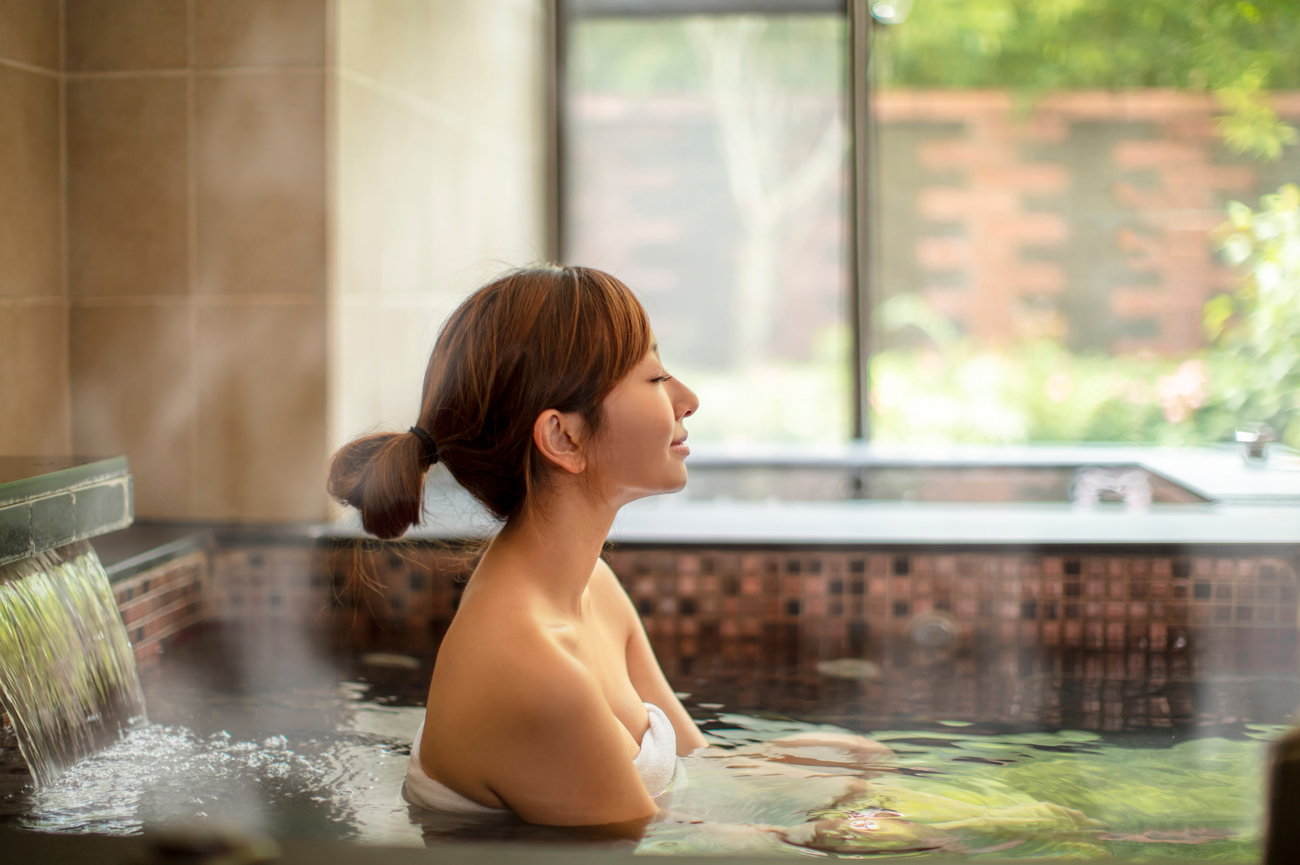
Onsen are natural hot springs. Sento are public bathhouses using heated water. Both feel simple. Both reset the body and mind fast.
Benefits - What Onsen Can Do For You
- Improved circulation and reduced muscle tension from heat therapy.
- Stress reduction and better sleep after regular bathing.
- Mineral absorption that may support skin and joint comfort depending on spring type.
- Immune and microbiome effects linked to certain spring chemistries.
- Mood lift from sensory calm - warm water, soft light, slow conversation.
- Social grounding - shared quiet space that encourages slowing and respect.
Onsen Etiquette Overview - The Basics You Must Know Before You Enter
- Wash and rinse fully before you get into the communal bath.
- No swimsuits. Onsen bathing is nude, and towels stay out of the water.
- Tie up long hair and keep tattoos in mind — some places restrict visible tattoos.
- Keep your voice low. Treat the space like a temple of rest.
- Do not bring electronic devices into the bathing area.
Onsen culture is calming because it asks little of you. You show up, cleanse, and soak. The rules exist to keep the water and the mood pure. Remember that different springs have different minerals. That affects the smell, color, and specific benefits. If you have a health condition, check with staff or a doctor first.
Meditation & Zazen
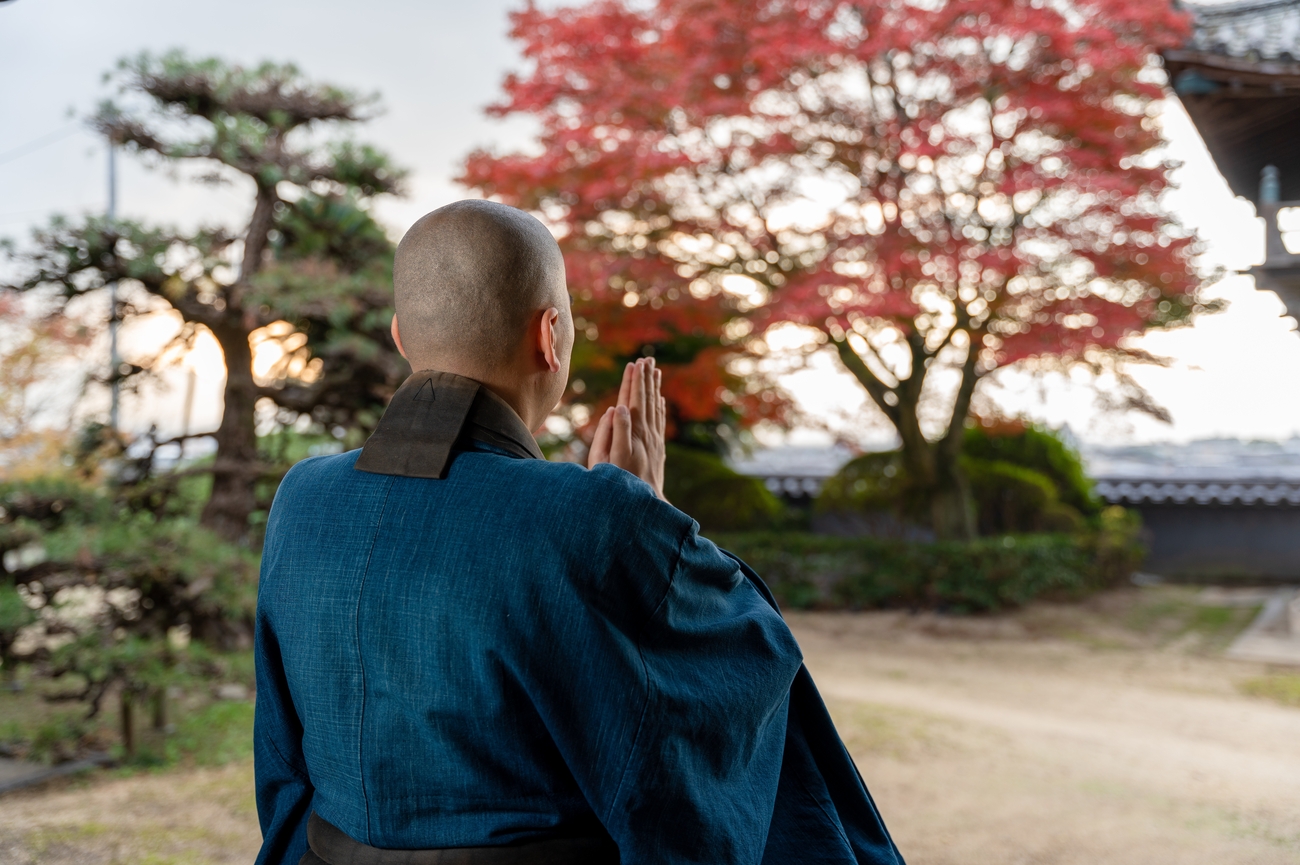
Zazen is seated meditation and the heartbeat of Japanese Zen practice. It arrived in Japan via Chinese Chan and developed fully here in the Kamakura period. In temples, zazen is often taught as a blend of posture, breath, and simple attention. Schools vary. Sōtō styles lean toward “just sitting” or open awareness. Rinzai styles may use kōans and focused methods.
Zazen is less about forcing silence and more about letting thoughts pass without grabbing them. This gentle practice shapes much of Japan’s calm approach to life.
How Beginners Can Join
- Book a temple zazen session or lodging that offers morning practice. Many temples run short sessions for visitors.
- Arrive early. Wear modest, comfortable clothes you can sit in.
- Follow the teacher. Observing the group and copying posture is often enough.
- Try guided breath awareness for 5–10 minutes to start, then lengthen slowly.
- Ask afterward about etiquette for silent periods and walking meditation.
Temple zazen is simple but structured. You will sit in a room with others. You will hear the bell and follow the rhythm. Teachers often give short instructions in English at visitor sessions. The mindset to bring is curiosity, not perfection.
hojin
Ryori (Zen Buddhist Cuisine)
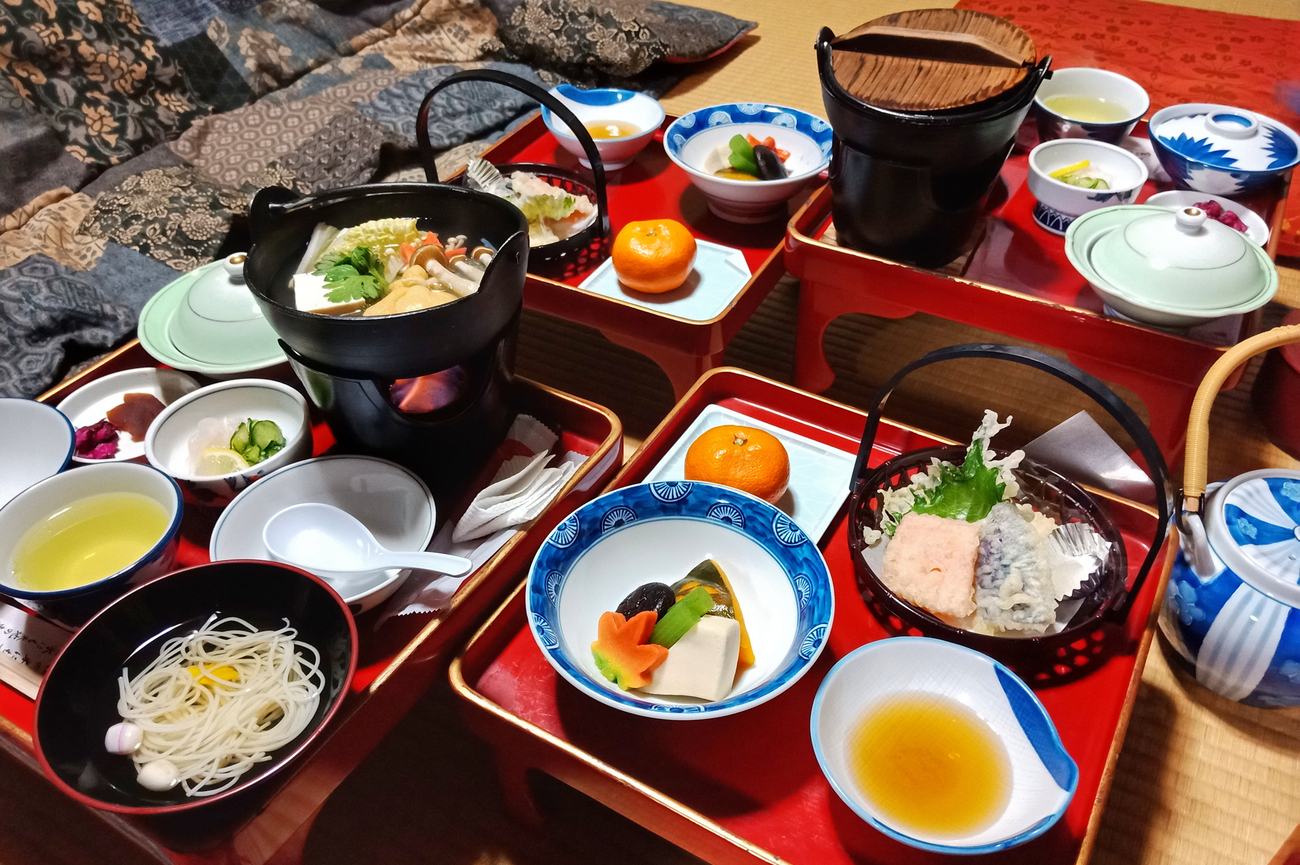
Shojin ryori is the temple kitchen made kind and seasonal. It grew out of monastic rules that avoid killing. The food is plant-based. It uses tofu, root vegetables, seaweed, mushrooms, and beans. Every plate is mindful in portion, color, and texture. Eating this meal slows you down. You taste one thing at a time.
In a shojin ryori meal you eat slowly. You notice texture. You notice color. The dishes are small. They teach gratitude for simple gifts from the land.
Shojin Ryori Practical Notes
- Seasonal ingredients are chosen to reflect nature’s cycle.
- Meals are mostly steamed, simmered, or gently grilled. No heavy sauces unless subtle.
- Flavors aim for balance: bitter, sweet, salty, sour, astringent, often in very small amounts.
- Presentation is intentional. Plates and bowls are part of the meaning.
- Respect the flow: pause between courses and savor tea afterward.
Forest Bathing (Shinrin-yoku)
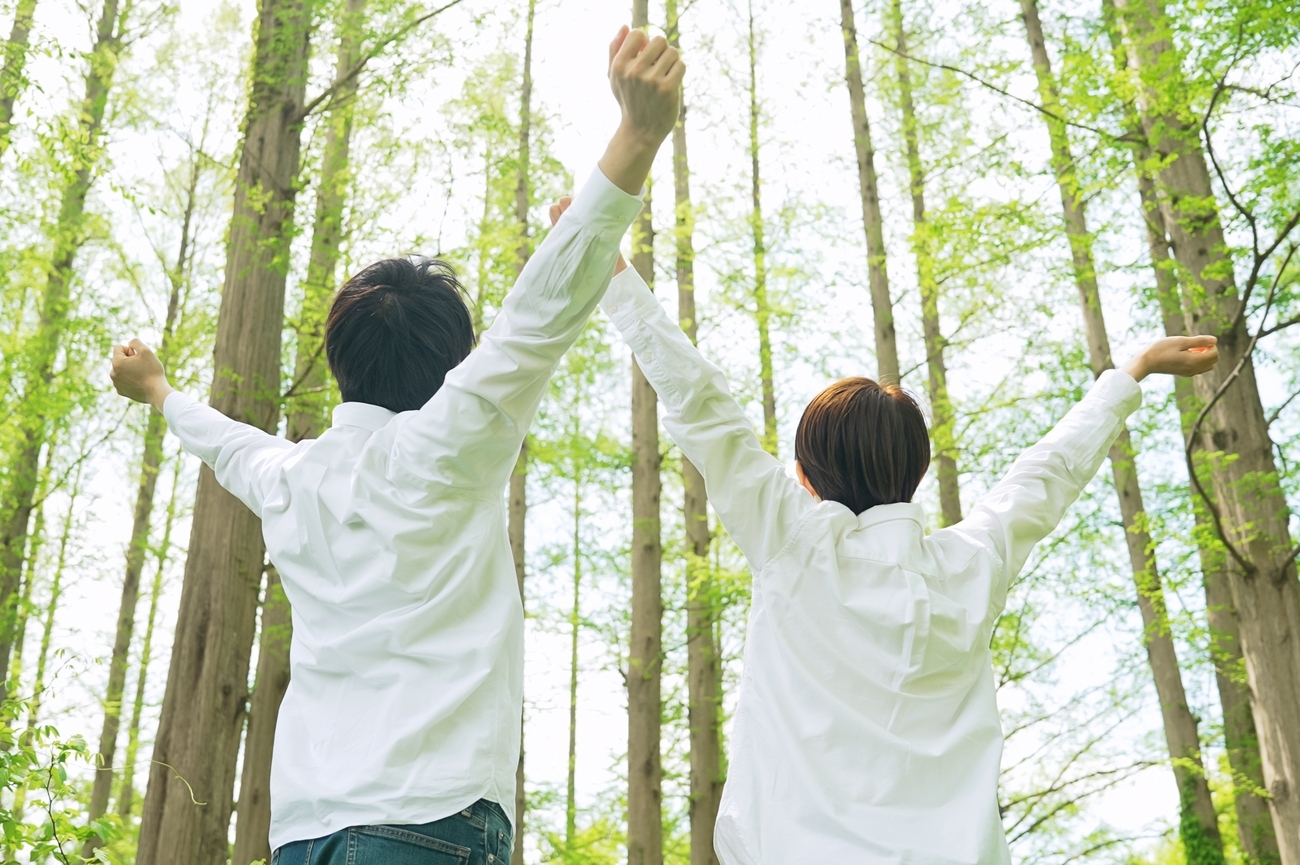
Forest bathing is spending slow, sensory time in forests. It was framed as a public health practice in Japan in the 1980s. Since then, researchers world-wide have tested its effects. The evidence shows consistent short-term benefits for stress, mood, and some physiological markers.
Science-backed Benefits
- Lowered cortisol and reduced stress markers after guided forest walks.
- Reduced blood pressure and improved heart-rate variability in multiple studies, including in older adults.
- Short-term reductions in anxiety and depressive symptoms in randomized and controlled trials.
- Immune system boosts linked to exposure to phytoncides — tree-emitted compounds — including increased natural killer cell activity.
- Improved subjective well-being, attention restoration, and sleep quality after regular nature exposure.
Forest bathing isn’t like vigorous hiking. It is slow walking, standing, and listening. Guides sometimes invite you to smell bark, touch leaves, or sit in silence for ten minutes. Even 120 minutes a week of mindful nature time shows benefits in several studies.
Where To Experience Forest Bathing
- Hakone: close to Tokyo, diverse forests and guided walks.
- Nikko: cedar valleys and shrine forests that feel ancient.
- Kyoto: Arashiyama bamboo grove and nearby forest trails.
- Yakushima: old-growth cedar that many travelers call prime shinrin-yoku.
- Kiso Valley (Nakasendo): quiet post-town trails and cedar-lined paths.
- Daisetsuzan National Park (Hokkaido): wild alpine forests and wide solitude.
Where to Experience Wellness Culture in Japan
Japan’s calm is not hidden. Entire towns and mountain temples are designed for slow living, quiet spaces, and mindful rest. Travelers can feel Zen wellness in Japan through places where bathing, meditation, and food rituals are part of daily life.
If you want to go deeper into the bathing culture itself, exploring our guide to the top luxury onsen retreats might be just what you’re looking for.
Onsen Towns: Hakone
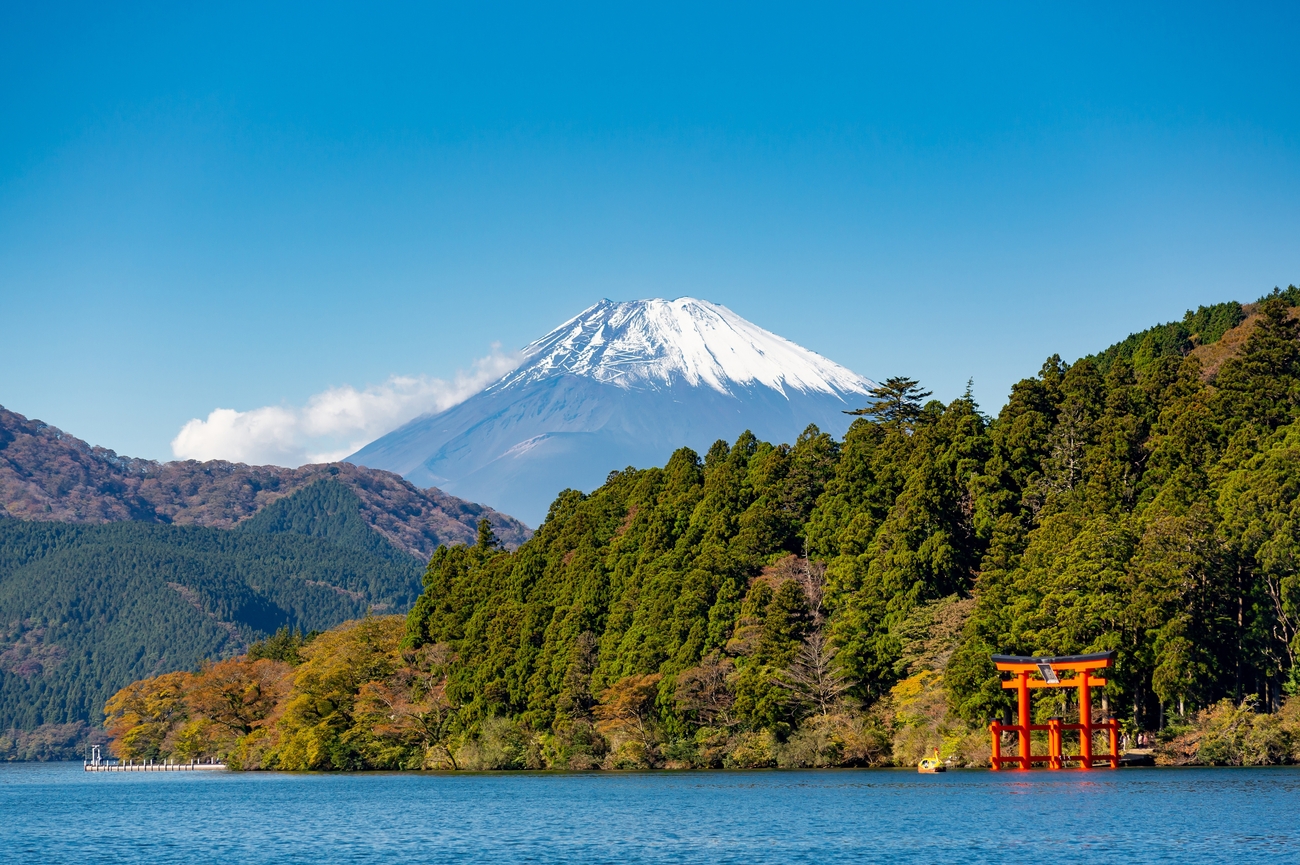
Hakone sits by Lake Ashi with views of Mount Fuji on clear days, and the air often carries the scent of mineral steam, with mineral-rich baths and soothing bath salts adding to the sense of restoration. It is close enough to Tokyo for a weekend trip, yet it feels worlds away. Hot spring inns line the hills, mist sits above the trees, and the air smells like mineral steam. Hakone mixes luxury with nature. You can soak in open-air baths, wander through art forests, and eat seasonal meals in quiet ryokan rooms.
What to see and experience in Hakone
- Open-air baths with mountain views that change color with each season
- Private onsen rooms for couples or first-time bathers who want more privacy
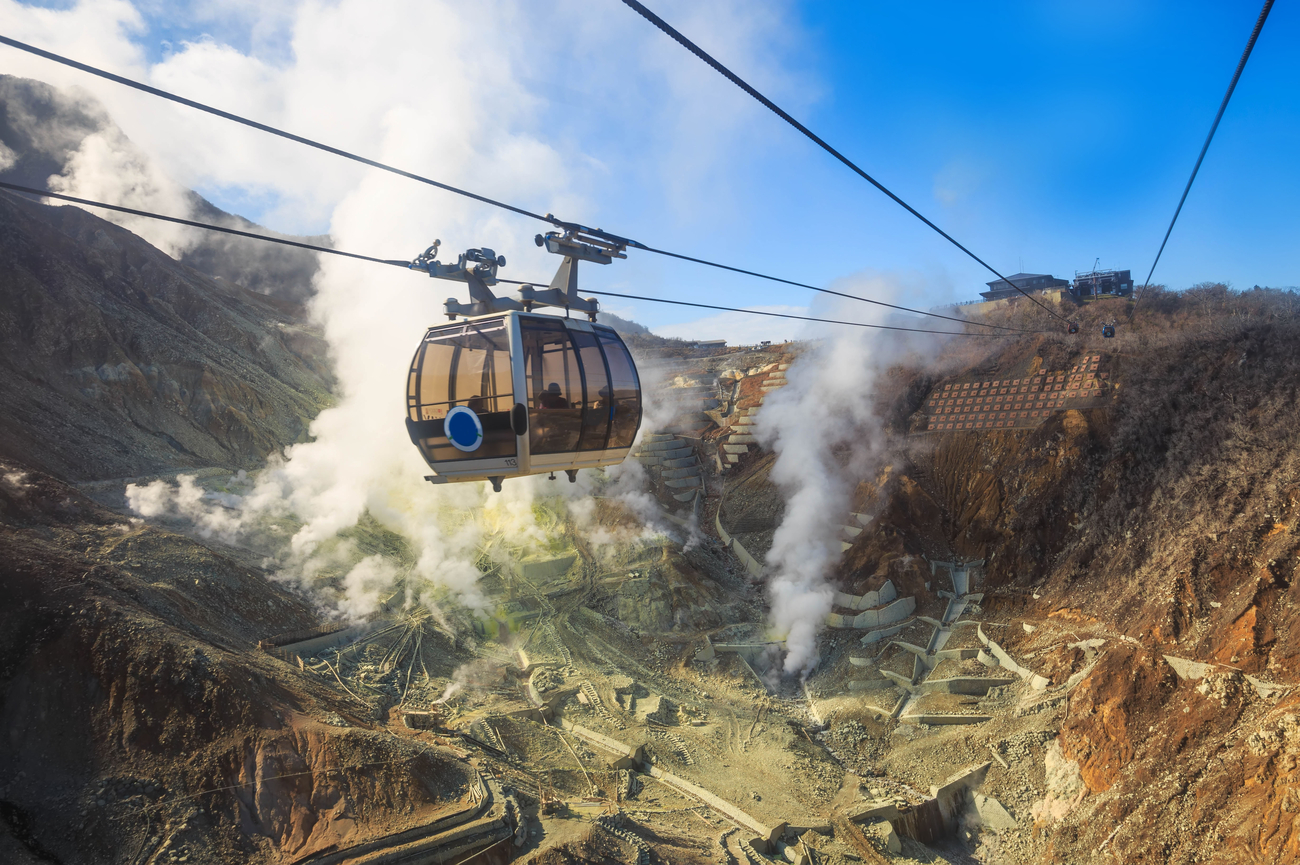
- Ropeway rides above volcanic valleys with sulfur smoke rising from the ground
- Peaceful cruises on Lake Ashi with shrine gates visible from the water
- Slow walks through museums that feel like gardens instead of galleries
Specific places to go in Hakone
- Hakone Yuryo, a popular wellness facility with private baths
- Owakudani Valley, an active volcanic zone with dramatic steam vents
- Hakone Open-Air Museum, famous for art among trees and sculptures
- Lake Ashi Cruise, quiet boat rides with Fuji views on calm days
- Hakone Shrine, a lakeside spiritual stop surrounded by ancient cedar
Experience an extraordinary kind of relaxation with our handcrafted itinerary through our Hakone Onsen & Koyasan Temple Stays package.
Kusatsu
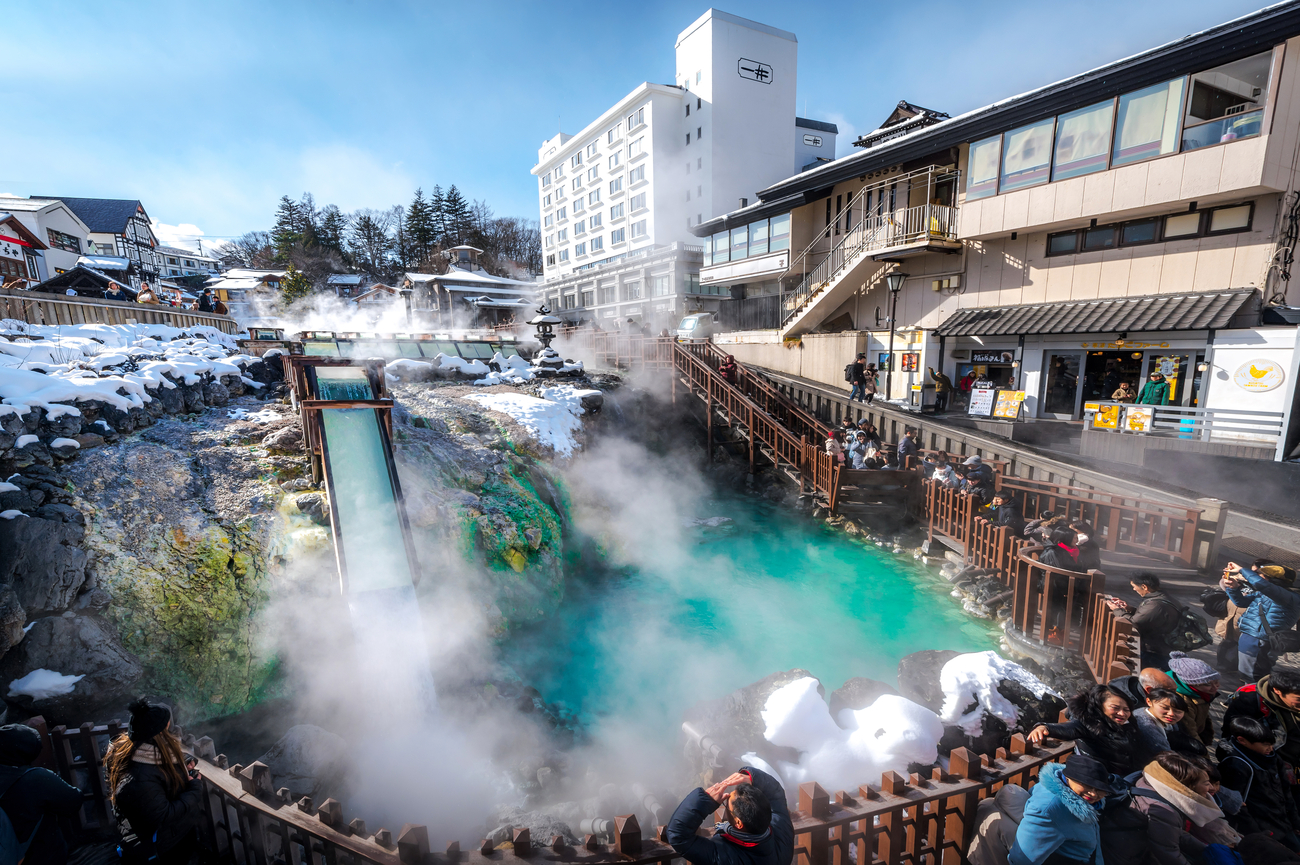
Kusatsu is known for strong sulfuric waters considered some of the most healing in Japan. These springs come through volcanic soil rich in minerals. You will smell the town before you see it. Steam rises from the giant Yubatake water field in the center. Instead of luxury, Kusatsu focuses on cure. Locals say the water “helps everything except a broken heart.” Baths here are hotter than most places, so the body relaxes deeply.
What to see and experience in Kusatsu
- Hot, medicinal spring baths that feel intense but deeply restorative
- Yubatake, a huge steaming water field that acts as the town’s heart
- Traditional bathing programs that guide how long to soak and when to cool
- Rustic town streets with snacks like onsen manju steamed in hot spring warmth
Specific places to go in Kusatsu
- Sainokawara Rotenburo, a massive outdoor bath surrounded by natur
- Otaki-no-Yu, known for therapeutic bathing methods
- Yubatake viewing paths, steam-lit at night and perfect for slow walks
- Netsunoyu, where you can watch traditional “yumomi” cooling rituals
- Kusatsu Onsen Museum, a small stop to learn about bathing culture
Beppu
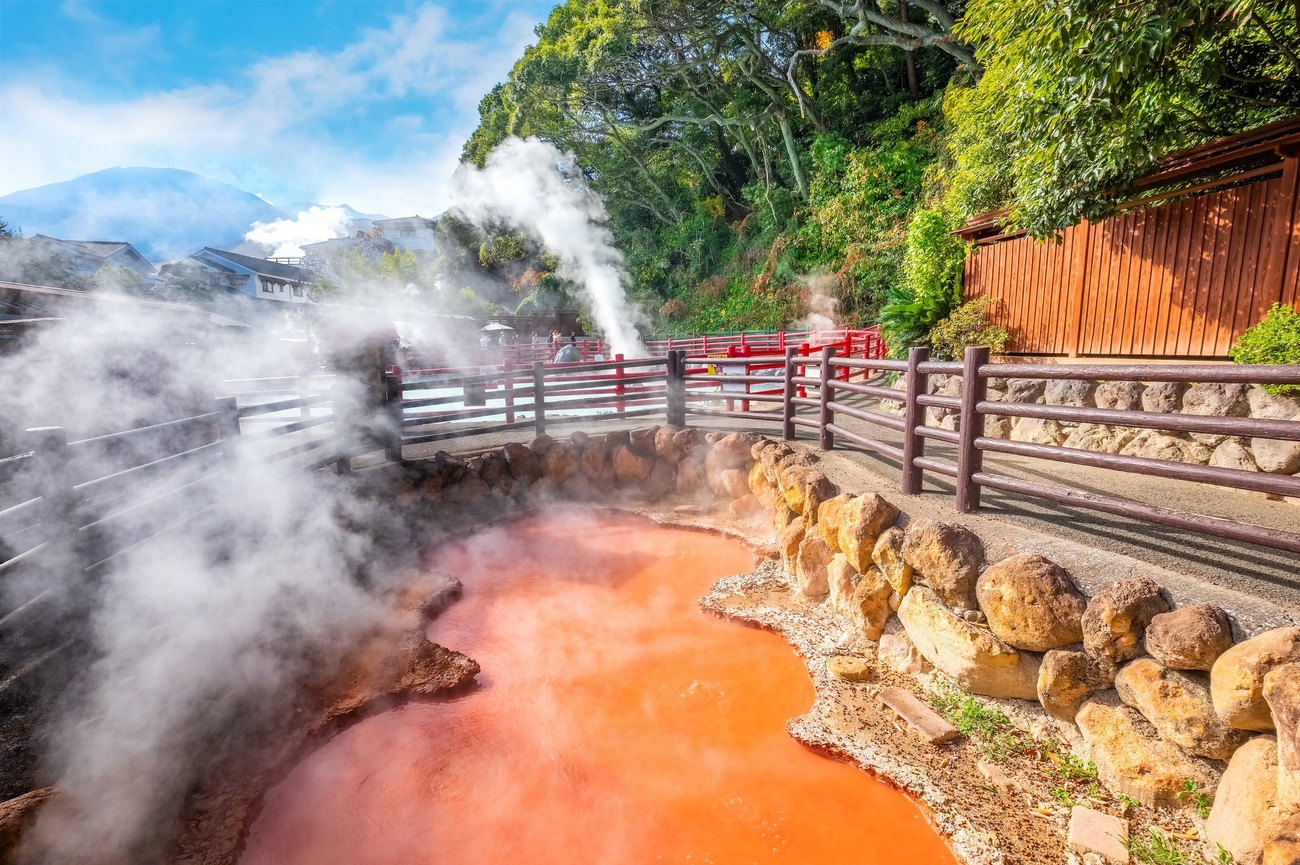
Beppu is one of the most unique hot spring areas in the world. Instead of just soaking, you can rest in warm sand baths, walk through steam rooms heated by the earth, or watch colorful mineral pools known as "Hells" on the Jigoku Meguri circuit.
Many springs are too hot to enter, so the town created wellness experiences around viewing, steaming, cooking, and full-body treatments. Beppu feels experimental, playful, and rooted in old traditions.
What to see and experience in Beppu
- Sand bathing, where attendants bury your body in warm mineral sand
- Steam therapy rooms powered by natural geothermal heat
- Viewing tours of dramatic hot spring “Hells” with surreal colors
- Onsen cooking experiences using steam vents for eggs and vegetables
- Mud baths rich in minerals that soften the skin
Specific places to go in Beppu
- Beppu Kaihin Sunayu, the famous seaside sand bath facility
- Takegawara Onsen, a classic bathhouse with sand treatments
- Hells of Beppu tour, featuring bright blue and red mineral pools
- Kannawa District, known for steam kitchens and public steam huts
- Myoban Onsen, famous for cloud
Temple Stay Destinations
Koyasan
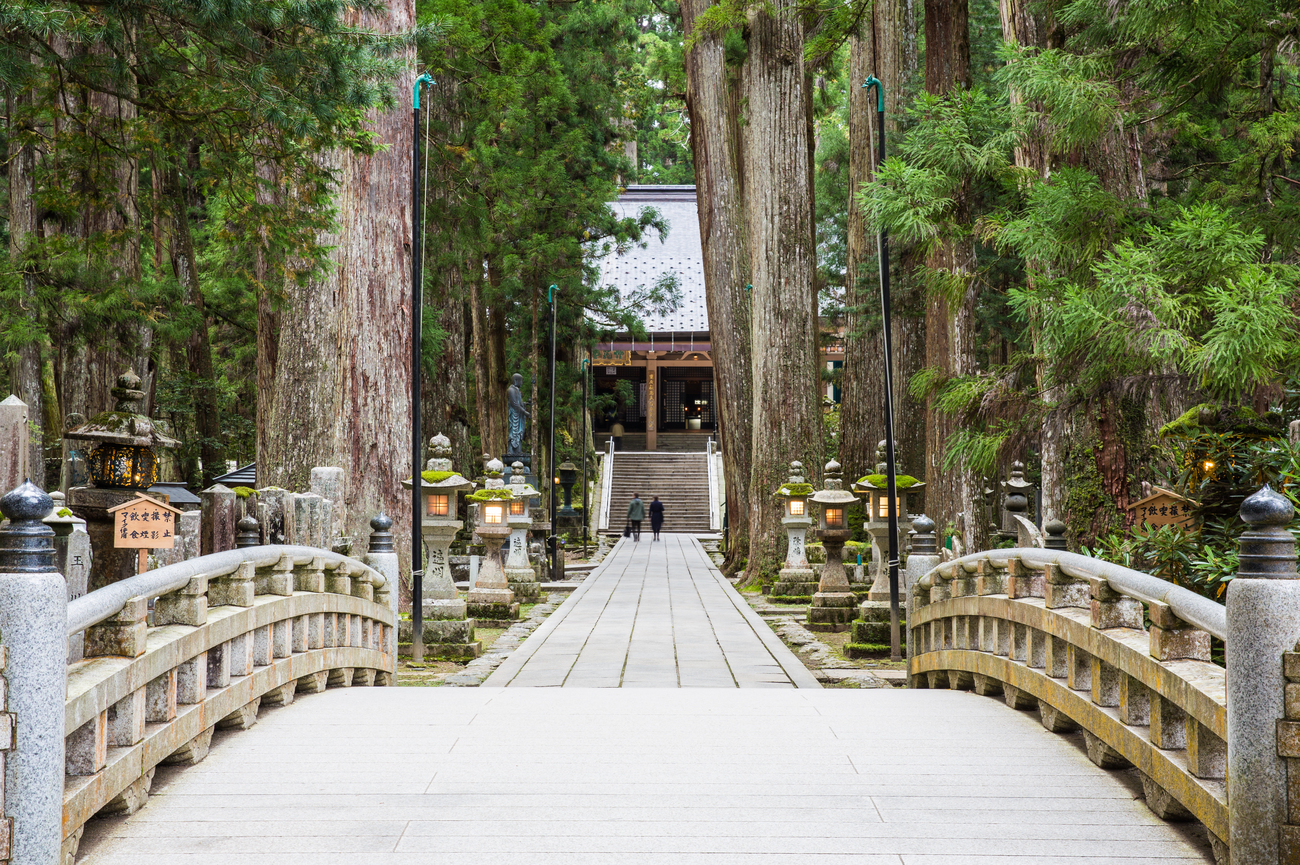
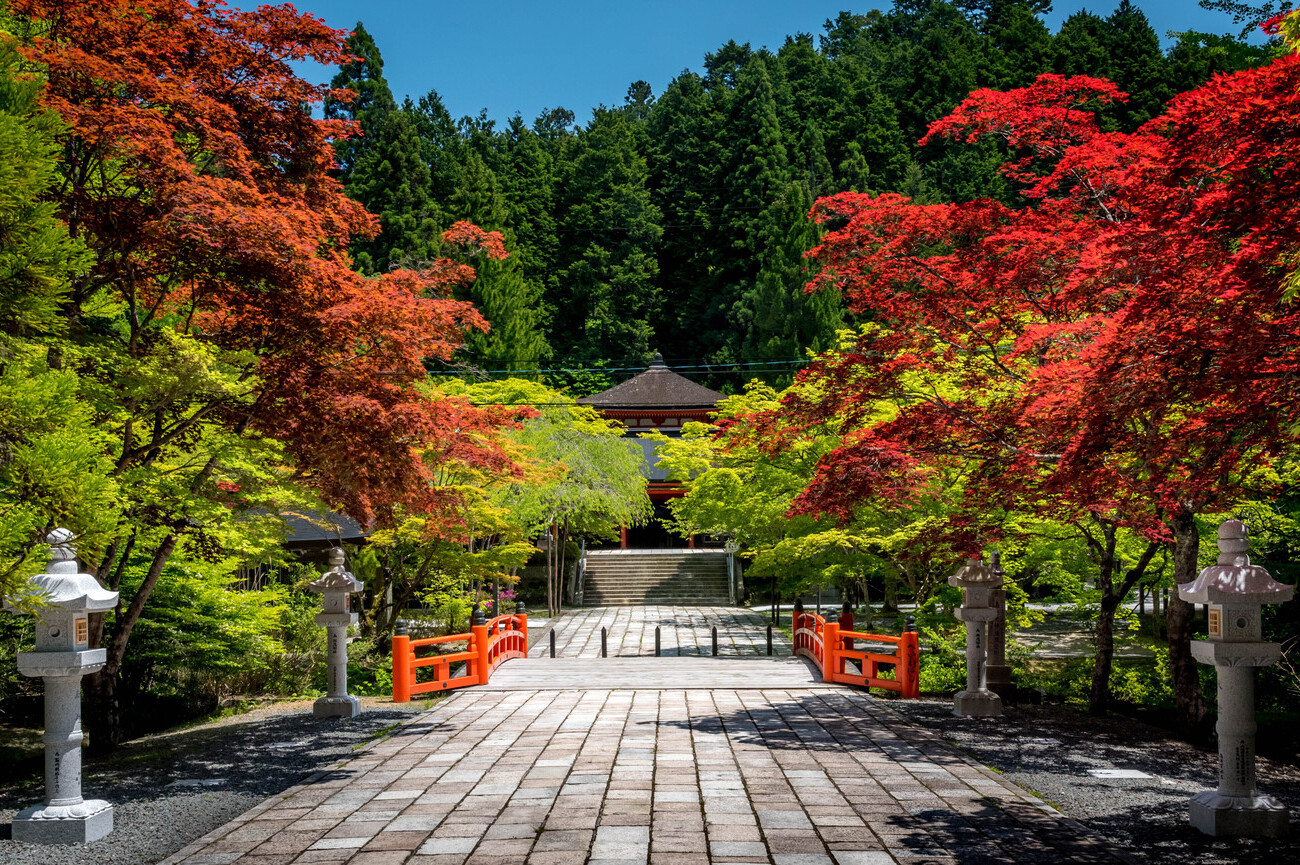
Koyasan sits high in the Wakayama mountains. It is the center of Shingon Buddhism and one of Japan’s most sacred places. The entire town is built around temples, each serving monks, pilgrims, and travelers. You sleep on tatami floors, eat shojin ryori plant-based meals, and wake before sunrise for chanting and meditation. Walking through Okunoin cemetery at dusk is deeply peaceful, with stone lanterns, mossy statues, and ancient trees. Koyasan feels like stepping into another pace of time.
Staying here teaches you ritual living. Meals are eaten slowly. Conversations stay soft. Morning practice leads into quiet reflection. You learn by doing, not by studying. The wellness experience comes from participation.
Tips for staying in Koyasan
- Choose temple lodgings known for meditation programs. Our Guide to Temple Stays in Japan will help you with this.
- Bring layers; mornings on the mountain are cold
- Follow meal etiquette, which encourages quiet eating
- Expect early mornings and shared spaces
- Book early during autumn foliage season
Nagano - Zenkoji
Zenkoji in Nagano is one of Japan’s most welcoming temples. It is open to all backgrounds and beliefs. You do not need to know Buddhist customs before arriving. Monks here invite newcomers to join prayer services, meditation time, and a special practice called O-kaidan meguri, where you walk in complete darkness below the temple. The walk represents letting go of control and trusting your steps. It is symbolic and calming for first-time spiritual travelers.
Staying near Zenkoji feels peaceful even within a city environment. Instead of remote mountains, you get daily temple routines mixed with markets, cafés, and quiet inns. This balance works well for travelers who want spiritual wellness without full isolation.
Wellness experiences at Zenkoji
- Morning chanting with monks, open for visitors each day
- Zazen sessions for beginners with simple posture guidance
- O-kaidan meguri, a meditative walk in darkness under the altar
- Vegetarian meals influenced by shojin ryori traditions, served in quiet rooms
- Temple neighborhood strolls lined with tea houses and small shrines
Zenkoji lets you practice wellness without pressure. You join rituals, not as a follower of a religion, but as a guest learning respect, stillness, and presence. It is a place where human connection and quiet routines offer comfort.
When you explore onsen towns and spiritual retreats, you do more than travel. You practice a different pace. You learn through water, food, silence, and community. These places invite you to participate with curiosity. The culture does the rest.

Essential Etiquette for
Authentic Zen Wellness
In Japan, wellness is not a product to consume. It is a commitment to participation and mindful respect. Whether bathing in a hot spring or meditating in a temple, your behavior influences the shared experience of everyone around you. Here are the key principles that protect the sanctity of these spaces:
- Onsen baths and temple lodging halls are quiet by design. Speaking loudly disrupts the experience because silence is part of the healing practice itself.
- Onsen water is not meant to wash the body, but to heal it. Guests must shower and scrub thoroughly before soaking, so the mineral water remains pure for everyone.
- Most traditional inns and temples require guests to remove shoes immediately upon entry. Socks or bare feet symbolize cleanliness. Slippers are provided for halls, but never worn on tatami rooms where guests sleep or meditate.
- During meditation, meals, and temple ceremonies, sit with your back straight, hands still, and movements minimal. It is not about posture, but about being fully present with others.
- Ryokan and temple meals are multi-course experiences. Conversations are low, chewing is soft, and dishes are savored slowly. Wellness is practiced through gratitude and attention to every bite.
- Capturing the moment interrupts everyone else’s. The truest “wellness photo” is the one never taken, because you stayed fully absorbed in the experience.
- Rushing into the water, splashing, or swimming breaks the meditative tone of the bath. Slow, minimal movements respect the tranquillity of others.
Wellness isn’t consumption, it is participation. The more you adapt, the deeper the transformation you experience.
How Zen Wellness Benefits Body, Mind &
Spirit
Physical Benefits
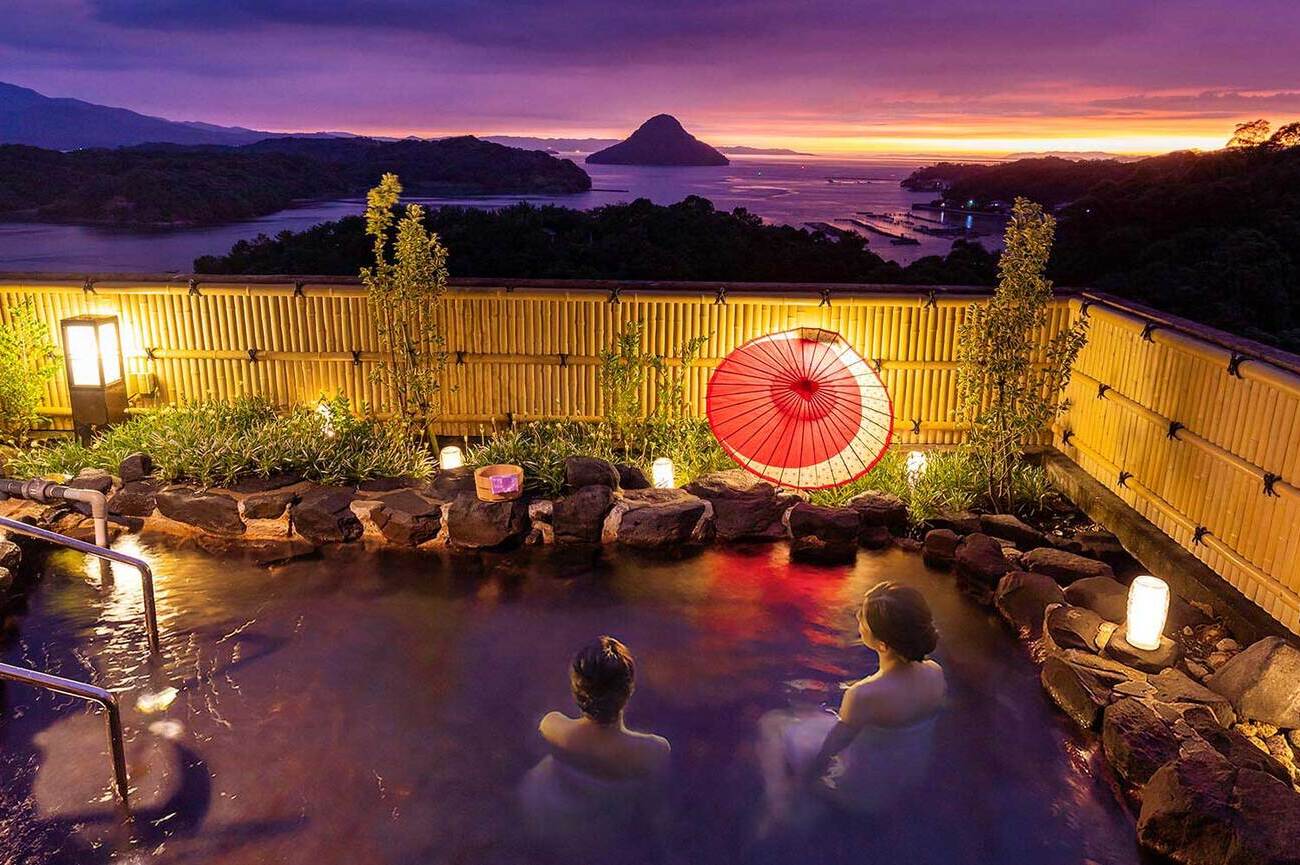
- Soaking in real onsen water gives the body minerals it doesn’t usually get through the skin; sulfur and magnesium especially help loosen stiff muscles and calm irritated joints.
- The heat alone does half the work: warm water opens up blood vessels, so the heart doesn’t have to push as hard to circulate oxygen.
- Temple-style breathing slows everything down; long exhales signal the body to switch out of “stress mode,” and you can literally feel your heart settle.
- Bathing at night makes falling asleep easier as the body heats up in the onsen and cools down afterward, and that drop is what tells the brain it’s time to rest.
- You’ll sweat more than you expect. That sweating isn’t just about heat, it helps the skin push out waste and reset its natural barrier.
Psychological Benefits
- The environment does half the calming for you. Warm water, wood scent, wind, echoing water sounds; your brain can’t juggle thoughts the same way in that kind of atmosphere.
- Staying at a temple or traditional inn means fewer decisions: meals are served when they’re served, rooms are simple, schedules don’t ask you to plan anything.
- Everyday actions turn into small rituals. Eating quietly, bathing slowly, cleaning shared spaces; they force the mind to be present without trying so hard.
- Silence isn’t awkward there. It gives you space to listen to your own thoughts without noise competing for attention.
- Nature works like a reset button. Forest paths, cold mountain air, or just soaking outside in winter snow; those settings clear mental fatigue in a way screens never could.
Social and Cultural Benefits
- Learning the etiquette is about being aware of the people around you and moving in a way that doesn’t disturb anyone else.
- Meals are served as they are, and rituals happen on the temple’s schedule. You don’t choose or demand anything, so you end up appreciating what’s given, exactly as it is.
- Nothing in Zen spaces pushes you to compete or compare. You just exist with other guests, quietly sharing the same space without the pressure to impress or perform.
- There are many unspoken rules, and figuring them out gently teaches empathy. You pay attention, adjust, read the room; skills that matter everywhere, not just in Japan.
Recommended Zen Wellness Itinerary
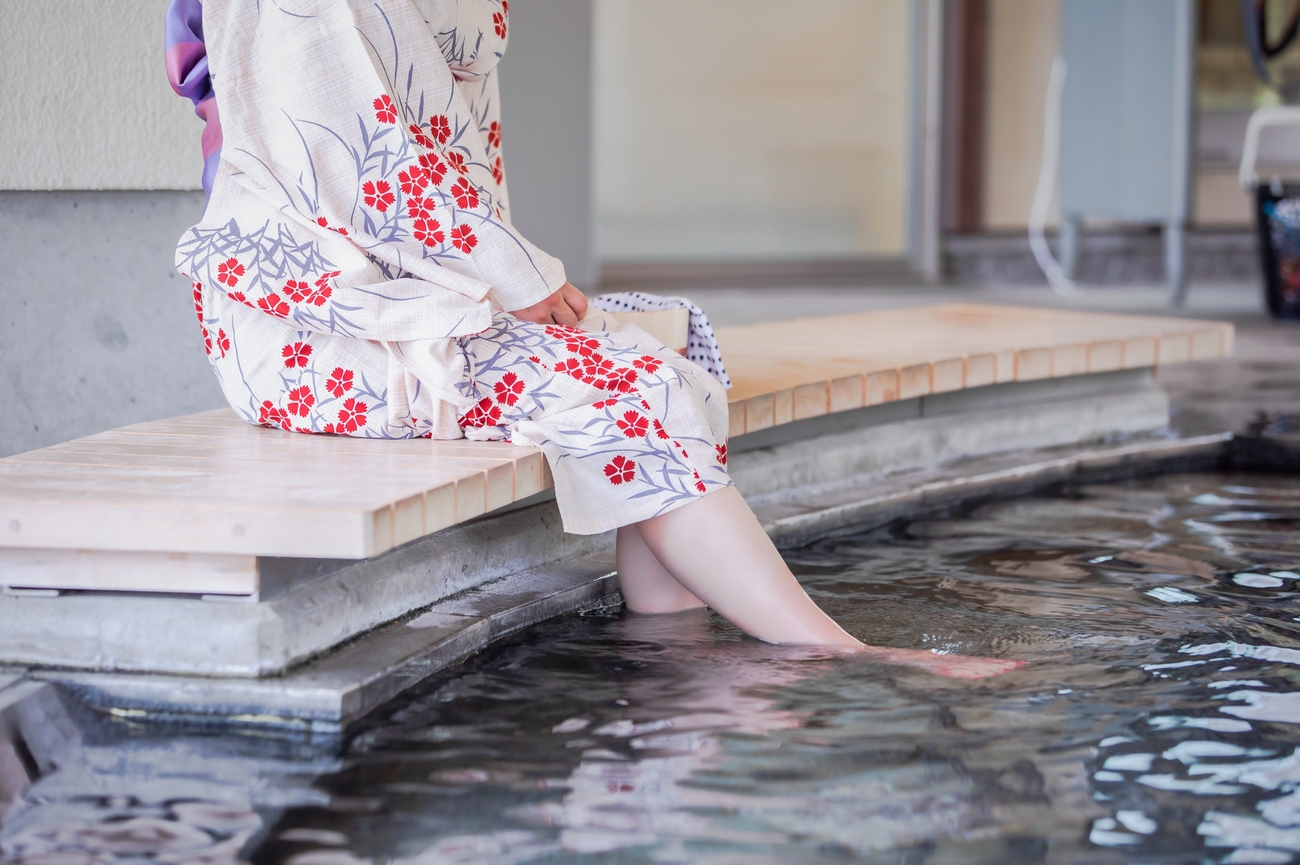
A well-designed itinerary blends natural hot spring healing and monastic mindfulness in a slow rhythm. Travelers may begin in Hakone for classic open-air baths with Mt. Fuji views, then transition to Koyasan for guided zazen meditation and shojin ryori temple cuisine, combining body restoration and spiritual grounding.
Booking a trip independently is possible, but guided logistics avoid common obstacles such as limited English support in rural ryokan, complicated transportation to Koyasan, and temple booking rules that vary by sect. A curated itinerary also ensures access to English-speaking monks, reliable transfers, and reserved dining experiences, allowing travelers to focus solely on their inner and outer well-being.
The good news? You don’t have to stress yourself planning for a trip aimed at a meditative and quiet state. Our Zen Wellness Japan Itinerary is ready for booking.
Before You Go
For many travelers, the idea of Zen wellness can feel unfamiliar at first. The rules seem subtle, the rituals look precise, and everything moves at a pace that feels slower than what daily life has trained us to tolerate. But Japan does not expect you to arrive knowing how to bow correctly, meditate perfectly, or eat in silence.
What matters is willingness. When you step into a hot spring, sit for a morning chant, or share a quiet meal, you’re not performing for others, you’re participating in a centuries-old culture of presence. Etiquette will follow naturally, one mindful moment at a time.
Even the simplest cup of tea can feel like an invitation to slow down when you stop trying to rush through it. Japan doesn’t ask you to perform Zen. It invites you to live it. Are you in?
Begin Your Intentional Journey With Us
Travel at a normal pace and let the trip run without pressure. We handle the parts that are easy to get wrong — ryokan etiquette that isn’t explained to guests, and temple reservations that require speaking directly with monks. You don’t need to study rules or navigate awkward conversations; just show up.
The itinerary focuses on two things: places that care for the body, and places that teach calm through routine. Onsen towns do the first. Mountain temples do the second. You learn by being there, not by being guided through long explanations.
Let a purposeful journey shape how you rest and reconnect with yourself.
Frequently Asked Questions
-
What does “Zen wellness” mean in Japan?
Zen wellness in Japan is a way of living that supports balance through nature, ritual, simplicity, and respect. It shows up in habits like quiet bathing, mindful meals, meditation, and slowing down, not just in spa experiences.
-
What are the essential onsen etiquette rules for first-timers?
Wash and rinse fully before entering communal baths, do not wear swimwear, keep towels out of the water, tie up long hair, keep your voice low, and avoid electronic devices in bathing areas. Tattoo policies vary, so check in advance.
-
How can beginners try zazen in Japan?
Join a temple session or stay somewhere that offers morning practice. Arrive early, wear modest comfortable clothing, follow the teacher’s posture cues, start with short breath awareness, and treat it as curiosity rather than perfection.
-
What is shojin ryori?
Shojin ryori is Zen Buddhist temple cuisine. It is plant-based, seasonal, and carefully composed, using ingredients like tofu, root vegetables, seaweed, mushrooms, and beans, with a focus on balance, gratitude, and mindful eating.
-
What is a simple Zen wellness itinerary in Japan?
Combine an onsen town with a temple stay. For example, begin in Hakone for open-air baths, then continue to Koyasan for temple lodging, early chanting, zazen, and shojin ryori, creating a slow rhythm that restores body and mind.


Let us know what you love, where you want to go, and we’ll design a one-of-a-kind adventure you’ll never forget.
Get in touch
Miriam
Travel Specialist

Romina
Travel Specialist

Laura
Travel Specialist
Our offices:



Revigorate, Iberian Escapes and Algarve Lifestyle are the registered brand names of APCS Lda . We are a fully authorised travel agency licensed by Turismo de Portugal RNAVT/6867.
In the event of a dispute, the consumer may refer to: RAL - Centros de Arbitragem
Avª. 5 de Outubro, nº. 55, R/C Dtº. 8000-075 Faro, Portugal | Tel: +351 289 823 135 *
* national landline call
E-mail: info@consumoalgarve.pt| www.consumidoronline.pt | Mon to Fri: 9:00 - 13:00 / 14:00 - 17:00