A Beginner’s Guide to Temple Stays in Japan

Find Your Zen
A temple stay in Japan offers a quiet place to pause. Guests sleep in humble rooms inside Buddhist temples and follow daily rituals with monks. This experience is known as shukubo, a chance to live at the rhythm of spiritual practice. Meditation, silence, nature, and mindful meals guide each day, and the purpose is peace rather than comfort. Temple stays welcome beginners from every background. You do not need knowledge of Buddhism, only a curiosity for stillness.
Temple accommodations are not hotels. There are no televisions, no luxurious beds, and no long menus to choose from. Rooms are simple and centered on tatami mats. Meals are plant-based and served at fixed times. Then, the monks lead morning prayers, with guests joining as observers or participants. The experience invites gratitude and presence.
For travelers seeking wellness in Japan, temple stays offer a deeper form of relaxation. Instead of pampering, they shape attention. Instead of entertainment, they offer quiet. Instead of speed, they offer rhythm. This shift mirrors Japan’s Zen heritage, where calm is practiced rather than expected.
Learn how these rituals connect with Japan’s broader wellness culture in The Ultimate Zen Wellness Guide to Japan.
What
Is a Temple Stay (Shukubo)?
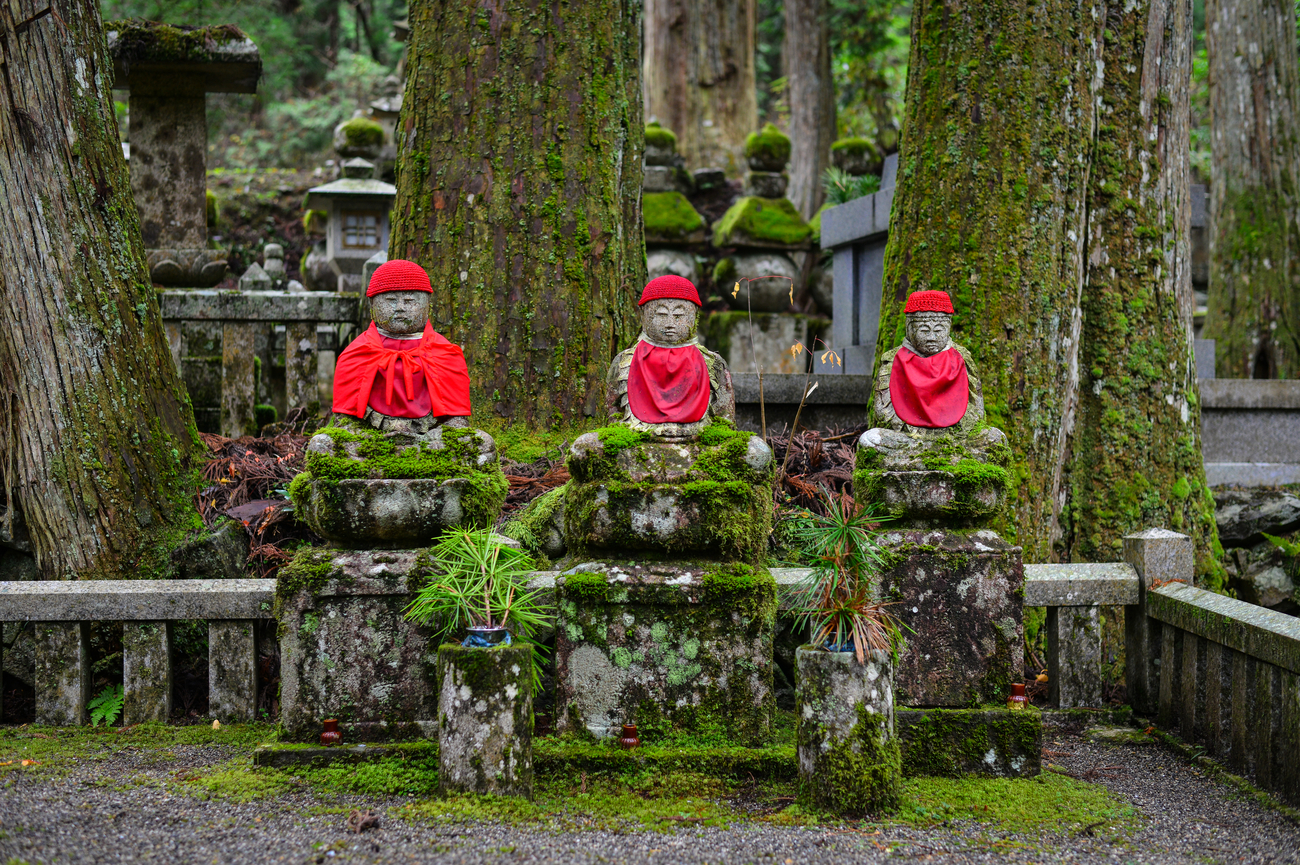
Shukubo are temple lodgings in Japan. You sleep, eat, and spend quiet time inside the temple grounds. Monks host travelers from everywhere, especially in places known for their history and spiritual practice, like Koyasan or parts of Nagano. Guests aren’t treated like customers, and that shift sets the tone for how people behave.
A temple stay usually includes:
- a basic room with just what you need to rest
- meals made to support practice rather than comfort eating
- shared rituals where you pay attention to breathing, sound, movement, and timing
Nothing is designed to impress. The value comes from how clearly you notice what you’re doing, not from upgrades or special treatment. Instead of “wellness” being something you buy, it’s something you take part in. For many first-time visitors, that simplicity is its own reset.

What
You Can Expect at a Temple Stay
A temple stay follows a gentle structure. Guests rise early, eat meals prepared from seasonal vegetables, sit in stillness during meditation, and walk through nature without rush. Some temples host larger groups, while others remain small and intimate. Each one protects an environment of reflection.
Simple Tatami
Rooms
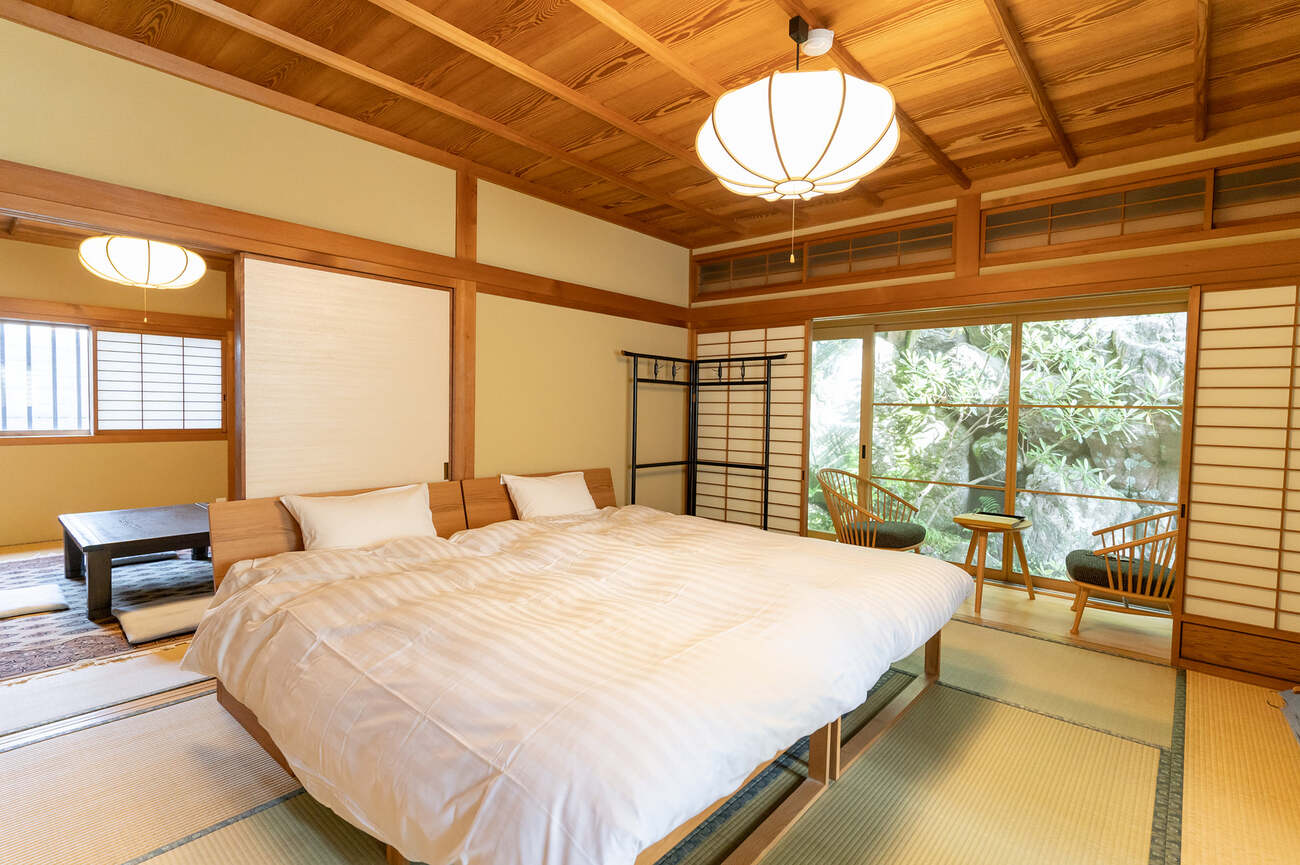
Rooms are designed for quiet sleep and uncluttered living. Tatami mats cover the floor, and bedding comes in the form of soft futons folded each night. Sliding shoji doors maintain privacy. Shared bathrooms and baths are common. The intention is modesty rather than indulgence.
Quiet is part of the temple life. People speak softly so everyone can keep the peace. Light is gentle, while the rooms emanate slow and calm. A tatami room isn’t just a place to sleep; it’s where you can rest, think, or just feel grounded.
Shojin Ryori
Meals
Meals follow shojin ryori, the traditional Buddhist style of cooking. They’re mostly vegetables, tofu, and seasonal mountain plants — no meat, fish, garlic, or onions. Each dish is prepared with care, and eating slowly helps you notice the balance and effort in the meal. Nothing is wasted, and nothing is rushed.
Eating in silence feels unusual at first. With time, it deepens awareness. You taste textures and scents more clearly, then you eventually notice temperature and freshness. The ritual encourages you to slow down and receive nourishment, not simply consume.
This approach to food reflects the meditative nature of Zen wellness. Mindfulness enters the body through eating, not just through sitting meditation.

Morning
Ceremonies and Meditation
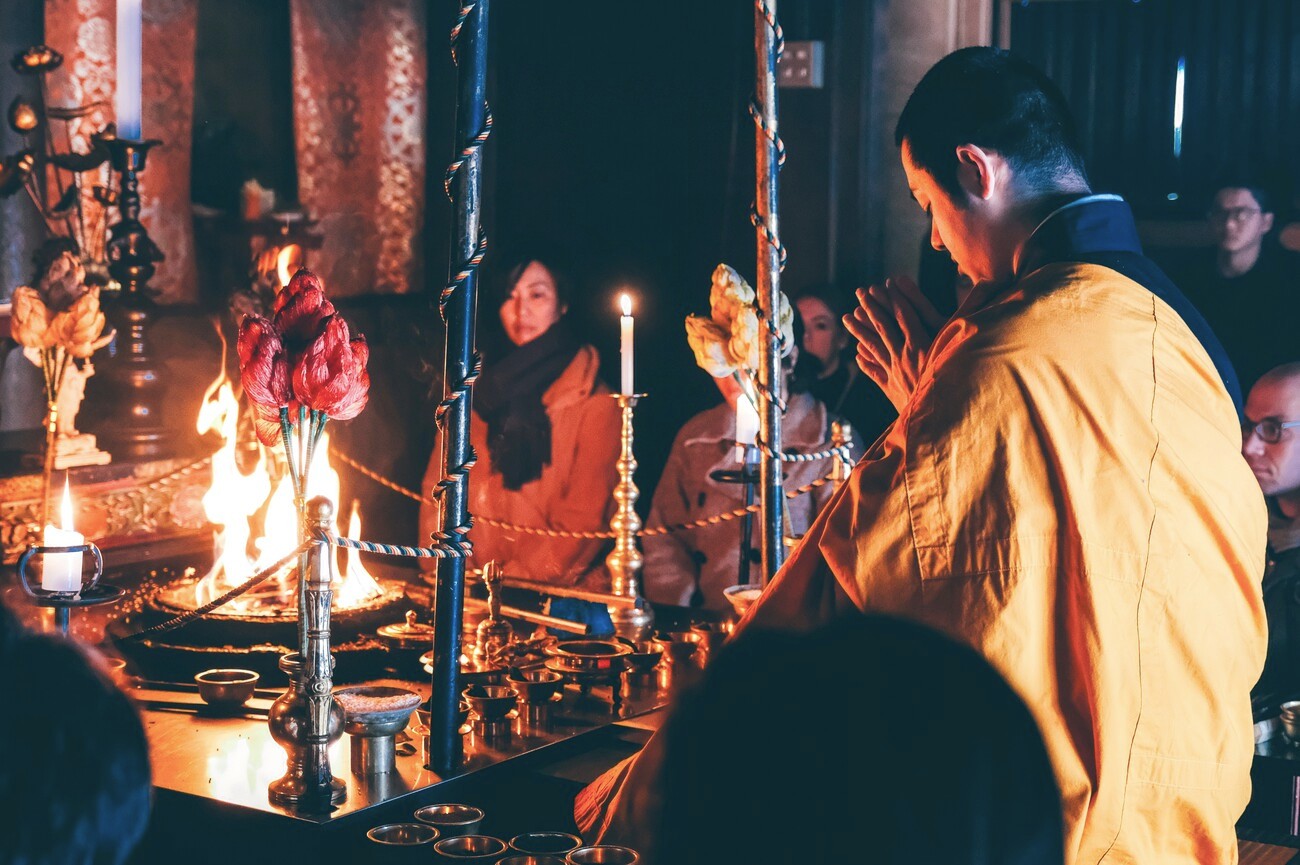
Temple mornings begin before sunrise. Bells will ring through the still air as monks gather in the main hall. Guests walk quietly to join them. Ceremonies include chanting, incense, bowing, and short periods of seated meditation called zazen.
Meditation does not require perfection. You can join by sitting attentively and observing your breath. If you do not understand the chants, you simply listen. The practice is not about achieving enlightenment. It is about showing up with sincerity.

Time in Nature
Most temples sit near forests, mountains, or rivers. Nature becomes part of the meditation experience. Many guests wander stone paths after morning ceremonies. Others sit beside old cedar trees or stop at small shrines tucked among moss-covered rocks. The natural world acts as a teacher. It shows simplicity without effort and beauty without decoration.
This setting makes temple stays a profound form of stress relief. You rest within a living landscape instead of a curated resort.

How
to Do Your First Temple Stay
Beginners often worry about etiquette, language barriers, or being inexperienced. A simple plan eliminates those worries and allows you to arrive with confidence.
Step 1: Choose a Temple Town
Select a location known for welcoming visitors.
- Koyasan is ideal for beginners who want rich spiritual history.
- Zenkoji in Nagano suits travelers who need easy access from Tokyo.
Step 2: Check Meal and Ceremony Schedules
Every temple does things a little differently. Dinner might be early, meditation could be first thing in the morning. If you know the schedule, it’s easier to join in without feeling like you’re out of place.
Step 3: How to Book
Most reservations happen by email or phone, sometimes through a temple association website. A few show up on booking sites, but it’s usually easier to contact the temple directly so there’s no confusion.
Step 4: What to Pack
- Clothes you can move in comfortably — loose for meditation and long sleeves for walking around.
- Socks for indoors, since shoes usually come off.
- Your own toiletries and any medications; temples don’t stock hotel-style supplies.
Step 5: Keep Etiquette Simple
- Keep your voice low and move at a relaxed pace.
- Bow or nod when it feels right.
- Always ask before taking photos.
That’s it — small, thoughtful actions make the stay easier for everyone.
Step 6: Participate Calmly and Without Judgment
Temple stays are not performance. You do not need to chant perfectly or hold still like a statue. Even monks spend years learning how to sit, breathe, and serve. Follow gestures, observe, and let the atmosphere teach you.
See how temple stays fit into our curated Zen Wellness Japan Itinerary.

Where
Beginners Should Go for Temple Stays
Some temple towns make it easier for newcomers. They give clear instructions, offer structured activities, and create a setting where visitors don’t feel unsure about what to do. Two places are especially beginner-friendly.
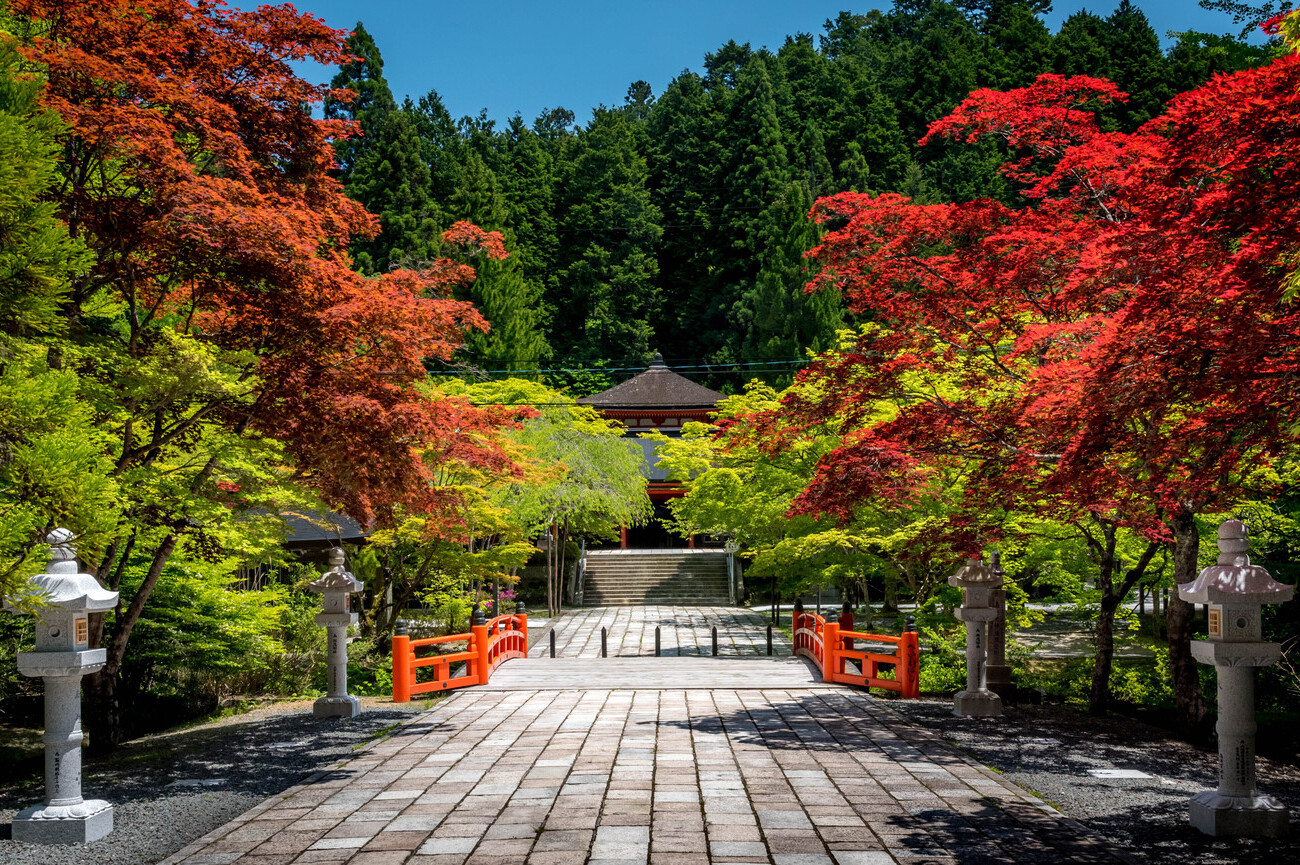
Koyasan (Wakayama): The Heart of Shingon Buddhism
This mountain town is the main center of Shingon Buddhism and is home to more than a hundred temples. Many of them host overnight guests in shukubo. Travelers usually take part in quiet activities. This could inc Guest areas are set up with simple routines, so even first-timers can follow along without needing prior experience.
Koyasan suits travelers who want:
- Well-organized temple lodging
- English-friendly guidance
- Rich cultural learning in a sacred environment
- A mountain retreat surrounded by towering cedar trees
Walking through Koyasan feels like entering a quiet world. The sound of wind through forest branches mixes in harmony with bells from the temple halls. This creates nights that are as peaceful as can be and days that flow with ritual. Even short stays offer a grounding experience.
Zenkoji
(Nagano): Accessible and Welcoming
Zenkoji stands at the center of Nagano City. It offers lodging for visitors regardless of background. You do not need to identify as Buddhist to stay. Temples around Zenkoji provide easy access from Tokyo, making it a comfortable introduction for travelers who want a gentle first experience.
Guests can meditate, walk through historic temples, and share meals with monks who cook using regional produce. The environment feels less remote than Koyasan, which helps beginners settle into the rhythm of spiritual travel without feeling isolated.
Reassurance: You do not need to speak Japanese to enjoy a temple stay. Most temples guide newcomers through gestures, silence, and simple visual cues. Presence matters more than words.

Etiquette
Tips for First-Time Temple Guests
Temple etiquette creates harmony between visitor and host. These tips support respect without stressing perfection.
- Speak softly and walk slowly.
- Follow what others are doing, if you're not sure what to do.
- Watch and learn before asking questions.
- Don’t take photos during ceremonies.
- Wear modest clothing that covers the shoulders and legs.
- Eat slowly and quietly, keeping conversation soft during meals.
- Treat the temple as a place of practice rather than a tourist site.
Curious about wellness etiquette beyond temples? Read our Onsen Etiquette for Wellness Travelers here.

Cost,
Booking, and What’s Included
Temple stays are simple, mindful experiences that support the monks and the temple community. Prices vary depending on the location, facilities, and meals, but most are midrange to premium rather than cheap budget options. Typical inclusions are:
- Dinner and breakfast made from fresh, local, plant-based ingredients
- Access to meditation, ceremonies, and temple grounds
- Clean bedding in a tatami room
- Maintenance and care for the temple and sacred spaces
Booking is a bit different from hotels. Many temples don’t use mainstream booking platforms, so reservations usually go through temple association websites or by contacting the office directly. A short message with your preferred dates is often enough. Most temples respond in basic English when it comes to schedules and details.
For beginners, using a curated service can make things easier. These trips handle the booking, explain etiquette, suggest what to pack, accommodate dietary needs, and sometimes combine temple stays with ryokan stays for a more balanced experience.

Begin
Where Silence Teaches
A temple stay invites a different kind of travel. Instead of seeing more places, you learn how to be present in one. Instead of collecting experiences, you experience time with clarity. You wake to the sound of bells and incense. You eat food that honors each ingredient. You sit in stillness surrounded by ancient forests and patient stone paths. There is no need to understand the chants, memorize the rituals, or perfect the posture. You simply live with awareness for a short moment, guided by monks who embody steadiness.
Temple stays remind travelers that peace is not something you chase. It arrives when you give attention to the ordinary. It appears in the sound of sandals on temple floors. It grows through respect for quiet conversation and mindfulness. The experience encourages a new form of wellness, rooted in participation rather than indulgence. This is a journey suited for beginners, because learning does not rely on skill. It relies on presence.
Let
Us Guide Your First Temple Stay
We help travelers navigate temple stays without stress. That means no worries about reservations, schedules, or etiquette. Our itineraries combine shukubo lodging with private onsen baths, seasonal meals, and time built around quiet reflection.
You’ll get simple guidance along the way: how to join meditation, what to wear, and choosing the right ryokan. The goal is straightforward: experience temple life, rest in calm spaces, and notice how daily routines in these places create a sense of flow and focus.
Frequently Asked Questions
-
What is a temple stay (shukubo) in Japan?
A temple stay, known as shukubo, is temple lodging where you sleep, eat, and spend quiet time within Buddhist temple grounds, often joining a simple daily rhythm of meals and rituals led by monks.
-
What can I expect from the rooms and facilities?
Accommodation is modest and quiet, centred on tatami-floor rooms with futon bedding and sliding shoji doors. Shared bathrooms and baths are common, and the focus is peace rather than hotel-style comfort.
-
What food is served at a temple stay?
Meals often follow shojin ryori, a traditional Buddhist style based on vegetables, tofu, and seasonal ingredients. Meals are served at set times and are designed to support mindfulness.
-
What happens in the mornings, and do I need meditation experience?
Mornings typically begin before sunrise with bells, chanting, incense, and short periods of seated meditation (zazen). You do not need to be experienced, you can join by sitting attentively and observing your breath.
-
Where should beginners go for their first temple stay?
Koyasan in Wakayama is well known for organised temple lodging and deep spiritual history, while Zenkoji in Nagano is accessible from Tokyo and offers a welcoming first experience for travellers of any background.
-
What should I pack, and what etiquette should I follow?
Pack comfortable, modest clothing for meditation and walking, indoor socks, toiletries, and any medications. Speak softly, move calmly, follow others if unsure, and ask before taking photos, especially during ceremonies.
-
How do booking and pricing usually work?
Prices vary by location and inclusions, and many stays include dinner and breakfast, bedding in a tatami room, and access to ceremonies and temple grounds. Booking is often by email or phone, sometimes via temple association websites, rather than mainstream hotel platforms.
Our offices:




Revigorate, Iberian Escapes and Algarve Lifestyle are the registered brand names of APCS Lda . We are a fully authorised travel agency licensed by Turismo de Portugal RNAVT/6867.
In the event of a dispute, the consumer may refer to: RAL - Centros de Arbitragem
Avª. 5 de Outubro, nº. 55, R/C Dtº. 8000-075 Faro, Portugal | Tel: +351 289 823 135 *
* national landline call
E-mail: info@consumoalgarve.pt| www.consumidoronline.pt | Mon to Fri: 9:00 - 13:00 / 14:00 - 17:00